Last Updated on November 20, 2025 by Ugurkan Demir

Cancer awareness ribbons are a symbol of support for those affected by the disease. The gold ribbon stands for childhood cancer awareness, showing the importance of children. It represents all pediatric cancers, unlike other ribbons that focus on specific types. Find out what is the ribbon color for childhood cancer and its awareness meaning.
At Liv Hospital, we know how important these symbols are. They help us understand and support patients and families better. Each color has its own meaning, showing the variety of cancers.
Key Takeaways
- The gold ribbon is the international awareness symbol for childhood cancer.
- Different colors represent different types of cancer.
- The gold ribbon symbolizes all forms of pediatric cancer.
- Cancer awareness ribbons are a universal symbol of support for patients and families.
- Liv Hospital is committed to providing world-class healthcare and support to international patients.
The Significance of Cancer Awareness Ribbons
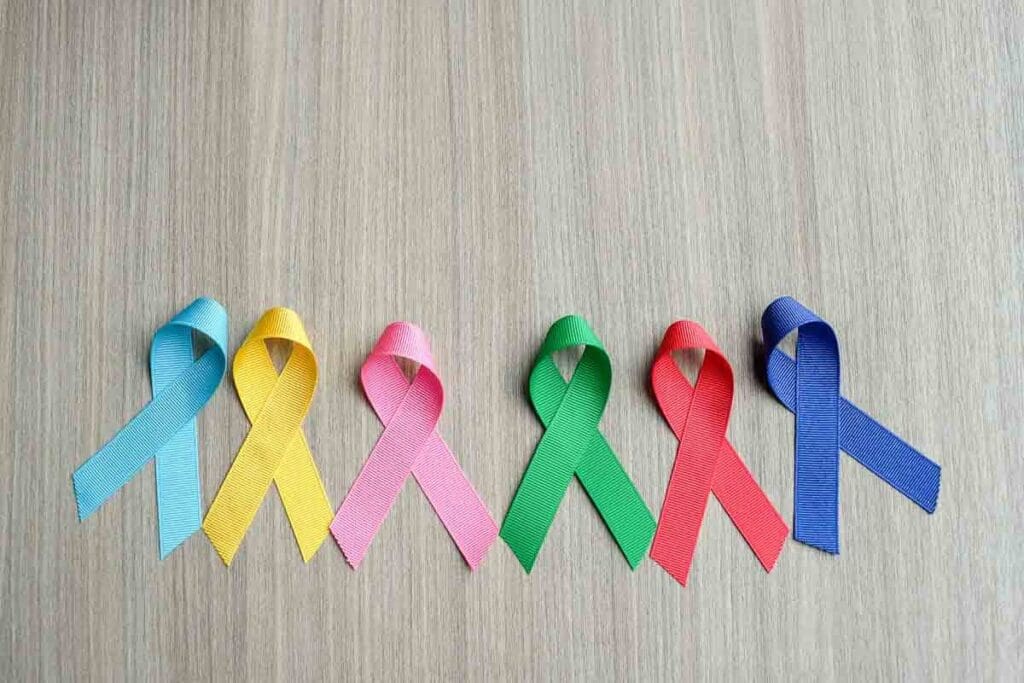
Cancer awareness ribbons are important because they raise awareness and offer support. They symbolize hope for those fighting cancer. These ribbons unite people in solidarity with cancer patients.
History of Cancer Awareness Ribbons
Ribbons became symbols during the Iran hostage crisis, representing hope and solidarity. Later, they were used for cancer awareness, with each color for a different cancer type. Today, they are a powerful symbol in the fight against cancer.
How Ribbons Help Raise Awareness and Support
Cancer ribbons are key in raising awareness about cancer types. Wearing a ribbon shows support for cancer patients and their families. This act builds a sense of community and solidarity.
Ribbons also help fund cancer research and support services. They bring us closer to finding a cure. Different colors, like the pink ribbon for breast cancer and the green ribbon for liver cancer, have specific meanings.
The Psychology Behind Color Symbolism
Colors deeply affect our emotions and perceptions. In cancer awareness, colors like red and purple evoke feelings of hope and support. By choosing colors, organizations create a visual identity that resonates with their message.
| Cancer Type | Ribbon Color | Symbolism |
| Breast Cancer | Pink | Care, compassion, and nurturing |
| Liver Cancer | Green | Hope, harmony, and nature |
| Pancreatic Cancer | Purple | Nobility, dignity, and wisdom |
Understanding the significance of cancer awareness ribbons is vital. They help us appreciate the efforts to combat cancer.
What Is the Ribbon Color for Childhood Cancer?

The fight against childhood cancer has a powerful symbol: the gold ribbon. This ribbon is a universal emblem for children battling cancer. We will explore the significance of the gold ribbon and its role in raising awareness.
The Gold Ribbon: Symbol of Childhood Cancer
The gold ribbon was chosen as the symbol for childhood cancer awareness. The Candlelighters Childhood Cancer Foundation (CCCF) helped make the gold ribbon well-known. Gigi Thorsen, a CCCF board member, and other parents affected by childhood cancer say the gold ribbon is a symbol for Childhood Cancer Awareness.
Why Gold Was Chosen to Represent the Preciousness of Children
Gold was picked to symbolize the preciousness and value of children. “Gold is a color that represents something precious and valuable, making it a fitting symbol for the innocence and preciousness of children.” The choice of gold shows the emotional and psychological impact of childhood cancer on families and communities.
“The gold ribbon is more than just a symbol; it represents the hope, love, and support for children fighting cancer and their families.” – Expert Opinion
Childhood Cancer Awareness Month and Initiatives
September is Childhood Cancer Awareness Month. During this month, many initiatives are done to raise awareness and funds for childhood cancer research and support. Organizations and communities worldwide participate in campaigns to honor children affected by cancer and support families.
Initiatives include wearing gold ribbons, organizing fundraising events, and sharing stories of courage and resilience. These efforts not only raise awareness but also provide emotional support to those affected by childhood cancer.
Understanding Different Types of Childhood Cancer
It’s important to know about the different types of childhood cancer. This knowledge helps us support and care for kids better. Childhood cancer is not just one disease. It includes many types, each with its own challenges.
Common Forms of Pediatric Cancer
Pediatric cancer includes several common types. These are:
- Leukemia: Cancer of the blood and bone marrow.
- Brain Tumors: Tumors that start in the brain.
- Lymphoma: Cancer of the lymphatic system.
- Sarcomas: Cancers that begin in the bones and soft tissues.
- Neuroblastoma: A type of cancer that develops in certain nerve cells.
Statistics and Impact on Families
Childhood cancer is a major cause of death in kids around the world. In the U.S., more children die from cancer than from any other disease. It deeply affects families, causing emotional, financial, and social challenges.
Some important statistics are:
- Childhood cancer is the leading cause of death by disease among children in the U.S.
- The exact cause of most childhood cancers remains unknown.
- Survival rates have improved significantly over the years due to advances in treatment.
How the Gold Ribbon Unifies All Childhood Cancer Types
The gold ribbon symbolizes childhood cancer awareness. It shows the importance of children and the need for support and research. It unites families, survivors, and advocates in the fight for a cancer-free future.
By wearing or displaying the gold ribbon, people show their support. They help raise funds for research, support families, and raise awareness about childhood cancer.
- Raise funds for research into the causes and treatments of childhood cancer.
- Provide support to families affected by childhood cancer.
- Promote awareness about the different types of childhood cancer and their impact.
The Pink Ribbon: Breast Cancer Awareness
The pink ribbon is a symbol of hope and strength in the fight against breast cancer. It highlights the importance of early detection.
The pink ribbon is mainly linked to breast cancer awareness. It stands as a global symbol of support for those touched by the disease.
Breast Cancer Awareness and the Pink Ribbon
The pink ribbon campaign has played a big role in raising awareness about breast cancer. It encourages women to get regular screenings and supports research for better treatments.
Some key aspects of the pink ribbon campaign include:
- Awareness: Educating the public about breast cancer risks and the importance of early detection.
- Support: Providing emotional and financial support to breast cancer patients and their families.
- Research: Funding research initiatives to improve breast cancer treatments and find a cure.
Variations for Male and Metastatic Breast Cancer
While the pink ribbon is mainly for female breast cancer, there are variations for male and metastatic breast cancer.
For male breast cancer, a mix of pink and blue ribbons is used to represent the fight in men.
Metastatic breast cancer, where cancer has spread, is often shown with pink, teal, and green ribbons. These colors symbolize the complexity and challenges of this stage.
Pink Ribbon Campaigns and Their Global Impact
Pink ribbon campaigns have made a big impact globally. They raise awareness and promote support and solidarity among breast cancer survivors and their families.
Some notable initiatives include:
- Breast Cancer Awareness Month is observed annually in October, where various events and campaigns are organized worldwide.
- Charity Runs/Walks that raise funds for breast cancer research and support services.
- Social Media Campaigns that use the pink ribbon symbol to spread awareness and support online.
Blue Ribbons in Cancer Awareness
Blue ribbons are important in cancer awareness. They stand for support and awareness for certain cancers. Mainly, they focus on colorectal and prostate cancers.
What’s the Blue Ribbon for Cancer?
The blue ribbon symbolizes awareness of different cancers. Dark blue is for colorectal cancer, and light blue is for prostate cancer.
Colorectal cancer is common and affects the colon or rectum. It’s vital to get screened early to prevent it.
Colorectal Cancer Awareness Initiatives
Colorectal cancer awareness is key. It teaches people about screenings and risks. Groups use social media, events, and materials to spread the word.
| Awareness Initiative | Description | Impact |
| Colon Cancer Alliance | Provides support and resources for those affected by colorectal cancer. | Increases awareness and support for patients and families. |
| National Colorectal Cancer Awareness Month | Observed in March, it aims to promote screenings and education. | Encourages individuals to get screened, potentially reducing mortality rates. |
Prostate Cancer Awareness Campaigns
Prostate cancer is common among men. Awareness campaigns are essential. Light blue ribbons symbolize support for prostate cancer.
These campaigns educate men about risks and the need for check-ups.
Prostate cancer awareness efforts include:
- Educational campaigns to inform men about risk factors and symptoms.
- Fundraising events to support research and patient support services.
- Community outreach programs to promote awareness and screenings.
Understanding blue ribbons in cancer awareness helps us support those with colorectal and prostate cancers. Awareness and education lead to early detection and better outcomes.
Other Common Cancer Ribbon Colors and Their Meanings
There are many cancer ribbon colors, not just pink and gold. Each color stands for a different cancer or group of cancers. They remind us of the wide reach of cancer and offer support to those affected.
Green Ribbon Meaning in Liver Cancer Awareness
The green ribbon is for liver cancer awareness. Liver cancer starts in the liver and can spread. Wearing green shows support and raises awareness for liver health and early detection.
Yellow Cancer Ribbons: Sarcoma and Bone Cancer
Yellow ribbons are for sarcomas, cancers in bones or connective tissues. Sarcomas are rare and can happen anywhere. Yellow ribbons show support for sarcoma and bone cancer patients and survivors.
Red Ribbons for Blood-Related Cancers
Red ribbons stand for blood cancers like leukemia and lymphoma. These cancers affect the blood and lymph system. Red ribbons show support for blood cancer patients and survivors.
Purple Ribbons for Pancreatic and Testicular Cancer
Purple ribbons are for pancreatic and testicular cancer. Pancreatic cancer is aggressive, and testicular cancer affects men. Purple ribbons help raise awareness and support for these cancers.
Less Common Cancer Ribbon Colors
Many cancer awareness ribbons are well-known, but there are also less common colors. These colors represent specific types of cancer. They play a key role in raising awareness and supporting patients and families.
Gray Ribbons for Brain Cancer Awareness
Gray ribbons promote brain cancer awareness. Brain cancer is serious and often life-threatening. It affects thousands worldwide each year. The gray ribbon symbolizes hope and solidarity for those affected.
Statistics on Brain Cancer:
| Type of Brain Cancer | Estimated New Cases | Estimated Deaths |
| Glioblastoma | 12,000 | 8,000 |
| Meningioma | 28,000 | 2,000 |
Teal Ribbons for Cervical and Ovarian Cancer
Teal ribbons highlight cervical and ovarian cancer. These cancers affect the female reproductive system. The teal ribbon symbolizes support for patients and survivors.
“The teal ribbon has become a powerful symbol of ovarian cancer awareness, representing the strength and resilience of those affected by this disease.” Noted an expert
Cervical cancer is one of the most common cancers in women worldwide. Ovarian cancer is less common but often diagnosed late. Awareness and early detection are key.
Periwinkle for Stomach Cancer Awareness
Periwinkle, a light purple-blue, is for stomach cancer awareness. Stomach cancer is a significant global health issue. Its incidence varies by region.
Multi-Colored Ribbons and Their Significance
Multi-colored ribbons represent various cancers, including carcinoid and neuroendocrine tumors. These ribbons highlight the diversity and complexity of cancer. They remind us of the need for support and awareness.
As we raise awareness for different cancers, it’s vital to recognize these less common ribbon colors. By doing so, we support those affected and work towards a better understanding and treatment of cancer.
How to Support Cancer Awareness Through Ribbons
Supporting cancer awareness through ribbons is a simple yet powerful way to show solidarity with those affected by the disease. Cancer awareness ribbons have become a universal symbol of support and hope for patients, survivors, and families impacted by cancer.
Cancer Ribbon Designs and Products
Cancer ribbon designs vary and are used in various products to raise awareness. These designs are not limited to ribbons but are also found on lapel pins, magnets, and other merchandise. The diversity in designs allows individuals to choose how they want to show their support.
Some common cancer ribbon designs include:
- Lapel pins with ribbon designs
- Magnets and stickers featuring cancer awareness ribbons
- T-shirts and clothing with cancer ribbon prints
- Bumper stickers and car decals with cancer awareness messages
Cancer Ribbon Survivor Symbols and Their Meaning
Cancer ribbon survivor symbols are significant as they represent the strength and resilience of cancer survivors. These symbols are often used during cancer awareness campaigns and events to honor survivors and raise awareness about the disease.
The meaning behind these symbols can vary, but they generally signify hope, courage, and the fight against cancer. For example, a butterfly symbol is often used to represent transformation and hope for cancer survivors.
Participating in Cancer Awareness Events
Participating in cancer awareness events is another way to support cancer research and patients. These events often feature cancer ribbons as a symbol of solidarity and support. By attending or organizing such events, individuals can contribute to raising awareness and funds for cancer research.
| Event Type | Purpose | Role of Cancer Ribbons |
| Cancer Walks/Runs | Raise funds for cancer research | Participants wear cancer ribbons to show support |
| Awareness Campaigns | Educate the public about cancer | Cancer ribbons are used as a symbol of awareness |
| Survivor Events | Honor cancer survivors | Survivors are often given ribbons to symbolize their strength |
By understanding the significance of cancer ribbons and participating in awareness events, we can collectively make a difference in the fight against cancer.
Conclusion: The Unifying Power of Cancer Awareness Ribbons
Cancer awareness ribbons are a symbol of support and solidarity. The gold ribbon stands for childhood cancer awareness, showing the importance of children fighting this disease.
There are many cancer ribbon colors, each for a different type of cancer. Pink is for breast cancer, and blue is for colorectal and prostate cancer. These ribbons raise awareness and honor those who have fought cancer. They also encourage early detection and support for cancer research.
Using cancer ribbon colors brings people together in the fight against cancer. By wearing or displaying these ribbons, we show our support for those affected. This helps in raising awareness and funding for cancer research.
FAQ
What is the ribbon color for childhood cancer?
The ribbon color for childhood cancer is gold. It shows the value of children. It helps raise awareness and support for kids with cancer.
What do different cancer ribbon colors mean?
Each cancer ribbon color has its own meaning. For example, pink is for breast cancer. Blue is for colorectal and prostate cancer. Green is for liver cancer.
Is the pink ribbon only for breast cancer?
Yes, the pink ribbon mainly stands for breast cancer awareness. Bu, there are special ribbons for male and metastatic breast cancer, too.
What is the blue ribbon for in cancer awareness?
The blue ribbon is for both colorectal and prostate cancer awareness. It’s used in campaigns for these cancers.
What does the green ribbon mean in cancer awareness?
The green ribbon is for liver cancer awareness. It helps bring attention to this type of cancer.
What does the yellow cancer ribbon stand for?
The yellow cancer ribbon is for sarcoma and bone cancer awareness. It shows support for these cancers.
What cancer is associated with the red ribbon?
The red ribbon is for blood-related cancers. It symbolizes support for these cancers.
What is the ribbon color for pancreatic cancer?
The ribbon color for pancreatic cancer is purple. It shows support for pancreatic cancer research and patients.
What is the ribbon color for stomach cancer?
The ribbon color for stomach cancer is periwinkle. It raises awareness for stomach cancer.
What is the significance of multi-colored ribbons in cancer awareness?
Multi-colored ribbons represent different cancer types or the diversity of cancer experiences. They show support for various cancers.
How can I support cancer awareness through ribbons?
You can support cancer awareness by wearing or displaying ribbons. You can also join awareness events. Buying ribbon-related products helps raise funds for cancer research.
What is Childhood Cancer Awareness Month?
Childhood Cancer Awareness Month is in September. It aims to raise awareness and support for kids with cancer.
What does a black cancer ribbon mean?
A black cancer ribbon often represents melanoma or other cancers. It also symbolizes mourning or remembrance.
What is the cervical cancer awareness color?
The cervical cancer awareness color is teal. It helps raise awareness for cervical cancer.
References
- W. T. Johnston, et al. (2021). Childhood Cancer: Estimating Regional and Global Incidence. Cancer Epidemiology, ScienceDirect. https://www.sciencedirect.com/science/article/abs/pii/S1877782119301729
- Y. Nakano, et al. (2024). Update on Recommendations for Cancer Screening and Surveillance for Childhood Cancer Predisposition Syndromes. National Library of Medicine (NCBI). https://pmc.ncbi.nlm.nih.gov/articles/PMC11705613/