Last Updated on October 27, 2025 by
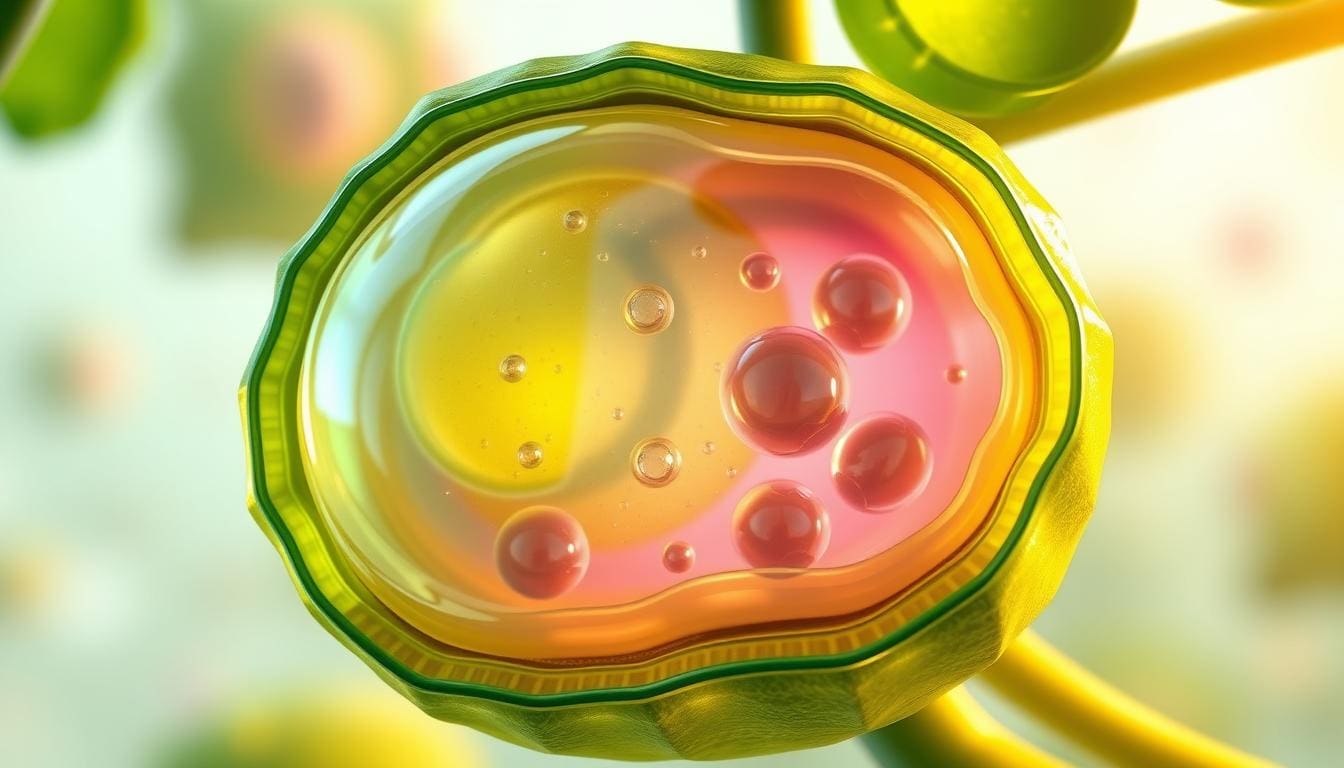
The term stroma refers to the structural or supporting framework of biological tissues, organs, and cells. It’s key to understanding how our bodies and their organs work.
In different biological settings, the stroma is very important. For example, in chloroplasts, it’s the fluid area around the grana and thylakoids. This area is vital for photosynthesis. The stroma provides a supportive environment for the complex processes in cells and organs.
Key Takeaways
- The stroma is the structural framework of biological tissues and cells.
- In chloroplasts, the stroma is the fluid-filled region surrounding the grana and thylakoids.
- The stroma plays a critical role in various biological processes, including photosynthesis.
- Understanding the stroma is essential for gaining insights into biological functions.
- The stroma provides a supportive environment for complex cellular processes.
The Fundamental Concept of Stroma in Biology
Understanding the stroma is key to knowing its role in supporting and protecting cells. It gives mechanical support and protection to cells, helping keep tissues strong.
Stromal cells are non-hematopoietic, meaning they don’t come from blood. They are also multipotent and self-replicating. This makes them great at supporting many biological functions.
Basic Definition and Etymology
The word “stroma” comes from Greek, meaning “layer” or “bed.” In biology, it’s the tissue or matrix that supports cells in organs or tissues.
The stroma has cells and substances that work together. They provide both structural and functional support.
Historical Context in Biological Studies
The idea of stroma has been important in studying tissues in plants and animals. Early research showed its role in supporting and keeping tissue structure.
Studies have kept going, showing how stroma helps in development, keeping things stable, and in disease.
The stroma does many things. It supports mechanically, protects, and works with cells to keep tissues strong.
| Characteristics | Description | Function |
|---|---|---|
| Non-hematopoietic | Not derived from blood cells | Supports tissue structure |
| Multipotent | Able to differentiate into various cell types | Contributes to tissue repair and maintenance |
| Self-replicating | Capable of reproducing itself | Ensures a continuous supply of stromal cells |
By understanding stroma, researchers and doctors can see its importance in health and disease. This helps in finding new treatments.
Stroma vs. Parenchyma: Understanding the Distinction
It’s key to know the difference between stroma and parenchyma to grasp the detailed structure of biological tissues. The stroma acts as the supportive structure of tissues and cells. On the other hand, parenchyma are the functional cells of an organ.
Defining Characteristics of Each
The stroma plays a supportive role, giving the structure that supports the organ’s functions. It’s made up of cells and materials like connective tissue, blood vessels, and lymphatic vessels. In contrast, parenchyma are the cells that carry out the organ’s specific tasks, like liver cells or brain neurons.
Stroma does more than just support; it also affects how parenchymal cells work. It does this through complex signals. For example, the stroma can control how cells grow, change, and live.
Functional Relationships Between Stroma and Parenchyma
Stroma and parenchyma work together. The stroma gives the support needed for parenchymal cells to work right. At the same time, the parenchyma decides what the organ does. “The stroma is not just a passive bystander; it’s an active participant in the biology of the organ.”
“The stroma is not just a passive scaffold; it actively influences the behavior and function of parenchymal cells through complex signaling mechanisms.”
To sum up, knowing the difference between stroma and parenchyma is vital for understanding organ and tissue biology. Their connection shows how complex biological systems are. It shows why we must look at both parts when studying organ function and problems.
Structural Components of Stromal Tissue
Understanding stromal tissue is key to knowing its role in biology. Stroma is vital in many organs and tissues. It supports cells and helps with many cellular processes.
Cellular Composition
The cells in stroma are varied, including fibroblasts and pericytes. Fibroblasts make the extracellular matrix. Pericytes help with blood flow and immune responses.
Stromal cells can turn into different connective tissue cells. This shows their role in tissue growth and upkeep.
Extracellular Matrix Elements
The extracellular matrix (ECM) is a key part of stroma. It gives structural support and helps cells talk to each other. The ECM has collagens, glycoproteins, and proteoglycans.
These elements form a complex matrix. It supports the tissue and lets stroma do its job.
The mix of cells and ECM in stroma is important. It helps keep tissues healthy and responds to disease. Knowing about stromal tissue helps researchers find new treatments.
How to Define Stromal Tissues in Different Biological Systems
Stromal tissues are key to understanding how different parts of our bodies work together. They act as a framework that supports the main parts of organs and tissues. This is true across all kinds of life.
Animal Stromal Tissues
In animals, stromal tissues are mostly made of connective tissue. This tissue includes cells like fibroblasts and immune cells, along with the stuff they’re surrounded by. These tissues help keep organs in shape, help cells move around, and control how our immune system works.
For example, the stroma in bone marrow helps grow blood cells. In lymph nodes, it helps organize and work immune cells.
Plant Stromal Matrices
In plants, the stroma is the liquid part inside chloroplasts where photosynthesis happens without sunlight. It has enzymes like RuBisCO that fix carbon. But, the term “stroma” is also used for the supportive tissues in leaves and stems, though not as often.
Microbial Stromal Structures
In microbiology, the term “stroma” isn’t used much. But, some microbes create structures that are similar to stroma. For example, biofilms have a protective layer around them. This layer helps the microbes stay safe and strong.
Stromal tissues play a big role in all kinds of life. By studying them, scientists can learn more about how our bodies work. This helps us understand the important role of structure and function in biology.
The Stroma in Plant Biology: Chloroplast Structure
The chloroplast stroma is a fluid-filled area inside chloroplasts. It has enzymes and structures key to plant life. It’s where photosynthesis happens in plant cells.
Composition of Chloroplast Stroma
The stroma holds important stuff like chloroplast DNA, starch, and ribosomes. It’s where the Calvin cycle happens, a key part of photosynthesis. The enzymes in the stroma turn carbon dioxide into glucose.
Knowing what definition stroma means here is key. The stroma isn’t just a background; it actively helps with photosynthesis. It gives the Calvin cycle enzymes the space they need to work.
Relationship to Thylakoids
The stroma and thylakoids work together in chloroplasts. Thylakoids handle light-dependent reactions. The stroma surrounds them, helping products and reactants move between the two.
Stromal Enzymes and Their Functions
The stroma has enzymes vital for the Calvin cycle and other processes. These enzymes use ATP and NADPH from light-dependent reactions. Knowing what does stroma mean in terms of enzymes is key to understanding photosynthesis.
These enzymes are very specific and work together. They make sure light energy turns into chemical energy, stored as glucose.
The Critical Role of Stroma in Photosynthesis
Photosynthesis relies heavily on the stroma, where enzymes for the Calvin cycle are found. The stroma is a fluid area inside chloroplasts, the parts of plant cells where photosynthesis happens. It’s key for the light-independent reactions of photosynthesis, also known as the Calvin cycle.
Calvin Cycle Processes
The Calvin cycle happens in the stroma. It uses energy from ATP and NADPH made in the light-dependent reactions. This cycle is vital for turning carbon dioxide into organic molecules, which plants use for growth.
The cycle starts with CO2 being fixed into 3-phosphoglycerate (3-PGA) by RuBisCO. Then, 3-PGA is turned into glyceraldehyde-3-phosphate (G3P) using ATP and NADPH’s energy. Some G3P makes glucose, while others help RuBP regenerate, keeping the cycle going.
Carbon Fixation Mechanisms
Carbon fixation turns CO2 into organic compounds. In the stroma, RuBisCO helps this happen. The stroma has the right pH and ion levels for this reaction.
Many things affect how well carbon fixation works, like light, CO2 levels, and temperature. The stroma helps keep the best conditions for this process, affecting photosynthesis rates.
Energy Transfer Within the Stroma
Energy transfer in the stroma is key for the Calvin cycle. ATP and NADPH from the light-dependent reactions power the conversion of CO2 into glucose. The stroma stores these energy-rich molecules for the Calvin cycle.
This energy transfer is very efficient. It helps plants make glucose and other compounds needed for growth.
In summary, the stroma is vital for photosynthesis, including the Calvin cycle, carbon fixation, and energy transfer. Its role is essential for plant survival and, indirectly, for all life that depends on plants for food and oxygen.
Stroma in Animal Tissues: Connective Tissue Framework
The stroma in animal tissues is key for supporting cells in organs. It keeps tissues strong and helps cells work well. In short, stroma is the connective tissue around an organ’s cells.
Knowing about stroma means seeing its role as a cell support system. It’s made of cells and materials that help organs function. This framework is vital for cell growth and interaction.
Types of Animal Stromal Tissues
There are different kinds of animal stromal tissues. They vary by location and function. Here are a few:
- Connective tissue stroma, which supports organs like the liver and pancreas.
- Adipose tissue stroma, involved in storing energy and metabolism.
- Lymphoid stroma, found in lymph nodes and spleen, key for immune function.
Each type has its own role and characteristics. They all help keep the body healthy.
Cellular Components of Animal Stroma
The cells in animal stroma are varied. They include:
| Cell Type | Function |
|---|---|
| Fibroblasts | Make up the extracellular matrix |
| Adipocytes | Store fat for energy |
| Immune cells | Help fight off infections |
These cells work together to keep tissues healthy. They also help with healing and fighting off diseases.
“The stroma is not just a passive scaffold; it actively influences the behavior of cells within the tissue, affecting processes such as proliferation, differentiation, and survival.”
In summary, the stroma is essential for animal tissues. It supports organs structurally and functionally. Knowing about its types and cells helps us understand its role in health and disease.
The Function of Stroma in Organ Development and Maintenance
Understanding the role of stroma is essential for knowing how organs grow and stay healthy. The stroma is a key part of many biological systems. It helps in the growth, upkeep, and function of organs.
Embryonic Development Role
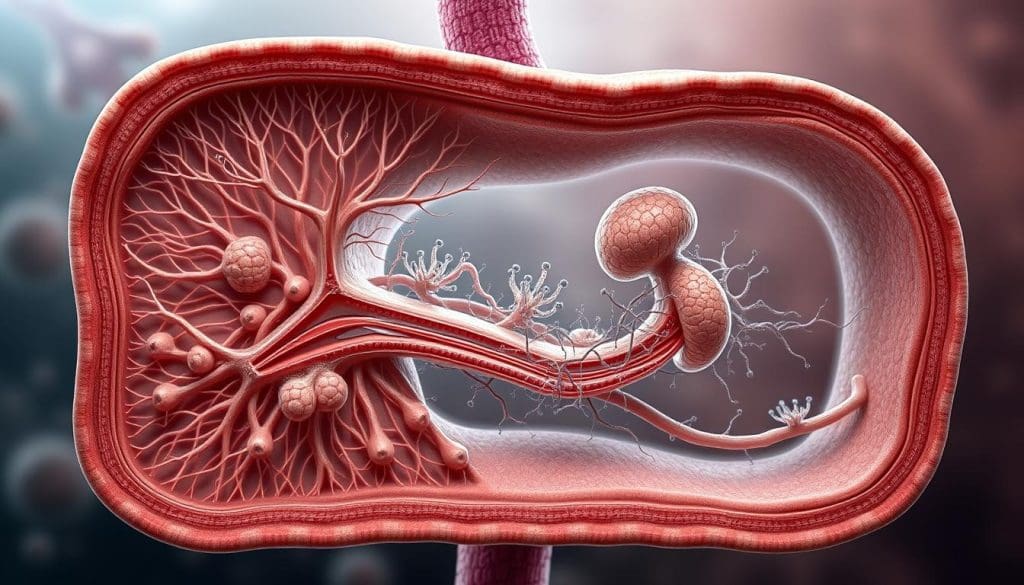
In the early stages of development, the stroma acts as a supportive structure. Stromal cells help create the extracellular matrix. This matrix is vital for the structure and organization of tissues.
This matrix does more than just support physically. It also sends out biochemical signals. These signals guide cell behavior and help cells differentiate.
The interaction between stromal cells and epithelial cells is critical during organ formation. This interaction shapes the organ’s structure and ensures it works right. For example, in the kidney’s development, the stroma is key in making nephrons, the kidney’s functional units.
Adult Tissue Homeostasis
In adult tissues, the stroma keeps tissue balance. It helps move nutrients and waste between the bloodstream and cells. Stromal cells also help fix damaged tissues, helping them heal and regain function.
The stroma also controls the immune response in tissues. Stromal cells can either boost or calm inflammation, depending on the situation. This is important to prevent too much damage during immune reactions.
Aging and Stromal Changes
As we age, the stroma changes, affecting organ function. Aging leads to changes in stromal cells and the extracellular matrix. These changes can make tissues less stable and more prone to disease.
In the skin, aging reduces stromal cells and collagen production. This causes wrinkles and loss of skin elasticity.
| Aspect | Embryonic Development | Adult Tissue Homeostasis | Aging |
|---|---|---|---|
| Stromal Function | Provides framework for organ formation | Maintains tissue integrity and function | Decline in stromal function and tissue integrity |
| Cellular Composition | Highly proliferative stromal cells | Quiescent stromal cells with regulatory functions | Changes in stromal cell populations and function |
| Extracellular Matrix | Dynamic remodeling of the matrix | Maintenance of matrix structure and function | Alterations in matrix composition and structure |
Stroma’s Role in Immune System Function
The relationship between stroma and immune cells is key to how we fight off infections. Stroma, or stromal tissue, acts as a framework for the immune system to work. But what does the stroma do to help our immune system?
Stromal cells work with immune cells, helping them grow, move, and function. This teamwork is vital for our lymphoid organs, like lymph nodes and the spleen, to start immune responses.
Lymphoid Organ Stroma
Lymphoid organs are essential for immune cell growth and interaction. The stroma in these organs helps immune cells move and get activated. For example, in lymph nodes, the stroma helps antigens meet immune cells, starting an immune response.
Immune Cell Interactions with Stromal Tissues
Immune cells and stromal tissues work together in both directions. Stromal cells make cytokines and chemokines that guide immune cells. At the same time, immune cells can change how stromal tissues work, creating a dynamic interaction that shapes our immune response.
| Cell Type | Function | Interaction with Stroma |
|---|---|---|
| T cells | Cell-mediated immunity | Adhere to stromal cells, receive signals |
| B cells | Antibody production | Interact with stromal cells in lymphoid follicles |
| Dendritic cells | Antigen presentation | Migrate along stromal networks, present antigens |
Inflammation and Stromal Responses
When we get inflamed, our stromal tissues change how they work. They can send out signals that help fight off the inflammation or calm it down. Knowing what does a stroma do during inflammation is key to finding new treatments for immune issues.
In summary, stroma is vital for our immune system. It supports immune cells, helps them work together, and manages inflammation. More research on how stroma and immune cells interact is needed to find new ways to treat diseases.
The Tumor Microenvironment: Cancer-Associated Stroma
Understanding the tumor microenvironment is key to finding new cancer treatments. The stroma, or supportive tissue, around a tumor is vital. It helps the tumor grow and spread.
Composition of Tumor Stroma
The stroma has many cell types, like cancer-associated fibroblasts (CAFs), immune cells, and endothelial cells. It’s all held together by an extracellular matrix. CAFs are important because they help the tumor grow and spread.
The matrix in the stroma changes because of the tumor and its stroma. This change helps the tumor grow. It’s done through growth factors, cytokines, and proteases.
| Component | Function in Tumor Stroma |
|---|---|
| Cancer-Associated Fibroblasts (CAFs) | Promote tumor growth, invasion, and metastasis |
| Immune Cells | Modulate immune response to tumor cells |
| Endothelial Cells | Form blood vessels to supply the tumor |
Stromal Influence on Cancer Progression
The stroma helps the tumor grow by making a good environment. It releases growth factors for blood vessel growth. It also changes the matrix to help tumor cells move.
Therapeutic Targeting of Tumor Stroma
Targeting the stroma is a new way to fight cancer. It includes stopping CAFs, changing the immune response, and targeting the matrix. These methods aim to stop the stroma from helping the tumor.
By studying the tumor microenvironment, we can make better cancer treatments. These treatments will target both the tumor cells and the stroma.
Stroma in Reproductive Biology
In reproductive biology, stroma is key for keeping reproductive tissues healthy and working right. It gives structural support and helps control many reproductive processes.
Ovarian Stroma Structure and Function
The ovarian stroma is vital in the ovary, helping ovarian follicles grow. It’s made of dense connective tissue with cells, blood vessels, and nerves. This stroma supports follicle development and makes hormones for the menstrual cycle.
Stromal cells in the ovary make androgens and estrogens, vital for follicle growth. The stroma also talks to follicles, helping them grow and mature.
Endometrial Stroma Dynamics
The endometrial stroma is a big part of the uterus lining. It changes a lot during the menstrual cycle, growing and changing shape due to hormones. This stroma is key for embryo implantation and keeping pregnancy going.
Endometrial stromal cells change a lot with hormone shifts, getting ready for implantation. These changes make the uterus ready for the embryo.
Male Reproductive Stromal Tissues
In males, stromal tissues are important in the testes and prostate. The testicular stroma supports the seminiferous tubules where sperm are made. The prostatic stroma surrounds the prostate gland, affecting its growth and function.
The prostatic stroma has smooth muscle cells and fibroblasts that work with the prostate’s cells. Changes in the prostatic stroma can lead to issues like benign prostatic hyperplasia and prostate cancer.
Pathological Changes in Stromal Tissues
Changes in stromal tissues can cause many diseases. These changes affect how organs work and our overall health. Stromal tissues support organs and any damage can have big effects.
Fibrosis and Stromal Remodeling
Fibrosis is when too much of the extracellular matrix builds up. This scarring happens due to long-term inflammation or injury. It changes the stroma’s structure and function.
This remodeling can harm how organs work. Fibrotic diseases like idiopathic pulmonary fibrosis and liver cirrhosis show how important this is.
| Disease | Organ Affected | Key Features |
|---|---|---|
| Idiopathic Pulmonary Fibrosis | Lungs | Excessive collagen deposition, scarring |
| Liver Cirrhosis | Liver | Scarring, loss of liver function |
| Cardiac Fibrosis | Heart | Excessive matrix deposition, stiffening of heart tissue |
Inflammatory Stromal Diseases
Inflammation can harm stromal tissues, causing diseases like stromal keratitis in the eye. It makes the stroma swell and fill with inflammatory cells. This disrupts its normal function.
The stroma reacts to inflammation, and long-term inflammation can change it. Understanding this is key to finding treatments.
Genetic Disorders Affecting Stromal Integrity
Genetic disorders can also harm stromal tissues. For example, some genetic conditions cause problems in the extracellular matrix. This leads to diseases like Marfan syndrome.
These disorders show how vital the stroma is for tissue health. Studying these conditions can help find new treatments.
Modern Research Techniques for Studying Stroma
Today, scientists use advanced methods to study stroma in biology. It’s key to understanding its role in health and disease.
Imaging Methods for Stromal Analysis
Advanced imaging has changed how we study stroma. Tools like confocal microscopy and multiphoton microscopy give us clear views of stromal structures in tissues.
- Confocal microscopy shows us the details of stromal cells and how they work together.
- Multiphoton microscopy lets us see deep into tissues without causing much damage.
Molecular and Genetic Approaches
Molecular and genetic methods are vital for grasping stroma’s complex roles. Gene expression profiling and proteomics help us understand what makes up stromal tissues.
- Gene expression profiling finds specific genes that play a part in stromal functions.
- Proteomics looks at the proteins in stromal tissues, giving us clues about how they interact.
3D Culture Systems and Organoids
The creation of 3D culture systems and organoids has opened new ways to study stroma in labs. These setups mimic real-life environments, making studies more accurate.
- 3D culture systems let us study stromal cells in a more natural setting.
- Organoids made from stem cells can model complex stromal interactions.
These modern methods together help us understand stroma biology better. They reveal its important role in many biological processes and diseases.
Therapeutic Applications Targeting Stromal Tissues
Therapy targeting stromal tissues is a new hope for many diseases. The stroma is the tissue that supports the main part of an organ. Knowing what stroma means in biology helps us see its role in health and sickness.
Stromal cells and their environment are key to new treatments. These include ways to fix damaged tissues, stop fibrosis, and control the immune system. Each method targets the stroma in a unique way.
Regenerative Medicine Approaches
Regenerative medicine uses stromal cells to fix or replace damaged tissues. Mesenchymal stem cells, a type of stromal cell, are studied for their ability to become different cell types and help in tissue repair.
These cells come from places like bone marrow, fat tissue, and umbilical cord blood. They can help by changing the immune response, helping blood vessels grow, and becoming specific tissue cells.
Anti-fibrotic Therapies
Fibrosis is when too much tissue builds up in organs. Anti-fibrotic therapies aim to stop or reverse this. They target the stroma to prevent or fix fibrosis.
Scientists are looking at ways to block fibrosis by targeting molecules like TGF-β. Stopping these pathways might help reduce fibrosis in organs like the liver, kidneys, and lungs.
Immunomodulatory Strategies
The stroma helps control how the immune system works in tissues. New strategies are being developed to target stromal cells and their interactions with immune cells. These aim to treat autoimmune diseases and cancer.
For example, focusing on the stromal-immune cell connection in tumors could boost anti-tumor immune responses. Also, changing the stroma in lymphoid organs might lead to new treatments for autoimmune diseases.
In summary, therapies targeting stromal tissues offer hope for many diseases. By understanding the stroma’s complex roles and developing targeted treatments, we can improve patient outcomes.
Future Directions in Stromal Biology Research
The study of stromal biology is on the verge of a breakthrough. We will learn more about the role of stromal tissues in health and disease. This knowledge will impact many areas of medicine and biology.
Emerging Concepts and Hypotheses
Recent studies have shown that stroma plays a big role in cancer and the immune system. For example, research on the tumor microenvironment reveals that stromal cells affect cancer growth and treatment response. New ideas suggest that focusing on stromal components could lead to better cancer treatments.
Key areas of investigation include:
- The role of stromal cells in modulating immune responses
- The impact of stromal remodeling on tissue fibrosis
- The possibility of stromal-targeted therapies in cancer and other diseases
Experts say, “The stroma is not just a passive scaffold; it’s an active participant in the disease process.”
This understanding is changing how we treat complex diseases.
Technological Innovations
New imaging and molecular biology tools are giving us deep insights into stromal biology. Single-cell RNA sequencing and advanced microscopy let researchers study stromal cells and their interactions in great detail.
Potential Clinical Applications
Our growing knowledge of stromal biology is leading to new treatments. For instance, therapies targeting the tumor stroma are being developed. Also, regenerative medicine is looking into using stromal cells for tissue repair.
Potential applications include:
- Stromal-targeted cancer therapies
- Regenerative medicine using stromal cells
- Treatments for fibrotic diseases based on stromal remodeling
In conclusion, the future of stromal biology research is exciting. It promises to improve our understanding of complex biological processes and lead to new treatments.
Conclusion: The Essential Nature of Stroma in Biological Systems
The term “stroma” refers to the supportive tissue or matrix that surrounds and interacts with various cellular components in biological systems. Knowing what stroma means is key to understanding its role in different areas, like plant chloroplasts and animal connective tissues.
So, whats a stroma? It’s the framework that gives structural and functional support to cells and organs. The stroma’s role includes maintaining tissue homeostasis, regulating immune responses, and affecting disease progression, including cancer.
The stroma is vital in many biological processes. Its dysregulation can cause many diseases. By studying the stroma, researchers can learn about cell and microenvironment interactions. This knowledge helps in developing new treatments.
In conclusion, the stroma is a critical part of biological systems. Understanding its functions and interactions is vital for advancing our knowledge of human health and disease.
FAQ
What does stroma mean in biology?
In biology, stroma is the tissue that supports other cells or tissues. It gives them the structure they need.
What is the role of the stroma in biological systems?
The stroma is key in supporting cells and keeping them safe. It also helps with immune responses and growth.
What is the difference between stroma and parenchyma?
Stroma is the supportive tissue. Parenchyma is the functional tissue that does the work.
What is the composition of stromal tissue?
Stromal tissue has cells like fibroblasts and immune cells. It also has a matrix of collagen and proteins.
What is the function of stroma in photosynthesis?
In photosynthesis, the stroma is where the Calvin cycle happens. It helps fix carbon and transfer energy.
How does stroma influence cancer progression?
The tumor stroma helps cancer grow and spread. It’s made of cells and proteins that support tumor growth.
What is the role of stroma in immune system function?
Stroma supports the immune system. It helps with cell interactions and controlling inflammation.
What are some pathological changes that can occur in stromal tissues?
Stromal tissues can change due to diseases. This includes fibrosis and inflammation. It can also be affected by genetic disorders.
How can stroma be studied using modern research techniques?
Researchers use imaging and molecular studies to look at stroma. They also use 3D cultures to study its structure and function.
What are some therapeutic applications targeting stromal tissues?
Therapies target stromal tissues to help with health. This includes regenerative medicine and treatments for fibrosis and inflammation.
Reference Links
- https://www.cancer.gov/publications/dictionaries/cancer-terms/def/stroma — Definition of stroma in tissues and organs from the NCI Dictionary National Cancer Institute
- https://pmc.ncbi.nlm.nih.gov/articles/PMC8703619/ — “Molecular Morphology and Function of Stromal Cells” (review of stromal cell heterogeneity and roles) PMC
- https://www.ncbi.nlm.nih.gov/books/NBK26819/ — “Chloroplasts and Photosynthesis” text explaining the stroma in chloroplasts NCBI
- https://www.sciencedirect.com/topics/biochemistry-genetics-and-molecular-biology/stromal-cell — Overview of stromal cells and their functions ScienceDirect
- https://en.wikipedia.org/wiki/Stroma_%28tissue%29 — Description of stroma in tissues (connective framework) Wikipedia
- https://www.nature.com/articles/leu2013255 — Paper discussing very small embryonic-like stem cells and stromal niches in bone marrow (relates stroma in hematopoiesis) Wikipedia