Last Updated on November 13, 2025 by
Chemotherapy is a key treatment for many cancers. But it can lead to a rare but serious side effect: leukemia. Many patients worry about getting leukemia after chemo. Recent studies show that this risk is higher and lasts longer than thought.
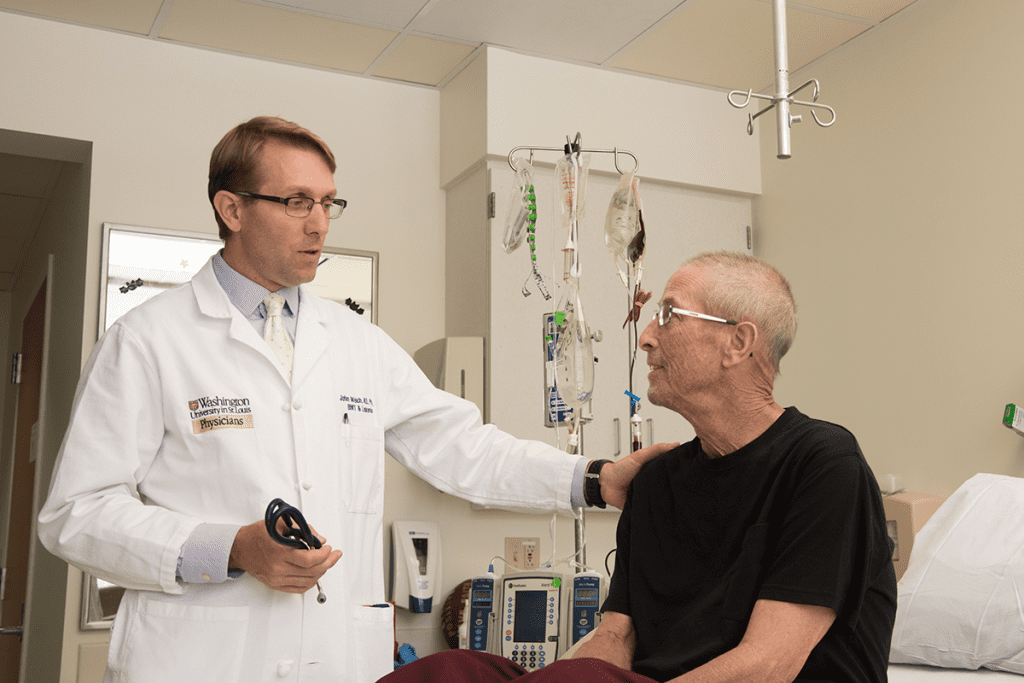
A study in the Journal of the National Cancer Institute found something important. It said that some gene mutations that can cause leukemia might be in blood cells from the start. This means leukemia can show up 1 to 10 years after treatment. It’s why patients need to keep getting checked and cared for. How long after chemo can you get leukemia? Understand what leads to leukemia and the dangerous, secondary cancer risk following treatment.
Key Takeaways
- Chemotherapy can increase the risk of developing leukemia.
- Leukemia can emerge between 1 to 10 years after chemotherapy.
- Gene mutations present at the time of original cancer diagnosis can contribute to leukemia risk.
- Ongoing monitoring is key for patients who have had chemotherapy.
- Knowing what causes leukemia is vital for keeping patients safe and finding new ways to fight cancer.
Understanding Secondary Leukemia After Chemotherapy
It’s important for patients and doctors to know about secondary leukemia after chemotherapy. This type of leukemia, like therapy-related myelodysplastic syndrome and acute myeloid leukemia (tMDS/AML), is a big worry for those who have had chemo.
To get the risks of secondary leukemia, we need to know what causes leukemia. Leukemia often comes from genetic changes and damage to chromosomes. Chemo agents can make these problems worse.
Definition of Therapy-Related Myelodysplastic Syndrome and Acute Myeloid Leukemia (tMDS/AML)
Therapy-related myelodysplastic syndrome and acute myeloid leukemia (tMDS/AML) can happen after chemo or radiation. tMDS/AML means the bone marrow can’t make healthy blood cells. This leads to anemia, infections, and bleeding problems.
These conditions come from DNA damage by chemo agents. This damage can cause abnormal cells to grow.
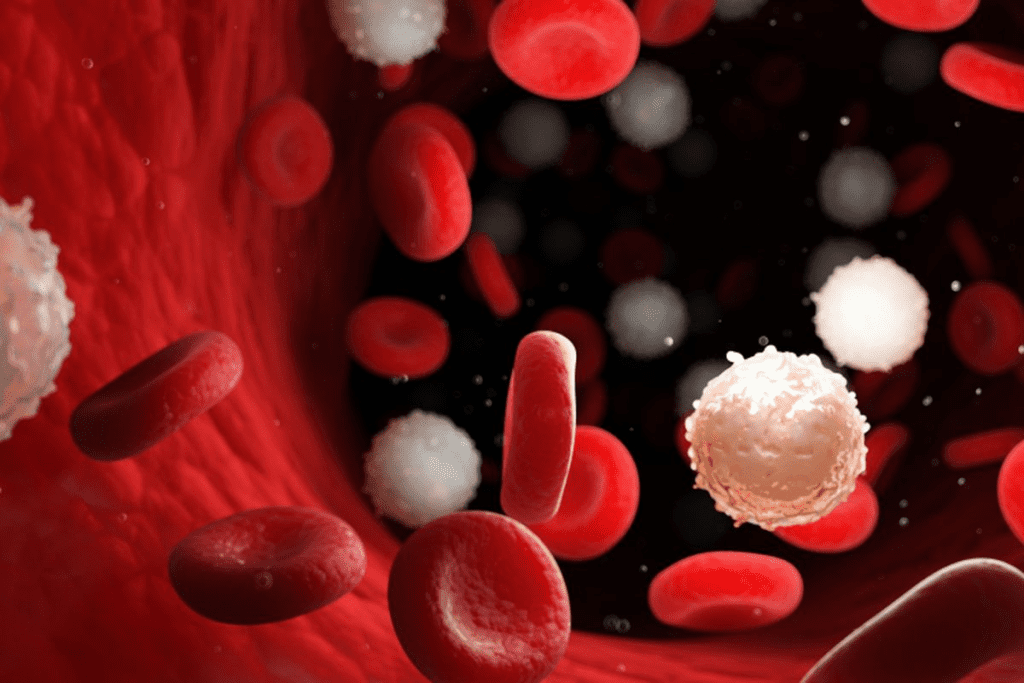
The exact reasons for tMDS/AML are complex. They involve the type and dose of chemo, patient risk factors, and genetics.
Prevalence and Significance as a Long-Term Complication
The risk of tMDS/AML depends on the cancer type, chemo used, and patient factors. A study by the National Cancer Institute found an increased risk of tMDS/AML in patients with solid tumors treated with chemo from 2000“2014. While the 10-year risk is less than 1% for most solid tumors, some chemo regimens can raise this risk a lot.
Knowing about tMDS/AML as a long-term risk is key for patient care. By understanding what causes secondary leukemia, doctors can find ways to lower these risks. This helps improve patient outcomes.
The Timeline: When Leukemia Can Develop Post-Chemotherapy
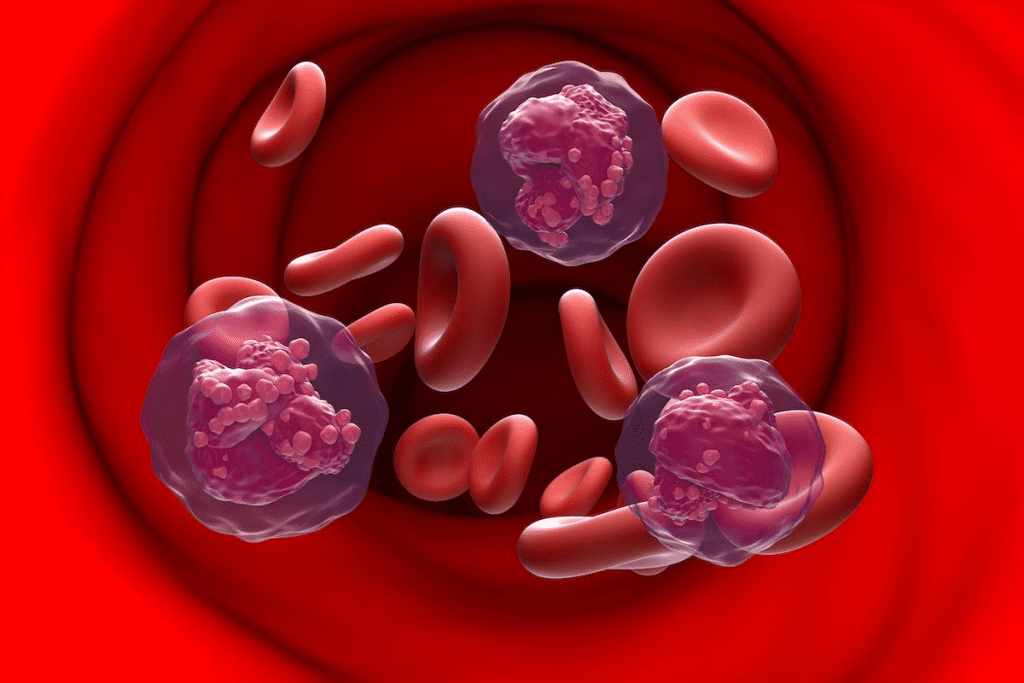
Leukemia can develop after chemotherapy, and knowing when is key. Studies show the risk lasts up to 10 years after treatment. This knowledge helps doctors and patients stay alert and take action.
Early Onset Cases (1-2 Years After Treatment)
Leukemia can start as early as 1-2 years after chemo. This is linked to the type and dose of chemotherapy. Alkylating agents and topoisomerase II inhibitors raise the risk of certain blood cancers.
Medium-Term Development (3-5 Years After Treatment)
The risk of leukemia stays high for 3-5 years after chemo. Treatment effects and personal health factors play a role. Regular check-ups are important during this time.
Long-Term Risk Window (6-10+ Years After Treatment)
Leukemia can also appear 6-10 years or more after chemo. Research shows the risk stays high even a decade later. Knowing how leukemia develops helps in early detection and prevention.
In summary, leukemia can appear 1 to 10 years after chemotherapy. Knowing these time frames is critical for early action and care.
Statistical Risk Assessment: Numbers Behind Secondary Leukemia
To understand how chemotherapy affects leukemia risk, we need to look at the numbers. Secondary leukemia happens after treatments like chemotherapy or radiation. Knowing the risks helps patients and doctors make better choices.
Cumulative 10-Year Risk for Most Solid Tumors
The risk of secondary leukemia for most solid tumors is less than 1% over 10 years. This is key to understanding the risk from chemotherapy. But, the risk can change a lot based on the cancer type and chemotherapy used.
Breast Cancer Survivors’ Specific Risk Profile
Breast cancer survivors who got chemotherapy face a higher leukemia risk. Their risk goes from about 0.24% at 5 years to 0.48“0.5% at 10 years. A study in the Journal of Clinical Oncology found their risk is twice as high as thought.
Comparison to Non-Chemotherapy Patients
People who got chemotherapy are 7 times more likely to get secondary leukemia than those who didn’t. This big difference shows the importance of thinking about chemotherapy’s long-term effects.
Key Statistics:
- The cumulative 10-year risk for most solid tumors is less than 1%.
- Breast cancer survivors’ leukemia risk increases from 0.24% at 5 years to 0.48“0.5% at 10 years post-chemotherapy.
- Chemotherapy patients have a 7 times higher risk of developing secondary leukemia compared to non-chemotherapy patients.
It’s important for both patients and doctors to understand these numbers. By knowing the risks and benefits of chemotherapy, we can try to lower the chance of secondary leukemia while treating primary cancers.
High-Risk Chemotherapy Agents and Mechanisms
It’s important to know how chemotherapy can lead to secondary leukemia. Some drugs raise the risk of leukemia more than others. This is because of how they work and the damage they do to DNA.
Alkylating Agents and Their DNA-Damaging Effects
Alkylating agents are a type of chemotherapy that can increase leukemia risk. They attach an alkyl group to DNA, stopping cancer cells from copying themselves. But, they can also harm healthy cells, including those in the bone marrow, leading to leukemia.
Examples of alkylating agents include cyclophosphamide and chlorambucil. These drugs have been linked to a higher risk of tMDS/AML.
Topoisomerase II Inhibitors and Chromosomal Abnormalities
Topoisomerase II inhibitors are another group of drugs that raise leukemia risk. They block the enzyme topoisomerase II, which is key for DNA replication. This can cause genetic problems in healthy cells, potentially leading to leukemia.
Etoposide and doxorubicin are examples of drugs in this group. They have been linked to a higher risk of tMDS/AML, which is more likely when used with other drugs.
Dose-Dependent Risk Factors
The risk of secondary leukemia from chemotherapy depends on the dose and treatment length. This is true for alkylating agents and topoisomerase II inhibitors.
Studies show that the total dose of chemotherapy is a big factor in tMDS/AML risk. So, careful planning and monitoring of chemotherapy regimens are key to reducing this risk while treating cancer effectively.
Understanding how certain chemotherapy agents increase leukemia risk helps healthcare providers. It shows the need for safer and more effective cancer treatments. This knowledge is vital for balancing treatment benefits and risks.
Cancer Types Associated with Higher Secondary Leukemia Risk
Some cancers raise the risk of secondary leukemia. Research shows that survivors of certain cancers face a higher risk. This is because of their treatment. We’ll look at the cancers with a higher risk, their treatments, and the dangers they pose.
Breast Cancer Treatment Protocols and Leukemia Risk
Breast cancer survivors are at a higher risk for secondary leukemia. This is true for those who have had chemotherapy. Certain chemotherapy drugs, like anthracyclines and alkylating agents, increase this risk. It’s important to weigh the benefits of these treatments against their long-term risks.
Lymphoma Treatment and Associated Risks
Lymphoma patients, who often get high-dose chemotherapy and radiation, face a higher risk of secondary leukemia. The intensity and type of treatment affect this risk. For example, treatments with topoisomerase II inhibitors are linked to a higher risk of secondary leukemia.
Multiple Myeloma and Other High-Risk Cancer Types
Multiple myeloma patients get intense treatments, like high-dose chemotherapy and stem cell transplantation. These treatments increase their risk of secondary leukemia. Other cancers, like ovarian cancer and some sarcomas, also have higher risks due to their treatments.
What Leads to Leukemia Development After Chemotherapy
Many patients ask, What Leads to Leukemia after chemotherapy? It’s important to know what causes leukemia after chemotherapy. Studies show that genetic changes and DNA damage are big factors. These can happen because of the treatment or were already in the patient’s cells.
Genetic Mutations and Chromosomal Damage Mechanisms
Genetic changes and DNA damage are key in leukemia. Chemotherapy, like certain drugs, can harm DNA. This can lead to mutations that disrupt cell function, possibly causing leukemia.
Chemotherapy agents interact with DNA in complex ways. For example, some drugs can cross-link DNA, causing mutations. Others can break DNA strands, leading to chromosomal problems.
Bone Marrow Stem Cell Damage and Abnormal Recovery
Bone marrow stem cells are very sensitive to chemotherapy. Damage to these cells can stop the bone marrow from making healthy blood cells. This can lead to leukemia.
The recovery of these cells can also be abnormal. This can lead to the growth of cells with leukemia traits. The risk is influenced by the treatment’s intensity and the patient’s genes.
Cumulative Effects of Multiple Treatment Modalities
Using multiple treatments, like chemotherapy and radiation, can raise the risk of leukemia. Each treatment can add to DNA damage and genetic mutations. It’s key to understand these effects to reduce the risk.
Healthcare providers can lower the risk of leukemia by choosing the right treatments. They also need to watch patients closely for early signs of leukemia.
Patient-Specific Risk Factors for Secondary Leukemia
Patient-specific risk factors are key in figuring out who might get secondary leukemia after chemo. These factors help us understand why some people are more likely to get leukemia as a second cancer.
Age at Treatment and Its Impact on Risk
How old you are when you get chemo matters a lot for secondary leukemia risk. Older adults face a higher risk because of age-related changes in their blood cells. It’s important to think about this when looking at a patient’s overall risk.
Genetic Predispositions and Family History
Genetics and family history also play a big role in secondary leukemia risk. People with a family history of leukemia or other cancers might be more at risk. Knowing about these genetic factors helps us spot high-risk patients.
Pre-Existing Bone Marrow Conditions
Having certain bone marrow conditions before chemo can raise the risk of secondary leukemia. Conditions like myelodysplastic syndromes can make it more likely for leukemia to develop. We need to keep a close eye on patients with these conditions.
Impact of Treatment Intensity and Duration
The strength and length of chemo treatment also matter a lot. Treatments that are more intense, like those with alkylating agents or topoisomerase II inhibitors, can up the risk of secondary leukemia. The dose and how long you’re on treatment directly affect your risk.
By knowing these risk factors, we can better guess who might get secondary leukemia. We can then work on ways to lower this risk. It’s important to weigh the good of chemo against the long-term risks.
Modern Approaches to Minimize Secondary Leukemia Risk
Medical research is moving forward fast. We’re seeing new ways to lower the risk of secondary leukemia in patients getting chemotherapy. This is key to keeping the good effects of chemotherapy while avoiding long-term risks.
Evolution of Chemotherapy Protocols
Chemotherapy methods have changed a lot over time. Modern chemotherapy regimens aim to hit cancer cells harder and spare healthy cells. This change has helped lower secondary leukemia rates in many patients.
Developing less toxic chemotherapeutic approaches is a big part of this progress. Scientists are always looking for new treatments that work well but don’t harm as much over time.
Targeted Therapies with Lower Leukemia Risk
Targeted therapies have changed cancer treatment a lot. These treatments aim at specific parts of cancer cells, hoping to hurt them more and normal cells less. This could mean a lower risk of secondary leukemia.
Examples include monoclonal antibodies and tyrosine kinase inhibitors. They’re key in fighting many cancers. By focusing on cancer’s unique traits, these treatments are more precise.
Personalized Risk Assessment in Treatment Planning
Personalized medicine is playing a bigger role in cancer treatment. Doctors now look at each patient’s risk factors to plan treatments. This way, they can lower secondary leukemia risk while fighting the main cancer.
This approach considers things like genetic predispositions, age, and health before cancer. By using this info, doctors can choose the best treatments for each patient.
In short, cancer treatment is getting better, focusing on reducing secondary leukemia risk. Advances in chemotherapy, targeted therapies, and personalized plans help manage this risk. This leads to better outcomes for patients.
Monitoring and Early Detection Strategies
Monitoring and early detection are key in managing secondary leukemia risk in cancer survivors. Regular follow-up care helps spot issues early.
Recommended Follow-up Schedules
High-risk patients should follow a strict follow-up schedule. This includes regular check-ups and tests. The schedule depends on the type of chemotherapy and the patient’s health.
Follow-up care typically involves:
- Regular blood tests to monitor blood cell counts and detect any abnormalities.
- Bone marrow evaluations to assess the health of the bone marrow.
- Imaging tests to check for any signs of leukemia.
Warning Signs and Symptoms
It’s important for patients to know the warning signs of secondary leukemia. These include:
- Fatigue or weakness
- Frequent infections
- Easy bruising or bleeding
- Pain in the bones or joints
Early detection is key to managing secondary leukemia effectively. Patients should report any unusual symptoms to their healthcare provider promptly.
Blood Tests and Bone Marrow Evaluations
Blood tests and bone marrow evaluations are vital for early detection. They help spot abnormalities in blood cells and bone marrow that may indicate leukemia.
High-risk patients should have regular blood tests, usually every 3-6 months. Bone marrow evaluations are less frequent but essential for checking bone marrow health.
Understanding leukemia causes and being proactive about monitoring and early detection can improve patient outcomes. This approach helps prevent leukemia and manage its risks effectively.
Conclusion: Balancing Treatment Benefits Against Future Risks
It’s important to know what can lead to leukemia after chemotherapy. Some drugs, like alkylating agents and anthracyclines, can increase the risk of secondary cancers, including leukemia. We need to weigh the good of chemotherapy against the chance of getting leukemia later.
Cancer treatments have gotten better, lowering the risk of secondary leukemia. But, the risk is there, more so for those who get high doses of radiation or total body irradiation (TBI). Why does leukemia happen after chemotherapy? It’s because of genetic changes, chromosomal damage, and harm to bone marrow stem cells.
At Liv Hospital, we offer top-notch healthcare and support for international patients. Our goal is to give personalized care and reduce chemotherapy risks. By knowing what causes secondary leukemia, we can find ways to watch and catch it early. This helps us get the best results for our patients.
FAQ
What is secondary leukemia, and how is it related to chemotherapy?
Secondary leukemia is a type of cancer that can happen after chemotherapy. It’s also known as tMDS/AML. This happens when chemotherapy damages the bone marrow. This damage can lead to genetic changes and chromosomal problems that cause leukemia.
How long after chemotherapy can leukemia develop?
Leukemia can appear after chemotherapy, but it’s not immediate. It might show up within 1-2 years or even 6-10+ years later.
What chemotherapy agents are associated with a higher risk of leukemia?
Certain chemotherapy drugs, like alkylating agents and topoisomerase II inhibitors, increase the risk of leukemia. This is because they damage DNA and chromosomes. The risk also goes up with higher doses.
Are certain cancer types associated with a higher risk of secondary leukemia?
Yes, some cancers, like breast cancer, lymphoma, and multiple myeloma, have a higher risk of secondary leukemia. This is because of the intense chemotherapy used to treat them.
What are the patient-specific risk factors that contribute to secondary leukemia?
Several factors can increase the risk of secondary leukemia. These include age, genetic predispositions, bone marrow conditions, and how intense and long the treatment is.
How can the risk of secondary leukemia be minimized?
To lower the risk, new chemotherapy methods and targeted therapies are being developed. Personalized treatment plans also help assess and reduce the risk.
What strategies are used for monitoring and early detection of secondary leukemia?
Doctors use follow-up plans based on risk, watch for symptoms, and do blood and bone marrow tests. This helps catch secondary leukemia early.
Can leukemia be prevented after chemotherapy?
Preventing leukemia after chemotherapy is not guaranteed. But, using targeted therapies and making treatment plans based on individual risk can help lower the chance of getting secondary leukemia.
What is the cumulative risk of developing leukemia after chemotherapy?
The 10-year risk for most cancers is under 1%. But, some groups, like breast cancer survivors, face a higher risk. Chemotherapy patients are 7 times more likely to get leukemia than those who didn’t have it.
How do genetic mutations and chromosomal damage lead to leukemia development?
Chemotherapy can cause genetic and chromosomal damage. This damage harms bone marrow stem cells and leads to abnormal recovery. This can result in leukemia.
What is the significance of understanding the causes of leukemia?
Knowing why leukemia happens is key. It helps balance the benefits of chemotherapy with the risks of secondary leukemia. This way, doctors can provide better care and support.
References
- Valentini, C. G., et al. (2011). Incidence of acute myeloid leukemia after breast cancer: A population-based study. BMC Cancer, 11, 470. https://www.ncbi.nlm.nih.gov/pmc/articles/PMC3248346/
- Anand, U., et al. (2023). Cancer chemotherapy and beyond: Current status, drug development, and clinical perspectives. Pharmaceuticals, 16(2), 223. https://www.sciencedirect.com/science/article/pii/S2352304222000472