Last Updated on November 13, 2025 by
Does dehydration increase platelet count? Learn what level of platelets is dangerous and the negative impact of fluid balance. Crucial facts for blood health.
Recent studies show that dehydration can raise platelet counts. This is mainly because of hemoconcentration. It happens when plasma volume goes down, making cells more concentrated in the blood.

Research found that people with more severe dehydration have higher platelet counts. For example, kids in the hospital with severe dehydration from bacterial diarrhea had more platelets.
It’s important to know how dehydration affects platelet counts. High platelet counts can be a worry. We need to understand what causes high counts and when they become dangerous.
Key Takeaways
- Dehydration can cause an increase in platelet count due to hemoconcentration.
- Moderate to severe dehydration leads to higher platelet counts compared to mild dehydration.
- Thrombocytosis is a condition characterized by an elevated platelet count.
- High platelet counts can be a health concern and require medical attention.
- Understanding the causes and implications of thrombocytosis is critical for diagnosis and treatment.
Hemoconcentration can be dangerous because it may raise the risk of blood clots. Knowing this helps in managing dehydration and its effects on platelet counts.
Research Evidence on Dehydration-Induced Thrombocytosis
Many studies have looked into dehydration’s effect on platelet count. They found that dehydration can increase platelet count due to hemoconcentration. For example, a study showed that dehydration significantly raised platelet counts in patients, which went back to normal after rehydration.
This research highlights the need to consider hydration when looking at platelet counts. Doctors should be aware of dehydration’s impact on platelet counts to better diagnose and treat patients.
What Level of Platelets Is Dangerous and Why
Understanding what level of platelets is dangerous is important for identifying both bleeding and clotting risks. Knowing when platelet counts are too high is key to understanding heart health risks. Platelets help our blood clot and stop bleeding. But too many platelets can mean health problems.
Moderate Elevation vs. Dangerous Levels
A slightly high platelet count, from 150 to 450K/μL, is usually okay. But, counts over 450K/μL are a warning sign. It’s important to know the difference to understand the risks.
Health Risks Associated with High Platelet Counts
Having too many platelets, or thrombocytosis, can cause serious problems. The biggest risk is blood clots. These can lead to:
- Deep vein thrombosis (DVT)
- Pulmonary embolism
- Stroke
- Heart attack
These happen when a clot blocks blood flow to important organs. Quick medical help is needed if you have symptoms.
Understanding Platelets and Their Normal Levels
To understand how dehydration affects platelet count, we need to know what platelets are and their role. Platelets, or thrombocytes, help stop bleeding by clumping and clotting at injuries.
What Are Platelets and Their Function in the Body
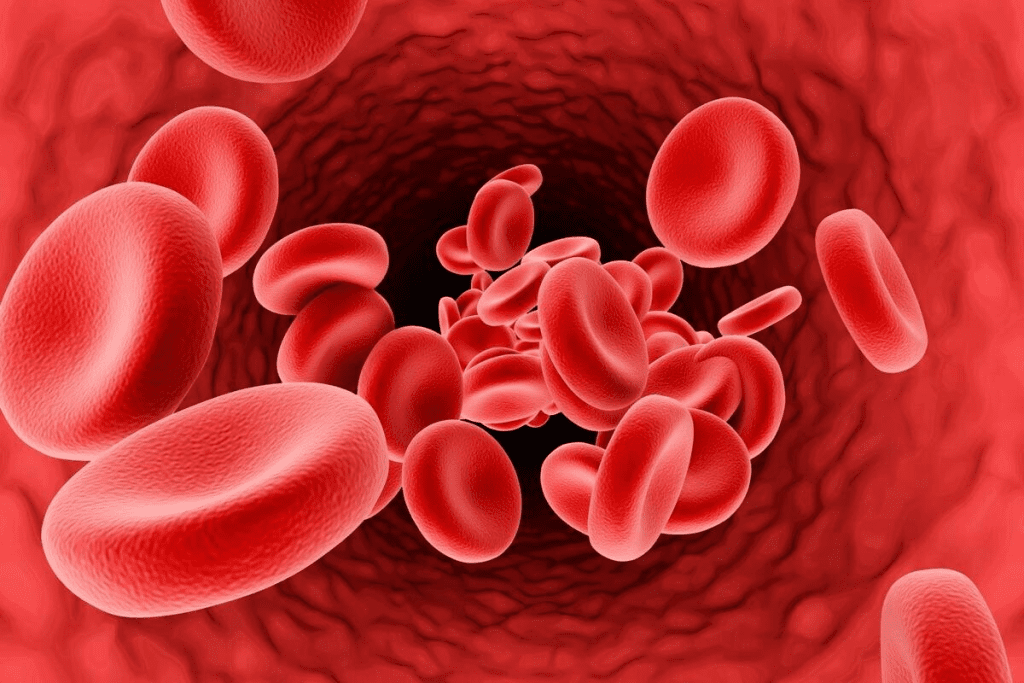
Platelets are small, colorless cell fragments key to blood clotting. They clump at injury sites to form a plug. This is the first step in stopping bleeding.
After that, clotting factors help form a fibrin clot. This process prevents too much bleeding and helps with healing. Platelets are made in the bone marrow and live about 8 to 12 days.
Normal Platelet Count Ranges
A normal platelet count is between 150,000 to 450,000 per microliter (μL) of blood. Counts in this range are healthy. A count below 150,000/μL is thrombocytopenia, which raises bleeding risk.
Counts above 450,000/μL are thrombocytosis, increasing clot risk. Keeping platelet counts in the normal range is key to health. Both low and high counts can cause serious problems.
Knowing the normal platelet count range is important for diagnosing and treating platelet issues. Doctors use CBC tests to check platelet counts and find problems like thrombocytopenia or thrombocytosis.
The Relationship Between Dehydration and Platelet Count
It’s important to understand how dehydration affects platelet count. Dehydration can change the blood’s composition, leading to more platelets. This section will look at how dehydration impacts blood, the reasons behind the changes in platelet count, and the evidence supporting this link.
How Dehydration Affects Blood Composition
Dehydration happens when we lose more fluids than we take in. This imbalance can reduce blood volume, or hypovolemia. With less blood, the concentration of platelets increases, causing thrombocytosis.
The body tries to keep balance when dehydrated. It reduces plasma volume, making blood cells, including platelets, more concentrated. This is key to understanding dehydration’s effect on platelet count.
Hemoconcentration: The Primary Mechanism
Hemoconcentration means bthe lood has less fluid, making the blood cells more concentrated. Dehydration causes this. When we lose fluids, blood volume goes down, but platelet numbers stay the same. This leads to more platelets in the blood, causing thrombocytosis.

Hemoconcentration can be dangerous because it may raise the risk of blood clots. Knowing this helps in managing dehydration and its effects on platelet counts.
Research Evidence on Dehydration-Induced Thrombocytosis
Many studies have looked into dehydration’s effect on platelet count. They found that dehydration can increase platelet count due to hemoconcentration. For example, a study showed that dehydration significantly raised platelet counts in patients, which went back to normal after rehydration.
This research highlights the need to consider hydration when looking at platelet counts. Doctors should be aware of dehydration’s impact on platelet counts to better diagnose and treat patients.
What Level of Platelets Is Dangerous and Why
Understanding what level of platelets is dangerous is important for identifying both bleeding and clotting risks. Knowing when platelet counts are too high is key to understanding heart health risks. Platelets help our blood clot and stop bleeding. But too many platelets can mean health problems.
Moderate Elevation vs. Dangerous Levels
A slightly high platelet count, from 150 to 450K/μL, is usually okay. But, counts over 450K/μL are a warning sign. It’s important to know the difference to understand the risks.
Health Risks Associated with High Platelet Counts
Having too many platelets, or thrombocytosis, can cause serious problems. The biggest risk is blood clots. These can lead to:
- Deep vein thrombosis (DVT)
- Pulmonary embolism
- Stroke
- Heart attack
These happen when a clot blocks blood flow to important organs. Quick medical help is needed if you have symptoms.
When to Seek Medical Attention for Elevated Platelets
If your platelet count is up, watch for signs that mean you need to see a doctor. Look out for:
- Unexplained bruising or bleeding
- Pain or swelling in the legs
- Shortness of breath
- Chest pain
Get medical help right away if you notice these symptoms. They can mean serious health issues.
5 Ways to Manage Hydration and Platelet Levels
Keeping your body hydrated is key ftohealthy platelets. Not drinking enough water can raise your platelet count, which is risky. Learning how to stay hydrated can help keep your platelet count in check and improve your health.
Optimal Daily Water Intake Guidelines
The usual advice is to drink at least eight 8-ounce glasses of water a day. But, our needs might be different based on your activity level and where you live. Drinking enough water helps keep your blood flowing well and stops it from getting too thick, which can raise your platelet count.
Recognizing Signs of Dehydration
Signs of dehydration include dark urine, dry mouth, feeling tired, and dizzy. Spotting these signs early lets you drink water quickly and avoid serious problems.
Hydration Strategies During Exercise and Heat Exposure
It’s important to replace lost fluids when you’re exercising or in the heat. Drink water or drinks with electrolytes before, during, and after working out. Checking your urine’s color and how much you’re making can also tell you if you’re hydrated.
Dietary Approaches to Maintain Proper Hydration
Eating foods that are full of water, like watermelon, cucumbers, and celery, can also help you stay hydrated. These foods have lots of water and help keep your body’s fluid balance.
Using these tips to stay hydrated can help manage your platelet levels and improve your health. Drinking enough water is a simple but effective way to keep yourself well.
Conclusion: The Importance of Hydration for Healthy Platelet Function
It’s key to know how dehydration affects platelet count. Dehydration can make platelet count go up because of hemoconcentration. This happens when there’s less plasma and more blood cells.
Keeping well-hydrated is vital to avoid problems with high platelet counts. These issues include blood clots and heart problems. Drinking enough water helps keep platelet counts in check.
Hydration is very important. Drinking water, knowing when you’re dehydrated, and staying hydrated during exercise are all key. These steps help keep your platelets healthy.
By focusing on staying hydrated and watching your platelet count, you can protect your heart and overall health. It’s a simple way to take care of yourself.
FAQ’s:
What does an increased platelet count indicate?
An increased platelet count, or thrombocytosis, can mean several things. It might show dehydration, infection, inflammation, or a bone marrow issue.
What is considered a high platelet count?
A high platelet count is over 450,000 platelets per microliter (μL) of blood. But, tis number can change based on the lab and your health.
What are the most common causes of a high platelet count?
Common reasons for a high platelet count include dehydration, infection, inflammation, and bone marrow disorders. Essential thrombocythemia is one such disorder.
When should I worry about a high platelet count?
Worry if your platelet count is high and you have symptoms like headaches, dizziness, or numbness in your hands and feet. Also, worry if it’s over 600,000/μL.
Can anemia cause a high platelet count?
Yes, anemia can sometimes lead to a high platelet count. This is more likely if the anemia is due to iron deficiency or another condition affecting platelet production.
How does dehydration cause a high platelet count?
Dehydration can make platelet counts rise by reducing plasma volume. This leads to a higher concentration of platelets, known as hemoconcentration.
What are the health risks associated with a high platelet count?
A high platelet count can raise the risk of blood clots. These clots can cause heart attacks, strokes, and deep vein thrombosis.
How can I manage my hydration to maintain healthy platelet levels?
To keep your platelets healthy, drink lots of water and watch your urine. Avoid too much exercise or heat without drinking enough water.
Reference
Rastegar, D. A. (2004). Health care becomes an industry. Journal of the American Medical Association, 291(1), 12-17. https://pmc.ncbi.nlm.nih.gov/articles/PMC1466626/
Javaid, M., et al. (2024). Health informatics to enhance the healthcare industry’s service delivery: Needs and advancements. Health Informatics Journal, 30(3), Article 14604582241113934. https://www.sciencedirect.com/science/article/pii/S2949953424000092