Last Updated on December 2, 2025 by Bilal Hasdemir

Getting a microdiscectomy is a big step towards lessening back pain and better living. Proper preparation is key for a smooth and successful surgery. We’ll show you the important steps to get ready what not to do before microdiscectomy.
Knowing microdiscectomy pre surgery instructions and following preoperative instructions helps avoid risks. Our aim is to give you all the info you need for preparation for microdiscectomy. This way, you can go through this important time with confidence.
Key Takeaways
- Understand the importance of preoperative instructions for a successful microdiscectomy.
- Follow specific guidelines to minimize risks associated with the surgery.
- Learn how to prepare your body and mind for the procedure.
- Discover the role of preoperative care in the overall recovery process.
- Gain insights into what to expect during the preparation phase.
Understanding Microdiscectomy and Pre-Surgical Importance

Knowing about the microdiscectomy procedure is vital for a smooth surgery. This surgery removes a part of a herniated disc to relieve nerve pressure. It’s chosen when other treatments don’t work for pain, numbness, or weakness.
What is a Microdiscectomy Procedure?
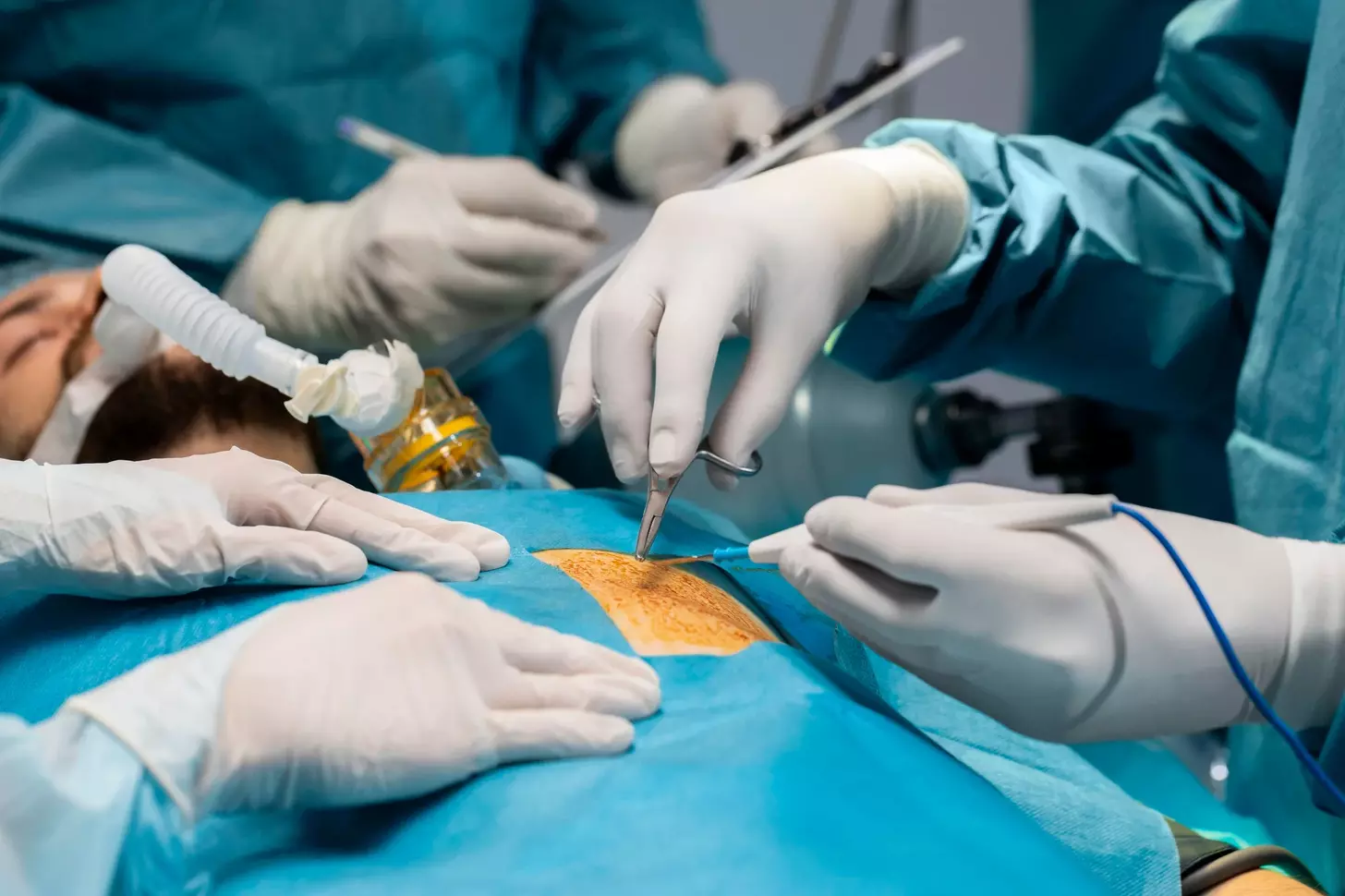
A microdiscectomy uses a microscope or special tools for a small incision. This minimally invasive approach causes less damage, lowers infection risk, and speeds up recovery. The surgeon makes a small back incision to remove the disc pressing on the nerve.
The advancements in surgical techniques have made microdiscectomy a highly effective and safe procedure. With proper preparation and post-operative care, patients can expect significant relief from their symptoms.
Why Proper Pre-Surgical Preparation Matters
Good pre-surgical prep is key for a successful microdiscectomy. You’ll get specific instructions from your healthcare team. This includes what medications to stop and dietary rules.
As seen in Zach Eflin’s successful surgery, meticulous preparation is critical. Following pre-surgical guidelines greatly improves surgery success and recovery.
Understanding the microdiscectomy and following pre-surgical advice helps avoid risks. It’s important to work with your surgical team to prepare well before surgery.
General Pre-Operative Guidelines

A successful microdiscectomy starts with proper preparation. This includes several key guidelines. You need to understand the steps before surgery, like tests, medications to avoid, and lifestyle changes.
Timeline for Preparation
Having a clear timeline for preparation is key. Preparation usually starts weeks before surgery. This time is for:
- Completing any required pre-operative tests
- Adjusting medications as advised by your surgical team
- Making necessary lifestyle changes
It’s important to stick to this timeline. This ensures you’re fully ready for surgery.
Communication with Your Surgical Team
Effective communication with your surgical team is vital. This includes:
- Discussing any concerns or questions you have about the surgery
- Informing them about any medications you’re currently taking
- Understanding their instructions regarding pre-operative care
Keeping communication open helps you prepare well for your microdiscectomy.
Following these preoperative guidelines is important for surgery success and recovery. Understanding the timeline and communicating well with your team ensures a smooth surgery.
Medications to Avoid Before Microdiscectomy
Some medicines can make surgery riskier. They can mess with how blood clots and bleeds. We’ll talk about what medicines to avoid and why. Also, when to stop taking them.
Blood Thinners and Anticoagulants
Blood thinners stop blood clots from forming. They’re key for preventing strokes and blood clots in veins. But, they can make surgery bleedier.
- Warfarin (Coumadin): This anticoagulant needs careful handling before surgery.
- Novel Oral Anticoagulants (NOACs): Newer than warfarin, but also need stopping before surgery.
It’s vital to stop blood thinners and anticoagulants as your surgeon advises. This helps avoid bleeding during and after surgery.
Non-Steroidal Anti-Inflammatory Drugs (NSAIDs)
NSAIDs help with pain and swelling. But, they can also mess with blood clotting, raising bleeding risks.
- Ibuprofen (Advil, Motrin): Stop taking it 7-10 days before surgery.
- Naproxen (Aleve): Also stop it before surgery to avoid bleeding.
Talk to your doctor about when to stop NSAIDs before your surgery.
Aspirin and Aspirin-Containing Products
Aspirin is a blood thinner that can up the bleeding risk in surgery. Tell your surgeon about any aspirin products you’re using.
- Aspirin: Stop it 7-10 days before surgery, but check with your surgeon.
- Aspirin-Containing Products: Many products have aspirin, so check labels.
Stopping aspirin and products with it as your doctor says can lower surgery risks.
Herbal Supplements and Vitamins to Discontinue
Before a microdiscectomy, it’s important to stop certain herbal supplements and vitamins. Some can affect blood clotting, interact with anesthesia, or complicate surgery. We’ll list the supplements to avoid and when to stop them.
Common Supplements That Affect Blood Clotting
Some herbal supplements can increase the risk of bleeding during and after surgery. These include:
- Ginkgo biloba: Known to thin blood and increase bleeding risk.
- Garlic supplements: Can also thin blood and potentially cause excessive bleeding.
- Ginseng: May interact with anesthesia and affect blood sugar levels.
- Fish oil: High doses can thin blood and increase bleeding risk.
- Vitamin E: Can also act as a blood thinner.
When to Stop Taking Supplements
The timing for stopping supplements before surgery depends on the type and its half-life. We usually advise stopping herbal supplements 7 to 10 days before surgery. But some may need a longer break.
Supplement | Recommended Cessation Period |
Ginkgo biloba | At least 7 days |
Garlic supplements | At least 7 days |
Ginseng | At least 7 days |
Fish oil | At least 5 days |
Vitamin E | At least 7 days |
Always talk to your healthcare provider about stopping supplements before your microdiscectomy. They can give you advice based on your health and supplements.
Dietary Restrictions Before Surgery
Before microdiscectomy surgery, what you eat is very important. It helps keep you safe and makes sure the surgery goes well. Knowing what foods to avoid is key for a smooth process and quick recovery.
Foods to Avoid Before Microdiscectomy
Some foods can make your surgery and recovery harder. You should stay away from:
- High-fat foods: These can be hard to digest and may cause discomfort.
- Spicy foods: They can upset your stomach and might make anesthesia harder.
- Large amounts of sugar: Too much sugar can mess with your blood sugar levels, affecting your surgery.
Fasting Requirements
Fasting before surgery is common to avoid problems with anesthesia. You’ll need to stop eating solid foods for at least 8 hours before your surgery. Clear liquids might be okay up to 2 hours before, but this can change.
It’s very important to listen to your surgeon about fasting. This keeps you safe during the surgery.
Hydration Guidelines
Drinking enough water is important, but follow your doctor’s advice. Proper hydration helps your body heal after surgery. But drinking too much water before surgery can cause problems. You should:
- Drink lots of water a few days before your surgery.
- Listen to your surgeon about when to stop drinking fluids before surgery.
Following these dietary tips can help make your surgery and recovery go well. Always talk to your healthcare provider for specific advice before your microdiscectomy.
Caffeine and Alcohol Consumption
As you get ready for your microdiscectomy, knowing how caffeine and alcohol affect your surgery and recovery is key. Both can impact your body’s response to the procedure. Making smart choices can help your surgery go smoothly and be successful.
Effects of Caffeine on Surgery Outcomes
Caffeine is a stimulant that can raise your heart rate and blood pressure. Drinking a lot of caffeine before surgery can cause problems, like:
- Increased heart rate and blood pressure, which can make anesthesia harder to manage
- Dehydration, because caffeine makes you lose water
- It can also mix with other medicines, including those used during surgery
We suggest cutting down or stopping caffeine a few days before your microdiscectomy to avoid risks. Talk to your healthcare provider about how much caffeine you usually drink to find out the best plan for you.
Why Alcohol Should Be Avoided
Drinking alcohol before surgery can raise the chance of several problems, including:
Complication | Description |
Bleeding Risk | Alcohol can make your blood thinner, raising the risk of bleeding during and after surgery. |
Interaction with Anesthesia | Alcohol can mix with anesthesia, which could cause issues during the procedure. |
Impaired Healing | Drinking a lot of alcohol can slow down your body’s healing, making recovery longer. |
Staying away from alcohol for a week before your surgery can greatly lower these risks. We know quitting alcohol cold turkey is hard. So, it’s important to talk to your healthcare provider about your plans to get advice that fits you.
Smoking and Nicotine Products Before Microdiscectomy Surgery
Before you have microdiscectomy surgery, it’s important to know how smoking and nicotine can affect your recovery. Smoking and using nicotine products can harm your body’s healing process after surgery.
Impact on Surgical Healing
Nicotine in tobacco products narrows blood vessels and cuts off blood flow to the surgery area. This makes healing harder by reducing oxygen and nutrients needed for recovery. Smoking also raises the chance of problems like infections and breathing issues during and after surgery.
Key risks associated with smoking before microdiscectomy include:
- Reduced blood flow to the surgical site
- Increased risk of infection
- Delayed healing process
- Potential for respiratory complications
Complication | Description | Impact on Recovery |
Reduced Blood Flow | Nicotine constricts blood vessels | Delays healing, increases risk of infection |
Infection | Smoking compromises immune response | Prolongs recovery, may require additional treatment |
Respiratory Issues | Smoking affects lung function | Increases risk of respiratory complications during surgery |
Recommended Cessation Timeline
To lessen the risks of smoking and nicotine before microdiscectomy, stop smoking as soon as you can. Stopping 4-6 weeks before surgery can greatly improve your results.
The timeline for quitting is as follows:
- 4-6 weeks before surgery: Best time to quit to reduce risks.
- 2 weeks before surgery: Noticeable improvements in circulation and lung function.
- 1 week before surgery: Less chance of respiratory problems.
Quitting smoking is tough, but with the right help, you can improve your surgery results and health. We suggest talking to your healthcare provider about quitting to get support and advice.
Physical Activities and Exercise Restrictions
Knowing what physical activities to do or avoid before microdiscectomy surgery is key for a smooth recovery. As we get ready for this surgery, being careful with our physical activities is important. It can greatly affect our surgical experience and results.
High-Impact Activities to Avoid
Before microdiscectomy, it’s wise to steer clear of high-impact activities that can hurt your back or increase injury risk. These include:
- Lifting heavy objects or weights
- Engaging in contact sports or high-impact aerobics
- Bending or twisting excessively
These activities can make the surgery harder and slow down recovery. It’s best to avoid them for a few weeks before surgery.
Safe Movement Guidelines
While we should avoid high-impact activities, we shouldn’t stop moving completely. Gentle exercises and safe movement guidelines help keep you healthy before surgery. These include:
- Short walks or light stretching exercises
- Yoga or Pilates, if modified to avoid straining your back
- Swimming or water aerobics, which are low-impact
Always talk to your healthcare provider before starting or continuing any exercise before microdiscectomy.
Proper Body Mechanics Before Surgery
Keeping proper body mechanics is essential before microdiscectomy surgery. This means:
- Using correct lifting techniques to avoid straining your back
- Maintaining good posture, whether sitting, standing, or sleeping
- Avoiding sudden or jerky movements
By following these tips, you can lower the risk of complications and make the surgery smoother.
In summary, being careful with your physical activities and following safe movement guidelines and proper body mechanics can greatly affect your microdiscectomy surgery outcome. We suggest talking to your surgical team about your exercise plan. This way, you can take the right steps towards a successful recovery.
What Not to Do Before Microdiscectomy: Day-Before Preparations
The day before your microdiscectomy surgery is very important. You need to get your home ready and make sure you have a good place to rest. Doing the right things can help you recover better.
Sleeping Arrangements
Having a comfy and safe place to sleep is key for the night before and after. Make sure your bed is on the ground floor if you have stairs. This makes it easier to get around without climbing stairs.
Also, make sure your bed has enough space around it. This is so caregivers can help you easily. Think about getting extra pillows for your back and legs. They can help with swelling and support your spine.
Home Preparation
Getting your home ready is as important as getting yourself ready for surgery. Start by cleaning up your living area. This makes it safer and easier to move around.
Also, make sure any rugs or cords are secure. They could cause you to slip or fall. Stock up on water, snacks, and any medicines you might need. Having these things ready saves you from having to get up or ask someone to shop for you.
Prepare meals in advance that can be easily reheated. This saves you energy and makes sure you eat well while recovering. If you can, ask a friend or family member to help with cooking.
By getting your home ready, you can focus on recovering. A well-prepared home is essential for a smooth recovery from microdiscectomy surgery.
Personal Hygiene and Skin Preparation
Before your microdiscectomy, it’s key to know how important personal hygiene and skin prep are. They help prevent surgical problems. Good prep can lower infection risks and make surgery smoother.
Showering Guidelines
Showering before your surgery is a must. We suggest using antiseptic soap the night before or morning of your surgery. This helps cut down bacteria on your skin.
Focus on the area around where you’ll be operated on. Clean it gently with soap and water. Stay away from harsh or rough products that might irritate your skin.
Skin Products to Avoid
Some skin products can raise infection risks or make surgery harder. It’s important to skip these products the day of and before your surgery.
Skin Product | Reason to Avoid |
Makeup and nail polish | Can harbor bacteria and interfere with surgical site preparation |
Deodorants and antiperspirants | Can cause skin irritation and interfere with antiseptic preparations |
Creams and lotions | Can leave a residue that complicates surgical site cleaning |
By following these showering and product avoidance tips, you can lower infection risks. This helps make your microdiscectomy a success.
Transportation and Accompaniment Planning
Having a good transportation plan is key for a smooth microdiscectomy experience. After surgery, you might not be able to drive safely because of anesthesia and pain meds.
Why You Shouldn’t Drive Yourself
Driving after microdiscectomy surgery is not safe. Anesthesia and pain meds can slow down your reaction time and judgment. It’s important to keep yourself and others safe on the road. Here’s why you shouldn’t drive:
- Impaired cognitive function due to anesthesia
- Reduced reaction time
- Potential for drowsiness or disorientation
A medical expert says, “Patients should avoid driving until they’re off narcotic pain meds and feel safe driving.” This advice is key to avoiding risks after surgery.
Arranging Post-Surgery Support
Getting someone to take you to and from surgery is essential. They can help you during the early recovery days. Here’s how to arrange for support:
- Ask a family member or friend to come with you to surgery
- Make sure they can stay with you for a few hours after
- Talk about what you’ll need after surgery with them beforehand
Having someone to help can greatly improve your recovery. As shown in the image below, getting help with daily tasks is very helpful.
Plan ahead for transportation and support to focus on getting better. We suggest talking to your healthcare provider about your needs for a safe and easy recovery.
Work and Social Commitments
Before getting a microdiscectomy, you need to plan your work and social life carefully. You must understand how your surgery will affect your duties and commitments.
Setting Appropriate Expectations
It’s important to talk to your employer and friends about your surgery. Let them know you’ll need time off for recovery. You might also need to change your work tasks when you get back.
Communication with Employers
Tell your employer about your surgery and how long you’ll be out. Discuss any changes you’ll need at work to make your return easier.
Managing work and social life involves a few key steps:
- Informing Your Employer: Keep your employer updated on your recovery progress.
- Adjusting Work Duties: Discuss possible adjustments to your work duties to facilitate your return to work.
- Social Commitments: Be mindful of your social commitments and reschedule them if necessary, to avoid unnecessary stress during your recovery.
Mental Preparation and Stress Management
As you get ready for your microdiscectomy, it’s key to handle stress and anxiety well. Getting your mind ready is as important as your body. The right mindset and strategies can make a big difference in your surgery and recovery.
Avoiding Anxiety-Inducing Activities
Try to avoid things that make you anxious before your surgery. Don’t watch too much news or scroll through stressful social media. Also, stay away from heated discussions or arguments. This helps you stay calm and focused on recovery.
Here are some things to avoid:
- Watching intense or scary movies
- Engaging in competitive or high-pressure hobbies
- Participating in stressful or confrontational conversations
Healthy Coping Mechanisms
It’s important to find healthy ways to deal with stress and anxiety. Try meditation, deep breathing, or yoga to calm your mind and body. Also, enjoy relaxing activities like reading, listening to music, or going for walks.
Here are some good ways to cope:
Coping Mechanism | Description | Benefits |
Meditation | Practice mindfulness and focus on your breath | Reduces stress, improves mental clarity |
Deep Breathing Exercises | Slow, deliberate breathing to calm the body | Lowers blood pressure, reduces anxiety |
Yoga | Combines physical movement with deep breathing | Improves flexibility, reduces stress |
By using these strategies every day, you can handle stress and anxiety better. This will help you have a smoother microdiscectomy experience. Remember, getting your mind ready is just as important as getting your body ready.
Common Mistakes Patients Make Before Microdiscectomy
Knowing the common mistakes before microdiscectomy can help improve your surgery and recovery. We’ll show you what to avoid in the preoperative period. This way, you’ll be ready for a smooth surgery and quick healing.
Overlooking Medication Instructions
One big mistake is ignoring medication instructions before surgery. Blood thinners and anticoagulants can raise the risk of bleeding. It’s important to carefully follow your surgeon’s advice on medications.
Tell your surgical team about all medications, including over-the-counter ones and supplements. They’ll tell you which ones to stop or keep taking before your surgery.
Ignoring Dietary Guidelines
Another mistake is not following dietary guidelines before surgery. A balanced diet helps your body heal better. But, some foods and drinks can affect your surgery or recovery. Avoid heavy meals and caffeinated drinks close to your surgery.
Staying hydrated is key, but follow your surgeon’s advice on fasting and fluids before surgery. Good nutrition and hydration are important for your recovery.
Failing to Prepare Home Environment
Not preparing your home for recovery is another mistake. Simple changes, like rearranging your living space for easier movement, can help. Having essential supplies within reach is also important.
Make a comfortable recovery area with pillows, blankets, and medications nearby. This setup will reduce strain and help you focus on healing.
Conclusion
Getting ready for a microdiscectomy means taking a detailed approach to preoperative care. Knowing what to expect and following certain steps can help a lot. We’ve covered the key things to do before surgery, like avoiding certain meds and following diet and activity rules.
It’s important to prepare well for microdiscectomy surgery to reduce risks and get good results. By sticking to the preoperative care advice and knowing what to avoid, patients can make their recovery smoother. Our aim is to give patients the info they need to make smart choices about their health.
Being well-informed and prepared helps patients feel confident during the preoperative period. This confidence can lead to a successful microdiscectomy and a quick return to good health.
FAQ
What is a microdiscectomy, and why is preparation important?
A microdiscectomy is a surgery to remove a part of a herniated disc. This is done to relieve pressure on a nerve. Getting ready for the surgery is key. It helps manage your expectations, reduces stress, and lowers the risk of problems.
What medications should be avoided before a microdiscectomy?
Medicines like blood thinners, NSAIDs, and aspirin should be skipped. They can make bleeding more likely. Always follow your doctor’s advice on when to stop these medicines.
Are there any herbal supplements or vitamins that should be discontinued before surgery?
Yes, stop taking supplements that affect blood clotting. This includes omega-3 fatty acids, vitamin E, and garlic supplements. The exact time to stop varies, so talk to your surgeon.
What dietary restrictions should be followed before a microdiscectomy?
Patients often need to fast before surgery. It’s also wise to avoid heavy meals and certain foods. Staying hydrated is important, but follow your surgeon’s advice on how much.
Can I consume caffeine or alcohol before a microdiscectomy?
It’s best to limit or avoid caffeine and alcohol. Caffeine can affect your heart rate and blood pressure. Alcohol can increase bleeding risk and interact with anesthesia.
How does smoking affect microdiscectomy surgery, and what’s the recommended cessation timeline?
Smoking can harm healing by reducing blood flow and increasing risks. Quitting as early as possible is advised. Aim to stop several weeks before surgery to lessen risks.
What physical activities should be avoided before a microdiscectomy?
Avoid high-impact activities that can increase injury risk. Follow safe movement guidelines and proper body mechanics to avoid strain before surgery.
How should I prepare my home for recovery after a microdiscectomy?
Prepare your home for rest and recovery. Set up a comfortable sleeping area and have supplies within reach. This ensures a smooth and comfortable recovery.
Why is it not recommended to drive yourself after a microdiscectomy?
Driving after surgery is not safe. Anesthesia and pain medications can impair your reaction time and judgment. Arrange for someone to drive you after surgery.
How can I manage stress and anxiety before a microdiscectomy?
Manage stress and anxiety by avoiding activities that make you anxious. Use relaxation techniques, meditation, or counseling. This prepares you mentally for a successful surgery and recovery.
What are some common mistakes patients make before a microdiscectomy?
Common mistakes include ignoring medication instructions and dietary guidelines. Not preparing the home environment is also a mistake. Knowing these can help you prepare and ensure a smooth recovery.
References
National Center for Biotechnology Information. Evidence-Based Medical Insight. Retrieved from https://www.ncbi.nlm.nih.gov/books/NBK545212/