Last Updated on November 25, 2025 by
How aggressive is bladder cancer? Understand what percentage of bladder tumors are cancerous and the dangerous, powerful role of tumor grade.
Bladder cancer is a big health issue, ranking as the sixth most common cancer in the U.S. It’s expected to affect over 84,000 people in 2025. Knowing how aggressive it is is key to good care.
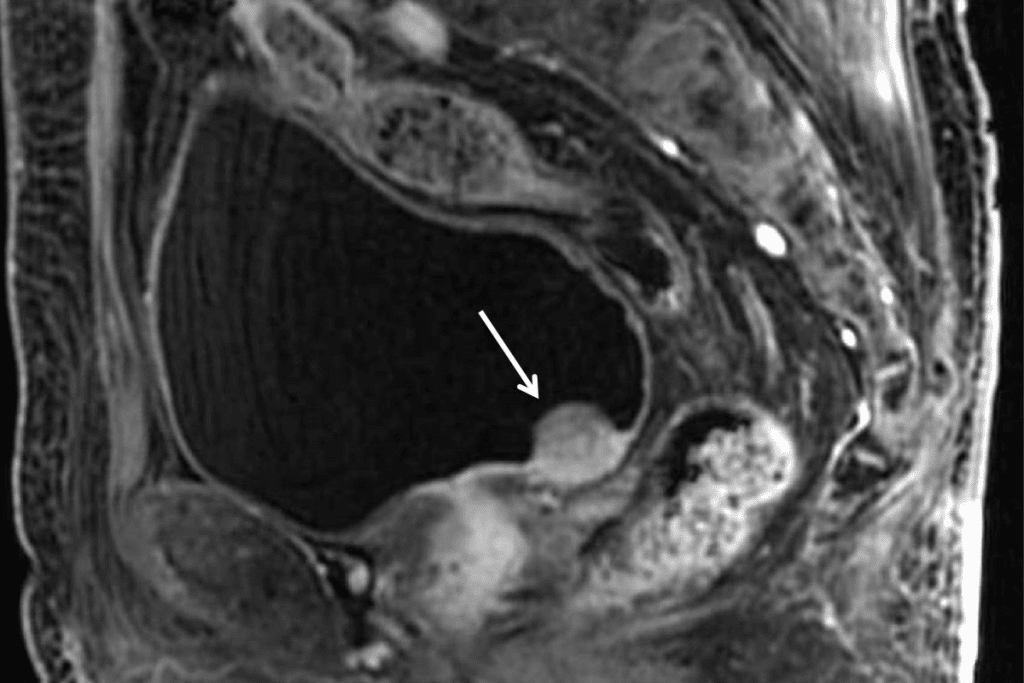
Bladder cancer’s aggressiveness varies a lot. Early stages can often be treated, but advanced cases can spread fast and be deadly. About 25% of cases are muscle-invasive at diagnosis, showing the need for quick and thorough treatment.
At livhospital.com, we want to give a full look at bladder cancer. We cover its aggressiveness and how many bladder tumors are cancerous. Our goal is to offer top-notch healthcare.
Key Takeaways
- Bladder cancer is the sixth most common cancer in the United States.
- Over 84,000 new bladder cancer cases are expected in 2025.
- Approximately 25% of bladder cancer cases are muscle-invasive at diagnosis.
- Understanding bladder cancer’s aggressiveness is vital for prevention and effective care.
- Early-stage bladder cancer is often treatable, but advanced cases can be life-threatening.
Bladder Cancer: A Major Health Concern in the United States
Bladder cancer is a big health problem in the United States. It affects many people every year. The National Cancer Institute says it’s one of the top cancers in the U.S. The first sign is often blood in the urine.
The Sixth Most Common Cancer: Incidence and Mortality
Bladder cancer is the sixth most common cancer in the United States. We’ll look at how common it is and how many people die from it. Many things can affect how likely someone is to get bladder cancer, like age, gender, and lifestyle.
Some important facts are:
- Men are more likely to get bladder cancer than women.
- Most bladder cancer cases happen in people over 55.
- Smoking is a big risk factor for bladder cancer.
Risk Factors: Age, Gender, and Lifestyle Influences
Knowing the risk factors is key to preventing and catching bladder cancer early. We’ll talk about how age, gender, and lifestyle affect bladder cancer risk.

By understanding these risk factors, people can take steps to lower their chance of getting bladder cancer.
What Percentage of Bladder Tumors are Cancerous
We will look into how many bladder tumors are cancerous. Bladder tumors are growths in the bladder. They can be either harmless or harmful.
Distinguishing Between Benign and Malignant Bladder Growths
Not all bladder tumors are cancerous. Some are harmless growths that don’t harm the bladder or spread. But about 25% of bladder cancer cases are muscle-invasive at diagnosis. This changes how they are treated and their outlook.
Tests like cystoscopy and biopsy are key in finding bladder cancer. A doctor uses a cystoscope to look inside the bladder. If they see something suspicious, a biopsy is done to check for cancer.
The 25% Rule: Muscle-Invasive Cases at Diagnosis
About 25% of bladder cancer cases are muscle-invasive at diagnosis. This shows why early detection and accurate diagnosis are so important. Muscle-invasive bladder cancer is more serious and needs stronger treatments like surgery, chemotherapy, or radiation.
Diagnostic Accuracy and Challenges in Detection
Getting the right diagnosis is key to treating bladder cancer. But there are challenges like false negatives or positives. To get better results, using a mix of diagnostic tests is common. This includes imaging tests like CT scans and MRI.
The main challenges are:
- Telling benign from malignant tumors
- Finding cancer early
- Watching for cancer coming back after treatment

The Spectrum of Bladder Cancer Aggressiveness
It’s important to know how aggressive bladder cancer can be. This helps doctors choose the best treatment for each patient. Every case is different, so a personalized plan is needed.
Non-Muscle Invasive Bladder Cancer: The Less Aggressive Form
Non-muscle invasive bladder cancer (NMIBC) stays in the bladder’s lining. It’s less aggressive and has a better chance of recovery. Treatment options often include removing the tumor and using medicine inside the bladder.
- Early detection improves outcomes
- Regular follow-ups are key
- Intravesical therapy can lower recurrence
Muscle-Invasive Bladder Cancer: When Aggression Increases
Muscle-invasive bladder cancer (MIBC) goes deeper into the bladder muscle. It’s more aggressive and risky. Aggressive treatments like removing the bladder or chemotherapy are often needed.
- Radical cystectomy is a big surgery
- Chemotherapy can be used before or after surgery
- Team care is vital
Metastatic Bladder Cancer: The Most Aggressive Presentation
Metastatic bladder cancer is the most aggressive. It has spread to other parts of the body. Treatment aims to manage symptoms and improve life quality. Options include chemotherapy and immunotherapy.
Understanding bladder cancer’s aggressiveness is critical. Tailoring treatments to each patient can lead to better outcomes and quality of life.
Survival Rates That Tell the Story of Aggressiveness
The fight against bladder cancer is closely tied to survival rates. Early detection is key. Knowing the survival rates helps patients and doctors make better treatment plans.
Early-Stage Bladder Cancer: 72-78% Five-Year Survival
Early-stage bladder cancer has a 72% to 78% five-year survival rate. This shows how vital early detection is. A study on NCBI found that early diagnosis greatly improves chances. Early detection and the right treatment are key to better survival rates.
Stage 2 Bladder Cancer Prognosis: What to Expect
Stage 2 bladder cancer means the cancer has grown through the bladder’s muscle layer. It hasn’t spread to lymph nodes or distant sites yet. The survival rate for Stage 2 varies, but with the right treatment, patients can have a good prognosis. Treatment, like surgery and chemotherapy, greatly affects the outcome.
Stage 3 and Metastatic Disease: When Survival Drops to 9%
Stage 3 and metastatic bladder cancer have a survival rate of about 9%. This shows how aggressive the disease is when it spreads. Survival depends on how far it has spread and the patient’s health. Aggressive treatments are needed to improve survival chances.
Survival rates for bladder cancer show how aggressive the disease is and how well treatments work. By understanding these rates, patients and doctors can better handle bladder cancer care.
Why Bladder Cancer Returns: Understanding Recurrence Patterns
It’s important to know why bladder cancer comes back. This is key to managing it well. Bladder cancer can return even after treatment.
Can Bladder Cancer Return After Bladder Removal?
Yes, bladder cancer can come back after removing the bladder. This is called radical cystectomy. The chance of it coming back depends on the cancer’s stage and grade. It’s vital to keep up with follow-up visits to catch any return early.
How Many Times Can You Have TURBT for Bladder Cancer?
Transurethral resection of bladder tumor (TURBT) can be done many times for bladder cancer that keeps coming back. How often you need TURBT depends on your situation and the cancer type.
Some important things to remember:
- Recurrence risk factors: Knowing what makes recurrence more likely, like the cancer’s stage and grade.
- Monitoring protocols: Regular check-ups and tests to find recurrence early.
- Treatment options: There are treatments for bladder cancer that come back, like TURBT, chemotherapy, and immunotherapy.
Monitoring Protocols After Initial Treatment
After the first treatment, it’s important to keep an eye out for any signs of cancer coming back. This includes cystoscopy, imaging tests, and urine tests.
Treatment Success Rates Based on Cancer Aggressiveness
Treatment success for bladder cancer depends on the cancer’s stage and how aggressive it is. Knowing these success rates helps doctors and patients make better choices.
TURBT and Recovery: What to Expect
Transurethral resection of bladder tumor (TURBT) is a common treatment for non-muscle invasive bladder cancer. Most patients see their tumors completely removed. But recovery times can differ, and some might need to urinate more often.
The success of TURBT depends on the tumor’s size, location, and the surgeon’s skill. Patients usually have a good outlook after TURBT. But they need regular check-ups to watch for any signs of the cancer coming back.
Bladder Cancer Chemotherapy Success Rate
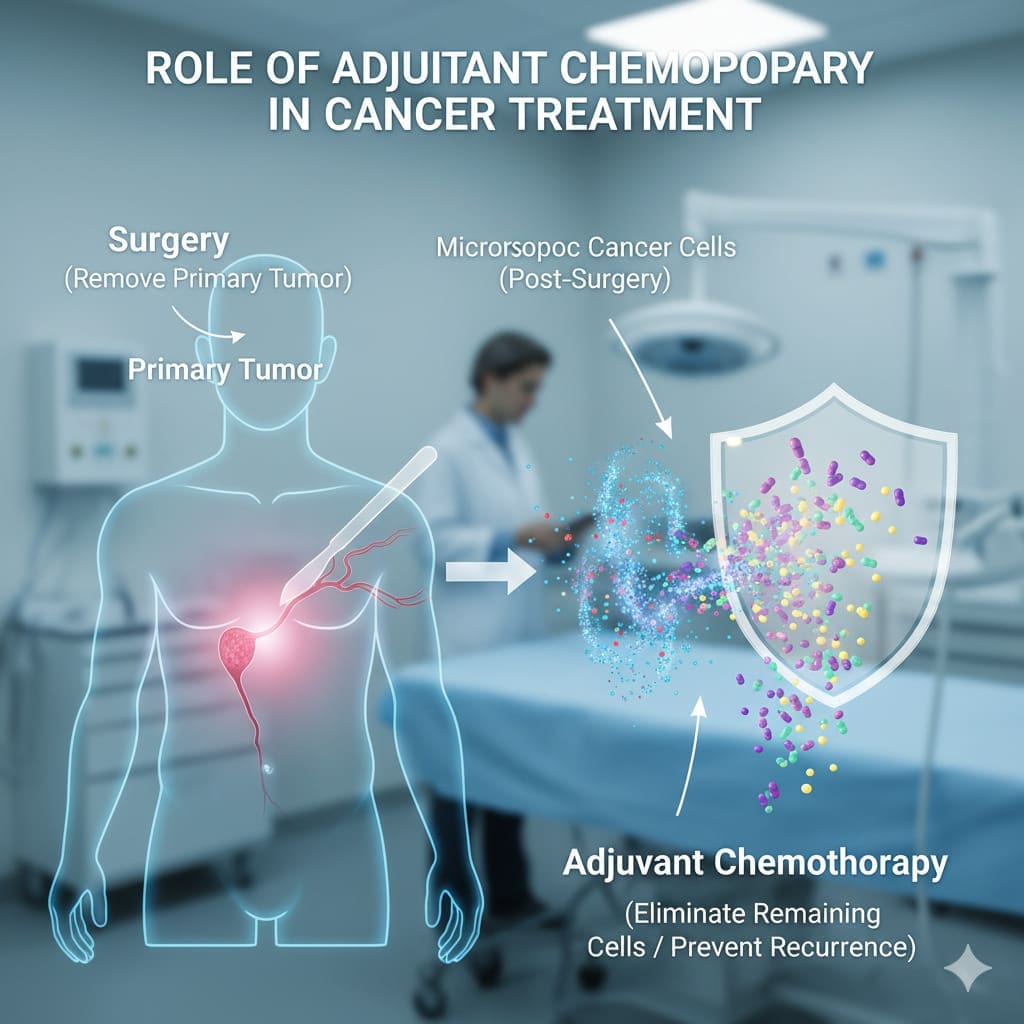
Chemotherapy is used for bladder cancer, alone or with surgery, for more serious cases. The success of chemotherapy depends on the cancer’s stage and how aggressive it is. For non-muscle invasive bladder cancer, chemotherapy can lower the chance of it coming back.
Research shows chemotherapy can work well for bladder cancer patients. But the success rate varies based on the patient and the chemotherapy used.
Immunotherapy and Targeted Treatments: Changing the Landscape
Immunotherapy and targeted treatments are new and promising for bladder cancer. They boost the immune system or target cancer growth. These treatments are showing great promise, mainly for advanced or spread-out bladder cancer.
Studies show immunotherapy and targeted treatments can improve survival and quality of life for bladder cancer patients. As research grows, these treatments will likely become more important in treating bladder cancer.
Living With and Beyond Bladder Cancer
Bladder cancer affects more than just the body. It touches the lives of patients and their loved ones deeply. We must think about the quality of life for those affected.
Quality of Life After Different Treatment Approaches
Treatment for bladder cancer can greatly affect a patient’s life. Surgery, chemotherapy, and immunotherapy have different effects. For example, surgery might change how you use the bathroom, while chemotherapy can cause fatigue and other side effects.
“Personalized care and support are key to a good quality of life,” experts say. They stress the importance of treatment plans that fit each patient’s needs.
Mayo Clinic Bladder Cancer Protocols and Innovations
The Mayo Clinic is known for its new ways to treat bladder cancer. They use the latest research and technology to create personalized treatment plans. These plans aim to fight cancer while keeping the patient’s quality of life in mind.
Mayo Clinic teams work closely with patients. They address each patient’s unique needs and concerns.
Psychological Impact and Support Systems
Bladder cancer can deeply affect a patient’s mental health. It’s important for patients to have strong support systems. This includes counseling, support groups, and family networks.
“Support systems are vital for coping with bladder cancer’s emotional and psychological challenges,”
experts say. They emphasize the need for a complete care approach.
By focusing on quality of life and support, we can help patients overcome bladder cancer. They can face challenges with dignity and strength.
Conclusion: Addressing the Question “Is Bladder Cancer Fatal?”
Bladder cancer can be very serious, but early detection and treatment can help a lot. The type of bladder cancer affects how serious it is. Some cancers are not as aggressive, while others are more dangerous.
Knowing about bladder tumors and their aggressiveness is key to treating them well. Even though aggressive bladder cancer is a big concern, new treatments like immunotherapy offer hope. Whether bladder cancer is fatal depends on when it’s found and how well it’s treated.
It’s vital to be aware of and catch bladder cancer early. With the right care, people can fight off aggressive cancer and live longer. By staying informed and proactive, we can all lower our risk and improve our chances of beating bladder cancer.
FAQ
What percentage of bladder tumors are cancerous?
Most bladder tumors are cancerous, but the exact percentage varies. About 25% of bladder cancer cases are muscle-invasive at diagnosis. This indicates a more aggressive form of the disease.
How aggressive is bladder cancer, and what factors influence its aggressiveness?
Bladder cancer’s aggressiveness varies widely. Factors like the stage at diagnosis, whether it’s muscle-invasive, and the presence of metastasis influence it. Non-muscle invasive bladder cancer is generally less aggressive. Muscle-invasive and metastatic bladder cancer are more aggressive.
Can bladder cancer return after bladder removal, and how is recurrence monitored?
Yes, bladder cancer can return even after bladder removal. Monitoring protocols after initial treatment are key. Regular follow-ups are necessary to detect any recurrence early.
What are the survival rates for bladder cancer, and how do they vary by stage?
Survival rates for bladder cancer vary by stage. For early-stage bladder cancer, the five-year survival rate is around 72-78%. For stage 2 bladder cancer, the prognosis varies. For stage 3 and metastatic disease, survival rates drop to around 9%.
How many times can you have TURBT for bladder cancer, and what are the expectations after bladder polyps surgery?
The number of times TURBT can be performed for bladder cancer varies. It depends on the individual case and the recurrence pattern. After bladder polyps surgery, patients may experience urinary frequency. This typically improves over time.
What are the treatment options for bladder cancer, and how do they impact quality of life?
Treatment options for bladder cancer include TURBT, chemotherapy, immunotherapy, and targeted treatments. The choice of treatment depends on the stage and aggressiveness of the cancer. Each can have a different impact on quality of life.
Is bladder cancer fatal, and what are the chances of survival with appropriate treatment?
Bladder cancer can be fatal if not detected and treated early. With appropriate treatment, survival chances vary significantly. They depend on the stage and aggressiveness of the disease.
What is the success rate of bladder cancer chemotherapy, and how does it compare to other treatments?
The success rate of bladder cancer chemotherapy varies. It depends on the stage and aggressiveness of the cancer. Chemotherapy is often used in combination with other treatments. Its success rate can be significant when used appropriately.
How does Mayo Clinic approach bladder cancer treatment, and what innovations are being explored?
Mayo Clinic is at the forefront of bladder cancer treatment. They offer a range of innovative approaches, including immunotherapy and targeted treatments. Their protocols aim to provide the best possible outcomes for patients.
What support systems are available for patients living with bladder cancer?
Patients living with bladder cancer have access to support systems. These include psychological support to help manage the disease’s impact on quality of life.
References
American Cancer Society. (2025). Key statistics for bladder cancer. Cancer.org. https://www.cancer.org/cancer/types/bladder-cancer/about/key-statistics.html
National Cancer Institute. (2025). Bladder cancer survival rates. U.S. National Institutes of Health. https://www.cancer.gov/types/bladder/survival