Last Updated on December 1, 2025 by Bilal Hasdemir
Did you know that new treatments have greatly improved the stage4 cancer survival rate in recent years? This progress brings new hope to patients and their families. We are in a new era in oncology, where advanced therapies are not just extending lives but also making them better for those with metastatic cancer.
Many ask, “what stops cancer cells from growing? Treatments like chemotherapy, radiation, immunotherapy, and targeted drugs are designed to block their growth.
Key Takeaways
- Advancements in medical treatments are improving stage4 cancer survival rate.
- Cutting-edge therapies are extending lives and making them better.
- Understanding factors that influence cancer survival rate is key.
- Innovative treatments are reshaping the landscape of stage4 cancer prognosis.
- A full approach is essential for better patient results.
Understanding Cancer Cell Growth and Division
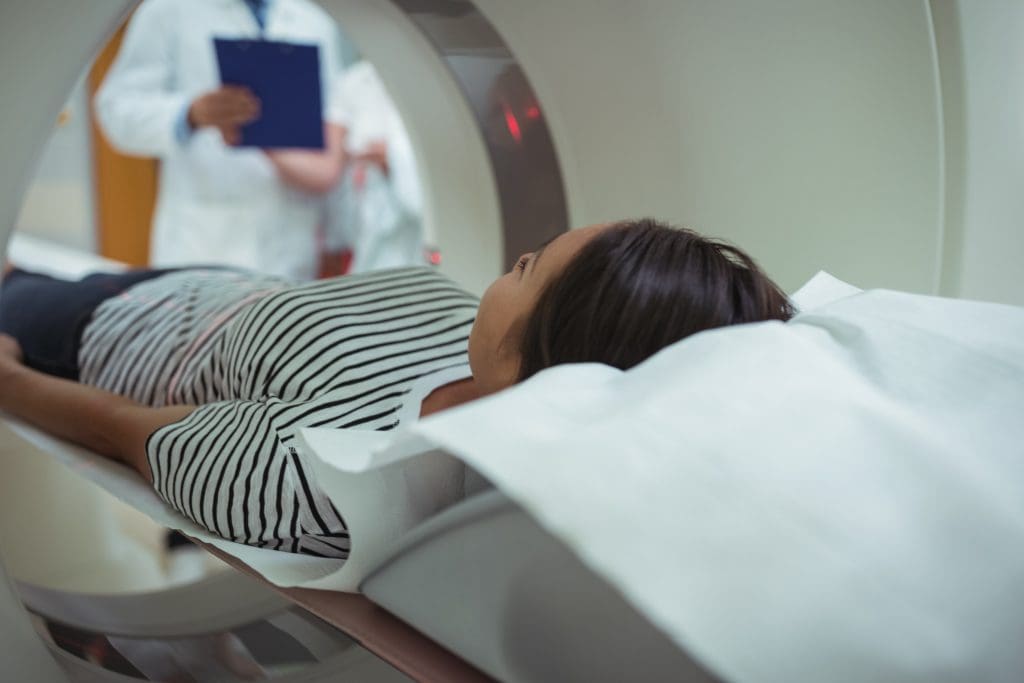
It’s key to know how cancer cells grow and divide. This knowledge helps us find effective treatments that stop these processes.
The Normal Cell Cycle vs. Cancer Cell Proliferation
Normal cells have a controlled cycle of growth, DNA replication, and division. But, cancer cells grow out of control. This is because they don’t follow the usual rules.
Studies reveal that cancer cells change how they use energy. They focus on making new parts instead of making energy for the cell.
How Cancer Cells Evade Growth Controls
Cancer cells find ways to ignore growth controls. They make too many receptors for growth factors. This leads to more signals for cell growth.
Tyrosine kinase inhibitors (TKIs) are drugs that block these signals. They stop the growth signals that cancer cells follow.
| Mechanism | Description | Example |
| Overexpression of Growth Factor Receptors | Cancer cells overexpress receptors for growth factors, leading to increased signaling for cell proliferation. | HER2 in breast cancer |
| Activation of Signaling Pathways | Cancer cells activate signaling pathways that promote cell growth and survival. | PI3K/AKT pathway |
| Tyrosine Kinase Inhibitors(TKIs) | TKIs block the activity of tyrosine kinases, enzymes involved in the signaling pathways that drive cancer cell growth. | Imatinib in CML |
Understanding how cancer cells grow and divide helps us see why treatments like TKIs work. It shows us the science behind stopping cancer’s spread.
Conventional Medical Treatments That Inhibit Cancer Growth
Conventional medical treatments are key in fighting cancer. They aim to stop cancer cells from growing and spreading. These treatments target cancer cells directly.
Chemotherapy and Radiation Therapy
Chemotherapy and radiation therapy are common cancer treatments. Chemotherapy drugs target fast-growing cells like cancer. Radiation therapy uses rays to kill or slow cancer cells.
says building strong patient relationships is vital. This is true for complex cancers like childhood brain cancers.
Chemotherapy and radiation can be used alone or together. The choice depends on the cancer type, stage, and patient’s health.
- Chemotherapy treats cancers that have spread.
- Radiation therapy is for localized tumors or to ease symptoms.
Surgical Interventions
Surgical interventions are key in cancer treatment. They offer a chance for a cure, mainly for early-stage cancers. Surgery removes the tumor and some tissue to remove all cancer cells.
The surgery’s goal can be:
- Curative surgery aims to remove all cancerous tissue.
- Palliative surgery aims to relieve symptoms and improve quality of life.
Immunotherapy Approaches
Immunotherapy approaches are a new hope in cancer treatment. They use the immune system to fight cancer. Unlike traditional treatments, immunotherapy boosts the body’s defenses.
There are different immunotherapy types, including:
- Checkpoint inhibitors, which help the immune system attack cancer cells.
- Cancer vaccines, which help the immune system recognize and fight cancer.
- Adoptive T-cell therapy, where T-cells are modified to better fight cancer.
These treatments have greatly improved cancer care. They offer hope to patients worldwide. Understanding these options helps patients make informed treatment choices.
Tyrosine Kinase Inhibitors (TKIs): A Targeted Approach
Tyrosine Kinase Inhibitors (TKIs) have changed how we fight cancer. They target cancer cells directly, reducing damage to healthy cells. This is a big improvement over older treatments.
Mechanism of Action
TKIs block tyrosine kinases, enzymes that help proteins work. In cancer, these enzymes are too active, causing cells to grow out of control. By stopping these enzymes, TKIs slow down cancer cell growth.
The way TKIs work is quite complex. They target specific pathways that help cancer cells live and grow. This makes them more effective and less likely to harm healthy cells.
Types of Tyrosine Kinase Inhibitors
There are many types of TKIs, each targeting different enzymes. Some focus on one enzyme, while others affect several. This variety helps tailor treatments to different cancers.
Researchers are always looking for new TKIs. They want to find better targets and make these drugs safer and more effective.
Common TKI Medications and Their Applications
Many TKIs are approved for cancer treatment. For example, Imatinib helps with Chronic Myeloid Leukemia (CML) and some tumors. Erlotinib is used for non-small cell lung cancer (NSCLC).
| TKI Medication | Cancer Type | Mechanism |
| Imatinib | CML, GIST | Inhibits BCR-ABL tyrosine kinase |
| Erlotinib | NSCLC | Inhibits EGFR tyrosine kinase |
| Sunitinib | Renal cell carcinoma, GIST | Inhibits multiple tyrosine kinases |
New TKIs are being developed all the time. They promise better results and fewer side effects, giving hope to cancer patients.
Other Targeted Therapies That Stop Cancer Progression
Other than Tyrosine Kinase Inhibitors (TKIs), new treatments are being developed to fight cancer. These treatments offer hope to those with advanced cancer, where traditional methods may not work.
Kinase Inhibitors Beyond TKIs
TKIs are just one type of kinase inhibitor. Others target different kinases that help cancer cells grow. Serine/threonine kinase inhibitors block pathways that help cancer cells survive. Early studies suggest they could be effective against many cancers.
Growth Factor Inhibitors
Growth factors are key in cancer cell growth. Inhibitors targeting these factors can stop cancer from growing. For example, GFPT is being studied as a cancer therapy target. By blocking these growth factors, we might find new ways to slow cancer cell growth.
Angiogenesis Inhibitors
Angiogenesis is the formation of new blood vessels, vital for tumor growth. Angiogenesis inhibitors block this process, starving tumors of nutrients and oxygen. This method has shown success in treating various cancers, often used alongside other treatments.
These targeted therapies are a big step forward in cancer treatment. They offer more precise and possibly less harmful options than traditional chemotherapy and radiation. As research goes on, we can look forward to even more breakthroughs, helping cancer patients worldwide.
Stage4 Cancer Survival Rate: Understanding the Statistics
Knowing the survival rate for stage 4 cancer is key for patients and their families. It helps them understand the treatment options. The rate varies based on the cancer type, the patient’s health, and the treatment’s success.
Factors Affecting Late-Stage Cancer Survival
Many things affect a late-stage cancer patient’s survival. These include the cancer type, age, health, and any other health issues. Also, how well the treatment works and the patient’s response to it are very important.
A radiation oncologist, says treating each patient differently is vital. This is true, even more so for prostate cancer. A personalized approach can greatly improve survival chances and quality of life.
Survival Rates by Cancer Type
Survival rates for stage 4 cancer differ by cancer type. For example, stage 4 breast cancer survival rates are different from those for lung or pancreatic cancer. Knowing these differences helps set realistic goals and make better treatment choices.
- Breast Cancer: Advances in targeted and hormone therapies have improved stage 4 breast cancer survival rates.
- Lung Cancer: Immunotherapies and targeted treatments have modestly improved stage 4 lung cancer survival rates.
- Pancreatic Cancer: Stage 4 pancreatic cancer survival rates are lower, but ongoing research offers hope for new treatments.
Improving Odds for Stage4 Cancer Patients
While stage 4 cancer is tough, there are ways to improve survival chances. A healthy lifestyle, following the treatment plan, and trying complementary therapies can help. These can improve well-being and possibly treatment outcomes.
It’s vital to have a care plan that covers physical, emotional, and psychological needs. A holistic approach to cancer care helps patients deal with their diagnosis and treatment better.
Foods That Fight Cancer Cell Growth
Research shows that certain foods can fight cancer cell growth. A balanced diet full of nutrients helps the body fight cancer. This is a key part of preventing cancer.
Fruits and Vegetables That Prevent Cancer
Fruits and vegetables are full of vitamins, minerals, and antioxidants. These help prevent cancer. Some of the best include:
- Cruciferous vegetables like broccoli and cauliflower, which contain sulforaphane that have been shown to have anti-cancer properties.
- Leafy greens such as spinach and kale, rich in antioxidants and other nutrients that support overall health.
- Berries like blueberries and raspberries, which are high in anthocyanins and ellagic acid, compounds that have been linked to cancer prevention.
Cancer-Fighting Nutrients and Compounds
Certain nutrients and compounds in food fight cancer. These include:
- Omega-3 fatty acids, found in fatty fish like salmon, which have been shown to reduce inflammation and potentially inhibit cancer cell growth.
- Antioxidants such as vitamin C and E, which help protect cells from damage caused by free radicals.
- Fiber, found in whole grains, fruits, and vegetables, which can help reduce the risk of certain types of cancer.
Developing a Cancer-Prevention Diet
To prevent cancer with your diet, we suggest:
- Eat more fruits, vegetables, and whole grains.
- Add lean proteins and healthy fats to your meals.
- Drink less processed and red meat.
- Drink plenty of water to stay hydrated.
Making smart food choices helps prevent cancer. It also boosts your overall health and well-being.
Herbs and Plant-Based Compounds With Anti-Cancer Properties
Certain herbs and plant-based compounds have shown remarkable anti-cancer properties. Research into these natural substances has opened new avenues for cancer treatment and prevention. We will explore some of the most promising herbs and compounds that have been studied for their anti-cancer properties.
Promising Herbs in Cancer Research
Several herbs have been identified as having anti-cancer effects. These include:
- Turmeric: Contains curcumin, which has been shown to have anti-inflammatory and anti-cancer properties.
- Ginger: Has been found to have anti-inflammatory properties and may help reduce the risk of certain cancers.
- Green Tea: Rich in antioxidants called catechins, which may help prevent cancer cell growth.
Graviola, Dandelion Root, and Other Plant Medicines
Some plant-based medicines have gained attention for their anti-cancer effects. For instance:
“Graviola has been studied for its ability to target and kill cancer cells while leaving healthy cells intact.”
Other plants like dandelion root have been traditionally used for their medicinal properties, including anti-cancer effects.
Apricot Seeds and Controversial Natural Treatments
Apricot seeds have been suggested as a natural treatment for cancer due to their amygdalin content, also known as vitamin B17. But, the effectiveness and safety of apricot seeds for cancer treatment are controversial and need more research.
We emphasize the importance of consulting healthcare professionals before using any herbal or plant-based compounds for cancer treatment. They can interact with conventional treatments or have side effects.
Essential Oils and Natural Extracts in Cancer Care
Research on essential oils and natural extracts for cancer is promising. These natural compounds could offer new ways to fight cancer. Their benefits are becoming more clear as we learn more.
Essential oils come from plants and have been used for centuries. Now, they’re getting attention for fighting cancer. Their ability to combat cancer is a big reason for this interest.
Frankincense and Cancer: Research Overview
Frankincense comes from the Boswellia tree and might help fight cancer. Studies show it could slow down cancer cell growth and make cells die. It’s being looked at for treating breast, prostate, and colon cancers.
Black Seed Oil and Other Therapeutic Oils
Black seed oil comes from Nigella sativa and has been used for health. Its main part, thymoquinone, might fight cancer. Research says it could help cancer cells grow less and make treatments work better.
Aloe Vera, Castor Oil, and Other Natural Extracts
Aloe vera and castor oil are also being studied for cancer help. Aloe vera might ease side effects of treatment. Castor oil could have anti-inflammatory effects. These natural extracts might help alongside traditional cancer treatments.
As we learn more about essential oils and natural extracts for cancer, talking to is key. These natural compounds are promising but shouldn’t replace standard treatments. They should work together to help fight cancer.
The Role of pH and Metabolic Approaches
The pH theory of cancer suggests that changing the body’s acidity can affect tumor growth. This idea has made metabolic approaches to cancer treatment more popular. These methods focus on how the body’s environment impacts cancer cells.
Understanding the pH Theory of Cancer
The pH theory says cancer cells grow best in acidic conditions. Research shows cancer cells produce more lactic acid, making their environment acidic. This supports their growth and spread. It suggests making the body more alkaline could slow cancer cell growth.
Research has looked into the benefits of alkalizing in cancer treatment. Using substances like baking soda and molasses to increase pH levels is one approach.
Baking Soda, Molasses, and Alkalizing Approaches
Baking soda, or sodium bicarbonate, may help neutralize body acidity. Mixing it with molasses, which has antioxidants and nutrients, could enhance its effect. Supporters believe it can make the body less friendly to cancer cells.
While the baking soda and molasses regimen is debated, some people report benefits. But, it’s important to talk to a doctor before trying it. This is because it involves big changes to diet and using substances like baking soda.
Supplements That May Support Cancer Treatment
Some supplements can help with cancer treatment by boosting metabolism and the immune system. These include vitamins, minerals, and other nutrients that improve the body’s environment.
Some supplements have been studied for their anti-cancer effects. They may help make the body more alkaline or support the immune system in fighting cancer. Always talk to a healthcare provider before taking any supplements to make sure they’re safe and right for you.
We know these approaches are promising, but more research is needed. As with any treatment, it’s important to work with healthcare professionals. This ensures these methods are used effectively.
Lifestyle Factors That May Inhibit Cancer Growth
Choosing certain lifestyle habits can greatly affect cancer growth and health. Daily choices are key in managing cancer and improving life quality.
Exercise and Physical Activity Benefits
Exercise and physical activity are good for cancer patients. They can lower the chance of cancer coming back and help people live longer. Try to do moderate activities like walking, cycling, or swimming every day.
Benefits of Exercise in Cancer Management:
- Reduces cancer recurrence risk
- Improves survival rates
- Enhances overall physical function
- Supports mental health and well-being
Stress Management and Mind-Body Approaches
Managing stress is vital for cancer patients. Stress can make cancer grow faster. Mind-body methods like meditation, yoga, and deep breathing can help reduce stress and relax the mind.
Mind-body therapies offer a range of benefits, including:
- Reduced stress and anxiety
- Improved mood and emotional well-being
- Enhanced sleep quality
- Boosted immune function
Grounding and Other Alternative Practices
Grounding, or earthing, means touching the Earth to heal and relax. Some studies suggest it can lower inflammation and improve health. More research is needed.
Other practices like acupuncture and massage can also help. They can lessen symptoms and make life better for cancer patients.
Integrating Conventional and Holistic Treatment of Cancer
Combining traditional and holistic treatments offers hope for cancer patients. Cancer is a complex disease. A mix of both approaches can lead to better treatment results.
Working With Your Medical Team
Effective cancer treatment needs teamwork between patients, families, and . stresses the importance of patient relationships in treating childhood brain cancers. Trust and clear communication with your healthcare team are key for a tailored treatment plan.
To work well with your medical team:
- Share your medical history and any complementary therapies you’re using.
- Ask about your diagnosis, treatment options, and side effects.
- Talk about your preferences and concerns with your healthcare providers.
Creating an Integrative Cancer Care Plan
An integrative cancer care plan mixes traditional treatments with complementary therapies. This can help manage symptoms, lessen side effects, and boost well-being.
Key parts of an integrative cancer care plan include:
- Nutritional counseling for optimal nutrition during treatment.
- Mind-body therapies like meditation, yoga, or cognitive-behavioral therapy.
- Physical activity suited to the patient’s abilities and treatment phase.
- Complementary therapies like acupuncture, massage, or herbal supplements (under medical supervision).
Avoiding Harmful Interactions
Integrating treatments can be beneficial but knowing about interactions is key. Some supplements or alternative treatments may affect conventional cancer treatments or increase side effects.
To avoid harmful interactions:
- Always tell your healthcare team about any supplements, herbs, or alternative therapies you’re considering or using.
- Check with your oncologist before starting any new complementary therapy.
- Be careful of therapies claiming to be “miracle cures” or “cancer cures” without evidence.
By working closely with your medical team and knowing your treatment options, you can create a safe and effective integrative cancer care plan. This plan supports your overall health and well-being.
Emerging Research and Cancer Treatments That Melt Away Tumors
Our understanding of cancer is growing, leading to new treatments. These treatments are changing how we fight cancer. They offer hope to those with advanced disease.
New targeted therapies are showing great promise. They aim to kill cancer cells without harming healthy tissues. For example, LIXTE Biotechnology Holdings, Inc. is working on treatments targeting the PP2A pathway, with early success.
New Targeted Therapies on the Horizon
Targeted therapies are key in the fight against cancer. They focus on cancer’s growth drivers, making them more effective and less harmful. Examples include:
- Kinase inhibitors that block enzymes in cancer cell growth
- Angiogenesis inhibitors that stop new blood vessels to tumors
- Immunotherapies that use the immune system to fight cancer
A leading researcher says, “Targeted therapies are a major breakthrough. They target specific mechanisms, improving outcomes and reducing side effects.”
“The future of cancer treatment is in personalized medicine, where treatments are tailored to the individual characteristics of each patient’s cancer.”
Advances in Personalized Cancer Treatment
Personalized cancer treatment is becoming more important. It recognizes that each cancer is unique. By analyzing a tumor’s genetics, can create tailored treatment plans.
This approach has shown great promise. It improves outcomes and reduces side effects. Some patients with advanced cancer have even achieved complete remission.
Innovative Approaches to Terminal Cancer
For those with terminal cancer, new approaches aim to improve life quality and survival. These include:
| Treatment Approach | Description | Potential Benefits |
| Immunotherapy | Harnessing the power of the immune system to fight cancer | Improved survival rates, reduced side effects |
| Gene therapy | Repairing or replacing faulty genes that drive cancer growth | Potential for long-term remission |
| Oncolytic virus therapy | Using viruses to selectively kill cancer cells | Improved tumor control, reduced side effects |
As research advances, we’ll see more innovative treatments. By staying updated, we can offer our patients the best care and improve outcomes.
Conclusion: Taking Control of Your Cancer Journey
Understanding how to stop cancer cells from growing is key to better survival rates. By using both traditional treatments and holistic methods, patients can be more involved in their care. This approach helps improve their chances of beating cancer.
We’ve looked at treatments like tyrosine kinase inhibitors and immunotherapy. These have shown to slow down cancer growth. Also, diet, exercise, and managing stress are important for supporting treatment.
To take charge of your cancer journey, work closely with your healthcare team. They can help create a treatment plan that fits you. By combining traditional and holistic methods, patients can live better and longer. Knowing about the latest research and treatments helps patients make informed choices about their care.
FAQ
How can patients work with their medical team to improve their cancer treatment outcomes?
Patients can work with their team to create a treatment plan. It should include both conventional and holistic approaches. Staying updated on new research and treatments is also important.
What emerging research and cancer treatments show promise in melting away tumors?
New targeted therapies and personalized treatments are being developed. They offer hope for better cancer treatment outcomes.
What is the importance of integrating conventional and holistic treatment approaches in cancer care?
Combining conventional and holistic treatments offers a full care plan. It addresses physical, emotional, and spiritual needs.
How can lifestyle factors, such as exercise and stress management, impact cancer growth?
Exercise and stress management, like meditation and yoga, can slow cancer growth. They also improve overall health.
What is the pH theory of cancer, and how can it be applied in cancer treatment?
The pH theory says cancer cells grow in acidic environments. Approaches like baking soda and molasses aim to make the body more alkaline, which may help fight cancer.
How do essential oils and natural extracts work in cancer care?
Essential oils like frankincense and extracts like aloe vera may have anti-cancer effects. They can also ease symptoms of cancer treatment.
Can herbs and plant-based compounds help in cancer treatment?
Herbs like graviola and dandelion root may have anti-cancer properties. More research is needed, but they could support cancer treatment.
What is the role of diet in cancer prevention?
Eating a diet full of fruits, veggies, and whole grains can lower cancer risk. Nutrients like antioxidants and phytochemicals have anti-cancer effects.
How do kinase inhibitors beyond TKIs work in cancer treatment?
These inhibitors target different kinases involved in cancer growth. They block these kinases, slowing or stopping cancer cell growth.
What foods can help fight cancer cell growth?
Foods like berries, leafy greens, and cruciferous veggies have anti-cancer properties. Omega-3 rich foods and spices like turmeric also help fight cancer.
What are tyrosine kinase inhibitors (TKIs) and how do they work in cancer treatment?
Tyrosine kinase inhibitors (TKIs) are drugs that stop tyrosine kinases from working. These enzymes help cancer cells grow and divide. By stopping these enzymes, TKIs slow or stop cancer cell growth.