Last Updated on December 1, 2025 by Bilal Hasdemir
Understanding what stops cancer cells from growing is key in fighting this deadly disease. Cancer is a major cause of death globally. Researchers are always looking for new treatments. They know cancer cells grow and divide without control, but can we stop this?
Recent research has found ways to slow cancer cell growth. Tyrosine kinase inhibitors are showing promise in treating some cancers. Also, making lifestyle changes, like changing what we eat, can help prevent cancer. We’ll look into these options and how foods that fight cancer can be part of a healthy diet.
Key Takeaways
- Tyrosine kinase inhibitors can effectively stop cancer cells from growing.
- Dietary changes can significantly impact cancer prevention.
- Certain foods have been shown to fight cancer and support overall health.
- Understanding the mechanisms that inhibit cancer cell growth is crucial for developing new therapies.
- Lifestyle modifications can complement medical treatments in cancer prevention.
Understanding Cancer Cell Growth and Division
It’s key to know how cancer cells grow and divide to find good treatments. Cancer cells grow and divide too much because of genetic changes and cell cycle problems. We’ll look into the cell cycle and how mutations cause cancer growth.
The Cell Cycle and Cancer
The cell cycle is a tightly controlled process. It lets cells grow, copy their DNA, and split into two cells. This is vital for tissue growth and keeping things in balance. But, in cancer, the cell cycle gets out of control, causing cells to multiply without stop.
Key phases of the cell cycle include:
- G1 phase: The cell grows and gets ready for DNA replication.
- S phase: DNA replication happens.
- G2 phase: The cell gets ready for cell division.
- M phase: Cell division happens, making two daughter cells.
Cancer cells use the cell cycle to grow too much. Mutations in genes that control the cell cycle can cause cancer. For example, mutations in TP53 can stop normal cell cycle control, letting damaged cells keep dividing.
Mutations That Drive Cancer Growth
Genetic mutations are key in making cancer grow. These changes can happen in genes that control the cell cycle, DNA repair, and cell death. We’ll look at some common mutations and how they affect cancer cell growth.
| Gene | Function | Mutation Effect |
| TP53 | Tumor suppressor gene | Loss of function leads to unchecked cell division |
| KRAS | Oncogene | Gain of function promotes cell proliferation |
| BRCA1/2 | DNA repair genes | Loss of function impairs DNA repair, increasing mutation risk |
Tyrosine kinase inhibitors (TKIs) are a type of targeted therapy. They block specific pathways that help cancer cells grow. By stopping tyrosine kinases, these drugs can slow or stop cancer cell growth. Knowing the mutations that cause cancer growth is key to making TKI treatments work.
The Most Deadly Cancer Types and Their Growth Patterns
It’s key to know how deadly cancers grow to find better treatments. Some cancers are very aggressive and hard to treat. We need to understand their traits.
Pancreatic Cancer
Pancreatic cancer is known for its bad outlook and high death rate. It’s hard to catch early because it doesn’t show symptoms until it’s too late. This cancer grows fast and can spread to other parts of the body.
Key challenges in treating pancreatic cancer include:
- Late diagnosis due to non-specific symptoms
- Aggressive tumor biology
- Limited effectiveness of current treatment options
Lung Cancer
Lung cancer is very deadly, mainly because it’s often found too late. Its growth can be fast or slow. Smoking is a big risk factor, and quitting is key to preventing it.
Effective management of lung cancer involves:
- Early detection through screening high-risk populations
- Personalized treatment plans based on tumor characteristics
- Combination therapies to address both local and systemic disease
Liver Cancer
Liver cancer, especially hepatocellular carcinoma, is a big problem worldwide. It grows fast and can spread through blood vessels, making surgery hard. Liver disease and cirrhosis are main causes.
Strategies for managing liver cancer include:
- Surveillance of high-risk patients to enable early detection
- Multidisciplinary treatment approaches, including surgery, ablation, and systemic therapies
- Addressing underlying risk factors to prevent disease progression
The Body’s Natural Cancer-Fighting Mechanisms
Our body has natural defenses against cancer. It has ways to find and get rid of cancer cells. Knowing about these can help us prevent and treat cancer.
Immune System Surveillance
The immune system is our first defense against cancer. It can spot and destroy cancer cells through immune surveillance. This involves many immune cells working together to find and get rid of abnormal cells before they turn into tumors.
- T cells: These cells directly kill infected cells or produce chemical signals that activate the immune response.
- Natural Killer Cells: These cells can kill tumor cells and virus-infected cells without prior sensitization.
- Dendritic Cells: These cells play a crucial role in initiating the immune response by presenting antigens to T cells.
Apoptosis: Programmed Cell Death
Apoptosis, or programmed cell death, is key to preventing cancer. It gets rid of damaged or unwanted cells. This keeps tissues healthy and stops cells from becoming cancerous.
Apoptosis is controlled by many signals. When a cell is damaged or might become cancerous, it dies. This stops tumors from growing.
It’s important to support these natural defenses for cancer prevention and treatment. Understanding how the immune system and apoptosis work helps us see our body’s fight against cancer. We can then find ways to help these processes.
Conventional Medical Treatments That Halt Cancer Growth
Conventional treatments like chemotherapy, radiation therapy, and surgery are key in fighting cancer. They have been mainstays in cancer care for many years. They remain crucial in managing the disease.
Chemotherapy
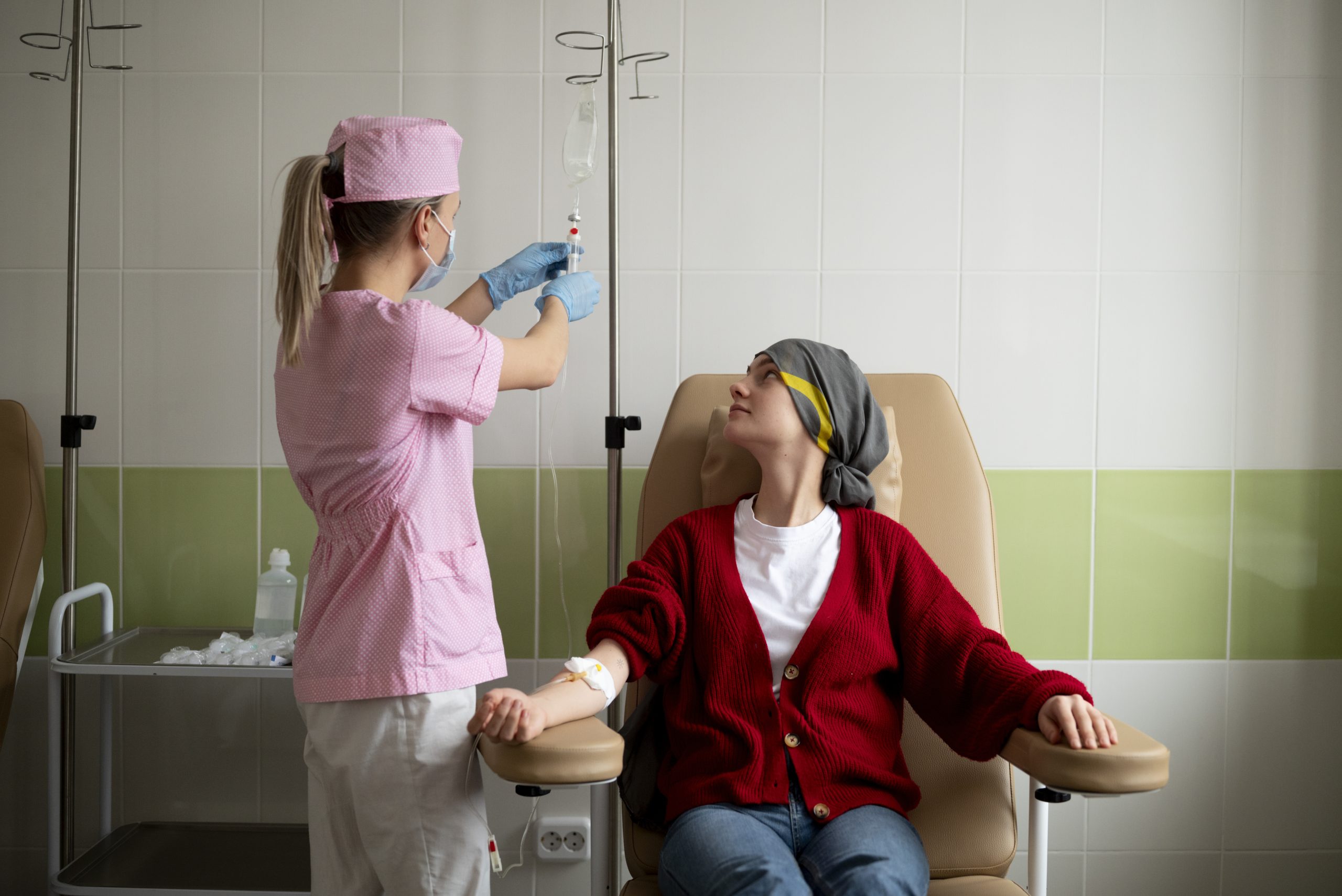
Chemotherapy uses drugs to kill or slow cancer cells. It’s especially helpful for cancers that have spread. It can be given through IV, pills, or injections.
- Works well against many cancer types
- Can be used with other treatments
- May cause side effects because it affects fast-growing cells
Radiation Therapy
Radiation therapy uses high-energy waves to kill cancer cells. It targets specific areas of the body. It can be given from outside or inside the body, depending on the cancer’s location.
- External beam radiation therapy (EBRT) is common
- Internal radiation therapy (brachytherapy) uses radioactive material inside the body
- Side effects vary based on the treated area and radiation dose
Surgical Interventions
Surgery removes tumors and some tissue. It’s often the main treatment for localized cancers. New techniques like minimally invasive and robotic surgeries are becoming more common.
These treatments are often used together for better results. For example, chemotherapy and radiation might shrink a tumor before surgery. Knowing how to combine these treatments is key to a good cancer treatment plan.
Targeted Therapies: Precision Medicine for Cancer
Targeted therapies are a big step forward in cancer treatment. They offer treatments that fit each patient’s needs. These therapies aim at specific molecules that help cancer grow, making treatments more precise and less harmful.
Monoclonal Antibodies
Monoclonal antibodies are a promising type of targeted therapy. They are made in labs to help the immune system fight cancer cells. They can treat many cancers, like lymphoma and leukemia.
These antibodies bind to proteins on cancer cells, helping the immune system destroy them. They can also stop cancer cells from growing. For example, trastuzumab (Herceptin) targets the HER2 protein in HER2-positive breast cancer.
Hormone Therapy
Hormone therapy is used for cancers driven by hormones, like some breast and prostate cancers. It works by lowering hormone levels or changing how hormones act in the body.
In hormone receptor-positive breast cancer, hormone therapy blocks hormones from reaching cancer cells. This slows or stops cancer growth. Tamoxifen is a hormone therapy drug for breast cancer.
| Therapy Type | Mechanism of Action | Examples of Cancers Treated |
| Monoclonal Antibodies | Target specific proteins on cancer cells, marking them for destruction | Lymphoma, Leukemia, HER2-positive Breast Cancer |
| Hormone Therapy | Reduces hormone production or interferes with hormone behavior | Hormone Receptor-positive Breast Cancer, Prostate Cancer |
Targeted therapies, like monoclonal antibodies and hormone therapy, are key in cancer treatment. They offer precise and effective treatments, giving patients and their families new hope.
Tyrosine Kinase Inhibitors: Blocking Cancer Cell Communication
Tyrosine kinase inhibitors are key in the fight against cancer. They have changed how we treat some cancers. These medicines are a big step forward.
Mechanism of Action
Tyrosine kinase inhibitors (TKIs) block enzymes called tyrosine kinases. These enzymes help cells grow and divide. In cancer, these enzymes work too much, causing cells to grow out of control.
By stopping these enzymes, TKIs stop cancer cells from growing. This is how they work to fight cancer.
Common TKI Medications
Many TKI medications are used to treat different cancers. Here are some examples:
| TKI Medication | Cancer Type |
| Imatinib | Chronic Myeloid Leukemia (CML), Gastrointestinal Stromal Tumors (GIST) |
| Erlotinib | Non-Small Cell Lung Cancer (NSCLC) |
| Sunitinib | Renal Cell Carcinoma, GIST |
Side Effects and Limitations
TKIs have changed cancer treatment, but they’re not perfect. They can cause tiredness, skin rashes, and stomach problems. Also, cancer cells can become resistant to them over time.
We’re working hard to find new ways to use TKIs. This includes finding new medicines and combining them. Understanding TKIs helps us see how far we’ve come in fighting cancer.
Immunotherapy: Harnessing the Body’s Defenses
Immunotherapy is a new way to fight cancer. It boosts the body’s natural defenses. This therapy uses the immune system to find and kill cancer cells, giving hope to many patients.
Checkpoint Inhibitors
Checkpoint inhibitors help the immune system fight cancer better. They block proteins that cancer cells use to hide from the immune system. This lets the immune system attack and destroy cancer cells.
Some well-known checkpoint inhibitors include:
- PD-1 inhibitors, such as pembrolizumab and nivolumab
- CTLA-4 inhibitors, such as ipilimumab
- PD-L1 inhibitors, such as atezolizumab and durvalumab
| Checkpoint Inhibitor | Target | Cancer Types |
| Pembrolizumab | PD-1 | Melanoma, NSCLC, Head and Neck Cancer |
| Nivolumab | PD-1 | Melanoma, NSCLC, Renal Cell Carcinoma |
| Ipilimumab | CTLA-4 | Melanoma |
CAR T-Cell Therapy
CAR T-cell therapy is another immunotherapy method. It changes a patient’s T cells to fight cancer. This therapy has shown great promise in treating blood cancers.
The CAR T-cell therapy process is:
- Extracting T cells from the patient’s blood
- Genetically modifying the T cells to produce a chimeric antigen receptor (CAR)
- Infusing the modified T cells back into the patient
Checkpoint inhibitors and CAR T-cell therapy are big steps forward in immunotherapy. They offer new ways to treat cancer. By using the immune system, these therapies aim for a more complete cancer treatment.
Anti-Angiogenic Treatments: Cutting Off the Blood Supply
Angiogenesis is when new blood vessels form. Cancer cells use this to grow and spread. By blocking angiogenesis, we can fight cancer.
The Process of Angiogenesis in Cancer
Cancer cells make new blood vessels by releasing growth factors. Vascular endothelial growth factor (VEGF) is one of these. These new vessels bring oxygen and nutrients to the tumor.
Medications That Block Angiogenesis
Anti-angiogenic treatments cut off the tumor’s blood supply. Bevacizumab, a monoclonal antibody, targets VEGF. It’s used in treating cancers like colorectal and lung cancer.
Other drugs, like Sunitinib and Sorafenib, block several pathways in angiogenesis. These medicines can help when used alone or with other treatments. They show promise in controlling tumor growth and improving survival.
Nutritional Approaches to Fighting Cancer
Nutrition is key in the fight against cancer. What we eat can affect our risk and treatment success. Eating the right foods is important.
Cancer-Fighting Foods and Their Mechanisms
Some foods have anti-cancer properties. Broccoli and cauliflower are good examples. They contain sulforaphane, which fights cancer.
Berries are full of antioxidants that protect cells. Green tea’s catechins may slow cancer cell growth. Fatty fish and whole grains also help.
Dietary Patterns Associated with Lower Cancer Risk
It’s not just about individual foods. The Mediterranean diet is great for cancer prevention. It’s full of fruits, veggies, and healthy fats.
Eating more plant-based foods and less processed meat is also good. Staying at a healthy weight is key, as obesity increases cancer risk.
Supplements with Anti-Cancer Properties
While foods are best, some supplements can help. Vitamin D and omega-3 supplements may offer benefits. But, always talk to a doctor first.
Quality matters with supplements. Choose reputable brands. They should not replace a healthy diet.
In summary, nutrition is a powerful tool against cancer. Eating right, following good dietary patterns, and using supplements wisely can help. It’s all about taking control of your health.
Natural Compounds That May Inhibit Cancer Growth
Nature offers many compounds that could help fight cancer. We’re finding new ways to use these natural substances against cancer. Let’s look at some of the most promising ones that might slow down cancer growth.
Curcumin and Turmeric
Curcumin, found in turmeric, is being studied a lot for its cancer-fighting abilities. It can stop cancer cells from growing because of its anti-inflammatory and antioxidant powers. Studies show curcumin can slow down cancer cell growth and even make them die in cancers like breast, lung, and colon.
Green Tea Catechins
Green tea catechins, especially EGCG, have shown to fight cancer. EGCG stops cancer cells from growing by messing with their cell cycle and making them die. It also protects DNA and stops tumors from getting blood, which they need to grow.
Resveratrol and Berries
Resveratrol, found in berries, grapes, and peanuts, is getting attention for its cancer-fighting powers. Research shows resveratrol can slow down cancer cell growth by affecting how cells grow and survive. It also has anti-inflammatory and antioxidant effects, which help fight cancer.
Even though these natural compounds look promising, they should be part of a bigger plan to fight cancer. Always talk to a healthcare professional before using them.
Lifestyle Factors That Help Prevent Cancer Growth
We can greatly lower cancer risk by focusing on key lifestyle habits. Lifestyle is key in cancer prevention. It affects our health and immune function.
Physical Activity and Cancer Prevention
Regular exercise is vital for cancer prevention. Research shows it can lower cancer risk, including breast, colon, and lung cancer.
Benefits of Physical Activity:
- Boosts immune function
- Reduces inflammation
- Helps keep a healthy weight
| Type of Cancer | Risk Reduction with Physical Activity |
| Breast Cancer | Up to 30% reduction |
| Colon Cancer | Up to 40% reduction |
| Lung Cancer | Up to 20% reduction |
Stress Management and Immune Function
Chronic stress weakens our immune system, making us more prone to cancer. It’s crucial to manage stress well to keep our immune system strong.
Stress Management Techniques:
- Meditation and mindfulness
- Yoga and tai chi
- Deep breathing exercises
By adding physical activity and stress management to our daily routine, we boost our body’s cancer prevention abilities. It’s about a holistic health approach that covers both physical and mental well-being.
Emerging Research in Cancer Growth Inhibition
New research in cancer therapy offers hope with innovative methods. We’re exploring nanotechnology, gene therapy, and personalized vaccines. These areas show great promise in fighting cancer.
Nanotechnology Approaches
Nanotechnology uses tiny particles to target cancer cells. This method aims to reduce harm to healthy cells. It makes treatments more effective and lowers side effects.
Nanoparticles can carry drugs or heat to kill cancer cells. For example, liposomal nanoparticles help deliver chemotherapy drugs better.
| Nanotechnology Application | Description | Potential Benefits |
| Drug Delivery | Nanoparticles carry drugs directly to cancer cells | Reduced side effects, improved efficacy |
| Thermal Therapy | Nanoparticles generate heat to kill cancer cells | Minimally invasive, targeted treatment |
| Imaging | Nanoparticles used as contrast agents for better imaging | Improved diagnostic accuracy |
Gene Therapy Innovations
Gene therapy changes or adds genes to fight cancer. It can fix genes that cause cancer or introduce new ones. This helps the body fight cancer better.
CRISPR-Cas9 gene editing is used to make T-cells more effective. Another method introduces genes that make cancer cells easier to treat.
Personalized Cancer Vaccines
Personalized cancer vaccines are made for each patient. They help the immune system attack cancer cells. These vaccines are created from a patient’s tumor.
They target specific mutations in the cancer. This approach leads to better treatment with fewer side effects.
As research advances, these areas promise better cancer treatments. By using nanotechnology, gene therapy, and personalized vaccines, we can create more targeted and effective treatments.
Integrative Approaches: Combining Conventional and Complementary Therapies
Integrative oncology mixes the best of traditional cancer treatments with proven complementary methods. It’s a new way to care for cancer patients. This approach helps with the physical, emotional, and spiritual sides of cancer.
Working with an Integrative Oncology Team
An integrative oncology team has many healthcare experts. They include , nurses, nutritionists, and those who use complementary therapies. This team works together to make a care plan that fits each patient’s needs.
For example, a patient getting chemotherapy might also get acupuncture to lessen side effects. Integrative oncology aims to improve a patient’s life and possibly their treatment results.
| Benefits of Integrative Oncology | Conventional Treatments | Complementary Therapies |
| Improved Quality of Life | Surgery | Acupuncture |
| Enhanced Symptom Management | Chemotherapy | Meditation and Mindfulness |
| Holistic Care Approach | Radiation Therapy | Nutritional Counseling |
Evidence-Based Complementary Approaches
Complementary therapies backed by science can help with cancer symptoms and side effects. Examples include mindfulness, yoga, and some nutritional supplements. It’s important for patients to talk to their about these options.
Studies show that meditation and yoga can lower anxiety and depression in cancer patients. Nutritional advice can also help patients make healthy food choices that support their treatment and health.
As integrative oncology grows, we’ll see new ways to fight cancer. By blending traditional and complementary therapies, we can offer the best care to patients.
Conclusion: The Future of Cancer Growth Inhibition
Cancer growth inhibition is a complex field with many treatment options. It includes traditional medical treatments and new research. We’ve talked about the deadliest cancers, how our bodies fight cancer, and the importance of diet and lifestyle in preventing cancer.
The outlook for cancer treatment is bright. Scientists are working hard to understand cancer better and find new treatments. New areas like nanotechnology, gene therapy, and personalized vaccines could greatly reduce cancer deaths.
By mixing traditional and new therapies, we can offer better cancer care. As we learn more about stopping cancer growth, we’re dedicated to top-notch healthcare. We support international patients who seek the best medical care.
FAQ
How can integrative approaches to cancer treatment support patient care?
Integrative care combines traditional and complementary therapies. It offers a holistic approach to patient care. Working with an integrative oncology team can improve overall well-being.
What are some conventional medical treatments used to halt cancer growth?
Traditional treatments include chemotherapy, radiation, and surgery. While effective, they can have serious side effects.
How do targeted therapies, such as monoclonal antibodies and hormone therapy, work to fight cancer?
Targeted therapies aim at specific molecules in cancer cells. Monoclonal antibodies and hormone therapy block pathways that help cancer cells grow. They offer precise treatments with fewer side effects.
What are some natural compounds that may inhibit cancer growth?
Some natural compounds have anti-cancer effects. Curcumin in turmeric, green tea catechins, and resveratrol in berries can slow down cancer cell growth.
How do anti-angiogenic treatments work to cut off the blood supply to tumors?
Anti-angiogenic treatments stop new blood vessels from forming. This cuts off oxygen and nutrients to cancer cells. It’s a way to starve tumors.
What are some emerging research areas in cancer growth inhibition?
New research is exploring nanotechnology, gene therapy, and personalized vaccines. These could lead to better treatments and lower death rates from cancer.
What are some lifestyle factors that can help prevent cancer growth?
Lifestyle choices can help prevent cancer. Regular exercise boosts the immune system. Stress management, like meditation, also helps keep the body healthy.
How does immunotherapy work to fight cancer?
Immunotherapy uses the body’s immune system to fight cancer. It boosts the immune system to better recognize and attack cancer cells. This can include using checkpoint inhibitors and CAR T-cell therapy.
What are some common foods that have anti-cancer properties?
Some foods can help fight cancer. Broccoli and cauliflower are good examples. Berries and green tea also have antioxidants that may slow down cancer cell growth.
What are tyrosine kinase inhibitors, and how do they stop cancer cell growth?
Tyrosine kinase inhibitors (TKIs) are drugs that block certain enzymes in cancer cells. They stop these enzymes from helping cancer cells grow and divide. This is because these enzymes