Last Updated on November 26, 2025 by Bilal Hasdemir
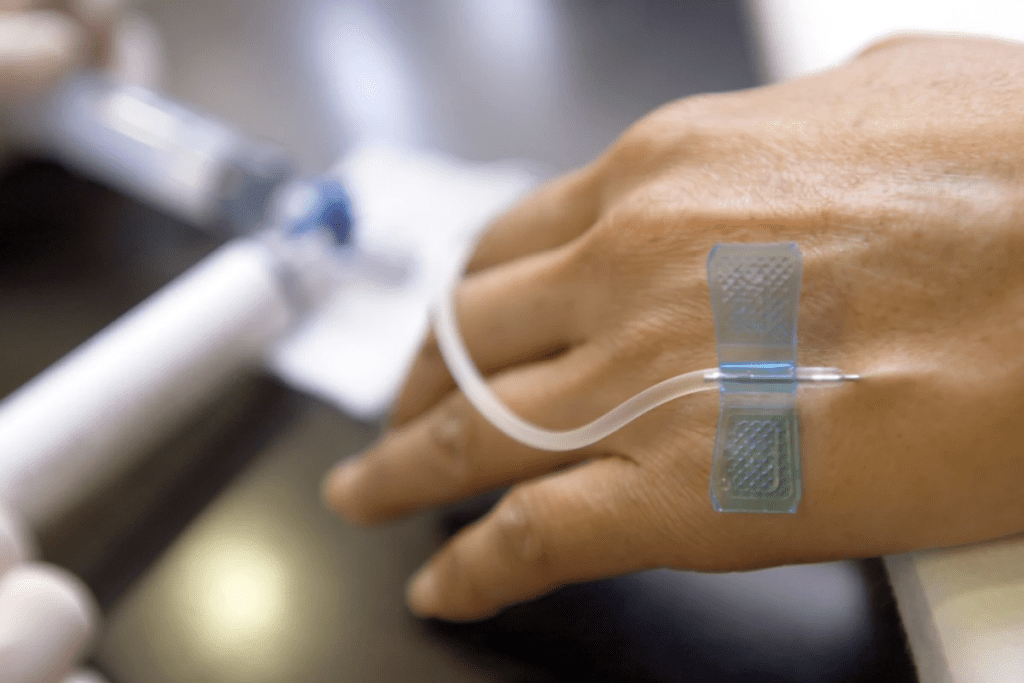
Starting chemotherapy is a big step in fighting cancer. But, it also brings its own set of challenges and side effects. Knowing the right chemotherapy precautions is key to handling treatment well and keeping your life quality up.
We’ll show you important guidelines and lifestyle changes, including chemotherapy lifestyle changes. This will help you get through this tough time. Knowing what to expect and how to prepare can make a big difference.
Key Takeaways
- Understand the importance of chemotherapy precautions
- Learn about necessary lifestyle changes during chemotherapy
- Discover how to manage common side effects
- Find out how to maintain your quality of life during treatment
- Explore tips for coping with the emotional aspects of chemotherapy
Understanding Chemotherapy and Its Effects on the Body
It’s important for patients to know how chemotherapy works and its side effects. Chemotherapy uses drugs to kill cancer cells. But, it can also harm healthy cells, causing side effects.
How Chemotherapy Works
Chemotherapy targets cells that grow fast, like most cancer cells. It uses one or more drugs, depending on the cancer type and stage. These drugs can be taken by mouth or given through an IV, spreading throughout the body to find cancer cells.
Key aspects of how chemotherapy works include:
- Targeting rapidly dividing cells, including cancer cells
- Using various drugs, often in combination, to treat different types of cancer
- Administering treatment through different routes, such as oral or intravenous
Common Side Effects of Chemotherapy
Chemotherapy can harm both cancer cells and healthy cells, leading to side effects.
Common side effects include:
- Nausea and vomiting
- Fatigue
- Hair loss
- Changes in appetite
- Constipation or diarrhea
Why Certain Precautions Are Necessary
It’s crucial to take precautions during chemotherapy to reduce side effects and ensure the treatment works well. This includes changing your diet, avoiding certain activities, and being careful about what you’re exposed to.
Precautions can help manage side effects and improve life during treatment. Knowing the possible side effects and taking steps ahead of time can make the chemotherapy process easier.
What to Avoid During Chemotherapy: Comprehensive Food Restrictions
Knowing which foods to avoid during chemotherapy is key to staying healthy. Making dietary changes helps manage side effects and aids in recovery.
Raw or Undercooked Foods
Foodborne illnesses are a big worry during chemotherapy. Avoid foods that are raw or undercooked because they can have harmful bacteria or viruses. This includes raw fish, soft-cooked eggs, and unpasteurized dairy products.
“Avoid foods that carry the risk of foodborne illnesses, including lightly cooked or raw fish, soft-cooked eggs, unpasteurized cheeses and dairy products, and unwashed fruits or vegetables,” advises Rajagopal.
Certain Fruits and Vegetables

While fruits and vegetables are good for you, some may be risky during chemotherapy. Stay away from unwashed or raw vegetables that could have bacteria or pesticides. Peeling fruits and vegetables helps reduce exposure to contaminants.
| Fruits/Vegetables | Precautions |
| Berries | Wash thoroughly; consider cooking |
| Leafy Greens | Wash thoroughly; avoid raw |
| Citrus Fruits | Peel before consumption |
Spicy and Strong-Flavored Foods
Chemotherapy can make you feel nauseous and uncomfortable. Spicy and strong-flavored foods can make these symptoms worse. Stick to bland foods when you’re feeling nauseous or have mouth sores.
- Avoid spicy dishes and strong-smelling foods.
- Opt for mild flavors and soft textures.
High-Fat and Greasy Foods
High-fat and greasy foods can upset your stomach, especially during chemotherapy. Choose low-fat cooking methods like baking or grilling instead of frying.
By following these dietary guidelines, patients can better manage their side effects and support their health during chemotherapy.
Beverages to Limit or Avoid While on Chemo
When you’re on chemotherapy, it’s important to watch what you drink. The wrong drinks can mess with your treatment. Choosing the right drinks can help you feel better and stay healthy.
Alcoholic Beverages
Drinking alcohol can be bad when you’re on chemo. It can make you feel sick. Talk to your doctor about how much alcohol is safe for you.
Caffeinated Drinks
Caffeine can make you dehydrated, which is common on chemo. Try to drink less coffee, tea, and some sodas. Choose decaf or herbal drinks instead.
Unpasteurized Juices and Dairy
Unpasteurized juices and dairy can have bad bacteria. This is risky for people with weak immune systems on chemo. Always pick pasteurized options to stay safe.
Sugary Drinks and Artificial Sweeteners

Drinks with sugar or artificial sweeteners can upset your stomach. This can be worse on chemo. Try to avoid these drinks and choose natural ones instead.
Being careful about what you drink can help you deal with chemo side effects. Always talk to your doctor about what’s best for you during treatment.
Dietary Supplements and Herbal Remedies to Avoid
When you’re on chemotherapy, it’s important to be careful with dietary supplements and herbal remedies. They can help in general, but they can also mess with your treatment. This is because they can affect how well the chemotherapy works.
Potentially Harmful Supplements
Some supplements can cause problems or make chemotherapy less effective. For example, too many antioxidants like vitamins C and E can stop chemotherapy from working right. Also, iron supplements can mess with some chemotherapy drugs.
Other supplements to watch out for include:
- Vitamin K, which can affect blood clotting and interact with certain chemotherapy medications.
- Calcium and magnesium supplements, which can bind to some chemotherapy drugs, reducing their absorption.
Herbs That May Interfere with Treatment
Some herbal remedies can also mess with chemotherapy. For example:
- St. John’s Wort can make some chemotherapy drugs work less well by speeding up how they’re broken down.
- Ginkgo biloba and garlic supplements can make bleeding more likely when taken with chemotherapy that affects blood clotting.
The effects of herbal remedies can vary a lot, depending on the chemotherapy you’re getting.
Why to Consult Your Oncologist Before Taking Any Supplements
“Talk to a registered dietitian and your oncologist before adding any vitamins or supplements to your diet,” advises Rajagopal. This is important because it lets your healthcare team check for any bad interactions with your treatment.
| Supplement/Herb | Potential Interaction | Recommendation |
| Antioxidants (e.g., Vitamins C, E) | May interfere with chemotherapy’s oxidative stress on cancer cells | Discuss with oncologist |
| St. John’s Wort | Can reduce effectiveness of certain chemotherapy drugs | Avoid during chemotherapy |
| Ginkgo biloba, Garlic supplements | May increase risk of bleeding | Consult oncologist before use |
By knowing what to avoid and talking to your healthcare team, you can make sure your treatment is safe and effective. This helps you get through chemotherapy better.
Physical Activities and Exercise Restrictions During Chemo
When you’re going through chemotherapy, it’s important to know which physical activities are safe. Exercise is good for your health, but some activities can be risky. They might make side effects like chemotherapy fatigue worse.
Knowing which exercises are safe and which to avoid is key. This helps you get the most benefits from exercise while staying safe during treatment.
High-Impact and Strenuous Activities
Activities like running, jumping, or heavy weightlifting can be tough during chemotherapy. They might increase your risk of injury and make fatigue worse. They could also make treatment harder.
Here are some high-impact activities to limit or avoid:
- Running or jogging
- High-impact aerobics
- Heavy weightlifting
- High-intensity interval training (HIIT)
Contact Sports and Injury Risks
It’s best to avoid contact sports or activities with a high injury risk during chemotherapy. These can cause bruises, bleeding, or serious injuries. This is especially true if your blood counts are low from treatment.
Here are some examples of contact sports or high-risk activities to avoid:
- Football or rugby
- Hockey or soccer
- Martial arts or boxing
- Any activity that involves physical contact or collision
Safe Exercise Alternatives
Even though some activities are off-limits, exercise is still important during chemotherapy. Choosing low-impact, gentle exercises can help keep you physically fit. It can also reduce fatigue and improve your overall well-being.
Here are some safe exercise alternatives:
| Activity | Benefits |
| Walking or light jogging | Improves cardiovascular health, reduces fatigue |
| Yoga or Pilates | Enhances flexibility, reduces stress |
| Swimming or water aerobics | Low-impact cardiovascular exercise, improves muscle strength |
| Light stretching or tai chi | Improves flexibility, balance, and relaxation |
Before starting or continuing any exercise program during chemotherapy, talk to your healthcare team. They can help you find the safest and most suitable activities for your situation and treatment plan.
Environmental Exposures to Avoid
It’s important for patients on chemotherapy to stay away from harmful environmental exposures. When you’re getting treatment, your body can’t fight off infections as well. Knowing and avoiding these risks helps keep you healthy and improves treatment results.
Sun Exposure and UV Radiation
Be careful about too much sun and UV radiation when you’re on chemotherapy. Your skin gets more sensitive, which can lead to sunburn and skin damage. Wear protective clothes, stay in the shade, and use sunscreen with a high SPF.
Crowds and Sick People
Stay away from big crowds and people who are sick. Your immune system is weaker, making it harder to fight off infections. “Avoid family or friends with infections like chicken pox,” says a doctor. It’s key to not get too close to sick people.
Certain Chemicals and Pollutants
Be careful around certain chemicals and pollutants too. Avoid using harmful cleaning products and pesticides. Wear gloves and make sure the area is well-ventilated. Also, try to stay away from places with bad air pollution.
| Environmental Exposure | Precautionary Measures |
| Sun Exposure and UV Radiation | Use protective clothing, seek shade, apply broad-spectrum sunscreen |
| Crowds and Sick People | Avoid crowded areas, maintain distance from individuals who are sick |
| Certain Chemicals and Pollutants | Wear protective gloves, ensure good ventilation, avoid high air pollution areas |
By being careful about these environmental exposures, patients on chemotherapy can lower their risk of problems. This helps support their health during treatment.
Personal Care Products and Practices to Reconsider
When you’re going through chemotherapy, it’s important to think about your personal care routine. This can help avoid irritation and complications. The products and practices you choose can greatly affect your comfort and health.
Harsh Skin and Hair Products
Chemotherapy can make your skin and scalp more sensitive. Stay away from harsh products with sulfates, parabens, or artificial fragrances. These can dry out your skin and scalp, causing irritation.
Instead, use gentle, fragrance-free cleansers and moisturizers for sensitive skin. When washing your hair, pick a mild shampoo. Consider using a conditioner to moisturize and detangle your hair.
Certain Cosmetics and Fragrances
Some cosmetics and fragrances can irritate your skin or cause allergic reactions, especially during chemotherapy. It’s best to limit or avoid products with strong fragrances or dyes.
Choose cosmetics that are labeled as hypoallergenic or fragrance-free. Always test new products on a small area of your skin before using them widely.
| Product Type | Recommended | To Avoid |
| Skin Cleansers | Gentle, fragrance-free | Harsh, scented |
| Hair Care | Mild shampoos, conditioners | Sulfate-based shampoos |
| Cosmetics | Hypoallergenic, fragrance-free | Products with strong dyes or fragrances |
Nail Treatments and Salon Services
Nail treatments and salon services can be risky if not done right. During chemotherapy, your immune system is weaker, making you more prone to infections.
Avoid nail treatments that involve cutting or manipulating the cuticles. These can let bacteria in. If you do go to a salon, make sure the equipment is clean. Consider wearing gloves during treatments.
Scalp Care During Hair Loss
Chemotherapy-induced hair loss can be tough to deal with. Gently massage your scalp with your fingertips to improve blood flow. Use a soft-bristled brush or a gentle comb to avoid irritation.
Scalp cooling can help reduce hair loss. Talk to your healthcare provider about this option. Also, use a scalp serum or cream to keep your scalp moisturized.
Being careful with your personal care products and practices during chemotherapy can help you feel better. Always talk to your healthcare team for advice tailored to you.
Habits to Break During Chemotherapy
During chemotherapy, some habits can really affect how well treatment works and how you feel. It’s key for patients to know about these habits and change them to help their treatment.
Smoking and Tobacco Use
Smoking and using tobacco can make treatment less effective. Quitting smoking is a big step to better health during chemo. We suggest getting help from doctors or smoking quit programs to beat the addiction.
Poor Sleep Patterns
Poor sleep can make fatigue and other chemo side effects worse. Try to sleep the same hours every day and make your bedroom a sleep haven. Avoid caffeine and screens before bed.
Stress and Overexertion
Too much stress and trying too hard can hurt your mind and body during chemo. Doing stress-reducing activities like meditation, yoga, or deep breathing can help. It’s also key to balance activity with rest to avoid getting too tired.
Skipping Meals or Hydration
Not eating or drinking enough can cause malnutrition and dehydration, making treatment harder. We recommend eating small, frequent meals and drinking lots of water. Stay away from caffeinated and sugary drinks to keep hydrated.
By stopping these bad habits, patients can feel better and possibly make their chemo treatment more effective.
Medications and Over-the-Counter Drugs to Avoid
Knowing which medications to avoid during chemotherapy is key. It helps your treatment work better and reduces side effects. Chemotherapy can interact with many drugs, so managing your meds is very important.
NSAIDs and Blood Thinners
NSAIDs and blood thinners help with pain and prevent blood clots. But, they can make bleeding more likely when you’re on chemo. Always talk to your doctor before taking these, as they might suggest other ways to manage pain or adjust your dosage.
Certain Antibiotics and Antifungals
Some antibiotics and antifungals can affect how well chemo works. We’ll help manage any infections during treatment. We choose safe antibiotics and antifungals for you.
Importance of Medication Review with Your Doctor
Before starting chemo, review all your meds with your oncologist. This includes prescription drugs, over-the-counter meds, and supplements. Your doctor will check for any bad interactions and guide you on safe use during treatment.
Alternative Pain Management Options
Managing pain well is crucial during chemo. While some meds might not be safe, there are other ways to handle pain. These include:
- Acupuncture
- Relaxation techniques, such as meditation or deep breathing
- Physical therapy
- Non-pharmacological interventions, like heat or cold therapy
Talking to your healthcare team about these options can help find the best pain management plan for you.
Social Situations and Activities That May Pose Risks
When you’re going through chemotherapy, it’s key to think about your social life. You don’t have to stay away from loved ones completely. But, being careful in some situations can help keep you safe from infections and other problems.
Large Gatherings and Public Places
Places with lots of people can be risky for those on chemotherapy. Try to avoid busy spots like malls, public transport, and big events. This can help lower your chance of getting sick.
Travel Considerations
If you have to travel while on chemotherapy, plan well. Think about how you’ll get there, where you’re going, and what you’ll do. Stay away from places with lots of sickness or where getting medical help is hard.
“You don’t need to stop seeing family and friends unless they have an infection or feel unwell.” -“ An oncologist
Managing Social Interactions Safely
To safely deal with social situations during chemotherapy, be aware of your environment and the people around you. Here are some tips:
- Wash your hands often, especially after shaking hands or touching things that might be dirty.
- Stay away from people who are sick or have had live vaccines recently.
- Wear a mask in crowded places or when you can’t keep a safe distance.
- Get your vaccinations up to date before starting chemotherapy, if you can.
| Social Situation | Precaution |
| Large Gatherings | Avoid or minimize attendance |
| Public Places | Wear a mask, maintain social distancing |
| Travel | Plan carefully, avoid high-risk areas |
By keeping these tips in mind and taking the right steps, you can lower the risks of social interactions during chemotherapy.
Managing Side Effects: What Not to Do
Chemotherapy side effects can be tough, but knowing what to avoid helps a lot. It’s key to manage these side effects well to keep the patient’s quality of life up during treatment.
Improper Management of Nausea
Nausea and vomiting are common with chemotherapy. It’s important to manage them right. Avoid skipping meals and eat smaller, more frequent ones to fight nausea. Also, avoid strong-smelling foods and those high in fat or grease.
It’s crucial to use anti-nausea medication as your doctor prescribes. Do not delay taking your medication when you first feel nauseous. This can make it harder to control.
Ignoring Signs of Infection
People getting chemotherapy are more at risk for infections because their immune systems are weak. It’s important to monitor your body temperature regularly and tell your healthcare team right away if you have a fever or signs of infection.
Avoid close contact with people who are sick and wash your hands often. This helps lower the chance of getting infected.
Delaying Communication with Healthcare Team
Talking well with your healthcare team is key during chemotherapy. Do not hesitate to report any side effects or concerns. They are there to help you through your treatment.
Keeping a log of your side effects and any questions you have is helpful. It makes sure you don’t forget to talk about important things during your appointments.
Fatigue Management Mistakes
Chemotherapy fatigue is common and can really affect your life. Avoid overexerting yourself; rest and save your energy for important things.
Maintain a balanced diet and drink plenty of water to fight fatigue. Gentle exercises, like walking, can boost energy, but check with your healthcare team first.
Mental and Emotional Health Considerations
Going through chemotherapy is not just about treating the body. It’s also about keeping your mind and emotions strong. Knowing the mental and emotional challenges that can come up is key.
Isolation and Social Withdrawal
Chemotherapy can make you feel isolated and withdrawn. You might avoid people because you feel weak, look different, or just feel overwhelmed. It’s important to stay connected with loved ones for support and to cope.
- Make sure to talk to family and friends regularly.
- Join support groups to share and learn from others.
- Use online communities for extra support.
Ignoring Emotional Distress
Chemotherapy can make you feel many emotions, like anxiety, fear, sadness, and frustration. It’s important to face these feelings instead of ignoring them. Talking to your healthcare team or a counselor can help.
Here are some ways to deal with emotional distress:
- See a professional counselor or therapist.
- Try mindfulness or meditation to calm your mind.
- Do things that make you happy and relaxed.
Unhealthy Coping Mechanisms
It’s normal to look for ways to cope with chemotherapy stress. But, some coping methods can be harmful. Avoid substance abuse or unhealthy habits as coping strategies. Instead, choose healthy ways to feel better.
Healthy coping methods include:
- Do exercises that fit your energy levels.
- Try creative activities like art, writing, or music.
- Enjoy nature or hobbies.
Support Resources and When to Seek Help
Knowing when to ask for help is a sign of strength. If you’re feeling too much emotional pain or if it’s hard to handle treatment, seek support.
Here are some support options:
- Professional mental health services.
- Support groups for patients and families.
- Online resources and hotlines for cancer support.
By focusing on mental and emotional health, you can face chemotherapy’s challenges better. This can improve your life during treatment.
Conclusion: Balancing Restrictions with Quality of Life
When you’re going through chemotherapy, you’ll face many limits. But, knowing what to avoid can help you keep your quality of life high. By staying informed, you can handle your treatment better.
It’s key to make lifestyle changes during chemotherapy to manage side effects. Being aware of precautions can also help. This way, you can have a smoother treatment experience.
It’s all about finding a balance between necessary precautions and lifestyle changes. We’re here to support you every step of the way. We want to help you make the best decisions for your care.
FAQ
What foods should be avoided during chemotherapy?
Patients should avoid raw or undercooked foods and certain fruits and veggies. Also, spicy, strong-flavored, high-fat, and greasy foods can be tough on the body. This helps manage side effects and aids in recovery.
Can I drink alcohol while on chemotherapy?
It’s best to avoid alcohol during chemotherapy. It can interact with drugs and make health worse.
Are there any specific beverages that can exacerbate chemotherapy side effects?
Yes, caffeinated drinks can make dehydration worse. Avoid unpasteurized juices and dairy to prevent infections. Sugary and artificial sweeteners can upset your stomach. Limiting these can help with side effects.
Can I take dietary supplements or herbal remedies during chemotherapy?
Always check with an oncologist before taking supplements or herbal remedies. They can interfere with treatment, cause bad reactions, or make treatment less effective.
What physical activities should be avoided during chemotherapy?
Avoid high-impact and strenuous activities, contact sports, and some exercises during chemotherapy. Safe exercises can help keep you healthy and reduce fatigue.
How can I protect myself from environmental exposures during chemotherapy?
Stay away from too much sun and UV radiation. Also, avoid crowded places and people with infections. Be careful of chemicals and pollutants to protect your health.
Are there any personal care products or practices that should be avoided during chemotherapy?
Yes, harsh skin and hair products, certain cosmetics, and fragrances can be risky. Nail treatments and salon services may also pose risks. Special care for your scalp is important during hair loss.
What habits should be broken during chemotherapy?
Quit smoking and tobacco use. Get enough sleep and avoid stress and overexertion. Don’t skip meals or forget to stay hydrated to improve your health and quality of life.
Can I take over-the-counter medications while on chemotherapy?
Some NSAIDs, blood thinners, antibiotics, and antifungals can interact with chemotherapy. Always review medications with your doctor to avoid bad interactions.
How can I manage social interactions safely during chemotherapy?
Stay away from big gatherings and public places. Be careful when traveling and learn to manage social interactions safely. This helps reduce infection risks and keeps you connected with others.
What are some common mistakes to avoid when managing chemotherapy side effects?
Don’t ignore nausea or signs of infection. Talk to your healthcare team promptly. Properly managing fatigue is also key to a better treatment experience.
How can I support my mental and emotional health during chemotherapy?
Don’t isolate yourself and address emotional distress. Avoid unhealthy coping mechanisms. Knowing when to seek help and using support resources can improve your emotional well-being and treatment experience.
References
- Zheng, J. Y., Chen, Z. Y., & Li, J. (2021). Safety, precautions, and modalities in cancer rehabilitation. Frontiers in Oncology / PMC (review). https://www.ncbi.nlm.nih.gov/pmc/articles/PMC8214054/