Last Updated on November 26, 2025 by Bilal Hasdemir
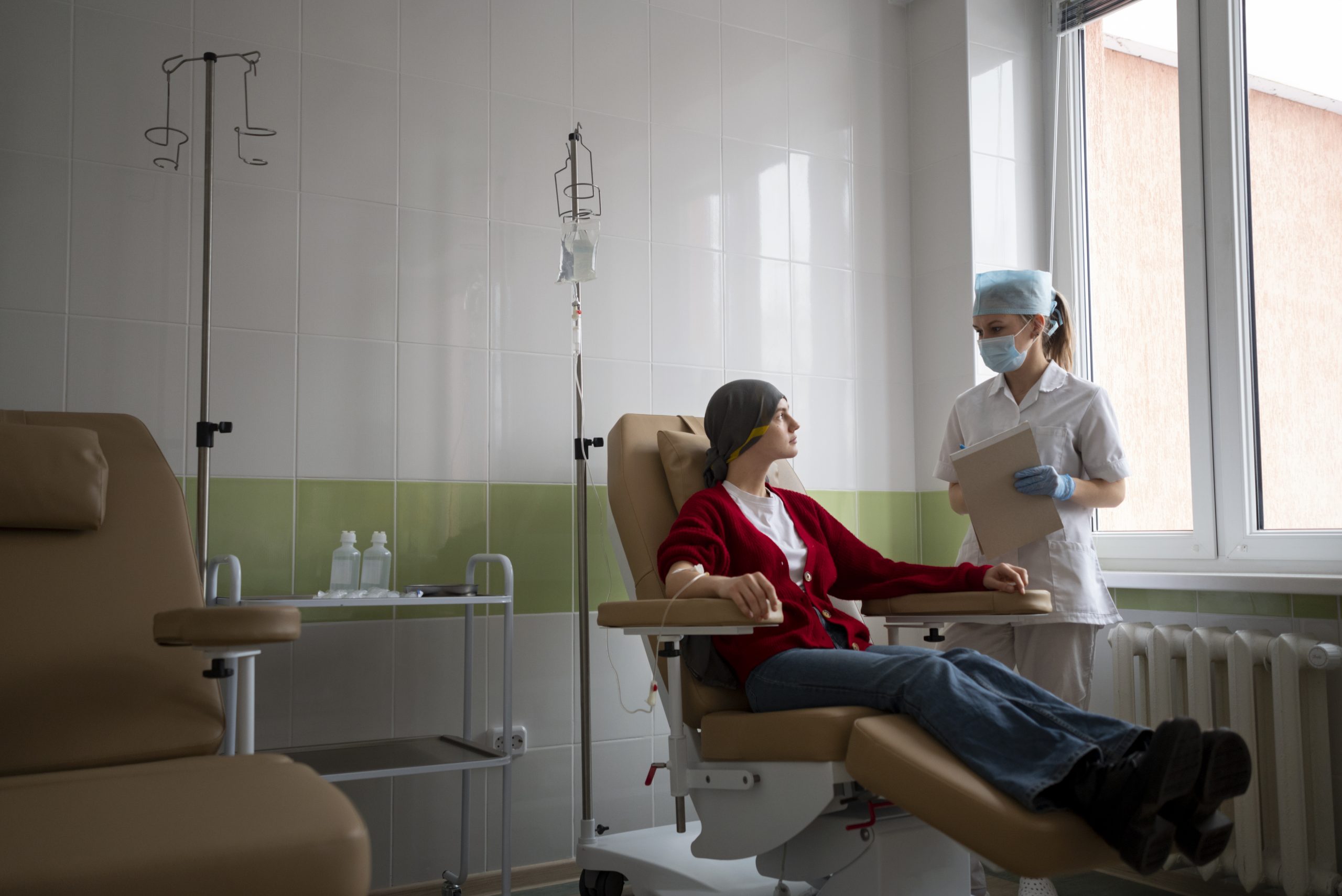
Going through treatment is tough, and many ask, “what to eat when on chemo? Nutritious foods like fruits, vegetables, lean proteins, and whole grains help recovery.
A healthy diet can ease some of chemotherapy’s tough side effects. It can make life better for cancer patients. Eating the right foods helps people deal with treatment better and can help them get better faster.
Key Takeaways
- Eating a balanced diet is important during chemotherapy.
- Nutrition helps manage treatment side effects.
- A good diet supports recovery and improves life quality.
- Trying different diets can help in cancer treatment.
- Getting advice from a healthcare professional is vital for a personalized diet.
Understanding Nutritional Needs During Chemotherapy

When you’re going through chemotherapy, it’s key to know how it affects your appetite and digestion. This treatment can change how your body handles food, leading to digestive issues. You might experience nausea, vomiting, diarrhea, and constipation.
These side effects can make it hard to get enough nutrients. This can weaken your immune system and make treatment harder.
How Chemotherapy Affects Appetite and Digestion
Chemotherapy can mess with your body’s food processing. This can cause digestive problems. You might feel sick, vomit, have diarrhea, or constipation.
It can also change how food tastes. This might make you not want to eat as much. This can lead to not getting enough nutrients.
The Importance of Proper Nutrition During Treatment
Eating right during chemotherapy is very important. It helps your body deal with treatment side effects. A well-nourished body can recover better and respond better to treatment.
A diet full of nutrients can also boost your immune system. This can help prevent infections and other problems. Foods rich in antioxidants, like cancer fighting foods, are very helpful.
| Nutritional Element | Importance During Chemotherapy | Food Sources |
| Protein | Supports body repair and immune function | Lean meats, fish, eggs, dairy, legumes |
| Complex Carbohydrates | Provides energy | Whole grains, fruits, vegetables |
| Healthy Fats | Essential for nutrient absorption and energy | Nuts, seeds, avocados, olive oil |
Creating a cancer diet plan with these nutrients can help manage chemotherapy side effects. It’s also important to drink lots of water.
In summary, knowing and meeting nutritional needs during chemotherapy can greatly improve treatment outcomes and quality of life. By choosing the right foods and strategies, patients can handle chemotherapy better.
Common Nutritional Challenges During Chemotherapy
Chemotherapy patients often face many nutritional challenges. These can affect their health and treatment results. Common issues include nausea, taste changes, mouth sores, and fatigue.
Nausea and Vomiting
Nausea and vomiting are common side effects of chemotherapy. They make it hard to get enough nutrition. Foods like crackers, toast, and plain rice are easy to digest. Eating small meals often can help manage nausea.
Avoiding strong-smelling foods and those high in fat or sugar helps. Drinking clear fluids like water or broth is important.
Taste Changes and Food Aversions
Chemotherapy can change how foods taste, making some unappealing. Trying different flavors and textures can make food more enjoyable. Some find sweet or salty foods easier to eat.
Food aversions are common, where certain smells or tastes cause nausea. Avoiding these foods can help manage nausea.
Mouth Sores and Difficulty Swallowing
Mouth sores and swallowing problems are challenges for chemotherapy patients. Eating soft, bland foods like yogurt, applesauce, or mashed potatoes is easier. It’s best to avoid spicy, acidic, or sharp foods.
Drinking through a straw can help if swallowing hurts. Keeping the mouth clean is key to prevent infections.
Fatigue and Low Energy
Fatigue is a common side effect of chemotherapy, making eating hard. Preparing meals ahead of time saves energy. Smoothies or protein shakes are good, easy options.
Having help with meals or using meal delivery services is helpful. Resting and eating when you’re most energetic helps with fatigue.
Nutritious Diet for Cancer Patients: Core Principles
A diet tailored for cancer patients can greatly improve treatment results. It helps manage side effects and supports recovery. It also boosts overall well-being during chemotherapy.
Calorie and Protein Requirements
Cancer patients need more calories and protein to repair tissues and boost the immune system. A study in the European Heart Journal shows the importance of balanced macronutrients and calorie intake. It’s key to eat enough calories to avoid weight loss and malnutrition.
Protein is vital for strength and recovery. Patients should eat a variety of protein sources.
| Protein Sources | Examples | Benefits |
| Animal-Based | Chicken, Fish, Eggs, Dairy | High-quality protein, essential amino acids |
| Plant-Based | Legumes, Beans, Lentils, Tofu | Rich in fiber, vitamins, and minerals |
Balancing Macronutrients
It’s important to balance macronutrients for energy and health. Carbohydrates, proteins, and fats should be in the right amounts. Whole grains give sustained energy, while healthy fats support heart health.
Micronutrient Considerations
Micronutrients like vitamins and minerals are key for immune function and health. Cancer patients should eat a variety of fruits, vegetables, and whole grains. Foods rich in vitamin C and zinc are important for immune support.
Choosing low-sugar foods is also important. Foods high in antioxidants and fiber can help manage side effects.
- Fruits: berries, citrus fruits
- Vegetables: leafy greens, cruciferous vegetables
- Whole Grains: brown rice, quinoa
By following these principles, cancer patients can create a diet that supports their treatment and improves their quality of life.
Protein-Rich Foods for Strength and Recovery
A diet rich in protein is key for cancer patients. It helps keep muscles strong, boosts the immune system, and aids in recovery.
Animal-Based Protein Sources
Animal proteins are top-notch because they have all the amino acids the body needs. Lean meats like chicken, turkey, and fish are great choices. Fish like salmon and sardines are not just protein-rich but also packed with omega-3s, which fight inflammation.
Eggs and dairy are also good for protein. Greek yogurt, for example, is high in protein and easy to add to meals. For those who can’t handle lactose, almond milk or lactose-free dairy are good alternatives.
Plant-Based Protein Options
Vegetarians and vegans, or anyone wanting more plant-based meals, have plenty of options. Legumes like lentils, chickpeas, and black beans are protein-rich and full of fiber and nutrients.
Nuts and seeds, such as almonds, chia seeds, and hemp seeds, are also protein-rich. Whole grains like quinoa and farro add protein to meals. Mixing different plant-based proteins ensures you get all the amino acids.
Protein Supplements When Needed
Some cancer patients might struggle to get enough protein from food alone. That’s where protein supplements come in. Protein shakes or supplements offer a concentrated protein boost. But, always talk to a healthcare provider or dietitian before adding supplements to your diet.
When picking a protein supplement, choose ones that are low in sugar and have no extra additives. Look for high-quality protein sources. The aim is to support your body without causing extra stress or problems.
Carbohydrates: Choosing the Right Energy Sources
Choosing the right carbohydrates is key for those going through chemotherapy. Carbohydrates give our bodies energy. The right types can help manage side effects and keep us healthy.
Complex vs. Simple Carbohydrates
Carbohydrates are divided into complex and simple types. Complex carbohydrates are in whole grains, veggies, and legumes. They’re full of fiber and nutrients, giving energy slowly. On the other hand, simple carbohydrates, like those in sugary snacks, are quickly digested. This can cause a sudden rise in blood sugar.
“A diet rich in complex carbohydrates can help cancer patients maintain stable energy levels and support digestive health,” says a study on cancer nutrition. Foods like brown rice, quinoa, and whole-wheat bread are good choices.
Fiber-Rich Foods and Digestive Health
Fiber is vital for digestive health, even more so during chemotherapy. Fiber-rich foods prevent constipation, a common side effect. Include fruits, veggies, whole grains, and legumes in your diet. This variety supports your digestive health.
- Fruits: apples, bananas, berries
- Vegetables: broccoli, carrots, spinach
- Whole Grains: oats, quinoa, whole-wheat bread
- Legumes: beans, lentils, peas
Managing Blood Sugar Levels
Managing blood sugar is critical for cancer patients. Chemotherapy can alter how our bodies process glucose. Eating complex carbs and fiber-rich foods helps keep blood sugar stable. Eating smaller, more frequent meals also helps maintain energy levels.
As a cancer nutrition expert notes, “Monitoring and managing blood sugar levels through dietary choices can help cancer patients feel better and recover more effectively.”
Healthy Fats to Support Immune Function
When you’re going through cancer treatment, eating the right fats is key. They give you energy and help your body absorb vitamins. Plus, they keep your cells healthy.
Omega-3 Fatty Acids and Their Benefits
Omega-3 fatty acids are good for your heart and fight inflammation. They also boost your immune system during treatment. You can find them in salmon, sardines, flaxseeds, and walnuts.
Benefits of Omega-3 Fatty Acids:
- Reduces inflammation
- Supports heart health
- May improve immune response
Medium-Chain Triglycerides for Energy
Medium-chain triglycerides (MCTs) are fats that give you quick energy. They’re found in coconut oil. People with energy needs often use them in supplements.
| Source | Benefits |
| Coconut Oil | Easy to digest, provides quick energy |
| Fatty Fish | Rich in Omega-3, supports heart health |
| Nuts and Seeds | Rich in healthy fats, supports overall health |
Balancing Fat Intake During Treatment
It’s important to balance your fat intake during treatment. Healthy fats are good, but avoid unhealthy fats. They can make inflammation worse and harm your health.
Focus on omega-3s and MCTs to help your immune system and overall health. Always talk to a healthcare provider or dietitian about your diet.
Hydration Strategies During Chemotherapy
Staying hydrated is key when dealing with chemotherapy side effects. Drinking enough water helps keep your body working right. It also supports your treatment and lowers dehydration risk.
Daily Fluid Requirements
People with cancer need more water because chemotherapy makes them lose more. usually say to drink 8-10 cups (64-80 ounces) a day. But, how much you need can change based on your age, how active you are, and your health.
Keeping track of how much you drink is important. You can use a hydration log or a mobile app to do this. It helps make sure you drink enough water each day.
| Fluid Type | Daily Recommendation | Examples |
| Water | Majority of fluid intake | Plain water, flavored water |
| Electrolyte-rich beverages | As needed for electrolyte balance | Coconut water, sports drinks |
| Herbal teas | For variety and additional hydration | Peppermint tea, chamomile tea |
Hydrating Food Options
Drinking water isn’t the only way to stay hydrated. Eating foods with a lot of water in them can also help. These foods are great for adding to your fluid intake.
- Watermelon
- Cucumbers
- Tomatoes
- Broth-based soups
Managing Fluid Intake with Nausea
Nausea is a big problem for many people on chemotherapy. It makes it hard to drink enough water. To help, try drinking slowly, using drinks with electrolytes, and eating small meals often.
Here are some tips for dealing with nausea and staying hydrated. Try to avoid foods that smell strong. Stick to bland foods. Ginger or peppermint can also help with nausea.
By using these strategies, people with cancer can manage their water intake better. This helps prevent dehydration and supports their health during treatment.
Top Cancer-Fighting Foods to Include in Your Diet
Some foods are known to fight cancer, making them key for patients’ diets. Adding these foods to your meals can boost your health and treatment results.
Antioxidant-Rich Fruits and Vegetables
Antioxidants protect cells from damage by free radicals. Eating a mix of antioxidant-rich fruits and veggies can lower oxidative stress and inflammation. These are linked to cancer.
- Berries: Blueberries, raspberries, and strawberries are full of antioxidants. They have been shown to fight cancer.
- Leafy Greens: Spinach, kale, and collard greens are loaded with antioxidants. They also have nutrients that support health.
Cruciferous Vegetables and Their Benefits
Cruciferous veggies have compounds that fight cancer. They are packed with vitamins, minerals, and antioxidants. These support the immune system and overall health.
| Vegetable | Nutritional Benefits |
| Broccoli | Rich in vitamin C, vitamin K, and fiber; contains sulforaphane, which has anti-cancer properties. |
| Cauliflower | High in vitamin C and vitamin K; contains indoles, which may help prevent cancer. |
| Brussels Sprouts | Rich in vitamins C and K, and fiber; contains sulforaphane and other anti-cancer compounds. |
Berries, Citrus Fruits, and Other Immune Boosters
Some fruits and veggies boost the immune system. This makes it better at fighting cancer cells.
“A diet rich in fruits, vegetables, and whole grains can help support immune function and overall health during cancer treatment.” – American Cancer Society
Herbs and Spices with Anti-Cancer Properties
Some herbs and spices have anti-cancer effects. They are great additions to a cancer-fighting diet.
- Turmeric: Contains curcumin, which has potent anti-inflammatory and anti-cancer effects.
- Ginger: Has anti-inflammatory properties and may help reduce nausea associated with chemotherapy.
Foods to Avoid During Chemotherapy
Knowing which foods to avoid during chemotherapy is key. It can help the treatment work better and keep the patient healthy. Some foods can be risky for people with weak immune systems or make side effects worse.
High-Risk Foods for Compromised Immune Systems
People getting chemotherapy have weaker immune systems. They are more likely to get sick from food. It’s best to stay away from raw or undercooked meats, eggs, and fish.
Also, avoid unpasteurized dairy products and juices. They can have harmful bacteria like Salmonella or E. coli.
Foods That May Worsen Side Effects
Some foods can make side effects like nausea, diarrhea, or mouth sores worse. Spicy or fatty foods can upset the stomach. High-fiber foods might cause problems for those with diarrhea or constipation.
Alcohol and Caffeine Considerations
Alcohol and caffeine can interact badly with chemotherapy drugs. Alcohol can make some medicines more toxic. Caffeine can make side effects like insomnia or jitteriness worse.
It’s often advised to limit or avoid these substances during treatment.
Processed Foods and Added Sugars
Eating too much processed food and added sugars can lead to nutritional deficiencies and weight gain. These foods often lack important nutrients and can make side effects worse. Eating whole, nutrient-rich foods is better for staying strong and healthy during chemotherapy.
By being careful about the foods they eat, patients can handle treatment side effects better. This helps support their health and recovery.
Meal Planning and Preparation Tips
For cancer patients, meal planning is key to staying strong and healthy during chemo. A good diet helps manage side effects and aids in recovery.
Small, Frequent Meals Approach
Eating small, frequent meals can help with nausea and fatigue. It lets patients get the calories and nutrients they need without feeling too full.
- Eat 4-6 small meals throughout the day.
- Choose nutrient-dense foods for each meal.
- Avoid eating when feeling nauseous or uncomfortable.
Batch Cooking and Freezing Strategies
Batch cooking and freezing meals can save time and energy. These are often in short supply during cancer treatment. Preparing meals ahead ensures healthy food is always available.
- Plan meals for the week ahead.
- Cook in bulk and portion meals into individual servings.
- Freeze meals for later use, labeling them with dates.
Quick and Nutritious Meal Ideas
Having quick, nutritious meal ideas is a big help during treatment. Some examples include:
- Smoothies made with yogurt, fruit, and spinach.
- Soups that are easy to digest and can be frozen.
- Salads with protein sources like chicken, beans, or tofu.
Food Safety During Preparation
Food safety is critical for cancer patients with weakened immune systems. Proper handling and preparation can prevent foodborne illnesses.
| Food Safety Tip | Description |
| Wash Hands | Wash hands thoroughly before and after handling food. |
| Separate Foods | Keep raw meats, poultry, and seafood separate from ready-to-eat foods. |
| Cook Thoroughly | Cook food to the recommended internal temperature to kill bacteria. |
| Refrigerate Promptly | Refrigerate perishable foods within two hours of cooking. |
Managing Specific Side Effects Through Diet
The right diet can help ease some tough side effects of chemotherapy. By choosing the right foods, patients can manage their symptoms better. This improves their quality of life during treatment.
Dietary Approaches for Nausea
Nausea is a common side effect of chemotherapy. Making some dietary changes can help. Eating small, frequent meals can ease nausea by not overloading the stomach.
- Opt for bland foods like crackers, toast, or plain rice.
- Avoid strong-smelling foods that can trigger nausea.
- Ginger-based products, such as ginger tea or ginger ale, can be soothing.
Foods That Help with Mouth Sores
Mouth sores are another uncomfortable side effect of chemotherapy. Choosing the right foods can help ease discomfort and prevent further irritation.
“Soft, bland foods are easier on the mouth and throat,” says a registered dietitian. “Patients should focus on foods that are gentle on the mucous membranes.”
- Opt for soft, easy-to-chew foods like yogurt, scrambled eggs, or mashed potatoes.
- Avoid spicy, acidic, or sharp foods that can irritate mouth sores.
Combating Taste Changes
Chemotherapy can change how foods taste, making some taste different or unpleasant. There are ways to manage these changes.
| Taste Change | Dietary Adjustment |
| Metallic taste | Use plastic utensils and avoid metal-rich foods. |
| Food tasting bland | Add herbs and spices to enhance flavor. |
Addressing Constipation and Diarrhea
Gastrointestinal issues like constipation and diarrhea can happen during chemotherapy. Making dietary changes can help manage these symptoms.
To help with constipation, increase fiber through fruits, vegetables, and whole grains. Drinking enough water is also key.
For diarrhea, try a low-fiber diet with foods like bananas, rice, applesauce, and toast (BRAT diet).
Working with Healthcare Providers on Nutrition
Healthcare providers, like oncology dietitians, are key for cancer patients facing nutrition challenges. A team effort is needed, involving patients and their healthcare providers, for effective nutrition during treatment.
The Role of Oncology Dietitians
Oncology dietitians focus on guiding cancer patients with nutrition. They manage side effects, ensure enough nutrition, and support health during and after treatment. These experts are vital in helping patients make smart diet choices.
- Assessing nutritional needs and creating personalized diet plans
- Providing guidance on managing treatment side effects through diet
- Monitoring nutritional status and adjusting plans as necessary
When to Seek Nutritional Counseling
Nutritional counseling is helpful at different stages of cancer treatment. Patients should seek guidance if they lose a lot of weight, have severe side effects, or struggle to eat enough.
“Nutrition counseling can play a vital role in helping cancer patients manage their treatment and improve their quality of life.”
” American Cancer Society
Communicating Dietary Challenges to Your Care Team
Talking openly with healthcare providers is essential for tackling dietary challenges. Patients should tell their care team about any eating, digestion, or nutrition issues. This helps get timely help and support.
Integrating Nutrition into Your Treatment Plan
Nutrition should be a big part of a cancer patient’s treatment plan. Working closely with healthcare providers helps create a plan that meets nutritional needs and supports treatment goals.
- Discuss nutritional goals and challenges with your healthcare team
- Develop a personalized nutrition plan that complements your treatment
- Regularly review and adjust your nutrition plan as needed
By making nutrition a part of their treatment plan, cancer patients can handle side effects better, stay strong, and enhance their quality of life.
Nutritional Supplements: When and What to Consider
Chemotherapy patients might find some nutritional supplements helpful. But, it’s key to know the good and bad sides. Supplements can fill nutritional gaps, helping health and possibly better treatment results.
Evidence-Based Supplements During Cancer Treatment
Some supplements might help during cancer treatment. For example, omega-3 fatty acids can help with weight loss and appetite. Probiotics keep the gut healthy, which is important when treatments affect the stomach.
| Supplement | Potential Benefits | Considerations |
| Omega-3 Fatty Acids | May help manage weight loss and improve appetite | Consult with a healthcare provider before taking |
| Probiotics | Supports gut health | Choose a probiotic with multiple strains |
| Vitamin D | Essential for bone health and immune function | Levels should be monitored by a healthcare provider |
Potential Interactions with Chemotherapy
It’s important to think about how supplements might affect chemotherapy. Some can make chemotherapy less effective or increase side effects. For instance, antioxidant supplements might interact with chemotherapy, but the evidence is not clear.
“The use of dietary supplements during cancer treatment is a complex issue, and patients should consult with their healthcare team to make informed decisions.”
” American Cancer Society
Vitamin and Mineral Supplements
Vitamins and minerals are good for cancer patients, helping with deficiencies or malnutrition. But, always talk to a healthcare provider about what and how much to take.
Herbal Supplements: Cautions and Considerations
Herbal supplements can be risky with chemotherapy and other drugs. Always check with your healthcare provider before using them.
For cancer patients, knowing about nutritional supplements is important. By talking to healthcare providers and making smart choices, patients can use supplements safely. This might help improve their treatment results and quality of life.
Maintaining Weight During Treatment
Keeping a healthy weight during cancer treatment is key for recovery. Chemotherapy and other treatments can cause weight loss. This can weaken the body and increase the risk of complications.
Strategies for Preventing Weight Loss
To prevent weight loss, making dietary changes and eating habits are important. Eating calorie-dense foods and protein-rich foods helps keep weight stable. Eating small meals often can also help manage nausea and keep energy up.
For breast cancer patients, a diet for breast cancer rich in nutrients is beneficial. Focus on best foods to eat to prevent cancer. These include fruits and vegetables high in antioxidants, lean proteins, and whole grains.
Calorie-Dense Food Options
Calorie-dense foods offer a lot of calories in a small amount. Examples include nuts, dried fruits, avocados, and full-fat dairy. These are great for cancer patients who need to maintain or gain weight.
- Nuts and seeds, such as almonds and sunflower seeds
- Dried fruits like dates and apricots
- Avocados and avocado oil
- Full-fat dairy products, including cheese and whole milk
Choosing these foods wisely is important. Avoid foods high in sugar or salt to avoid worsening treatment side effects.
When to Consider Medical Nutrition Support
Some patients may need medical nutrition support to get enough calories and nutrients. This can include supplements or tube feeding. Talking to a healthcare provider or dietitian can help decide the best option.
For those with specific dietary needs or restrictions, like avoiding certain foods not to eat with breast cancer, personalized nutrition advice is helpful.
Conclusion: Personalizing Your Nutritional Approach
Creating a personalized nutrition plan can really help with cancer treatment. It’s important to know how food affects you during chemotherapy. This way, you can make better choices about what you eat.
Choosing the best foods to eat and avoiding others can help manage side effects. Eating healthy foods to prevent cancer is also good. Knowing which foods to avoid, like those for leukemia, is also key.
It’s vital to work with your healthcare team, including dietitians. They can help create a nutrition plan that fits your needs. This ensures you get the right foods during treatment.
By tailoring your nutrition, you can face chemotherapy’s challenges better. This approach can also improve your life quality during treatment.
FAQ
What is a nutritious diet for cancer patients undergoing chemotherapy?
A good diet for cancer patients on chemo should be high in calories and protein. It should also have all the nutrients needed to fight side effects and aid in recovery. This diet should include a mix of macronutrients, micronutrients, and plenty of water.
How does chemotherapy affect appetite and digestion?
Chemo can make it hard to eat because of nausea, vomiting, and taste changes. It can also mess with digestion, causing diarrhea or constipation.
What are the core principles of a nutritious diet for cancer patients?
A good diet for cancer patients should meet calorie and protein needs. It should balance macronutrients and consider micronutrients. Focus on protein-rich foods, complex carbs, and healthy fats. Don’t forget to stay hydrated.
What are some good protein sources for cancer patients?
Good protein sources include lean meats, fish, and poultry. Plant-based options like legumes, beans, and tofu are also great. Protein supplements can help when needed.
What foods should cancer patients avoid during chemotherapy?
Avoid foods that might be contaminated or worsen side effects. Stay away from foods high in processed ingredients and added sugars. Limit or avoid alcohol and caffeine.
How can patients manage nausea and vomiting through diet?
Manage nausea and vomiting by eating small meals often. Avoid strong-smelling foods. Stick to bland foods like crackers, toast, or plain rice.
What is the role of hydration during chemotherapy?
Drinking enough water is key during chemo to manage side effects and stay healthy. Drink lots of water, clear broths, and electrolyte-rich drinks.
How can patients maintain their weight during cancer treatment?
Eat calorie-dense foods and eat often to keep your weight up. Consider nutrition support if needed. Work with your healthcare team to create a personalized nutrition plan.
What are some top cancer-fighting foods to include in the diet?
Include foods rich in antioxidants like fruits and veggies. Berries, citrus fruits, and herbs with anti-cancer properties are also good.
How can patients work with their healthcare providers on nutrition?
Talk to your healthcare team about your diet challenges. Get nutritional counseling and include nutrition in your treatment plan with the help of oncology dietitians.
What are some meal planning and preparation tips for cancer patients?
Plan meals to eat small, frequent meals. Batch cook and freeze meals. Focus on quick, nutritious meals while keeping food safety in mind.
Can dietary changes help manage specific side effects of chemotherapy?
Yes, dietary changes can help with side effects like nausea and mouth sores. Choose foods that help and avoid those that make things worse.