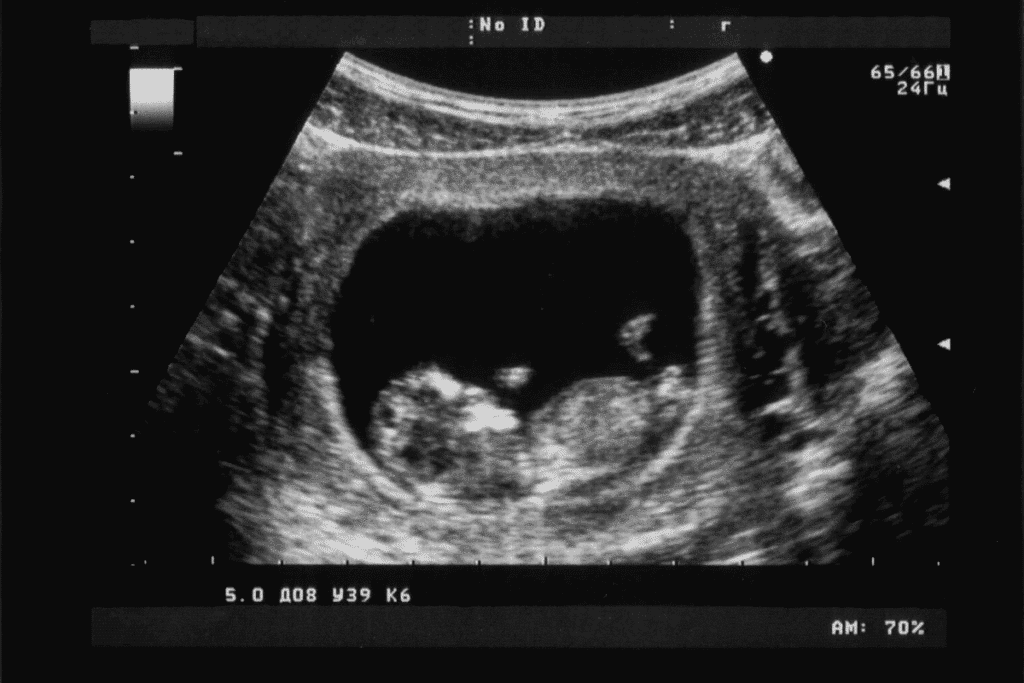
At 8 weeks pregnant, your baby is growing fast. It’s about 16-17 millimeters long and weighs 0.04 ounces. That’s roughly the size of a raspberry what to expect at 8 weeks pregnant.
Major organs are starting to form, and your baby’s face is becoming clearer. Knowing about these changes is key for a healthy pregnancy. At Liv Hospital, we’re here to help with top-notch medical care and advice based on the latest research.
This stage can bring different symptoms. We aim to give you all the info you need to feel confident during this time.
Key Takeaways
- The fetus measures 16-17 millimeters in length at 8 weeks pregnant.
- Major organs and facial features are developing.
- Expectant mothers may experience various symptoms.
- Liv Hospital provides internationally competitive medical care.
- Evidence-based guidance supports a healthy pregnancy journey.
Your Pregnancy Timeline at 8 Weeks

Entering your eighth week of pregnancy is a big milestone. Knowing your pregnancy timeline is key to getting ready for what’s next. At 8 weeks, you’re in your second month of pregnancy.
8 Weeks Pregnant in Months: Understanding Your Progress
Being 8 weeks pregnant means you’re about 2 months into your journey. Pregnancy is split into three trimesters, each lasting 3 months. So, at 8 weeks, you’re almost done with your second month.
Pregnancy is counted in weeks, with a full term lasting 40 weeks. At 8 weeks, you’ve done 2 months, and you’re now in your second month.
How Many Weeks Remain in Your Pregnancy Journey
If you’re 8 weeks pregnant, you have about 32 weeks left. This is based on a standard 40-week pregnancy. Knowing how many weeks you have left helps you plan for the future.
Weeks Completed | Months Completed | Weeks Remaining |
8 weeks | 2 months | 32 weeks |
Tracking your pregnancy timeline is more than just counting weeks or months. It’s about understanding your baby’s growth and getting ready for the journey ahead.
Your Baby’s Size and Growth at 8 Weeks

The eighth week is a key time for your baby’s growth. At this point, your baby is changing from an embryo to a fetus. This is a time of fast growth and development.
From Embryo to Fetus: A Critical Transition
By 8 weeks, your baby is no longer called an embryo but a fetus. This change shows a big step in development. The fetus starts to look more like a human, with clear features.
How Big is a Fetus at 8 Weeks?
At 8 weeks, your baby is about 16-17 millimeters long. That’s as small as a raspberry or a small strawberry. This size helps moms imagine their baby’s size.
Impressive Growth Rate: 1mm Per Day
The fetus grows fast, about 1 millimeter per day. This fast growth is key for the development of important organs. Your baby is growing quickly, getting ready for the rest of pregnancy.
Gestational Age | Fetal Length | Growth Rate |
8 weeks | 16-17 mm | 1 mm/day |
7 weeks | 10-14 mm | – |
9 weeks | 22-24 mm | – |
Learning about your baby’s size and growth at 8 weeks is interesting. Your baby’s development is complex and fast, with many important milestones reached by this time.
Fetal Development: Limbs and Features
By the eighth week, the fetus’s limbs start to show clear changes. Arms and legs are getting more defined. Fingers and toes are also making progress.
Arms and Legs: From Buds to Defined Limbs
The eighth week is key for limb growth. At first, limb buds look like small bumps. But they quickly grow into more detailed structures.
By the end of this week, arms and legs are more visible. Elbows and knees are starting to form.
Limb Development Milestones:
- The upper limbs develop ahead of the lower limbs.
- Hands and feet start to take shape.
- Webbed fingers and toes are visible.
Fingers and Toes: Beyond the Paddle Stage
At 8 weeks, hands and feet look like paddles. But fingers and toes are starting to look different. The webbing between them is getting smaller.
Developmental Feature | Description |
Finger and Toe Formation | Fingers and toes are becoming more distinct. |
Webbing Reduction | The webbing between fingers and toes starts to decrease. |
Limb Refinement | Arms and legs become more refined and defined. |
Facial Development at 8 Weeks
Facial growth is also a big deal at 8 weeks. The face starts to look more human. Eyes, nose, and mouth are getting clearer.
The eyes are forming, though the eyelids are shut. Nasal pits are turning into nostrils. The mouth is forming, with the start of lip development.
Your Baby’s Organ Development at 8 Weeks
The eighth week of pregnancy is a big time for your baby’s organs. At this point, your baby’s important organs are growing. Different systems are also starting to form.
Brain and Nervous System Progress
The brain and nervous system are growing fast. The neural tube, which will become the brain and spinal cord, is starting to form. Key developments include the formation of brain waves and the establishment of nerve connections.
Cardiovascular System: Heart Development
The heart is getting better. It’s dividing into four chambers and starting to pump blood. This is a big step towards a working circulatory system.
Digestive and Respiratory Systems Taking Shape
The digestive system is growing, with the pancreas and digestive enzymes starting to form. The respiratory system is also getting better, with the lungs and airways forming.
Early Genital Formation: Not Yet Visible on Ultrasound
Early genital formation is happening, but it’s too early to see the baby’s sex on an ultrasound. The genital tubercle, which will become a penis or clitoris, is there.
What to Expect at 8 Weeks Pregnant: Common Symptoms
At 8 weeks pregnant, many women face a variety of symptoms. These changes are part of your body adapting to support your growing baby. It’s key to understand and manage these symptoms for a healthy pregnancy.
Morning Sickness and Nausea Management
Morning sickness is common at 8 weeks, happening at any time. Nausea and vomiting come from hormonal shifts, like the rise in hCG. To ease morning sickness, eat small meals often, avoid strong smells, and drink plenty of water.
Ginger helps with nausea; try ginger tea, ale, or candies. If your sickness is bad, talk to your doctor about medication or other options.
Fatigue and Energy Fluctuations
Feeling very tired is another common symptom at 8 weeks. Your body is working hard to support your growing baby. Resting and eating well, with lots of iron, can help fight fatigue.
Short naps and a regular sleep schedule can also help with energy ups and downs. If you’re always tired, talk to your doctor to check for any health issues.
Breast Changes and Sensitivity
Hormonal changes can make your breasts tender and swollen. They might feel heavier or more sensitive, and the areola may darken. Wearing a supportive bra can ease discomfort.
Your breasts are getting ready for breastfeeding, which means they’re changing a lot. While some discomfort is normal, talk to your doctor if it’s severe or unusual.
Emotional Changes and Mood Swings
Hormonal shifts can also lead to emotional changes and mood swings. You might feel more emotional or sensitive. Talking openly with loved ones about your feelings can help.
Doing stress-reducing activities like meditation, yoga, or deep breathing can help with mood swings. It promotes emotional well-being.
Physical Changes in Your Body at 8 Weeks
At 8 weeks pregnant, you might notice some physical changes. These changes help your body support your growing baby. They are a normal part of pregnancy.
Is Your Belly Showing at 8 Weeks?
At 8 weeks, you might wonder if your belly is showing. Some women see a slight thickening around their waist. Others might not notice any changes yet.
The visibility of a “baby bump” varies. It depends on your body type, previous pregnancies, and health.
At 8 weeks, the uterus is small, and the bump might not be visible to others. You might feel a slight hardening or tenderness in your lower abdomen. This is due to the expanding uterus.
Weight Gain Expectations in Early Pregnancy
Weight gain is important for fetal development. In early pregnancy, weight gain is usually small. On average, women gain 1-2 pounds in the first trimester.
This can vary based on your pre-pregnancy weight, diet, and health.
Pre-Pregnancy BMI | Recommended Weight Gain in First Trimester |
Underweight (<18.5) | 4-6 pounds |
Normal Weight (18.5-24.9) | 3-4 pounds |
Overweight (25-29.9) | 2-3 pounds |
Obese (>30) | 1-2 pounds |
Skin, Hair, and Nail Changes
Pregnancy hormones can change your skin, hair, and nails. Some women get glowing skin from increased blood flow. Others might get melasma, or dark patches, on their faces.
Hair may become thicker and shinier. But some women might lose hair or notice changes in texture.
Nail changes are common too. Some women notice faster growth or brittleness. These changes usually go away after pregnancy.
Your 8-Week Prenatal Appointment
At 8 weeks pregnant, your prenatal appointment is key. It checks your health and your baby’s growth. This visit is often your first or second with your healthcare provider.
What Happens at Your First or Second Doctor’s Visit
Your 8-week prenatal visit includes a physical exam and health history talk. You might get an ultrasound too. The exam checks your blood pressure, weight, and urine.
Your healthcare provider will also ask about your medical history. They want to know about past pregnancies and surgeries. They’ll talk about your current symptoms and any concerns you have.
Tests and Screenings to Expect
At your 8-week prenatal appointment, you’ll have several tests. These include:
- Blood tests to check your blood type, Rh factor, and hemoglobin levels
- Urine tests to detect any infections or other issues
- An ultrasound to confirm your baby’s heartbeat and estimate gestational age
These tests help your healthcare provider monitor your health and your baby’s development. They can spot any issues early.
Test/Screening | Purpose |
Blood Test | Checks blood type, Rh factor, and hemoglobin levels |
Urine Test | Detects infections or other issues |
Ultrasound | Confirms baby’s heartbeat and estimates gestational age |
Hearing Your Baby’s Heartbeat: Is It Possible Yet?
One exciting moment at your 8-week prenatal appointment is hearing your baby’s heartbeat. At 8 weeks, you might hear it with an ultrasound, like a transvaginal one. But, it depends on your baby’s position and the ultrasound quality.
Your healthcare provider will explain the process. Hearing your baby’s heartbeat is a special moment. It can be very reassuring and emotional.
Nutrition and Wellness in Your Second Month
The second month of pregnancy is key for your baby’s growth. Eating right and staying healthy are very important. What you eat and how you take care of yourself can greatly affect your baby’s health.
Essential Nutrients for Rapid Fetal Development
At 8 weeks pregnant, your baby needs certain nutrients to grow. Key nutrients include folic acid, iron, calcium, and protein. Folic acid helps prevent birth defects, iron makes red blood cells, calcium builds bones, and protein helps with growth.
Nutrient | Importance | Food Sources |
Folic Acid | Prevents neural tube defects | Leafy greens, citrus fruits, fortified cereals |
Iron | Supports red blood cell production | Red meat, poultry, fish, beans, lentils |
Calcium | Essential for bone development | Dairy products, leafy greens, fortified plant-based milk |
Protein | Vital for overall growth | Meat, poultry, fish, eggs, dairy, legumes |
Managing Pregnancy Symptoms Through Diet
Dealing with morning sickness and fatigue can be tough. But, eating smaller meals often can help with nausea. Also, eating complex carbohydrates and protein-rich foods can keep your energy up.
Some foods might make symptoms worse. So, it’s best to avoid spicy, fatty, or heavy meals that can make nausea worse.
Safe Exercise Guidelines During Early Pregnancy
Exercise is good for a healthy pregnancy. At 8 weeks, you can do low-impact activities like walking, swimming, or prenatal yoga. It’s important to listen to your body and avoid high-impact or risky activities that could harm you or your baby.
- Stay hydrated by drinking plenty of water before, during, and after exercise.
- Avoid lying flat on your back after the first trimester.
- Wear comfortable clothing and supportive shoes.
Rest and Sleep: Why They’re Crucial Now
Getting enough rest and sleep is very important in the second month of pregnancy. As your body supports your growing baby, fatigue can become a big issue. Make sure to sleep well and take breaks when you need to.
Having a bedtime routine and a comfy sleep area can help you sleep better.
Potential Concerns at 8 Weeks Pregnant
As you enter your eighth week of pregnancy, it’s important to know about possible concerns. Your baby is growing fast, and most pregnancies go smoothly. But knowing about issues early can help.
When to Call Your Doctor: Warning Signs
Knowing when to see a doctor is key. Warning signs like severe pain, heavy bleeding, and bad vomiting are serious. If you see these, call your doctor right away.
Other signs that mean you should call your doctor include:
- Severe headache or dizziness
- Severe abdominal pain or cramping
- Heavy vaginal bleeding or spotting
- Fever above 100.4°F (38°C)
- Severe vomiting or unable to keep food down
Understanding Spotting and Cramping
Spotting and cramping are common early in pregnancy. Spotting is light bleeding, often from implantation or hormones. But heavy bleeding or severe cramping need a doctor’s check.
Cramping is normal as your uterus grows. But severe cramping might mean a problem. Talk to your doctor about it.
Managing Early Pregnancy Complications
While rare, knowing about complications helps manage your pregnancy. Issues like ectopic pregnancy, miscarriage, and gestational diabetes can be caught early. Regular check-ups are key.
If you’re worried or have questions, talk to your healthcare provider. They can guide and reassure you, helping through any pregnancy challenges.
At 8 weeks pregnant, you’re about 2 months along. Being aware of concerns and proactive about your health can greatly improve your pregnancy experience.
Conclusion: Preparing for the Weeks Ahead
As we move through the pregnancy journey, knowing what to expect is key. At 8 weeks, we see big changes in our baby. Their organs are forming, and their limbs are growing.
Looking ahead, we must keep up with good nutrition and health. Eating well and staying hydrated helps our baby grow fast. A healthy lifestyle is also important for us during this time.
Regular check-ups with our doctor are vital. They help track our baby’s growth and catch any issues early. Understanding what’s happening at 8 weeks and beyond helps us face any challenges. It also lets us enjoy the special moments of pregnancy.
By staying informed and working with our healthcare team, we can have a healthy pregnancy. This ensures a great outcome for both mom and baby.
FAQ
How big is a fetus at 8 weeks?
At 8 weeks, the fetus is about 1.6 inches (4 cm) long. It weighs around 0.25 ounces (7 grams).
How many months is 8 weeks pregnant?
Being 8 weeks pregnant is like being about 2 months along.
What are the common symptoms at 8 weeks pregnant?
Symptoms include morning sickness, nausea, and feeling tired. You might also feel breast tenderness and mood swings.
Can I hear my baby’s heartbeat at 8 weeks?
You might hear the baby’s heartbeat at 8 weeks during an ultrasound. It depends on the equipment and the baby’s position.
What is the fetus’s development like at 8 weeks?
At 8 weeks, the fetus’s major organs start to develop. Its limbs, fingers, and toes are also forming.
How much weight gain is expected at 8 weeks pregnant?
In the first trimester, women usually gain 1-2 kg (2-4 pounds) by 8 weeks.
What are the essential nutrients for fetal development at 8 weeks?
Important nutrients include folic acid, iron, calcium, and protein. They help the baby grow and develop.
Can I exercise during early pregnancy?
Yes, you can do gentle exercises like walking, yoga, and swimming. But always check with your healthcare provider first.
What are the warning signs to look out for at 8 weeks pregnant?
Watch out for severe abdominal pain, heavy bleeding, and severe vomiting. These need immediate medical help.
How many weeks are left in my pregnancy journey at 8 weeks pregnant?
At 8 weeks, you have about 32 weeks left in your pregnancy.
References
National Health Service (NHS). Pregnancy at 8 Weeks: Fetal Development and Maternal Symptoms. Retrieved from https://www.nhs.uk/best-start-in-life/pregnancy/week-by-week-guide-to-pregnancy/1st-trimester/week-8/