Last Updated on November 27, 2025 by Bilal Hasdemir

Having a hysterectomy is a big deal, and being ready for your hospital stay is key for a smooth recovery. Nearly 600,000 hysterectomies are performed annually in the United States alone. This shows how important it is to know what to expect and how to prepare. What to pack hysterectomy hospital stay: clothing, toiletries, and comfort items. Complete checklist for your surgery bag.
We know that being well-prepared can make your hospital stay more comfortable and less stressful. Having the right things packed can really help your recovery. In this article, we’ll show you the must-haves for your hospital stay after a hysterectomy.
Key Takeaways
- Understanding the importance of a complete packing list for a hospital stay after a hysterectomy.
- Identifying the essentials to pack for a comfortable recovery.
- Tips for reducing stress during the hospital stay.
- The role of proper preparation in making your hospital experience smooth.
- Creating a personalized packing list based on your individual needs.
Understanding Your Hysterectomy Hospital Stay

The time you spend in the hospital after a hysterectomy can change a lot. This is because different surgeries have different recovery times. A hysterectomy is a big surgery that removes the uterus.
Types of Hysterectomies and Length of Stay
There are many kinds of hysterectomies, like abdominal, vaginal, laparoscopic, and robotic-assisted surgeries. Each one has its own stay time in the hospital.
- Abdominal Hysterectomy: This usually means a longer stay, often 2-4 days. It’s because of the big cut and the surgery’s complexity.
- Vaginal Hysterectomy: This one is shorter, usually 1-2 days. It’s less invasive.
- Laparoscopic Hysterectomy: This often means a shorter stay, 1-2 days. It has smaller cuts and less damage.
- Robotic-Assisted Hysterectomy: This might be the shortest, often just overnight. It’s very precise and less invasive.
What to Expect During Your Hospital Stay
In the hospital, you’ll get a lot of care. They’ll help with pain, watch your recovery, and handle any problems. Here’s what you can expect:
- Pain Management: You’ll get pain meds to help with discomfort. The kind and amount will depend on your surgery and needs.
- Monitoring: Doctors and nurses will keep an eye on your health, incision, and how you’re doing.
- Post-Operative Care: You’ll get tips on caring for your wound, what activities to do, and when to come back for check-ups.
- Support: The nursing staff will help with personal care, moving around, and any worries you have.
Knowing what to expect can help you get ready. It makes your recovery smoother.
Planning Ahead: When to Pack Your Hospital Bag
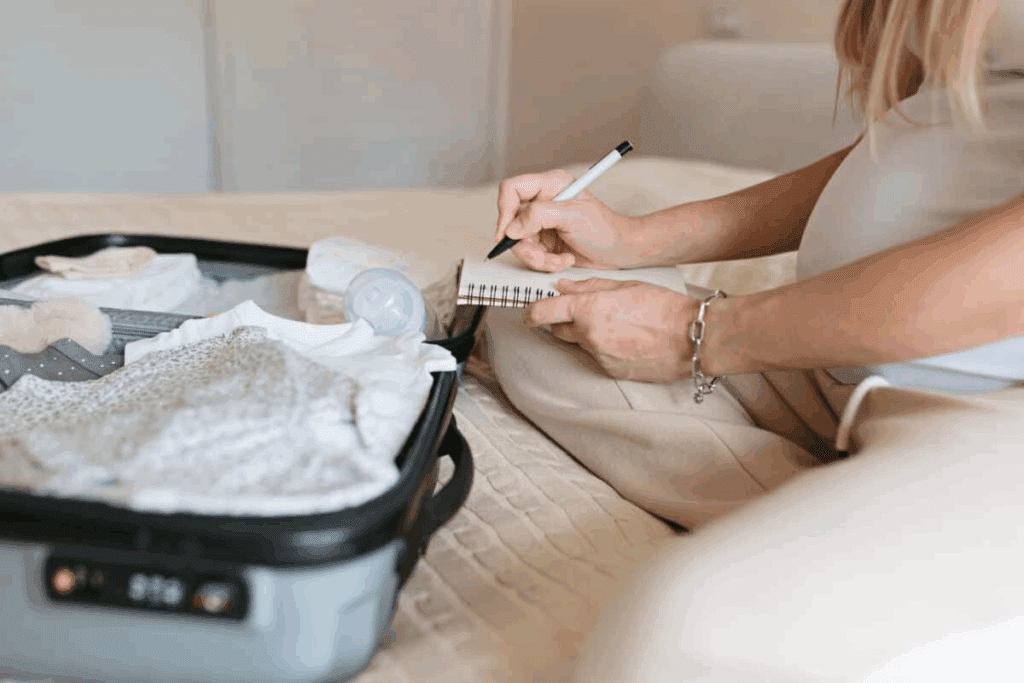
Packing your hospital bag early is key to a stress-free stay. Packing a few days before your surgery is advisable to prevent last-minute stress. This way, you’ll have everything you need.
Getting ready for the hospital is more than just packing. It’s about being ready for what’s coming. We’ll talk about when to start preparing and why talking to your doctor is important.
Timeline for Preparation
When to pack depends on your needs and the surgery details. A good rule is to start about a week before. This gives you time to get everything without feeling rushed.
| Packing a few days before your surgery is advisable to prevent last-minute stress. | Preparation Task |
| 1 week | Start gathering essential documents and packing clothing |
| 3-4 days | Pack toiletries, medications, and comfort items |
| 1-2 days | Double-check everything and finalize your bag |
Consulting with Your Healthcare Provider
Packing a few days before your surgery is advisable to prevent last-minute stress.
“Your healthcare provider can offer valuable insights into what you should expect during your hospital stay and what items will be most beneficial to have with you.”
By following these steps and talking to your doctor, you’ll be ready for your hospital stay. You can then focus on getting better.
Essential Documents and Administrative Items
Before you go to the hospital, prepare the necessary documents. This makes the admission process smoother. It’s a key step for a hassle-free hospital experience.
Insurance Cards and Identification
Start by gathering your insurance cards and ID. You’ll need your main health insurance card and any secondary cards. Also, bring a driver’s license or passport to prove who you are.
Make copies of both sides of your insurance cards and ID. This way, you can leave a copy with someone you trust. They can help if you need them during your stay.
Medical Information and Advance Directives
Next, gather your medical info. List your current medications, allergies, and medical history. If you have advance directives like a living will, make sure they’re with you.
Organizing your medical info helps doctors make better decisions. Advance directives ensure your wishes are followed if you can’t speak for yourself.
Contact Information and Emergency Contacts
Make a list of emergency contacts. Include their names, phone numbers, and how you’re related to them. This is important for the hospital to reach out to your loved ones in an emergency.
Keep this list short and make sure your contacts know they’re listed as your emergency contacts. It’s also wise to carry a copy with you in your hospital bag.
Having these documents ready can greatly reduce stress during hospital admission. It lets you focus on getting better.
Medication and Health-Related Items
Packing the right medications and health items is key for a good hospital stay after a hysterectomy. Being prepared ensures your safety and comfort.
Current Prescription Medications
Tell your healthcare provider about all your medications. This includes prescription drugs, over-the-counter items, vitamins, and supplements. Some might need to be changed or stopped before surgery.
Make a list of your medications and talk it over with your healthcare provider. They’ll tell you which ones to keep taking or stop before surgery. It’s smart to bring this list to the hospital.
Over-the-Counter Medications
Don’t forget to mention over-the-counter (OTC) medications like pain relievers, antihistamines, or antacids. Some can react with anesthesia or other surgery drugs.
Talk to your healthcare provider about which OTC medications are okay to take and which to avoid before surgery.
Allergies List and Medical Alert Jewelry
If you have allergies, like to medications or latex, tell your healthcare team. Making an allergies list is important for your safety.
Wearing medical alert jewelry is a good idea if you have a serious allergy or medical condition. It can give vital info to healthcare providers in an emergency.
| Medication/Health Item | Action | Notes |
| Prescription Medications | Review with healthcare provider | Bring list to hospital |
| Over-the-Counter Medications | Discuss with healthcare provider | Avoid certain medications pre-surgery |
| Allergies List | Create and share with healthcare team | Include all significant allergies |
| Medical Alert Jewelry | Consider wearing | For significant allergies or conditions |
Clothing Essentials for Your Hysterectomy Stay
Packing the right clothes for your hysterectomy hospital stay is important. It can make you more comfortable and help with your recovery. The right clothes can really make a difference.
Comfortable Nightwear and Loungewear
Choosing comfortable nightwear and loungewear is key for a relaxing stay. Look for loose-fitting nightgowns or pajamas in soft, breathable fabrics like cotton. These will keep you comfy and make it easier for doctors to check your abdomen if needed.
Post-Surgery Friendly Clothing
After surgery, you’ll want clothes that don’t press on your belly. Stay away from tight clothes and go for loose ones that let you move easily. Front-opening nightgowns or shirts are also a good choice.
Supportive Underwear and Bras
Supportive underwear can add comfort after surgery. Pack a few pairs of comfy, high-waisted underwear. For bras, pick soft, wireless ones that won’t bother your skin or put pressure on your chest or belly.
Going-Home Outfit Considerations
Remember to pack a comfy outfit for when you go home. Pick something loose and comfy that won’t bother your incision. A soft, stretchy maxi dress or loose pants with a top are good choices.
| Clothing Item | Recommendation |
| Nightwear | Loose-fitting nightgowns or pajamas |
| Loungewear | Soft, comfortable pants or dresses |
| Underwear | High-waisted, comfortable underwear |
| Bras | Soft, wireless bras |
| Going-Home Outfit | Loose, comfortable clothing |
Personal Hygiene and Toiletry Items
When you’re getting ready for a hysterectomy, think about the hygiene items you’ll need in the hospital. Keeping clean is key for your comfort and helps prevent infections while you recover.
Basic Toiletries and Skincare
Bring along basic toiletries like a toothbrush, toothpaste, and skincare products. This will make you feel more at home. Don’t forget to pack face wash, moisturizer, and lip balm to keep your skin routine going.
Dental Care Essentials
Dental care is important but often forgotten. Make sure you have your toothbrush, toothpaste, and dental floss. If you wear dentures, remember to pack your denture care items too.
Shower and Bathing Supplies
Hospitals have basic bathing facilities, but your own shampoo, conditioner, and body wash can make a big difference. If you have a favorite brand or type, bring it along.
Here’s a quick list of personal hygiene and toiletry items to consider packing:
| Category | Packing a few days before your surgery is advisable to prevent last-minute stress. |
| Basic Toiletries | Toothbrush, toothpaste, face wash, moisturizer, lip balm |
| Dental Care | Toothbrush, toothpaste, dental floss, denture care items (if applicable) |
| Shower and Bathing | Shampoo, conditioner, body wash |
Comfort Items to Improve Your Hospital Experience
A hospital can feel scary, so bringing things from home can help. Having items that remind you of home can make you feel better. It can also help you relax and enjoy your stay more.
Pillows and Blankets
The pillows and blankets at the hospital might not feel as good as yours. Bringing your own pillows and blankets can make your stay cozier. Just make sure they are clean and follow the hospital’s rules.
Eye Mask and Earplugs
Hospitals can be loud and bright, making it hard to sleep. An eye mask and earplugs can block out the noise and light. This helps you rest better and recover faster.
Stress Relief and Comfort Objects
Personal items can be very comforting during your stay. This could be a favorite stuffed animal, a family photo, or a cozy piece of clothing. These items can offer emotional support and take your mind off any discomfort or worry.
It’s also smart to bring things that help you relax, like stress balls or calming essential oils. Just check with your hospital first.
What to Pack for Hysterectomy Recovery Comfort
Recovering from a hysterectomy needs careful planning. You should pack items that help with comfort. Things like abdominal support garments and heat or cold therapy can make recovery easier and less painful.
Abdominal support garments offer comfort and support after surgery. They help by reducing pain and aiding in healing. This is because they provide gentle compression and limit movement.
Heat and Cold Therapy Items
Heat and cold therapy are great for managing pain after surgery. Heat therapy, like warm compresses, relaxes muscles. Cold therapy, such as cold packs, reduces swelling and numbs the area.
- Warm compresses or heating pads
- Cold packs or ice packs
- Heat wraps or cold wraps
Positioning Aids and Support Pillows
Positioning aids and support pillows help you find comfy positions in bed. They reduce strain on your body. This is very helpful for managing pain and discomfort while resting or sleeping.
Gas Pain Relief Supplies
Gas pain is common after abdominal surgery. Items like simethicone can help ease gas pain. This makes your recovery more comfortable.
It’s also good to have things that encourage gentle movement. For example, walking helps stimulate digestion and relieve gas.
Entertainment and Time-Passing Items
Entertainment options can be a lifesaver during your hospital stay. They help distract you from any discomfort or anxiety. Bringing items you enjoy can make your stay more pleasant and help the time pass more quickly.
Books, Magazines, and Reading Materials
Reading is a great way to escape and relax. Consider packing:
- Your favorite books or magazines
- An e-reader, which is lightweight and can store many titles
- Comics or graphic novels for a lighter read
Don’t forget to bring a bookmark and, if needed, reading glasses.
Electronic Devices and Chargers
Electronic devices can provide hours of entertainment. We recommend bringing:
- A tablet or laptop loaded with your favorite movies, TV shows, or music
- A smartphone with a fully charged battery and a charger
- Headphones to enjoy your media without disturbing others
Be sure to pack all necessary chargers and consider a power bank for extra battery life.
Puzzles, Games, and Hobbies
Engaging in activities you enjoy can be very therapeutic. Consider:
- Crossword puzzles, Sudoku, or other puzzle books
- Travel-sized games if you have a companion to play with
- Knitting or crochet if you’re comfortable with doing so in a hospital bed
These activities can help take your mind off your recovery and make your hospital stay more enjoyable.
| Entertainment Option | Benefits | Tips |
| Books and Magazines | Relaxing, escape from hospital environment | Choose lightweight materials, bring reading glasses if needed |
| Electronic Devices | Variety of entertainment, can be used with headphones | Pack chargers, consider a power bank |
| Puzzles and Games | Mental stimulation, can be done with companions | Opt for travel-sized versions, consider digital alternatives |
Food and Drink Considerations
Knowing what food and drink are allowed in the hospital can make your stay more comfortable after a hysterectomy. Hospitals have rules about what you can eat and drink. Being ready for this can really help.
Permitted Snacks and Beverages
Hospitals offer meals, but having your favorite snacks can be comforting. It’s important to ask your healthcare provider about allowed snacks and drinks. You can usually bring non-perishable items like granola bars or nuts. For drinks, water is best, but clear broths or electrolyte drinks might be okay too. Don’t bring anything that needs to be kept cold or heated.
Dietary Restrictions and Preferences
If you need special foods, like vegetarian or gluten-free, let your healthcare provider know ahead of time. Hospitals have dietitians who can help with different diets. Talk about your needs before surgery so the hospital can prepare.
Digestive Health Items
Keeping your digestive system healthy is key after a hysterectomy. Think about bringing items that help with digestion, like fiber supplements or probiotics. Also, having a refillable water bottle is a good idea.
By thinking about your food and drink choices and preparing, you can make your hospital stay more comfortable. This helps support your recovery.
Personal Care Items for Post-Surgery Recovery
Recovering from a hysterectomy needs more than just medical care. You also need the right personal care items for comfort and hygiene. Having the right products can make a big difference in your recovery.
Sanitary Products and Pads
After a hysterectomy, you might bleed or have discharge. It’s important to have enough sanitary pads. Choose pads that are comfortable and absorbent. It’s best to avoid tampons to lower the risk of infection.
Skin Care for Incision Areas
Good skin care around the incision is key for healing and less scarring. Use gentle, fragrance-free cleansers and apply a recommended ointment or cream. Always listen to your healthcare provider’s advice on incision care.
Personal Cleansing Wipes
Personal cleansing wipes are handy when you can’t shower. Look for wipes that are gentle and safe for sensitive areas. They help keep you clean without straining yourself.
Comfort Measures for Common Post-Op Issues
After surgery, you might face issues like constipation, gas pain, or discomfort. Items like gentle laxatives, gas relief, or heating pads can help. Talk to your healthcare provider about these options to be ready for any issues.
Having these personal care items ready lets you focus on healing. It’s about making your recovery space comfortable and supportive.
Technology and Communication Essentials
Staying in touch with loved ones is key when you’re in the hospital after a hysterectomy. The right tech can really help. Being able to talk to family and friends can offer emotional support and make you feel less alone.
Phone and Communication Devices
Your phone is your main way to talk to others in the hospital. Make sure it’s charged before you go. Bring a charger and cable in your bag too. If your room has a landline, program important numbers into it.
“A phone with a full battery and a backup charger is essential,” says a healthcare expert. “Also, tell your loved ones when you’ll be in and when you’ll leave. It helps them stay informed.”
Chargers and Power Banks
A power bank is great for keeping your devices charged all day. With your phone always in use, a power bank keeps you connected. Look for a small one that can charge your devices several times.
- Choose a power bank with at least 10,000mAh capacity.
- Find one with multiple USB ports for charging several devices at once.
- Put the power bank and its cable in your hospital bag.
Headphones and Audio Equipment
Headphones can be a big comfort in the hospital. They let you listen to music, podcasts, or audiobooks. They also help you relax and block out noise. Pack a pair of comfy headphones or earbuds in your bag.
Headphones also help you keep your privacy and focus on healing. “Listening to calming music or nature sounds is very soothing,” says a patient advocate. “It makes the hospital feel more peaceful.”
Hospital Policies and Restrictions to Consider
Before packing for your hysterectomy, it’s key to know the hospital’s rules. Knowing these can help you prepare and reduce stress during your stay.
Prohibited Items in Hospital Settings
Hospitals have strict rules about what you can bring. Things like weapons, illegal drugs, and some electronics are banned. Also, check if there are rules about food and drinks.
- Check with your hospital: Always ask your healthcare provider or the hospital about their specific rules.
- Safe storage options: Some hospitals might have a place to store items you can’t bring.
Valuables and Jewelry Considerations
It’s wise to bring as few valuables as possible to the hospital. If you must bring some, ask about storage options. Jewelry might need to be removed for surgery, so it’s safer to leave it at home.
“It’s always a good idea to leave valuable or sentimental items at home to avoid loss or damage.”
— Advice from a healthcare professional
Visitor Policies and Accommodations
Visitor rules differ at each hospital. It’s important to know who can visit, when, and any rules they must follow.
- Visitor limitations: Some hospitals might only allow a certain number of visitors at once.
- Overnight accommodations: Find out if the hospital offers or suggests nearby places for family or caregivers to stay.
By following these hospital policies, your hysterectomy stay can be smoother and less stressful.
Packing Based on Hysterectomy Type
The type of hysterectomy you have affects your hospital packing list and recovery. Each surgical method has its own needs and recovery process. It’s important to prepare based on your specific situation.
Abdominal Hysterectomy Specific Needs
For an abdominal hysterectomy, focus on comfort and recovery aids. You’ll need:
- Comfortable, loose-fitting clothing for your abdomen
- Abdominal support garments for comfort
- Heating pads or warm compresses for pain
Vaginal Hysterectomy Considerations
A vaginal hysterectomy might have less pain than an abdominal one. But, don’t forget to pack:
- Comfortable underwear and sanitary products for bleeding
- Pain relief medication as advised by your doctor
- Easy-to-wear clothes that don’t press on your pelvic area
Laparoscopic Hysterectomy Packing Tips
Laparoscopic hysterectomy often means quicker recovery. Pack:
- Loose, comfy clothes for any bandages or dressings
- Shower supplies, as you might shower soon after surgery
- Entertainment for downtime, as you’ll need to rest
Robotic-Assisted Surgery Preparation
Robotic-assisted hysterectomy is a minimally invasive surgery. Remember to pack:
- Comfortable clothes that won’t bother your small incisions
- Pain management supplies as your surgeon advises
- Personal items for comfort during recovery
| Hysterectomy Type | Key Packing Items | Recovery Considerations |
| Abdominal Hysterectomy | Abdominal support garments, loose clothing | Manage abdominal discomfort, monitor incision site |
| Vaginal Hysterectomy | Comfortable underwear, sanitary products | Monitor for post-operative bleeding, pelvic rest |
| Laparoscopic Hysterectomy | Loose clothing, shower supplies | Rest, manage pain, monitor incision sites |
| Robotic-Assisted Surgery | Comfortable clothing, pain management supplies | Rest, manage pain, follow surgeon’s instructions |
Preparing for Your Return Home
After you get home, your recovery journey doesn’t stop. It’s key to get your home ready for your return. As you wait to leave the hospital after your hysterectomy, plan for a smooth return to your life.
Home Recovery Essentials
You’ll need some important items for a comfy recovery. These include comfy clothes, abdominal support garments, and any items your doctor suggests. Having these ready will help your recovery.
Transportation Arrangements
Make sure someone drives you home from the hospital. You might be feeling the effects of anesthesia or pain meds. It’s smart to have someone stay with you for a few days to help and support you.
Setting Up a Recovery Station
Set up a recovery station in your home for easy rest. This spot should have water, snacks, your phone, and any meds you need.
Medication and Follow-up Management
Have all your meds and know how to take them. It’s also important to keep track of your follow-up appointments. Plan for any issues or concerns that might come up.
By getting your home ready, arranging for support, and knowing your care plan, you’ll have a smoother recovery. Remember, your healthcare team is always there to help you.
Conclusion: Final Checklist for Your Hysterectomy Hospital Stay
Preparing for your hysterectomy? A detailed checklist is key to a comfortable and successful hospital stay. We’ve covered the must-pack items and important things to remember.
For a smooth experience, check our packing list. It has vital documents, comfy clothes, hygiene items, and fun for downtime. The right items can greatly improve your recovery and hospital time.
By using this checklist, you can focus on getting better. You’ll know you have everything needed for a great hospital stay. Stay organized, ask questions, and listen to your healthcare team for the best results.
FAQ
What should I pack for a hospital stay after a hysterectomy?
Pack comfortable clothes and personal hygiene items. Don’t forget essential documents and comfort items. Always check with your healthcare provider for specific needs.
How long will I stay in the hospital after a hysterectomy?
The stay varies by surgery type. Abdominal hysterectomies might need longer stays than laparoscopic or robotic surgeries. Your doctor will guide you based on your surgery.
Can I bring my medications to the hospital?
Yes, bring a list of your medications. Include both prescription and over-the-counter drugs. Tell your healthcare provider about them for your safety.
What are some comfort items I can bring to the hospital?
Bring pillows, blankets, eye masks, and earplugs. Personal stress relief items are also good. Check hospital rules on items you can bring.
Are there any specific clothing recommendations for a hysterectomy hospital stay?
Pack comfortable nightwear and loungewear. Choose supportive underwear. Clothes should be easy to move in and not irritate your incision.
Can I have visitors during my hospital stay?
Visitor policies vary. Check with your healthcare provider or hospital administration for their rules and any restrictions.
How should I prepare for my return home after a hysterectomy?
Arrange for transportation and set up a recovery station. Include pillows, blankets, and medications. Plan for follow-up care. Your healthcare provider can offer more tailored advice.
What are some essential items to pack for recovery comfort after a hysterectomy?
Pack abdominal support garments and heat and cold therapy items. Also, consider positioning aids and gas pain relief supplies. Your healthcare provider can suggest items based on your surgery.
Can I bring electronic devices to the hospital?
Yes, bring phones, tablets, or laptops. Remember to pack chargers and a power bank. Headphones can also be helpful.
Are there any specific hospital policies I should be aware of?
Know the hospital’s policies on prohibited items, valuables, and visitors. This will help avoid stress during your stay. Your healthcare provider can provide more information.
Reference
- Gottlieb, A. S., & et al. (2023). Pre and post-operative self-care management among women undergoing abdominal hysterectomy. Journal of Clinical Nursing Practice, 2023, 3 pages.https://pmc.ncbi.nlm.nih.gov/articles/PMC10598354/