Last Updated on November 14, 2025 by
A fever is a common symptom that can be a sign of an underlying illness. It’s important to understand how serious it is. Fevers can be low (99.1 °F to 100.4 °F) or high (above 105.8 °F).
Managing a fever needs careful attention to avoid problems or ineffective treatment. Simple mistakes can cause harm or prolonged recovery. It’s key to know what not to do when dealing with a fever to ensure a safe and quick recovery, including understanding what to take for fever. Knowing the right fever-reducing medications like acetaminophen or ibuprofen and using them correctly can help manage symptoms safely without causing harm or delaying recovery.
Key Takeaways
- Understand the severity of your fever to determine the best course of action.
- Avoid common mistakes that can compromise recovery or safety.
- Proper fever management is key to long-term health.
- Know the different levels of fever and their implications.
- Be aware of the risks associated with high fevers.
Understanding Fever: When to Worry and When to Wait
Fever can be scary, but knowing when to worry and when to wait is key. Fever is how our body fights off sickness. It’s important to know when to seek medical help to avoid serious problems.
What Constitutes a Fever?
A fever is when your body temperature goes up. For little ones, a rectal temperature over 100.4 °F is a fever. For adults, an oral temperature over 102 °F might need a doctor’s visit. Remember, fever is a sign your body is fighting off an infection, not the illness itself.
The Body’s Natural Defence Mechanism
Fever helps our body fight off germs. When our body gets hotter, it makes it harder for germs to grow. It’s important to see fever as a symptom, not the illness itself. Often, the fever goes away with rest and drinking water.
When a Fever Becomes Dangerous
While fever is usually a good sign, it can be dangerous at times. For babies under 3 months, a fever over 100.4 °F is an emergency. If a fever comes with severe symptoms like trouble breathing or a stiff neck, get help right away. It’s important to watch for signs that a fever might be getting worse.
It can be hard to tell when a fever is serious. But knowing the signs, like fever and chills or feeling very cold when sick, can help. If you’re unsure, always talk to a doctor.
Medication Mistakes: What NOT to Take for Fever
Knowing what not to take for a fever is as important as knowing what to take. Taking the wrong medication can lead to serious problems. It’s vital to be informed to manage fever safely.
When dealing with a fever, it’s key to know the risks of certain medications. Acetaminophen and ibuprofen are commonly used to reduce fever. But using them together can be risky.
Combining Acetaminophen and Ibuprofen: The Overdose Risk
Using both acetaminophen and ibuprofen together can lead to overdose. It’s important to stick to the recommended doses and watch out for accidental overdose. Always check your medication labels to avoid taking the same ingredient twice.
Aspirin and Children: Understanding Reye’s Syndrome Risk
Aspirin is not safe for kids or teens with the flu or chickenpox. Reye’s syndrome is a rare but serious condition that can cause liver and brain swelling. For kids, acetaminophen or ibuprofen is safer for fever management.
Setting Realistic Expectations for Fever Reduction
It’s also important to have realistic expectations when using fever medications. Fever reduction isn’t always necessary and can sometimes be harmful. The goal is to ease discomfort, not to completely get rid of the fever. This helps in making better choices about when to use medication.
To manage fever in adults, always follow the dosage on the label. If the fever doesn’t go away or is concerning, talk to a healthcare professional.
Harmful Home Remedies to Avoid
Some home remedies for fever can actually harm you. They might try to help, but they can make things worse. This can lead to more health problems.
The Dangers of Rubbing Alcohol Sponging
Using rubbing alcohol to sponge down a fever is not safe. Rubbing alcohol sponging can lead to alcohol toxicity. This is very dangerous, and it’s even worse for kids.
Instead, wear light clothes and keep your room cool. This helps manage fever better.
Overdressing vs. Underdressing During a Fever
Dressing right is key when you have a fever. Wearing too much can make you hotter. But wearing too little can make you uncomfortable.
Wear light clothes that let air in. Keep your room at a good temperature, too.
Myths About “Sweating Out” a Fever
The idea that sweating out a fever is a myth. Sweating is a natural sign of fever, but it doesn’t cure it. Thinking you can sweat away a fever with too many clothes or hot baths is wrong.
Fevers are best treated with medicine and a comfy environment. Knowing that sweating is just a sign helps in treating fevers better.
To answer if you can sweat out a fever, the answer is no. Sweating is a natural thing, but it doesn’t lower a fever. Stay hydrated, rest, and use medicine as told.
Common Medical Misconceptions When Treating Fevers
Many people have wrong ideas about treating fevers. This can lead to care that doesn’t work or might even harm. It’s key to know the facts about fever treatment to manage them well.
Antibiotics Don’t Fight Viral Fevers
One big mistake is thinking antibiotics work on viral fevers. Antibiotics don’t work on viral infections; they’re for bacterial ones. Using them for viral fevers doesn’t help and can make bacteria resistant to antibiotics.
Not All Fevers Require Medication
Another wrong idea is that every fever needs medicine. Not every fever needs medicine; rest and water might be enough. Our immune system can often fight off infections without medicine.
Temperature Measurement Mistakes
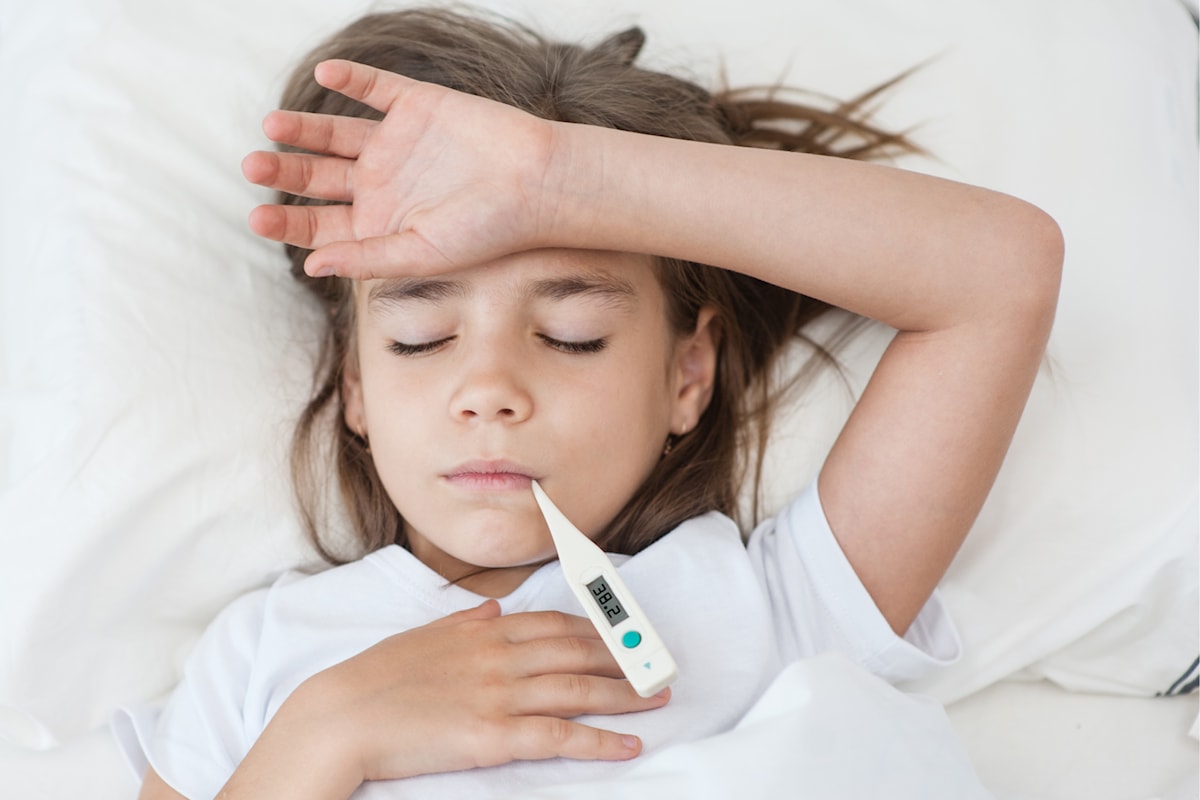
Getting the right temperature is key to managing fevers. Mistakes include using the wrong thermometer or not reading the instructions. Digital thermometers are best for their accuracy and simplicity. Using a thermometer correctly is important for knowing how serious a fever is.
By knowing and avoiding these common mistakes, we can handle fevers better. It’s about knowing when to get medical help and how to treat fevers correctly.
Hydration and Recovery Mistakes During Fevers
When you have a fever, staying hydrated is key. Drinking enough water helps your body recover and can make the fever less severe. Adequate fluid intake supports the body’s natural defense mechanisms, helping to fight off the infection.
The Critical Importance of Proper Fluid Intake
Drinking enough fluids is vital when you have a fever. Feverish people often sweat more, leading to dehydration if not managed. Water, clear broths, and electrolyte-rich beverages help replace lost fluids and electrolytes. Staying hydrated aids in faster recovery from a fever.
Foods and Drinks to Avoid When Feverish
Some foods and drinks can make dehydration worse and worsen fever symptoms. Avoid caffeine and alcohol as they increase fluid loss. Also, spicy or fatty foods are hard to digest when sick, causing more discomfort.
Rest and Recovery Misconceptions
Rest is vital for recovering from a fever. But many think you need to “sweat out” a fever.
“Resting and staying hydrated are more effective strategies for managing fever than trying to induce sweating.”
Too much activity can lead to dehydration and longer recovery. So, it’s important to balance rest with enough hydration to help your body recover.
Conclusion: Best Practices for Safe Fever Management
Managing fever well is key to getting better. Knowing how serious a fever is, like a 100.6 fever, is the first step. It’s important not to take too much of over-the-counter medicines like MOTRIN.
Drinking lots of fluids is also critical. It helps control the fever and aids in recovery. Knowing when to see a doctor is also key, like for babies under 6 months or if symptoms are bad.
By following these best practices, we can manage fevers better and more safely. This means knowing the dangers of some medicines and when to get medical help.
FAQ’s:
What is considered a fever?
A fever is when your body temperature goes over 100.4 °F (38 °C).
When should I seek medical help for a fever?
If you’re under 3 months old and have a fever over 100.4 °F, see a doctor right away. Adults should get help if their fever hits 103 °F (39.4 °C) or if they have other symptoms.
Can I take acetaminophen and ibuprofen together for a fever?
Taking both together can be risky. Always check with a doctor before mixing them. Make sure to follow the dosage instructions carefully.
Why is aspirin not recommended for children with a fever?
Aspirin can cause Reye’s Syndrome, a serious condition, in kids. So, it’s not safe for them.
Is it safe to use rubbing alcohol for sponging to reduce a fever?
No, rubbing alcohol is not safe for sponging. It can lead to alcohol poisoning or other problems.
Can “sweating out” a fever help you recover faster?
Sweating out a fever is a myth. Staying hydrated is key, but sweating doesn’t speed up recovery.
Should I dress warmly or lightly when I have a fever?
Dress lightly to help your body cool down. Wearing too much can trap heat and make the fever worse.
Do I need antibiotics for a viral fever?
No, antibiotics won’t work on viral fevers. They’re only for bacterial infections.
Not all fevers require medication. Is that true?
Yes, not every fever needs medicine. It depends on how high the fever is and how you feel.
How can I measure my temperature accurately?
Use a thermometer correctly to get an accurate reading. Oral, rectal, or temporal artery thermometers work well.
What are some hydration mistakes to avoid during a fever?
Don’t skip fluids or drink caffeinated or sugary drinks. Instead, drink water, clear broths, or electrolyte-rich drinks.
Are there specific foods or drinks I should avoid when I have a fever?
Yes, avoid heavy, greasy, or hard-to-digest foods. They can upset your stomach when you’re sick.
Can I still exercise or be active when I have a fever?
It’s best to rest and avoid hard activities. Let your body recover without extra strain.
What is the importance of proper fluid intake during a fever?
Drinking enough fluids is key. It helps replace lost fluids, keeps you hydrated, and aids in recovery.
How can I keep my fever down as an adult?
Stay hydrated, rest, and consider medication as directed. Wearing light clothes and using cool compresses can also help.
What does a fever feel like?
A fever can make you feel unwell. You might have a headache, feel tired, or just not feel right. You could also get chills or sweat a lot.
Can a low body temperature be a sign of illness?
Yes, a low body temperature (hypothermia) can signal a serious infection or illness. It’s a concern, mainly for the elderly.
Reference
NHS Digital. (2023). Standard for creating health content. NHS Service Manual. https://service-manual.nhs.uk/content/standard-for-creating-health-content
V. K., M. (2017). Fever. Medical News Today. Retrieved September 23, 2025, from https://www.medicalnewstoday.com/articles/316706
Liu, J. (2024, October 1). How do health content creators perform well? An empirical study. PMC. https://pmc.ncbi.nlm.nih.gov/articles/PMC11480066/