Menopause affects millions of women worldwide, causing symptoms that can disrupt daily life and work. In the United States, about 1.3 million women enter menopause each year. This means around 6,000 women go through this change every day.Overview of the best medicine and therapy options for what to take for menopause comprehensively. Decide what to take for menopause wisely.
Menopause hormone therapy is a common treatment. It uses medication with female hormones to replace the estrogen the body stops making after menopause. New medical advances have added more treatment options, giving women more choices than ever.
Today, menopause management includes innovative non-hormonal medications and personalized HRT. This approach focuses on individual care. It considers each woman’s medical history, symptom severity, and personal needs.
Key Takeaways
- Menopause affects 1.3 million women annually in the United States.
- Menopause hormone therapy is a common treatment approach.
- Recent medical advances have expanded treatment options.
- Contemporary menopause management focuses on individualized care.
- Personalized HRT formulations are available.
Understanding Menopause: A Natural Life Transition
Menopause is a big change for women, with both physical and emotional effects. It’s a natural part of life, happening to women between 45 and 55 years old.
The Biological Process of Menopause
Before menopause, the ovaries make estrogen and progesterone. These hormones help with periods and fertility. As menopause nears, hormone levels drop, causing irregular periods and eventually stopping them.
“Menopause is more than just the end of periods,” says Medical Expert, a women’s health expert. “It’s a big change with hormonal shifts. Knowing about these changes helps manage symptoms better.”
Prevalence and Demographics in the United States
Every year, 1.3 million women in the U.S. go through menopause. Most start in their early to mid-50s.
Menopause affects many women. Things like lifestyle, genes, and health can change when and how it starts.
Knowing about menopause helps women deal with it. Managing symptoms often means medical help and changes in lifestyle.
Common Symptoms and Their Impact on Quality of Life

Menopause brings many changes that affect daily life. Women may feel different physically and emotionally. These changes can impact their overall well-being.
Vasomotor Symptoms: Hot Flashes and Night Sweats
Most menopausal women, up to 70-80%, face vasomotor symptoms. These include hot flashes and night sweats. Estrogen is the most effective treatment for these symptoms.
Hot flashes make women feel suddenly hot, with sweating and flushing. Night sweats happen during sleep, causing sleep problems. It’s key to manage these symptoms for a better quality of life.
Physical Changes and Discomfort
Menopause also brings physical changes, like skin, hair, and vaginal health issues. Vaginal dryness is common due to lower estrogen levels. This can cause discomfort during sex and daily activities.
Some women also gain weight around the belly. These physical changes can lower self-esteem and quality of life.
Emotional and Cognitive Symptoms
Menopause can also lead to emotional and cognitive symptoms. Women may experience mood swings, anxiety, and trouble concentrating. These symptoms can impact personal and professional life.
It’s important to know these symptoms are part of menopause. There are treatments available to help. Understanding these symptoms helps women navigate this stage and seek the right care.
When to Seek Medical Help for Menopause
Knowing when to get medical help during menopause is key to managing its effects. Menopause is a natural process, but its symptoms can really impact your life. Some women might only have mild symptoms, while others may face severe discomfort.
Differentiating Normal from Severe Symptoms
It’s important to tell normal symptoms from severe ones. Common symptoms include hot flashes, night sweats, and mood swings. But, if you have severe symptoms like heavy bleeding, severe depression, or really bad hot flashes, you should see a doctor.
Some women might not think their symptoms are bad enough to see a doctor. Others might need help to manage their symptoms. Whether or not to see a doctor depends on how your symptoms affect your daily life and overall health.
Symptom | Normal | Severe |
Hot Flashes | Mild, occasional | Frequent, debilitating |
Bleeding | Light, irregular periods | Heavy, prolonged bleeding |
Mood Changes | Mild mood swings | Severe depression, anxiety |
Finding the Right Healthcare Provider
Finding a healthcare provider who knows about menopause is important. You might want to see a gynecologist or a women’s health specialist. They can help you choose the best treatment, like hormone replacement therapy (HRT) or other medicines.
When picking a healthcare provider, look at their experience with menopause symptoms. Also, consider their approach to patient care and how they listen to your concerns. A good provider will help you find the right treatment and create a plan to manage your symptoms.
By knowing when to seek medical help and finding the right healthcare provider, you can take charge of your menopause journey. This can improve your quality of life.
Diagnosing Menopause: Tests and Evaluations
To diagnose menopause, doctors use a detailed method. They look at symptoms, medical history, and sometimes test hormone levels. This helps them understand how menopause affects a woman’s health.
Hormone Level Testing
Hormone tests are used to check for menopause. They often measure follicle-stimulating hormone (FSH) in the blood. High FSH levels suggest a woman is nearing or has entered menopause. But, FSH can change during perimenopause, making this test not always reliable.
Not every woman needs hormone tests to be diagnosed with menopause. Doctors often rely on symptoms and medical history for a diagnosis. But, if symptoms are unclear or other health issues are suspected, hormone tests can be helpful.
Symptom Assessment and Medical History
Doctors also look at symptoms and medical history to diagnose menopause. They ask about hot flashes, night sweats, and menstrual cycle changes. This helps figure out the stage of menopause and the best treatment.
Doctors also consider lifestyle and other health issues that might cause symptoms. This detailed check ensures a correct diagnosis and rules out other possible causes.
Ruling Out Other Health Conditions
Menopause symptoms can be similar to those of other health problems. Conditions like thyroid disorders, anemia, or sleep disorders can mimic menopause symptoms. A detailed medical check, including tests, helps make an accurate diagnosis.
In some cases, more tests might be needed to check for other health issues. These could include blood tests for thyroid function or overall health exams. This careful approach ensures women get the right care for their needs.
Getting a correct menopause diagnosis is key for effective treatment. Understanding the stage and impact of menopause helps doctors recommend the best treatments. This improves women’s quality of life during this transition.
Hormone Replacement Therapy (HRT): The Gold Standard Treatment
Hormone Replacement Therapy (HRT) is a top choice for many women during menopause. It adds hormones that decrease as women get older.
Mechanism of Action
HRT replaces lost hormones, mainly estrogen and progesterone. Estrogen helps ease symptoms like hot flashes and night sweats. These are common in menopause.
This therapy keeps hormone levels stable. It reduces symptoms and helps prevent bone loss.
Types of Hormones Used
The main hormones in HRT are estrogen and progesterone. Estrogen comes in pills, patches, and creams. This lets doctors tailor treatments. Progesterone is given with estrogen to protect the uterus.
- Conjugated equine estrogens
- 17β-estradiol
- Progesterone and progestins
Optimal Timing for Starting HRT
The best time to start HRT is early in menopause. Starting early can make it more effective. But, it depends on health and symptoms.
Talking to a doctor is key to decide when to start HRT. They consider age, health, and other factors.
What to Take for Menopause: Medication Options Explained
Menopause symptoms can be tough to handle, but there are many medicines to help. Women need different treatments for menopause, so it’s key to know what’s out there.
Prescription Medications for Specific Symptoms
Prescription drugs are vital for severe menopause symptoms. Hormone Replacement Therapy (HRT) is often the top choice. It replaces lost hormones during menopause. But, other medicines can target specific symptoms.
For example, some antidepressants, like Selective Serotonin Reuptake Inhibitors (SSRIs), can help with mood swings and depression. Gabapentin can also reduce hot flashes in some women.
Over-the-Counter Solutions
There are also OTC options for menopause symptoms. These might not be as strong as prescription drugs but can help with milder symptoms. Antihistamines and some pain relievers can improve sleep and reduce discomfort.
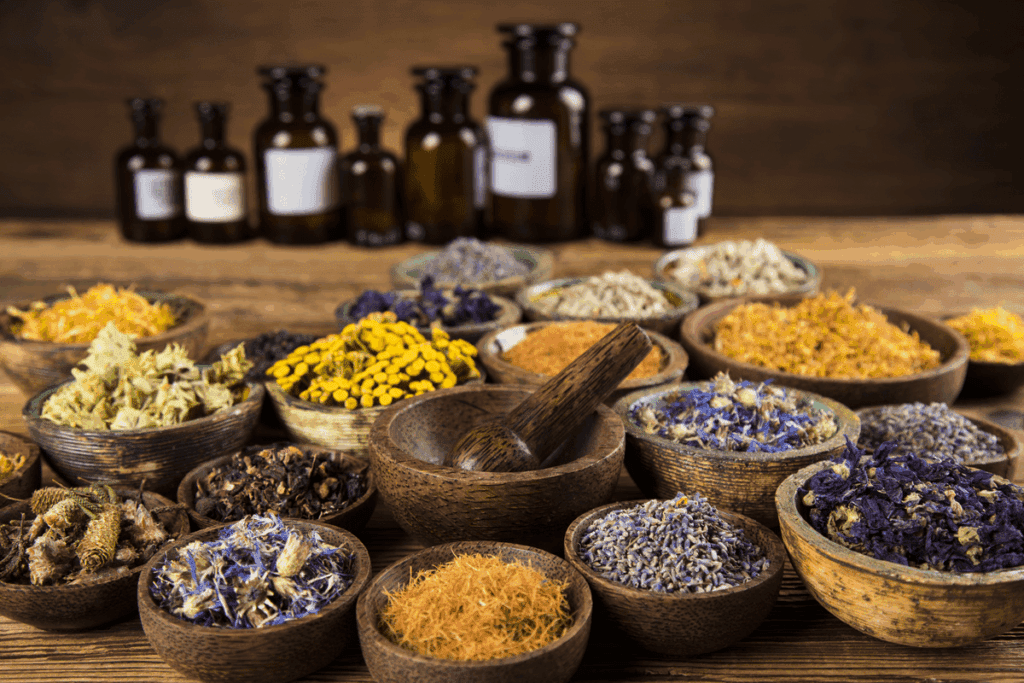
Some women try herbal supplements like black cohosh or red clover to ease symptoms. But, it’s important to talk to a doctor before starting any supplements. They can interact with other medicines or have side effects.
Can HRT Help with Joint Pain and Other Specific Symptoms
HRT can help with many menopause symptoms, like hot flashes and night sweats. It can also help with joint pain. By restoring hormone levels, HRT can make joints more comfortable.
Talking to a healthcare provider about HRT is key. It’s not right for everyone. Your medical history, family history, and personal preferences are important in choosing the best treatment.
HRT Delivery Methods and Formulations
Hormone Replacement Therapy (HRT) is key in managing menopause symptoms. The way HRT is delivered can greatly affect its success. There are different ways to take HRT, each with its own benefits and risks.
Oral Pills and Tablets
Oral HRT is a common choice, coming in pill or tablet form. It’s easy to take and helps with many symptoms like hot flashes and night sweats. But, it might increase the risk of some side effects, like venous thromboembolism, early on.
Transdermal Patches and Topical Applications
Transdermal HRT patches are an alternative to pills, delivering hormones through the skin. This method might lower the risk of side effects seen with oral HRT, like liver metabolism issues. Topical options, like gels and creams, offer controlled dosing and could have fewer side effects.
Vaginal Rings and Local Treatments
Vaginal rings release hormones directly into the vaginal tissue. They’re great for treating vaginal atrophy and related symptoms, like dryness and discomfort. Local treatments, like creams and tablets, can also help with vaginal symptoms without affecting the whole body.
Choosing the right HRT delivery method depends on many factors. Talking to a healthcare provider is key to finding the best option for managing menopause symptoms.
Non-Hormonal Alternatives for Menopause Relief
Women are looking for ways to ease menopause symptoms without hormones. Many are turning to non-hormonal treatments. These options promise relief from hot flashes and other symptoms.
Neurokinin Receptor Antagonists
Neurokinin receptor antagonists are a new type of drug. They help reduce hot flashes. Veozah (fezolinetant) is one such drug, approved for menopause symptoms.
SSRIs and Other Medications
SSRIs are used for depression but also help with hot flashes. Gabapentin and pregabalin are other options. They ease symptoms like hot flashes.
Supplements and Herbal Remedies
Many women try supplements and herbs for relief. Black cohosh and red clover are popular choices. But, always talk to a doctor before trying them.
Treatment Option | Primary Use | Notable Benefits |
Neurokinin Receptor Antagonists (e.g., Veozah) | Reducing hot flashes | Effective for vasomotor symptoms |
SSRIs | Managing hot flashes and mood symptoms | Dual benefit for mood and vasomotor symptoms |
Supplements (e.g., Black cohosh, Red clover) | Relieving menopause symptoms | Natural alternatives, though efficacy varies |
These non-hormonal options give women choices for managing symptoms. As research grows, more tailored treatments will likely be available.
Personalized Treatment Approaches for Menopause
The best menopause treatments are tailored to each woman’s needs. Every woman’s experience with menopause is different. This is because of many factors like medical history, lifestyle, and personal preferences.
Factors Affecting Treatment Selection
We look at several important factors when planning a treatment. These include how severe symptoms are, any other health issues, and the woman’s medical history. Tailoring the treatment to the individual helps us meet her specific needs and make the therapy more effective.
For example, a woman with osteoporosis might need a different treatment than one without it. Women with severe hot flashes might benefit from a certain type of hormone replacement therapy (HRT).
Combining Therapies for Optimal Relief
Often, the best treatment plans mix different therapies. This might include HRT and lifestyle changes like diet and exercise. By combining these approaches, we can offer more complete relief from menopause symptoms.
- Hormone replacement therapy (HRT) to alleviate hot flashes and night sweats
- Lifestyle modifications, including dietary changes and exercise, to support overall health
- Non-hormonal medications for symptom management
- Alternative therapies such as acupuncture or herbal supplements
Monitoring and Adjusting Treatment Plans
Menopause treatment is not fixed; it needs ongoing monitoring and adjustments. We work closely with our patients to check how well their treatment is working. We might need to change the dosage of HRT, switch medications, or add new lifestyle changes.
By taking a personalized and adaptive approach to menopause treatment, we help women manage this big life change more easily and comfortably.
Lifestyle Modifications to Complement Medical Treatments
As we go through menopause, making lifestyle changes is key. These changes can boost the effect of medical treatments. They also help us feel better overall.
Dietary Approaches for Symptom Management
Eating right is important for managing menopause symptoms. Foods high in calcium and vitamin D help keep bones strong. Leafy greens, fortified dairy, and fatty fish are great options. Drinking lots of water is also important.
Some foods can make symptoms worse. Less caffeine, alcohol, and spicy foods can help with hot flashes and night sweats. Foods with phytoestrogens, like soy and flaxseed, might also help.
Exercise Benefits for Bone Health and Mood
Exercise is key for bone health and mood during menopause. Walking, running, and strength training help prevent osteoporosis. Exercise also boosts mood by releasing endorphins.
Yoga and Pilates improve flexibility and mental health. They reduce stress and help relax. Finding fun exercise makes it easier to stick with it.
Stress Reduction Techniques and Sleep Hygiene
Stress management is critical during menopause. It can make symptoms like hot flashes and mood swings worse. Meditation, deep breathing, and mindfulness can lower stress.
Good sleep habits are also essential. A regular sleep schedule and a comfy sleep space improve sleep. Stay away from screens before bed and keep your room cool.
Adding these lifestyle changes to your daily routine can help manage menopause symptoms. It can also improve your overall quality of life.
Conclusion: Creating Your Personalized Menopause Management Plan
Menopause is a natural part of life that can be managed well. To make a plan that’s just right for you, it’s key to work with your healthcare provider.
Talking about your symptoms and health risks with your doctor is important. This helps figure out the best treatment for you. Your plan might include hormone therapy, non-hormonal options, or a mix of treatments that fit your needs.
Being involved in making your plan can make a big difference. It helps ease symptoms and improves your life. A good plan tackles issues like hot flashes and vaginal dryness, making sure you get the best care.
FAQ
What is the best medicine for menopause?
Hormone Replacement Therapy (HRT) is often seen as the top choice for menopause. It helps with symptoms like hot flashes and night sweats. But, the right treatment can vary based on personal needs and health history.
Can HRT help with joint pain?
Yes, HRT can ease joint pain during menopause. Estrogen therapy, in particular, can improve joint health and lower osteoporosis risk.
What are the different types of HRT delivery methods?
HRT comes in various forms, like oral pills, patches, and vaginal rings. Each has its own benefits and risks. The choice depends on personal preferences and medical needs.
Are there non-hormonal alternatives for menopause relief?
Yes, there are non-hormonal options for menopause relief. These include neurokinin receptor antagonists, SSRIs, and supplements. They can help manage symptoms like hot flashes and mood changes.
How do I know if I need to seek medical help for menopause?
If severe or persistent symptoms affect your daily life, seek medical help. A healthcare provider can find the best treatment and check for other health issues.
What lifestyle modifications can help complement medical treatments for menopause?
Changes in diet, exercise, and stress reduction can help with menopause symptoms. Eating well, staying active, and managing stress can also boost overall health.
How is menopause diagnosed?
Menopause diagnosis involves hormone tests, symptom checks, and medical history. A healthcare provider may also do a physical exam and rule out other health issues.
What are the benefits and risks of HRT?
HRT can offer relief from hot flashes and improve sleep. It can also lower osteoporosis risk. But, it may increase blood clot and breast cancer risk. A healthcare provider can help weigh these factors to decide on treatment.
Can I combine different therapies for optimal relief?
Yes, mixing HRT, lifestyle changes, and non-hormonal options can offer the best relief. A healthcare provider can suggest the best mix based on your needs and health history.
Reference
National Center for Biotechnology Information. Herbal Supplements for Perimenopause and Hot Flash Relief. Retrieved from https://pubmed.ncbi.nlm.nih.gov/38189863/