Last Updated on November 27, 2025 by aysenuurcakir
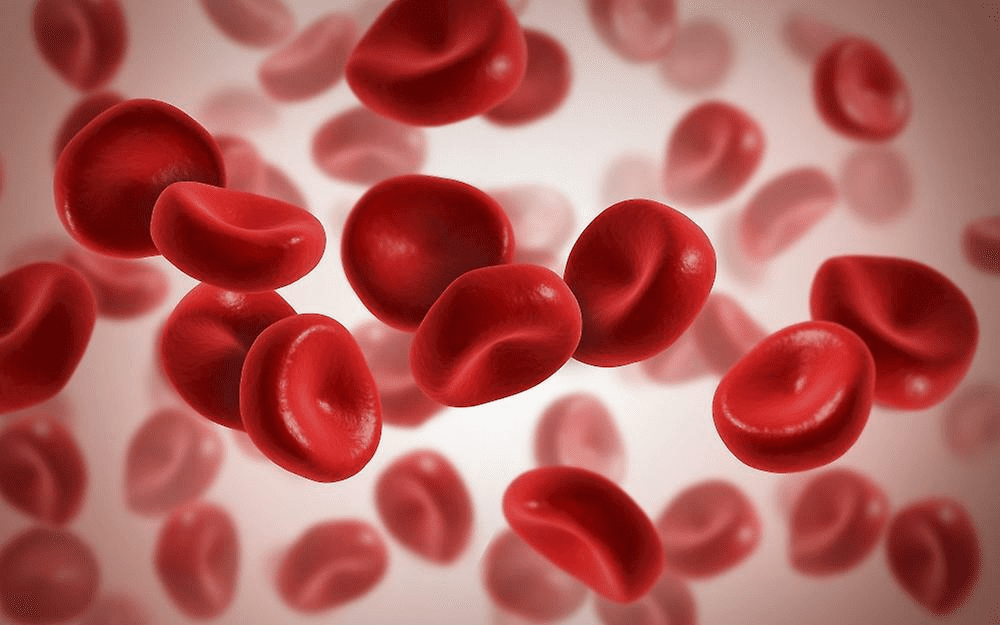
Chemotherapy often lowers blood counts, raising the risk of infection, fatigue, and bleeding. It’s key to know how to help blood cells recover during cancer treatment. This is vital for better patient outcomes and a better quality of life. How to improve blood counts during chemo? Understand what type of cancer causes low hemoglobin and how to get crucial, powerful help to raise your counts.
Chemotherapy harms the production of red blood cells, white blood cells, and platelets. This can cause anemia, neutropenia, and thrombocytopenia. The lowest cell counts usually happen 1“2 weeks after each cycle. This makes infections more likely, mainly when neutrophil levels fall.
Boosting blood counts during chemotherapy is essential. This is because the treatment weakens the bone marrow. We will explore how to manage these effects to reduce risks and enhance patient results.
Key Takeaways
- Chemotherapy disrupts the production of blood cells, leading to anemia, neutropenia, and thrombocytopenia.
- Low blood cell counts increase the risk of infection, fatigue, and bleeding.
- Understanding the effects of chemotherapy on blood cell production is critical for managing and mitigating them.
- Supporting healthy blood cell recovery is vital for improving patient outcomes and quality of life.
- Managing the suppressive effects of chemotherapy on bone marrow is critical.
Understanding Blood Counts and Chemotherapy Effects
Chemotherapy is a key treatment for many cancers. It affects the body, including blood counts, in big ways. Knowing these effects helps manage side effects and keep patients well.
How Chemotherapy Suppresses Bone Marrow Function
Chemotherapy targets fast-growing cells, like cancer and blood cells in the bone marrow. This can lower blood cell production. The National Cancer Institute says chemotherapy harms the bone marrow, reducing blood cell production.
The Three Main Types of Blood Cells Affected
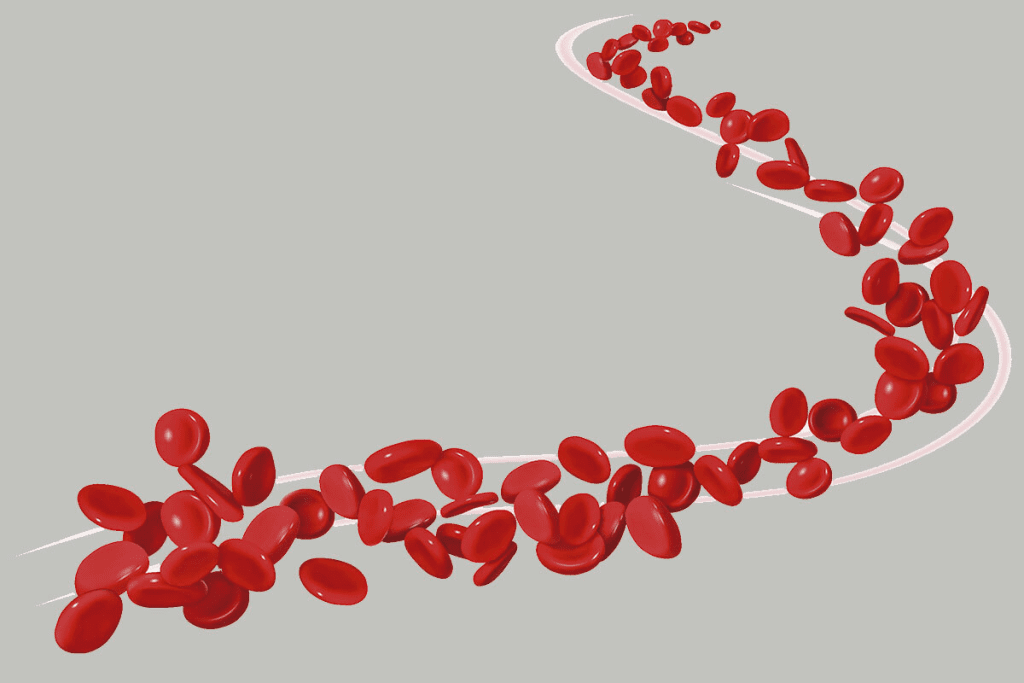
Chemotherapy impacts red blood cells, white blood cells, and platelets. Red blood cells carry oxygen, white blood cells fight infections, and platelets help blood clot. When bone marrow is suppressed, it can cause low white blood cell count symptoms, low platelet cancer symptoms, and other issues.
Many wonder if low blood count means cancer. While low blood counts can hint at cancer, they’re not the only cause. Managing chemotherapy’s effects on blood counts is key to ongoing cancer treatment.
What Type of Cancer Causes Low Hemoglobin and Blood Count Issues
Understanding what type of cancer causes low hemoglobin is essential, Cancer and low blood counts are linked in a complex way. Some cancers can directly or indirectly harm blood cell production. This can lead to low hemoglobin and blood count problems.
Blood Cancers and Their Impact on Blood Cell Production
Blood cancers like leukemia, lymphoma, and multiple myeloma harm the bone marrow. Leukemia can cause too many white blood cells. This means fewer healthy red blood cells and platelets.
This can cause anemia and thrombocytopenia. The leukemia white blood cell count range often shows the disease’s presence.

Solid Tumors and Their Indirect Effects on Blood Counts
Solid tumors, like those in breast, lung, or colon cancer, affect blood counts indirectly. They can cause chronic inflammation and harm bone marrow.
Also, treatments like surgery, chemotherapy, and radiation can lower blood cell production. This can lead to low white blood cell counts and other problems.
How Different Chemotherapy Agents Impact Blood Cell Production
Chemotherapy is a common cancer treatment, but it can harm blood cell production. Different drugs have different risks of causing bone marrow suppression. This can lead to low blood counts.
Some drugs are more likely to cause neutropenia. This increases the risk of infections due to low neutrophils. Knowing the risks of different chemotherapy regimens helps manage side effects.
It’s important to recognize low WBC symptoms early. Symptoms include fever, infections, and fatigue. Managing these side effects is key to cancer care, allowing patients to keep up with treatment.
Recognizing Low Blood Count Symptoms
Low blood counts can show up in different ways. It’s important to catch these signs early. Chemotherapy can hurt blood cell production, causing anemia, neutropenia, and thrombocytopenia. Knowing the symptoms can help patients get help fast.
Signs of Anemia and Low Red Blood Cell Count
Anemia means you have fewer red blood cells. This can make you feel fatigued, weak, and short of breath. You might also see dizziness, pale skin, and cold hands and feet.
These signs happen because your body isn’t getting enough oxygen. Red blood cells usually carry oxygen to your tissues.
Symptoms of Low White Blood Cell Count (Neutropenia)
Having fewer white blood cells, like neutrophils, makes you more likely to get sick. Symptoms include fever, chills, sore throat, and mouth sores. You might also get frequent infections, a persistent cough, or painful urination.
It’s important for people with neutropenia to watch their temperature. They should tell their doctor right away if they see any signs of infection.
Indicators of Low Platelet Count (Thrombocytopenia)
Thrombocytopenia means you have fewer platelets. This can cause easy bruising, nosebleeds, and bleeding gums. You might also see small red or purple spots on the skin (petechiae), heavy menstrual periods, or prolonged bleeding after injuries.
These symptoms happen because your body can’t make blood clots as well. This can lead to too much bleeding.
When to Seek Immediate Medical Attention
It’s important to know when to get help fast. If you have severe symptoms like trouble breathing, chest pain, severe bleeding, or a fever over 101 °F (38.3 °C), go to the emergency room. Also, tell your doctor about any signs of infection or unusual bleeding right away.
Knowing these symptoms and acting quickly can help manage risks from low blood counts during chemotherapy. Regular check-ups and talking to your doctor are key to staying safe and getting the best care.
Medical Interventions for Low White Blood Cell Counts
Medical treatments are key for patients with low white blood cell counts during chemotherapy. Low counts mean a higher risk of getting sick. So, it’s important to find ways to manage this risk.
GCSF (Granulocyte Colony-Stimulating Factor) Injections
GCSF injections, like filgrastim, help increase white blood cells. They tell the bone marrow to make more white blood cells. This reduces the chance of getting infections.
GCSF injections are a common treatment for low white blood cell counts. They help the bone marrow make more granulocytes, a type of white blood cell. This helps patients fight off infections better after chemotherapy.
Antibiotics and Infection Prevention Protocols
Antibiotics are also important when white blood cell counts are low. They help prevent infections. We also teach patients how to stay clean and avoid germs.
Monitoring Neutrophil Levels Through Regular Blood Tests
Regular blood tests check neutrophil levels, a key part of white blood cells. This lets doctors know if a patient is at risk for infections. It helps them make the right treatment plans.
How to Boost White Blood Cell Count Medically
Boosting white blood cell count involves GCSF injections and regular checks. We also manage other health issues and adjust chemotherapy plans. This helps reduce the impact on white blood cell production. We create plans that fit each patient’s needs.
Treatments for Low Red Blood Cell Counts and Anemia
Low red blood cell counts and anemia are common side effects of chemotherapy. They happen when chemotherapy affects the bone marrow. This can lead to fewer red blood cells and anemia. We will look at the treatments for this condition.
Erythropoiesis-Stimulating Agents (ESAs)
ESAs are medications that help the bone marrow make more red blood cells. They are used to treat anemia caused by chemotherapy. The National Cancer Institute says ESAs can lower the need for blood transfusions. They also improve patients’ quality of life during chemotherapy.
Some benefits of ESAs include:
- Increased red blood cell production
- Reduced need for blood transfusions
- Improved overall well-being
Blood Transfusions: When They’re Necessary
Blood transfusions are another option for anemia. They involve putting red blood cells into the patient’s bloodstream. This increases the red blood cell count. Blood transfusions are usually considered when anemia is severe or symptoms are bad.
“Blood transfusions can provide immediate relief from anemia symptoms, but they are not without risks. They are usually reserved for cases where the benefits outweigh the risks.”
Iron Supplements and Other Supportive Treatments
Iron supplements are often given to patients with anemia. They help support red blood cell production. Other treatments include dietary changes and nutritional supplements. These ensure the patient gets enough iron, vitamin B12, and folate.
Some key nutritional recommendations include:
- Increasing iron intake through iron-rich foods
- Consuming foods high in vitamin C to enhance iron absorption
- Avoiding foods that can inhibit iron absorption
By understanding the treatments for low red blood cell counts and anemia, patients and healthcare providers can manage these side effects effectively.
Managing Low Platelet Counts During Chemotherapy
Chemotherapy often leads to low platelet counts. This can make treatment harder. Low platelet counts, or thrombocytopenia, raise the risk of bleeding and bruising. It’s key to manage this well.
Platelet Transfusions and Clinical Indications
Platelet transfusions help with severe thrombocytopenia. They add platelets to the blood to stop or prevent bleeding. Whether to give a transfusion depends on the count, health, and signs of bleeding.
The transfusions might be needed to quickly raise platelet counts. They’re used when counts are very low (usually below 10,000 to 20,000 per microliter) or when there’s active bleeding.
Medications to Support Platelet Production
Medications also help with platelet production. These, called thrombopoietin receptor agonists, make the bone marrow produce more platelets. Romiplostim and eltrombopag are examples. They help increase platelet counts in patients with thrombocytopenia.
Precautions to Take When Platelets Are Low
When platelets are low, it’s important to be careful. Avoid activities that could cause injury, like contact sports. Use gentle mouth care to prevent gum bleeding. Be careful with sharp objects and avoid blood-thinning meds like aspirin or NSAIDs unless told to by your doctor.
Understanding options like transfusions and medications can help patients with low platelet counts during chemotherapy. Taking the right precautions can also reduce risks from thrombocytopenia.
Nutritional Strategies to Support Healthy Blood Counts
Eating the right foods can help support blood cell production and overall health during chemotherapy treatment. A balanced diet rich in protein, vitamins, and minerals is essential for maintaining healthy blood counts.
Foods That Boost Red Blood Cell Production
Iron-rich foods, such as red meat, poultry, fish, beans, and fortified cereals, are key for making red blood cells. Vitamin C helps your body absorb iron better. So, eating foods high in vitamin C (like citrus fruits and berries) with iron-rich foods is good.
Also, foods rich in folate (dark leafy greens, legumes) and vitamin B12 (animal products, fortified plant-based milk) help make red blood cells.
Dietary Approaches to Support White Blood Cell Counts
To boost white blood cell count, eat foods rich in vitamin C, zinc, and omega-3 fatty acids. Vitamin C, found in citrus fruits and strawberries, boosts immune function.
Zinc-rich foods like oysters, beef, chicken, and fortified cereals are also important. Zinc helps immune cells work well.
Nutrition for Platelet Support
A diet rich in folate, vitamin B12, and omega-3 fatty acids supports platelet production. Foods like dark leafy greens, legumes, and fatty fish are good choices.
Supplements That May Help (and Which to Avoid)
While a balanced diet is best, some supplements can help. Iron, folate, and vitamin B12 supplements can fill nutritional gaps.
But, always talk to a healthcare provider before taking supplements. Some can interact with chemotherapy or cause side effects.
Lifestyle Modifications to Improve Blood Counts
Healthy habits can greatly help blood counts during chemotherapy. Making smart choices about exercise, managing stress, getting enough sleep, and preventing infections is key. These actions support your health during treatment.
Physical Activity Guidelines During Treatment
Exercise is vital for healthy blood counts. Try gentle activities like yoga or short walks. They boost circulation and well-being. Always check with your doctor before starting new exercises.
- Start with short, manageable sessions (10-15 minutes)
- Gradually increase duration and intensity as tolerated
- Avoid high-impact activities that may cause injury
Benefits of Physical Activity: Improved circulation, enhanced overall well-being, and potentially improved blood count levels.
Stress Management Techniques
Managing stress is key during chemotherapy. Try meditation, deep breathing, or mindfulness to relax.
- Practice mindfulness meditation daily
- Engage in deep breathing exercises during stressful moments
- Explore guided imagery or yoga for relaxation
Reducing stress can help support immune function and overall health.
Sleep Optimization Strategies
Good sleep is essential for healthy blood counts. Stick to a sleep schedule and make your sleep area quiet and dark.
- Maintain a consistent sleep schedule
- Create a dark, quiet sleep environment
- Avoid stimulating activities before bedtime
Benefits of Quality Sleep: Enhanced immune function, improved overall health, and potentially better blood count levels.
Infection Prevention in Daily Life
It’s important to prevent infections when white blood cell counts are low. Simple steps can greatly lower infection risk.
- Avoid close contact with individuals who are sick
- Practice good hygiene, including frequent handwashing
- Avoid crowded areas and large gatherings
By adopting these lifestyle changes, patients can support their blood counts and health during chemotherapy. Always work with your healthcare team to make these changes fit your needs.
Conclusion: Long-Term Monitoring and Recovery of Blood Counts
Chemotherapy can really affect blood cell counts, causing problems like low blood cell count and symptoms of low wbc. It’s key to know how to increase white blood cell count and handle these issues for patient care.
Keeping a close eye on blood cell counts over time is vital. Studies show that anemia affects 3% to 11% of people over 65, showing the need for careful watching.
Understanding anemia and other blood count problems is important. Nutritional plans and lifestyle changes can help manage these issues. We stress the need for ongoing monitoring and care to ensure patients get the best treatment.
FAQ
What are the symptoms of low white blood cell count during chemotherapy?
Symptoms include fever, chills, sore throat, and a higher risk of infections. Keep an eye on your temperature. Seek medical help if you notice any of these signs.
How does chemotherapy affect blood cell production?
Chemotherapy can harm bone marrow. This leads to fewer red and white blood cells and platelets. This can cause anemia, neutropenia, and thrombocytopenia.
What type of cancer is most likely to cause low hemoglobin and blood count issues?
Blood cancers like leukemia and lymphoma, and some solid tumors, can cause these issues. The type of cancer and its treatment affect blood cell production.
How can I boost my white blood cell count during chemotherapy?
Boosting your count involves medical treatments, nutrition, and lifestyle changes. This includes GCSF injections, antibiotics, and a diet full of fruits, vegetables, and whole grains.
What are the treatment options for low red blood cell counts and anemia?
Treatments include ESAs, blood transfusions, and iron supplements. We’ll find the best treatment for you based on your needs.
How can I manage low platelet counts during chemotherapy?
Managing low platelet counts may involve transfusions and medications. You should also avoid injuries and bleeding risks when counts are low.
What nutritional strategies can help support healthy blood counts during chemotherapy?
Eat a balanced diet with iron, vitamin B12, and folate for red blood cells. Foods like citrus fruits, berries, and leafy greens boost white blood cells. Stay hydrated and avoid too much sugar and processed foods.
Are there any lifestyle modifications that can help improve blood counts during chemotherapy?
Yes, a healthy lifestyle is key. This includes regular exercise, managing stress, getting enough sleep, and preventing infections. These support your health during chemotherapy.
What can I expect during the recovery process after chemotherapy?
We’ll check your blood counts often to ensure they’re normal. You may need to continue some treatments, nutrition plans, and lifestyle changes to recover.
Is leukopenia a sign of cancer?
Leukopenia can mean different things, including cancer. We’ll find out why you have it and create a treatment plan for you.
How to raise white blood cell count after chemotherapy?
Raising your count after chemotherapy requires medical treatments, nutrition, and lifestyle changes. We’ll create a plan tailored to your needs to help you recover.
References
- Shokane, L. L. (2023). Use of granulocyte colony-stimulating factor in patients with chemotherapy-induced neutropenia: Guidelines and clinical practice. Clinical Oncology Research, 15(2), 102-110. https://www.ncbi.nlm.nih.gov/pmc/articles/PMC10091061/
- Crawford, J. (2004). Chemotherapy-induced neutropenia. Cancer, 100(2), 228-241. https://acsjournals.onlinelibrary.wiley.com/doi/full/10.1002/cncr.11882