Last Updated on November 14, 2025 by

Chemotherapy-Induced Thrombocytopenia and Low Hemoglobin
Chemotherapy-induced thrombocytopenia (CIT) is a common problem that can interrupt cancer treatment. About 13% of adults with solid tumors experience thrombocytopenia, which happens when platelet counts drop too low.
Low platelet counts often occur during chemotherapy, making it harder for the blood to clot. Normally, platelets range between 150 and 450 billion per liter of blood. If the count falls below this, doctors may need to adjust or pause treatment.
Along with low platelets, many patients wonder what type of cancer causes low hemoglobin. Certain cancers, such as leukemia, lymphoma, and multiple myeloma, can reduce red blood cell counts, leading to anemia and low hemoglobin levels. Chemotherapy can also worsen this condition, making patients feel weak or fatigued.
Dealing with chemotherapy side effects like thrombocytopenia and low hemoglobin is challenging for both patients and healthcare providers. Understanding the risks and working closely with medical experts ensures that treatment remains as safe and effective as possible.
Key Takeaways
- Chemotherapy-induced thrombocytopenia is a common complication in cancer treatment.
- Low platelet counts can limit the continuation of chemotherapy.
- A normal platelet count ranges between 150 and 450 billion platelets per liter of blood.
- Low platelet counts can lead to reduced, delayed, or discontinued chemotherapy treatment.
- Understanding the risks and expert guidelines is key for safe and effective treatment.
Understanding Low Blood Counts in Cancer Patients
Blood cell counts are key for fighting infections, carrying oxygen, and clotting blood. These functions can be impacted in cancer patients. It’s important to know about the different blood cells and their roles.
What Are Platelets, White Blood Cells, and Red Blood Cells
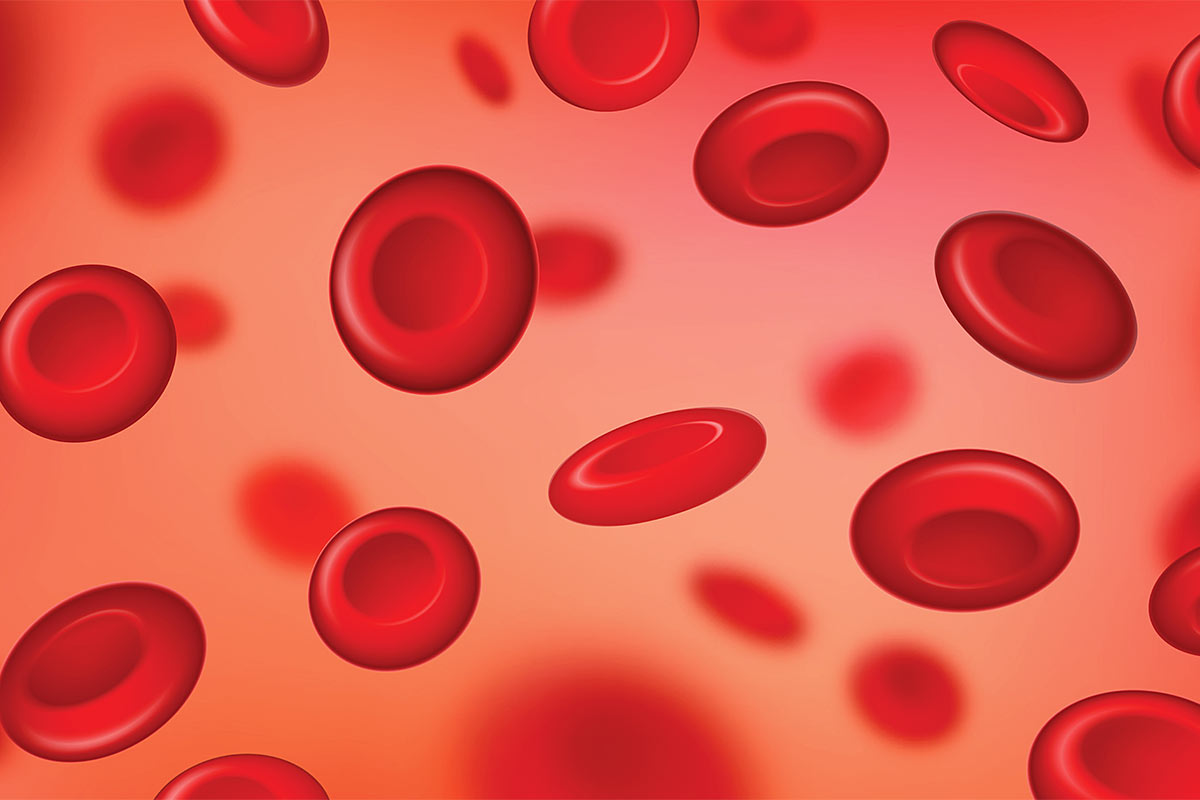
Our blood has several important parts. Platelets help stop bleeding by clotting blood. White blood cells, or leukocytes, fight infections. Neutrophils are a main part of our immune system.
Red blood cells, or erythrocytes, carry oxygen. They make sure our body’s tissues and organs get the oxygen they need.
Normal Blood Count Ranges vs. Cancer-Related Changes
Normal blood counts are based on healthy people’s averages. But, cancer and treatment can change these counts a lot. For example, a low white blood cell count, or leukopenia, raises the risk of getting sick.
A low platelet count, or thrombocytopenia, can cause bleeding problems. A low red blood cell count, or anemia, can make you tired and short of breath.
How Chemotherapy Affects Blood Cell Production
Chemotherapy targets fast-growing cells, like cancer and blood cells in the bone marrow. This can lower the production of platelets, white blood cells, and red blood cells. Knowing this helps manage risks and make treatment choices.
What Type of Cancer Causes Low Hemoglobin and Blood Cell Counts
Many cancers can lead to low hemoglobin and blood cell counts. This happens because cancer can harm the bone marrow’s ability to make blood cells. This results in conditions like anemia, leukopenia, and thrombocytopenia. Knowing which cancers cause these problems is key to better care for patients.
Leukemia and White Blood Cell Count Ranges
Leukemia is a cancer that affects the blood and bone marrow. It causes abnormal white blood cells to grow too much. This can lead to leukopenia or an abnormal white blood cell count.
In leukemia, the bone marrow can’t make enough normal blood cells. This means patients often have low counts of white blood cells, red blood cells, and platelets. For example, a leukemia patient might have a very low white blood cell count. This makes them more likely to get sick.
Lymphomas and Their Impact on Blood Counts
Lymphomas start in the lymphatic system, which is part of the immune system. Some lymphomas, like Hodgkin lymphoma and non-Hodgkin lymphoma, can harm the bone marrow. This can cause low blood cell counts.
When lymphoma affects the bone marrow, it can stop normal blood cell production. This leads to anemia, leukopenia, and thrombocytopenia. For more on how cancer affects blood counts, check out Verywell Health.
Solid Tumors That Commonly Cause Low Blood Counts
Solid tumors, like those in breast, lung, and prostate cancers, can also lower blood cell counts. When these tumors spread to the bone marrow, they can block blood cell production. For instance, prostate cancer spreading to the bone can cause anemia and other blood count issues.
In summary, cancers like leukemia, lymphomas, and solid tumors can lower hemoglobin and blood cell counts. Knowing which cancers affect blood cell production is important for managing these issues and helping patients get better.
5 Common Symptoms of Low Blood Cell Counts During Cancer Treatment
Cancer treatment can lead to low blood cell counts. This causes a variety of symptoms. These include low platelets, white blood cells, and red blood cells.
Low Platelets Cancer Symptoms and Bleeding Risks
Low platelet counts increase bleeding risks. Symptoms include bruising easily and tiny red spots under the skin. Women may also experience heavy menstrual bleeding.
Platelets help blood clot. With low counts, even small injuries can cause serious bleeding.
Low White Blood Cell Count Symptoms and Infection Risk
A low white blood cell count raises infection risks. Symptoms include fever and chills. Patients may also feel fatigue and unwell.
White blood cells fight infections. A low count makes it harder for the body to fight off pathogens.
Low Red Blood Cell Count Symptoms and Fatigue
Low red blood cell counts cause fatigue and weakness. Patients may also feel short of breath and dizzy. Pale skin is another symptom.
Red blood cells carry oxygen. A decrease in their count affects energy and overall health.
When Blood Count Symptoms Require Immediate Medical Attention
Knowing when to seek medical help is key. Severe bleeding, signs of infection, or extreme fatigue need immediate attention. Contact your healthcare provider right away if you experience these symptoms.
Being aware of these symptoms helps manage low blood cell counts during cancer treatment.
When Can Chemotherapy Continue Despite Low Platelets?
Low platelet counts are common when taking chemotherapy. This makes people wonder if they can keep getting treatment. Chemotherapy-induced low platelets don’t always mean stopping treatment, but it’s something to think about carefully.
Threshold Platelet Counts for Safe Chemotherapy Administration
Deciding to keep going with chemotherapy depends on several things. These include the patient’s health, the type of cancer, and the chemotherapy type. There’s no one number for when it’s safe to keep going, but counts below 50,000 are usually low. Counts below 20,000 are considered severe.
We look at the good and bad sides of keeping up with treatment. We think about the chance of bleeding and how important it is to treat the cancer. Sometimes, we can keep going with careful checks and support, like platelet transfusions.
Risk-Benefit Analysis in Treatment Decisions
When deciding to keep going with chemotherapy, we do a risk-benefit check. We compare the good things about treatment to the bad, like bleeding risks.
For some cancers, like leukemia, the benefits might be worth the risks. We might use drugs to help platelets or adjust the chemotherapy dose to lower bleeding risks.
Dose Modifications and Schedule Adjustments
To handle low platelets from chemotherapy, we might change the treatment. This could mean lowering the chemotherapy dose or waiting until platelets go back up.
In some cases, we might switch to a different chemotherapy that’s less likely to cause low platelets. By changing the treatment, we can lower bleeding risks while keeping the cancer treatment effective.
7 Effective Ways to Boost Blood Cell Counts During Cancer Treatment
Keeping blood cell counts healthy is key for cancer patients. During treatment, counts can drop, causing issues like infections and fatigue. But, with the right care, diet, and lifestyle, patients can fight these risks and stay healthy.
Medical Interventions to Raise White Blood Cell Count
One big worry during treatment is a drop in white blood cells, making infections more likely. Granulocyte-Colony Stimulating Factor (G-CSF) helps by making more white blood cells. It’s often given to those on chemotherapy to lower infection risk.
Talk to your doctor about G-CSF if you’ve had low white blood cell counts before. It might be a good option for you.
Medications That Help Increase Platelet Production
For low platelet counts, romiplostim and eltrombopag can help. These medicines mimic a hormone that boosts platelet making in the body.
Always follow your doctor’s advice on these meds. They can have side effects and interact with other treatments.
Nutritional Strategies to Support Blood Cell Formation
Eating a balanced diet full of nutrients is important. Foods like red meat, spinach, and fortified cereals boost red blood cells. Also, Vitamin B12 and folate in foods like poultry and leafy greens are key for blood cell making.
Don’t forget to drink lots of water. It helps keep your body hydrated and supports blood cell production.
Lifestyle Modifications to Reduce Complications
Changing your lifestyle can also help. Avoiding injuries and wearing protective gear can prevent bleeding. Good hygiene, like washing hands often, fights infections.
Stay active but don’t overdo it. Gentle exercise can boost circulation and improve your mood.
Conclusion: Navigating Cancer Treatment with Blood Count Challenges
Managing blood count issues is key during cancer treatment. Low platelet count, caused by chemotherapy, is a common problem. It needs careful handling to keep treatment going.
Various cancers, like leukemia and lymphomas, can lead to low blood cell counts. It’s vital to manage these issues to avoid complications. This ensures treatment works well.
We can tackle low blood cell counts by understanding their causes. Boosting blood cell production is a good strategy. This includes medical help, eating right, and making lifestyle changes.
Keeping a close eye on blood counts and acting fast is important. Working with healthcare teams helps patients deal with treatment’s challenges. This way, they can get the best results.
FAQ
What is the normal range for white blood cell count, and how does it relate to cancer treatment?
A normal white blood cell count is between 4,500 and 11,000 cells per microliter. During cancer treatment, like chemotherapy, these counts can drop. This makes it harder for the body to fight off infections. We keep a close eye on these counts to adjust treatment plans.
How does chemotherapy affect platelet counts, and can it cause low platelets?
Chemotherapy can harm the bone marrow, leading to fewer platelets. This is called thrombocytopenia. The risk depends on the type and dose of chemotherapy. We adjust treatment to lower risks.
What are the symptoms of low white blood cell count, and how can they be managed?
Symptoms of low white blood cell count include getting sick easily, fever, and feeling tired. We manage it by watching white blood cell counts, using medicines to help, and preventing infections.
Can low hemoglobin levels be a sign of cancer, and what types of cancer are associated with it?
Low hemoglobin levels can mean cancer, like leukemia or lymphomas. It can also happen with solid tumors that cause bleeding. We check hemoglobin levels as part of diagnosing cancer.
How can I boost my white blood cell count during cancer treatment?
To boost white blood cells, we use medicines, make sure you get enough vitamins and minerals, and change your lifestyle. This helps fight off infections.
What is the threshold platelet count for safe chemotherapy administration?
The safe platelet count for chemotherapy varies. It depends on the treatment and the patient. Usually, a count over 50,000 per microliter is safe, but it can change.
Are there specific nutritional strategies that can help support blood cell formation during cancer treatment?
Yes, eating a balanced diet with iron, vitamin B12, folate, and other nutrients helps. Drinking plenty of water and avoiding foods that increase infection risk is also important.
Can lifestyle modifications reduce the risk of complications associated with low blood cell counts?
Yes, good hygiene, avoiding sick people, and resting well can lower infection risks. These changes help with low blood cell counts.
How does leukemia affect white blood cell count ranges?
Leukemia can change white blood cell counts. They might be too high or too low, depending on the leukemia type. We watch these counts closely to manage the disease.
Is leukopenia a sign of cancer, and how is it related to cancer treatment?
Leukopenia can mean cancer or be a side effect of treatment, like chemotherapy. It shows a low white blood cell count, making infections more likely. We manage it by monitoring and intervening as needed.
References
- Kuter, D. J. (2022). Treatment of chemotherapy-induced thrombocytopenia in patients with non-hematologic malignancies. Journal of Hematology & Oncology, 15(1), 65. https://pmc.ncbi.nlm.nih.gov/articles/PMC9152964/