Last Updated on December 3, 2025 by
Before a CT scan, it’s important to follow certain rules. This ensures your safety and the scan’s accuracy. A CT scan uses advanced technology to show detailed images inside your body. It helps doctors diagnose and treat many health issues.
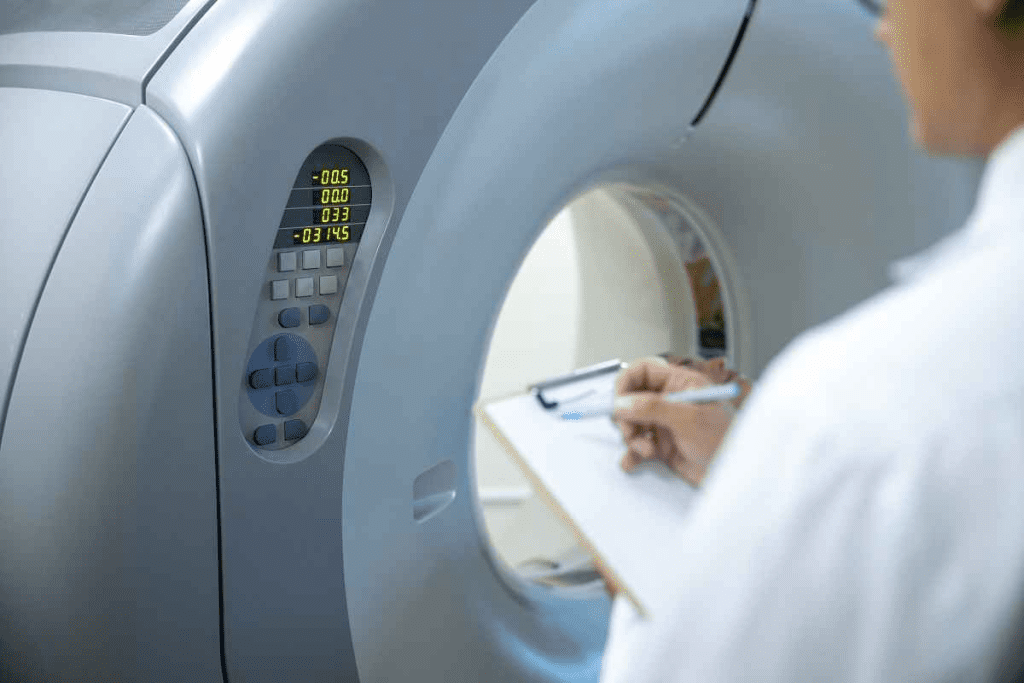
To get the best results, you need to take some precautions. We suggest not eating solid food for at least four hours before the scan. Also, tell your healthcare team about any allergies or medicines you’re taking. These steps help make your CT scan successful and your recovery easier.
Key Takeaways
- Avoid eating solid food for at least four hours before the CT scan.
- Inform your care team about any allergies or medications.
- Follow specific guidelines to ensure safety and accuracy.
- A CT scan provides detailed images of internal body structures.
- Proper preparation is key to a correct diagnosis.
Understanding CT Scan Preparation Requirements
The success of a CT scan depends on how well a patient prepares. Following the right steps is key for clear images and accurate diagnosis.
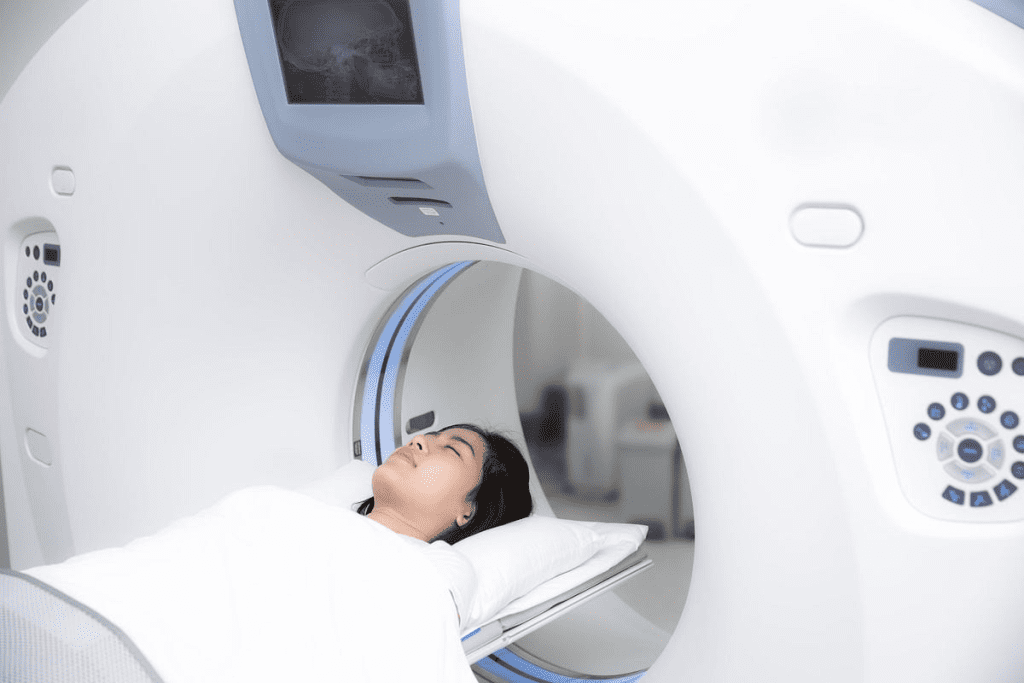
It’s vital to follow these guidelines for clear and useful images. Proper preparation directly impacts scan quality. It helps avoid repeat scans and reduces risks.
Why Proper Preparation Directly Impacts Scan Quality
When patients prepare correctly, the CT scan images are top-notch. This means not eating solid food for at least 4 hours before the procedure. UCSF and Northern Nevada Medical Center recommend this.
These steps reduce scan delays and image problems. They also lower the chance of bad reactions, like with contrast agents.
How Ignoring Guidelines Affects Your Results
Ignoring guidelines can mean poor image quality, needing a scan redo. Medical data shows skipping these can cause scan delays, image artifacts, or increased risks for adverse reactions.
Not following dietary rules can cause problems, such as with abdominal and pelvic scans. We help patients understand and follow these guidelines for the best results.
Don’t Eat Solid Foods: Dietary Restrictions Explained
To get accurate results from a CT scan, following certain dietary guidelines is key. These rules are important, mainly for scans of the belly and pelvis. Knowing them helps get clear and precise images.
The critical 4-hour fasting window before your scan
Fasting is often needed before a CT scan to get clear images. Patients usually need to fast for at least 4 hours before their scan. This helps avoid image problems caused by food in the stomach.
For scans of the belly or pelvis, fasting might last longer or include more rules. It’s important to stick to these guidelines to avoid rescheduling your scan.
Clear liquids: What’s permitted and until when
While you can’t eat solid foods before a CT scan, clear liquids are okay up to 2 hours before. Clear liquids include water, clear broths, and some sports drinks. Always check with your doctor about what clear liquids are okay and when.
Foods that can interfere with abdominal and pelvic imaging
Some foods can mess up CT scan images, more so for belly and pelvis scans. Foods high in fiber, fat, or gas can cause problems. For belly scans, you might need to stop eating solid foods the night before.
By following these dietary rules, you help make your CT scan go smoothly. This ensures the images are as clear as they can be.
Never Take These Medications Before a CT Scan
Some medications can affect how safe and effective your CT scan is, mainly when contrast agents are used. It’s key to know which ones to avoid or handle with care before your scan. This helps get accurate results and avoids possible problems.
Metformin Restrictions with Contrast Studies
If you take metformin for diabetes, be careful with CT scans that use contrast. Stop taking metformin at the time of or before the scan, and don’t start it again for 48 hours if you had IV contrast. This is because metformin and contrast agents together can raise the risk of lactic acidosis, a dangerous condition.
The 48-Hour Post-Contrast Medication Protocol
After a CT scan with contrast, it’s important to wait 48 hours before taking metformin again. This gives your kidneys time to clear the contrast without risking metformin buildup. Keep an eye on your blood sugar levels during this time and talk to your doctor if you notice anything odd.
Other Medications That May Interfere with Imaging
Other than metformin, some medications can also impact your CT scan. These include:
- Certain antibiotics may interact with contrast agents.
- Anti-diabetic medications other than metformin could affect your blood sugar levels during the scan.
- Medications containing barium that might interfere with abdominal or pelvic imaging.
Telling your healthcare provider about all your medications is very important for your safety during the CT scan. They can give you specific advice on managing your medications before and after the test.

Knowing which medications to avoid before a CT scan and following the right protocols can make your imaging experience safe and successful.
Avoid Mistakes With Contrast Agents for Your CT Scan
Contrast agents are key to better CT scan images. But, they must be used with care. They greatly help in diagnosing, mainly for the belly and pelvic areas.
Don’t Skip Oral Contrast for Abdominal/Pelvic Imaging
Oral contrast is taken by mouth to see the digestive tract on a CT scan. It’s vital for belly and pelvic scans. Without it, seeing the gut clearly can be hard, leading to wrong diagnoses.
“The use of oral contrast is a critical component of CT scan preparation for abdominal and pelvic imaging,” says it’s very important for these scans.
Never Hide Allergies to Iodine or Contrast Dyes
Tell your doctor about any iodine or contrast dye allergies before a CT scan. Allergic reactions can be mild or severe. If you’ve had allergies before, tell your doctor to keep you safe.
For a CT scan with contrast, the dye is given through an IV. This dye makes your insides show up better on the scan.
Timing Errors That Compromise Contrast Effectiveness
When contrast is given, it is very important for good images. If it’s not timed right, the scan might not be as clear. We plan the timing carefully to get the best images.
We stick to a strict plan to avoid timing mistakes. This way, the contrast is given at the perfect time, giving us clear images for accurate diagnoses.
Don’t Wear These Items to Your Imaging Appointment
Some personal items can mess up your CT scan. Knowing what to avoid is key. When you get to your imaging appointment, we want you to be ready for the best CT scan results.
Jewelry and Metal Objects: Why They Must Be Removed
Jewelry and metal objects can ruin your CT scan images. Metal can cause artifacts in the images, making it hard for our radiologists to read them correctly. We ask you to take off all jewelry, like necklaces and earrings, before your scan.
Also, metal objects can set off security alarms. This might slow down your appointment. To avoid delays, leave all metal items at home or be ready to remove them when you arrive.
Clothing with Metal Components to Avoid
Clothing with metal parts can also mess up your CT scan. Clothing with zippers, buckles, or other metal parts might need to be removed or adjusted. To make things easier, wear simple, metal-free clothes to your appointment.
If you have clothes with metal, don’t worry. We’ll find a way to make it work. But wearing metal-free clothes can make things smoother.
Electronic Devices and Their Interference with CT Equipment
Electronic devices usually aren’t a big deal for CT scans. But it’s important to follow our rules. Some electronic devices might mess with our CT equipment, but it’s rare. We ask you to leave any extra electronic devices at home to avoid problems.
If you have a medical device like a pacemaker or implant, tell us ahead of time. We’ll make sure your CT scan is safe and works well.
Health Information You Should Never Withhold
Before getting a CT scan, it’s important to share all health details. This ensures your safety and the success of the scan. Your doctor needs to know everything about your health to make the best decisions for you.
Pregnancy Status: Critical Safety Concerns
If you’re pregnant or think you might be, tell your doctor right away. The risks of radiation from a CT scan are high for pregnant women. Telling your doctor about your pregnancy is key to your safety and your baby’s. They will decide if the scan is needed and look for safer options.
A study showed how important it is to share pregnancy news. “Not telling about pregnancy can lead to harmful radiation,” so it’s always safer to be open about it.
Previous Adverse Reactions to Imaging Procedures
Any bad reactions to imaging tests, like contrast agents, need to be reported to your doctor. These reactions can change what contrast agents are used or if they’re used at all. Your history helps your doctor make the scan safer for you.
- Share any allergies to contrast dyes or medicines.
- Talk about any side effects from past imaging tests.
- Let your doctor know about any sensitivities or conditions that might affect the scan.
Medical Conditions That Require Scan Modifications
Some health issues might need changes to the CT scan. For example, diabetes, kidney disease, or heart problems can affect the scan, especially if contrast agents are used. Telling your doctor about these conditions helps them make the scan safer for you.
People with kidney disease might need to drink more water before getting contrast agents. This helps prevent kidney problems. Your doctor will create a plan that fits your needs.
Sharing your health information is important for a safe and effective CT scan. Your help is essential for getting accurate results and the right care.
Common CT Scan Preparation Errors That Cause Delays
Knowing the common mistakes in CT scan prep can help patients avoid delays. Getting ready for a CT scan is more than just showing up. It’s about following specific steps to make sure the scan goes smoothly.
Arriving Dehydrated: Impact on Contrast Studies
Being dehydrated can really affect the quality of contrast studies in a CT scan. Dehydration can make the contrast agent less effective, which means clearer images are harder to get. We suggest drinking lots of water before your scan, unless your doctor tells you not to.
Ignoring Arrival Time Requirements
Not following arrival times is a big mistake that can cause delays. Many patients need to arrive early to do paperwork, change, and get instructions. Showing up late can mess up the schedule and might mean rescheduling. We recommend arriving on time, as told by the imaging center.
Failing to Complete Prerequisite Testing
Not doing prerequisite testing is a big error that can cause delays or even cancel the scan. Some tests or diets are needed for the scan to be safe and work well. Patients must do what their doctor says to avoid problems.
To avoid these mistakes, patients should:
- Stay hydrated before the scan, unless told not to.
- Arrive on time for all prep work.
- Follow all instructions for tests and diets.
By knowing these common mistakes and avoiding them, patients can help their CT scan go smoothly without delays.
Conclusion: Ensuring Your CT Scan Proceeds Safely and Efficiently
Getting ready right is key to top-notch images and a smooth scan. By following the tips in this article, we can make sure our CT scan goes well.
We talked about the need to stick to diet rules, skip certain meds, and share health info. This helps our healthcare team get the info they need. It makes the CT scan process better and faster.
To get the most from your CT scan, follow these tips: drink water, wear comfy clothes without metal, and arrive on time. These steps help make sure your CT scan is safe and efficient. This leads to the best results for you.
FAQ
What is a CT scan, and how does it work?
A CT scan is a high-tech tool that gives detailed images of the body. It helps doctors find and treat health issues.
How long does a CT scan typically take?
A CT scan usually takes a few minutes. This time can change based on the scan type and body area.
What are the dietary restrictions before a CT scan?
For scans of the belly and pelvis, you need to fast for 4 hours. You can have clear liquids, but follow your doctor’s advice.
Can I take my medications before a CT scan?
Some medicines, like metformin, might need special care or avoidance before a CT scan. Always tell your doctor about your medicines.
What is the role of contrast agents in a CT scan?
Contrast agents, like oral contrast, make CT scan images better, mainly for belly and pelvis scans. But, they must be used carefully to avoid bad reactions.
What items should I avoid wearing or bringing to my CT scan appointment?
Remove jewelry and clothes with metal. Also, leave electronic devices behind to avoid interference with the scan.
Why is it important to disclose my pregnancy status before a CT scan?
Telling your doctor if you’re pregnant is key. It keeps you and your baby safe from radiation in CT scans.
What are the common mistakes that can cause delays during CT scan preparation?
Not drinking enough water, ignoring the arrival time, and not doing the needed tests can delay your scan.
How can I ensure a safe and successful CT scan?
Follow the prep guidelines, including diet, medicine, and health info. This helps make your CT scan safe and effective.
What is the difference between a CT scan with contrast and without contrast?
A CT scan with contrast uses a dye for better images. Without contrast, it doesn’t. The choice depends on what the doctor needs to see.
Can I undergo a CT scan if I have a medical condition or allergy?
Some health issues or allergies might need special care or precautions for a CT scan. Always tell your doctor about your health and allergies.
References
- Mehta, S. R., & Mehta, A. (2011). Medications as a cause of unexpected hyperdense intraluminal contents on CT scan. Journal of Radiology Case Reports, 5(2), 29“34. Retrieved from https://pubmed.ncbi.nlm.nih.gov/21459531/