

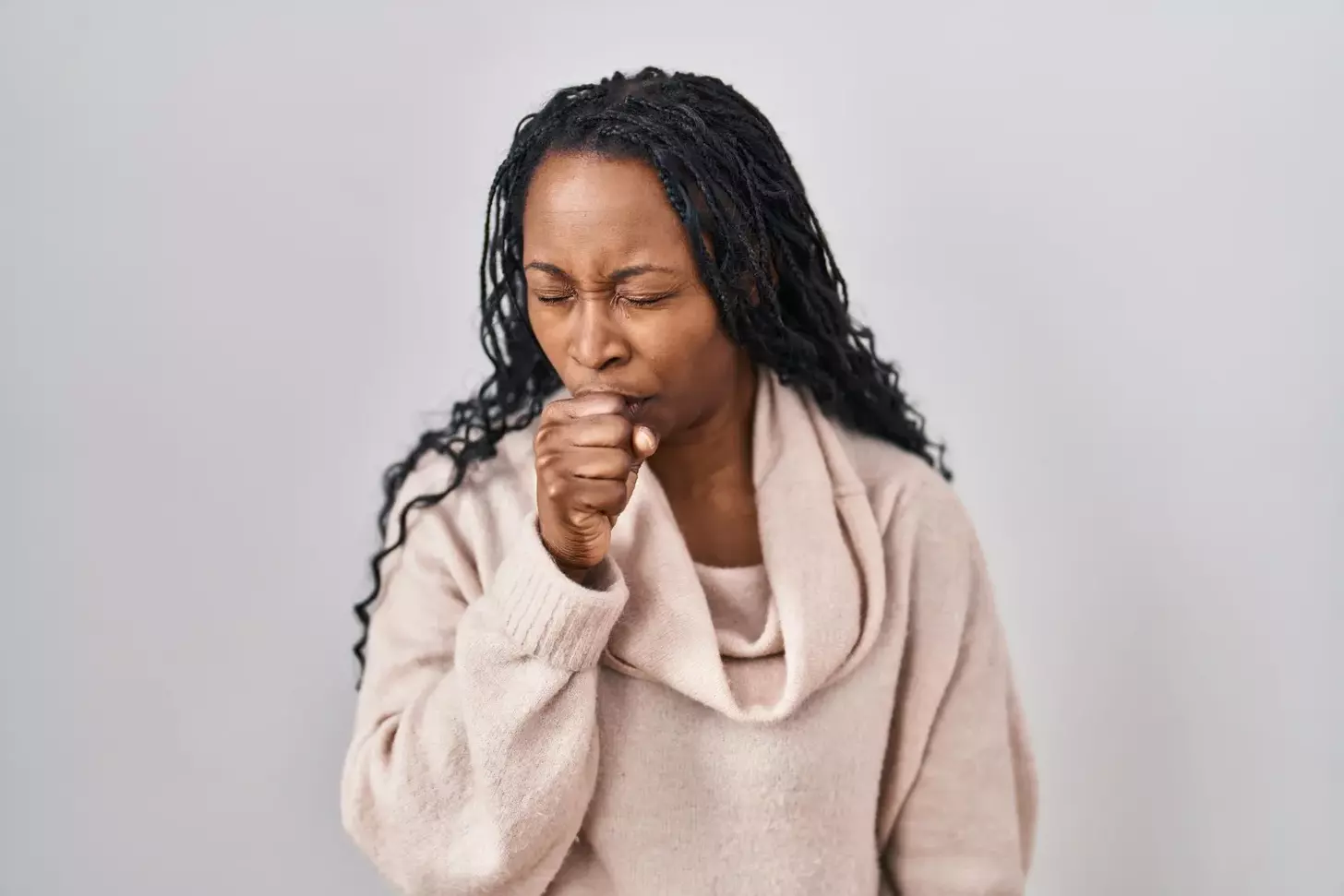
Chemotherapy is a key part of cancer treatment. But, it can cause side effects like a cough that lasts. At Liv Hospital, we know how hard it is for patients and their families when they have a chemo-related cough.
We believe it’s important to know when this cough will go away and how to deal with it. This helps keep patients comfortable and safe while they’re getting treatment. We make sure everyone gets the care they need, tailored just for them.
We want to help those dealing with chemo cough by giving them clear information and support.
Key Takeaways
- Chemotherapy-induced cough is a common side effect affecting up to 30% of patients.
- Understanding the causes and management of chemo cough is key for better patient care.
- Liv Hospital offers personalized help and support to face chemotherapy challenges.
- It’s vital to manage chemo cough symptoms to keep patients comfortable and safe.
- Following internationally recognized care standards is important for dealing with chemo side effects.
Understanding Chemotherapy-Induced Cough
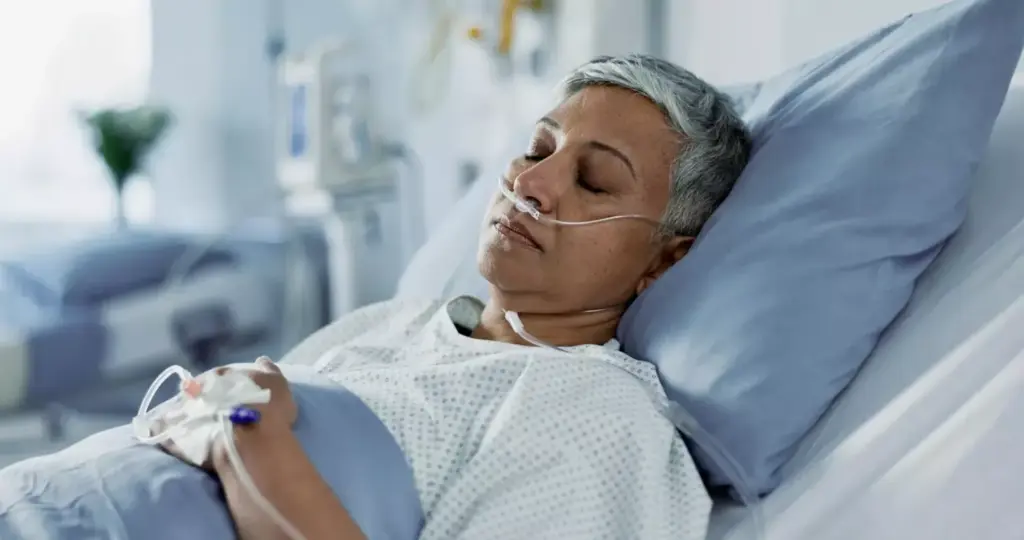
For patients getting chemotherapy, a cough can be a big problem. This cough, known as chemo cough, happens to many cancer patients. It can make life harder.
What Is Chemo Cough?
Chemo cough is a cough that some patients get during or after treatment. It can come from the treatment itself, like irritation in the lungs or weakened immune system. It can also be worse if the patient already has lung problems.
How bad and long-lasting the cough is can depend on the treatment and the patient.
Prevalence and Impact on Quality of Life
Many patients getting chemotherapy cough. This is a common problem that affects their life quality.
Chemo cough can make patients uncomfortable, disrupt sleep, and cause worry. It’s important for doctors to know about this to help patients feel better.
| Aspect | Description | Impact |
|---|---|---|
| Prevalence | Significant number of chemotherapy patients | Common issue among cancer treatment patients |
| Quality of Life | Coughing disrupts daily activities and sleep | Leads to discomfort and anxiety |
| Management | Requires understanding of causes and symptoms | Improves patient outcomes and comfort |
How Chemotherapy Affects the Respiratory System
Chemotherapy can harm the lungs, leading to cough. The drugs can irritate the lungs, causing inflammation and damage.
Immune suppression makes patients more likely to get infections, which can cause cough. If patients already have lung problems, chemotherapy can make them worse.
It’s key to know how chemotherapy affects the lungs to manage chemo cough. By understanding the causes and using the right treatments, doctors can help patients feel better.
Common Causes of Coughing During Chemotherapy

Chemotherapy can cause a range of respiratory problems, including a persistent cough. Knowing the causes is key to managing it well.
Direct Irritation from Chemotherapy Drugs
Chemotherapy drugs can irritate the respiratory tract. This irritation can cause inflammation and coughing. It can happen in the upper airways, trachea, or lungs, depending on the drugs and dosage.
Examples of chemotherapy drugs known to cause respiratory irritation include:
- Bleomycin
- Cyclophosphamide
- Methotrexate
Immune Suppression and Resulting Infections
Chemotherapy weakens the immune system. This makes patients more likely to get infections. Respiratory infections, in particular, can cause coughing.
Common infections during chemotherapy include:
- Pneumonia
- Bronchitis
- Upper respiratory tract infections
Pre-existing Lung Conditions
Patients with lung conditions are more likely to cough during chemotherapy. Conditions like COPD, asthma, or pulmonary fibrosis can get worse with chemotherapy.
| Pre-existing Condition | Potential Impact During Chemotherapy |
|---|---|
| COPD | Increased risk of respiratory infections and exacerbations |
| Asthma | Worsening of asthma symptoms, potentially leading to more frequent or severe asthma attacks |
| Pulmonary Fibrosis | Potential for accelerated disease progression or increased toxicity from certain chemotherapy agents |
Cancer-Related Factors vs. Treatment-Related Factors
It’s important to know if coughing is from the cancer or the treatment. Cancer-related factors might include tumor location and size. Treatment-related factors involve the type and dosage of chemotherapy drugs.
Understanding these factors helps healthcare providers manage coughing during chemotherapy. This improves patient comfort and outcomes.
When Does Chemo Cough Go Away? Timeline for Recovery
The time it takes for chemo cough to go away varies a lot. It’s important to know how long it might last. Studies show that how long it lasts depends on the type of chemo, the patient’s health, and if they have lung problems.
Acute Cough Resolution
Most people’s chemo cough gets better in 2-3 weeks after treatment ends. During this time, the cough might get less often and less severe. This is as the body heals from chemo’s effects.
Chronic Cough Patterns
But, some people’s cough lasts longer. It can go on for weeks or even months after chemo stops. Things that can make this happen include the chemo used, lung diseases, and the patient’s health.
Factors Affecting Recovery Time
Many things can change how long it takes for chemo cough to go away. These include:
- The type and dose of chemotherapy given
- Any lung problems like asthma or COPD
- The patient’s age and health
- Any infections or other problems during or after treatment
Knowing these factors helps doctors make better plans for treatment. It also helps them give clearer advice on what to expect during recovery.
High-Dose Chemotherapy and Its Impact on Cough Duration
High-dose chemotherapy is a strong treatment that can affect how long and how bad a chemo cough is. It’s used for cancers that don’t respond well to regular chemotherapy. While it fights cancer better, it also raises the risk of serious side effects, like breathing problems.
Increased Risk of Severe Side Effects
Those getting high-dose chemotherapy face a higher chance of serious side effects. These can include:
- Severe mucositis: This is when the mucous membranes get inflamed and ulcerated, causing a cough.
- Pulmonary toxicity: It can harm the lungs, leading to inflammation, scarring, and breathing issues.
- Immune suppression: It makes you more likely to get infections, which can cause a cough.
Extended Recovery Periods
Recovery from high-dose chemotherapy takes longer than regular chemotherapy. This means the cough from chemo can last longer. Recovery time depends on:
- The chemotherapy drugs used and their doses.
- The patient’s health and any existing conditions.
- Any complications during or after treatment.
Long-term Lung Toxicity Considerations
High-dose chemotherapy can harm the lungs long-term, leading to chronic cough. Risks include:
- Previous chest radiation.
- Existing lung problems.
- Chemotherapy agents known to harm lungs.
Monitoring Protocols for High-Risk Patients
Patients on high-dose chemotherapy need regular checks to manage side effects and catch any problems early. These checks might include:
- Regular lung function tests.
- Imaging like chest X-rays or CT scans.
- Tracking symptoms to adjust treatment plans.
By watching patients closely and using the right strategies, doctors can reduce risks from high-dose chemotherapy. This helps improve how well patients do.
Distinguishing Between Chemo Cough and Other Complications
It’s important to tell the difference between a cough caused by chemo and other lung problems. This helps patients get the best care during chemotherapy. We’ll look at other cough causes in chemo patients and how doctors figure out why a cough won’t go away.
Infection-Related Cough
Chemo patients often get coughs because their immune systems are weak. Pneumonia or bronchitis could be the reason for a cough. Look for fever, chills, and yellow or green sputum to spot an infection.
Quickly treating infections is key to avoid more serious issues. We’ll talk about how to diagnose infection-related coughs later.
Pulmonary Edema (Fluid in the Lungs)
Pulmonary edema means fluid builds up in the lungs, causing cough, shortness of breath, and wheezing. It’s a possible side effect of chemo, mainly with drugs that harm the heart or cause fluid buildup.
Pneumonitis and Fibrosis
Pneumonitis and fibrosis are lung problems that can happen with chemo and radiation. They can lead to a cough, along with trouble breathing and feeling tired. Spotting these issues early is key to managing them well.
We’ll discuss how doctors diagnose pneumonitis and fibrosis.
Diagnostic Approaches for Persistent Cough
To find out why a cough won’t go away in chemo patients, doctors use several methods. These include:
- Imaging studies like chest X-rays and CT scans
- Pulmonary function tests (PFTs) to check lung health
- Blood tests for infection or inflammation signs
- Sputum analysis to find pathogens or abnormal cells
By doing a detailed check, doctors can create a treatment plan that fits the patient’s needs.
| Diagnostic Approach | Purpose |
|---|---|
| Chest X-ray | To see lung problems |
| Pulmonary Function Tests (PFTs) | To check lung function |
| Blood Tests | To look for infection or inflammation signs |
| Sputum Analysis | To find pathogens or abnormal cells |
Managing Chemo Cough: Medical Interventions
For those with chemo cough, medical help can improve life quality. Chemo cough is tough, and finding relief is key. We’ll look at ways to ease it.
Prescription Medications for Symptom Relief
There are medicines to help with chemo cough. These include:
- Cough Suppressants: Codeine or dextromethorphan can lessen coughing.
- Bronchodilators: They open airways, making breathing easier and cough less.
- Steroids: Steroids can reduce lung and airway inflammation.
Talking to your doctor is important to find the right medicine for you.
Treating Underlying Causes
Fixing the root cause of chemo cough is key. This might mean:
- Using antibiotics or antivirals for infections.
- Handling conditions like pneumonitis or pulmonary edema.
- Changing chemotherapy if it’s causing the cough.
By fixing the cause, we can often stop the cough.
When Medication Adjustments May Be Necessary
At times, the first treatment plan might not work, or side effects could be a problem. We watch how patients react to medicines and change them if needed. This could mean switching to a different medicine or changing the dose.
Preventive Strategies During Treatment
There are ways to prevent or lessen chemo cough. These include:
- Staying Hydrated: Drinking lots of water helps thin mucus, making it easier to cough up.
- Using Humidifiers: Moist air can calm the respiratory system.
- Avoiding Irritants: Steer clear of smoke, dust, and strong smells to avoid irritation.
Using these steps in your care plan can lower the chance of a bad cough.
Self-Care Strategies for Coping with Chemo Cough
Patients can find relief from chemo cough by using self-care strategies every day. Self-care is key to managing symptoms and improving life for those undergoing chemotherapy.
Hydration and Dietary Approaches
Drinking lots of fluids is important for thinning out mucus and easing chemo cough. We suggest drinking water, herbal teas, and clear broths. “Adequate hydration is key to maintaining respiratory health during chemotherapy,” says a leading oncologist.
Eating a balanced diet with fruits, vegetables, and whole grains also supports respiratory health. Foods like berries and leafy greens are full of antioxidants. They help reduce inflammation and aid in healing.
Environmental Modifications
Making your environment comfortable can help with chemo cough symptoms. Using a humidifier keeps the air moist, soothing your respiratory tract. Also, avoid smoke, dust, and strong smells to lessen cough triggers.
Breathing Techniques and Respiratory Exercises
Breathing techniques and exercises can boost lung function and lessen chemo cough. Diaphragmatic breathing, yoga, and pulmonary rehabilitation exercises are helpful. They strengthen your respiratory muscles and increase lung capacity.
One patient said, “Practicing yoga during chemotherapy helped me manage my breathing and reduced the severity of my cough.”
Complementary Therapies
Complementary therapies like acupuncture, massage, and aromatherapy can also help with chemo cough. These therapies reduce stress, improve well-being, and ease respiratory symptoms.
By adding these self-care strategies to their daily routine, patients can manage chemo cough better. This improves their quality of life during chemotherapy treatment.
When to Seek Immediate Medical Attention
Knowing when to get medical help quickly is key to better health during chemotherapy. It’s important to watch for signs that mean you need to see a doctor right away.
Warning Signs That Require Urgent Care
Some symptoms are serious and need quick medical help. These include:
- Severe difficulty breathing or shortness of breath
- Chest pain or tightness
- High fever (over 101.5°F) or chills
- Severe coughing or wheezing
- Unusual bleeding or bruising
Table: Warning Signs and Actions
| Warning Sign | Action |
|---|---|
| Severe difficulty breathing | Seek immediate medical attention |
| High fever | Contact your healthcare provider |
| Unusual bleeding | Go to the emergency room |
Communicating Effectively with Your Healthcare Team
Talking well with your healthcare team is key to handling symptoms and worries fast. Here’s what we suggest:
- Keep a symptom journal to track changes
- Ask questions about your treatment and side effects
- Tell your healthcare team about any new or getting worse symptoms right away
Documenting Symptoms for Medical Appointments
Writing down your symptoms helps your healthcare team understand you better. Make sure to include:
- The severity and how long symptoms last
- Anything that makes symptoms better or worse
- Any medicines or treatments you’re using
Creating an Emergency Action Plan
Having an emergency plan can make you feel safer and more ready for anything. Your plan should have:
- How to reach your healthcare providers
- Emergency contact numbers
- What to do in an emergency
By knowing the warning signs and taking action, you can take better care of yourself during chemotherapy.
Conclusion: Moving Forward After Chemotherapy
Recovering from chemotherapy is a complex journey. It involves managing side effects like chemo cough and keeping overall health in check. These steps are key to moving past chemotherapy.
We’ve looked at why coughing happens during chemo, how long it takes to get better, and ways to handle chemo cough. Knowing these things helps patients deal with their treatment and recovery better.
Recovering well from chemo isn’t just about medical help. It also includes self-care like drinking plenty of water, eating right, and using breathing exercises. These actions can help ease symptoms and make life better.
After chemo, it’s important to keep getting care and support. Patients should talk openly with their doctors, sharing any symptoms and getting help right away if needed. This way, they can have a smooth recovery and stay healthy.
FAQ
What is chemo cough, and how common is it among chemotherapy patients?
Chemo cough is a persistent cough in patients getting chemotherapy. It affects up to 30% of them, making life harder.
How does chemotherapy affect the respiratory system, leading to cough?
Chemotherapy drugs irritate the lungs and weaken the immune system. This can lead to infections and worsen lung problems.
When does chemo cough typically go away?
Acute coughs usually stop in 2-3 weeks after chemo. Chronic coughs can last longer, depending on the treatment and health.
How does high-dose chemotherapy impact cough duration?
High-dose chemo increases the risk of long-lasting cough. It can also harm the lungs for a long time, needing close watch.
What are the complications that can cause coughing in chemotherapy patients?
Complications include infections, lung swelling, and scarring. Finding the cause of a cough is key.
How can chemo cough be managed?
Doctors can prescribe medicines to help. Treating the cause and adjusting treatments are also important. Drinking water and eating right can help too.
What self-care strategies can help cope with chemo cough?
Drinking water, eating well, and making your environment comfortable can help. Breathing exercises and other therapies can also help manage symptoms.
When should I seek immediate medical attention for chemo cough?
Seek help for severe cough, trouble breathing, or fever. Talking to your doctor, keeping a symptom journal, and having a plan for emergencies are also important.
Can chemo cause a persistent cough?
Yes, chemo can cause a persistent cough. It affects the lungs and weakens the immune system.
Does chemotherapy cause dizziness?
Chemotherapy can cause dizziness. This is due to anemia, dehydration, or the drugs themselves.
How long does chemo cough last?
Chemo cough can last from a few weeks to months. It depends on the type of chemo and the person’s health.
What are the worst days after chemotherapy?
The worst days after chemo vary. But usually, the first few days are the toughest with the most side effects.
Does chemotherapy make you urinate a lot?
Chemotherapy can change how you urinate. Some drugs make you pee more, while others make you pee less.
What is the color of stool after chemotherapy?
Chemo can change stool color. It depends on the drugs used. Some can cause diarrhea or constipation, changing stool color.
Is there a risk of blood in stool after chemotherapy?
Yes, there’s a risk of blood in stool after chemo. This is more likely with drugs that harm the gut.





