Last Updated on November 18, 2025 by Ugurkan Demir

At Liv Hospital, we know how bad back pain can be. It affects millions of adults around the world. Lower back pain hits 80% of adults at some point, making it a top cause of disability.
Spinal fusion is usually needed for spinal instability, severe deformity, or pain from degenerative conditions. These conditions don’t get better with just rest or medicine. We’ll look into when back surgery is needed and what makes someone decide to have it.
Key Takeaways
- Spinal fusion is considered for proven spinal instability or severe deformity.
- Degenerative conditions unresponsive to conservative care may require surgery.
- Back surgery is worth considering for persistent pain or neurological conditions.
- The decision to undergo surgery depends on various factors, including overall health.
- Understanding the risks and benefits is key before deciding.
Understanding Spinal Fusion Surgery

Spinal fusion surgery is a big decision for those facing back surgery. It joins two or more vertebrae to stabilize the spine and ease pain. This method treats many spinal issues.
What Is Spinal Fusion?
Spinal fusion is a surgery that fuses two or more vertebrae together. It uses bone grafts and other tools to join them. The aim is to stabilize the spine, reduce pain, and enhance function.
How Spinal Fusion Differs from Other Back Surgeries
Spinal fusion is different from other back surgeries. It doesn’t just treat symptoms. It’s a more complex procedure that aims to fix the spine’s structure permanently.
Types of Spinal Fusion Procedures
There are several spinal fusion procedures. Here are a few:
| Type | Description |
|---|---|
| Posterior Lumbar Interbody Fusion (PLIF) | A procedure where the vertebrae are fused from the back. |
| Anterior Lumbar Interbody Fusion (ALIF) | A procedure where the vertebrae are fused from the front. |
| Minimally Invasive Spinal Fusion | A less invasive technique with smaller incisions. |
Each procedure has its own use and benefits. The right one depends on the patient’s condition and the surgeon’s advice.
Common Conditions That May Require Spinal Fusion
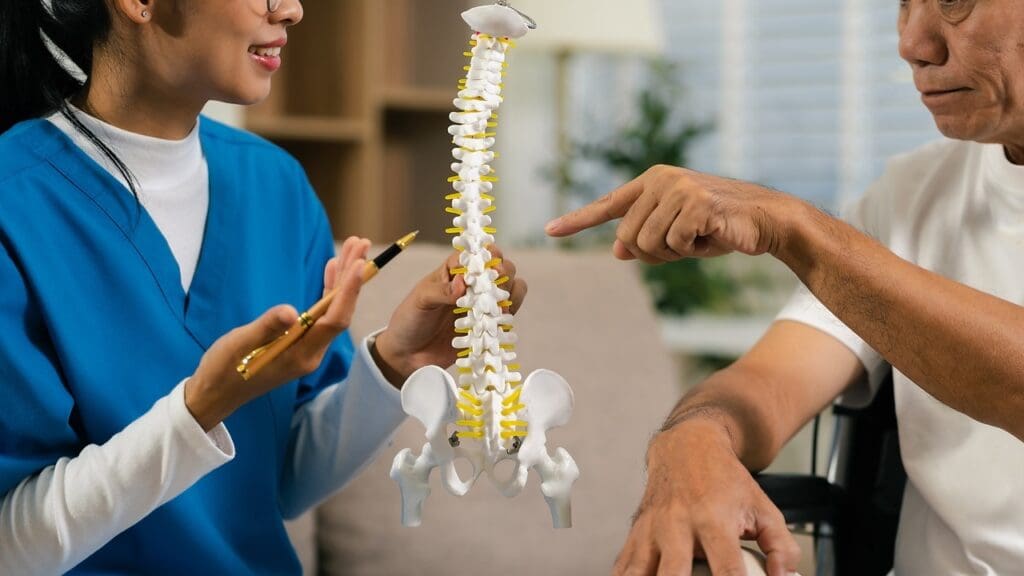
Spinal fusion surgery is often needed for certain spinal problems. These issues don’t get better with just regular treatments. We’ll look at the conditions that might need spinal fusion, so you know when it’s considered.
Spinal Instability
Spinal instability can come from many things like wear and tear, injuries, or infections. It can cause a lot of pain. We might suggest spinal fusion to make the spine stable again and ease the pain.
Severe Spinal Deformities
Severe spinal deformities, like scoliosis or kyphosis, can really affect your life. Sometimes, spinal fusion is needed to fix these issues and straighten the spine.
Degenerative Disc Disease
Degenerative disc disease happens when spinal discs wear out, causing pain. If other treatments don’t work, we might suggest spinal fusion. It helps stabilize the area and lessen pain.
Traumatic Injuries to the Spine
Spinal injuries from accidents, like fractures or dislocations, often need surgery right away. Spinal fusion might be needed to keep the spine stable, prevent more damage, and help it heal.
These examples show how important spinal fusion can be for different spinal problems. Knowing the condition and its effects on the spine helps us choose the best treatment.
When Is Spinal Fusion Necessary? Key Indicators
Figuring out when spinal fusion is needed involves looking at several important signs. This surgery is considered when other treatments don’t work or when the problem is severe. It’s a big decision that requires careful thought.
Persistent Pain After Conservative Treatment
Persistent pain that doesn’t get better with treatments like physical therapy or medicine is a big sign. If pain keeps coming back and makes life hard, doctors might suggest spinal fusion.
Progressive Neurological Symptoms
Progressive neurological symptoms like numbness or weakness in the limbs also point to the need for spinal fusion. These signs show the problem is getting worse and could lead to bigger issues if not treated.
Functional Limitations Affecting Quality of Life
Spinal problems that make it hard to do everyday things might mean you need spinal fusion. This is true if the problem is because of instability or deformity in the spine.
Diagnostic Tests That Confirm the Need for Fusion
MRI and CT scans are key in deciding if spinal fusion is needed. They show how bad the spinal damage or disease is.
Deciding on spinal fusion involves looking at many things. Doctors use these signs to figure out if surgery will help the patient.
- Persistent pain despite conservative treatment
- Progressive neurological symptoms
- Significant functional limitations
- Diagnostic evidence from MRI and CT scans
These signs help doctors make a smart choice about whether to do spinal fusion surgery.
Non-Surgical Treatments to Try Before Considering Fusion
Before you think about spinal fusion, try all non-surgical options first. Many people find relief from back pain with conservative treatments. This way, they avoid surgery.
Physical Therapy and Exercise
Physical therapy is often the first step for back pain. It includes exercises tailored to strengthen your spine’s muscles. This improves flexibility and reduces pain. Physical therapy works well for degenerative disc disease and spinal instability.
Pain Management Techniques
Pain management is key in conservative treatment. You might take NSAIDs, muscle relaxants, or oral steroids. Alternative therapies like acupuncture, chiropractic care, and massage can also help.
Injections and Nerve Blocks
For severe pain, injections and nerve blocks can help. Corticosteroid injections reduce inflammation. Nerve blocks stop pain signals. These treatments don’t fix the problem but can ease pain.
When to Move Beyond Conservative Treatment
If conservative treatments don’t work or if symptoms get worse, surgery might be needed. It’s vital to talk to your healthcare provider about the best treatment for you. They’ll consider your condition and health.
Specific Conditions Where Lumbar Fusion Is Indicated
Lumbar fusion surgery is chosen for certain spinal problems. It aims to stabilize the spine, ease pain, and improve function. We’ll look at when this surgery is needed, including the causes, symptoms, and how it helps treat these issues.
Spondylolisthesis
Spondylolisthesis happens when a vertebra slips onto the one below it. This can lead to pain and nerve problems. Surgery is often needed to keep the vertebrae in place and stop further slipping.
Spinal Stenosis with Instability
Spinal stenosis narrows the spinal canal, pressing on the spinal cord and nerves. If the spine is unstable, surgery can stabilize it and ease nerve pressure.
Spinal Fractures
Spinal fractures, from injury or bone thinning, can cause instability. Surgery may be needed to stabilize the spine and reduce pain.
Failed Back Surgery Syndrome
If past back surgeries didn’t help, lumbar fusion might be considered. It’s a way to address ongoing problems.
L5-S1 Problems Requiring Surgical Intervention
The L5-S1 area often sees degenerative changes. If other treatments don’t work, surgery at this spot can help with pain and instability.
We’ve talked about when lumbar fusion is needed, showing its role in fixing spinal issues. Knowing these conditions helps patients choose the right treatment.
When Spinal Fusion Is NOT Recommended
Spinal fusion isn’t the right choice for everyone. It works for many spinal problems, but not all. Sometimes, other treatments are better or safer.
Isolated Disc Herniation
For those with isolated disc herniation, fusion might not be needed. Many can get better with therapy, pain meds, and sometimes injections.
Chronic Nonspecific Low Back Pain
Chronic nonspecific low back pain often doesn’t need fusion first. It’s complex and affects people differently, making surgery tricky.
Mild Degenerative Changes
With mild degenerative changes, the risks of fusion might be too high. Doctors usually try other treatments first.
Why Some Doctors Advise Against Fusion
Doctors might not recommend fusion for some reasons. Risks like infection, nerve harm, and failed back surgery syndrome are big concerns. They look for safer options first.
Fusion vs. Laminectomy: Understanding Your Surgical Options
Spinal fusion and laminectomy are two different surgeries for spinal problems. Each has its own reasons for use and results. They both aim to ease pain and improve life quality but work in different ways.
How Laminectomy Works
Laminectomy removes part of the vertebrae to ease nerve pressure. It’s often used for spinal stenosis. By taking out the lamina, surgeons make room for nerves, reducing pain.
When Laminectomy Is Preferred Over Fusion
Laminectomy is chosen when nerve or spinal cord pressure is the main issue. It’s also picked when there’s no spinal instability. It’s less invasive than fusion and may lead to quicker healing. A spine expert says, “Laminectomy can greatly help those with spinal stenosis, easing symptoms a lot.”
Combined Procedures: When Both Are Necessary
Sometimes, both laminectomy and fusion are needed. This happens when there’s spinal instability or deformity along with nerve pressure. Combining them can tackle several problems at once, giving full relief.
Comparing Recovery Times and Outcomes
Recovery times and results differ between laminectomy and fusion. Laminectomy usually has a shorter recovery because it’s less invasive. But, the outcome depends on the patient’s specific situation. “Choosing between laminectomy and fusion should be based on a detailed look at the patient’s condition and health,” says a top orthopedic surgeon.
The Effectiveness of Back Surgery: Success Rates and Outcomes
Back surgery’s success depends on the condition, the surgery method, and the patient. We’ll look at success rates and outcomes for different conditions. This will help us understand when surgery is most likely to work.
Success Rates for Specific Conditions
Research shows spinal fusion works well for some conditions. For example, people with spondylolisthesis or spinal fractures often see big improvements. Success rates for these cases can reach 80-90% in terms of pain and function.
Long-term Outcomes of Spinal Fusion
Most patients get long-term relief from symptoms after spinal fusion. But, success depends on the patient’s age, health, and any other conditions they have.
How Long Do Spinal Fusions Last?
Spinal fusions’ durability varies. Studies suggest they can last many years, even a lifetime. It’s important to follow up regularly and take good care after surgery to make the fusion last longer.
Factors That Influence Surgical Success
Many things affect the success of back surgery. These include the surgeon’s skill, the patient’s follow-up, and any other health issues. Knowing these factors helps both patients and doctors make better choices about surgery.
By looking at success rates and outcomes for different conditions, we can understand how well back surgery works. This helps patients make better choices about their treatment.
Recovery and Rehabilitation After Spinal Fusion
The journey to recovery after spinal fusion surgery is different for everyone. It involves rest, physical therapy, and changes in lifestyle. Knowing this process is key to the best results.
Typical Recovery Timeline
Recovery from spinal fusion starts with rest, then slowly getting back to normal. Most people can get back to their usual activities in 3 to 6 months. But, it can take up to a year or more for the spine to fully heal.
Physical Therapy and Rehabilitation
Physical therapy is very important in recovery. It helps patients get stronger, more flexible, and mobile. A physical therapist will create a personalized exercise program to support the spine and improve function. For more info, visit Piedmont’s Spine Recovery and Rehabilitation page.
Long-term Lifestyle Adjustments
Patients may need to make lasting lifestyle changes after spinal fusion. This includes staying at a healthy weight, keeping good posture, and avoiding heavy lifting or bending.
Signs of Successful Recovery
Signs of successful recovery include less pain, better mobility, and being able to do normal activities again. Regular check-ups with healthcare providers are important to track healing and address any issues.
Conclusion: Is Back Surgery Worth It?
Deciding on back surgery is a big and personal choice. It depends on your health and the condition you’re facing. We’ve looked at the good and bad sides of spinal fusion surgery.
Back surgery, like spinal fusion, can really help some people. It can ease pain and make life better. But, it’s important to think about the risks and talk to a doctor before deciding.
So, is back surgery a good choice? For many, the answer is yes. Does it work? Yes, if done right. How well it works varies, but many see big improvements. Whether spinal fusion is right for you depends on your own situation.
FAQ
When is spinal fusion necessary?
Spinal fusion is needed when the spine is unstable or deformed. This includes conditions like spinal instability, severe deformities, degenerative disc disease, or injuries to the spine.
Is back surgery worth it?
Back surgery might be a good option for those who haven’t found relief with other treatments. Success depends on the condition, health, and care after surgery.
What is the difference between spinal fusion and laminectomy?
Spinal fusion joins vertebrae to stabilize the spine. Laminectomy removes part of the lamina to relieve nerve pressure. The choice depends on the condition and health of the patient.
How long do spinal fusions last?
The life of a spinal fusion varies. It depends on the condition, fusion quality, and care after surgery. A good fusion can last many years, but complications can occur.
What are the signs that I need back surgery?
You might need surgery if pain doesn’t go away with treatment, if you have nerve symptoms, or if you can’t do daily activities. Tests can confirm if fusion is needed.
Is lumbar fusion the same as spinal fusion?
Lumbar fusion focuses on the lower back. While similar, it’s a specific type of spinal fusion for the lumbar region.
Why is spinal fusion not recommended for some patients?
Fusion might not be advised for those with certain back problems or mild degeneration. Doctors may also consider risks and complications.
What is the recovery process like after spinal fusion?
Recovery includes rest, then physical therapy to regain strength. The time needed varies based on the surgery and individual.
How successful is back surgery?
Surgery’s success depends on the condition, health, and post-surgery care. It can greatly improve life for those who haven’t found relief with other treatments.
What are the non-surgical treatments to try before considering fusion?
Try physical therapy, pain management, injections, and nerve blocks before surgery. These can help manage symptoms and improve life quality.
References
- HealthPartners : https://www.healthpartners.com/ucmgroups/public/@hp/@public/@cc/documents/documents/aentry_046153.pdf
- Washington State Department of Labor & Industries (LNI) : https://lni.wa.gov/patient-care/treating-patients/treatment-guidelines-and-resources/_docs/LumbarfusionUpdate020216.pdf
- UnitedHealthcare (UHC) Provider Policy : https://www.uhcprovider.com/content/dam/providerdoc/spublicpolicies/comm/medical-drug/spinal-fusion-decompression.pdf
- OrthoInfo (AAOS) : https://orthoinfo.aaos.org/en/treatment/spinal-fusion