Last Updated on October 20, 2025 by

Bone marrow is a jelly-like tissue found in the cavities and spongy parts of various bones throughout the body. It’s key for making blood cells and storing fat. At Liv Hospital, we understand how important bone marrow is.
There are two main types of bone marrow: red and yellow. Red bone marrow makes blood cells. On the other hand, yellow bone marrow holds fat. Knowing about these types helps us understand many medical issues and treatments.
Key Takeaways
- Bone marrow is a vital tissue found in the cavities and spongy sections of bones.
- There are two main types of bone marrow: red and yellow.
- Red bone marrow produces blood cells, while yellow bone marrow stores fat.
- Understanding bone marrow is key for grasping many medical conditions and treatments.
- Liv Hospital offers top-notch care and expertise in bone marrow-related treatments.
What Is Bone Marrow?
Bone marrow is a key part of our body’s system that makes blood cells. It’s a soft, fatty tissue inside bones like the hips and thighbones. It’s essential for producing blood cells.
Definition and Basic Function
Bone marrow fills the cavities of our bones. It’s soft and fatty. Its main job is to make blood cells, like red and white blood cells, and platelets. This process is called hematopoiesis. Hematopoiesis starts with hematopoietic stem cells in the bone marrow.
Importance in the Human Body
Bone marrow is very important for our health. It helps keep our blood cells healthy and our immune system working. Without it, we can’t make the blood cells needed to carry oxygen, fight infections, and stop bleeding.
Research shows bone marrow is key for making blood cells and keeping our immune system strong. The stem cells in bone marrow create red and white blood cells and platelets. This makes it vital for our health.
| Cell Type | Function | Importance |
|---|---|---|
| Red Blood Cells | Carry oxygen throughout the body | Essential for tissue oxygenation |
| White Blood Cells | Fight infections | Crucial for immune defense |
| Platelets | Clot blood | Vital for preventing excessive bleeding |
In short, bone marrow is a vital organ that makes blood cells. It’s essential for our health and well-being.
Where Is Bone Marrow Found?
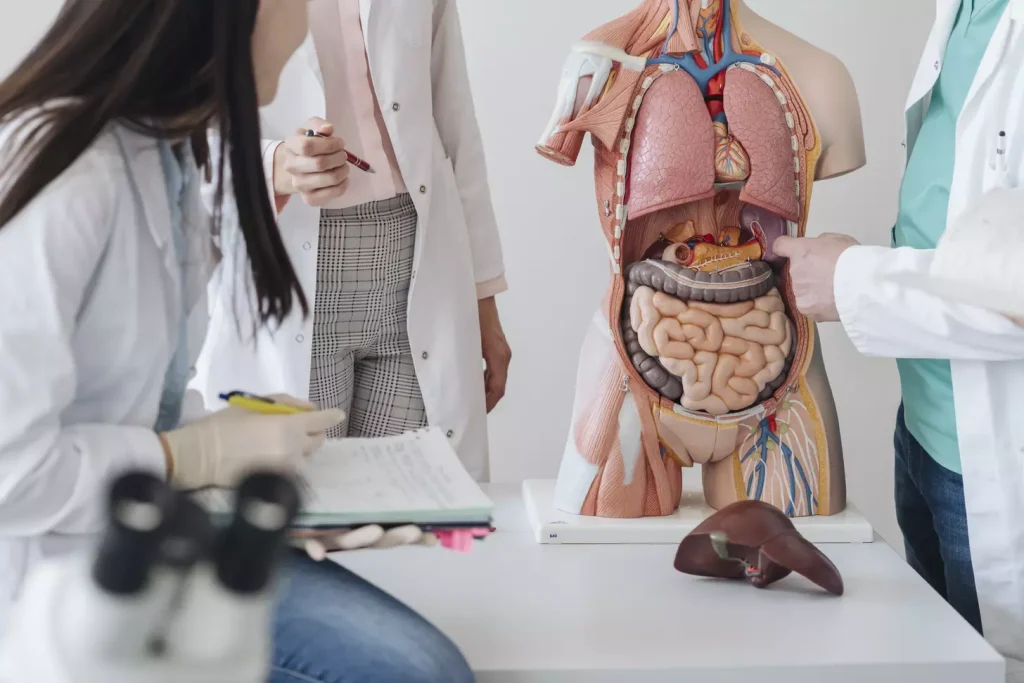
It’s important to know where bone marrow is in adults. This helps us understand its role in health and disease. We’ll look at where bone marrow is mainly found in the adult skeleton and its spread across the body.
Primary Locations in the Adult Skeleton
In adults, bone marrow is mostly in the ribs, vertebrae, sternum, pelvis, and long bones. These bones are key for bone marrow to work right. For example, the ribs are big for making blood cells.
The sternum, or breastbone, is also a key spot foOCT-1436r bone marrow. It’s often used for biopsies because it’s easy to reach and has lots of marrow. Long bones, like the femur and humerus, have marrow too, mainly at their ends.
Distribution Throughout the Body
Bone marrow is not just in one place but is spread out in many bones. This lets blood cells be made all over and fat stored. The pelvis, being big and flat, has a lot of marrow and is often used for marrow removal.
As we get older, where bone marrow is found changes. In kids, it’s in most bones, but as we age, some bones start to have more yellow marrow. Yellow marrow doesn’t make as many blood cells.
Bone marrow is vital and found in many bones in adults. It helps our body make blood cells and store energy well.
Bone Marrow in Different Bones
The human skeleton has bone marrow in many types of bones. It’s found in the medullary cavity and spongy bone. It’s key for making blood cells and storing fat.
Bone Marrow in Flat Bones
Flat bones like the ribs, sternum, and skull have a lot of bone marrow. The marrow is between the bone’s inner and outer layers. The sternum is often used for bone marrow biopsies because it’s easy to reach and has a lot of marrow.
Bone Marrow in Long Bones
Long bones, like the femur and humerus, have bone marrow differently than flat bones. The marrow is mainly in the bone shaft’s central cavity. In adults, this marrow often turns into yellow marrow, which is mostly fat.
Bone Marrow in Vertebrae and Pelvis
The vertebrae and pelvis also have a lot of bone marrow. These bones have a lot of trabecular bone, which has red marrow. Red marrow makes blood cells. The vertebrae keep making blood cells even as adults.
Knowing where bone marrow is in different bones helps doctors diagnose and treat blood disorders and cancers. We’ll keep learning about bone marrow’s anatomy and function.
Anatomy of Bone Marrow
Exploring the anatomy of bone marrow shows us its medullary cavity and vascular supply. These parts are key to understanding how bone marrow works in our bodies.
Medullary Cavity Structure
The medullary cavity is the main area inside long bones where bone marrow lives. It’s vital for making blood cells. The cavity is covered by the endosteum, helping with bone growth and repair.
The size of the medullary cavity differs in bones. This affects how well bones can make blood cells.
Trabecular (Spongy) Bone Marrow
Trabecular bone, or spongy bone, is at the ends of long bones and inside most bones. It has a network of small, branching bones that support it without adding much weight.
Bone marrow fills the spaces in trabecular bone. This structure helps with nutrient and waste exchange.
Vascular Supply to Bone Marrow
The blood supply to bone marrow is key to its job. Arteries bring blood to the marrow through the bone’s surface. These arteries split into smaller ones that feed the marrow.
This blood supply is vital for bringing oxygen and nutrients and taking away waste. A good blood network helps bone marrow make blood cells well.
| Component | Function | Location |
|---|---|---|
| Medullary Cavity | Houses bone marrow | Central cavity of long bones |
| Trabecular Bone | Supports bone marrow | Ends of long bones and interior of most bones |
| Vascular Supply | Nourishes bone marrow | Network of arteries and vessels within bones |
The Two Types of Bone Marrow
Bone marrow is a key part of our skeleton. It comes in two types: red and yellow. Knowing about these types helps us understand their health roles.
Overview of Red and Yellow Marrow
Red bone marrow makes blood cells. It has hematopoietic stem cells that turn into different blood cells. Yellow bone marrow, on the other hand, is mostly fat.
We’ll look at where these marrows are found in our bodies. We’ll also see how they change as we get older.
Distribution by Age and Location
Red and yellow marrow’s spread changes with age. At birth, most marrow is red, making blood cells. As we age, some red marrow turns into yellow.
In adults, red marrow is in the:
- Pelvis
- Vertebrae
- Ribs
- Sternum
- Skull
Yellow marrow is mainly in the long bones, like the femur and humerus.
Conversion Between Types
Yellow marrow can turn back into red under certain conditions. This is important when we need more blood cells, like in severe anemia. This shows how bone marrow can change.
In short, red marrow makes blood cells, and yellow marrow stores fat. Knowing about them helps us understand our health and how our body adapts.
Red Bone Marrow: Structure and Function
Red bone marrow is key in making blood cells. It’s a big part of the hematopoietic system. It makes red blood cells, white blood cells, and platelets. We’ll look at its structure, function, and where it is in adults.
Composition of Red Bone Marrow
Red bone marrow has blood vessels, hematopoietic stem cells, and stromal cells. The hematopoietic stem cells turn into different blood cells. It’s full of cells that make blood.
Research shows red bone marrow is key for making blood cells. The stem cells in it can turn into all blood cell types. This makes it very important for keeping blood cell counts healthy.
Hematopoietic Function and Blood Cell Production
Red bone marrow’s main job is to make blood cells. It turns hematopoietic stem cells into red blood cells, white blood cells, and platelets. This is vital for keeping blood cell counts right and for responding to blood cell needs.
| Blood Cell Type | Function | Role of Red Bone Marrow |
|---|---|---|
| Red Blood Cells | Carry oxygen throughout the body | Produced in red bone marrow through hematopoiesis |
| White Blood Cells | Play a key role in the immune system | Produced in red bone marrow through hematopoiesis |
| Platelets | Involved in blood clotting | Produced in red bone marrow through hematopoiesis |
Where Red Marrow Is Located in Adults
In adults, red bone marrow is mainly in the pelvis, vertebrae, sternum, and ribs. It’s also in the top parts of long bones like the femur and humerus. Adults have less red marrow than kids.
Knowing where and how red bone marrow works is key. It helps us understand blood disorders and how important it is for healthy blood cells.
Yellow Bone Marrow: Structure and Function
Yellow marrow stores fat and can turn into red marrow when needed. This makes it key to our skeletal system.
Composition of Yellow Bone Marrow
Yellow marrow is filled with fat-storing cells called adipocytes. This is why it looks yellow. It also has blood vessels and stem cells that can become different types of cells.
These stem cells in yellow marrow are special. They can help fix and grow new tissues. Scientists are studying them for their healing powers.
Fat Storage and Emergency Function
Yellow marrow’s main job is to hold fat for energy. When we need more energy, it breaks down this fat. It can also turn into red marrow to make more blood cells if needed.
This shows how bone marrow can change to meet our body’s needs. It’s not just for storing fat but also for making blood when we need it.
Where Yellow Marrow Is Located in Adults
In adults, yellow marrow is mostly in long bones like the femur and humerus. It’s also found in the pelvis and vertebrae, but less than in long bones.
| Location | Type of Bone | Presence of Yellow Marrow |
|---|---|---|
| Femur | Long Bone | Predominant |
| Humerus | Long Bone | Predominant |
| Pelvis | Flat Bone | Present |
| Vertebrae | Irregular Bone | Present |
Knowing where yellow marrow is in adults helps us understand its health role and medical uses.
What Is the Difference Between Red Marrow and Yellow Marrow?
It’s important to know the difference between red and yellow bone marrow. They play different roles in our bodies. We’ll look at their cell types, functions, and how they change with age.
Cellular Composition Differences
Red bone marrow has lots of hematopoietic stem cells. These cells make blood cells like red and white blood cells, and platelets. Yellow bone marrow, on the other hand, is mostly fat cells. It also has some hematopoietic stem cells, but fewer than red marrow.
Red marrow is full of blood vessels. This helps it make blood cells. Yellow marrow, with its fat, acts as an energy storage.
Functional Differences
Red bone marrow makes blood cells, a process called hematopoiesis. It turns stem cells into different blood cell types. Yellow marrow stores fat but can turn into red marrow when needed.
“Bone marrow is a dynamic organ that undergoes changes in its composition and function throughout life.” – Hematologist
Age-Related Changes in Marrow Distribution
As we age, the marrow in our bones changes. At birth, most marrow is red. But as we get older, some red marrow turns into yellow. In adults, red marrow is in the pelvis, vertebrae, ribs, and sternum. Yellow marrow is in the long bones of our limbs.
| Characteristics | Red Marrow | Yellow Marrow |
|---|---|---|
| Primary Function | Hematopoiesis (Blood Cell Production) | Fat Storage |
| Cellular Composition | Hematopoietic Stem Cells, Blood Vessels | Adipocytes (Fat Cells), Some Hematopoietic Stem Cells |
| Location in Adults | Pelvis, Vertebrae, Ribs, Sternum | Long Bones of Limbs |
In conclusion, red and yellow bone marrow are very different. They have different jobs in our bodies. Knowing this helps us understand how bone marrow works.
Bone Marrow Stem Cells and Medical Terminology
It’s key to know about bone marrow stem cells to understand how our bodies fix themselves. Bone marrow is full of stem cells. These cells help make blood cells and keep our body strong.
Hematopoietic Stem Cells
Hematopoietic stem cells make blood cells. This is called hematopoiesis. They can turn into any blood cell type, like red, white, and platelets. These cells are vital for healthy blood, helping with oxygen, fighting germs, and stopping bleeding.
- Red blood cells carry oxygen.
- White blood cells fight infections.
- Platelets help blood clot.
Mesenchymal (Stromal) Stem Cells
Mesenchymal stem cells, or stromal cells, support the body. They can become different cell types, like bone, cartilage, and fat cells. They’re great for fixing and growing tissues.
Clinical Terminology for Bone Marrow Components
In hospitals, knowing bone marrow terms is important. Hematopoietic stem cells make blood cells. Mesenchymal stem cells help with body structure and repair.
Important terms include:
| Term | Definition |
|---|---|
| Hematopoiesis | The process of blood cell production. |
| Stromal Cells | Cells that provide support to the body’s structure. |
Healthcare workers use these terms to understand and treat blood and tissue issues. This helps them help patients better.
Conclusion
Understanding bone marrow is key to knowing about many medical issues and treatments. We’ve looked at what bone marrow is, where it’s found, and its types. We’ve also seen how it affects our health and diseases.
Bone marrow is vital for making blood cells. When it doesn’t work right, it can cause many problems. The difference between red and yellow marrow shows how complex its role is.
The way red and yellow marrow changes with age is important. Knowing this helps doctors diagnose and treat bone marrow issues. This shows how vital bone marrow is for our health and why we need more research.
In short, knowing a lot about bone marrow helps us improve medicine and care for patients. We hope this summary has made bone marrow’s role clear and its importance in our health.
FAQ
What is bone marrow, and what is its function in the human body?
Bone marrow is a spongy tissue inside some bones. It makes blood cells and stores fat.
Where is bone marrow found in the adult skeleton?
You can find bone marrow in the ribs, vertebrae, sternum, pelvis, and long bones like the femur and humerus.
What are the two types of bone marrow, and how do they differ?
There are red and yellow marrow types. Red marrow makes blood cells. Yellow marrow stores fat and can turn into red marrow when needed.
Where is red bone marrow located in adults?
In adults, red bone marrow is mainly in the pelvis, vertebrae, sternum, and ribs.
What is the function of yellow bone marrow?
Yellow bone marrow stores fat for energy. It can also turn into red marrow if more blood cells are needed.
How does the distribution of red and yellow marrow change with age?
With age, red marrow decreases, and yellow marrow increases. This is because red marrow is replaced by yellow in many bones.
What are hematopoietic stem cells, and what is their role?
Hematopoietic stem cells in bone marrow make all blood cells.
What is the difference between red marrow and yellow marrow in terms of cellular composition?
Red marrow has many hematopoietic stem cells and blood vessels. Yellow marrow is mostly fat cells.
Can yellow marrow convert back to red marrow?
Yes, yellow marrow can turn back to red marrow in cases of severe anemia or blood loss.
What is the significance of understanding bone marrow and its types?
Knowing about bone marrow and its types helps us understand diseases like anemia and leukemia. It shows how important bone marrow is for healthy blood cells and the immune system.
FAQ
What is bone marrow, and what is its function in the human body?
Bone marrow is a spongy tissue inside some bones. It makes blood cells and stores fat.
Where is bone marrow found in the adult skeleton?
You can find bone marrow in the ribs, vertebrae, sternum, pelvis, and long bones like the femur and humerus.
What are the two types of bone marrow, and how do they differ?
There are red and yellow marrow types. Red marrow makes blood cells. Yellow marrow stores fat and can turn into red marrow when needed.
Where is red bone marrow located in adults?
In adults, red bone marrow is mainly in the pelvis, vertebrae, sternum, and ribs.
What is the function of yellow bone marrow?
Yellow bone marrow stores fat for energy. It can also turn into red marrow if more blood cells are needed.
How does the distribution of red and yellow marrow change with age?
With age, red marrow decreases, and yellow marrow increases. This is because red marrow is replaced by yellow in many bones.
What are hematopoietic stem cells, and what is their role?
Hematopoietic stem cells in bone marrow make all blood cells.
What is the difference between red marrow and yellow marrow in terms of cellular composition?
Red marrow has many hematopoietic stem cells and blood vessels. Yellow marrow is mostly fat cells.
Can yellow marrow convert back to red marrow?
Yes, yellow marrow can turn back to red marrow in cases of severe anemia or blood loss.