Last Updated on December 1, 2025 by Bilal Hasdemir
Cancer recurrence is a big worry for people all over the world. Nearly 1 in 5 cancer survivors will experience recurrence. It’s very important to know what causes it.
Many ask, “which cancer has the highest recurrence rate? Ovarian, glioblastoma, and pancreatic cancers are among those with the highest risk of coming back.
Knowing how cancer comes back and how natural agents fight it helps patients. It lets them take charge of their health.
Key Takeaways
- Cancer recurrence affects a significant portion of cancer survivors.
- Natural compounds can help kill cancer cells, reducing recurrence risk.
- Understanding recurrence mechanisms is key for effective prevention.
- Patients can benefit from knowing about natural anti-cancer agents.
- Proactive health measures can be taken to reduce cancer recurrence.
Understanding Cancer Recurrence
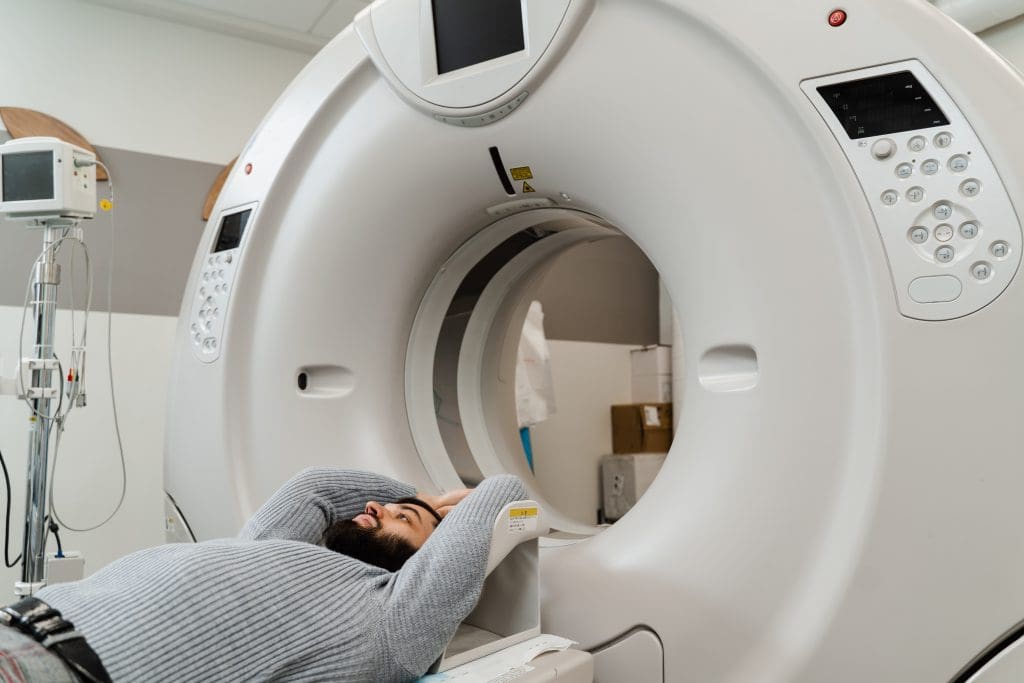
It’s key for patients and to grasp cancer recurrence. This term means cancer comes back after treatment and a time when it seemed gone.
What Is Cancer Recurrence?
Cancer recurrence happens when leftover cancer cells start growing again. This can be in the same spot as the first tumor or in other parts of the body. We’ll look at the different types and what they mean for patients.
Types of Cancer Recurrence
There are several types of cancer recurrence, including:
- Local Recurrence: Cancer returns to the same location as the original tumor.
- Regional Recurrence: Cancer returns to the lymph nodes or tissues near the original tumor.
- Distant Recurrence: Cancer spreads to distant parts of the body, also known as metastasis.
Each type affects treatment and how well a patient might do.
Factors That Influence Recurrence
Many things can affect if cancer will come back, like the cancer type and stage, how well the first treatment worked, and the patient’s health. We’ll dive into these factors to fully understand cancer recurrence.
Knowing about cancer recurrence helps us see why follow-up care is so important. It also helps us find ways to lower the chance of it happening again.
Cancers with the Highest Recurrence Rates
Knowing which cancers are most likely to come back is key to better treatment plans. Some cancers are more aggressive and come back more often, even after treatment seems to work. Let’s look at some of these cancers and what makes them challenging.
Ovarian Cancer
Ovarian cancer often comes back, often in the first two years after treatment. Up to 70% of ovarian cancer cases come back within five years. The cancer’s stage at diagnosis and how well the first treatment worked play big roles. We need to watch patients closely for any signs of cancer coming back.
Glioblastoma
Glioblastoma is a very aggressive brain cancer with a tough prognosis. It often comes back quickly after treatment. The cancer usually comes back in the same area, making it hard to treat. Scientists are working hard to find new ways to help glioblastoma patients.
Triple-Negative Breast Cancer
Triple-negative breast cancer (TNBC) is a fast-growing type of breast cancer. It doesn’t have receptors for estrogen, progesterone, or HER2 protein. TNBC is more likely to come back, often in the first three years after treatment. Because of its aggressive nature, we need quick and effective treatments.
Advanced Melanoma
Advanced melanoma, at stages III and IV, has a high risk of coming back. Even with new treatments like immunotherapy and targeted therapy, coming back is a big challenge. How likely it is to come back depends on the melanoma’s thickness and if it has ulcers. We must follow patients closely to catch any recurrence early.
These cancers show us how important it is to keep researching better treatments. We also need to make sure patients get thorough follow-up care to watch for any signs of cancer coming back. By understanding these cancers better, we can improve how we care for our patients.
Pancreatic Cancer: A Particular Challenge
Pancreatic cancer is very aggressive and often comes back. It’s diagnosed late and grows fast, making treatment hard.
Why Pancreatic Cancer Often Returns
Many things make pancreatic cancer come back often. It’s often found late, which makes treatment tough. Also, it grows fast and can spread to other parts of the body.
After surgery, tiny bits of cancer can stay. This can lead to cancer coming back. The cancer’s biology and how it reacts to treatments also play a big role.
Key factors influencing recurrence include:
- Late-stage diagnosis
- Aggressive tumor biology
- Incomplete surgical resection
- Resistance to chemotherapy and radiation
Survival Rates and Recurrence Statistics
Pancreatic cancer has very low survival rates. The 5-year survival rate is about 9%. For those with cancer that’s just starting, the rate is 39%. But it drops a lot for those with more spread-out cancer.
Many patients see cancer come back within two years. It can come back in the same place or in other parts of the body like the liver or lungs.
| Stage at Diagnosis | 5-Year Survival Rate | Recurrence Rate |
| Localized | 39% | 50-60% |
| Regional | 13% | 70-80% |
| Distant | 3% | 90% |
Knowing these numbers and why cancer comes back is key. It helps find better ways to treat and help patients live longer.
Lung Cancer Recurrence Patterns
Lung cancer recurrence patterns differ between types of lung cancer. Knowing these differences helps manage patient expectations and treatment plans.
Small Cell vs. Non-Small Cell Recurrence
Small cell lung cancer (SCLC) and non-small cell lung cancer (NSCLC) have different recurrence patterns. SCLC grows fast and spreads early, leading to a higher recurrence rate than NSCLC.
Non-small cell lung cancer, making up about 85% of lung cancers, has a more varied recurrence pattern. The risk of recurrence in NSCLC depends on factors like tumor stage, histological subtype, and molecular characteristics.
Timeframe for Lung Cancer Recurrence
The timeframe for lung cancer recurrence varies among patients. SCLC often recurs within the first two years after treatment. NSCLC can recur even after five years without disease, showing the need for long-term monitoring.
Factors affecting recurrence timeframe include the stage at diagnosis, treatment, and patient-specific factors like smoking status and health.
Understanding lung cancer recurrence risk and timeframe is key for patients and healthcare providers. By recognizing these patterns, we can improve follow-up care and surveillance, leading to better outcomes.
Colorectal Cancer: Understanding Relapse Risks
It’s important to know about the risks of colorectal cancer coming back. This cancer affects both the colon and rectum. The risk of it coming back depends on several factors.
Stage-Based Recurrence Statistics
The stage of cancer when it’s found is key to knowing the risk of it coming back. The more advanced the cancer, the higher the chance it will return.
Here are some statistics on recurrence rates based on cancer stage:
| Cancer Stage | Recurrence Rate | 5-Year Survival Rate |
| Stage I | 5-10% | 90-95% |
| Stage II | 15-30% | 70-85% |
| Stage III | 30-60% | 40-60% |
| Stage IV | High, varies widely | 10-20% |
Monitoring After Treatment
It’s vital to keep an eye on things after treatment to catch any signs of cancer coming back early. This means regular check-ups, imaging tests, and sometimes more treatments to lower the risk of it coming back.
Key parts of monitoring include:
- Regular CEA (carcinoembryonic antigen) blood tests to detect any signs of cancer coming back
- Imaging tests like CT scans or MRI to look for any signs of cancer return
- Colonoscopy to check for new polyps or cancer in the colon or rectum
By understanding these risks and sticking to a monitoring plan, patients and can work together. This can help catch any recurrence early, which might improve outcomes.
Breast Cancer Recurrence Factors
Many factors can affect the risk of breast cancer coming back. Knowing these can help manage the condition. It’s important for both patients and to understand these factors.
Hormone Receptor Status and Recurrence
The hormone receptor status of the original tumor is key. Tumors that are estrogen or progesterone receptor-positive have different risks. ER-positive tumors often recur later, sometimes after 5 years. ER-negative tumors tend to recur sooner, within the first 5 years.
Local vs. Distant Recurrence
Recurrence can be local or distant. Local recurrence is in the same breast or chest wall. Distant recurrence means cancer has spread to other parts of the body. The type of recurrence affects treatment and outlook.
Timeline for Breast Cancer Return
The time it takes for breast cancer to recur varies. Some recurrences happen soon after treatment, while others may occur years later. Regular check-ups are key for catching recurrence early. The original cancer’s stage and biology, along with treatments, play a role in the timeline.
Personalized follow-up care is vital. Tailoring plans to individual risks and medical history is important. Understanding these factors helps patients make informed health decisions.
Prostate Cancer: Biochemical Recurrence
Biochemical recurrence in prostate cancer means we need to watch closely and act fast. It happens when Prostate-Specific Antigen (PSA) levels in the blood go up after treatment. This could mean the cancer is coming back. We’ll look at how PSA levels help us find recurrence and what treatments are available.
PSA Levels and Recurrence Detection
PSA levels are key for spotting prostate cancer coming back. If PSA levels go up after treatments like surgery or radiation, it might mean the cancer is back. We use PSA tests to keep an eye on these levels. Finding recurrence early can help plan better treatments.
What counts as biochemical recurrence can change based on the first treatment. For example, after surgery, any PSA level found is seen as a recurrence. But after radiation, it’s when PSA levels go up by a certain amount (nadir + 2 ng/mL). Knowing these rules helps us tailor care plans.
Treatment Options After Recurrence
When we find biochemical recurrence, we look at different treatments. We consider the patient’s first treatment, health, and the cancer’s details. Sometimes, treatments like salvage radiation or surgery might be needed.
For more spread-out cancer, treatments like hormone therapy (Androgen Deprivation Therapy) might be suggested. We also look into trials for new treatments that could offer hope.
We make treatment plans that fit each patient’s needs and wishes. We work closely with them to find the best way to handle biochemical recurrence.
What Kills Cancer Cells in the Body Naturally
The body has a natural way to fight cancer. It uses the immune system and other processes to find and kill cancer cells. This helps stop tumors from growing and spreading.
The Body’s Immune Response to Cancer
The immune system is our first defense against cancer. It uses special cells and proteins to find and destroy cancer cells. Natural killer cells and T-cells are key in this fight, attacking cancer cells.
Our immune system has two parts: innate and adaptive immunity. The innate part acts fast, while the adaptive part remembers and fights better over time.
Apoptosis: Natural Cell Death Mechanisms
Apoptosis, or programmed cell death, is important for removing damaged cells. It helps get rid of cells that could become cancerous.
Apoptosis is controlled by signals that tell cells to live or die. Cancer cells try to avoid dying, but our body has ways to stop them. Certain proteins help promote apoptosis.
Antioxidants and Cancer Cell Destruction
Antioxidants protect our cells from damage by free radicals, which can lead to cancer. They keep cells healthy and support our body’s fight against cancer.
Some antioxidants can make cancer cells die or stop growing. Vitamins C and E, for example, have been studied for their anti-cancer effects.
Anti-Angiogenesis: Cutting Off Cancer’s Blood Supply
Anti-angiogenesis stops new blood vessels from forming, which tumors need to grow. Our body naturally controls this, and some compounds can help.
By cutting off blood supply, tumors can’t get the nutrients and oxygen they need. This is a promising area in cancer research and treatment.
| Natural Mechanism | Description | Effect on Cancer Cells |
| Immune Response | Recognition and destruction of cancer cells by immune cells | Elimination of cancer cells |
| Apoptosis | Programmed cell death eliminating damaged cells | Removal of potentially malignant cells |
| Antioxidants | Neutralization of free radicals protecting cellular health | Inhibition of cancer cell proliferation |
| Anti-Angiogenesis | Prevention of new blood vessel formation to tumors | Starvation of tumors, inhibiting growth |
Foods and Herbs That Promote Cancer Cell Apoptosis
Research has found foods and herbs that help fight cancer. Adding these to our meals can help our body fight cancer better. It’s a good way to support our health.
Cruciferous Vegetables and Sulforaphane
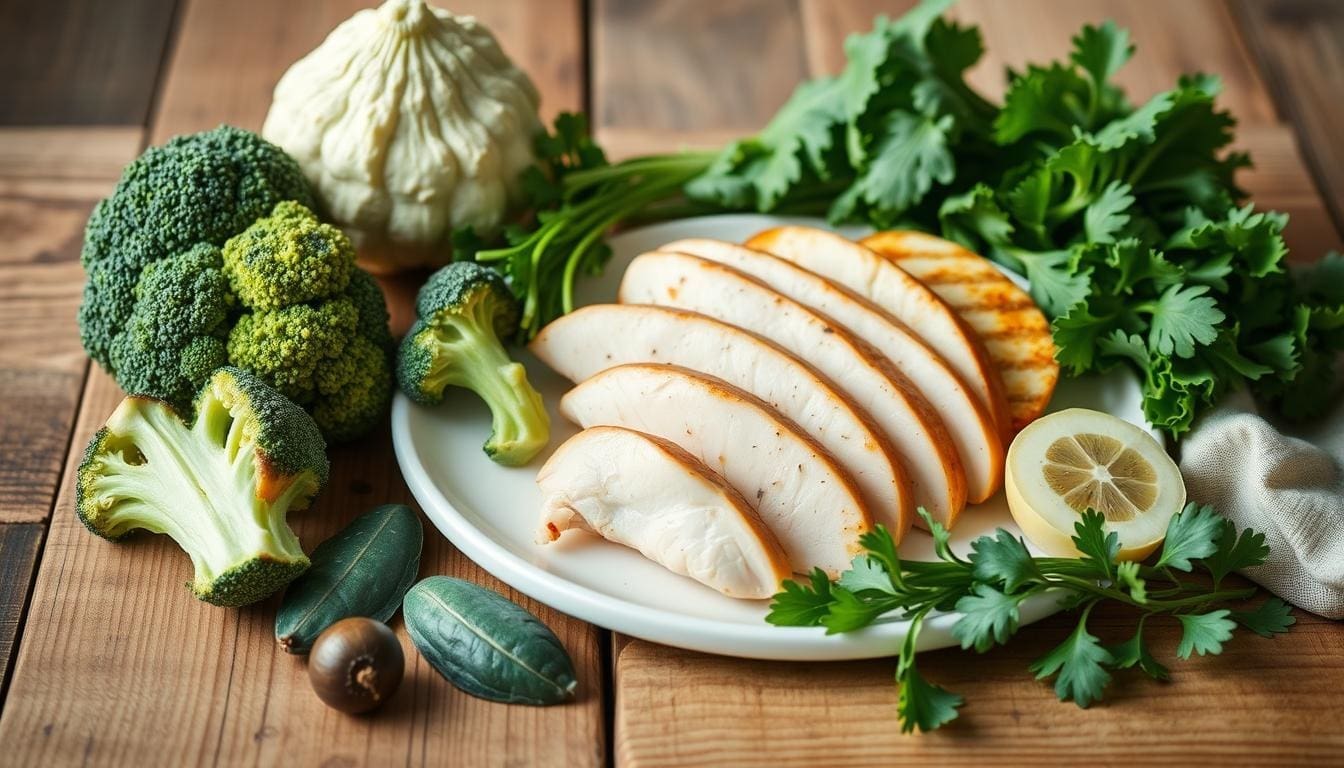
Vegetables like broccoli, cauliflower, and kale are full of sulforaphane. This compound can make cancer cells die. Eating these veggies can help prevent cancer.
Berries and Ellagic Acid
Berries like strawberries, raspberries, and blueberries are tasty and full of ellagic acid. This acid helps kill cancer cells. It stops them from growing and makes them die, helping prevent cancer.
Medicinal Mushrooms and Beta-Glucans
Reishi, shiitake, and chaga mushrooms boost our immune system. They have beta-glucans that help our body fight cancer. Beta-glucans make our immune cells stronger, helping get rid of cancer cells.
| Food/Herb | Key Compound | Potential Benefit |
| Cruciferous Vegetables | Sulforaphane | Induces apoptosis in cancer cells |
| Berries | Ellagic Acid | Inhibits cancer cell proliferation and induces apoptosis |
| Medicinal Mushrooms | Beta-Glucans | Stimulates immune response against cancer cells |
Eating these foods and herbs can help our body fight cancer naturally. It’s important to eat well and talk to about adding them to our diet. This can help in preventing or treating cancer.
Powerful Natural Compounds with Anti-Cancer Effects
Certain natural compounds are powerful tools against cancer. They are found in foods and plants. These substances may help prevent or slow cancer cell growth.
Turmeric and Curcumin Mechanisms
Turmeric, a spice used in cooking, contains curcumin. Curcumin has anti-cancer properties. It works by stopping cancer development and growth.
- Suppresses the growth of cancer cells
- Inhibits the formation of new blood vessels that tumors need to grow
- Enhances the effectiveness of chemotherapy
Curcumin’s anti-inflammatory properties are key. Chronic inflammation is a risk factor for cancer.
Green Tea Catechins and EGCG
Green tea is full of catechins, which fight cancer. Epigallocatechin gallate (EGCG) is the most studied. It:
- Inhibits cancer cell growth and proliferation
- Induces apoptosis (programmed cell death) in cancer cells
- Enhances the anti-cancer effects of other therapies
Regular green tea consumption lowers cancer risk.
Resveratrol from Grapes and Berries
Resveratrol is in grapes, berries, and plants. It fights cancer by:
- Inhibiting cancer cell growth and inducing apoptosis
- Reducing inflammation and oxidative stress
- Modulating various signaling pathways involved in cancer development
Omega-3 Fatty Acids and Cancer Cell Inhibition
Omega-3 fatty acids, like EPA and DHA in fatty fish, may fight cancer. They:
- Inhibit the growth of cancer cells
- Reduce inflammation, which is associated with cancer development
- Enhance the effectiveness of cancer therapies
| Natural Compound | Potential Anti-Cancer Effects |
| Curcumin (Turmeric) | Suppresses cancer cell growth, inhibits angiogenesis |
| EGCG (Green Tea) | Inhibits cancer cell growth, induces apoptosis |
| Resveratrol (Grapes, Berries) | Inhibits cancer cell growth, reduces inflammation |
| Omega-3 Fatty Acids (Fatty Fish) | Inhibits cancer cell growth, reduces inflammation |
These natural compounds show promise. But, talk to a healthcare professional before using them for cancer treatment or prevention.
Recognizing Signs of Cancer Recurrence
Spotting cancer recurrence early is key to better treatment results. It can be tough to know if it’s coming back. But, it’s very important for those who have had cancer before.
Common Symptoms That May Indicate Return
Cancer coming back can show in many ways. Some signs are similar to when you first got cancer. Look out for:
- Persistent pain or discomfort
- Unexplained weight loss
- Changes in bowel or bladder habits
- Unusual bleeding or discharge
- A persistent cough or hoarseness
Keep in mind, these symptoms can also mean other things. But, if you notice them, it’s important to talk to your doctor.
When to Contact Your Doctor
If you see any odd symptoms or changes, call your doctor right away. Being quick to report any issues is very important. It can really help in treating the cancer better.
| Symptom | Action |
| New or worsening pain | Contact your doctor within 24 hours |
| Unexplained weight loss | Schedule an appointment within a week |
| Unusual bleeding | Seek immediate medical attention |
Distinguishing Between Normal Recovery and Recurrence
Telling if symptoms are from recovery or recurrence can be hard. Usually, signs of recurrence don’t go away and get worse. If you’re not sure, it’s best to ask your doctor.
Many cancer survivors worry about recurrence. Knowing the signs and talking openly with your healthcare team can help. It’s a step towards staying healthy and feeling good.
Strategies to Reduce Cancer Recurrence Risk
To lower cancer recurrence risk, it’s important to make lifestyle changes, eat right, and manage stress. These steps can help patients avoid cancer coming back.
Evidence-Based Lifestyle Modifications
Making lifestyle changes is key to fighting cancer recurrence. Regular physical activity helps lower recurrence risk in cancers like breast and colon. Aim for 150 minutes of moderate or 75 minutes of vigorous exercise weekly.
- Keep a healthy weight to lower recurrence risk.
- Stay away from tobacco and limit alcohol.
- Find exercises that fit your abilities.
A top cancer expert says lifestyle changes can greatly reduce recurrence rates.
“The way we live, including diet and exercise, can either raise or lower cancer recurrence risk.”
Nutritional Approaches to Prevention
Eating a balanced diet with fruits, veggies, whole grains, and lean proteins can help. Nutritional approaches that work include:
- Eat more broccoli and cauliflower.
- Add foods rich in antioxidants like berries and leafy greens.
- Include omega-3s from fatty fish and flaxseeds.
Stress Management and Cancer Recurrence
Too much stress can weaken the immune system and raise cancer recurrence risk. Good stress management techniques are:
- Mindfulness meditation and yoga.
- Deep breathing and progressive muscle relaxation.
- Get help from mental health pros or support groups.
By adding these strategies to your daily routine, cancer survivors can lower recurrence risk and feel better overall.
Conclusion: Integrating Natural Approaches with Conventional Treatment
Cancer recurrence is a complex issue. It’s influenced by many factors, like the cancer type, treatment, and lifestyle. We’ve looked at cancers with high recurrence rates, like ovarian and breast cancer.
It’s key to mix natural methods with traditional treatments for better cancer care. Using natural compounds and nutrition with treatments can lower recurrence risk. This combo can also improve survival chances.
Our talk about the body’s fight against cancer shows natural benefits. Foods and herbs like cruciferous veggies and berries help. Omega-3 fatty acids also play a role.
By taking a full approach to cancer care, patients can be more involved in their treatment. This mix of natural and traditional methods boosts treatment and improves health. It leads to better outcomes.
FAQ
How can I distinguish between normal recovery and potentially cancer recurrence?
It’s important to work with your healthcare team to watch for recovery signs. Report any new or concerning symptoms. Your doctor can tell if symptoms are from recovery or if cancer might be coming back.
What is apoptosis, and how does it relate to cancer cells?
Apoptosis is programmed cell death that removes damaged cells. In cancer, it’s often blocked, letting cancer cells grow. Helping cells die is a key part of cancer treatment and prevention.
Can stress management techniques help reduce cancer recurrence risk?
Yes, managing stress through meditation, yoga, and deep breathing can help. It reduces stress and improves well-being, which may lower cancer recurrence risk.
What is the role of antioxidants in cancer cell destruction?
Antioxidants protect cells from damage by free radicals, which can lead to cancer. While they’re good for health, their role in fighting cancer is complex and needs careful thought.
How can diet influence cancer recurrence?
Eating a diet full of fruits, veggies, whole grains, and lean proteins supports health. Foods like cruciferous veggies and berries may have anti-cancer effects.
What are the common symptoms of cancer recurrence?
Symptoms of cancer coming back vary by cancer type and location. Pain, fatigue, weight loss, and changes in bodily functions are common. Always tell your doctor about new or worsening symptoms.
What are some natural compounds that have anti-cancer effects?
Some natural compounds fight cancer. Curcumin from turmeric, green tea’s catechins, grapes and berries’ resveratrol, and omega-3 fatty acids can stop cancer cells from growing and dying.
How can lifestyle modifications help reduce cancer recurrence risk?
Making healthy lifestyle choices can lower cancer recurrence risk. Eating well, staying active, keeping a healthy weight, and not smoking helps. These choices boost health and the immune system.
What is biochemical recurrence in prostate cancer?
Biochemical recurrence in prostate cancer means PSA levels go up after treatment. This can happen after surgery or radiation. More tests are needed to confirm if it’s coming back.
Why does pancreatic cancer often recur?
Pancreatic cancer often comes back because it’s diagnosed late. It’s also very aggressive and hard to remove completely. Even after treatment, tiny cancer cells can stay and cause it to come back.
Which cancers have the highest recurrence rates?
Cancers like ovarian, glioblastoma, triple-negative breast, and advanced melanoma often come back. They are aggressive and hard to treat.
What is cancer recurrence?
Cancer recurrence happens when cancer comes back after treatment. This can be in the same place or in other parts of the body. It depends on the cancer type and its behavior.