


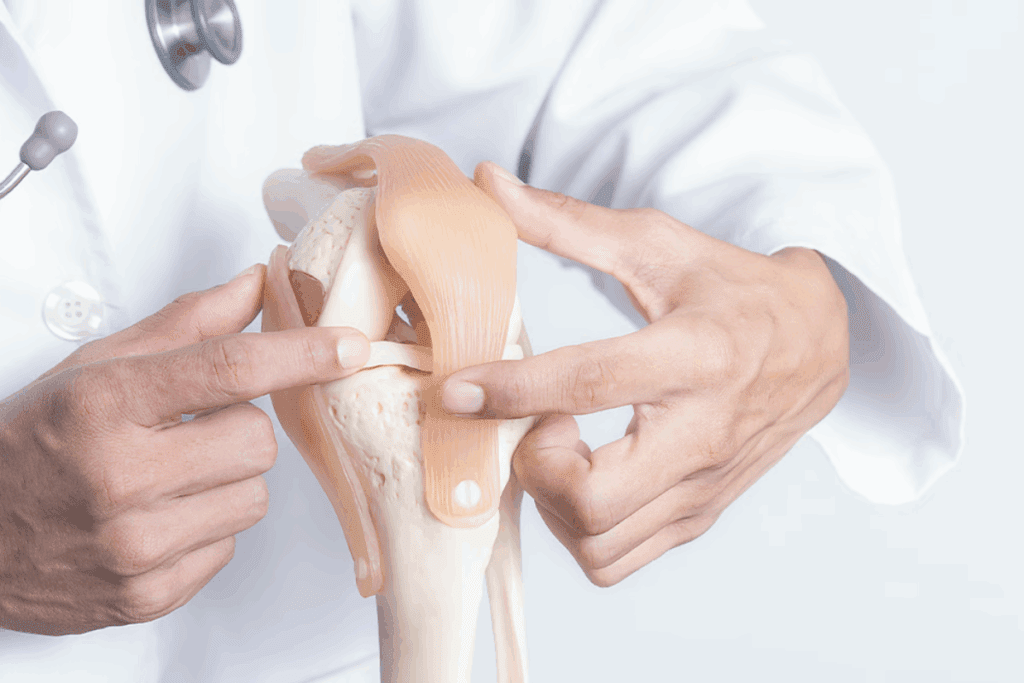
Millions of people worldwide suffer from knee pain that lasts a long time. This pain can make everyday activities hard. We know how tough it is to deal with constant discomfort.
Finding the right treatment can be quite challenging. There are so many options out there. We’re here to help you find the best medicines for knee pain relief.
We want to give you the tools to take care of your health. By learning about chronic knee pain, its causes, and treatments, you can improve your life. Our goal is to help you live better.
Key Takeaways
- Understanding the causes of chronic knee pain is key to finding the right treatment.
- There are many ways to treat knee pain, including medicine and changes in your lifestyle.
- It’s important to talk to a healthcare professional for advice that fits you.
- Getting relief from knee pain can make a big difference in your daily life and happiness.
- This guide can help you understand and manage knee pain better.
Understanding Chronic Knee Pain
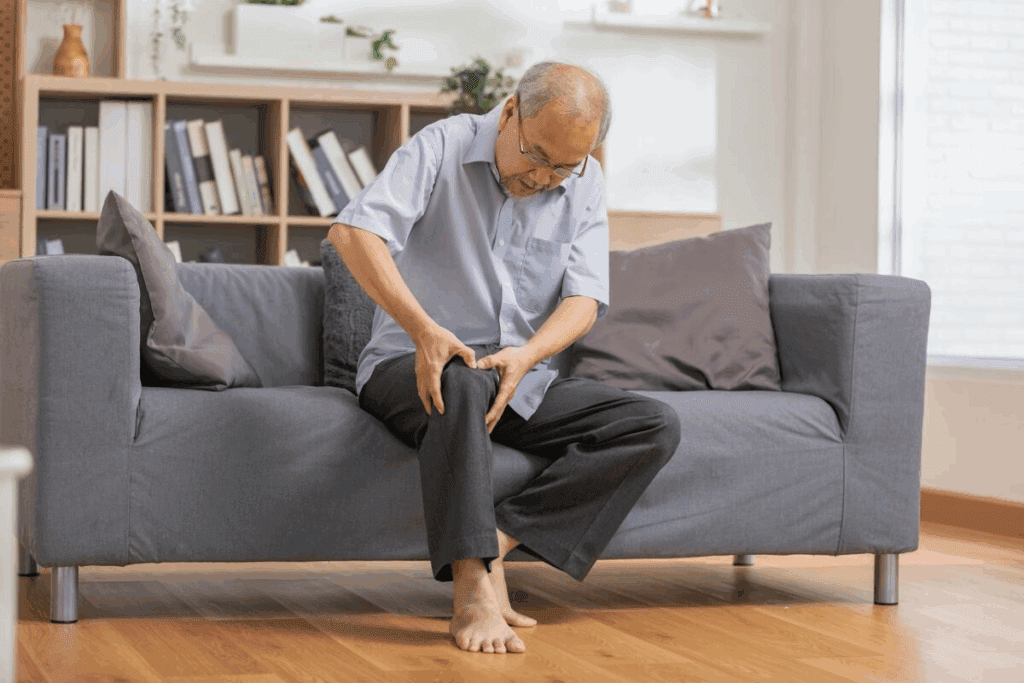
Chronic knee pain is a common problem that affects many people. It can make everyday activities hard and limit how much you can move. Knowing what causes it and how it’s different from sudden knee injuries is key to managing it.
What Defines Chronic Knee Pain
Chronic knee pain lasts more than three months. It can come from wear and tear, diseases, or old injuries. Finding out why you have it helps find the right treatment.
How Chronic Pain Differs from Acute Knee Injuries
Chronic knee pain builds up over time, unlike sudden injuries. Sudden injuries often heal with rest and treatment. But chronic pain needs a more detailed plan to manage.
Here are some main differences:
- Duration: Chronic pain lasts longer than three months.
- Cause: Chronic pain can come from many sources or ongoing issues, unlike sudden injuries.
- Impact: It can really affect your daily life, sleep, and happiness.
Knowing these differences helps you find the right treatment for chronic knee pain. This way, you can manage your pain better.
Common Causes of Chronic Knee Pain
Chronic knee pain can come from many sources. It’s important to find the main cause for the right treatment. Knowing these causes helps create a good treatment plan.
Osteoarthritis and Degenerative Conditions
Osteoarthritis is a big reason for chronic knee pain, mainly in older people. It happens when cartilage wears out, causing bones to rub together and hurt. Other conditions, like tendon and ligament wear, also cause pain.
Key factors that contribute to osteoarthritis include:
- Age
- Obesity
- Previous knee injuries
- Genetic predisposition
Inflammatory Arthritis Types
Inflammatory arthritis, like rheumatoid arthritis (RA) and psoriatic arthritis, also causes chronic knee pain. It’s caused by the body attacking its own joints, leading to pain, stiffness, and swelling.
Characteristics of inflammatory arthritis include:
- Symmetrical joint pain
- Morning stiffness that lasts for hours
- Swollen and warm joints
Injuries and Structural Problems
Acute injuries, like sprains or tears, can turn into chronic pain if not treated right. Problems with how the knee is structured can also cause ongoing pain.
Common structural issues include:
- Meniscal tears
- Ligament injuries
- Knee misalignment
Understanding chronic knee pain’s causes helps doctors create better treatment plans. This improves patients’ lives and outcomes.
Chronic Knee Pain Symptoms to Monitor
It’s important to know the signs of chronic knee pain to manage it well. This pain can show up in different ways. So, it’s key to watch how it changes and what it feels like.
Pain Characteristics and Patterns
The way knee pain feels and when it happens can tell us a lot. Pain can be sharp, dull, aching, or burning. It can also change how intense it feels during the day.
We should notice if the pain is always there or if it only happens during certain activities or times.
- Pain that worsens with activity
- Pain that improves with rest
- Pain that occurs at night or disrupts sleep
By paying attention to these patterns, doctors can figure out what’s causing the pain.
Physical Changes and Limitations
Chronic knee pain can also cause physical changes. Swelling, stiffness, and reduced mobility are common. These can make everyday tasks harder.
We should watch for any changes in how our knee looks or moves.
| Symptom | Description |
| Swelling | Inflammation around the knee joint |
| Stiffness | Reduced flexibility and mobility |
| Instability | Feeling of the knee giving way |
These signs can show us what’s causing the pain in our knee.
Warning Signs Requiring Immediate Attention
It’s also important to know when to get help right away. Severe pain, sudden swelling, or trouble walking are signs to watch for. They mean something might be seriously wrong.
“If you experience sudden, severe knee pain or swelling, or if you have difficulty walking, seek medical attention immediately.”
Spotting these warning signs early can help avoid bigger problems. It also makes sure we get the help we need quickly.
Diagnosing the Source of Your Knee Pain
To treat knee pain, we need to find out where it comes from. Diagnosing knee pain requires a few steps. These include a clinical evaluation, imaging studies, and sometimes lab tests.
Physical Examination Techniques
A detailed physical exam is the first step in finding out what’s causing knee pain. Doctors use different methods to check how the knee works and find the pain’s source. These methods include:
- Palpation to identify tender areas
- Range of motion assessment to evaluate knee flexibility
- Specific tests to assess knee stability and ligament integrity
Palpation is when doctors feel the knee to find tender spots, swelling, or deformities. This simple method can give important clues about knee pain.
Imaging Tests for Knee Pain
Imaging tests are key to seeing inside the knee and finding pain causes. Common tests include:
| Imaging Test | Use | Benefits |
| X-ray | Assessing bone health and detecting fractures or osteoarthritis | Quick and widely available |
| MRI | Evaluating soft tissue injuries, such as ligament and cartilage damage | High-resolution images of soft tissues |
| Ultrasound | Assessing soft tissue and detecting fluid or inflammation | Dynamic imaging and no radiation |
A leading orthopedic specialist says, “Imaging tests like MRI have changed how we diagnose knee pain. They give us detailed views of soft tissues.”
“The ability to see the knee’s inner structures has greatly improved our diagnosis.”
Laboratory Tests for Inflammatory Markers
In some cases, lab tests are needed to find inflammatory causes of knee pain. Blood tests can show markers of inflammation, like:
- Erythrocyte sedimentation rate (ESR)
- C-reactive protein (CRP)
These tests are helpful in diagnosing conditions like rheumatoid arthritis, which can cause long-term knee pain.
Over-the-Counter Pain Medications for Knee Pain
Managing knee pain often starts with over-the-counter (OTC) pain medications. These options can help a lot. We’ll look at the different types, their benefits, and risks.
NSAIDs: Ibuprofen, Naproxen, and Aspirin
Nonsteroidal anti-inflammatory drugs (NSAIDs) are a top choice for knee pain. Ibuprofen and naproxen help reduce inflammation and pain. Aspirin is also an option, but it might cause stomach problems.
NSAIDs work well, but they can have side effects. These include stomach problems, heart risks, and kidney issues. Always follow the dosage and talk to a doctor if you’re worried.
Acetaminophen (Tylenol) for Pain Management
Acetaminophen, or Tylenol, is another OTC pain reliever. It doesn’t reduce inflammation but helps with pain and fever.
Acetaminophen is usually safe when used right. But, don’t take too much to avoid liver damage. If you have liver disease, talk to your doctor first.
Topical Analgesics and Creams
Topical analgesics and creams are applied directly to the skin. They offer relief without the side effects of pills. Ingredients like capsaicin, menthol, and arnica are common.
These treatments are great when used with other methods. They’re good for those who can’t take pills or want a spot treatment.
Knowing about OTC pain medications helps you manage knee pain better. Always talk to a doctor before trying new meds, even if you have other health issues or take other medicines.
Prescription Medications for Chronic Knee Pain
When over-the-counter drugs don’t work, prescription meds can help a lot. They are used when pain is really bad and gets in the way of daily life.
Stronger NSAIDs and COX-2 Inhibitors
For those needing stronger anti-inflammatory effects, there are prescription NSAIDs and COX-2 inhibitors. These can offer better pain relief than what you can buy without a prescription.
Benefits: These meds can greatly reduce inflammation and pain, making life better.
Risks: They might cause stomach problems, heart issues, and kidney damage.
| Medication Type | Examples | Primary Use |
| Stronger NSAIDs | Diclofenac, Meloxicam | Reducing inflammation and pain |
| COX-2 Inhibitors | Celecoxib | Relieving pain with fewer gastrointestinal side effects |
Corticosteroids and Their Applications
Corticosteroids are strong anti-inflammatory meds. They can be taken by mouth or injected to help with chronic knee pain. They’re good for quick relief during bad flare-ups.
Benefits: They can quickly cut down inflammation and pain, giving fast relief.
Risks: Taking them for a long time can cause weight gain, mood changes, and higher risk of osteoporosis.
Opioid Medications: Benefits and Risks
Opioids are sometimes given for chronic knee pain when other treatments don’t work. They work well for short-term pain but have big risks.
Benefits: Opioids can really help with pain, when other meds don’t work.
Risks: They can lead to addiction, dependency, and make pain worse. They should only be used for a short time.
In summary, prescription meds for chronic knee pain offer different options, each with its own benefits and risks. It’s key to talk to a doctor to find the best treatment plan.
Injectable Treatments for Knee Pain Relief
New injectable treatments are changing how we treat knee pain. These options are helping those with chronic pain who haven’t found relief elsewhere.
Corticosteroid Injections
Corticosteroid injections are a common choice for knee pain, mainly for those with inflammatory conditions. They deliver strong anti-inflammatory medicine right to the problem area. This gives quick and effective pain relief.
Benefits: Quickly reduces inflammation and pain; can be used with other treatments.
Considerations: Using them too much can harm the joint; not good for everyone, like those with certain health issues.
Hyaluronic Acid Injections (Viscosupplementation)
Hyaluronic acid injections, or viscosupplementation, aim to restore knee joint lubrication. It’s great for osteoarthritis patients, improving joint function and reducing pain.
Benefits: Helps with joint lubrication and pain; generally safe with few side effects.
Considerations: May need several injections; results can vary.
Platelet-Rich Plasma (PRP) Therapy
PRP therapy uses the patient’s own blood platelets, injected into the knee. These platelets have growth factors that help heal and grow new tissue. It’s a promising treatment for knee pain.
Benefits: Uses the body’s healing powers; can offer long-lasting relief; is minimally invasive.
Considerations: Results can vary; might need more than one treatment; not all insurance covers it.
| Treatment | Benefits | Considerations |
| Corticosteroid Injections | Rapid pain relief, anti-inflammatory | Potential for joint damage with repeated use |
| Hyaluronic Acid Injections | Improves joint lubrication, reduces pain | May require multiple injections, variable effectiveness |
| PRP Therapy | Promotes healing, potentially long-lasting relief | Variable effectiveness, may require multiple treatments |
Each injectable treatment has its own way to manage knee pain. Knowing the benefits and downsides helps patients make better choices with their healthcare providers.
Supplements and Alternative Medicines
Supplements and alternative medicines offer new ways to ease knee pain. Many people with chronic knee pain try these options to help their current treatments.
Glucosamine and Chondroitin
Glucosamine and chondroitin are popular for knee pain relief. They are found naturally in the body, mainly in cartilage. Studies show they might help reduce pain and improve movement in those with osteoarthritis.
A study in the New England Journal of Medicine found glucosamine and chondroitin together help with pain. This is for people with moderate to severe knee osteoarthritis.
“The combination of glucosamine and chondroitin sulfate may be effective in reducing pain in patients with knee osteoarthritis.”
| Supplement | Potential Benefits | Potential Risks |
| Glucosamine | May reduce pain and improve joint function | Can cause gastrointestinal side effects |
| Chondroitin | May slow cartilage loss and reduce pain | May interact with blood thinners |
Turmeric and Other Anti-inflammatory Supplements
Turmeric, with curcumin, is a favorite for its anti-inflammatory benefits. Some research shows curcumin can be as good as some drugs in fighting pain and inflammation.
Key Benefits of Turmeric/Curcumin:
- Anti-inflammatory effects
- Antioxidant properties
- Potential pain relief
Omega-3 Fatty Acids and Fish Oil
Omega-3 fatty acids, like EPA and DHA in fish oil, have anti-inflammatory effects. They might help with knee pain. While the evidence is not as strong, omega-3 supplements are good for overall health.
In conclusion, supplements and alternative medicines can help with chronic knee pain. But, it’s important to talk to a healthcare provider before adding them to your treatment. They can guide you on the best choices and ensure they’re safe with other medications.
Physical Therapy Approaches for Knee Pain Management
Managing knee pain often needs a mix of methods, with physical therapy being key. It helps patients deal with chronic knee pain in many ways.
Strengthening Exercises for Knee Support
It’s important to strengthen the muscles around the knee to support it and lessen pain. Physical therapists create custom exercise plans that might include squats, lunges, and leg press. These exercises target the quadriceps, hamstrings, and other muscles.
These exercises do more than just ease pain. They also boost the knee’s function. With stronger muscles, patients can handle daily tasks better, feeling less knee pain.
Range of Motion and Flexibility Techniques
Strengthening isn’t the only thing that helps with knee pain. Range of motion and flexibility techniques are also vital. Gentle stretching exercises can make the knee more flexible, reduce stiffness, and improve movement.
Physical therapists might use mobilization and manipulation to help the knee move better. These methods are great for those with stiff or less mobile knees.
Manual Therapy Methods
Manual therapy is a big part of physical therapy for knee pain. It includes hands-on techniques like massage, joint mobilization, and soft tissue mobilization. These help ease pain and improve function.
Manual therapy can lessen muscle tension, boost blood flow, and aid in healing. Adding manual therapy to a treatment plan can lead to better pain relief and knee function.
By using these physical therapy methods in a complete treatment plan, people with chronic knee pain can see big improvements. Their symptoms and quality of life can greatly improve.
Exercises for Chronic Knee Pain Relief
Chronic knee pain can be managed with the right exercises. We suggest a mix of low-impact activities, strength training, and water exercises. These can help ease knee pain and improve function.
Low-Impact Aerobic Activities
Low-impact aerobic exercises are great for your heart without harming your knees. Here are some examples:
- Cycling: Stationary cycling or a recumbent bike is easy on the knees and can be done slowly.
- Swimming: It’s a water-based exercise that’s low-impact and works many muscles.
- Elliptical Trainer: This machine is like running but doesn’t stress your knees as much.
Strength Training for Knee Support
Strengthening the muscles around your knee helps support it and can lessen pain. Key exercises include:
- Squats: Done right, squats strengthen the quadriceps and hamstrings.
- Lunges: Lunges work the quadriceps, hamstrings, and gluteals, giving your knee good support.
- Leg Press: This exercise targets the knee muscles without too much strain on the joint.
Water-Based Exercises
Water-based exercises are great for those with chronic knee pain. They’re low-impact and the water’s buoyancy eases joint stress. Here are some examples:
- Water Walking: Walking in water offers resistance without the impact of walking on land.
- Aquatic Aerobics: You can do various aerobic exercises in water, making it a fun and effective workout.
- Water Therapy: Some physical therapy programs use water’s therapeutic properties.
Adding these exercises to your routine can help reduce knee pain and improve health. Always talk to a healthcare provider before starting any new exercise program, even more so if you have health concerns.
Home Remedies and Self-Care Strategies for Knee Pain Chronic Conditions
Chronic knee pain can really slow you down. But, there are many home remedies and self-care methods that can help. To manage chronic knee pain well, you need to treat it medically, change your lifestyle, and take care of yourself.
RICE Method (Rest, Ice, Compression, Elevation)
The RICE method is a top choice for knee pain, mainly during bad times. Rest helps your knee avoid activities that make it hurt more. Ice reduces swelling and numbs the pain. Compression bandages or sleeves also cut down swelling. And, elevation above your heart level can lessen swelling too.
Heat Therapy Applications
Heat therapy is also great for chronic knee pain. Heat makes the muscles relax and boosts blood flow. You can soak in a warm bath, use a heating pad, or a warm compress. It’s best before activities to loosen the knee joint.
Lifestyle Modifications for Pain Reduction
Changing your lifestyle can really help with chronic knee pain. Keeping a healthy weight eases the pressure on your knees. Doing low-impact exercises like cycling or swimming strengthens knee muscles without too much strain. Also, eating foods that fight inflammation, like omega-3s, can help.
By adding these home remedies and self-care steps to your daily life, you can handle chronic knee pain better. This will improve your overall life quality.
Assistive Devices and Braces for Knee Pain
Managing chronic knee pain often requires a multifaceted approach. This includes using assistive devices and braces. These tools provide essential support, alleviate pain, and improve mobility for those with knee pain.
Types of Knee Braces and Their Functions
Knee braces are a common assistive device used to provide stability and support to the knee joint. There are several types of knee braces, each designed for specific purposes and conditions.
- Prophylactic Knee Braces: Designed to prevent injuries, these braces are often used by athletes.
- Functional Knee Braces: These braces provide support and stability for knees that have been injured or surgically repaired.
- Rehabilitative Knee Braces: Used during the recovery phase after an injury or surgery, these braces help in the healing process by providing controlled movement.
- Unloader Knee Braces: Designed for individuals with osteoarthritis, these braces help to redistribute weight and alleviate pain.
Walking Aids and Mobility Devices
In addition to knee braces, walking aids and mobility devices can significantly improve mobility and reduce pain for individuals with knee pain. These devices help to take some of the pressure off the knee joint, making it easier to move around.
| Device | Description | Benefits |
| Canes | Provide additional support and balance | Reduce pressure on the knee, improve stability |
| Walkers | Offer greater stability and support than canes | Improve balance, reduce fall risk, alleviate knee pain |
| Crutches | Take weight off the knee entirely | Ideal for post-surgery or severe injury recovery |
Orthotic Inserts for Proper Alignment
Orthotic inserts are another valuable assistive device for managing knee pain. They improve foot alignment and reduce stress on the knee joint. This can help alleviate pain and improve mobility.
Custom orthotics are tailored to the individual’s foot shape and needs, providing optimal support and alignment. Over-the-counter orthotics can also be effective, though they may not offer the same level of customization.
By incorporating assistive devices and braces into a treatment plan, individuals with knee pain can experience significant improvements in their quality of life. It’s essential to consult with a healthcare professional to determine the most appropriate devices for specific needs.
Surgical Options When Medicine Isn’t Enough
When other treatments don’t work, surgery might be needed for chronic knee pain. Choosing surgery is a big decision. It’s important to know about the options and what to expect.
Surgery is considered when other treatments fail. The goal is to fix the pain’s cause, improve function, and better your life.
Arthroscopic Procedures
Arthroscopy is a small incision surgery for the knee. It uses a camera and tools to look at and fix the joint. It can repair or remove damaged tissue like torn menisci.
Arthroscopy has small incisions and quick recovery. But, it’s not for every knee problem.
Partial and Total Knee Replacement
Knee replacement surgery changes the joint with artificial parts. There are partial and total replacements. Partial is for one area damage, and total is for the whole joint.
Total knee replacement helps with severe arthritis or damage. It offers a lot of pain relief and better function. Choosing between partial and total depends on the damage and your health.
Recovery and Rehabilitation After Surgery
Recovery time varies by surgery. You’ll likely have pain and swelling, managed with rest and meds. Physical therapy is key to getting strong and moving well again.
A good rehab plan is tailored to you and your surgery. It includes exercises for mobility and muscle strength. This helps you get back to normal.
It’s vital to follow your doctor’s instructions and go to all follow-up visits. This ensures a smooth recovery.
Creating a Comprehensive Treatment Plan for Knee Pain Chronic Conditions
Managing chronic knee pain needs a detailed plan. This plan should include medical, physical, and lifestyle changes. It helps tackle knee pain from all sides, leading to better relief and life quality.
Working with Healthcare Providers
It’s key to work with healthcare experts to make a good treatment plan. They can find out why you have knee pain, suggest treatments, and check how you’re doing.
- Primary care doctors can start by checking you and sending you to specialists.
- Orthopedic doctors can suggest surgery or other treatments.
- Physical therapists can create exercises to strengthen your knee.
Combining Multiple Treatment Approaches
A good treatment plan might use several methods. This could be:
- Medications: Like NSAIDs, corticosteroids, and hyaluronic acid shots to lessen pain and swelling.
- Physical Therapy: Exercises and hands-on treatments to make your knee work better and hurt less.
- Lifestyle Modifications: Changes in what you eat, how you exercise, and your daily habits to help your knee.
Monitoring Progress and Adjusting Treatments
It’s important to keep track of how well treatments are working. Doctors can change the plan if needed, based on how you feel and do.
- Regular check-ups to see how your pain and knee are doing.
- Changing medicines or therapy if it’s not working well.
- Trying new treatments or ideas based on what works best for you.
By teaming up with doctors and using a mix of treatments, people with chronic knee pain can find a lot of relief. This can greatly improve their life quality.
Conclusion: Finding the Right Medicine for Your Knee Pain
Finding the right knee pain relief needs a full approach. We looked at many treatments, from common pain meds to surgery. It’s key to find a treatment for chronic knee pain that fits you.
Knowing why you have knee pain helps. Working with doctors, you can make a plan just for you. This might include meds, therapy, and changes in how you live to help your knees.
Managing chronic knee pain well means finding the best mix of treatments. We urge you to be involved in your care. Get help from experts to live better.
FAQ
What is chronic knee pain?
Chronic knee pain is ongoing pain in the knee that lasts more than three months. It’s often due to conditions like osteoarthritis or structural issues.
How is chronic knee pain different from acute knee pain?
Chronic knee pain is long-lasting. Acute knee pain, on the other hand, comes from sudden injuries and goes away in weeks.
What are the common causes of chronic knee pain?
Common causes include osteoarthritis, injuries, and structural problems like ligament or meniscal tears.
What are the symptoms of chronic knee pain?
Symptoms include ongoing pain, stiffness, swelling, and limited mobility. Look out for redness, warmth, or fever too.
How is chronic knee pain diagnosed?
Doctors use a physical exam, medical history, and tests like X-rays or MRI to diagnose chronic knee pain.
What are the treatment options for chronic knee pain?
Treatments include pain meds, injections, physical therapy, exercises, and sometimes surgery.
What are the benefits and risks of using NSAIDs for knee pain relief?
NSAIDs help with pain but can harm your stomach, kidneys, and heart with long-term use.
Can supplements and alternative medicines help manage chronic knee pain?
Supplements like glucosamine and omega-3 fatty acids might help. But their effects vary, and they can interact with other meds.
What are the benefits of physical therapy for knee pain management?
Physical therapy improves knee function, reduces pain, and boosts mobility. It uses exercises and manual therapy.
How can I manage chronic knee pain at home?
Use the RICE method, heat therapy, and lifestyle changes. Knee braces can also help.
When is surgery considered for chronic knee pain?
Surgery is considered when other treatments fail. It’s for severe cases like advanced osteoarthritis.
What is the importance of creating a complete treatment plan for chronic knee pain?
A complete plan involves working with healthcare providers. It combines treatments and adjusts as needed for better pain relief.
How can I find the right medicine for my knee pain?
Talk to a healthcare provider to find the right treatment. They’ll consider your pain’s cause and suggest a plan.
References
- Kolasinski, S. L., Neogi, T., Hochberg, M. C., Oatis, C., Guyatt, G., Block, J., Callahan, L., Copenhaver, C., Dodge, C., Felson, D., Gellar, K., Harvey, W. F., Hawker, G., Herzig, E., Kwoh, C. K., Nelson, A. E., Samuels, J., Scanzello, C., White, D., Wise, B., … Reston, J. (2020). 2019 American College of Rheumatology/Arthritis Foundation Guideline for the Management of Osteoarthritis of the Hand, Hip, and Knee. Arthritis & Rheumatology, *72*(2), 220–233. https://www.ncbi.nlm.nih.gov/pmc/articles/PMC7075047/



 Departments
 Related Videos
 Our Doctors
 News
News






















