Last Updated on November 14, 2025 by Ugurkan Demir
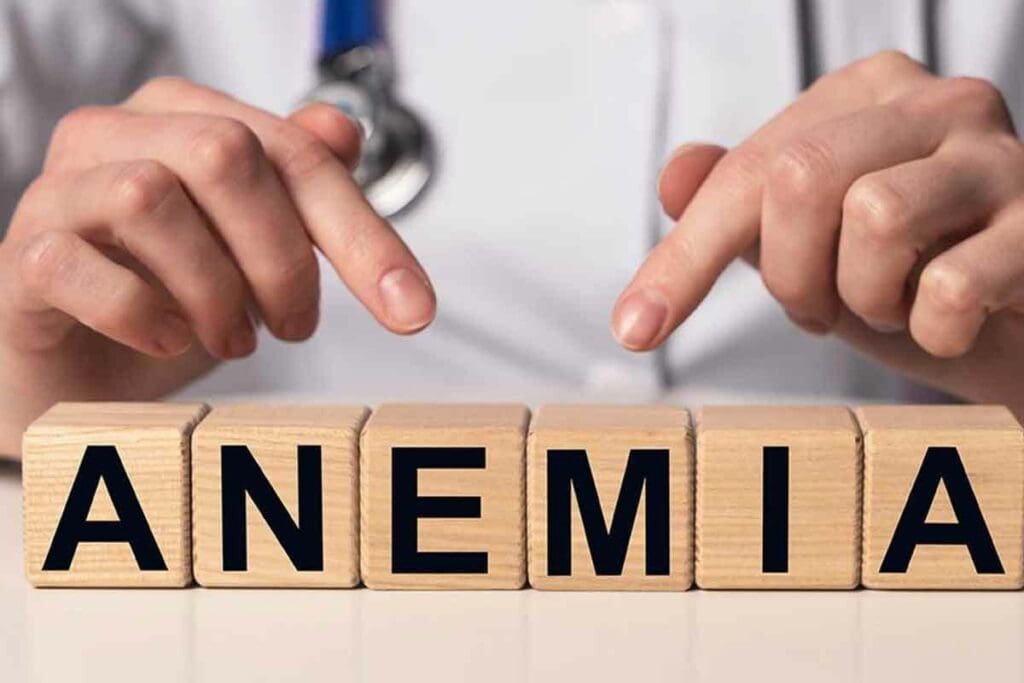
At Liv Hospital, we know anemia is a complex issue. It happens when you don’t have enough red blood cells or hemoglobin. This can cause fatigue, weakness, and shortness of breath. There are many types of anemia, like iron deficiency anemia, thalassemia, and sickle cell anemia. Each has its own causes and symptoms.
When we look at different types of anemia, it’s important to know the common ones from the less common ones. Many people often ask, which of the following is not a common anemia? By learning key clinical facts about anemia, we can identify these differences accurately. This helps ensure the right diagnosis and treatment.
Key Takeaways
- Anemia is a condition characterized by a lack of red blood cells or hemoglobin.
- There are several types of anemia, including iron deficiency anemia, thalassemia, and sickle cell anemia.
- Understanding the differences between common and less common anemias is key for accurate diagnosis.
- Liv Hospital’s innovative, patient-centered care is trusted for precise diagnosis and effective treatment.
- Clinical facts about anemia help healthcare providers develop targeted treatment plans.
Understanding Anemia: A Comprehensive Overview
Anemia is a condition where the body doesn’t have enough red blood cells. These cells are key for carrying oxygen to all parts of the body. Knowing about anemia helps us understand its causes and how it affects health worldwide.
Definition and Basic Pathophysiology
The World Health Organization says anemia happens when blood doesn’t have enough hemoglobin. The pathophysiology of anemia is complex. It involves how red blood cells are made and destroyed. Many things can cause anemia, like not getting enough nutrients or having certain diseases.
Impact on Global Health
Anemia affects millions of people globally. It makes people feel tired and weak. It can also hurt the quality of life. For pregnant women, it raises the risk of early birth and babies being underweight.
In kids, anemia can slow down brain growth. It also makes them more likely to get sick.
Classification of Anemias
Anemias are grouped based on their causes. There are nutritional anemias, anemias due to genetic disorders, and anemias resulting from chronic diseases or other factors. Knowing the type of anemia is key to finding the right treatment.
By Far the Most Common Anemia Type Is Iron Deficiency

Iron deficiency anemia is the most common type of anemia. It affects people all over the world. This has big effects on public health.
Prevalence and Demographics
Iron deficiency anemia is common, hitting women and children hard. About 30% of the world’s population has anemia, with iron deficiency being the main reason.
Pregnant women, young kids, and those on special diets are most at risk. For example, up to 40% of pregnant women worldwide have iron deficiency anemia. This can lead to preterm labor and low birth weight.
Causes: Decreased Intake, Increased Requirements, and Blood Loss
There are many reasons for iron deficiency anemia. These include not getting enough iron, needing more iron, and losing blood. People who don’t eat enough iron, like vegetarians, are at higher risk.
- Increased iron needs during pregnancy and breastfeeding
- Blood loss from menstruation, surgery, or ulcers
- Poor iron absorption due to stomach problems
A leading hematologist says, “Iron deficiency anemia often points to a bigger problem, like chronic blood loss or poor iron absorption. We need to find and fix these issues.”
Clinical Presentation of Iron Deficiency
The symptoms of iron deficiency anemia can range from mild to severe. Common signs include tiredness, weakness, pale skin, and shortness of breath. In serious cases, it can cause heart problems and poor pregnancy outcomes.
It’s important to catch and treat iron deficiency anemia early. We need to use all the right tests to find out if someone has it and what’s causing it.
“Iron deficiency anemia is a big public health problem. We need to tackle it from all angles,” says a public health expert.
Nutritional Anemias: Beyond Iron Deficiency
Other nutritional anemias are big health problems worldwide. Iron deficiency is by far the most common anemia type. But other nutrient deficiencies can also cause anemia.
Nutritional anemias include many types of deficiencies. These include vitamins and minerals, not just iron. Knowing about these is key to treating anemia well.
Vitamin B12 Deficiency Anemia
Vitamin B12 is vital for making red blood cells. Without enough, you might feel tired, weak, and have nerve problems. Strict vegetarians and vegans often lack vitamin B12 because they don’t eat animal products.
There are many reasons for vitamin B12 deficiency anemia. It can be from not eating enough of it, not absorbing it well, or taking certain medicines. Doctors check your blood to see if you have it.
Folate Deficiency Anemia
Folate is needed for DNA and making red blood cells. Not enough folate can cause anemia, like feeling tired or short of breath. It’s more common in pregnant women or those with gut diseases.
Folate deficiency anemia feels like iron deficiency anemia. But it doesn’t cause nerve problems like vitamin B12 deficiency does.
Other Nutritional Causes
Other nutrients like vitamin B6, copper, and riboflavin can also cause anemia. This can happen from a bad diet, needing more nutrients, or certain health issues.
| Nutritional Deficiency | Causes | Symptoms |
| Vitamin B12 | Dietary deficiency, malabsorption | Fatigue, weakness, neurological changes |
| Folate | Inadequate intake, pregnancy, malabsorption | Fatigue, shortness of breath |
| Vitamin B6 | Dietary deficiency, certain medications | Microcytic anemia, neurological symptoms |
Knowing about different nutritional anemias helps doctors treat them better. A balanced diet and supplements are important for health.
Genetic Hemoglobinopathies: Thalassemias
Thalassemia is a genetic disorder that affects many people worldwide. It impacts the production of hemoglobin, a key protein in red blood cells. This protein carries oxygen to our bodies. Thalassemia is most common in the Mediterranean, Africa, and Southeast Asia.
Thalassemia happens when genes for hemoglobin production are mutated. This can cause anemia and other health issues. The severity of thalassemia varies based on the specific genetic mutations.
Alpha Thalassemia: Characteristics and Prevalence
Alpha thalassemia occurs when there’s a mutation in genes for alpha-globin chains. It’s common in Southeast Asia and parts of Africa. The condition can range from mild to severe, with the most severe form being Homozygous Alpha Thalassemia, also known as Hemoglobin Bart’s hydrops fetalis syndrome.
The symptoms of alpha thalassemia vary based on how many genes are affected. For example, those with one or two genes affected might not show symptoms or have mild anemia. But those with three or four genes affected can have severe anemia and other issues.
Beta Thalassemia: Mediterranean Connection
Beta thalassemia is caused by mutations in genes for beta-globin chains. It’s common in the Mediterranean, Asia, and Africa. There are two main types: Beta Thalassemia Major (Cooley’s Anemia) and Beta Thalassemia Intermedia, based on anemia severity and transfusion needs.
Beta thalassemia major is severe and needs regular blood transfusions. Without treatment, it can cause serious health problems and death. Diagnosis involves genetic testing and blood tests like complete blood counts and hemoglobin electrophoresis.
Clinical Manifestations and Diagnosis
Thalassemia symptoms include anemia, fatigue, pale skin, and in severe cases, skeletal deformities and growth issues. Diagnosis combines clinical evaluation, lab tests, and genetic analysis.
| Condition | Genetic Basis | Clinical Features |
| Alpha Thalassemia | Mutations/deletions in alpha-globin genes | Mild to severe anemia, possible hydrops fetalis |
| Beta Thalassemia Major | Mutations in both beta-globin genes | Severe anemia needs regular transfusions |
| Beta Thalassemia Intermedia | Mutations in the beta-globin genes, less severe than major | Moderate anemia, variable transfusion needs |
A leading hematologist notes, “Thalassemia needs a detailed treatment plan. This includes regular transfusions, iron chelation therapy, and sometimes bone marrow transplantation.”
Sickle Cell Anemia: A Common Inherited Blood Disorder
Sickle cell anemia is a genetic disorder that makes red blood cells abnormal. It causes these cells to be misshapen, leading to early destruction. This results in health problems. We will look into its genetic cause, how it’s passed down, where it’s common, and its symptoms.
Genetic Basis and Inheritance Patterns
This condition comes from a mutation in the HBB gene. This gene is for a part of hemoglobin. The mutation leads to sickle hemoglobin (HbS), causing red blood cells to bend into a sickle shape. It’s inherited in an autosomal recessive pattern, meaning you need two copies of the mutated gene to have the disease.
Carriers have one copy of the mutated gene. They usually don’t show symptoms but might feel some effects under certain conditions. Genetic counseling helps families understand the risks for their children.
Geographical Distribution and Ethnic Prevalence
Sickle cell anemia is more common in certain areas and ethnic groups. It’s most common in sub-Saharan Africa, the Middle East, and India. This is because the sickle cell trait protects against malaria.
People of African descent are most affected. But it can also be found in those of Mediterranean, Middle Eastern, and South Asian ancestry.
Clinical Presentation and Complications
The symptoms of sickle cell anemia vary. Common issues include pain episodes, chronic anemia, and increased risk of infections. It can also damage organs like the spleen, kidneys, and lungs.
Understanding sickle cell anemia is key to helping those affected. By knowing its genetic cause, where it’s common, and its symptoms, healthcare can improve life quality for those with it.
Hemolytic Anemias: When Red Blood Cells Break Down
When red blood cells break down too fast, hemolytic anemia happens. This can be due to autoimmune disorders, mechanical damage, or inherited conditions. Knowing the causes and types of hemolytic anemia is key for proper treatment.
Autoimmune Hemolytic Anemia
Autoimmune hemolytic anemia (AIHA) happens when the immune system attacks its own red blood cells. This can be primary or secondary, caused by other diseases or drugs. Learn more about AIHA in medical resources.
Symptoms of AIHA vary from mild to severe. They include fatigue, jaundice, and shortness of breath. Doctors use tests like the direct Coombs test to diagnose AIHA.
Mechanical Hemolytic Anemia
Mechanical hemolytic anemia is caused by physical damage to red blood cells. This can happen due to abnormal blood flow or contact with artificial surfaces. It can also be caused by microangiopathic hemolytic anemia, where red cells are damaged in small blood vessels.
- Mechanical heart valves
- Vascular grafts
- Severe burns
- Microangiopathic hemolytic anemia
Inherited Membrane Defects
Inherited membrane defects, like hereditary spherocytosis and elliptocytosis, weaken red blood cells. These conditions are usually inherited and can vary in symptoms.
Diagnosing inherited membrane defects involves clinical evaluation, family history, and lab tests. Treatment may include folate supplements and, in severe cases, splenectomy.
Hemolytic anemias are a diverse group of disorders. Accurate diagnosis and treatment are essential for better patient outcomes.
Rare Forms of Anemia: Uncommon But Significant
Rare forms of anemia are not as common but are very important. They need careful diagnosis and treatment. This is because they are complex and can cause serious problems.
Aplastic Anemia
Aplastic anemia is a rare condition where the bone marrow doesn’t make blood cells. This leads to severe anemia, infections, and bleeding. It can be caused by toxins, certain medicines, and viruses.
Treatment usually involves medicines to suppress the immune system or bone marrow transplantation.
Key aspects of aplastic anemia include:
- Bone marrow failure
- Potential for severe complications
- Varied etiology
Fanconi Anemia
Fanconi anemia is a genetic disorder that causes bone marrow failure and raises the risk of cancer. It’s part of a group of disorders called chromosomal instability syndromes. Diagnosis involves genetic tests and checking the bone marrow.
Management strategies for Fanconi anemia include supportive care, like blood transfusions. Curative approaches include hematopoietic stem cell transplantation.
Diamond-Blackfan Anemia
Diamond-Blackfan anemia is a rare congenital disorder that affects red blood cell production. It’s often diagnosed in infancy. Treatment usually involves corticosteroids and sometimes blood transfusions.
Myelodysplastic Syndromes
Myelodysplastic syndromes (MDS) are disorders caused by poorly formed or dysfunctional blood cells. MDS can turn into acute myeloid leukemia. Diagnosis is based on a bone marrow biopsy and genetic analysis.
Treatment options for MDS include:
- Supportive care
- Immunosuppressive therapy
- Hematopoietic stem cell transplantation
Understanding these rare anemias is key to proper care. Though rare, they have a big impact on patients’ lives. They need detailed and specialized care.
Which of the Following Is Not a Common Anemia? Understanding Lymphomas
It’s important to know the difference between primary anemias and secondary anemia caused by conditions like lymphomas. We’ll look at what lymphomas are, how they differ from anemias, and how they can cause secondary anemia.
Lymphomas Are Malignant Tumors That Arise From Lymphatic Tissue
Lymphomas are cancers that start in the lymphatic system, a part of our immune system. They happen when lymphocytes, a type of white blood cell, grow out of control. There are two main types: Hodgkin lymphoma and non-Hodgkin lymphoma.
Symptoms of lymphomas include swollen lymph nodes, fever, night sweats, and weight loss. Unlike anemias, which are about a lack of red blood cells, lymphomas are tumors that can grow in different parts of the body.
Distinguishing Lymphomas from Anemias: Key Differences
It’s key to tell lymphomas apart from anemias because they have different causes, symptoms, and treatments. Here are some main differences:
- Nature of the Condition: Anemias are about a lack or problem with red blood cells. Lymphomas are cancers of the lymphatic system.
- Primary Symptoms: Anemias often cause fatigue, weakness, and shortness of breath. Lymphomas can lead to swollen lymph nodes, fever, and night sweats.
- Treatment Approaches: Anemia treatments depend on the cause and may include iron supplements or blood transfusions. Lymphomas are treated with chemotherapy, radiation, or immunotherapy.
How Lymphomas May Cause Secondary Anemia
Lymphomas can cause secondary anemia in several ways:
- Infiltration of Bone Marrow: Lymphoma cells can fill the bone marrow, making it hard to make red blood cells.
- Chemotherapy: Chemotherapy for lymphomas can slow down bone marrow, leading to anemia.
- Chronic inflammation and disease from lymphomas can cause anemia of chronic disease.
Understanding these differences and connections is vital for healthcare providers. It helps them diagnose and treat patients better. By knowing lymphomas are not anemias but can cause secondary anemia, we can give better care to our patients.
Diagnostic Approaches and Treatment Strategies
Diagnosing anemia involves several steps. We use lab tests, physical exams, and medical history. Getting the diagnosis right is key to treating it well.
Laboratory Tests and Interpretation
Labs are essential in finding out if you have anemia. A complete blood count (CBC) is usually the first test. It shows your hemoglobin levels and red blood cell count.
- Red Blood Cell Indices: Show the size and hemoglobin in your red blood cells.
- Reticulocyte Count: Tells us how your bone marrow is doing.
- Iron Studies: Check your iron levels, ferritin, and transferrin saturation.
Understanding these lab results is important. For example, a low reticulocyte count might mean your bone marrow isn’t working right. High ferritin levels could mean too much iron or inflammation.
Imaging and Specialized Diagnostics
Sometimes, we need more tests to find out why you have anemia. Imaging studies, like endoscopy, can find bleeding sources.
- Bone Marrow Examination: Find problems in your bone marrow.
- Genetic Testing: Finds genetic issues that cause anemia, like sickle cell disease.
Treatment Approaches for Different Anemia Types
Treatment varies based on the cause of anemia. For iron deficiency, iron supplements are often used first. For vitamin deficiency, we suggest diet changes and supplements.
| Anemia Type | Treatment Approach |
| Iron Deficiency Anemia | Iron Supplements, Dietary Changes |
| Vitamin B12 Deficiency Anemia | Vitamin B12 Injections, Dietary Adjustments |
| Sickle Cell Anemia | Hydration, Pain Management, Hydroxyurea |
Knowing the type and cause of anemia is key to choosing the right treatment. We tailor treatment plans to meet each patient’s needs.
Conclusion: Multidisciplinary Management and Future Directions
Managing anemia well needs a team effort. This team includes hematologists, nutritionists, and other healthcare experts. Anemia can be caused by many things, like iron deficiency, genetic issues, or not getting enough nutrients.
It’s important to manage anemia in a team. This way, we can find the right treatment for each person. Each patient gets care that fits their needs best.
New discoveries in genetics and nutrition are bringing hope. New treatments and tests will help us fight anemia better.
By working together and using the latest medical knowledge, we can make life better for those with anemia. This is true all around the world.
FAQ
What is the most common type of anemia?
Iron deficiency anemia is the most common type. It happens when you don’t get enough iron, need more iron, or lose too much blood.
Is iron deficiency anemia more prevalent in certain ethnic groups?
Yes, it’s more common in people from Mediterranean backgrounds. This is due to genetics and the environment.
What are some other nutritional anemias besides iron deficiency?
Nutritional anemias also include vitamin B12 and folate deficiencies. These are key to making red blood cells.
What is thalassemia, and how does it affect hemoglobin production?
Thalassemia is a genetic disorder. It affects how hemoglobin is made. Hemoglobin carries oxygen in red blood cells.
Are lymphomas a type of anemia?
No, lymphomas are not anemia. They are cancers that grow in lymphatic tissue. They can cause anemia but are not anemia themselves.
How are anemias diagnosed and treated?
Doctors use tests like complete blood counts and iron tests to diagnose anemia. Treatment depends on the cause. It might include diet changes, supplements, or more.
What is sickle cell anemia, and how is it inherited?
Sickle cell anemia is a genetic disorder. It affects hemoglobin, making red blood cells break down. It’s inherited in a specific way.
What are hemolytic anemias, and what causes them?
Hemolytic anemias happen when red blood cells break down too fast. Causes include autoimmune diseases, mechanical damage, and genetic defects.
What are some rare forms of anemia?
Rare anemias include aplastic anemia, Fanconi anemia, Diamond-Blackfan anemia, and myelodysplastic syndromes. Each has its own cause and symptoms.
References:
- Ankar, A., & Kumar, A. (2024). Vitamin B12 deficiency. StatPearls. https://www.ncbi.nlm.nih.gov/books/NBK441923/