Last Updated on December 2, 2025 by Bilal Hasdemir

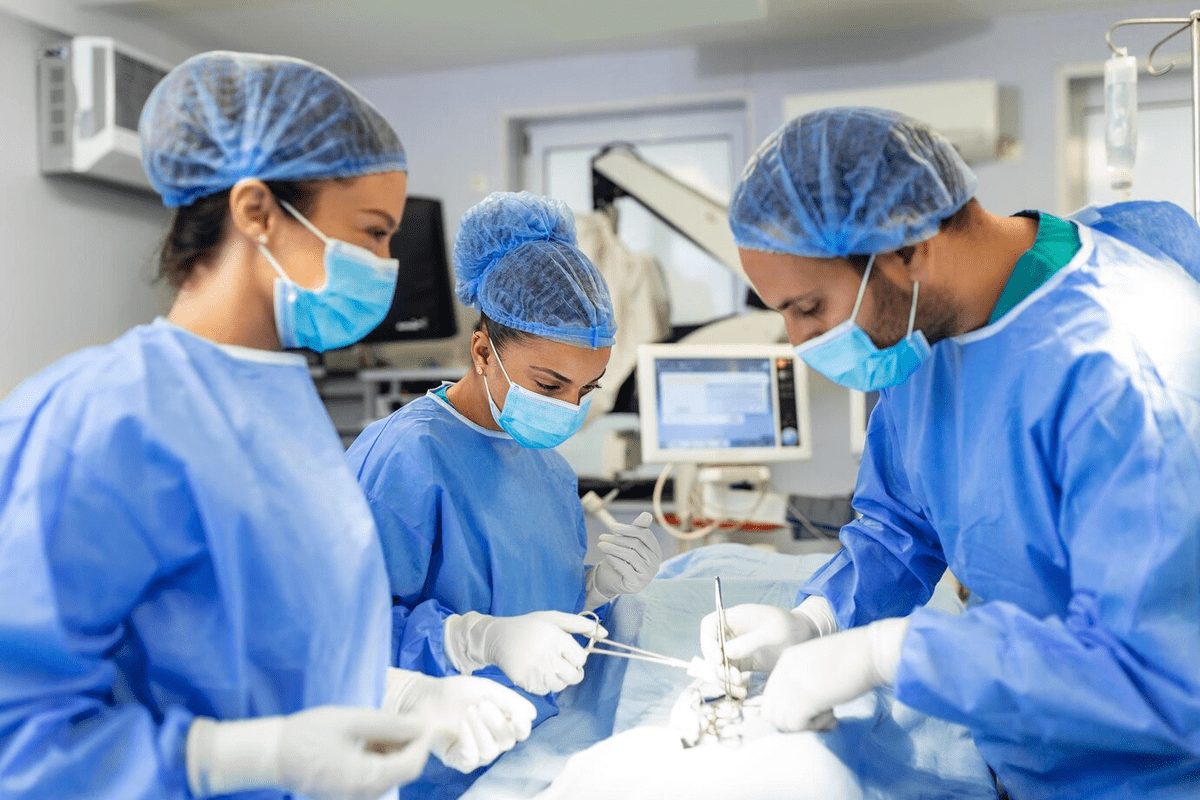
Did you know that about 900,000 people in the United States get hernia repair surgery each year? A hernia happens when an organ or tissue bulges through a weak spot in the muscle or tissue. This is where it normally stays. Knowing who is more likely to get a hernia helps prevent and treat it early.Reviewing the key hernia risk factors, including sex, age, chronic cough, and physical strain.
Some risk factors make getting a hernia more likely. For example, being obese puts more strain on muscles and tissues. Men are also more likely to get a hernia than women. And if you have a family history of hernia, it can also raise your risk.
Key Takeaways
- Approximately 900,000 people in the US undergo hernia repair surgery annually.
- Obesity significantly increases the risk of developing a hernia.
- Men are more likely to develop a hernia than women.
- A family history of hernia can increase an individual’s risk.
- Understanding risk factors is key to prevention and early intervention.
Understanding Hernias: Definition and Basic Concepts

It’s important to know what a hernia is and how it happens. A hernia is when an organ or tissue pushes through a weak spot in the muscle or tissue that usually keeps it in place.
What exactly is a hernia?
A hernia happens when there’s a weakness or tear in the muscle or fascia. This lets the organ or tissue bulge out. It can cause pain, discomfort, and serious problems if not treated.
Hernias can show up in different parts of the body. Their symptoms depend on where and how bad it is.
Common locations where hernias develop
Hernias can pop up in several spots, like:
- The groin area (inguinal hernia)
- The navel (umbilical hernia)
- The upper stomach (hiatal hernia)
- The site of a previous surgical operation (incisional hernia)
Each type of hernia has its own causes and risk factors.
How hernias affect daily life
Hernias can really mess with your daily routine. They can cause discomfort, pain, or a feeling of heaviness in the area. Even simple things like lifting, bending, or coughing can make it worse.
If not treated, hernias can lead to serious problems. For example, strangulation can happen, where the blood supply to the herniated tissue is cut off. This is very dangerous.
Learning about hernias is the first step to preventing and managing them. By knowing the risks and taking steps to prevent them, you can lower your chance of getting a hernia.
Types of Hernias and Their Prevalence

Hernias come in many forms, like inguinal, femoral, umbilical, and hiatal hernias. Each type has its own causes and risk factors. Knowing about these types helps doctors diagnose and treat them better.
Inguinal Hernias: The Most Common Type
Inguinal hernias happen when tissue, like part of the intestine, pushes through a weak spot in the abdominal muscles. They are more common in men because of how the male reproductive system develops. This can leave a weak spot in the abdominal wall.
Statistics on Inguinal Hernias:
| Gender | Prevalence Rate |
| Male | 27% lifetime risk |
| Female | 3% lifetime risk |
Femoral Hernias
Femoral hernias happen just below the inguinal ligament, where the femoral artery and vein pass. They are more common in women, and even more so in pregnant or obese women. They are less common than inguinal hernias but can be more dangerous because of their higher risk of strangulation.
Umbilical Hernias
Umbilical hernias occur around the belly button. They are more common in infants, and in adults, they are often linked to obesity, pregnancy, or conditions that increase abdominal pressure.
Hiatal Hernias
Hiatal hernias happen when part of the stomach bulges up into the chest through an opening in the diaphragm. They can cause symptoms like heartburn and chest pain. They are often linked to gastroesophageal reflux disease (GERD).
Prevalence of Different Hernia Types:
| Type of Hernia | Prevalence |
| Inguinal | 70-80% |
| Femoral | 5% |
| Umbilical | 10% |
| Hiatal | 15-20% |
Primary Hernia Risk Factors: Who’s Most Vulnerable
Knowing the main risk factors for hernias helps us spot who’s at higher risk. This knowledge lets us check our own risk and take steps to prevent it.
Demographic Factors: Age, Gender, and Ethnicity
Demographic factors greatly affect hernia risk. Age is key, as risk grows with age due to muscle and tissue weakening. Gender also matters, with some hernias more common in men or women. Ethnicity can influence risk too, as some groups may be more prone to certain hernias due to genetics.
- Age: Increased risk with older age
- Gender: Different types of hernias are more common in men or women
- Ethnicity: Genetic predispositions vary among ethnic groups
Physical Characteristics Increasing Vulnerability
Physical traits can also raise hernia risk. A weak abdominal wall makes one more likely to get a hernia. This weakness can stem from genetics, past surgeries, or conditions that raise abdominal pressure.
Other traits that may up the risk include:
- Poor muscle tone
- Previous abdominal surgery
- Chronic coughing or sneezing
- Obesity or significant weight changes
Weak Abdominal Wall: Causes and Implications
A weak abdominal wall is a big risk factor for hernias. It can be weakened by:
- Genetic conditions
- Previous surgical incisions
- Conditions that increase abdominal pressure, such as chronic coughing or heavy lifting
Knowing these risk factors helps us take steps to prevent hernias. By understanding our demographic and physical traits, we can manage our risk better.
Gender as a Risk Factor
The chance of getting a hernia is different for men and women. This is because of how their bodies are made and the hormones they have. Studies have found that men are more likely to get certain types of hernias because of these factors.
Anatomical Differences Increasing Male Risk
Men are more likely to get hernias because of their body structure. The main reason is the inguinal canal. This is a weak spot in the abdominal wall that can cause hernias, mainly in men.
Men and Inguinal Hernias: Statistics and Reasons
Research shows that men are much more likely to get inguinal hernias than women. This is because of the natural weakness in the abdominal wall where the inguinal canal is. We will look into why this is and what it means for men’s health.
How Testosterone Affects Connective Tissue Strength
Testosterone, a hormone found in higher levels in men, can weaken connective tissue. We will see how testosterone affects hernia risk and if it plays a role in the difference in hernia rates between men and women.
It’s important to understand these gender-specific risk factors to create better prevention and treatment plans. By knowing the body’s structure, hormones, and lifestyle factors that increase hernia risk, we can help those at higher risk more effectively.
Age-Related Hernia Risk Factors
Age is a big factor in hernia risk. It starts with babies and goes up to older adults. Different life stages bring different risks for hernias.
Infants and Congenital Hernia Cases
Congenital hernias happen in babies because of issues during pregnancy. They are often found right after birth. This is because the belly wall doesn’t close right.
Young Adults: Activity-Related Hernias
Young adults get hernias from too much physical activity. Lifting heavy things, sudden twists, or hits to the belly can cause them. Sports injuries also play a part.
Middle-Aged Adults: Cumulative Strain Effects
For middle-aged folks, years of strain on the belly wall raise hernia risk. Heavy lifting, chronic coughing, or past surgeries are big contributors.
Aging Population Hernia Risk: Tissue Weakening
As we get older, muscles and tissues get weaker. This makes hernias more likely, but inguinal hernias are the most common.
Here’s a breakdown of hernia prevalence across different age groups:
| Age Group | Common Types of Hernias | Primary Risk Factors |
| Infants | Congenital hernias | Developmental issues during fetal formation |
| Young Adults | Activity-related hernias | Physical strain, sports injuries |
| Middle-Aged Adults | Inguinal, umbilical hernias | Cumulative strain, previous surgeries |
| Aging Population | Inguinal hernias | Tissue weakening, age-related degeneration |
Knowing about these age-related risks is key to preventing and treating hernias. By spotting signs early and taking steps to prevent them, we can lower our risk of getting a hernia.
Obesity Increases Hernia Risk: The Connection Explained
Obesity is a big risk for getting hernias. As more people become obese, knowing how it affects hernia risk is key. This knowledge helps in preventing and treating hernias.
How Excess Weight Strains Abdominal Walls
Being overweight strains the abdominal walls. This extra pressure can cause the muscles to weaken. Over time, this makes the walls more likely to herniate.
Key factors contributing to this strain include:
- Increased intra-abdominal pressure
- Weakening of the abdominal muscles due to excess fat
- Chronic inflammation associated with obesity
Fat Distribution Patterns and Hernia Development
The way fat is distributed around the belly is important for hernia risk. Visceral fat, which is fat around organs, raises pressure inside the belly. This extra pressure strains the walls even more.
Research has shown that people with more belly fat are at higher risk for hernias. This shows how fat distribution affects hernia risk.
Weight Loss Benefits for Hernia Prevention
Shedding pounds can lower hernia risk. It reduces the strain on the walls and lowers belly pressure. A good diet and exercise plan can help prevent hernias and boost health.
Practical steps for weight loss include:
- Adopting a balanced diet rich in fruits, vegetables, and lean proteins
- Engaging in regular physical activity, such as walking or swimming
- Avoiding excessive weight gain during pregnancy and maintaining a healthy lifestyle
Understanding obesity’s link to hernia risk helps people take steps to prevent it. This improves health and lowers hernia risk.
Lifestyle Factors Contributing to Hernia Development
Knowing how lifestyle choices affect hernia risk is key to prevention. Our daily habits can greatly impact our chance of getting a hernia.
Heavy Lifting Hernia Cause: Proper Techniques
Heavy lifting is a major risk for hernias, like inguinal hernias. Improper lifting strains our abdominal muscles, raising hernia risk. To lower this risk, using the right lifting methods is vital:
- Always bend at the knees, not the waist.
- Keep the object close to your body.
- Lift with your leg muscles, not your back.
- Avoid twisting or turning while lifting.
Using these techniques reduces strain on our abdominal wall. This can lower hernia risk.
Sedentary Lifestyle Consequences
A sedentary lifestyle harms our health, including increasing hernia risk. Long periods of sitting weaken our abdominal muscles. Regular exercise strengthens these muscles, reducing hernia risk.
Smoking Increases Hernia Risk: Impact on Tissue Integrity
Smoking is a big risk for many health problems, including hernias. It damages our connective tissues, making them weak. Quitting smoking can improve tissue health and lower hernia risk.
Dietary Habits Affecting Hernia Risk
Our diet affects our abdominal wall’s health. Eating foods high in fiber helps prevent constipation. This reduces strain on our muscles. Also, a balanced diet helps keep our weight healthy, lowering hernia risk.
| Lifestyle Factor | Impact on Hernia Risk | Preventive Measure |
| Heavy Lifting | Increases strain on abdominal muscles | Use proper lifting techniques |
| Sedentary Lifestyle | Weakens abdominal muscles | Engage in regular physical activity |
| Smoking | Damages tissue integrity | Quit smoking |
| Poor Dietary Habits | Increases abdominal pressure | Maintain a balanced diet and healthy weight |
By understanding and tackling these lifestyle factors, we can lower our hernia risk. This helps us stay healthy overall.
Hernia Risk Factors in Women
Hernia risks differ between men and women. Women face unique risks due to their biology and hormones. Some risks are the same for both, but women have special factors that make them more likely to get hernias.
Pregnancy Hernia Risk Factor: Causes and Prevention
Pregnancy is a big risk for hernias in women. The pressure inside the belly during pregnancy can push on the abdominal wall. Hormonal changes during pregnancy also weaken tissues, making hernias more likely.
Some key factors during pregnancy that contribute to hernia risk include:
- Increased abdominal pressure: As the uterus grows, it puts more pressure on the abdominal wall.
- Hormonal changes: Hormones like relaxin can loosen tissues, making them more prone to strain.
- Weight gain: Gaining too much weight during pregnancy can strain the abdominal wall even more.
To lower these risks, pregnant women can take steps like keeping a healthy weight, standing up straight, and avoiding heavy lifting.
Female-Specific Anatomical Considerations
Women’s bodies are different, which affects their risk of hernias. The shape of the pelvis and the presence of the uterus can change how pressure is spread in the belly. Knowing these differences helps spot weak spots.
Some female-specific anatomical considerations include:
- Pelvic floor structure: The muscles and ligaments in women support the uterus but can also be weak if not cared for.
- Reproductive history: Having many babies can strain the abdominal and pelvic muscles, raising hernia risk.
Hormonal Influences on Tissue Strength
Hormones change throughout a woman’s life, affecting tissue strength and flexibility. For example, lower estrogen levels during menopause can make tissues more fragile.
Key hormonal influences include:
- Estrogen levels: Changes in estrogen can weaken and lose flexibility in connective tissues.
- Menopause: Lower estrogen during menopause can make tissues less strong.
Knowing how hormones affect tissues can help women take steps to keep their tissues healthy and lower hernia risk.
Occupational and Athletic Hernia Risks
Jobs and sports can increase the chance of getting a hernia. Heavy lifting, bending, and sudden movements put strain on the abdominal wall. This strain can lead to hernias.
High-Risk Professions
Jobs that need heavy lifting, like construction, warehouse work, and firefighting, raise hernia risk. Repetitive heavy lifting and bending strain abdominal muscles.
Repetitive Strain and Recurrent Strain Hernia Risk
Repetitive strain injuries happen in work and sports. Frequent heavy lifting, twisting, or bending weakens the abdominal wall. This makes it more likely to get a hernia.
Athletes Hernia Risk Group: Sports with Highest Incidence
Football, hockey, and soccer players face higher hernia risks. The sports’ demands, like sudden acceleration and deceleration, increase the risk.
Workplace and Training Prevention Strategies
To lower hernia risks, prevention is key. Use proper lifting techniques, regular exercise to strengthen core muscles, and protective gear. Training programs on safe lifting and physical conditioning also help.
Knowing the risks in certain jobs and sports helps protect health. Taking steps to prevent hernias is important.
Medical Conditions That Increase Hernia Risk
Many medical conditions can raise the risk of getting a hernia. Some health issues can make it more likely to develop a hernia. We will look at these conditions and what they mean.
Chronic Cough Hernia Risk: Respiratory Conditions
A chronic cough can strain the abdominal wall, raising hernia risk. Conditions like COPD and asthma can cause long-term coughing.
- Respiratory Conditions: COPD, asthma, and bronchitis can cause chronic coughing.
- Impact on Abdominal Wall: Repeated strain from coughing can weaken the abdominal wall.
High Pressure Abdominal Risk: Causes and Effects
High abdominal pressure, from obesity or heavy lifting, can increase hernia risk. This pressure can strain the abdominal wall, possibly causing a hernia.
Connective Tissue Disorders
Disorders like Ehlers-Danlos syndrome can raise hernia risk. This is because they weaken connective tissue.
- Ehlers-Danlos Syndrome era: A genetic disorder affecting connective tissue.
- Impact on Hernia Risk: Weakened connective tissue can lead to herniation.
Previous Surgery Hernia Risk: What to Know
Previous surgeries can sometimes increase hernia risk. This is more likely if there were complications during healing.
- Surgical History: Previous abdominal surgeries can be a risk factor.
- Complications: Infection or improper healing can increase hernia risk.
Knowing about medical conditions that raise hernia risk is key for prevention. By understanding these risks, people can take steps to lower their chance of getting a hernia.
Genetic Predisposition to Hernias
Genetic predisposition plays a big role in hernia risk. Knowing the genetic factors helps in preventing and treating hernias.
Family History and Statistical Significance
People with a family history of hernias are at higher risk. Research shows many hernia cases have a family link. “A family history of hernias can increase an individual’s risk by up to 30%,” recent studies found.
Genetics can weaken abdominal walls, making some more prone to hernias.
Inherited Weaknesses and Genetic Predisposition
Genetic predisposition often involves inherited connective tissue weaknesses. This can lead to more hernias in some families. Understanding family medical history is key.
Key factors include:
- Weakened abdominal walls
- Connective tissue disorders
- Genetic mutations affecting tissue strength
Genetic Testing and Risk Assessment
Genetic testing can now assess hernia risk based on genetic profile. It’s not definitive but can be helpful for those with a family history.
Talking to a healthcare provider about genetic testing for hernia risk is recommended.
Understanding genetic factors helps in reducing hernia risk. Maintaining a healthy weight, avoiding heavy lifting, and managing chronic conditions are important steps.
“Recognizing the signs of a hernia early and understanding one’s genetic predisposition can significantly impact treatment outcomes.”
Recognizing Early Warning Signs and Prevention
Knowing about hernia symptoms and risk factors helps you get medical help early. This might prevent surgery. We’ll talk about how to prevent hernias and find them early. This way, you can manage your risk better.
Physical Symptoms to Watch For
Spotting hernia symptoms is the first step to treatment. Look out for a bulge or lump, pain when you cough or bend, and feeling heavy in your abdomen or groin. Watching these signs closely is key because they might mean you have a hernia.
When to Consult a Healthcare Provider
If you notice any hernia symptoms, see a doctor. Getting checked early can stop serious problems like hernia strangulation, which is an emergency. Your doctor will check you and might do tests to confirm the diagnosis.
Self-Assessment Techniques
Knowing how to check yourself can help spot issues early. Look for bulges or lumps in your abdomen or groin, mainly when you’re standing or straining. Doing regular self-checks helps you know what’s normal. This makes it easier to spot any changes.
Effective Prevention Strategies for High-Risk Individuals
If you’re at high risk for hernias, taking steps to prevent them is important. Keep a healthy weight to ease pressure on your belly, lift right to avoid straining, and do exercises that strengthen your core. Eating a diet full of fiber helps prevent constipation, which can lead to hernias. By following these tips, you can lower your chance of getting a hernia.
Conclusion: Understanding Your Personal Hernia Risk
Knowing your risk for hernias is key to preventing and catching them early. We’ve looked at factors like age, gender, obesity, and lifestyle that increase hernia risk. By understanding these, you can lower your risk.
Figuring out your risk involves looking at your age, health, and lifestyle. For example, eating well and exercising can help a lot. Also, lifting right and not smoking can prevent hernias.
By knowing about hernia risk and following prevention tips, you can lower your chance of getting a hernia. If you’re worried or notice symptoms, talk to a doctor. Taking these steps can keep you healthy and safe.
FAQ
What is a hernia and how does it occur?
A hernia happens when an organ or tissue bulges through a weak spot in the muscle or tissue. This can be due to strain, aging, or genetics.
Are men more likely to develop hernias than women?
Yes, men are more likely to get hernias, like inguinal hernias. This is because of their anatomy and how testosterone affects their tissues.
How does obesity affect hernia risk?
Being obese increases hernia risk. Extra weight strains the abdominal walls, making them weak over time.
Can lifestyle changes help prevent hernias?
Yes, staying healthy, avoiding heavy lifting, quitting smoking, and eating well can lower hernia risk.
Are there specific occupations or activities that increase hernia risk?
Yes, jobs or activities that involve heavy lifting, bending, or repetitive strain can raise hernia risk.
How does pregnancy affect hernia risk in women?
Pregnancy can increase hernia risk. It strains the abdominal muscles and changes hormone levels, affecting tissue strength.
Can genetic factors play a role in hernia development?
Yes, having a family history of hernias can increase your risk. It suggests a genetic link.
What are the early warning signs of a hernia?
Early signs include a bulge, discomfort, or pain, often when coughing, lifting, or bending.
When should I seek medical attention for a potentially hernia?
If you see a bulge, have ongoing pain, or symptoms get worse, see a doctor. They can evaluate and advise you.
Are there effective prevention strategies for individuals at high risk of hernias?
Yes, high-risk individuals can prevent hernias with a healthy lifestyle. This includes a balanced diet, exercise, and avoiding muscle strain.
Can previous surgery increase the risk of developing a hernia?
Yes, previous surgery can raise hernia risk. This is true if there were complications or if the area was strained.
How does aging affect hernia risk?
Aging increases hernia risk. As people get older, muscles and tissues naturally weaken.
References
JAMA Network. Evidence-Based Medical Insight. Retrieved from https://jamanetwork.com/journals/jamasurgery/fullarticle/2089144