Last Updated on November 25, 2025 by
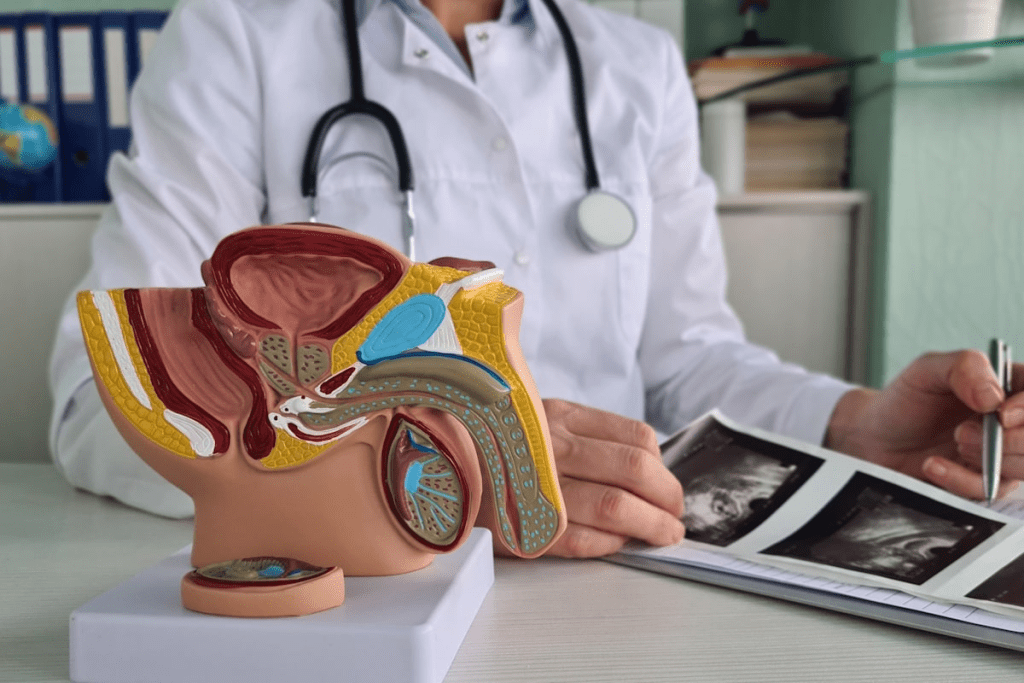
Peyronie’s disease is a condition that affects many men, often causing embarrassment and concern. It is more common than many realize, mainly among men over 50.
Talking about Peyronie’s disease can be tough, but it’s key to face it. The National Institute of Diabetes and Digestive and Kidney Diseases (NIDDK) says about one in 100 males in the US gets this condition.
Peyronie’s disease causes the penis to form fibrous scar tissue. This leads to curved and painful erections. The exact number of people affected varies, from 0.3% to 20%, based on who’s studied and how they’re diagnosed.
In some cases, medications such as tadalafil may be considered as part of treatment to improve erectile function and help men manage symptoms more effectively.
Key Takeaways
- Peyronie’s disease is characterized by fibrous scar tissue in the penis.
- It leads to curved, painful erections.
- Men over 50 are more likely to be affected.
- Prevalence estimates range from 0.3% to 20%.
- Approximately one in 100 males in the US is diagnosed.
Peyronie’s Disease: Understanding the Condition and Its Prevalence
Peyronie’s disease affects men’s health by causing the penis to bend due to plaque. We will dive into the details of this condition and how common it is among men.
What Exactly is Peyronie’s Disease?
Peyronie’s disease involves the growth of fibrous scar tissue, called plaque, inside the penis. This plaque makes the penis curve or bend, leading to painful erections. The exact cause is not known, but it’s thought to come from injury or trauma to the penis, causing erroneous healing and scar tissue.
Prevalence Rates: From 0.3% to 20%
Research shows that Peyronie’s disease’s prevalence varies widely, from 0.3% to 20.3%. This difference depends on the study population and diagnostic methods. Some studies indicate a prevalence of 9-10% among adult males, showing the need for awareness and accurate diagnosis.
Prevalence rates can change based on age, with men aged 50-70 more likely to get Peyronie’s disease. Health conditions like diabetes and previous surgeries, such as prostate surgery, also raise the risk.
Risk Factor 1: Men Between 50-70 Years Old
Men between 50 and 70 years old face a higher risk of Peyronie’s disease. This is due to several factors linked to aging.
The average age for men with Peyronie’s disease is 55-60 years. This highlights the role of age in increasing the risk.
Statistical Evidence for Age-Related Risk
Research shows Peyronie’s disease is more common in men in their 50s and 60s. It’s often linked to aging, which can cause penile curvature and fibrotic plaques.
Key statistics supporting the age-related risk include:
- The peak incidence of Peyronie’s disease occurs in men aged 55-60 years.
- Men between 50-70 years old are more likely to undergo the kink test due to symptoms associated with Peyronie’s disease.
- Age-related factors, such as decreased testosterone and vascular disease, may contribute to the development of Peyronie’s disease.
It’s important to understand the age-related risks for Peyronie’s disease. Recognizing symptoms early can lead to timely medical care.
Risk Factor 2: Individuals with Diabetes and Poor Blood Sugar Control
People with diabetes face a higher risk of Peyronie’s disease, mainly if their blood sugar is not well-controlled. Diabetes impacts the body in many ways, including penile health. Studies reveal that diabetic men are more likely to have Peyronie’s disease, with rates between 4.5% and 20.3%.
The 20.3% Prevalence Rate in Diabetic Men
Research shows that diabetic men can have up to a 20.3% chance of Peyronie’s disease. This high rate highlights the need to manage diabetes to avoid Peyronie’s disease. It suggests diabetes might contribute to Peyronie’s disease in men.
How Elevated HbA1c Affects Penile Tissue
High HbA1c levels, a sign of poor blood sugar control, can harm penile tissue. These high levels can cause vascular damage and change how penile tissue works. This can lead to Peyronie’s disease. So, keeping blood sugar in check is key for health and preventing Peyronie’s disease.
It’s vital to understand the connection between diabetes and Peyronie’s disease. By managing blood sugar, people can lower their risk of Peyronie’s disease.
Risk Factor 3: Men with Ha History of Prostate Surgery
Men who have had prostate surgery are at higher risk for Peyronie’s disease. This is why it’s important for them to be aware. We will look into how prostate surgery might lead to Peyronie’s disease and the complications that can happen.
Research shows that men who have had a radical prostatectomy are more likely to get Peyronie’s disease. The rate is about 15.9%, showing a clear link between surgery and the condition.
The Post-Surgery Risk Rate
After prostate surgery, the chance of getting Peyronie’s disease is quite high. Studies say up to 16% of men might be affected. This risk depends on the surgery type and the man’s health.
A study found that men who had a radical prostatectomy were more likely to get Peyronie’s disease. This shows why it’s key to watch over penile health after surgery.
Surgical Complications and Tissue Damage
Problems during or after prostate surgery can harm the penile tissue. This damage can lead to Peyronie’s disease. The surgery trauma can cause scar tissue, a key sign of Peyronie’s disease.
- Tissue damage during surgery
- Scar tissue formation
- Penile curvature or deformity
Men who have had prostate surgery need to know about these risks. They should talk to their doctor about any worries. Early action can help manage Peyronie’s disease better.
Understanding the risks of prostate surgery and Peyronie’s disease helps us manage them. This can improve the lives of men affected by Peyronie’s disease.
Risk Factor 4: Experience of Penile Trauma or Injury
Penile trauma or injury can raise the risk of Peyronie’s disease. This trauma can come from various sources, like during sex, sports, or accidents. It can cause the penis to bend due to fibrous scar tissue, a key sign of Peyronie’s disease.
Penile trauma can lead to inflammation and scarring. This scarring can make the penis bend or curve. Studies show men who have had penile trauma are more likely to get Peyronie’s disease.
Other Types of Physical Trauma
Not just direct penile trauma increases risk; other physical injuries do too. For example, injuries from medical procedures or physical stress can also lead to Peyronie’s disease. We’re learning how different traumas affect penile health and contribute to Peyronie’s.
It’s important to understand how physical trauma and Peyronie’s disease are connected. Men who have had penile trauma or other injuries should talk to a healthcare provider about their risks.
By recognizing the risks of Peyronie’s disease, including penile trauma, we can improve management and treatment for those affected.
Risk Factor 5: White Men and Racial Predisposition
Studies show white men are more likely to get Peyronie’s disease than men of other races. This raises questions about racial predisposition in Peyronie’s disease.
Statistical Evidence for Racial Differences
Epidemiological studies have given us insights into Peyronie’s disease by race. They found white men have a higher incidence of the disease. For example, a study might show a higher prevalence in white men compared to other races.
Some key statistics include:
- A prevalence rate of 9.1% among white men in a studied cohort.
- White men are more likely to develop Peyronie’s disease than men from other ethnic groups.
- Epidemiological data suggest a genetic or environmental factor that may contribute to the higher incidence in white men.
Examining Possible Reporting Biases
While statistics show a higher incidence in white men, we must consider reporting biases. These biases could affect the prevalence rates. Factors like healthcare-seeking behavior and access to medical care vary by population.
Some biases to think about include:
- Selection bias: Differences in the populations studied might affect the findings’ generalizability.
- Reporting bias: Variations in diagnosis and reporting of Peyronie’s disease across healthcare systems.
- Cultural factors: Cultural attitudes towards discussing sexual health might influence reporting rates.
Understanding these biases is key to interpreting the statistics. It helps clinicians provide the right care for diverse patients.
Peyronie’s disease can affect men from all backgrounds. Knowing the risk factors, including racial predisposition, helps in early detection and management. More research is needed to understand the role of genetics, environment, and socio-economic factors in Peyronie’s disease.
Risk Factor 6: Younger Men with Multiple Risk Factors and Tadalafil Usage
Peyronie’s disease isn’t just for older men. Younger guys with risk factors can get it too. Studies show how certain meds, like tadalafil, might affect them.
Younger men with Peyronie’s often have worse symptoms. They might have more plaques and a bigger curve. This can really hurt their quality of life.
Unique Characteristics in Younger Patients
Younger men with Peyronie’s disease have some special traits. They tend to have:
- More aggressive forms of the disease
- A higher incidence of hourglass syndrome, a condition where the penis narrows, giving it an hourglass appearance
- Increased reports of erectile dysfunction (ED), sometimes referred to as “no neck ED” due to the loss of penile girth
This means they might need stronger treatments to manage their disease.
How Tadalafil Affects Peyronie’s Management
Tadalafil, or Cialis, helps with erectile dysfunction. But its effect on Peyronie’s disease is being studied. Some research says it might help by improving erections. But, it’s important to know about its Cialis side effects and tadalafil side effects.
For example, a forum on men’s health talks about the challenges of treating ED in young men. This includes those with Peyronie’s disease.
Doctors need to think carefully about using tadalafil. They should consider how severe the Peyronie’s disease is and any other health issues.
“The management of Peyronie’s disease in younger men requires a thorough approach. This includes looking at the severity of symptoms and the effects of treatments like tadalafil.”
In short, young men with risk factors and using tadalafil need close monitoring. They also need treatment plans that are tailored to their needs.
Conclusion: Recognizing Your Risk and Seeking Appropriate Care
It’s important to know the risk factors for Peyronie’s disease to manage it well. We’ve talked about several key ones. These include age, diabetes, prostate surgery history, penile trauma, and racial predisposition.
Men aged 50-70, those with diabetes, and those who’ve had prostate surgery are at higher risk. Knowing these risks helps you take steps to get the right care.
Starting treatment early can really help with Peyronie’s disease symptoms. If you’re experiencing symptoms or think you might be at risk, see a healthcare professional. They can guide you and might suggest treatments like viagra to help.
By recognizing your risk and getting medical help quickly, you can manage your health better. We’re dedicated to top-notch healthcare and support for international patients.
FAQ
What is Peyronie’s disease?
Peyronie’s disease is a condition where scar tissue forms in the penis. This leads to curved, painful erections.
What are the risk factors for developing Peyronie’s disease?
Risk factors include being 50-70 years old, having diabetes, and a history of prostate surgery. Penile trauma or injury and being white also increase the risk.
How does age affect the risk of developing Peyronie’s disease?
Men aged 50-70 are more likely to get Peyronie’s disease. This is supported by statistical evidence.
Is there a link between diabetes and Peyronie’s disease?
Yes, diabetes is a risk factor. Diabetic men have a 20.3% risk, and high HbA1c levels can harm penile tissue.
Can prostate surgery increase the risk of developing Peyronie’s disease?
Yes, men with a prostate surgery history face a 16% risk. Surgical complications and tissue damage can contribute to Peyronie’s disease.
How does penile trauma or injury contribute to Peyronie’s disease?
Penile trauma or injury can cause scar tissue. This contributes to Peyronie’s disease.
Are white men more likely to develop Peyronie’s disease?
Yes, white men are at higher risk. But, racial predispositions and reporting biases must be considered.
Can tadalafil usage affect Peyronie’s disease management?
Tadalafil usage may impact Peyronie’s disease management. This is true for younger men with multiple risk factors.
What are the characteristics of Peyronie’s disease in younger men?
Younger men with Peyronie’s disease may have unique characteristics. Tadalafil usage is a factor in their condition.
What is the prevalence of Peyronie’s disease?
Peyronie’s disease prevalence varies. It ranges from 0.3% to 20% in different populations.
What are the possible complications of Peyronie’s disease?
Peyronie’s disease can cause curved, painful erections. In severe cases, it may lead to erectile dysfunction. This can be treated with medications like Cialis or Viagra. In some cases, a penile implant may be necessary.
References
- National Institute of Diabetes and Digestive and Kidney Diseases. (n.d.). Peyronie’s disease: NIDDK information clearinghouse. https://www.niddk.nih.gov/health-information/urologic-diseases/peyronies-disease
- “Peyronie’s Disease: Practice Essentials, Problem, Epidemiology. (n.d.). Medscape. https://emedicine.medscape.com/article/456574-overview
- Stuntz, M., Perlaky, A., des Vignes, F., Kyriakides, T., & Glass, D. (2016). The prevalence of Peyronie’s disease in the United States: A population-based study. PLoS ONE, 11(2), e0150157. https://journals.plos.org/plosone/article?id=10.1371/journal.pone.0150157