Last Updated on December 1, 2025 by Bilal Hasdemir
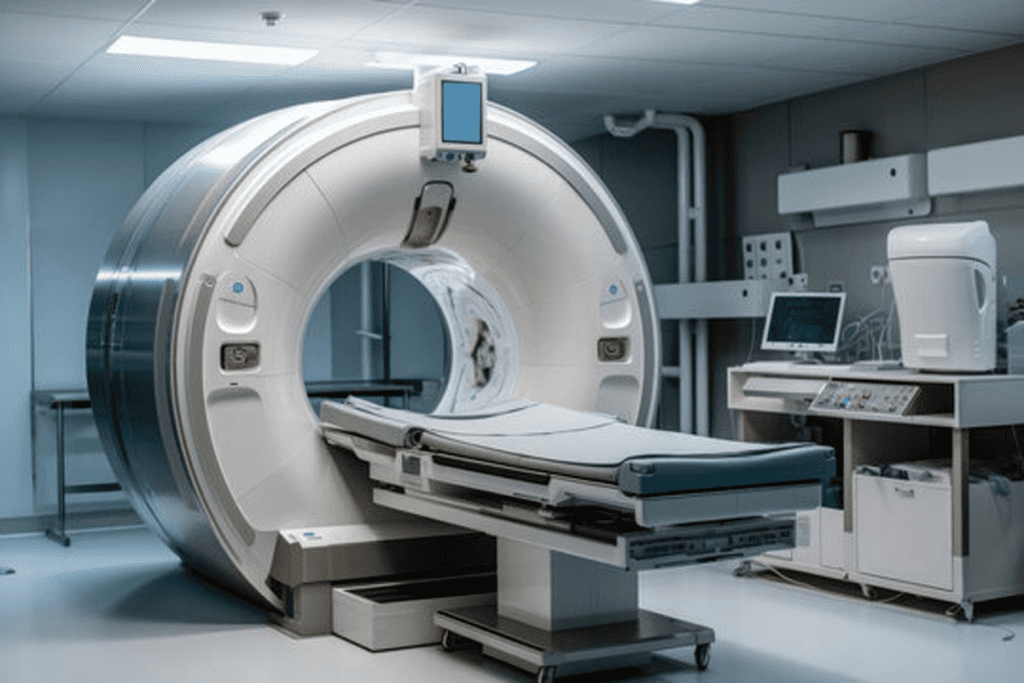
PET scans are useful for diagnosing and monitoring health issues. Yet, they are not always the first choice for doctors. PET scans help doctors understand how the body works, and they are valuable for many health conditions. However, it’s also important to know who should not get a PET scan, since there are certain situations where the test is not advised due to health issues, pregnancy, or other medical factors.
Key Takeaways
- PET scans are not recommended for everyone, especially those with low-risk cancers and no symptoms.
- Certain health conditions may contraindicate the use of PET scans.
- Doctors weigh the benefits and risks before recommending PET scans.
- PET scans offer valuable diagnostic information but are used judiciously.
- The decision to undergo a PET scan is made on a case-by-case basis.
Understanding PET Scan Technology and Its Purpose
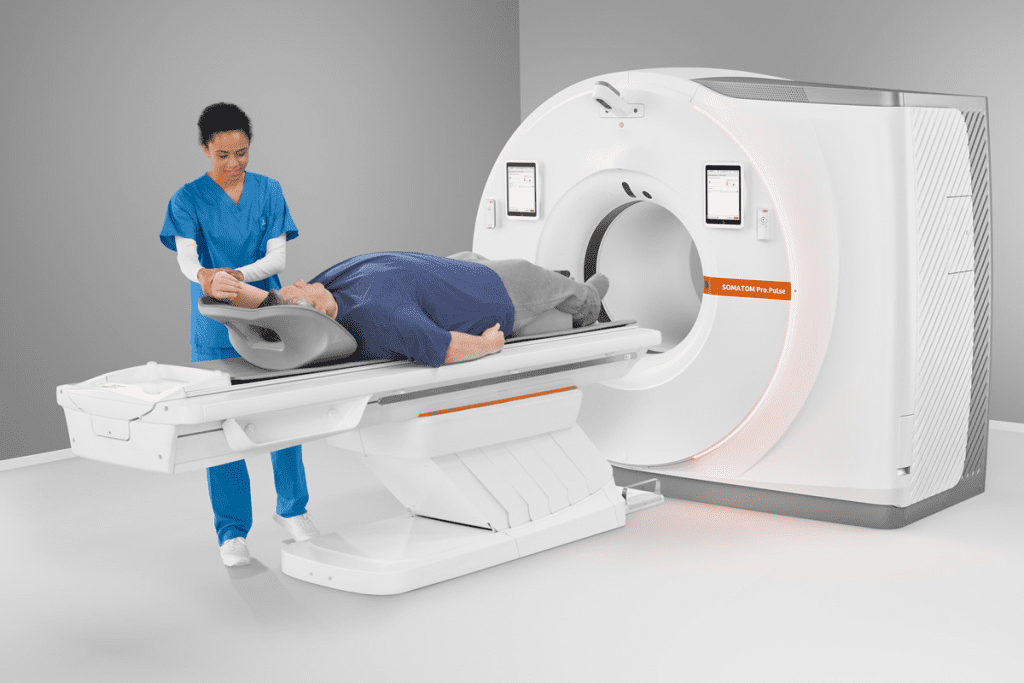
Positron Emission Tomography (PET) scans give us a peek into how our bodies work. They are key in medical tests, showing things other scans can’t.
How PET Scans Work
PET scans use a special tracer to see how organs and tissues function. This tracer is taken up by cells, and the scan picks up the radiation it gives off. This creates detailed images of how cells are working.
Differences Between PET Scans and Other Imaging Tests
PET scans are different from CT or MRI scans. While those show the body’s structure, PET scans show how tissues are working. This makes them great for finding and tracking cancer.
Common Medical Applications of PET Scans
PET scans are used a lot for finding cancer, checking if treatments are working, and for brain disorders. Here are some main uses:
| Medical Application | Description |
| Cancer Diagnosis | PET scans spot cancer by looking at how active cells are. |
| Neurological Disorders | They help find and track brain diseases like Alzheimer’s by looking at brain activity. |
| Treatment Monitoring | PET scans check if cancer treatments are working by watching metabolic changes. |
A top oncologist says, “PET scans have changed how we fight cancer.” They give us live data on how cells are working, making them essential in today’s medicine.
“The use of PET scan technology in medicine has greatly helped patients.”
A Nuclear Medicine Specialist
The Limited Availability and High Cost of PET Scans
PET scans are expensive and hard to find. They are advanced tools that need special equipment and places to work.
Equipment and Facility Requirements
PET scans need special and pricey gear. This includes the PET scanner and a cyclotron for making needed medicines. In Canada, there are just 12 PET scanners, and most are not used because of funding and rules.
Insurance Coverage Challenges
Getting insurance for PET scans can be tough. It changes a lot between different companies and plans. Some plans might not cover them for certain reasons or need a lot of approval first.
| Insurance Provider | Coverage for PET Scans | Pre-approval Required |
| Provider A | Yes, for oncology | Yes |
| Provider B | Limited coverage | No |
| Provider C | No coverage | N/A |
Cost-Benefit Analysis in Medical Decision Making
Doctors have to think about the good and bad of PET scans. They look at other ways to diagnose too. This helps decide if a PET scan is right for a patient.
“The decision to use PET scans involves careful consideration of their possible benefits versus the costs and risks of the procedure.” – Medical Expert
Radiation Exposure Concerns with PET Scans
PET scans use small amounts of radioactive tracers. These tracers help diagnose and monitor health conditions like cancer and neurological disorders. This raises concerns about radiation exposure for patients.
Amount of Radiation in a Typical PET Scan
A PET scan uses a radioactive tracer that emits radiation. The PET scanner detects this radiation. The dose of radiation from a PET scan is measured in millisieverts (mSv). For example, Fluorodeoxyglucose (FDG) gives an effective dose of about 7-10 mSv per scan.
Cumulative Radiation Exposure Risks
Repeated PET scans can add up to a lot of radiation over time. This is a big worry for patients needing many scans. The more radiation you get, the higher the risk of harm, like cancer.
Comparing PET Scan Radiation to Other Medical Imaging
It’s useful to compare PET scan radiation to other imaging methods. The table below shows the effective doses from different imaging procedures.
| Imaging Procedure | Typical Effective Dose (mSv) |
| Chest X-ray | 0.1 |
| CT Scan (Abdomen/Pelvis) | 10-20 |
| PET Scan (FDG) | 7-10 |
| Mammogram | 0.4 |
Knowing how different imaging methods compare can help doctors and patients choose the best tests.
Who Should Not Get a PET Scan: Complete Contraindications
PET scans are not safe for everyone. Certain conditions can make the scan risky or useless. It’s important for doctors to know these limits to decide if a PET scan is right.
Absolute Contraindications
Some situations make a PET scan too dangerous. For example, pregnancy is a big no because the scan’s radiation can harm the baby. Also, severe allergic reactions to the scan’s chemicals are a strict no-go.
Relative Contraindications
Some conditions might make a PET scan not the best choice. For instance, severe kidney disease can mess with how the scan’s chemicals are cleared. Diabetes is another issue, mainly if blood sugar is hard to control, which can mess up the scan’s accuracy.
Risk-Benefit Assessment Process
Deciding on a PET scan is all about weighing risks against benefits. Doctors look at the patient’s health and any issues that might come up.
Emergency Situations vs. Routine Screening
In emergencies, the need for a PET scan is urgent. It’s about whether the scan can change treatment plans quickly. For regular checks, the question is if the scan will really help manage the patient’s health.
| Contraindication Type | Condition/Situation | Rationale |
| Absolute | Pregnancy | Risk of radiation to the fetus |
| Absolute | Severe allergic reactions to radiopharmaceutical | Risk of anaphylaxis |
| Relative | Severe kidney disease | Impact on radiopharmaceutical clearance |
| Relative | Diabetes with poorly controlled blood glucose | Potential for inaccurate scan results |
PET Scans During Pregnancy and Breastfeeding
PET scans are usually not done during pregnancy unless it’s really needed. This is because they might harm the growing baby. But, sometimes, the benefits of a PET scan are more important than the risks.
Risks to the Developing Fetus
The main worry with PET scans in pregnancy is the radiation. The radiopharmaceutical used in PET scans can get to the baby. This could hurt the baby.
Breastfeeding Safety Considerations
For moms who are breastfeeding, there’s a concern about the radiopharmaceutical in breast milk. Doctors usually tell moms to suspend breastfeeding for a while after the scan.
Alternative Imaging Options for Pregnant Women
Other imaging methods like ultrasound and MRI are safer during pregnancy. But, sometimes, a PET scan is needed for important information.
Timing Considerations for Urgent Diagnoses
In emergency cases, the timing of the PET scan is carefully planned. For example, delaying the scan until after the first trimester might lower the risk to the baby.
| Imaging Modality | Risk Level During Pregnancy | Use During Breastfeeding |
| PET Scan | High | Temporarily suspended |
| Ultrasound | Low | Safe |
| MRI | Low to Moderate | Safe |
Pediatric Patients and PET Scan Considerations
PET scans for kids need careful thought. They balance the need for diagnosis against the risk of radiation. Kids are more at risk because their bodies are smaller and growing fast. So, it’s important to think hard about the benefits and risks before using PET scans on children.
Radiation Sensitivity in Children
Children are more harmed by radiation because their bodies are smaller and their cells are growing fast. This means we have to adjust the radiation dose carefully. We want to get good images without harming them too much.
Sedation Requirements and Risks
Kids often need sedation to stay calm during a PET scan. But sedation can be risky, causing breathing problems or allergic reactions. So, we must be very careful when deciding if sedation is needed. We consider the child’s age, health, and what the scan needs.
Long-term Concerns for Pediatric Patients
There are worries about long-term effects of PET scans on kids. These include the chance of getting cancer or other health issues later. To lower these risks, we use the smallest dose of radioactive material needed. We also keep a close eye on the child’s health over time.
Age-Specific Protocols and Dose Adjustments
Because kids are different, we need special plans for them. The dose of the radioactive material depends on the child’s weight and age. Here’s a guide for adjusting doses in kids:
| Age Group | Dose Adjustment Factor | Typical Administered Dose |
| 0-1 year | 0.2-0.3 | 10-20 MBq |
| 1-5 years | 0.5-0.7 | 30-50 MBq |
| 6-12 years | 0.8-1.0 | 50-70 MBq |
| 13 years and above | 1.0 | 70-100 MBq |
By making PET scans fit each child’s needs, we can reduce risks. This way, we get the most benefit from the scan while keeping them safe.
Kidney Disease, Liver Impairment and PET Scan Risks
Kidney disease and liver impairment can affect PET scan risks. They require a special approach. Patients with these conditions may struggle with how their bodies handle PET scan chemicals.
Impact of Kidney Function on Radiopharmaceutical Clearance
The kidneys are key in removing PET scan chemicals from the body. If the kidneys are not working well, this process can be slow. This can lead to more radiation and harm.
The level of kidney disease affects how well these chemicals are removed. This changes the risk of the PET scan.
Table: Effects of Kidney Disease on Radiopharmaceutical Clearance
| Kidney Function Level | Clearance Efficiency | Potential Risks |
| Normal | High | Low |
| Mildly Impaired | Moderate | Moderate |
| Severely Impaired | Low | High |
Liver Metabolism of PET Tracers
The liver helps break down many PET tracers. If the liver is not working right, this process can be off. This can change how the PET scan works and its accuracy.
Modified Protocols for Patients with Organ Dysfunction
For those with kidney or liver issues, special PET scan plans might be needed. These could include changing the chemical dose, checking organ function before and after, and using different PET tracers.
Healthcare providers can reduce risks by understanding how kidney and liver disease affect PET scans. This way, patients get the needed info safely.
Diabetes and Blood Sugar Concerns Affecting PET Scan Accuracy
PET scan accuracy can be affected by diabetes and blood sugar levels. Diabetic patients need to know how their condition impacts scan results. They also need to know what preparations they must make.
Impact of Elevated Blood Glucose on PET Scan Results
Elevated blood glucose levels can make PET scan results less accurate. High blood sugar can change how the radiopharmaceutical is taken up. This can lead to images that are not clear.
Special Preparation for Diabetic Patients
To get accurate PET scan results, diabetic patients need special preparation. They might need to adjust their medication, fast for a while, or keep a close eye on their blood sugar before the scan.
Alternative Tracers for Diabetic Patients
For diabetic patients, alternative PET tracers might be used. These tracers are made to work better when blood sugar is high. They could provide more accurate results.
Managing Insulin and Oral Medications Before a Scan
Diabetic patients should follow specific instructions about their insulin and oral medications before a PET scan. Managing these medications correctly is key to getting reliable scan results.
Contrast Dye Allergies and Adverse Reactions
Allergic reactions to PET scan materials are a concern for patient safety. PET scans are valuable for diagnosis, but the materials can sometimes cause problems.
Common Allergic Reactions to PET Scan Materials
Reactions to PET scan materials can be mild or severe. Symptoms include hives, itching, and trouble breathing. In the worst cases, anaphylaxis can happen, which is very serious and needs quick medical help.
Table: Common Allergic Reactions and Their Symptoms
| Reaction Type | Symptoms |
| Mild Allergic Reaction | Hives, itching |
| Moderate Allergic Reaction | Swelling, redness, difficulty breathing |
| Severe Allergic Reaction (Anaphylaxis) | Constricted airways, rapid heartbeat, dizziness |
Pre-medication Options for At-Risk Patients
For those at risk, pre-medication is available. This can include antihistamines or corticosteroids to lower the risk of an allergic reaction. Doctors look at the patient’s history and risk to choose the best pre-medication.
“Pre-medication with corticosteroids and antihistamines can significantly reduce the risk of allergic reactions to PET scan materials.” – A Radiologist
Emergency Protocols for Adverse Reactions
Emergency plans are in place for adverse reactions. Medical staff are trained to act fast and safely. They give emergency meds and support as needed.
By knowing the risks and taking steps, we can lower the chance of allergic reactions to PET scan materials. This makes the diagnostic process safer for patients.
Practical Limitations: Claustrophobia and Patient Motion
PET scans are useful for diagnosis but come with practical challenges. Claustrophobia and patient movement during scans are big issues for both patients and medical staff.
Impact of Patient Movement on Image Quality
Patient movement can ruin the quality of PET scan images. Even small movements can cause problems. This is because PET scans need patients to stay very quiet and steady for a long time.
Managing Claustrophobia During Scanning
It’s important to manage claustrophobia for a successful PET scan. Techniques like relaxation training and using open PET scanners help. Also, reassuring patients can ease their anxiety.
Sedation Options and Their Limitations
Sedation might be needed to keep patients calm and steady during the scan. But, sedation has its own risks and limitations. It can interact with other medicines and needs careful watching.
As a medical expert noted,
“The key to successful PET scanning lies in minimizing patient motion and managing claustrophobia effectively.”
How Doctors Make Decisions About Ordering PET Scans
Doctors carefully weigh the need for a PET scan. They look at the benefits and risks of getting this diagnostic tool.
Clinical Guidelines and Evidence-Based Protocols
Doctors use clinical guidelines and evidence-based protocols for PET scans. These rules, set by medical groups, help make sure PET scans are used right. For example, the Society of Nuclear Medicine and Molecular Imaging gives advice on when to use PET scans for different health issues.
Patient-Specific Risk Assessment
Doctors also look at the patient’s specific risks. They check the patient’s health history, current health, and the risks of the PET scan, like radiation. “A careful look at the patient’s health and the scan’s benefits and risks is key,” say medical experts.
When Alternative Imaging Methods Are Preferred
At times, doctors might choose other imaging methods over PET scans. For example, MRI or CT scans might be better for some patients or those at high risk for PET scan complications.
Multidisciplinary Approach to Complex Cases
In complex cases, doctors take a multidisciplinary approach. They work together with specialists from different fields. This teamwork helps make sure all parts of the patient’s health are considered, leading to better decisions about using PET scans or other tools.
Conclusion: Balancing the Benefits and Limitations of PET Scans
PET scans are very useful for finding health problems. But, they’re not right for everyone because of risks and limits. It’s key for doctors and patients to know about these risks.
Choosing to have a PET scan needs careful thought. Things like radiation, kidney issues, and diabetes can affect it if it’s safe. This shows that not everyone can have a PET scan.
Doctors should think about these points and other imaging choices. This way, they can use PET scans wisely. They can help a lot while keeping patients safe.
FAQ
What are the contraindications for a PET scan?
You can’t have a PET scan if you’re pregnant, unless it’s really needed. Also, if you’re breastfeeding and the tracer gets into your milk, it’s not safe. Other things that might stop you from getting a PET scan include kidney or liver problems, diabetes, and feeling scared of tight spaces.
Can I have a PET scan if I’m pregnant?
Usually, PET scans are not safe for pregnant women because of the radiation. But, in very urgent cases, a doctor might decide it’s okay after thinking it over a lot.
Is it safe to have a PET scan while breastfeeding?
It depends on the tracer used in the PET scan. Some can get into breast milk and harm the baby. Women who are breastfeeding might need to stop for a while after the scan.
How does kidney disease affect PET scan results?
Kidney disease can change how the tracer moves in your body. This might mess up the PET scan results. Doctors might need to adjust the scan or use something else instead.
Can diabetes affect the accuracy of PET scan results?
Yes, diabetes can mess with PET scans, like when using FDG. People with diabetes might need to get their blood sugar right before the scan.
What are the risks of allergic reactions to PET scan materials?
You could have an allergic reaction to PET scan stuff, like the tracer or contrast. Mild reactions like hives or itching are common. But, very bad reactions are rare but can be very serious.
How can claustrophobia affect a PET scan?
Claustrophobia can make it hard to stay calm during the scan. This might make the pictures not as clear. Doctors might use sedation or special scanners to help.
What happens if I move during a PET scan?
Moving during a PET scan can ruin the pictures. This might mean you need to do the scan again. It’s very important to stay as steady as possible.
Are PET scans suitable for pediatric patients?
PET scans can be okay for kids, but doctors have to be extra careful. They use special doses and plans for kids to keep the radiation low.
How do doctors decide whether to order a PET scan?
Doctors think a lot before ordering a PET scan. They look at how sick you are, if the scan will help, and the risks. They also think about other ways to see what’s going on inside you.
References
- United Imaging Healthcare. (n.d.). A PET/CT scan “ what can it reveal, what are the indications and contraindications, and how should I prepare for it? Retrieved from https://eu.united-imaging.com/en/news-center/knowledge-base/category-ct/article-7
- Inside Radiology. (2018). PET scan. Retrieved from https://www.insideradiology.com.au/pet-scan-hp/
- StatPearls. (2025, February 25). PET scanning. Retrieved from https://www.ncbi.nlm.nih.gov/books/NBK559089/
- National Health Service. (2025, April 14). PET scan. Retrieved from https://www.nhs.uk/tests-and-treatments/pet-scan/
- RadiologyInfo.org. (2025, March 23). PET/CT – Positron Emission Tomography/Computed Tomography. Retrieved from https://www.radiologyinfo.org/en/info/pet