Learning you have endometriosis can feel overwhelming. It’s hard to find the right specialist for the right care. About 11 percent of American women between 15 and 44 have it. It’s key to know who can help.
Medical Expert, a top endometriosis specialist with over 30 years of experience, stresses the need for specialized care. We’ll look at the specialists for endometriosis and what your care will be like.
Key Takeaways
- Understanding the role of different specialists in diagnosing and treating endometriosis.
- The importance of seeking care from experienced endometriosis specialists.
- What to expect during the diagnosis and treatment process.
- The benefits of a multidisciplinary team approach in managing endometriosis.
- How to find the right specialist for your needs.
Understanding Endometriosis: A Complex Condition
Endometriosis is a complex and often misunderstood condition. It needs specialized care to manage effectively. This chronic condition affects millions of women worldwide, causing significant pain and discomfort.
What is Endometriosis?
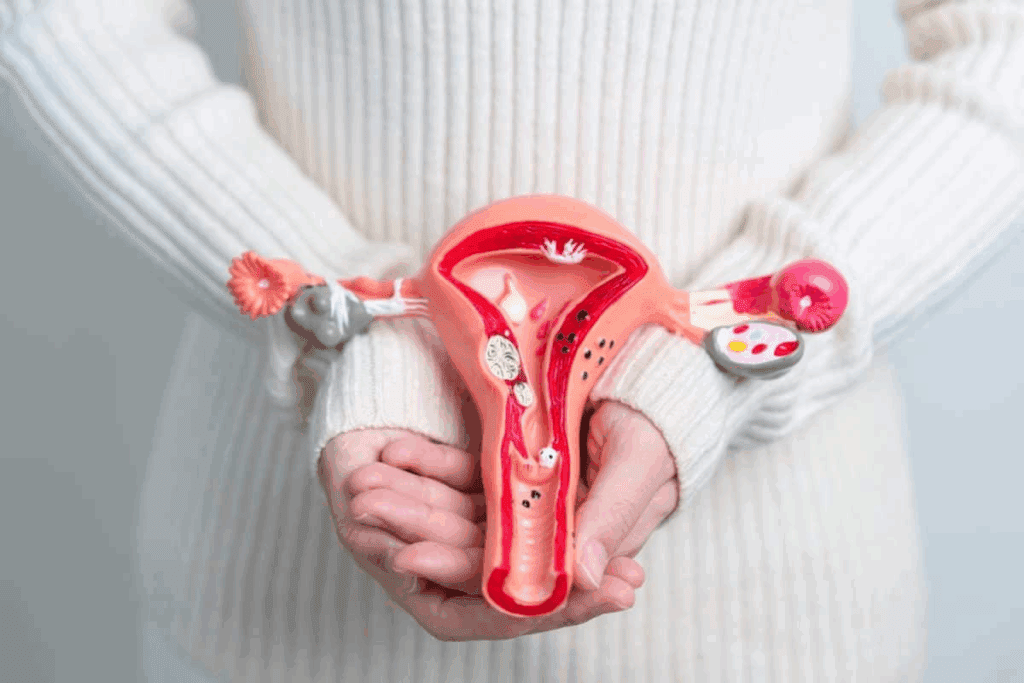
Endometriosis is when tissue like the lining inside the uterus grows outside the uterus. This causes inflammation, scarring, and adhesions. The misplaced tissue, known as endometrial implants, can lead to painful periods and heavy bleeding.
The exact cause of endometriosis remains unknown. But it’s believed to involve genetic, hormonal, and environmental factors.
Prevalence and Impact in American Women
Endometriosis affects about 1 in 10 women of reproductive age in the United States. This means around 6.5 million women are affected. The condition can significantly impact a woman’s quality of life, causing chronic pain, fatigue, and emotional distress.
The high prevalence among American women shows the need for more awareness and specialized care.
| Prevalence | Impact |
|---|---|
| 1 in 10 women of reproductive age | Chronic pain, fatigue, emotional distress |
| Approximately 6.5 million women in the US | Infertility, decreased quality of life |
Why Specialized Care is Essential
Given the complexity of endometriosis, specialized care is key for effective management. Specialists have the knowledge to diagnose and treat the condition fully. They offer various treatments, from hormonal therapies to surgical interventions.
By getting care from a specialist, women with endometriosis can manage their symptoms better. This improves their quality of life.
The Challenge of Diagnosis: Why Finding the Right Doctor Matters
Diagnosing endometriosis is hard because its symptoms are not clear. It affects about 1 in 10 women of childbearing age. Yet, it often takes years to get a correct diagnosis.
The problem is that endometriosis can show up in many ways. This makes it tough for doctors to spot it quickly.
The Diagnostic Delay Problem
It can take 7 to 10 years to diagnose endometriosis. This delay is due to several reasons. These include doctors not knowing enough, women thinking their symptoms are normal, and no easy test to find endometriosis.
The delay affects women’s lives a lot. Women may suffer from chronic pain, heavy bleeding, and infertility. These issues can really hurt their daily life and mental health.
Consequences of Delayed or Improper Treatment
Not treating endometriosis right away can cause more problems. Pain can get worse, making it harder to manage. There’s also a higher chance of getting other chronic diseases like IBS, interstitial cystitis, and depression.
Also, a late diagnosis might lead to bad surgeries or treatments. This can make things worse for the patient.
The emotional impact of a late diagnosis is huge. Women often feel frustrated, anxious, and depressed. They need understanding and support from doctors.
Healthcare systems need to do better. They should give timely and right care to these women.
The Importance of Specialist Knowledge
Doctors who know a lot about endometriosis are key to treating it well. Gynecologists and reproductive endocrinologists with experience can spot and manage endometriosis better. They can offer treatments like hormones or surgery, based on what each patient needs.
Specialists also keep up with new research and treatments. This means patients get the best care possible. Seeing a specialist can really help women with endometriosis. It can lead to a quicker and more accurate diagnosis, improving their life a lot.
Primary Care Physicians: Your First Point of Contact
For many women, the journey to diagnosing endometriosis starts with a visit to their primary care physician. Primary care physicians (PCPs) are often the first to meet women with symptoms of endometriosis.
The Role of PCPs in Endometriosis Care
PCPs play a key role in early detection and management of endometriosis. They are trained to spot symptoms like pelvic pain, heavy menstrual bleeding, and infertility. They can start the diagnostic process.
Even though PCPs may not specialize in endometriosis, they offer valuable guidance. They help determine the next steps in care.
We recommend being open with your PCP about your symptoms. Share how severe they are and how they affect your daily life. This information is key to deciding the right course of action.
When to Ask for a Referral
If your PCP suspects endometriosis, they might refer you to a specialist. This could be a gynecologist or reproductive endocrinologist. It’s important to ask for a referral if you experience:
- Severe pelvic pain or cramping
- Heavy or irregular menstrual bleeding
- Difficulty conceiving
- Symptoms that interfere with daily activities
Preparing for Your Primary Care Appointment
To make the most of your appointment, prepare by:
- Keeping a symptom journal to track when symptoms occur and their severity
- Gathering any relevant medical records or test results
- Writing down questions or concerns to discuss with your PCP
Being prepared ensures you get the care you need. It also makes the referral process smoother if necessary.
| Preparation Step | Description | Benefit |
|---|---|---|
| Symptom Journal | Track symptoms, including severity and frequency | Helps PCP understand your condition |
| Gather Medical Records | Collect relevant medical history and test results | Provides PCP with complete information |
| List Questions | Write down concerns and questions for your PCP | Ensures you address all your concerns during the appointment |
Gynecologists and OB/GYNs: The Foundation of Endometriosis Care
Visiting a gynecologist or OB/GYN is often the first step in managing endometriosis. These doctors are key in diagnosing and treating the condition. They also help guide you to more specialized care if needed.
General Gynecologists vs. Endometriosis Specialists
General gynecologists and OB/GYNs handle many women’s health issues. Yet, some may focus more on endometriosis. An endometriosis specialist is a gynecologist who specializes in this condition.
Knowing the difference between a general gynecologist and an endometriosis specialist is important. A general gynecologist can start your care. But for complex cases, an endometriosis specialist might be better.
What to Expect During Your First Appointment
Your first visit will include a thorough evaluation. This includes a detailed medical history, physical exam, and possibly diagnostic tests like an ultrasound.
Be ready for your appointment by tracking your symptoms and knowing your family medical history. Having a list of questions is also key. This helps you get the most from your visit.
Treatment Approaches Offered by Gynecologists
Gynecologists and OB/GYNs offer various treatments for endometriosis. These include hormonal therapies and surgical options. The right treatment depends on your symptoms, health, and reproductive plans.
- Hormonal therapies to manage symptoms and slow disease progression
- Pain management options to improve quality of life
- Surgical interventions, such as laparoscopy, to diagnose and treat endometriosis
Questions to Ask Your Gynecologist
Asking the right questions is key to getting the best care. Ask about their experience with endometriosis, treatment options, and what to expect during treatment.
Being informed and proactive helps you work with your gynecologist to create a treatment plan. This plan will address your unique needs and improve your life.
Reproductive Endocrinologists: Fertility and Hormonal Management
Reproductive endocrinologists are doctors who help women with endometriosis. They focus on fertility and hormonal issues. These experts are key in managing the complex relationship between endometriosis, fertility, and hormones.
When to See a Reproductive Endocrinologist
If you’re having trouble getting pregnant or have hormonal balance concerns, see a reproductive endocrinologist. They’re also great for women with endometriosis thinking about pregnancy. They offer advice on preserving fertility and treatment options.
These specialists handle complex cases of endometriosis and fertility. They work with other healthcare teams for complete care.
How They Approach Endometriosis Treatment
Reproductive endocrinologists treat endometriosis with a focus on fertility and hormones. They often work with a team to tackle the condition’s various aspects.
Their treatment plans may include:
- Advanced fertility treatments like IVF
- Hormonal therapies to manage symptoms and support fertility
- Personalized care plans tailored to individual needs and goals
Fertility Preservation and Treatment Options
Fertility preservation is key for women with endometriosis who want to conceive later. Reproductive endocrinologists discuss options like egg freezing. They guide on the best approach for each situation.
| Fertility Preservation Method | Description | Considerations |
|---|---|---|
| Egg Freezing | Preserving eggs for future use | Age, ovarian reserve, and overall health |
| Embryo Freezing | Freezing embryos for future IVF cycles | Partner or donor sperm required |
| Ovarian Tissue Freezing | Freezing ovarian tissue for future use | Experimental, but promising for some patients |
Hormonal Therapy Approaches
Hormonal therapies are key in managing endometriosis symptoms and supporting fertility. Reproductive endocrinologists offer various treatments, like birth control pills and GnRH agonists.
The choice of hormonal therapy depends on several factors. These include symptom severity, fertility goals, and overall health. A reproductive endocrinologist will help find the best treatment plan for you.
Endometriosis Surgeons: Specialists in Surgical Treatment
Endometriosis surgeons are experts who help women with this complex condition. They are key in managing symptoms and improving life quality.
Minimally Invasive Surgery Specialists
These surgeons use minimally invasive techniques. This means less recovery time and less scarring. It’s great for endometriosis patients because it removes lesions carefully.
Minimally invasive surgery has changed how we treat endometriosis. It’s more comfortable and less invasive than traditional surgery.
Advanced Laparoscopic Skills
Laparoscopic surgery is a big part of treating endometriosis. It needs advanced skills and precision. Surgeons use small incisions to diagnose and treat endometriosis, reducing risks and healing time.
The advanced laparoscopic skills of these surgeons help them work in the pelvic area. They can reach and treat deep endometrial lesions.
Excision vs. Ablation Expertise
Surgeons need to know how to do excision and ablation. Excision removes lesions, while ablation uses heat or laser to destroy them. The choice depends on the endometriosis’s severity and the patient’s health.
Surgeons with expertise in both excision and ablation can choose the best method for each patient. This ensures the best treatment outcome.
Finding a Skilled Endometriosis Surgeon
Finding a skilled endometriosis surgeon is key for effective treatment. Look for surgeons with specialized training and experience in treating endometriosis. They should have a good track record of success.
Research a surgeon’s credentials, read patient reviews, and ask for referrals. This will help you find the right surgeon for your needs.
Who Treats Endometriosis: Multidisciplinary Team Approach
For patients with endometriosis, a team of experts is key. This team tackles the many symptoms and challenges of the condition. They work together to offer the best care.
Pain Management Specialists
Pain management specialists are vital for those with endometriosis. They use different methods to lessen pain. This includes medicines, nerve blocks, and more.
Medical Expert, “Chronic pain needs a full treatment plan.”
“The best pain relief often mixes traditional and alternative treatments.”
Pelvic Floor Physical Therapists
Pelvic floor physical therapists focus on pelvic floor issues with endometriosis. They use manual therapy, biofeedback, and exercises. These help control pelvic muscles and reduce symptoms.
| Therapy Type | Description | Benefits |
|---|---|---|
| Manual Therapy | Hands-on techniques to release tension in the pelvic floor muscles | Reduces pain and improves muscle function |
| Biofeedback | Training to help patients become aware of and control their pelvic floor muscles | Improves bladder and bowel control, reduces pain |
| Exercises | Personalized exercise programs to strengthen and relax pelvic floor muscles | Enhances overall pelvic floor function and reduces symptoms |
Mental Health Professionals
Mental health experts are also part of the team. They offer support and counseling. This helps patients deal with the emotional side of endometriosis.
“The emotional impact of endometriosis is huge,” says Medical Expert. “Mental health support is key for managing stress, anxiety, and depression.”
Nutritionists and Integrative Medicine Practitioners
Nutritionists and integrative medicine experts help with diet and complementary therapies. They create nutrition plans and suggest therapies like acupuncture and herbal supplements.
With a team of specialists, patients get all-around care. This care covers physical, emotional, and psychological needs.
Diagnostic Methods: How Specialists Identify Endometriosis
Diagnosing endometriosis involves both clinical checks and advanced tools. Accurate diagnosis is key for effective treatment. We’ll look at how specialists use different methods to spot endometriosis.
Physical Examination Techniques
A detailed physical exam often starts the diagnosis. A healthcare provider might look for tender spots in the pelvic area. They also check the reproductive organs’ size and shape. Though a physical exam can’t confirm endometriosis, it helps guide further tests.
Imaging Studies: Ultrasound and MRI
Imaging studies are vital in diagnosis. Ultrasound helps see the reproductive organs and find issues like ovarian endometriomas. Magnetic Resonance Imaging (MRI) gives detailed views of the pelvic area. It can spot endometrial implants and adhesions. Yet, these methods might miss some cases, mainly those with small or surface implants.
Laparoscopy: The Gold Standard for Diagnosis
Laparoscopy is the top method for diagnosing endometriosis. It’s a minimally invasive surgery that lets a surgeon see the pelvic organs directly. During the procedure, they can find endometrial implants, adhesions, and other signs of endometriosis. They can also take tissue samples for further checks.
Emerging Diagnostic Technologies
New diagnostic tools for endometriosis are being explored. Advanced imaging like contrast-enhanced ultrasound and functional MRI might improve accuracy. Biomarker research aims to find blood or tissue markers for endometriosis. These new methods are promising but need more study to prove their worth.
| Diagnostic Method | Description | Advantages | Limitations |
|---|---|---|---|
| Physical Examination | Thorough pelvic exam to check for abnormalities | Non-invasive, guides further testing | Cannot definitively diagnose endometriosis |
| Ultrasound | Imaging technique to visualize reproductive organs | Non-invasive, detects ovarian endometriomas | May not detect minimal or superficial implants |
| MRI | Detailed imaging of the pelvic region | Identifies endometrial implants and adhesions | May not detect all cases, specially minimal disease |
| Laparoscopy | Minimally invasive surgery to visualize pelvic organs | Direct visualization, allows tissue sampling | Invasive, requires surgical expertise |
Specialized Endometriosis Centers and Programs
Managing endometriosis often means visiting specialized centers. These places offer a team effort in care. They have many specialists to help with the complex needs of patients.
Comprehensive Care Benefits
Specialized centers offer many benefits. They have teams of experts who work together to create treatment plans. This approach covers all aspects of care, from surgery to managing pain.
Key benefits include:
- Multidisciplinary teams for coordinated care
- Access to advanced treatment options and clinical trials
- Personalized care plans tailored to individual needs
- Improved patient outcomes through specialized care
Choosing the Right Center
Choosing the right center is important. Look at the team’s qualifications and experience. Also, consider the treatment options and how they care for patients.
Important considerations:
- Expertise of the medical team in endometriosis treatment
- Availability of advanced diagnostic and treatment technologies
- Patient-centered care approach
- Support services for patients and families
Leading Centers in the U.S.
The U.S. has many top endometriosis centers. The Seckin Endometriosis Center is known for its advanced care and surgery.
| Center Name | Location | Specialties |
|---|---|---|
| Seckin Endometriosis Center | New York | Surgical excision, hormonal therapies |
| Center for Endometriosis Care | Atlanta, GA | Multidisciplinary care, pain management |
| Palo Alto Endometriosis Center | Palo Alto, CA | Minimally invasive surgery, fertility preservation |
Accessing Specialized Care
To get care at these centers, start with a referral. You can also contact them directly to learn more and schedule a visit.
Preparing for Your Specialist Appointment
Getting ready for your endometriosis specialist appointment can really help. It makes sure you get the best care possible. Being prepared lets you make the most of your time with the specialist.
Tracking Symptoms and Medical History
Start by tracking your symptoms and medical history. Keep a detailed log of your menstrual cycle, pain levels, and symptoms. Keeping a symptom journal helps spot patterns and triggers.
- Record the dates of your menstrual periods and the severity of your symptoms.
- Note any pain or discomfort, including its location and intensity.
- Document any treatments or medications you’ve tried, including their effects.
This information helps your specialist understand your condition better. They can then create a treatment plan just for you.
Questions to Ask During Your Consultation
It’s important to prepare a list of questions for your consultation. This way, you can cover all your concerns. You’ll also understand your diagnosis and treatment options better.
- What is the most likely cause of my symptoms?
- What diagnostic tests do you recommend, and why?
- What treatment options are available, and which do you recommend for me?
- Are there any lifestyle changes or self-care practices that can help manage my symptoms?
Asking these questions helps you actively participate in your care. You’ll make informed decisions about your treatment.
Advocating for Yourself in the Medical System
Being your own advocate is key to good care. This means being proactive, asking questions, and making sure your concerns are heard.
Be open and honest with your specialist. Share your symptoms, concerns, and any fears. Don’t be shy about asking for more information if you need it.
Building a Partnership with Your Specialist
Having a strong partnership with your specialist is vital for managing endometriosis. This means keeping open communication, following their advice, and being proactive about your care.
- Keep your specialist informed about any changes in your symptoms or condition.
- Follow their advice and treatment plans, and report any concerns or side effects.
- Be proactive in asking questions and seeking additional information when needed.
Working together with your specialist helps create a treatment plan that meets your unique needs. This improves your quality of life.
Conclusion: Your Journey to Effective Endometriosis Care
Getting the right care for endometriosis means using a full approach. This includes the right doctors and treatments. We’ve looked at the important roles of gynecologists, reproductive endocrinologists, and endometriosis surgeons.
It’s key to see experienced specialists for the best treatment. This helps improve your life quality. By working with a team, you can get a plan that fits your needs.
We urge you to be active in your care. Look for the best help you can find. With the right care, you can face endometriosis challenges and get better.
FAQ
Who is the best doctor to see for endometriosis?
For endometriosis, see a gynecologist or OB/GYN with experience. Sometimes, a reproductive endocrinologist or endometriosis specialist is recommended.
How do I find an endometriosis specialist?
Ask your primary care doctor for a referral. Check your insurance for in-network specialists. Or search online for specialists near you.
What kind of specialist treats endometriosis?
Specialists include gynecologists, reproductive endocrinologists, endometriosis surgeons, pain management doctors, and pelvic floor physical therapists.
How does a doctor diagnose endometriosis?
Diagnosis involves medical history, physical exam, and imaging like ultrasound or MRI. Laparoscopy is often used as the best method.
What questions should I ask my gynecologist about endometriosis?
Ask about their experience with endometriosis, the diagnosis process, treatment options, and what to expect during care.
When should I see a reproductive endocrinologist for endometriosis?
See a reproductive endocrinologist for fertility issues or hormonal management in your treatment plan.
What is the difference between a general gynecologist and an endometriosis specialist?
A general gynecologist offers routine care. An endometriosis specialist has advanced training and experience, using specialized treatments.
How do I prepare for my first appointment with an endometriosis specialist?
Track your symptoms and medical history. Write down questions. Be ready to discuss your symptoms and treatment goals.
What are the benefits of seeking care at a specialized endometriosis center?
Specialized centers offer care from a team of experts. This can lead to accurate diagnosis and effective treatment.
How can I advocate for myself in the medical system for endometriosis care?
Be informed about your condition. Ask questions. Seek a second opinion if needed. Work with your healthcare team to create a treatment plan that suits you.
References
National Center for Biotechnology Information. Evidence-Based Medical Guidance. Retrieved from https://pmc.ncbi.nlm.nih.gov/articles/PMC8951218/
National Center for Biotechnology Information. Evidence-Based Medical Guidance. Retrieved from https://pmc.ncbi.nlm.nih.gov/articles/PMC3957536/