Last Updated on November 13, 2025 by
Cancer can hit many organs in different ways. It’s key to know which one is most at risk to fight it well. We look at the numbers and what experts say to answer this big health question, including why are some people more susceptible to cancer than others.
The lung is the top organ at risk for cancer. By 2025, the US is expected to see about 226,650 new lung and bronchus cancer cases. Smoking, pollution, and genes play big roles in why the lung is so vulnerable.
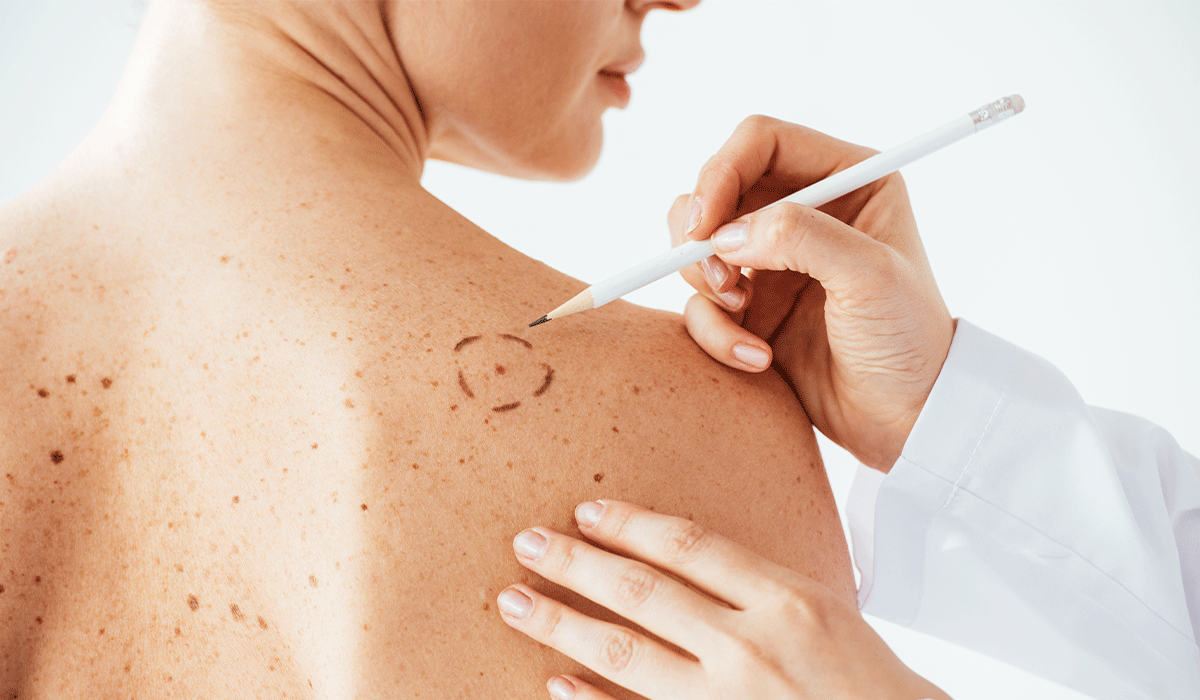
Top health groups say finding cancer early and treating it fast is key. They use the newest research to fight organ cancer.
The lung is the most susceptible organ to cancer.
An estimated 226,650 new cases of lung and bronchus cancer are expected in the US in 2025.
Factors like smoking and air pollution contribute to lung cancer susceptibility.
Early detection and treatment are key in fighting organ cancer.
Leading health groups are using the latest methods to battle cancer, while research continues to explore why are some people more susceptible to cancer than others.
The Science Behind Organ Cancer Susceptibility
Cancer hits different organs in the body at different rates. This is because each organ has its own special traits. Seeing organs as ecosystems helps us understand why are some people more susceptible to cancer than others and why some organs are at higher risk.
How Cancer Develops in Human Tissues
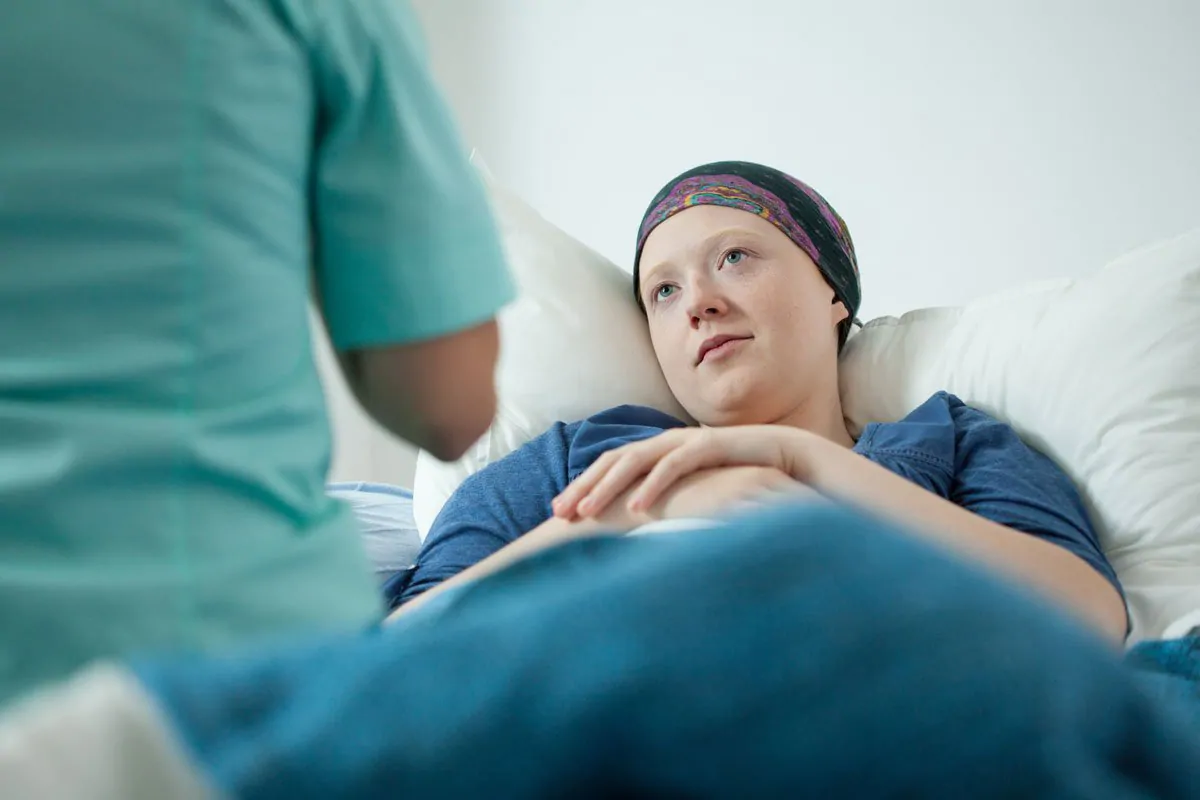
Cancer starts with a gene mutation that lets cells grow out of control. Things like carcinogens in the environment can make this more likely, further linking back to the question of why are some people more susceptible to cancer than others.
Cellular Turnover and Cancer Risk
How fast cells replace themselves varies by organ. Organs with fast turnover rates are more at risk for cancer. For example, the colon’s lining is constantly being replaced, which increases the risk of colorectal cancer. Understanding how fast cells replace themselves is key to knowing an organ’s cancer risk and helps explain why are some people more susceptible to cancer than others.
Lungs: The Most Cancer-Susceptible Organ
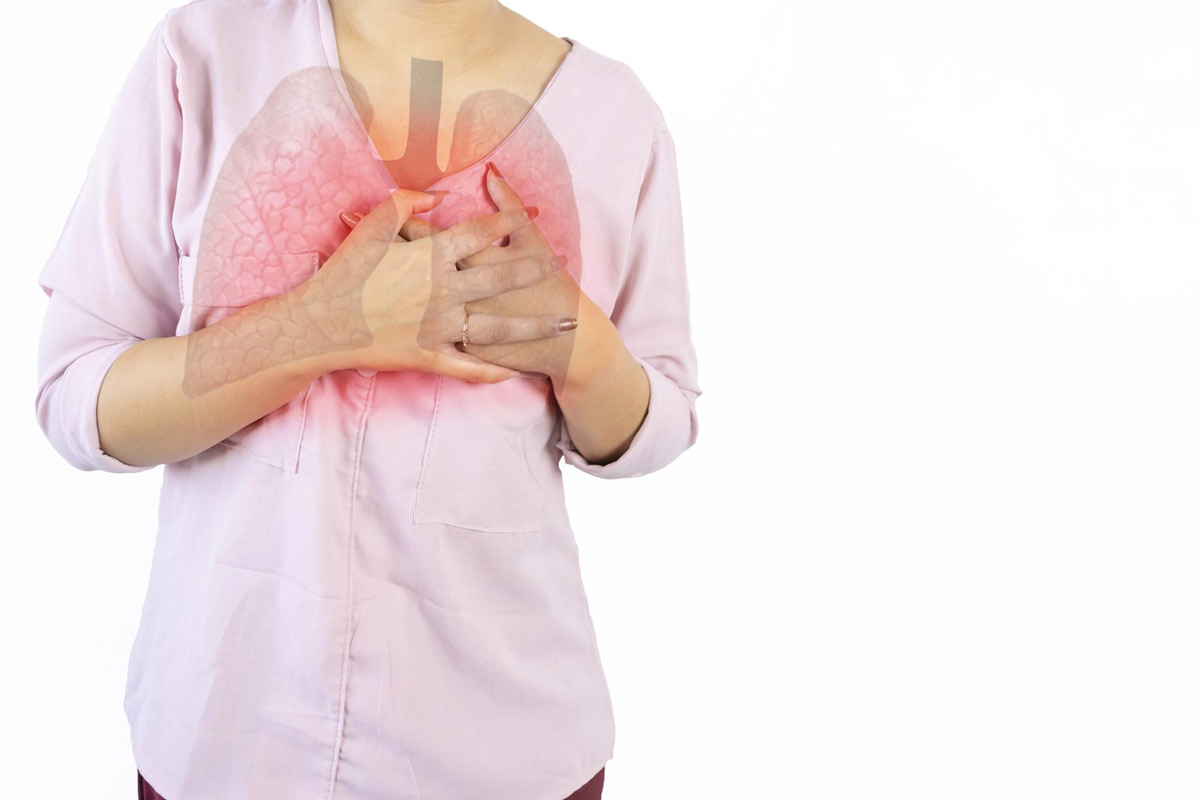
Lung cancer is a big health problem. It’s expected to see a lot of new cases in the US by 2025. The lungs are at risk because they face environmental dangers and are key for breathing. These facts contribute to the question of why are some people more susceptible to cancer than others, especially in the lungs.
2025 Projections: 226,650 New Cases in the US
Statistics show there will be 226,650 new lung cancer cases in the US by 2025. This number shows how common lung cancer is. Understanding why are some people more susceptible to cancer than others is essential to improving prevention and treatment strategies.
Cellular Turnover and Cancer Risk
How fast cells replace themselves varies by organ. Organs with fast turnover rates are more at risk for cancer. For example, the colon’s lining is constantly being replaced, which increases the risk of colorectal cancer. Understanding how fast cells replace themselves is key to knowing an organ’s cancer risk and helps explain why are some people more susceptible to cancer than others.
Lungs: The Most Cancer-Susceptible Organ
Lung cancer is a big health problem. It’s expected to see a lot of new cases in the US by 2025. The lungs are at risk because they face environmental dangers and are key for breathing. These facts contribute to the question of why are some people more susceptible to cancer than others, especially in the lungs.
2025 Projections: 226,650 New Cases in the US
Statistics show there will be 226,650 new lung cancer cases in the US by 2025. This number shows how common lung cancer is. Understanding why are some people more susceptible to cancer than others is essential to improving prevention and treatment strategies.
Key preventive measures include:
- Maintaining a healthy diet
- Engaging in regular physical activity
- Avoiding smoking and excessive alcohol consumption
- Undergoing regular screenings for early detection
By taking these steps, people can lower their risk of colorectal cancer. It’s a team effort that needs awareness, education, and taking care of our health.
Gender-Specific Cancer Vulnerabilities
It’s key to understand how cancer affects men and women differently. This knowledge helps us create better ways to prevent and treat cancer. Some cancers are more common in men, while others are more common in women.
Breast Tissue: A Female Cancer Concern
Breast cancer is a big problem for women all over the world. The risk is higher for those with certain genes, like BRCA1 and BRCA2. Lifestyle and environment also play a part. It’s important to catch it early with mammograms and self-checks.
Key risk factors for breast cancer include:
- Family history of breast cancer
- Genetic mutations
- Exposure to estrogen
- Age
Prostate: A Male-Specific Cancer Risk
Prostate cancer is a big worry for men, mainly as they get older. The risk goes up with age, family history, and certain genes. Tests like the PSA test help find it early.
Important aspects of prostate cancer include:
- Age as a primary risk factor
- The role of family history and genetics
- The importance of screening and early detection
Knowing these differences helps us make our cancer prevention and treatment plans better. This way, we can help more people get better.
Skin: Most Common But Less Lethal Cancer Site
The skin is the most common place for cancer to start. But, the outlook is different for melanoma and non-melanoma skin cancers. It’s important to know about these types to prevent and treat them well.
Melanoma vs. Non-Melanoma Skin Cancers
Skin cancers are divided into melanoma and non-melanoma types. Non-melanoma cancers, like basal cell and squamous cell, are more common and less serious. Melanoma, though, is more dangerous and causes most skin cancer deaths.
Non-melanoma cancers can be treated well if caught early. But, melanoma needs quick and strong treatment because it can spread easily.
It’s key to know the difference because it affects how we treat and how well we do. Melanoma comes from cells that make skin color, while non-melanoma comes from other skin cells.
UV Exposure and Genetic Susceptibility
UV rays from the sun or tanning beds harm skin cells. This damage can lead to skin cancer. People with fair skin, sunburns, or a family history of skin cancer are at higher risk.
Genetics also play a big part in skin cancer risk. Some genetic conditions, like albinism, make it more likely. Also, those with a family history of melanoma or many moles are at higher risk.
While skin cancer is common, not all organs can get it. Some organs are very rare to develop cancer. For example, the spleen is one of the rarest places for cancer to start.
Why Are Some People More Susceptible to Cancer Than Others?
The chance of getting cancer varies a lot among people. This is because of many factors. We will look into these to see why some are more at risk.
Genetic Predispositions and Family History
Genes from our parents affect our cancer risk. Some genes can make us more likely to get certain cancers. If your family has a history of cancer, you might be at higher risk too.
For example, having a close relative with cancer can raise your risk. Genetic tests can find these high-risk genes. This helps start early prevention and care.
Environmental and Lifestyle Risk Multipliers
Things around us and our lifestyle choices also play a big part. Carcinogens, like in tobacco smoke, can harm our cells and lead to cancer. What we eat, how active we are, and how much alcohol we drink can also affect our risk.
- Diet: Eating too many processed foods and not enough fruits and veggies can up your risk.
- Physical Activity: Staying active can lower the risk of some cancers.
- Alcohol Consumption: Drinking too much can increase the risk of many cancers.
Age as a Primary Risk Factor
Age is a big risk factor for cancer. Most cancers are found in people over 65. As we get older, our cells change and more damage builds up, making us more likely to get cancer.
Knowing these risk factors helps us find ways to prevent and catch cancer early. We can target those at higher risk with better screening and prevention plans.
Early Detection and Treatment Approaches by Organ
It’s key to know how to spot cancer early and treat it. This is true for organs at high risk. We focus on methods that fit each organ’s needs.
Screening Guidelines for High-Risk Organs
Places like livhospital.com follow strict screening rules. They aim to catch cancer early. For example, lung cancer screening with low-dose CT scans is advised for those at high risk. Also, colon cancer screening through colonoscopy or stool tests is vital.
Screening rules change based on the organ and risk level. Here are some examples:
- Lung Cancer: Annual LDCT for high-risk people aged 50-74.
- Colon Cancer: Colonoscopy every 10 years starting at age 45.
- Breast Cancer: Mammograms yearly for women aged 40-74.
Multidisciplinary Treatment Approaches
Cancer treatment often uses a team effort. This includes surgery, chemo, radiation, and targeted therapy. For organs like the lungs, colon, and breast, plans are made just for you.
At places like livhospital.com, a team creates a detailed treatment plan. This might include:
- Surgery: To take out tumors and affected areas.
- Chemotherapy: To kill cancer cells that have spread.
- Radiation Therapy: To target and destroy cancer cells.
- Targeted Therapy: To target cancer cells based on their genetic makeup.
By focusing on early detection and using a team approach, we can greatly improve cancer treatment outcomes.
Conclusion: Protecting Your Most Vulnerable Organs
Some organs are more likely to get cancer because of how they work, what they’re exposed to, and their genes. Knowing these risks helps us prevent and catch cancer early.
The lungs, colon, breasts, prostate, and skin are at high risk. Even though the heart can’t get cancer in the usual way, other organs can. This is because they can develop tumors.
We need to protect these organs. We can do this by avoiding harmful things like smoking and pollution. Eating well and getting regular check-ups are also important.
By understanding the risks and taking action, we can lower our chance of getting organ cancer. It’s key to get advice from trusted places like the American Cancer Society. They have the latest on how to prevent and treat cancer.
FAQ
Which organ is most susceptible to cancer?
What are the key risk factors for lung cancer?
Can other organs besides the lungs get cancer?
What influences the risk of developing colorectal cancer?
Are certain cancers more prevalent in specific genders?
What is the most common form of cancer?
Is skin cancer lethal?
What makes some people more susceptible to cancer than others?
Can cancer be prevented or detected early?
What organ cannot get cancer?
Are there any organs that are less likely to develop cancer?
References
- Armstrong, G. T., et al. (2016). Long-term health outcomes in survivors of childhood cancer. JAMA, 315(17), 1830“1841. https://pubmed.ncbi.nlm.nih.gov/27137944/