Last Updated on November 18, 2025 by Ugurkan Demir
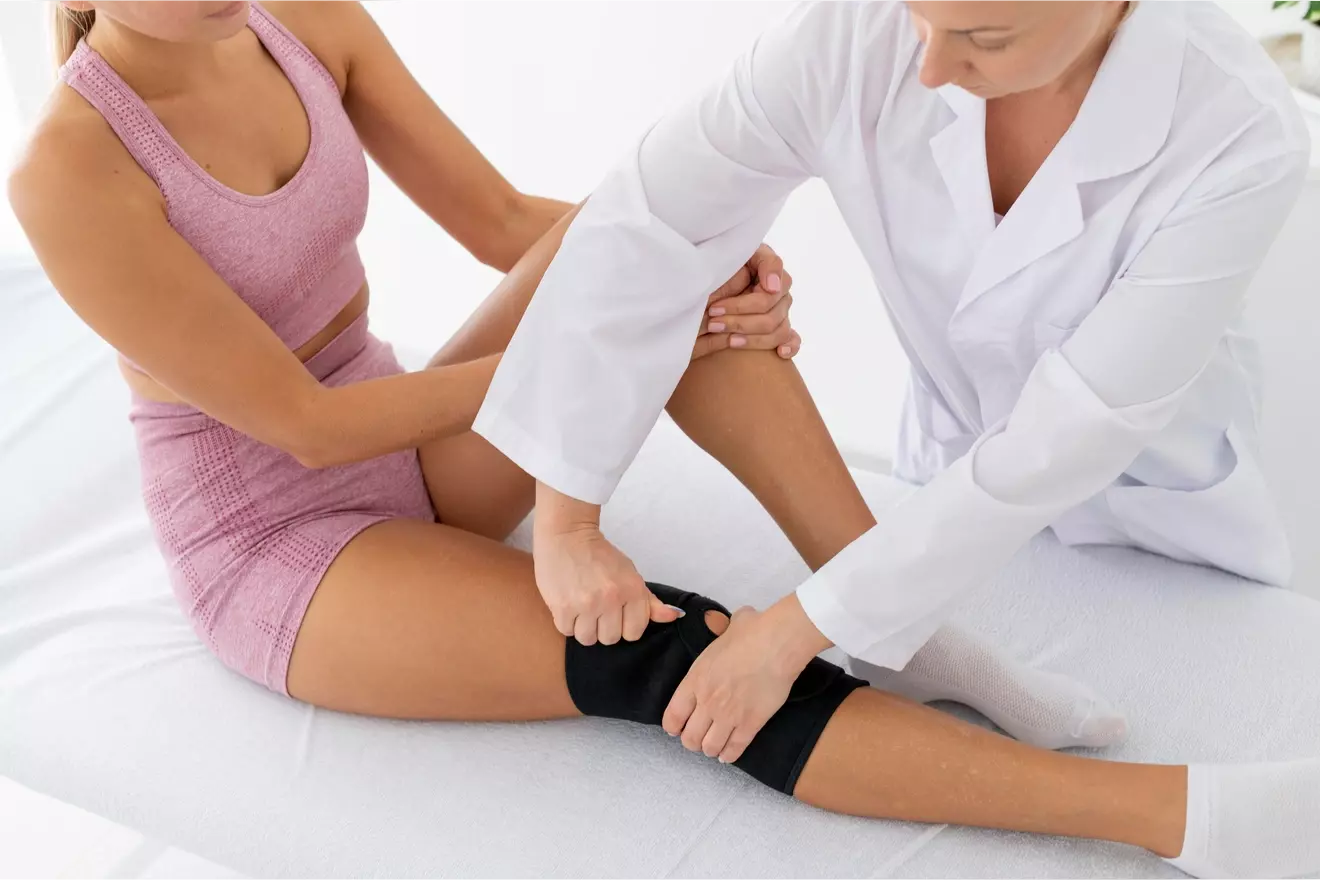
After knee replacement surgery, patients need to be careful with their movements. At Liv Hospital, we stress the importance of post-operative care. We guide patients on safe movements to aid in their recovery.
About 75 percent of patients with high-flexion prostheses can sit cross-legged after a few months. But, it’s key to avoid crossing legs for at least 6 to 8 weeks. This helps prevent too much stress on the new joint.
We know that the rehabilitation phase after knee replacement surgery is vital. Our medical team creates a personalized plan for each patient. This plan focuses on safe movements that help the healing process.
Key Takeaways
- Avoid crossing legs for 6 to 8 weeks after knee replacement surgery.
- High-flexion prostheses may allow for cross-legged sitting after several months.
- Post-operative care is critical for proper healing.
- Personalized rehabilitation plans support safe recovery.
- Safe movements are essential for promoting rehabilitation.
Understanding Knee Replacement Surgery and Recovery Basics
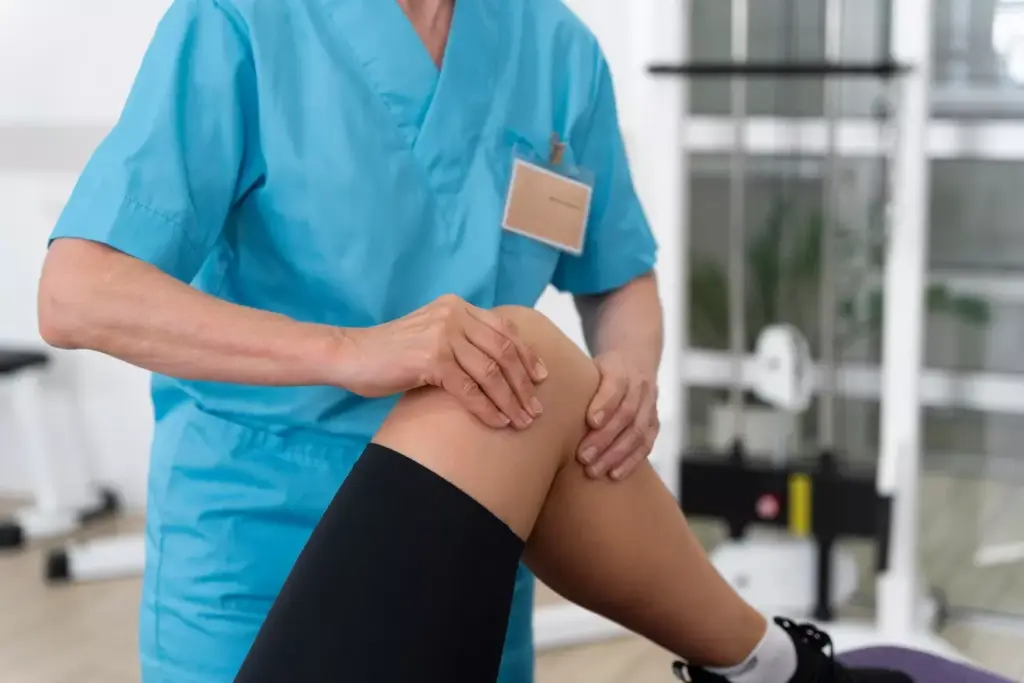
Knee replacement surgery is a common procedure. It replaces a damaged or arthritic knee joint with an artificial one. This aims to ease pain and improve function.
What Happens During Knee Replacement Surgery
The surgeon removes damaged cartilage and bone during surgery. They replace it with a prosthetic joint made of metal and plastic. This procedure usually takes 1-2 hours.
The prosthetic joint is designed to move like a natural knee. This helps patients regain their mobility and independence. The surgery is done in a hospital or surgical center, with close monitoring.
The Initial Recovery Phase: First 6-8 Weeks
The first 6-8 weeks after surgery are key for healing. Patients need to follow a specific post-operative care plan. This includes managing pain, swelling, and wound care, and following a rehabilitation protocol to regain strength and mobility.
Studies show the first 6-8 weeks are critical. During this time, certain movements and activities are restricted. We recommend a structured rehabilitation program for the best results.
“The initial 6-8 weeks post-surgery are critical for the healing process, and patients must adhere to a specific rehabilitation protocol to achieve optimal outcomes.”
Here’s what patients can expect during the initial recovery phase:
| Timeline | Recovery Milestones | Rehabilitation Focus |
|---|---|---|
| 0-2 weeks | Pain management, wound healing | Gentle exercises, mobility improvement |
| 2-4 weeks | Increased mobility, strength building | Progressive exercises, balance training |
| 6-8 weeks | Regaining functional independence | Advanced exercises, functional training |
Understanding knee replacement surgery and the initial recovery phase helps patients navigate their recovery. Following a structured rehabilitation program and post-operative care instructions is key for optimal recovery.
Can You Cross Your Legs After Knee Replacement?
It’s important to know the effects of crossing your legs after knee replacement surgery. Patients worry about the safety of moving during recovery.
The 6-8 Week Restriction Period
Doctors usually tell patients not to cross their legs for 6-8 weeks after surgery. This helps the new joint heal without stress.
This early recovery time focuses on healing and avoiding complications.
Potential Risks to Your New Joint
Crossing your legs after knee replacement can harm your new joint. The main worry is that it might put too much stress on the prosthetic. This could lead to problems like misalignment.
The dangers of crossing your legs include:
- Dislocation or subluxation of the prosthetic joint
- Increased wear and tear on the prosthetic components
- Potential for infection or other post-operative complications
How Crossing Legs Affects Alignment and Healing
The way your new joint is aligned is key for healing and success. Crossing your legs can mess with this alignment. It puts uneven pressure on the prosthetic.
| Movement | Effect on New Joint | Recommended Action |
|---|---|---|
| Crossing Legs | Potential for misalignment and undue stress | Avoid for 6-8 weeks post-surgery |
| Straight Leg Raises | Strengthens surrounding muscles without stressing the joint | Recommended as part of physical therapy |
| Knee Bending Exercises | Improves range of motion and flexibility | Start with gentle exercises, gradually increase |
Knowing the risks and how to avoid them helps patients recover better. It also improves the success of their knee replacement surgery.
The Science Behind Movement Restrictions After Knee Surgery
After knee replacement surgery, movement is limited by the science of prosthetic joints. These artificial joints have different properties than natural knees. This affects how they move.
How Prosthetic Joints Differ from Natural Knees
Prosthetic joints are made to act like natural knees but are not the same. The main difference is in their materials and how they fit with bone and tissue. Unlike natural knees, they are made of metal and plastic, which wear differently.
Natural knees have ligaments, tendons, and muscles for stability and movement. Prosthetic joints get stability from their design and how they’re implanted. This is why some movements are not allowed after surgery.
Biomechanical Considerations for New Knee Joints
The biomechanics of prosthetic knee joints depend on several factors. These include the prosthesis type, surgery method, and patient anatomy. One key factor is the safe range of motion without risk of dislocation or damage. Surgeons and physical therapists guide patients on this.
Another important factor is the stress and load the joint can handle. Movements like crossing legs can stress the joint too much. Avoiding these movements helps prevent damage.
Knowing these biomechanical factors helps patients understand why they can’t move as much after surgery. By following these rules, patients can keep their prosthetic knee working well for a long time.
Safe Positions for Your New Knee During Early Recovery
Proper positioning of your new knee is key for healing and comfort early on. We know patients need help finding safe positions for the best recovery after knee surgery.
Proper Sitting and Lying Positions
There are special sitting and lying techniques for healing and comfort. Here’s what we recommend:
- Avoid crossing your legs or bending your knee too much.
- Keep your new knee straight and supported when sitting or lying.
- Use a pillow under your knee for a slight bend and less strain.
When sitting, keep good posture and feet flat on the floor or a footrest. We advise against sitting for too long. Take breaks to stand and stretch.
Recommended Leg Positioning for Optimal Healing
Leg positioning is vital for healing. Here are some tips for the best healing:
- Keep your leg straight and supported when sitting or lying.
- Avoid rotating your leg inward or outward to avoid strain.
- Use pillows or supports for proper alignment and comfort.
Using Pillows and Supports Effectively
Pillows and supports are great for keeping your knee in the right position and for comfort. Here’s how to use them:
- Support your knee and keep a slight bend.
- Keep your leg aligned and prevent rotation.
- Elevate your leg slightly to reduce swelling.
By following these tips and using pillows and supports right, you can help your knee heal well and feel less pain early on.
When Might You Regain the Ability to Cross Legs?
After knee replacement surgery, many patients wonder when they can cross their legs again. The answer varies based on the prosthetic type and how well each person recovers.
Research on High-Flexion Prostheses and Movement Recovery
New studies focus on high-flexion prostheses. These prosthetics allow for more movement than standard ones. They help patients do more complex actions.
These prosthetics might help patients cross their legs again. They are made to support deeper knee bends, which is key for crossing legs.
The 75% Success Rate: What It Means for Patients
Research shows a 75% success rate for patients regaining certain movements after surgery. This includes crossing their legs. This is good news, showing most patients can do this with the right care and prosthetic.
This means with the right surgery, prosthetic, and care, many can cross their legs again.
Factors That Influence When You Can Resume Crossing Legs
Several things affect when a patient can cross their legs after surgery. These include:
- The type of prosthesis used
- The surgical technique employed
- Post-operative rehabilitation protocols
- Individual patient factors, such as overall health and adherence to rehabilitation exercises
Knowing these factors helps patients understand their recovery better. It sets realistic hopes for regaining movements like crossing their legs.
Kneeling After Knee Replacement: Possibilities and Limitations
Kneeling can be tough for many after knee replacement. The outcome depends on the implant type and recovery. It’s key to know what affects kneeling after surgery.
Difficulties with Kneeling Post-Surgery
Patients often struggle with kneeling after surgery. The main issue is the changed knee anatomy. This can limit motion and comfort.
The prosthetic joint also changes the knee’s mechanics. This makes kneeling harder.
Impact of Different Implant Types on Kneeling Ability
The implant type greatly affects kneeling ability. Different designs and materials impact the knee’s function. Some implants allow for deeper flexion, aiding in kneeling.
| Implant Type | Flexion Angle | Kneeling Ability |
|---|---|---|
| Standard Knee Implant | Up to 120 degrees | Limited |
| High-Flexion Knee Implant | Up to 155 degrees | Improved |
| Gender-Specific Knee Implant | Varies | Varies |
Techniques for Safe Kneeling
With doctor approval, patients can try kneeling safely. Start with gentle movements and gradually kneel deeper. Using supports or adjusting the kneeling position can also help.
Always talk to your doctor before kneeling after surgery. Knowing the limits of kneeling helps in making recovery plans.
Bending Your Knee: Safe Approaches to Regain Flexibility
Bending your knee after surgery needs careful steps and the right exercises. Getting your knee flexible again is key for a good recovery. This lets you do everyday tasks easily. We’ll show you safe ways to increase your knee’s range of motion.
Appropriate Range of Motion Exercises
Doing exercises that move your knee is important after surgery. These should be gentle and slow, without forcing your knee. Start with small knee bends while sitting or lying down. As your knee gets better, you can do more bends and more often.
Doing exercises that make the muscles around your knee stronger is also good. Walking is great for making your knee and legs stronger too.
Why Forcing Knee Bending Is Dangerous
Forcing your knee too far can cause pain, swelling, and harm the new joint. Always listen to your body and stop if you feel pain. Gentle, steady exercises are safer and more effective.
Progressive Approaches to Improving Knee Flexion
Getting your knee to bend better needs a step-by-step plan. Start with easy exercises and slowly add more as you get stronger. A physical therapist can help make a plan that fits your needs and goals.
Stick to a good exercise plan and pay attention to your body. This way, you can see big improvements in your knee’s flexibility. Remember, being patient and consistent is important for a good recovery.
Can You Wear Heels After Knee Replacement?
Knee replacement surgery changes a patient’s life, including their shoe choices. Many wonder if they can wear high heels after surgery. High heels are more than fashion; they’re part of daily wear for many. But, after surgery, it’s key to think about how different shoes, like heels, might affect the new knee.
Impact of Heel Height on the New Knee
The height of the heel can greatly affect the new knee joint. High heels can change how you walk and stand, putting uneven weight on the knee. Research shows high heels can increase knee joint pressure by up to 26%. This extra stress can wear down the new joint, affecting its life span.
When It Might Be Safe to Return to Wearing Heels
Wearing heels after knee replacement surgery depends on your recovery and the implant type. Doctors usually tell patients to avoid high heels for the first 6-8 weeks. This time is key for the new joint to settle. Later, you can start wearing heels again, but do it carefully.
Alternative Footwear Options During Recovery
During recovery, choose shoes that are comfy and don’t stress the new knee. Flat shoes or low heels are best. Good options include:
- Comfortable walking shoes
- Sneakers with good arch support
- Shoes with cushioning
| Footwear Type | Heel Height | Comfort Level |
|---|---|---|
| High Heels | High | Low |
| Flat Shoes | Low | High |
| Sneakers | Low | High |
Deciding to wear heels after knee replacement should be talked over with your doctor. They’ll consider your recovery and what’s best for you.
Other Movements and Activities to Avoid After Surgery
Knowing which movements to avoid is key to a successful recovery after knee replacement. It’s important to stay active but avoid certain activities that can harm the healing process. We will look at the types of movements and activities to be cautious about or avoid.
High-Impact Activities and Their Risks
High-impact activities like running, jumping, or any movement that puts a lot of stress on the knee joint should be done with caution. These activities can loosen the artificial parts of the knee replacement or cause wear and tear faster than expected.
Some examples of high-impact activities to be cautious about include:
- Sports that involve running or jumping
- Aerobics or high-impact exercise classes
- Any activity that involves sudden stops or changes in direction
Twisting Movements and Their Effect on Your New Knee
Twisting movements can also be risky for the new knee joint. Activities like golf or tennis, which involve twisting, may need to be modified to reduce strain on the knee.
Twisting can lead to:
- Increased wear on the artificial joint components
- Potential for dislocation or misalignment
- Discomfort or pain during or after the activity
Everyday Movements That May Need Modification
Even everyday activities can put unexpected stress on a new knee joint. Simple actions like getting in and out of a car, climbing stairs, or bending to pick something up can be challenging.
To manage these movements safely, consider the following adjustments:
| Activity | Modification |
|---|---|
| Getting in/out of a car | Use a sliding board or adjust the seat for easier entry/exit |
| Climbing stairs | Hold the handrail and take one step at a time, leading with the non-operated leg |
| Bending to pick up items | Use a grabber tool or bend at the knees instead of the waist |
By being mindful of these movements and making necessary adjustments, patients can significantly improve their recovery outcomes after knee replacement surgery.
Rehabilitation Protocols for Optimal Recovery
Recovery after knee replacement needs a clear plan. This plan helps patients get stronger, move better, and function well again. Every patient is different, so our plans are made just for them.
Physical Therapy Milestones
Physical therapy is key in the recovery process. We help patients reach important goals, like moving their knee better and getting stronger. Important physical therapy goals include:
- Getting the knee to bend and straighten
- Building muscle strength around the knee
- Improving balance and coordination
- Doing everyday activities like walking and climbing stairs
Reaching these goals means patients can do more and live their lives as usual.
Home Exercise Programs
Home exercises are also important. We give patients special exercises to do at home. This keeps them moving forward and builds on what they learn in therapy. Staying consistent with these exercises is important.
Home exercises might include:
- Doing straight leg raises to strengthen the front of the leg
- Doing knee bends to improve bending
- Using wall squats to strengthen the legs
- Using resistance bands for leg press exercises
How Rehabilitation Influences Long-Term Movement Capabilities
Rehabilitation greatly affects how well you move long-term. A good rehab program helps you recover and keeps your knee working well for a long time. It strengthens muscles and improves joint movement, leading to better function and fewer problems.
Signs of Proper Healing Versus Possible Complications
It’s important to know when you’re healing right and when you might have a problem. Some pain and swelling are normal, but other signs need quick doctor visits. Signs of possible problems include:
- More pain or swelling
- Redness or warmth around the knee
- Fever or chills
- Feeling unstable or having trouble standing
On the other hand, healing signs are less pain, better movement, and doing daily tasks more easily.
Conclusion: Living Well With Your New Knee
Living with a new knee needs careful attention to post-operative care and rehabilitation. We’ve talked about the importance of avoiding certain movements. This helps ensure a successful recovery and the best knee replacement outcomes.
By following the guidelines in this article, patients can improve their recovery chances. Proper care and a good rehabilitation program are key. They help achieve the best outcomes and full mobility.
The journey to full recovery can be tough, but it’s possible with the right approach. Making lifestyle changes and sticking to rehabilitation protocols helps. Patients can look forward to a successful recovery and getting back to their normal activities.
FAQ
Can you cross your legs after knee replacement surgery?
We advise against crossing your legs for 6-8 weeks after knee replacement surgery. This ensures proper healing and minimizes complications.
Why can’t I cross my legs after knee replacement?
Crossing your legs can stress the new joint. This might affect its alignment and healing. We recommend avoiding this to ensure a good recovery.
Can you kneel after knee replacement surgery?
Kneeling after knee replacement surgery is possible but challenging. It depends on the implant type and your recovery progress.
When can you kneel after knee replacement surgery?
The time to kneel after surgery varies. Talk to your healthcare provider to find out when it’s best for you.
Can you wear heels after knee replacement surgery?
Wearing heels after surgery is not recommended, at least not in the early stages. High heels can stress the new joint, affecting its longevity.
Should I force my knee to bend after knee replacement surgery?
No, don’t force your knee to bend after surgery. This can damage the new joint and surrounding tissues. Instead, do progressive exercises under a healthcare professional’s guidance.
What are the signs of proper healing after knee replacement surgery?
Proper healing signs include less pain, better range of motion, and stronger leg. Your healthcare provider will monitor your progress and address any concerns.
What activities should I avoid after knee replacement surgery?
Avoid high-impact activities, twisting, and heavy lifting after surgery. Your healthcare provider will guide you on safe activities and exercises.
How long does it take to regain full range of motion after knee replacement surgery?
Full range of motion after surgery can take months. A good rehabilitation program, including physical therapy and home exercises, is key for optimal results.
Can I put my legs up after knee replacement surgery?
Yes, elevating your legs can reduce swelling and aid healing. Just make sure to position your legs correctly to avoid stressing the new joint.
Is crossing your legs bad for your knees?
Crossing your legs can harm your knees, more so after surgery. It can stress the joint, affecting its alignment and longevity.
What is the range of motion 6 weeks after total knee replacement?
Six weeks after surgery, the range of motion varies among individuals. Patients usually see significant progress in knee mobility, but recovery can differ.
References :
- What You Cannot Do After a Knee Replacement. Partani Clinic. Retrieved from: https://www.partaniclinic.com/whats‑you‑cannot‑do‑after‑a‑knee‑replacement
- Knee Replacement Recovery: Is It Safe to Sit Cross‑Legged? Orthopedic Surgeon Ranchi. Retrieved from: https://orthopedicsurgeonranchi.in/orthopedic/knee‑replacement‑recovery‑is‑it‑safe‑to‑sit‑cross‑legged
- Sitting Cross‑Legged and Climbing Stairs After Knee Replacement — Myth or Reality. Prakash Hospital GN. Retrieved from: https://prakashhospitalgn.com/orthopedic/sitting‑cross‑legged‑and‑climbing‑stairs‑after‑knee‑replacement‑myth‑or‑reality
- Knee Replacement Recovery After Knee Surgery: Can I Kneel? How Do I Sleep? What Movements Are Safe and What Should I Avoid? Curovate. Retrieved from: https://curovate.com/blog/knee‑replacement‑recovery‑after‑knee‑surgery‑can‑i‑kneel‑how‑do‑i‑sleep‑what‑movements‑are‑safe‑and‑what‑should‑i‑avoid
- Do’s and Don’ts After Knee Replacement. Bone & Joint: Penn State Health. Retrieved from: https://www.boneandjoint.psu.edu/course/knee‑replacement/recovery‑after‑surgery‑1/dos‑and‑donts‑after‑knee