Last Updated on November 26, 2025 by Bilal Hasdemir
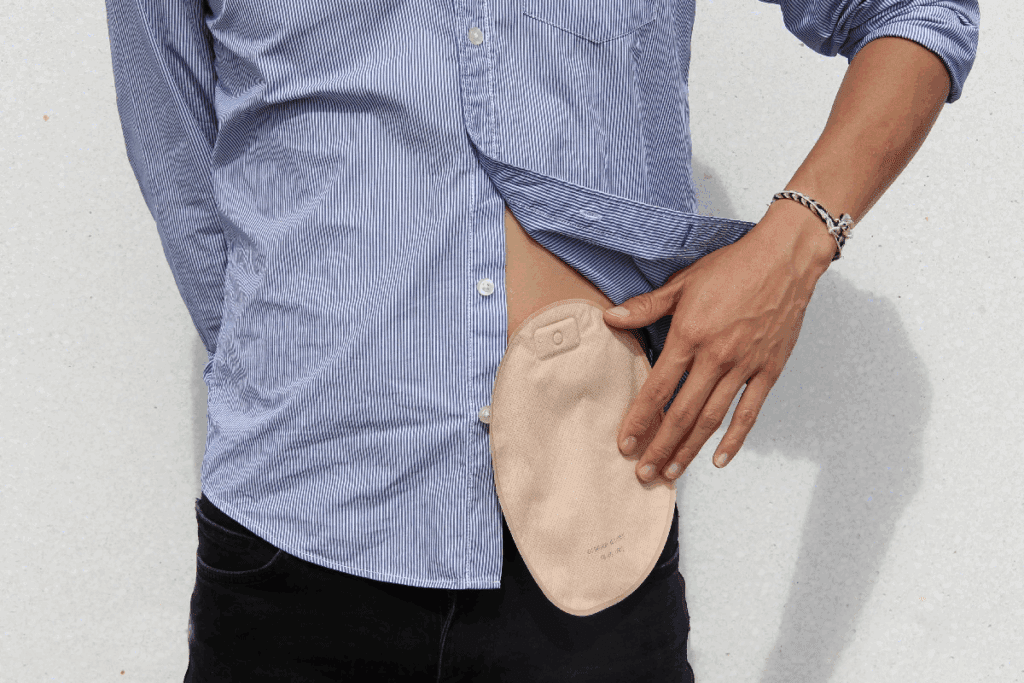
A colostomy bag, also known as a stoma bag or ostomy bag, is a small, waterproof pouch. It collects waste from the body when the colon or rectum can’t work right. This is due to disease or injury.Find out why do people get colostomy bags and the main medical reasons behind this procedure.
During a surgery called a colostomy, a stoma or ostomy is made. It connects the large intestine (colon) to the abdominal wall. This lets waste go into the colostomy bag, making it safe and clean to manage bowel movements.
Understanding why people need colostomy bags is key for patients and their caregivers. Many medical issues, like colorectal cancer, inflammatory bowel diseases, and severe bowel obstruction, can make a colostomy bag necessary.
Key Takeaways
- Colostomy bags manage waste when the bowel can’t work right.
- Medical issues like colorectal cancer and inflammatory bowel diseases can require a colostomy bag.
- Liv Hospital offers top-notch care for those needing colostomy bags.
- Knowing the reasons for colostomy bags is vital for patients and caregivers.
- A colostomy bag is a safe and clean way to handle bowel movements.
What Are Colostomy Bags and When Are They Needed

It’s important to know about colostomy bags if you have digestive issues. A colostomy bag, or stoma bag, collects waste when the colon or rectum can’t work right.
Definition and Purpose of Colostomy Bags
A colostomy bag is stuck to a stoma, an opening in your belly from surgery. It helps manage waste when your bowel isn’t working. This can happen because of illness or injury to the colon or rectum.
How the Digestive System Normally Works
The digestive system moves waste through the colon and rectum. The colon absorbs water and salts, and the rectum holds feces until it’s time to go. This keeps us healthy and regular.
But, many things can mess with this process. Diet, health issues, and injuries can all play a part. If something goes wrong, you might need a colostomy bag.
When Normal Function Is Disrupted
Many reasons can cause problems with bowel function. These include cancer, inflammatory diseases, and injuries. If these issues are severe, a colostomy bag might be needed.
Colostomy bags help people manage their bowel issues. Knowing why and how they work can make living with them easier.
Why Do People Get Colostomy Bags: Understanding the Main Causes

Colostomy bags are used when other treatments fail. They are for severe gastrointestinal disorders. This is not the first choice but a last resort.
Overview of Primary Medical Conditions
Colostomy bags are needed for colorectal cancer, inflammatory bowel disease (IBD), diverticulitis, and severe bowel obstruction. These conditions damage the colon or rectum. Surgery is often necessary, and a colostomy bag can save lives.
Colorectal cancer is a common reason for needing a colostomy. It happens when tumors are in the lower colon or rectum. IBD, including Crohn’s disease and ulcerative colitis, also requires a colostomy due to inflammation and damage.
Temporary vs. Permanent Considerations
Colostomy bags can be temporary or permanent. Temporary ones are used for healing or managing acute conditions. Permanent ones are needed for conditions like colorectal cancer, where parts of the colon or rectum are removed.
Knowing if a colostomy is temporary or permanent is important. Temporary ones might be reversed later, restoring normal bowel function.
Recent Statistics on Colostomy Procedures
Recent data shows colorectal cancer and diverticulitis are top reasons for colostomies. The American Cancer Society says colorectal cancer is a big health problem in the U.S. Many cases need surgery, including colostomy.
Other reasons for colostomy bags include bowel incontinence, chronic constipation, and severe infections. These conditions show how complex gastrointestinal health is. They highlight the need for detailed care.
Colorectal Cancer: The Most Common Reason for Colostomy Surgery
Colorectal cancer is the main reason people need colostomy surgery. It changes how they digest food. This cancer affects the colon, sometimes needing surgery to remove the bad part.
How Cancer Affects Colon Function
Colorectal cancer messes with the colon’s work. It can block stool or cause other problems. These issues can get worse and need doctor help.
Impact on Colon Function: Tumors can block the colon, causing constipation and pain. These symptoms can really hurt a person’s life quality.
Surgical Interventions and Staging
The cancer’s stage is key in choosing surgery. Sometimes, a colostomy is needed to help the colon heal.
| Cancer Stage | Surgical Intervention | Colostomy Requirement |
| Early Stage | Local Excision or Resection | Less Likely |
| Advanced Stage | Colectomy or Proctectomy | More Likely |
| Stage IV | Palliative Surgery | Often Required |
Recovery and Prognosis After Cancer-Related Colostomy
Recovery and outlook after colostomy surgery depend on cancer stage, health, and surgery type.
Liv Hospital focuses on top-notch care and new solutions. They help patients with colostomy surgery, improving their recovery and life quality.
Talk to your doctor about your situation and future. They can explain how colostomy surgery affects your recovery and health long-term.
Inflammatory Bowel Diseases: Crohn’s Disease and Ulcerative Colitis
Inflammatory bowel diseases, like Crohn’s disease and ulcerative colitis, can severely damage the bowel. This often leads to the need for a colostomy. These chronic conditions greatly affect the quality of life, causing severe symptoms that limit daily activities.
Damage to the Digestive Tract
IBD causes chronic inflammation in the gastrointestinal tract. This can lead to serious problems like strictures, fistulas, and abscesses. Crohn’s disease can affect any part of the digestive tract, while ulcerative colitis mainly affects the colon.
This inflammation can damage the bowel lining, making it hard to absorb nutrients. Symptoms include diarrhea, abdominal pain, and weight loss. The damage can be so severe that surgery, like a colostomy, is needed to remove the affected part of the bowel.
When Medical Management Fails
Medical treatment is usually the first step for IBD. It involves medications to reduce inflammation and manage symptoms. But, sometimes, this treatment fails, leading to complications that require surgery.
When medical treatment fails, symptoms worsen, and the risk of complications increases. In these cases, surgery, including a colostomy, is often necessary to manage the condition effectively.
Long-term Management of IBD with Ostomy
For those with IBD who have a colostomy, managing the ostomy is key. This includes learning to care for the stoma and managing the ostomy bag. It also involves dealing with possible complications like skin irritation or blockages.
Effective long-term management also means ongoing medical care. This helps monitor the condition and address any issues quickly. With the right care and support, people with IBD can live active and fulfilling lives despite their challenges.
Understanding why someone would need a colostomy bag is vital for both patients and healthcare providers. It highlights the severe impact of IBD on the digestive system and the role of colostomy in managing these conditions.
Diverticulitis: When Intestinal Pouches Become Severely Inflamed
When diverticula in the intestinal wall get inflamed, it leads to diverticulitis. This condition can cause serious health problems. It’s one of the main reasons people might need a colostomy bag. Knowing how diverticular disease progresses and its complications is key to managing it well.
Understanding Diverticular Disease Progression
Diverticular disease makes small pouches in the colon wall. At first, these pouches might not cause any symptoms. But, as the disease gets worse, they can get inflamed, causing diverticulitis. The exact reason for diverticulitis isn’t always known. But, a low-fiber diet, age, and lifestyle can play a role.
Progression of Diverticular Disease:
- Formation of diverticula
- Potential inflammation leading to diverticulitis
- Possible complications if left untreated
Complications Leading to Emergency Colostomy
In severe cases, diverticulitis can cause abscesses, perforations, and peritonitis. These might need emergency surgery. An emergency colostomy might be needed to divert the fecal stream and let the colon heal. This choice is made when other treatments fail or aren’t possible due to the condition’s severity.
The need for a colostomy bag due to diverticulitis is often a result of severe complications. Understanding why people need colostomy bags in such situations involves recognizing the condition’s severity and the need for surgery to prevent further problems.
Outcomes and Possible Reversal
The outcome for those with diverticulitis who have colostomy surgery varies. Sometimes, the colostomy is temporary, and reversal surgery is possible once the colon heals. But, the decision for reversal depends on the patient’s health and the colon’s condition.
People who have had colostomy surgery for diverticulitis might wonder why they need colostomy bags. The reason is to divert the fecal stream to help the colon heal and prevent more problems. While living with a colostomy bag can be challenging, many people adapt. With proper care, they can lead active and meaningful lives.
Severe Bowel Obstruction: Life-Threatening Blockages
A severe bowel obstruction stops the flow of intestinal contents. It’s a medical emergency that needs quick action. It can happen due to tumors, adhesions, or hernias.
Causes of Complete Intestinal Blockage
There are many reasons for severe bowel obstruction. These include:
- Tumors: Both benign and malignant tumors can block the intestine.
- Adhesions: Scar tissue from past surgeries can twist or stick the intestine, causing a blockage.
- Hernias: A hernia can bulge through a weak spot in the abdominal wall. It can become trapped or strangulated, causing an obstruction.
- Other causes: Intussusception, volvulus, and foreign body obstruction can also cause severe bowel obstruction.
Emergency Surgical Interventions
When a severe bowel obstruction is found, emergency surgery is often needed. The surgery type depends on the cause and where the blockage is.
Surgical options may include:
- Colostomy: Creating an opening in the abdomen to divert the fecal stream.
- Resection: Removing the obstructed part of the intestine.
- Relieving the obstruction: Procedures to untwist or remove the obstructing lesion.
Post-Obstruction Management and Recovery
After surgery, managing the condition and recovering are key. This involves:
- Monitoring for complications: Watching for signs of infection, bowel ischemia, or other post-surgical issues.
- Nutritional support: Ensuring enough nutrition to help with healing and recovery.
- Follow-up care: Regular check-ups with healthcare providers to monitor recovery and address any concerns.
Knowing about severe bowel obstruction causes and treatments helps. It lets people recognize signs early. This can prevent serious complications.
Abdominal Trauma: Injury-Related Colostomy Needs
Abdominal trauma can lead to the need for a colostomy. This serious condition can happen from accidents, falls, or violence. The injury’s severity decides if surgery is needed, which might include a colostomy to divert feces.
Types of Traumatic Injuries Requiring Bowel Diversion
Many injuries can cause the need for a colostomy. Penetrating injuries, like gunshot or stab wounds, and blunt trauma from car accidents or falls are examples. The impact can damage the bowel, requiring emergency surgery.
Penetrating injuries directly harm the intestines, needing immediate surgery to fix or remove the damaged part. Blunt trauma can cause internal injuries that aren’t seen right away but need quick medical care.
Emergency Surgery Procedures
Emergency surgery for abdominal trauma aims to stabilize the patient. It involves assessing the injury and taking steps to repair or remove damaged bowel sections. Sometimes, a colostomy is created to divert feces. The main goal is to save the patient’s life and prevent more harm.
- Assessment of the injury to determine the extent of damage
- Surgical repair or removal of damaged bowel sections
- Creation of a colostomy if necessary
Rehabilitation and Possible Reversal
Rehabilitation is key after emergency surgery. Patients must learn to manage their colostomy bag and adjust to new bowel habits. Whether the colostomy can be reversed depends on the injury’s extent and the patient’s health.
In some cases, the colostomy can be reversed, allowing for normal bowel function. But this choice is made based on the patient’s health and bowel condition.
Congenital Birth Defects: Pediatric Colostomy Requirements
Some birth defects can make it necessary for newborns and kids to use colostomy bags. These defects can affect the gut’s development and function. Often, surgery is needed to fix or manage these issues.
Common Congenital Conditions Affecting Bowel Function
Birth defects like anorectal malformations and Hirschsprung’s disease often require colostomies in kids. Anorectal malformations mean the anus and rectum don’t form right. Hirschsprung’s disease is when parts of the bowel lack nerve cells, causing constipation or blockage.
- Anorectal Malformations: These can be mild or severe, like cloacal malformations in girls. Surgery is needed to fix them and help with bowel movements.
- Hirschsprung’s Disease: It causes severe constipation or blockage. The usual treatment is surgery to remove the affected part.
Surgical Interventions for Newborns and Children
Surgery for these conditions depends on the defect and the child’s health. The main goal is to fix bowel function and keep the child comfortable.
For Hirschsprung’s, the pull-through procedure is used. It removes the bad part and connects the good parts. For anorectal malformations, a colostomy might be needed to divert waste until more surgery is done.
Long-term Outcomes and Quality of Life
Thanks to better surgery and care, kids with colostomies do much better now. Many lead active lives and might even have their colostomy removed later.
- It’s important to see doctors regularly to manage any issues and adjust the ostomy as needed.
- Family and healthcare support are key for kids to adjust to life with a colostomy.
- New ostomy care products make life easier and more comfortable for kids with colostomies.
Knowing about birth defects that lead to colostomies helps parents and caregivers support kids. With the right medical and surgical care, kids can have a better life despite these challenges.
Additional Reasons for Colostomy: Incontinence, Constipation and Infection
There are many reasons someone might need a colostomy bag. These include severe infections and bowel problems. While we know about cancer and inflammatory bowel diseases, other issues can also require a colostomy. Knowing about these reasons helps us understand why someone might need a colostomy bag.
Severe Bowel Incontinence Management
Severe bowel incontinence means losing control over bowel movements. This can make daily life hard. To manage it, people might change their lifestyle, take medicine, or use a colostomy bag.
Key strategies for managing severe bowel incontinence include:
- Pelvic floor exercises to strengthen muscles
- Dietary adjustments to regulate bowel movements
- Medications to slow bowel movements or improve muscle tone
- In some cases, surgical interventions like colostomy
Chronic Constipation and Intestinal Inertia
Chronic constipation makes it hard to pass stools or go to the bathroom often. Intestinal inertia weakens bowel muscles, slowing down stool movement. These issues can be uncomfortable and may lead to serious problems if not treated.
Treatment options for chronic constipation and intestinal inertia include:
- Lifestyle modifications such as increased fiber intake and physical activity
- Medications to stimulate bowel movements or soften stools
- In severe cases, surgical interventions may be considered, including the possibility of a colostomy to bypass the affected portion of the intestine
Severe Abdominal Infections and Peritonitis
Severe abdominal infections, like peritonitis, are very dangerous and need quick medical help. Peritonitis is inflammation of the peritoneum, often caused by bacteria. If not treated fast, these infections can cause serious problems, including the need for surgery and possibly a colostomy.
- Prompt antibiotic treatment to address the infection
- Surgical intervention to remove the source of infection or repair any damage
- Supportive care to manage symptoms and prevent further complications
In conclusion, while we know about cancer and inflammatory bowel diseases, other health issues like bowel incontinence, constipation, and infections can also require a colostomy. Understanding these conditions and their treatments is key to providing the best care for those who might need a colostomy.
Conclusion: Living With a Colostomy and Advancing Care
Living with a colostomy bag means big changes in your life. But, with the right care and support, you can handle it well. People get colostomy bags for many reasons, like cancer, bowel diseases, or blockages.
Hospitals like Liv Hospital focus on making patients comfortable and ethical. They aim to be leaders in healthcare worldwide. By improving care and teaching patients, those with colostomy bags can stay active.
Why do people have colostomy bags? There are many reasons, but with good care, they can do well. Healthcare that puts patients first and teaches them helps a lot. This way, people with colostomy bags can feel better and live better lives.
FAQ
What causes a colostomy bag?
A colostomy bag is needed when the bowel process is disrupted. This can happen due to diseases like colorectal cancer or injuries. Conditions such as inflammatory bowel diseases, diverticulitis, and severe bowel obstruction also require a colostomy bag.
Why do people get ostomy bags?
People get ostomy bags when their bowel function is disrupted. This is often due to disease or injury. When other treatments fail, an ostomy bag becomes necessary.
What are the primary medical conditions leading to colostomy bags?
Colostomy bags are needed for conditions like colorectal cancer and Crohn’s disease. Diverticulitis, severe bowel obstruction, and abdominal trauma also require them. Birth defects and other issues like bowel incontinence can also necessitate a colostomy bag.
Is a colostomy bag temporary or permanent?
A colostomy bag can be either temporary or permanent. It depends on the cause and treatment success. For example, a temporary colostomy might be needed for colorectal cancer or severe bowel obstruction.
How does colorectal cancer lead to the need for a colostomy bag?
Colorectal cancer affects the colon’s function. Surgery, including colostomy, is often needed to treat it. The cancer’s stage and the surgery type determine if a colostomy bag is needed.
Can inflammatory bowel diseases like Crohn’s disease be managed without a colostomy bag?
Medical management is the first step for Crohn’s disease. But, surgery like colostomy might be needed if symptoms aren’t controlled. Long-term management with an ostomy requires careful planning and patient education.
What is diverticulitis, and how does it lead to the need for a colostomy bag?
Diverticulitis is when the intestinal wall’s diverticula get inflamed. If not treated, it can lead to severe complications, including emergency colostomy. Understanding the progression and outcomes is key to managing it.
How does abdominal trauma lead to the need for a colostomy bag?
Abdominal trauma can severely injure the bowel, requiring emergency surgery. The injury type and surgery determine if a colostomy bag is needed and if it can be reversed.
Can congenital birth defects lead to the need for a colostomy bag in newborns and children?
Yes, birth defects can affect bowel function in newborns and children. Surgery is often needed to correct these defects. A colostomy bag may be part of the treatment plan.
How can individuals manage their condition effectively with a colostomy bag?
Managing a colostomy bag requires lifestyle changes. With proper care and support, individuals can effectively manage their condition. Advances in medical care and education are key to improving life with a colostomy bag.
References
Colostomy Care. StatPearls. National Center for Biotechnology Information. (2023). https://www.ncbi.nlm.nih.gov/books/NBK560503/