Last Updated on December 2, 2025 by Bilal Hasdemir

Every year, about 700,000 Americans get diagnosed with a hernia. It’s a common health problem that affects many people.
A hernia happens when an organ or tissue pushes through a weak spot in the muscle. This weak spot is usually where the muscle or connective tissue should hold it in place. It can hurt a lot and might even be serious if not treated right.
Understanding the causes of hernias is essential for effective prevention and treatment. Things like getting older, being overweight, and lifting heavy can lead to a hernia.
Key Takeaways
- Hernias are a common health issue affecting hundreds of thousands of Americans annually.
- A hernia occurs when an organ or tissue protrudes through a weakened area in the muscle.
- Age, obesity, and heavy lifting are among the factors that can contribute to hernia development.
- Understanding hernia causes is essential for prevention and treatment.
- Hernias can be painful and potentially serious if left untreated.
Understanding Hernias: The Basics

A hernia happens when an organ or tissue bulges through a weak spot in the muscle or tissue. This can cause pain and serious problems if not treated.
Definition and General Overview
A hernia is a bulge that happens when there’s a weak spot in the muscle or tissue. This lets the organ or tissue push through, making a visible bulge. Hernias can show up in different parts of the body, like the belly, groin, and diaphragm.
Types of Hernias: There are many types of hernias, each with its own set of problems. The most common ones are inguinal, femoral, umbilical, and hiatal hernias.
Prevalence and Statistics in the United States
Hernias are a big health problem in the United States, affecting millions of people. Studies show that inguinal hernias are the most common, making up about 75% of all hernias.
Type of Hernia | Prevalence | Commonly Affected Population |
Inguinal Hernia | Approximately 750,000 cases annually | Men aged 40-60 |
Umbilical Hernia | Common in infants and adults with obesity | Infants, adults with obesity |
Hiatal Hernia | Prevalent in individuals over 50 | Older adults |
Complications from surgeries, like colectomies, can also give clues about hernias. Knowing these stats helps both patients and doctors understand the risks and how to handle hernias better.
The Anatomy Behind Hernias

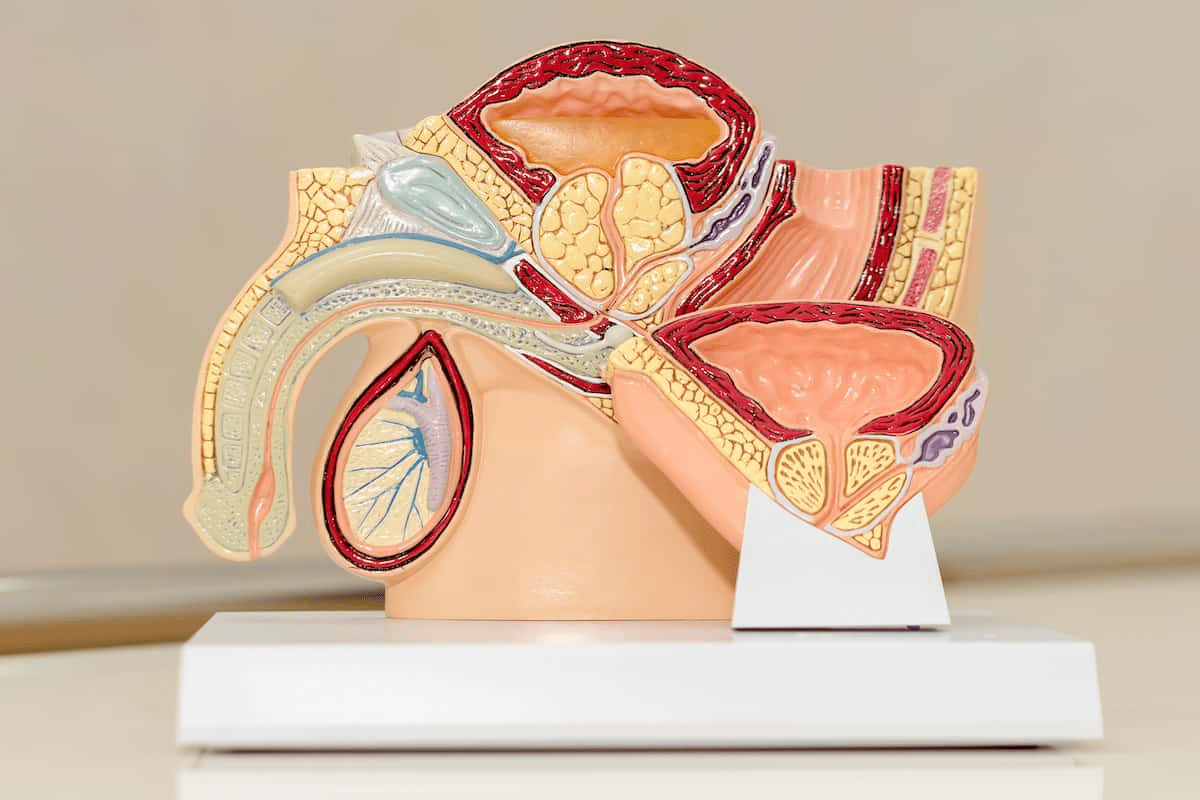
The abdominal wall’s complex anatomy is key to understanding hernias. It’s made of muscles, fascia, and peritoneum. These layers work together to keep the abdominal cavity strong and supported.
Normal Abdominal Wall Structure
The abdominal wall has several layers. The outermost is the skin, followed by subcutaneous tissue. Then comes the muscular layer, with muscles like the external oblique, internal oblique, and transversus abdominis.
These muscles are covered by fascia, a connective tissue layer. The external oblique muscle is the outermost, protecting and supporting. The internal oblique muscle works with the external oblique for bending and twisting. The transversus abdominis muscle is the deepest, helping to compress abdominal contents and keep pressure in.
Weak Points in the Abdominal Wall
Despite its strength, the abdominal wall has weak points. These are areas where the muscles or fascia are thinner or have natural openings.
The inguinal canal is a major weak point. It’s a passage for the spermatic cord in males and the round ligament in females. Hernias can occur here, causing tissue to bulge through the abdominal wall in the groin area.
Weak Point | Description | Associated Hernia Type |
Inguinal Canal | Passage for spermatic cord or round ligament | Inguinal Hernia |
Umbilicus | Natural opening for umbilical vessels | Umbilical Hernia |
Hiatal Opening | Passage for esophagus | Hiatal Hernia |
Knowing these weak points is vital for diagnosing and treating hernias. Healthcare professionals can then develop specific treatment plans to fix hernia problems.
Why Does a Hernia Happen? The Fundamental Causes
Hernias happen because of several factors that weaken the abdominal wall. Knowing these causes helps in preventing and treating hernias.
Increased Abdominal Pressure
High abdominal pressure is a big reason for hernias. This pressure comes from obesity, heavy lifting, and chronic coughing. When pressure goes up, it strains the abdominal wall, possibly causing a hernia.
The mechanics of the abdominal cavity show how increased pressure affects it. The wall stretches and weakens under high pressure. This makes it more likely to herniate.
Cause | Description | Impact on Abdominal Wall |
Obesity | Increased fat around abdominal organs | Increased pressure on the abdominal wall |
Heavy Lifting | Straining during lifting heavy objects | Temporary but significant increase in abdominal pressure |
Chronic Coughing | Repeated strain from coughing | Repeated pressure on the abdominal wall, potentially weakening it |
Weakness in Connective Tissues
Weak connective tissues in the abdominal wall also cause hernias. These tissues give strength and structure. Weakness in them can lead to hernias.
Genetic predisposition affects the strength of these tissues. Some people are born with weaker tissues, making them more likely to get hernias. Aging and poor nutrition can also weaken these tissues over time.
Understanding the causes of hernias is essential for effective prevention and treatment. By tackling both high abdominal pressure and weak connective tissues, we can lower the risk of hernias.
Common Types of Hernias
It’s important to know about the different types of hernias. They are classified by where they occur and what they are like. Each type affects health in its own way.
Inguinal Hernias
Inguinal hernias happen when part of the intestine bulges through a weak spot in the abdominal muscles. This is the most common type and usually affects men.
Characteristics: They cause a bulge in the groin area. This can hurt, more so when you cough or lift something.
Femoral Hernias
Femoral hernias are less common. They happen just below the inguinal ligament, where the femoral artery and vein pass through. Women are more likely to get them.
Characteristics: They can be hard to spot because of where they are. They often look like a lump in the groin.
Umbilical Hernias
Umbilical hernias happen around the navel. They are common in babies but can also happen in adults, often due to increased pressure in the abdomen.
Characteristics: You can see a bulge near the belly button. It might hurt.
Hiatal Hernias
Hiatal hernias happen when the stomach bulges up into the chest through a hole in the diaphragm. This type is often linked to gastroesophageal reflux disease (GERD).
Characteristics: They can cause heartburn, chest pain, and trouble swallowing.
Type of Hernia | Common Location | Characteristics |
Inguinal | Groin area | Often painful, bulge in the groin |
Femoral | Below inguinal ligament | Lump in the groin, more common in women |
Umbilical | Around the navel | Visible bulge, may be painful |
Hiatal | Upper stomach through diaphragm | Heartburn, chest pain, difficulty swallowing |
The Hernia Formation Process
A hernia forms over time, starting with weak spots in the abdominal wall. Knowing how it happens helps prevent and treat it.
Initial Weakness Development
Weak spots in the abdominal wall can come from many things. These include genetics, aging, and lifestyle choices. These weak spots are where hernias can start.
Some main reasons for these weak spots include:
- Genetic predisposition: Some people are born with weaker connective tissues.
- Aging: As we get older, our tissues get weaker.
- Lifestyle factors: Bad diet, smoking, and not exercising can make muscles weak.
Progression and Protrusion
As these weak spots get worse, organs or tissues can push through. This is what makes a hernia.
Things that can make a hernia worse include:
- Increased abdominal pressure: Activities like coughing, straining, or lifting heavy things can put more pressure.
- Weakness in connective tissues: Conditions like collagen disorders can make tissues even weaker.
Knowing what causes hernias helps prevent them. By understanding the process, people can lower their risk of getting a hernia.
Congenital Factors Contributing to Hernias
Certain conditions at birth can make people more likely to get hernias. These conditions weaken the abdominal wall. This makes it easier for hernias to form.
Genetic Predisposition
A genetic predisposition to hernias is a big factor. If your family has a history of hernias, you might get them too. Research shows that genes can weaken connective tissues, raising the risk of hernias.
Genetics play a complex role in hernias. Many genes are involved. For example, Ehlers-Danlos syndrome can weaken tissues, increasing hernia risk.
Developmental Issues
Developmental issues can also lead to hernias. Problems like undescended testes or weak abdominal walls can cause them. These issues can create weak spots that may lead to hernias later.
One common issue is the patent processus vaginalis. This is when a part of the abdominal wall doesn’t close properly. It often causes inguinal hernias in kids and babies.
Congenital Factor | Description | Risk of Hernia |
Genetic Predisposition | Family history of hernias, genetic conditions affecting connective tissue | High |
Developmental Issues | Undescended testes, patent processus vaginalis | Moderate to High |
Abdominal Wall Defects | Weakness in abdominal wall due to congenital defects | High |
Lifestyle Risk Factors for Hernia Development
Many lifestyle choices can increase the risk of getting a hernia. Knowing these factors can help you avoid getting one.
Obesity and Weight Issues
Being overweight is a big risk for hernias. Extra weight puts more pressure on your belly muscles. This can cause hernias, mainly where your belly wall is weak.
Keeping a healthy weight through good eating and exercise can lower this risk. Even a little weight loss can help a lot.
Smoking and Its Effects
Smoking also raises your risk of getting a hernia. It weakens the tissues in your body. This makes it harder for your belly wall to stay strong.
Smokers are more likely to get hernias because of coughing a lot. This coughing increases the pressure in your belly.
- Damages connective tissues
- Increases abdominal pressure due to chronic coughing
- Reduces overall muscle strength
Poor Nutrition and Muscle Weakness
Eating poorly can weaken your muscles, including those in your belly. Bad nutrition makes it hard for your body to fix tissues. This makes you more likely to get a hernia.
“A well-balanced diet rich in vitamins and minerals is key for strong belly muscles and preventing hernias.”
Improper Lifting Techniques
Not lifting things right can also cause hernias. Wrong lifting methods stress your belly muscles too much. This can lead to strain and possibly a hernia.
To avoid this, lift things with your legs, not your back. Keep your back straight and bend at the knees.
Medical Conditions That Increase Hernia Risk
Many health issues can make you more likely to get a hernia. These problems often put extra pressure on your belly, making it more likely to bulge.
Chronic Coughing Conditions
Chronic coughing is a big risk for hernias. Diseases like COPD, bronchitis, or asthma can cause a lot of coughing. This coughing raises the pressure in your belly.
Table: Chronic Coughing Conditions and Hernia Risk
Condition | Description | Hernia Risk |
COPD | Chronic obstructive pulmonary disease | High |
Bronchitis | Inflammation of the bronchial tubes | Moderate |
Asthma | Chronic inflammation of the airways | Moderate |
Constipation and Straining
Constipation also raises hernia risk. Straining to go to the bathroom adds extra pressure on your belly. This can cause a bulge.
Increasing fiber intake and staying hydrated can help mitigate the risk associated with constipation.
Enlarged Prostate
An enlarged prostate, common in older men, can lead to trouble urinating. Straining to pee increases belly pressure. This raises the chance of getting a hernia.
Knowing how these health issues affect hernia risk is key. Taking steps to manage chronic coughing, regular bowel movements, and treating enlarged prostate can lower hernia risk.
Occupational Causes of Hernias
Jobs that involve heavy lifting and bending can lead to hernias. Workers in many industries face this risk.
High-Risk Professions
Some jobs are more likely to cause hernias because of their physical demands. These include:
- Construction workers
- Manufacturing and assembly line workers
- Nurses and healthcare professionals who frequently lift patients
- Warehouse workers involved in heavy lifting and bending
A study on workplace injuries stresses the need for at work.
Workplace Prevention Strategies
Preventive measures can lower hernia risks at work. Some effective strategies are:
Prevention Strategy | Description | Benefits |
Proper Lifting Techniques | Training workers to lift correctly, bending at the knees and keeping objects close to the body. | Reduces strain on the abdominal wall |
Regular Breaks | Encouraging workers to take regular breaks to rest and stretch. | Decreases repetitive strain and fatigue |
Workplace Ergonomics | Adjusting workstations to reduce bending and straining. | Minimizes unnecessary physical exertion |
Employers can make work safer by using these strategies. This helps protect employees from hernias.
Recognizing Hernia Symptoms
Knowing the signs of a hernia is key to getting the right treatment. Hernias show different symptoms, some more serious than others.
Common Warning Signs
A hernia might show as a bulge or lump, pain when you move, or a feeling of pressure.
- A noticeable bulge or swelling, often in the groin or belly.
- Pain or discomfort that gets worse with lifting, bending, or straining.
- A burning or aching feeling, usually in the groin or navel.
Some people might feel pain in a different spot than where the hernia is. This is called referred pain.
When Symptoms Indicate an Emergency
Not all hernias are urgent, but some symptoms mean you need to see a doctor fast. It’s important to know when a hernia is incarcerated or strangulated.
Symptom | Description | Urgency Level |
Severe Pain | Sudden, intense pain in the hernia area. | High |
Nausea and Vomiting | Feeling queasy or vomiting, with abdominal pain. | High |
Fever | Elevated body temperature, possibly due to infection or strangulation. | High |
Doctors say, “Quickly spotting these serious symptoms can save lives in strangulated hernias.”
“The key to managing hernias effectively lies in early detection and understanding the symptoms that necessitate immediate medical intervention.”
In summary, knowing the common signs and when to seek emergency care can greatly help those with hernias.
Diagnosing a Hernia
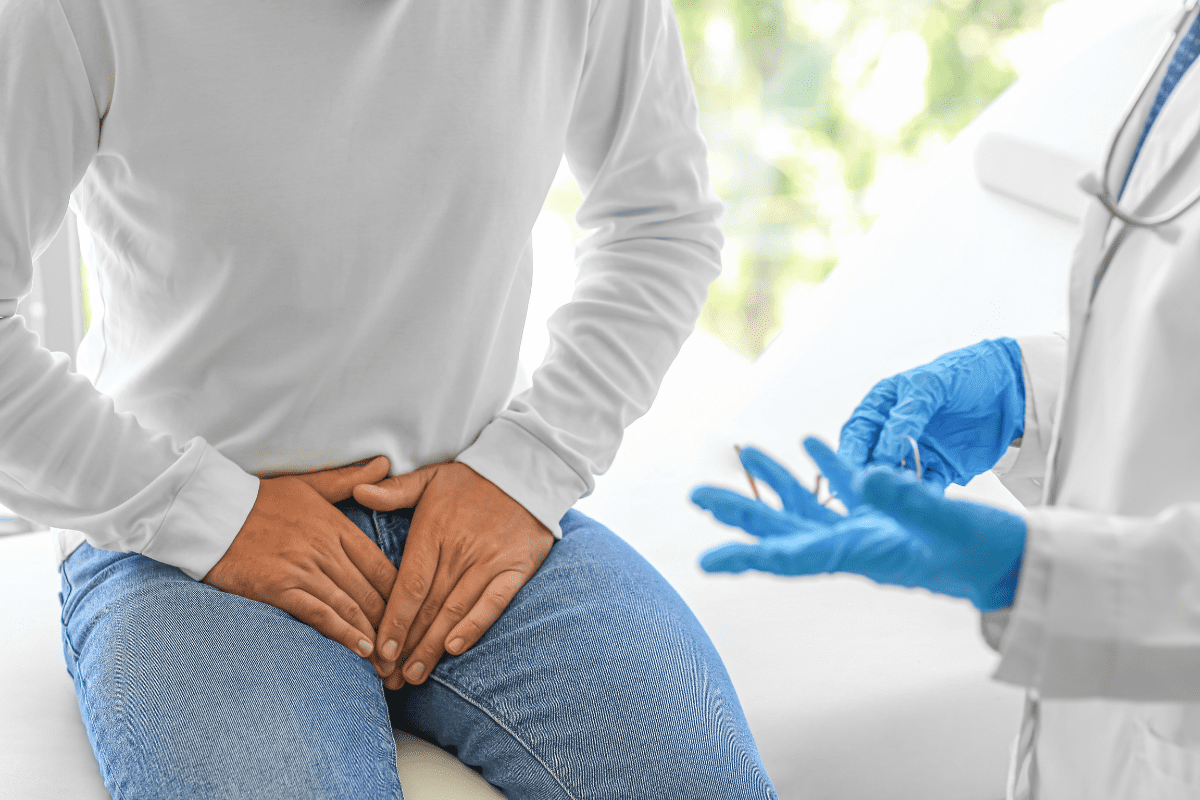
Diagnosing a hernia starts with a detailed physical check-up. This first step is key to spotting a hernia and figuring out what to do next.
Physical Examination Techniques
A doctor will look for a bulge or lump in the area where the hernia is. They might ask you to stand, cough, or strain to see it better.
Key steps in a physical examination for hernia diagnosis include:
- Visual inspection of the area
- Palpation to feel for a bulge
- Coughing or straining to accentuate the hernia
Imaging and Other Diagnostic Tools
Even with a physical check, sometimes imaging tests are needed. They help confirm a hernia or see how serious it is.
Imaging Tool | Description | Use in Hernia Diagnosis |
Ultrasound | Uses sound waves to create images of the internal structures | Helpful for detecting hernias, even in obese patients or when it’s hard to tell |
CT Scan | Provides detailed cross-sectional images of the body | Good for complex or recurring hernias, and for planning surgery |
MRI | Uses magnetic fields to create detailed images of internal structures | Used for complex cases or when other tests don’t give clear results |
These tools help doctors accurately find and treat hernias. They make sure the treatment plan works well.
Complications of Untreated Hernias
If left untreated, hernias can lead to severe and life-threatening complications. It’s important for patients to seek medical help quickly.
Incarceration: When Tissue Gets Trapped
Incarceration happens when herniated tissue gets trapped and can’t go back into the belly. This causes severe pain and can cut off blood to the trapped tissue.
“Incarceration is a serious complication that requires immediate medical attention to prevent further damage.” If not treated, it can cause even worse problems.
Strangulation: A Medical Emergency
Strangulation is when the blood supply to the herniated tissue is cut off. It’s a medical emergency that needs immediate surgery to avoid tissue death and serious issues.
Medical experts say,
“Strangulation of a hernia is a life-threatening condition that necessitates prompt surgical intervention.”
Waiting too long can lead to tissue death.
It’s vital to understand these complications. They show why quick medical evaluation and treatment are so important to avoid serious outcomes.
Treatment Options for Hernias
Treating hernias needs a plan that fits each person’s situation. The right treatment depends on the hernia’s type, size, and how it affects the patient.
Conservative Management Approaches
For small, painless hernias or those who can’t have surgery, watching and waiting might be best. This includes:
- Watchful waiting: Keeping an eye on the hernia for any signs of trouble.
- Lifestyle modifications: Changing habits to ease pressure on the abdomen, like losing weight or avoiding heavy lifting.
- Pain management: Using medicine to control pain and discomfort from the hernia.
Surgical Repair Methods
For big, painful hernias or those causing problems, surgery is often needed. There are two main ways to fix a hernia surgically:
- Open repair: A traditional method where the hernia is fixed through one big cut.
- Laparoscopic repair: A newer, less invasive method using small cuts and a camera to guide the repair.
Recovery and Rehabilitation
After surgery, it’s important to focus on healing and getting back to normal. This includes:
- Post-operative care: Following the doctor’s advice on wound care and managing pain.
- Gradual return to activities: Slowly starting to do normal things again, but avoiding heavy lifting and hard exercises at first.
- Follow-up appointments: Going back to see the doctor to check on healing and talk about any issues.
Knowing about the different ways to treat hernias helps patients make better choices. They can work with their doctors to find the best path to recovery.
Recurrent Hernias: Causes and Management
It’s important to know why hernias come back after they’re fixed. This is key to treating and preventing them.
Why Hernias Return After Repair
Hernias can come back because of increased abdominal pressure and weakness in connective tissues. These issues can come from our lifestyle, genes, or problems during the first surgery.
The surgical technique used is also very important. If the surgery doesn’t fix the hernia well or strengthen the wall, it might come back.
Causes of Recurrence | Description | Prevention Strategies |
Increased Abdominal Pressure | Activities or conditions that increase pressure within the abdominal cavity. | Maintaining a healthy weight, avoiding heavy lifting. |
Weakness in Connective Tissues | Genetic or acquired conditions that weaken the body’s connective tissues. | Proper nutrition, avoiding smoking. |
Surgical Technique | Inadequate or inappropriate surgical methods used during hernia repair. | Choosing experienced surgeons, advanced surgical techniques. |
Advanced Treatment for Recurrent Cases
Dealing with recurrent hernias often means using advanced surgical techniques. These include laparoscopic or robotic surgery. They help patients recover faster and have better results.
Using biological meshes or synthetic mesh can also help. They provide extra support to the weak area, making it less likely for the hernia to come back.
Handling recurrent hernias well needs a team effort. This includes making lifestyle changes, physical therapy, and sometimes, another surgery.
Preventing Hernias: Practical Strategies
To lower hernia risk, focus on strengthening core muscles, keeping a healthy weight, and using correct lifting methods. These steps can greatly reduce your chance of getting a hernia.
Strengthening Core Muscles
Strengthening the core muscles is key to preventing hernias. Try planks, crunches, and leg raises to build these muscles. A strong core supports the abdominal wall, making hernias less likely.
Maintaining Healthy Weight
Keeping a healthy weight is vital in avoiding hernias. Extra weight strains the abdominal wall, raising hernia risk. Eat well and exercise regularly to stay at a healthy weight.
Proper Lifting Techniques
Using proper lifting techniques is critical in preventing hernias. Bend at the knees, keep the object near your body, and lift with your legs. This method reduces strain on the abdominal wall, lowering hernia risk.
- Bend at the knees when lifting heavy objects.
- Keep the object close to your body.
- Lift with your legs, not your back.
Special Considerations for Different Populations
Hernias pose unique challenges across different age groups. Healthcare providers must tailor their approaches to each group. This ensures effective diagnosis and treatment.
Hernias in Children
Hernias in children are often present at birth. The most common type is the inguinal hernia. This occurs when a part of the intestine bulges through a weak spot in the abdominal muscles.
Key considerations for hernias in children include:
- Early diagnosis and treatment to prevent complications
- Monitoring for signs of incarceration or strangulation
- Surgical repair, which is often performed as an outpatient procedure
In some cases, hernias in children may be linked to conditions like undescended testes. Or conditions that cause increased abdominal pressure.
Hernias in Older Adults
Older adults are also at risk for hernias, like inguinal and ventral hernias. Weakened abdominal muscles and increased abdominal pressure are age-related factors.
Important considerations for hernias in older adults include:
- Increased risk of complications due to comorbidities
- The need for more complex surgical procedures
- Monitoring for signs of hernia strangulation
Older adults may face more challenges during recovery. This makes careful preoperative and postoperative care vital.
Understanding these special considerations is key. It helps healthcare providers give the right care to those with hernias.
Conclusion
Understanding hernias and their causes is key to preventing and managing them. This article has given a detailed look at hernias, including what they are, their types, and risk factors. Knowing the signs and symptoms helps people get medical help quickly, lowering the chance of serious problems.
A summary on hernias shows how important it is to tackle the root causes. These include high abdominal pressure and weak connective tissues. By using preventive measures like strengthening core muscles and keeping a healthy weight, people can lower their hernia risk.
In short, hernias are a common issue that can lead to big problems if ignored. By knowing the causes and risks, people can take steps to avoid hernias and get the right treatment when needed.
FAQ
What is a hernia?
A hernia happens when an organ or tissue bulges through a weak spot in the muscle or tissue. This weak spot is usually where it’s supposed to be held in place.
What are the most common types of hernias?
The most common hernias are inguinal, femoral, umbilical, and hiatal hernias.
What causes a hernia to develop?
Hernias often come from a mix of high abdominal pressure and weak muscles. This can be due to genetics, lifestyle, or medical issues.
How do hernias form?
Hernias start with a weak spot in the abdominal wall. Then, increased pressure or strain makes it bulge out.
Can hernias be prevented?
While not all hernias can be stopped, you can lower your risk. Stay healthy, strengthen your core, and avoid heavy lifting.
What are the symptoms of a hernia?
Symptoms include a bulge, discomfort, or pain. This pain often happens when you cough, lift, or bend.
How are hernias diagnosed?
Doctors usually diagnose hernias by feeling the area. Sometimes, they use tests like an ultrasound or CT scan to confirm.
What are the complications of untreated hernias?
Untreated hernias can cause serious problems. These include incarceration, where tissue gets trapped, or strangulation, a life-threatening issue where blood supply is cut off.
What are the treatment options for hernias?
Treatments include watching the hernia or surgery. Surgery can be open or laparoscopic.
Can hernias recur after repair?
Yes, hernias can come back. This is more likely if the cause isn’t fixed or if the repair fails.
Are there any special considerations for children and older adults with hernias?
Yes, kids and seniors need special care. Their health and other conditions can affect how they’re treated.
How can I reduce my risk of developing a hernia?
To lower your risk, stay healthy, exercise, avoid heavy lifting, and manage any health issues that might increase your risk.
References
National Center for Biotechnology Information. Evidence-Based Medical Insight. Retrieved from https://www.ncbi.nlm.nih.gov/books/NBK395554/