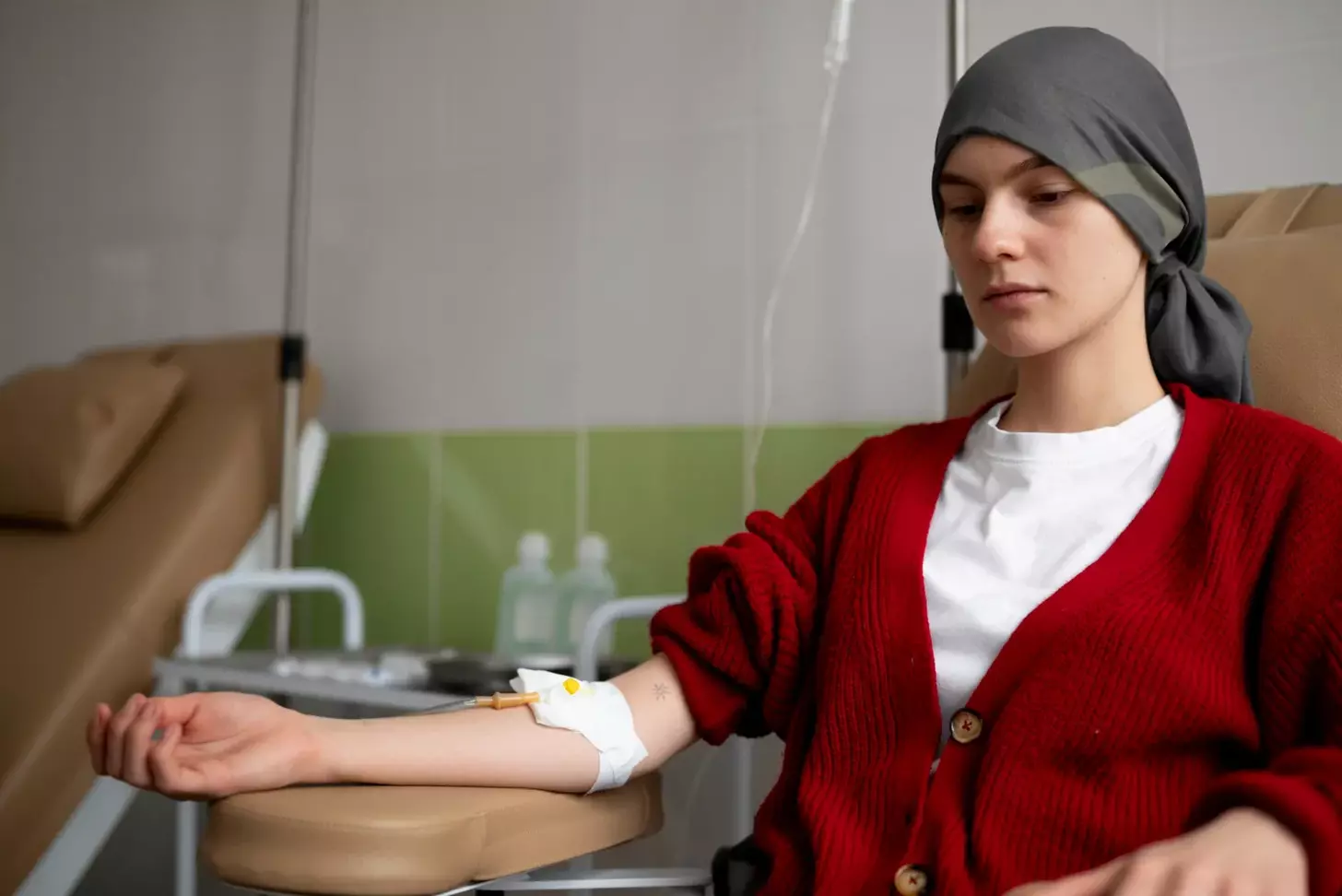
Chemotherapy is a key part of fighting cancer, but it often leaves patients feeling extremely tired. Studies show that 15% to 90% of patients face fatigue during chemotherapy. Many say it’s one of the toughest side effects they deal with.
At Liv Hospital, we see this tiredness as more than just exhaustion. It deeply impacts patients’ daily lives and their overall health. Our team is committed to giving top-notch care and support. We aim to help manage and recover from chemotherapy-related tiredness.
Key Takeaways
- Chemotherapy-induced fatigue is a common and debilitating side effect.
- It affects patients physically, mentally, and emotionally.
- Understanding the causes is key to managing it effectively.
- Liv Hospital offers expert care and support for managing fatigue.
- Recovery from chemotherapy-related tiredness is possible with the right guidance.
The Reality of Cancer-Related Fatigue

Cancer-related fatigue is more than just feeling tired. It’s a complex issue that affects daily life. This exhaustion is different from regular tiredness and doesn’t go away with rest. We’ll look into this condition and how common it is among cancer patients.
Defining Cancer-Related Fatigue vs. Normal Tiredness
Cancer-related fatigue is a lasting and personal feeling of tiredness that hinders daily activities. It’s unlike normal tiredness, which gets better with rest. This debilitating condition can greatly reduce a patient’s quality of life.
The main differences between cancer-related fatigue and normal tiredness are:
- Persistent and unrelenting nature
- Not relieved by rest or sleep
- Significant impact on daily functioning
Prevalence Statistics: 15-90% of Patients Experience Fatigue
Research shows that fatigue in cancer patients undergoing chemotherapy can affect 15% to 90% of them. This wide range is due to different factors, such as the type of cancer, treatment, and individual patient characteristics.
The high rate of cancer-related fatigue shows the need for better management strategies. Some important statistics include:
- Up to 90% of patients receiving chemotherapy experience fatigue.
- Fatigue is one of the most common symptoms reported by cancer patients.
- The condition can last for months or even years after treatment ends.
Understanding cancer-related fatigue is key for both patients and healthcare providers. By knowing its unique traits and how common it is, we can improve patient outcomes and quality of life.
How Chemotherapy Affects Your Energy Levels
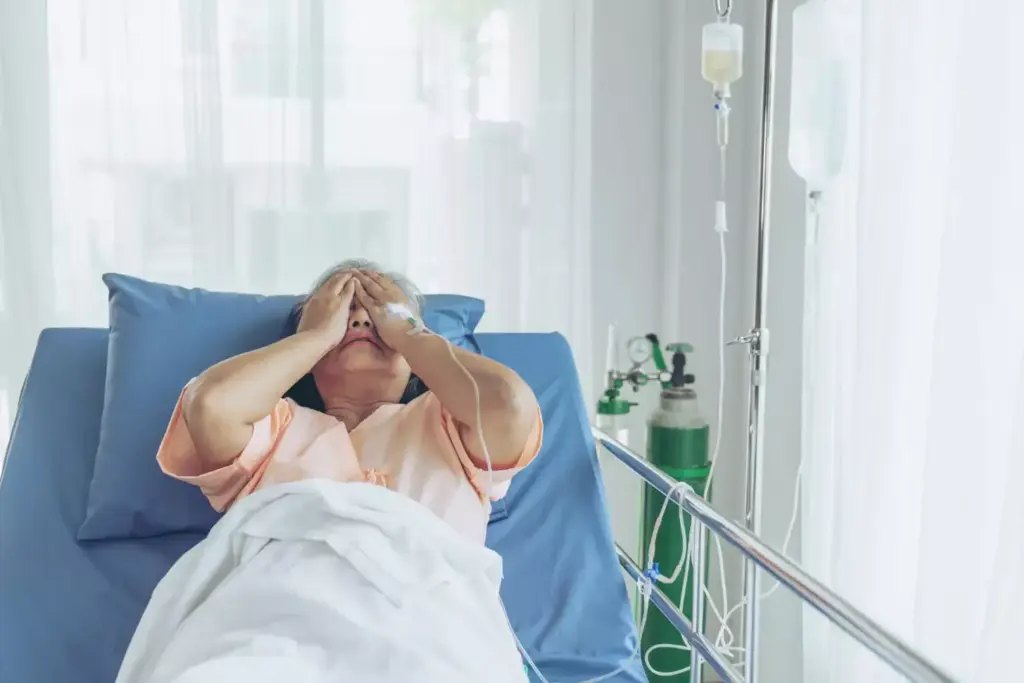
Chemotherapy drugs affect how our bodies make energy. They target fast-growing cancer cells but also harm healthy cells. These cells are key for our energy.
The Basic Mechanism of Chemotherapy Drugs
Chemotherapy drugs attack cells that grow fast, like many cancer cells. But, they also hit healthy cells that grow fast, like those in the bone marrow. These cells make red blood cells, which carry oxygen to our tissues.
When these cells are harmed, it’s harder for our bodies to get oxygen. This can make us feel very tired and weak.
This can lead to anemia, a condition with low red blood cells. It makes exhaustion worse. Knowing this helps us understand why chemotherapy tiredness is common.
Direct Impact on Energy-Producing Cells
Chemotherapy also affects cells that make energy. The mitochondria, or the cell’s powerhouses, are key for energy. When they’re disrupted, our cells make less energy.
This makes us feel very tired. It’s a big reason for chemo and exhaustion.
Metabolic Disruptions During Treatment
Chemotherapy messes with how our body uses nutrients. It changes how we make energy. For example, it can affect how we use carbs, fats, and proteins.
This can make us feel even more tired. It’s because our body’s energy production is not as good.
Knowing how chemotherapy affects our metabolism helps us fight why does chemo make you tired. By understanding these changes, we can find ways to help our bodies through better nutrition.
Dealing with chemo and tiredness needs a full plan. It includes knowing how treatment affects us, making lifestyle changes, and sometimes using medicine to help with fatigue.
Chemo and Extreme Fatigue: The Biological Connection
Chemotherapy and extreme fatigue are linked through many biological processes. These processes affect both cancer cells and healthy cells. This damage leads to a series of effects that cause fatigue.
Cellular Damage and Mitochondrial Function
Chemotherapy can harm cells, including the mitochondria. Mitochondria are key for energy production. Damage to them makes it hard for cells to produce energy, causing fatigue.
Studies have found that some chemo agents damage mitochondrial DNA. This makes the problem worse.
Inflammatory Responses and Cytokine Production
Chemotherapy starts an inflammatory response in the body. This leads to the production of cytokines. These proteins help fight off infections but can also cause fatigue.
Cytokines can affect how the body uses energy. This can make you feel very tired.
Oxidative Stress and Its Energy Impact
Oxidative stress happens when free radicals overwhelm the body’s defenses. Chemotherapy can increase this stress. It damages cells and leads to fatigue.
The impact on energy is big. Oxidative stress can harm mitochondria and reduce energy production.
The following table summarizes the key biological mechanisms contributing to chemotherapy-induced fatigue:
| Biological Mechanism | Description | Impact on Energy |
|---|---|---|
| Cellular Damage | Chemotherapy damages healthy cells, including those involved in energy production. | Reduced energy production due to impaired cellular function. |
| Mitochondrial Dysfunction | Damage to mitochondrial DNA impairs energy production within cells. | Decreased ATP production, leading to fatigue. |
| Inflammatory Responses | Chemotherapy triggers the release of cytokines, inducing inflammation. | Fatigue and other systemic effects due to cytokine release. |
| Oxidative Stress | Increased free radical production damages cells and impairs energy production. | Impaired mitochondrial function and reduced energy. |
Understanding these biological mechanisms is key to managing chemotherapy-induced fatigue. By tackling the root causes, healthcare providers can better support patients going through chemo.
Secondary Causes Contributing to Chemotherapy Fatigue
Chemotherapy is a main reason for feeling tired. But, other factors can make this tiredness worse. Knowing about these factors helps in fighting chemotherapy fatigue better.
Anemia and Red Blood Cell Reduction
Anemia is a common side effect of chemotherapy. It happens when there are fewer red blood cells or less hemoglobin. This makes it hard for tissues and organs to get enough oxygen, leading to tiredness and weakness. Treating anemia can help reduce fatigue in many patients.
| Condition | Effect on Fatigue | Potential Treatment |
|---|---|---|
| Anemia | Increased fatigue due to reduced oxygen delivery | Iron supplements, blood transfusions |
| Nutritional Deficiencies | Exacerbated fatigue due to lack of essential nutrients | Dietary adjustments, nutritional supplements |
| Hormone Disruptions | Fatigue resulting from hormonal imbalances | Hormone replacement therapy, medication adjustments |
Nutritional Deficiencies and Appetite Changes
Nutritional deficiencies are another big reason for feeling tired during chemotherapy. Changes in appetite and taste, along with nausea and vomiting, can make it hard to get enough nutrients. Eating right or taking supplements can help fight fatigue.
Hormone Disruptions from Treatment
Chemotherapy can mess with hormone levels, causing fatigue and other symptoms. For example, treatments that affect the thyroid gland can lead to hypothyroidism, a condition that makes you feel tired. Fixing hormone problems through medicine can help reduce fatigue.
Medication Side Effects and Interactions
Patients on chemotherapy often take many medicines, which can make them feel tired. These medicines can also interact with each other, making tiredness worse. It’s important to manage these medicines carefully to lessen their impact on fatigue.
By tackling these secondary causes, doctors can create better plans to fight chemotherapy fatigue. This can improve the lives of patients going through treatment.
The Timeline of Fatigue During and After Chemotherapy
It’s important for cancer patients to understand when fatigue happens during and after chemotherapy. Fatigue can start during treatment, last after it’s done, and even affect survivors long-term. This can impact a patient’s life in many ways.
Acute Fatigue During Treatment Cycles
Many patients feel very tired during chemotherapy cycles. This fatigue can change a lot during treatment. It’s caused by the drugs and side effects like nausea and pain.
Effective management strategies are key to fight this symptom. Patients should balance rest and activity, eat well, and drink plenty of water.
Post-Treatment Fatigue
Some patients stay tired even after treatment ends. This can last for months or years. It makes it hard for them to get back to their usual life.
Studies show that persistent fatigue after chemotherapy is linked to many things. These include the type and length of treatment, the patient’s age, and other health issues.
Long-Term Fatigue as a Survivorship Issue
Long-term fatigue is a big problem for many cancer survivors. It affects their physical, emotional, and social health.
A study on cancer survivorship found that long-term fatigue is a big challenge. It needs ongoing support and management. Knowing the causes and finding effective ways to help is important.
| Stage | Characteristics | Management Strategies |
|---|---|---|
| Acute Fatigue | Occurs during treatment cycles, can be intense and fluctuating | Rest, nutrition planning, mild exercise |
| Post-Treatment Fatigue | Persists after treatment completion, can last months or years | Gradual return to activities, counseling, medication for underlying causes |
| Long-Term Fatigue | Affects cancer survivors long after treatment, impacts quality of life | Ongoing support, lifestyle adjustments, monitoring for late effects |
Physical Symptoms of Chemotherapy-Induced Exhaustion
Chemotherapy-induced exhaustion shows up in many ways, affecting a patient’s life a lot. It’s hard to deal with, but knowing what it is is a start to feeling better.
Muscle Weakness and Physical Limitations
Muscle weakness is a big symptom of this exhaustion. It makes simple tasks hard, taking away a person’s freedom. It’s frustrating and can make you feel less independent.
Chemotherapy drugs harm not just cancer cells but also muscle cells. This damage can make muscles weaker and smaller, making fatigue worse.
Sleep Disturbances and Insomnia
Sleep problems and insomnia are big parts of this exhaustion. Patients often have trouble sleeping because of pain, discomfort, or anxiety. Sleep hygiene practices can help.
Try to sleep at the same time every night, make your bedroom cozy, and avoid activities that get you excited before bed. These steps can help you sleep better and feel less tired from chemotherapy.
Decreased Physical Endurance and Stamina
Feeling tired and weak is another big symptom. Even simple things like walking or doing light chores can be hard. This weakness is not just from chemotherapy but also from other issues like anemia and poor nutrition.
To fight this weakness, start with gentle exercise like short walks or stretching. Also, break activities into smaller parts and rest often to keep your energy up.
Mental and Emotional Impact of Cancer Treatment Tiredness
Patients going through chemotherapy often face big mental and emotional challenges. The tiredness from treatment can mess with their thinking, feelings, and how they connect with others.
Cognitive Effects (“Chemo Brain”)
“Chemo brain” is a big mental issue from chemotherapy. It makes it hard to focus, remember things, and think clearly. Studies say up to 75% of patients get some brain fog from chemo. This can really mess up daily life.
People might feel like they’re in a fog, can’t find words, or forget things easily. Why chemo brain happens isn’t fully known, but it’s thought to be because chemo affects the brain and nervous system.
Emotional Challenges and Mood Changes
Chemotherapy fatigue also brings big emotional challenges. Patients might feel moody, irritable, anxious, or depressed. The constant tiredness makes these feelings worse, creating a hard cycle to get out of.
“The fatigue was overwhelming, and it wasn’t just physical. I felt emotionally drained, too, like I was running on empty all the time.” – A cancer survivor
It’s key to tackle these emotional challenges to stay well during and after treatment.
Social and Relationship Difficulties
Chemotherapy fatigue also hurts social and personal relationships. People might pull back from friends and family because they’re too tired or ashamed. This isolation can make them feel lonelier and more depressed.
- Reduced participation in social activities
- Strained relationships with family and friends
- Difficulty maintaining intimate relationships
It’s important for patients to share their feelings and needs with their loved ones to lessen these problems.
Medical Management of Chemotherapy-Related Fatigue
Managing chemotherapy-related fatigue needs a detailed plan. It involves different medical strategies. Each patient is affected differently, so a personalized approach is key.
Medical Interventions for Anemia
Anemia is a big factor in managing fatigue. It happens when there aren’t enough red blood cells or when they don’t carry enough oxygen. Treating anemia can greatly reduce fatigue symptoms. Doctors use medicines to boost red blood cell production or iron supplements.
Medications to Combat Fatigue
There are also medicines to fight fatigue directly. Even though there’s no single drug for this, some like psychostimulants might help. Doctors use these medicines carefully, considering the patient’s health and other treatments.
Treating Underlying Contributors
It’s also important to tackle the root causes of fatigue. This includes fixing nutritional gaps, hormone imbalances, and other issues. For example, good nutrition and hormone therapy can help.
Emerging Treatments and Clinical Trials
New treatments and trials are underway for fatigue. They aim to find better ways to manage this side effect. These might include new medicines, alternative therapies, or combining traditional and complementary treatments.
By using a wide range of strategies, doctors can help patients deal with fatigue. This improves their life quality significantly.
Lifestyle Strategies to Combat Chemo Fatigue
Chemo fatigue can be really tough, but there are ways to fight it. By making a few changes in your daily life, you can feel more energetic. This can make your treatment time better and help you feel better after it’s over.
Exercise During and After Treatment
Starting to exercise is a big step in fighting chemo fatigue. Studies show that even a little bit of exercise can boost your energy. For example, a study in the Journal of Clinical Oncology found that exercising helped patients feel less tired and more physically able.
Begin with easy activities like stretching or short walks when you start chemo. As you get stronger, you can do more. Always listen to your body and don’t do too much too soon.
Nutrition and Hydration Approaches
Eating well and drinking enough water are key to fighting chemo fatigue. Eating foods like fruits, veggies, whole grains, and lean proteins helps your body make energy. Also, drinking lots of water and avoiding too much caffeine helps prevent dehydration, which can make you feel even more tired.
Some people might not feel like eating or might taste things differently during chemo. If this happens, talk to a nutritionist or your doctor about a special diet plan. For more tips on fighting cancer-related tiredness, check out Liv Hospital’s resource on cancer tiredness.
| Nutritional Element | Benefit | Food Sources |
|---|---|---|
| Protein | Supports muscle strength and energy | Lean meats, fish, eggs, dairy, legumes |
| Complex Carbohydrates | Provides sustained energy | Whole grains, fruits, vegetables |
| Healthy Fats | Essential for overall health and energy | Nuts, seeds, avocados, olive oil |
Energy Conservation and Planning Techniques
It’s important to save energy and plan your day carefully. Try to pace yourself, take breaks, and do things that are most important to you when you have the most energy. Using a planner to organize your day can help keep things balanced.
“Pacing yourself is not about being lazy; it’s about being smart about how you use your energy.” – Cancer Survivor
Sleep Hygiene Improvements
Getting better sleep is also key to fighting chemo fatigue. Try to go to bed and wake up at the same time every day. Make your bedroom a cozy place to sleep and avoid activities that get you excited before bed. Meditation or deep breathing can also help you relax and sleep better.
- Maintain a consistent sleep schedule
- Create a comfortable sleep environment
- Avoid screens and stimulating activities before bedtime
- Practice relaxation techniques
By using these strategies, you can manage chemo fatigue better and feel better during and after treatment.
Complementary Approaches for Managing Extreme Tiredness
Medical treatments are not the only way to fight chemotherapy-induced fatigue. Complementary therapies can also help a lot. They aim to boost your overall health and work well with traditional treatments.
Mind-Body Interventions: Meditation and Yoga
Mind-body therapies like meditation and yoga can really help. They lower stress and boost energy in people getting chemo. These practices help deal with the tough emotional and physical parts of treatment.
- Meditation can reduce anxiety and promote relaxation.
- Yoga combines physical postures, breathing techniques, and meditation to improve overall well-being.
- Both practices can be adapted to suit different fitness levels and abilities.
Acupuncture and Traditional Medicine Approaches
Acupuncture is a traditional Chinese medicine technique. It involves putting thin needles into certain body points to help healing and energy flow. Some studies say acupuncture can ease chemo-induced fatigue.
Benefits of Acupuncture:
- May improve energy levels and reduce fatigue.
- Can help manage pain and other symptoms associated with chemotherapy.
- Promotes overall well-being and relaxation.
Psychological Support and Cognitive Behavioral Therapy
Dealing with the emotional side of chemo-induced fatigue is key. Cognitive Behavioral Therapy (CBT) is a great tool. It helps patients manage their thoughts and actions better.
CBT can help patients:
- Identify and change negative thought patterns.
- Develop coping strategies for managing fatigue and other symptoms.
- Improve their overall mental health and well-being.
Support Groups and Community Resources
Support groups and community resources are vital for patients with chemo-induced fatigue. They offer a network of understanding and connection. These resources provide emotional support, practical advice, and a sense of community.
Benefits of Support Groups:
- Provide a safe space to share experiences and feelings.
- Offer practical advice and coping strategies from others who are going through similar challenges.
- Help reduce feelings of isolation and loneliness.
Conclusion: Finding Your Path Through Chemotherapy Fatigue
Understanding and managing chemotherapy-induced fatigue is key for cancer patients. We’ve looked into why chemo makes you so tired. This includes the biological reasons, other causes, and when fatigue happens during and after treatment.
Patients can manage their fatigue by using medicine, changing their lifestyle, and trying other methods. Medical treatments like treating anemia and using fatigue-fighting drugs help. Adding healthy habits like exercise, good food, and staying hydrated is also important.
Dealing with chemo fatigue needs a full plan. We can help patients by giving them the tools and support they need. Together, we can help them overcome this tough side effect and improve their life quality.
What is cancer-related fatigue, and how does it differ from normal tiredness?
Cancer-related fatigue is a deep exhaustion that makes it hard to do everyday things. It’s much worse than regular tiredness and affects daily life a lot.
How does chemotherapy cause extreme fatigue?
Chemotherapy damages healthy cells needed for energy. It messes up how the body works and makes inflammation. This leads to less energy.
What are some secondary factors that can contribute to or exacerbate chemotherapy-induced fatigue?
Factors like anemia, poor nutrition, and changes in appetite can make fatigue worse. Hormone changes and side effects from medicines also play a part.
How long can chemotherapy-induced fatigue last?
Fatigue from chemotherapy can last differently for everyone. Some feel it only during treatment, while others may feel it for months or years after.
What are the physical symptoms of chemotherapy-induced exhaustion?
Symptoms include muscle weakness, trouble sleeping, and less endurance. These make it hard to do daily tasks and feel even more tired.
How can chemotherapy-induced fatigue affect mental and emotional well-being?
It can cause problems with thinking and memory. It can also lead to mood swings, anxiety, depression, and trouble with relationships.
What medical interventions are available to manage chemotherapy-related fatigue?
Doctors can treat anemia and use medicines to fight fatigue. They also address nutritional and hormone issues. New treatments and trials are being explored.
How can lifestyle modifications help manage chemotherapy-induced fatigue?
Changes like exercise, good nutrition, and rest can help. Taking breaks and improving sleep also helps manage fatigue.
What complementary therapies can help manage extreme tiredness associated with chemotherapy?
Mind-body therapies like meditation and yoga help. Acupuncture, traditional medicine, and psychological support also offer relief.
Are there any specific strategies for coping with extreme fatigue during chemotherapy?
A mix of medical help, lifestyle changes, and complementary therapies can manage fatigue. This improves life quality.
Can fatigue be a long-term survivorship issue after chemotherapy?
Yes, for some, fatigue can last long after treatment. It can affect their life quality.
How can patients and healthcare providers work together to manage chemotherapy-induced fatigue?
Understanding fatigue’s causes and effects is key. Using medical help, lifestyle changes, and therapies together helps manage it. This improves life quality.