Last Updated on November 26, 2025 by Bilal Hasdemir

At Liv Hospital, we know every cancer journey is different. If you or a loved one is dealing with coughing during treatment, we’re here to help. We’ll help you understand why it happens and find ways to feel better.
Coughing is a common side effect for many cancer patients. Studies show about 65% of those with advanced lung cancer experience it.
Key Takeaways
- Coughing is a common issue for patients undergoing cancer treatment.
- Various factors contribute to coughing during treatment, including airway irritation.
- Understanding the causes can help in managing the symptom effectively.
- Comprehensive care is available to support patients through their treatment journey.
- Managing coughing can significantly improve patient comfort and well-being.
The Prevalence of Coughing in Cancer Patients

Coughing is a big problem for cancer patients and affects their life quality. Many patients, mainly those on chemotherapy, experience coughing. This symptom is common during cancer treatment.
Statistics on Coughing During Cancer Treatment
Research shows many cancer patients cough during treatment. The exact number depends on the cancer type, chemotherapy, and patient factors. Coughing can last a long time, affecting many patients during their treatment.
A study found that about 40% of patients on chemotherapy coughed. This highlights the importance of treating coughing as a major side effect of cancer therapy.
Impact on Quality of Life
Coughing greatly affects cancer patients’ quality of life. It causes discomfort, disrupts sleep, and impacts social life. A cough from chemotherapy can also make patients anxious and tired.
The emotional side of coughing is also significant. Patients might feel embarrassed, leading to social isolation. Healthcare providers must support patients physically and emotionally to manage coughing’s effects.
Understanding coughing’s prevalence and impact helps us see the need for better management. This can improve patient outcomes and quality of life during and after treatment.
Understanding Chemotherapy Cough: Causes and Mechanisms
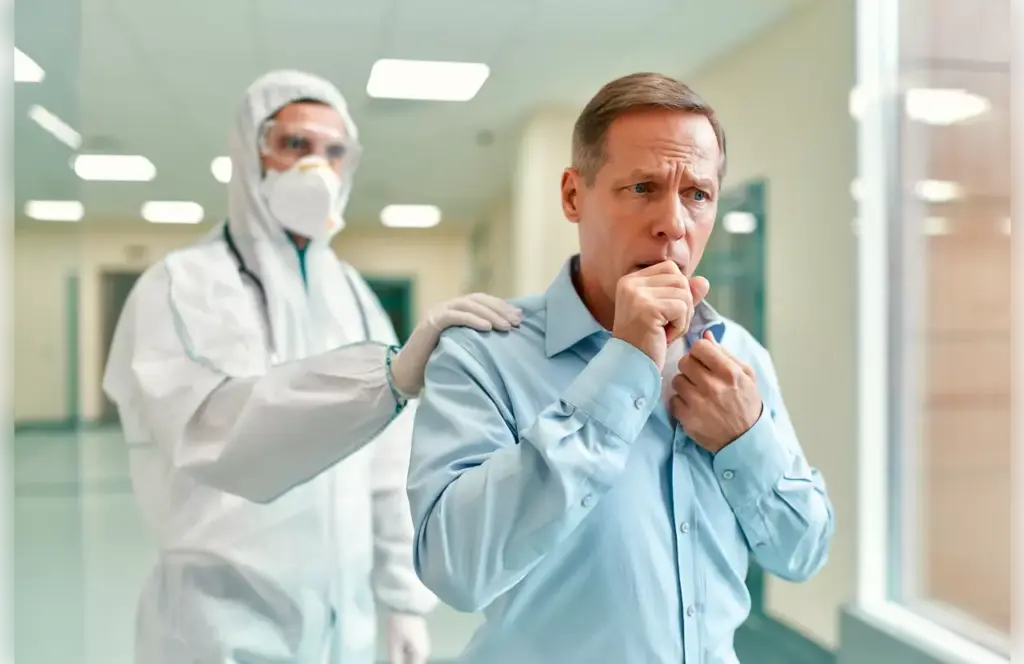
It’s important to know why people cough during chemotherapy. This coughing can really affect a cancer patient’s life. It can make their life less enjoyable and affect their health.
Chemotherapy drugs can cause coughing in different ways. We will look at these reasons to help you understand better.
Direct Airway Irritation
Some chemotherapy drugs can irritate the airways. This irritation can cause inflammation and coughing. The severity of this irritation can vary depending on the specific chemotherapy drug used and the dosage.
Doctors say that chemotherapy can harm lung tissue. This harm can lead to inflammation in the lungs. This inflammation can cause coughing among other symptoms.
Medication-Induced Lung Changes
Some chemotherapy medications can change lung tissue. These changes can lead to conditions like pneumonitis or pulmonary fibrosis. These conditions cause inflammation and scarring in the lungs, leading to coughing. The risk of developing these conditions varies among different chemotherapy agents.
- Chemotherapy drugs like Bleomycin are known to cause pulmonary toxicity.
- Regular monitoring of lung function is essential for patients on such medications.
- Early detection of lung changes can help in adjusting the treatment plan to mitigate severe complications.
Immune System Suppression and Infections
Chemotherapy weakens the immune system. This makes patients more likely to get infections. Respiratory infections, in particular, can cause coughing. The compromised immune system struggles to fight off pathogens, leading to potentially severe infections.
“Patients undergoing chemotherapy are at a higher risk of developing opportunistic infections due to their immunocompromised state, which can manifest as cough among other respiratory symptoms.”
Knowing why people cough during chemotherapy is key to treating it. Healthcare providers can then give better care. This can help improve how patients feel and live.
Types of Coughs Experienced During Cancer Treatment
It’s important to know about the different coughs cancer patients might have. This helps in giving them the right care and support. Patients going through treatment often face various respiratory symptoms, including coughs.
Dry Cough Characteristics
A dry cough, or unproductive cough, is common in cancer patients. It doesn’t produce mucus or sputum. This cough can be persistent and irritating, causing discomfort and disrupting sleep. It can be caused by airway irritation, medication side effects, or conditions like asthma or allergies.
Productive (Wet) Cough Characteristics
A productive or wet cough produces mucus or sputum. This cough can be beneficial as it helps clear the airways. But, it can also mean there’s an infection or other issues. The color, consistency, and amount of sputum can tell a lot about the patient’s health.
Differentiating Between Cancer-Related and Treatment-Related Cough
It’s important to tell apart coughs from cancer and those from treatment.
“A thorough assessment of the patient’s medical history, symptoms, and treatment regimen is necessary to determine the underlying cause of the cough.”
Coughs from cancer might be due to tumors affecting the lungs or airways. Coughs from treatment can come from chemotherapy, radiation, or medications. Knowing the cause helps in choosing the right treatment.
Chemotherapy Drugs Most Commonly Associated with Coughing
We look at chemotherapy drugs that often cause coughing, a common side effect of cancer treatment. Coughing can be a distressing symptom for patients. Knowing which drugs are most likely to cause it can help manage this side effect.
Bleomycin and Its Respiratory Effects
Bleomycin is used to treat various cancers, including Hodgkin’s lymphoma and testicular cancer. It can harm the lungs, leading to coughing. Bleomycin-induced pulmonary toxicity can range from mild cough to severe lung damage.
The exact way bleomycin harms the lungs is not fully understood. It’s believed to damage lung cells and create free radicals. This can cause inflammation and scarring, leading to coughing and other respiratory symptoms.
Methotrexate-Related Coughing
Methotrexate is a chemotherapy drug that can cause respiratory side effects, including coughing. It treats various cancers and autoimmune diseases like rheumatoid arthritis. Methotrexate-induced pneumonitis is a rare but serious condition that can cause cough, shortness of breath, and lung inflammation.
The risk of lung problems from methotrexate is higher in older patients and those with lung disease. It’s important to watch for respiratory symptoms when using methotrexate. Early detection can help manage complications.
Other Chemotherapy Agents That May Cause Cough
While bleomycin and methotrexate are known for causing coughing, other drugs can also lead to respiratory side effects. These include:
- Cyclophosphamide, which can cause lung toxicity in rare cases.
- Gemcitabine, known to cause pulmonary toxicity, including cough and shortness of breath.
- Docetaxel and paclitaxel, taxane-based chemotherapy drugs that can occasionally lead to respiratory symptoms.
Knowing the side effects of these drugs can help patients and healthcare providers manage coughing and other respiratory symptoms more effectively.
The Timeline of Chemotherapy Cough Development
Chemotherapy cough can start at different times for each patient. It’s important to know when it begins, how it changes, and when it goes away.
Early-Onset Coughing Symptoms
Some people start coughing right after they start chemotherapy. This can be scary, but knowing it might happen can help. They might feel a dry cough or throat irritation. These feelings can be uncomfortable but usually get better with the right care.
Delayed Coughing Reactions
Others might cough weeks or months after starting treatment. This can happen for many reasons, like the type of chemotherapy they’re getting. It’s key for patients to watch their symptoms and tell their doctor about any changes.
When Does Chemo Cough Typically Resolve?
How long a chemotherapy cough lasts varies. Usually, it goes away after treatment ends. But sometimes, it can stick around and need more doctor visits. Patients should stay in close touch with their oncology team to handle their symptoms well.
| Timeframe | Typical Symptoms | Patient Experience |
|---|---|---|
| Early-Onset | Dry cough, irritation in the throat | May start within days of beginning chemo |
| Delayed Reaction | Persistent cough, sometimes productive | Can occur weeks to months after chemo starts |
| Resolution | Gradual decrease in coughing frequency | Usually resolves after chemo ends |
Knowing when a chemotherapy cough might start can help patients and their families get ready. It’s all about being informed and taking action early. This way, patients can handle their symptoms better and enjoy a better life during treatment.
Risk Factors for Developing a Cough During Chemotherapy
Many things can cause a cough in people getting chemotherapy. Knowing these can help manage expectations and reduce risks.
Pre-existing Respiratory Conditions
People with lung problems are more likely to cough during chemotherapy. Conditions like COPD, asthma, or other lung diseases make the lungs more sensitive. It’s important for those with lung issues to tell their doctors, as this helps in making treatment plans and watching for problems.
Cancer Type and Location
The type and where the cancer is can also affect coughing during chemotherapy. For example, lung cancer or cancers that spread to the lungs can cause more coughing. Cancers near the lungs or affecting the respiratory system also raise the risk of coughing.
Treatment Intensity and Duration
How intense and long chemotherapy is can also play a big role. Patients getting high-dose chemotherapy or treatments lasting a long time might cough more. Chemotherapy can irritate and inflame the lungs, leading to a cough that doesn’t go away.
Knowing these risk factors helps doctors keep a closer eye on patients. They can then take steps to prevent or manage coughing from chemotherapy. This can greatly improve life quality for those going through treatment.
Related Symptoms: Runny Nose and Other Respiratory Effects
Chemotherapy can affect the respiratory system in many ways. This includes symptoms like a runny nose. These issues can make patients uncomfortable and complicate their treatment.
The Connection Between Chemo and Nasal Symptoms
Chemotherapy drugs can irritate the nasal passages. This irritation can cause a runny nose. It happens because the body reacts to the treatment chemicals, affecting the mucous membranes.
Nasal symptoms from chemotherapy can be severe. They can greatly impact a patient’s life. It’s important to understand this connection to manage symptoms well.
How Multiple Respiratory Side Effects Interact
When patients have several respiratory side effects at once, like coughing and a runny nose, it’s hard to manage them. These side effects can make treatment plans more complex. They can also affect how well a patient does.
| Respiratory Symptom | Possible Causes | Management Strategies |
|---|---|---|
| Runny Nose | Nasal passage irritation, increased mucus production | Nasal saline irrigations, antihistamines |
| Coughing | Airway irritation, medication-induced lung changes | Cough suppressants, breathing exercises |
| Shortness of Breath | Lung inflammation, infection | Oxygen therapy, corticosteroids |
The table shows why it’s key to understand each symptom’s cause. And to use the right management strategies. This is vital for better patient care.
By understanding how different respiratory side effects work together, healthcare providers can help patients more. They can offer better support during chemotherapy.
Medical Management of Chemotherapy Cough
Managing chemotherapy cough involves several treatments. These include prescription medications and adjusting chemotherapy plans. It’s key to keep cancer patients’ quality of life high during treatment.
Prescription Medications for Cough Relief
Prescription medications can help with chemotherapy cough. They include cough suppressants, expectorants, and treatments for underlying issues.
Cough suppressants can lessen coughing. Expectorants help clear mucus, making breathing easier.
When to Consider Adjusting Chemotherapy Regimen
Changing the chemotherapy regimen might be needed for severe coughing. An oncologist will decide this based on the cough’s impact on the patient.
Changes could be in dosage, medication, or treatment schedule.
Treatment of Underlying Infections
Treating underlying infections is vital for managing chemotherapy cough. Infections can worsen coughing and harm respiratory health.
Antibiotics or antifungals may be given to treat infections found through tests. Quick treatment of infections can reduce coughing and prevent more problems.
Home Remedies and Self-Care for Chemotherapy Cough
Dealing with a cough from chemotherapy can be tough. But, there are home remedies and self-care tips that can help. It’s important to find ways to ease this symptom, as it can be very distressing.
Hydration and Humidity Strategies
Drinking lots of water is key to thinning out mucus and soothing your throat. Try drinking water, herbal teas, and clear broths to help. Also, using a humidifier in your home, like in your bedroom at night, can add moisture to the air and ease coughing.
- Drink at least 8-10 glasses of fluid per day
- Use a cool-mist humidifier to add moisture to the air
- Avoid irritants such as smoke and strong odors
Natural Cough Suppressants and Soothing Techniques
There are natural ways to suppress coughing and soothe your throat. Honey is a good option because it has soothing properties. Gargling with salt water can also help reduce throat irritation. Inhaling steam from hot water or a steam inhaler can help loosen mucus and ease coughing.
- Consume a spoonful of honey to soothe the throat
- Gargle with warm salt water several times a day
- Practice steam inhalation to loosen mucus
Breathing Exercises and Respiratory Therapy
Breathing exercises and respiratory therapy can also help manage chemotherapy cough. Try deep breathing exercises to improve lung function and reduce coughing. Techniques like diaphragmatic breathing and controlled coughing can be very helpful.
- Practice diaphragmatic breathing exercises daily
- Use controlled coughing techniques to clear mucus
- Consider consulting a respiratory therapist for personalized guidance
By adding these home remedies and self-care tips to your daily routine, you can better manage chemotherapy cough. This can improve your comfort during treatment.
Psychological Impact and Coping Strategies
Chemotherapy cough can cause anxiety, sleep problems, and tiredness. It affects patients’ lives a lot. The mental health impact should not be ignored.
Managing Anxiety
Anxiety often comes with a persistent cough. Patients might worry about their cough’s cause, treatment effects, or daily life impact. Managing anxiety is key and can be done through relaxation, mindfulness, and therapy.
Deep breathing and muscle relaxation can calm the mind and body. Mindfulness helps patients stay in the present. Cognitive-behavioral therapy (CBT) helps change negative thoughts.
“The mind is everything. What you think you become.” – Buddha
Sleep Disruption and Fatigue Management
Sleep problems are common with chemotherapy cough. The cough can make it hard to sleep, leading to tiredness. Creating a bedtime routine can help signal sleep time. This might include reading, a warm bath, or gentle stretches.
A sleep-friendly bedroom is also key. It should be dark, quiet, and cool. Avoiding caffeine and screens before bed helps too.
| Strategy | Description | Benefit |
|---|---|---|
| Relaxation Techniques | Deep breathing, progressive muscle relaxation | Reduces anxiety, promotes relaxation |
| Sleep Hygiene Practices | Establishing bedtime routine, sleep-conducive environment | Improves sleep quality, reduces fatigue |
| Support Groups | Connecting with others experiencing similar challenges | Provides emotional support, reduces feelings of isolation |
Support Groups and Resources
Support groups are vital for coping with chemotherapy cough’s mental effects. Sharing experiences with others can offer emotional support and reduce loneliness. Many groups are available, both in-person and online, for cancer patients.
There are also many resources for managing treatment’s mental side. These include counseling, online forums, and educational materials. Seeking support is a sign of strength, and patients should not hesitate to ask for help.
When to Seek Immediate Medical Attention
It’s important for patients on chemotherapy to know when to get medical help fast. Coughing is common, but some signs mean serious problems need quick attention. We’ll show you what to watch for and how to tell if it’s just a side effect or a serious issue.
Warning Signs of Serious Complications
Some cough symptoms during chemotherapy are urgent. Look out for:
- Severe difficulty breathing or shortness of breath
- High fever (usually above 101.5°F or 38.6°C)
- Coughing up blood or rust-colored mucus
- Chest pain or tightness
- Rapid heartbeat or palpitations
If you see any of these, get medical help right away.
Differentiating Between Expected Side Effects and Emergencies
Not every cough or breathing issue is an emergency. It’s key to know the difference between side effects you can manage and serious problems. Expected side effects might be a mild cough or slight breathing trouble that doesn’t bother you much. But emergencies are severe symptoms that can hurt your breathing or health.
Effective Communication with Your Oncology Team
Talking openly with your oncology team is very important. Tell them about any new or getting worse symptoms, like coughing. This helps them understand your situation and act quickly.
Before you call your oncology team, think about:
- Keeping a symptom journal to track changes
- Having a list of your current medications and dosages
- Being ready to describe your symptoms in detail
By working closely with your healthcare providers, you get the care you need when you need it.
Conclusion: Navigating Life During and After Treatment
Chemotherapy can lead to side effects like coughing, nausea, and fatigue. It’s key to know how to handle these to improve life quality. Almost 90% of patients face side effects, with 8 out of 10 experiencing stomach issues, as the American Cancer Society reports.
To manage side effects during chemotherapy, making dietary changes is helpful. Eating small meals and staying hydrated can make a big difference. Gentle exercises can also boost mood and reduce tiredness. For more tips, check out Liv Hospital’s guide.
After chemotherapy, ongoing care is vital to manage long-term effects, like coughing. Understanding and managing chemotherapy cough can greatly improve well-being. We stress the need for psychological support and ongoing care. This helps patients thrive before, during, and after treatment.
FAQ
What is chemotherapy cough, and why does it occur?
Chemotherapy cough, or ‘chemo cough’, is a common side effect for cancer patients. It happens due to airway irritation, lung changes from medication, and immune suppression leading to infections.
How prevalent is coughing during cancer treatment?
Coughing is a big concern for many cancer patients. It affects their quality of life, comfort, emotional well-being, and social interactions. The impact varies among patients, but it’s a common issue needing effective management.
Can chemotherapy cause a runny nose or other nasal symptoms?
Yes, chemotherapy can cause a runny nose. These symptoms are related to the treatment and can make other respiratory side effects worse.
What are the risk factors for developing a cough during chemotherapy?
Several factors can increase the risk of coughing during chemotherapy. These include pre-existing respiratory conditions, the type and location of the cancer, and the treatment’s intensity and duration.
How can chemotherapy cough be managed medically?
Managing chemotherapy cough medically involves using prescription medications to reduce coughing. Adjusting the chemotherapy regimen and treating infections are also important.
Are there any home remedies or self-care practices that can help manage chemotherapy cough?
Yes, patients can try hydration and humidity strategies, natural cough suppressants, and soothing techniques. Breathing exercises and respiratory therapy can also help manage chemotherapy cough.
What are the psychological effects of experiencing a persistent cough during chemotherapy?
Persistent coughing can cause anxiety, sleep disturbances, and fatigue. Using relaxation techniques, practicing good sleep hygiene, and seeking support can help manage these effects.
When should I seek immediate medical attention for my cough?
Seek immediate medical attention for severe difficulty breathing, chest pain, or coughing up blood. It’s important to know the difference between expected side effects and serious emergencies.
How can I effectively communicate with my oncology team about my cough?
Inform your oncology team about your cough, including its characteristics, severity, and what makes it better or worse. This ensures timely and appropriate intervention.
When does chemotherapy cough typically resolve?
The time it takes for chemotherapy cough to resolve varies. Some patients may feel better soon after treatment ends, while others may need ongoing management.
Can adjusting the chemotherapy regimen help alleviate coughing?
Adjusting the chemotherapy regimen might help alleviate severe or persistent coughing. This decision should be made in consultation with the oncology team.
References
- ChemoCare. Cough. Retrieved from https://chemocare.com/sideeffect/cough
- WebMD. Lung Cancer Cough: Symptoms and Diagnosis. Retrieved from https://www.webmd.com/lung-cancer/lung-cancer-cough (WebMD)
- Molassiotis, A., et al. Interventions for cough in cancer. PMC. Retrieved from https://pmc.ncbi.nlm.nih.gov/articles/PMC7185722/ (PubMed Central)
- Breastcancer.org. Coughing (in cancer treatment side effects). Retrieved from https://www.breastcancer.org/treatment-side-effects/coughing
- Cancer Research UK. Chemotherapy Side Effects – About. Retrieved from https://www.cancerresearchuk.org/about-cancer/treatment/chemotherapy/side-effects/about