Last Updated on November 25, 2025 by Ugurkan Demir
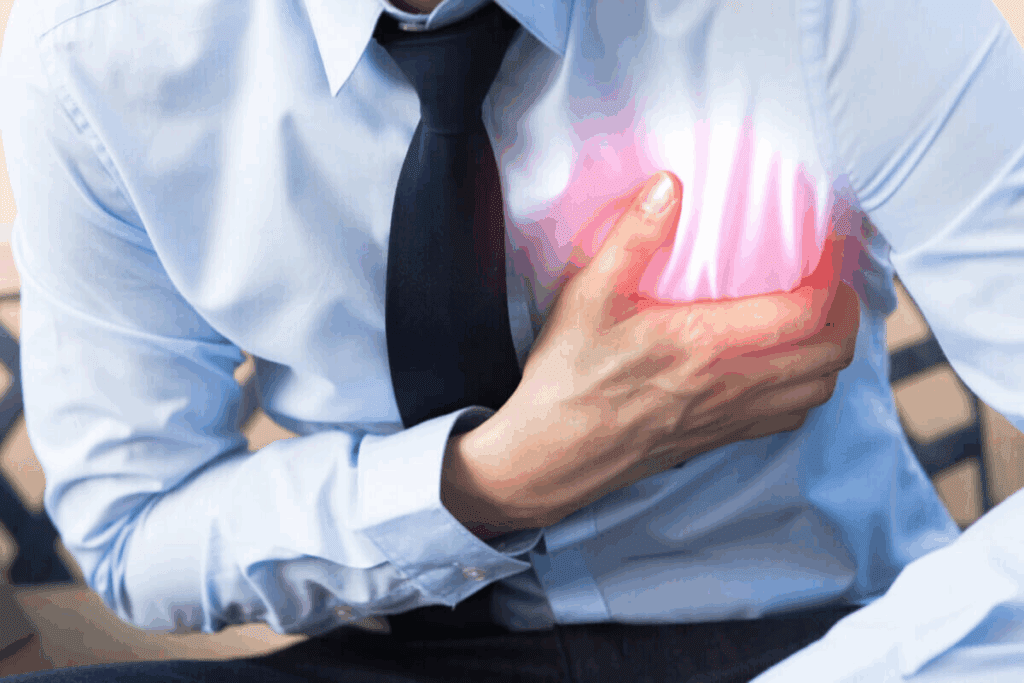
Feeling chest pain after eating can be scary. But knowing why it happens is key to staying healthy and feeling better.Discover why does my chest hurt after i eat and what common digestive causes to check.
At Liv Hospital, we get how worrying chest discomfort after meals can be. We aim to provide top-notch healthcare. We also offer full support to patients from abroad.
Chest pain after eating can stem from several sources. These include GERD, esophageal spasms, and gallbladder problems. It’s vital to know the reasons behind this symptom. This helps doctors find the right treatment.
Key Takeaways
- Chest pain after eating can be caused by various factors.
- GERD, esophageal spasms, and gallbladder issues are common causes.
- Understanding the cause is key for the right diagnosis and treatment.
- Liv Hospital offers full support for international patients.
- Knowing the symptoms is important for getting the right care.
Understanding Chest Pain After Meals
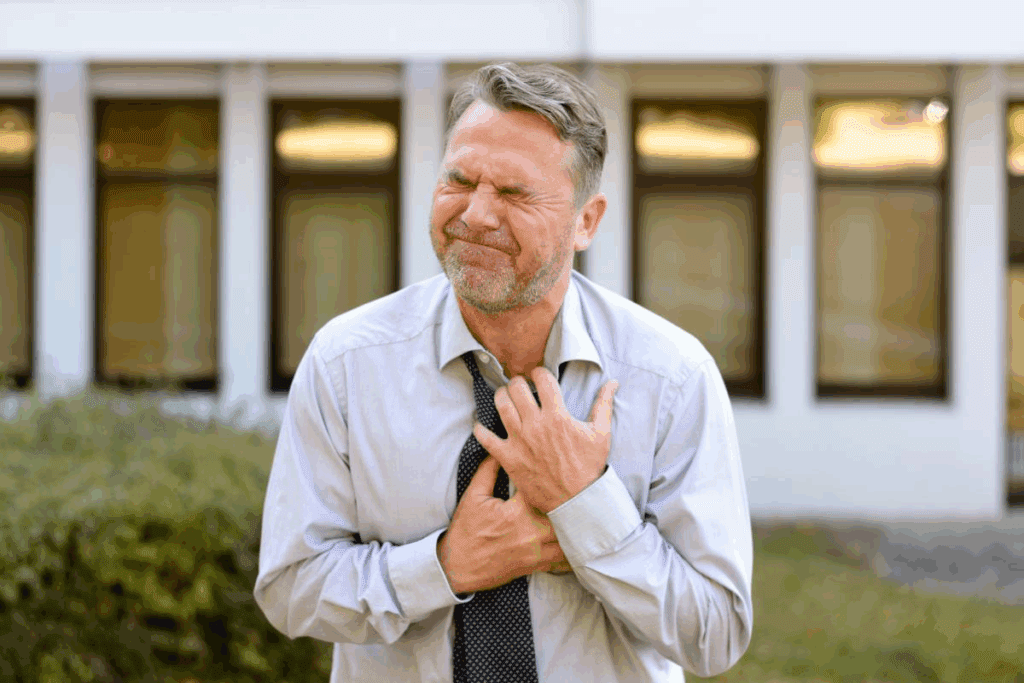
Chest pain after eating is common and can have many causes. It’s important to know what’s causing it to take the right steps.
The Difference Between Cardiac and Non-Cardiac Chest Pain
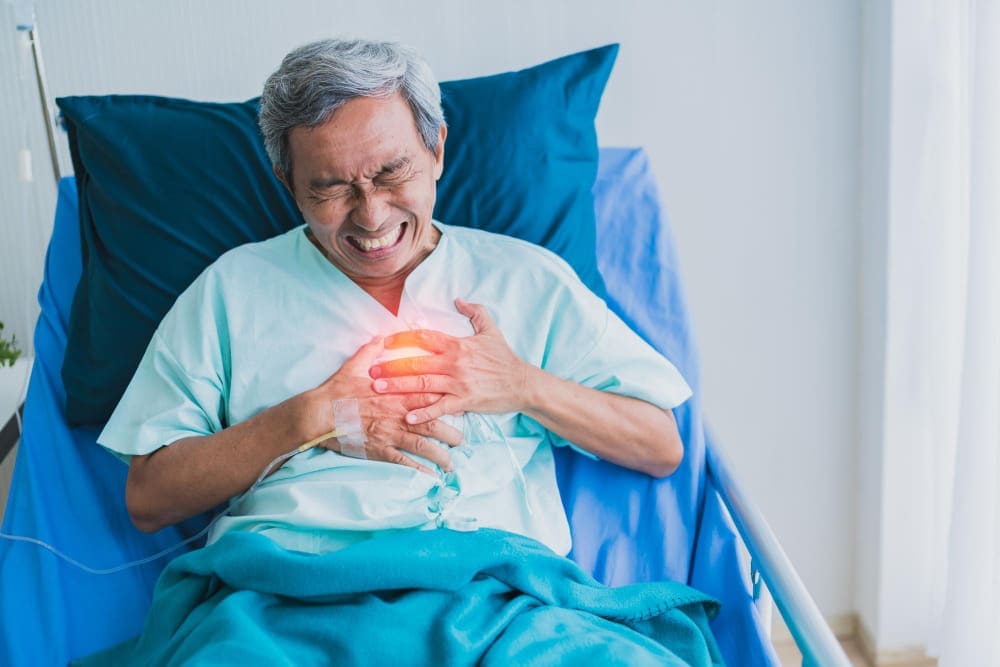
Chest pain after eating can be from the heart or not. Cardiac chest pain is serious and can mean heart problems like angina or a heart attack. It often gets worse with activity and can be with other symptoms like trouble breathing or irregular heartbeat.
Non-cardiac chest pain is usually from the stomach or esophagus. It might be from acid reflux, spasms, or gallbladder issues. Knowing what triggers the pain can help figure out the cause.
“The difference between heart and non-heart chest pain is key. Knowing the pain’s details helps doctors diagnose and treat it.”
Common Locations and Characteristics of Post-Meal Chest Pain
Chest pain after eating can feel different in different places. It might be in the middle, left, or right side. For example, pain from the stomach or esophagus is often in the middle or left. Gallbladder problems can cause pain on the right.
| Location | Possible Causes | Characteristics |
| Center of Chest | GERD, Esophageal Spasms | Burning, squeezing |
| Left Side | Heart-related issues, stomach problems | Sharp, dull, or pressure-like |
| Right Side | Gallbladder disease | Sharp, often radiating to the back |
Why Timing of Pain Matters for Diagnosis
When chest pain happens after eating is important to know. Pain right after eating might be from acid reflux or spasms. Pain later could be from the gallbladder or other issues.
- Pain immediately after eating: GERD, esophageal spasms
- Pain 30 minutes to several hours after eating: Gallbladder disease, indigestion
Knowing these details helps figure out why chest pain happens after meals. It guides what tests and treatments are needed.
Why Does My Chest Hurt After I Eat? The Role of Acid Reflux (GERD)
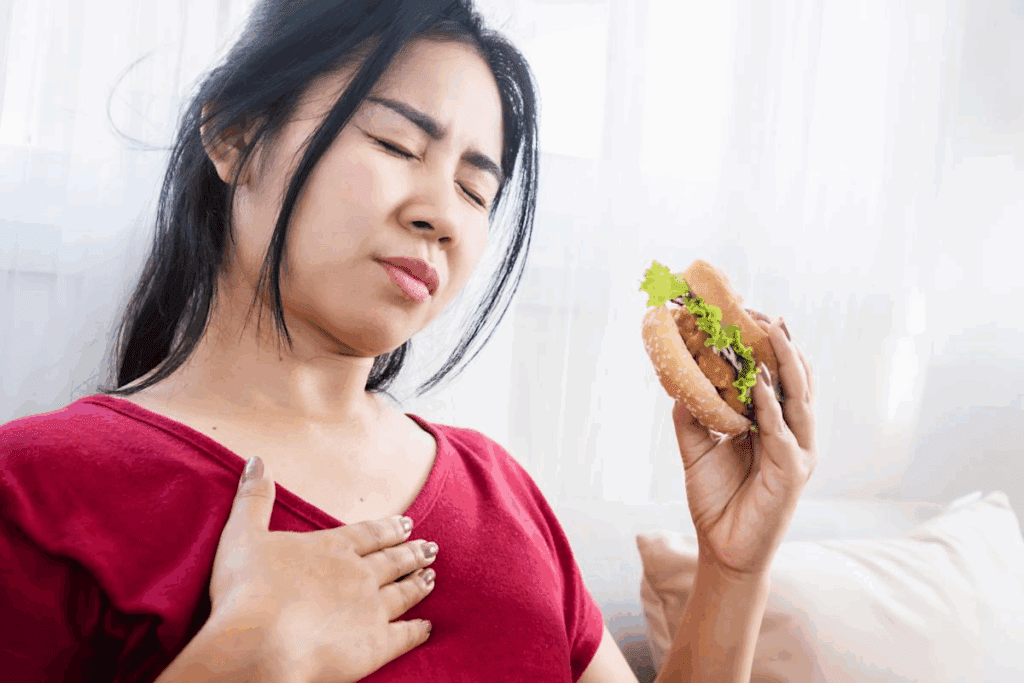
Feeling chest pain after eating can be scary. Often, it’s because of acid reflux disease, or GERD. We’ll look at how GERD causes chest pain and its symptoms. We’ll also talk about how to manage and ease this discomfort.
How GERD Causes Burning Chest Pain
GERD happens when stomach acid goes back up into the esophagus. This can irritate and inflame the area. The acid can cause a burning feeling in the chest, which might feel like a heart problem.
The esophagus and stomach are separated by a muscle called the lower esophageal sphincter (LES). In GERD, this muscle doesn’t close right. So, acid can get out.
When stomach acid hits the esophagus, it can irritate and hurt. This pain can feel like burning. It can get worse with some foods and eating habits.
Recognizing GERD Symptoms: Burning, Regurgitation, and Sour Taste
GERD symptoms can vary but often include a burning chest, food coming back up, and a sour taste. These can be triggered or made worse by eating certain foods, lying down after eating, or eating big meals.
Food or sour liquid coming back up can be very uncomfortable. It can leave a sour taste and hurt your mouth and throat. Knowing these symptoms is key to diagnosing GERD and figuring out why your chest hurts.
Dietary Triggers That Worsen Reflux
Some foods and drinks can make GERD symptoms worse. Foods like citrus fruits, tomatoes, chocolate, spicy foods, and fatty or fried foods can be culprits. Caffeine, alcohol, and carbonated drinks can also relax the LES or irritate the esophagus, making reflux worse.
| Dietary Trigger | Effect on GERD |
| Citrus Fruits and Tomatoes | Can irritate the esophagus and worsen heartburn |
| Chocolate | Relaxes the LES, allowing more acid reflux |
| Spicy and Fatty Foods | Can slow digestion and irritate the esophagus |
Understanding GERD’s role in chest pain and knowing its symptoms can help manage it. Avoiding certain foods, eating healthier, and possibly getting medical help if symptoms don’t go away are steps you can take.
Chest Pain After Eating Too Much: Overeating and Distension
Overeating can make our stomachs expand, leading to chest pain and discomfort. It’s not just about how much we eat. It’s also about how our body reacts to it.
The Physiological Effects of Stomach Distension
When we eat too much, our stomach gets bigger. This can put pressure on the diaphragm and other areas. This pressure can cause chest pain and discomfort.
The effects include:
- Stretching of the stomach walls, which can stimulate nerves and cause pain.
- Pressure on the diaphragm, potentially leading to referred pain in the chest.
- Increased pressure on the lower esophageal sphincter, potentially causing reflux symptoms.
How to Distinguish Overeating Pain from Other Causes
It can be hard to tell if chest pain is from overeating or something else. But, there are clues:
| Characteristics | Overeating-Related Pain | Other Causes |
| Timing | Typically occurs after consuming a large meal | Can occur at any time, not necessarily related to eating |
| Nature of Pain | Often described as discomfort or a feeling of fullness | Can range from sharp pain to a feeling of pressure |
| Associated Symptoms | May include bloating, nausea, or reflux symptoms | Varies widely depending on the cause |
Prevention Strategies and Portion Control
To avoid chest pain after eating, we need to eat better. Here are some tips:
- Eat smaller, more frequent meals to avoid overloading the stomach.
- Avoid foods that are known to cause discomfort or trigger reflux.
- Practice mindful eating to know when you’re full.
- Keep a healthy weight to reduce stomach and diaphragm pressure.
By understanding why we get chest pain after eating too much, we can take steps to prevent it. This can help us feel better and improve our digestion.
Esophageal Spasms: When Pain Strikes After Swallowing
Chest pain after meals can be caused by esophageal spasms. This condition affects the muscles in the esophagus. It happens when these muscles contract abnormally, causing severe chest pain.
Esophageal spasms can be triggered by different things, like certain foods and stress.
Types of Esophageal Disorders That Cause Chest Pain
Several esophageal disorders can cause chest pain after eating. One is diffuse esophageal spasm, where muscles contract in an uncoordinated way. Another is nutcracker esophagus, known for its powerful, painful contractions.
Other disorders include:
- Esophageal stricture: a narrowing of the esophagus that can cause pain and difficulty swallowing.
- Achalasia: a condition where the esophagus fails to properly move food into the stomach.
Recognizing the “Nutcracker Esophagus” Sensation
The “nutcracker esophagus” is a condition where the esophagus contracts with unusual force. This leads to severe chest pain. The pain can feel like a squeezing or crushing feeling in the chest.
People with this condition might think they’re having a heart attack. It’s important to tell the difference between heart pain and esophageal pain.
Triggers and Aggravating Factors
Several factors can trigger or make esophageal spasms worse, including:
- Certain foods: spicy, acidic, or very hot/cold foods can irritate the esophagus.
- Stress: emotional stress can make spasms worse.
- Gastroesophageal reflux disease (GERD): chronic acid reflux can irritate the esophagus and cause spasms.
Knowing what triggers these spasms can help manage symptoms. It might reduce how often they happen.
Pain in Left Side of Chest After Eating: Causes and Recognition
Left-sided chest pain after meals is a symptom that needs to be checked out. It can be linked to heart or stomach problems. Knowing the cause is key to finding the right treatment.
Why Left-Sided Pain Often Relates to the Stomach and Heart
The left side of the chest has important organs like the heart and stomach. Problems with these organs can cause pain in the left chest. This is why left-sided pain is often a concern.
- Cardiac Causes: Issues like angina or heart attacks can cause left chest pain. These heart problems can get worse after eating.
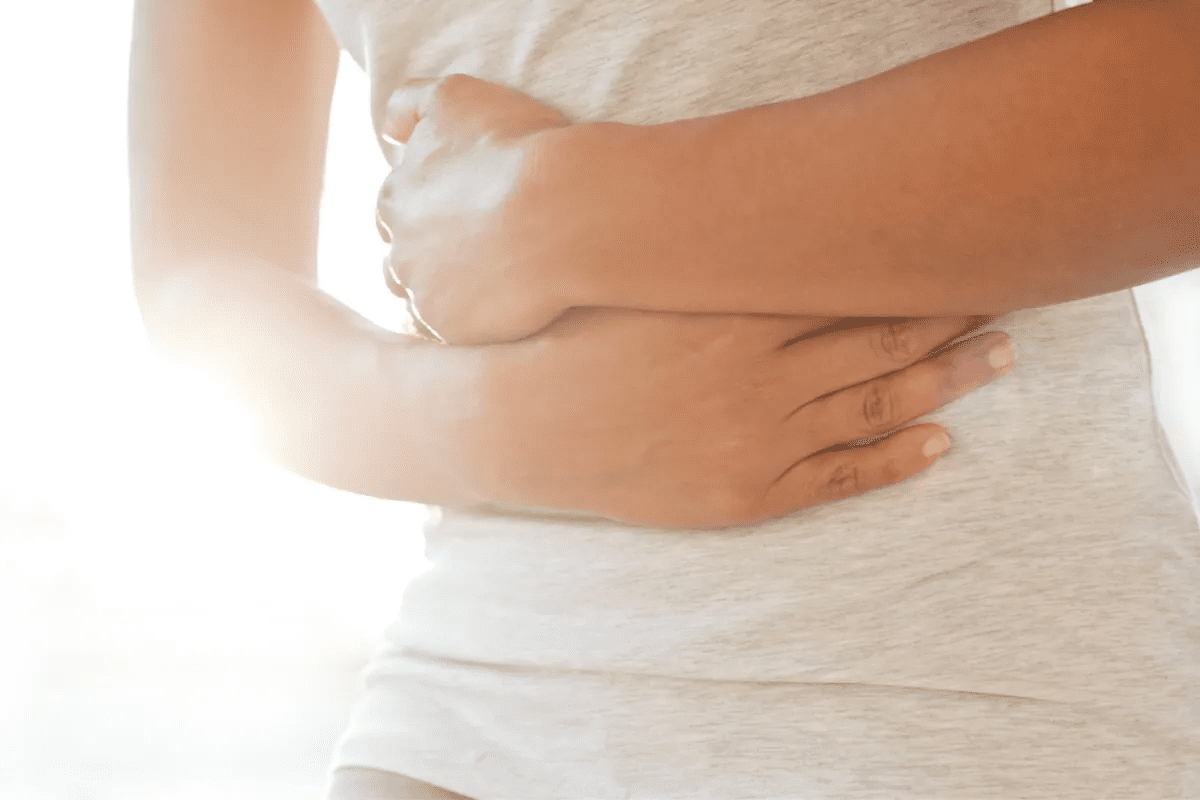
- Digestive Causes: Acid reflux, esophageal spasms, or gastritis can also cause left chest pain. These stomach or esophagus problems often happen after eating.
Distinguishing Between Cardiac and Digestive Left Chest Pain
Telling apart heart and stomach pain in the left chest is important. Heart pain feels like pressure or tightness and might spread to the arm, neck, or jaw. Stomach pain can be sharp or burning and varies more.
Key differences include:
- The nature of the pain (sharp, dull, burning, or pressing)
- Triggers (eating specific foods, physical activity)
- Associated symptoms (nausea, sweating, shortness of breath)
When Left-Sided Pain Requires Medical Attention
See a doctor if you have symptoms that could be serious, like a heart attack or severe stomach problem. Warning signs include:
- Severe or worsening pain
- Pain that radiates or is accompanied by other symptoms like dizziness or shortness of breath
- Pain triggered by exertion or stress
Knowing the causes of left-sided chest pain after eating and when to get help is vital. It can help prevent serious problems.
Chest Pain on Right Side After Eating: Gallbladder Issues
Gallbladder problems often cause chest pain on the right side after eating. This symptom is serious and needs attention. The gallbladder is a small organ under the liver. It stores bile, which helps break down fats during digestion.
Gallstones and Post-Meal Pain
Gallstones are hard deposits in the gallbladder. They can cause pain after eating, mainly after fatty foods. If gallstones block the cystic duct, it can lead to inflammation and pain, known as a gallbladder attack.
Symptoms of a Gallbladder Attack:
- Severe pain in the upper right abdomen that may radiate to the right chest
- Pain that worsens after eating, specially fatty meals
- Nausea and vomiting
- Fever and chills in cases of infection
The Connection Between Fatty Foods and Gallbladder Attacks
Fatty foods make the gallbladder release bile. If gallstones are there, this can cause a blockage and pain. Knowing this can help spot what might trigger your symptoms.
| Food Type | Gallbladder Response | Potential for Pain |
| High-fat foods | Increased bile release | Higher risk of gallbladder attack |
| Low-fat foods | Less bile release | Lower risk of gallbladder attack |
Recognizing Gallbladder Pain vs. Other Right-Sided Discomfort
It’s important to tell gallbladder pain from other right-sided discomfort. Gallbladder pain usually happens after eating and comes with nausea.
Knowing about gallbladder issues and their symptoms helps manage the condition. It also helps find the right medical care when needed.
Tightness in Chest After Eating: Indigestion and Functional Dyspepsia
Feeling tightness in your chest after eating can be scary. It’s often due to indigestion or functional dyspepsia. These issues can make you uncomfortable and affect your life quality.
The Pressure Sensation of Dyspepsia
Functional dyspepsia, or non-ulcer stomach pain, can feel like pressure or tightness in your chest. This feeling doesn’t go away and can worry you about your heart. The pressure sensation is a key symptom that sets dyspepsia apart from other stomach problems.
Symptoms of dyspepsia can include feeling full, bloated, and uncomfortable in your upper stomach. This discomfort might spread to your chest. Knowing these symptoms is important for managing your condition well.
Common Triggers for Indigestion-Related Chest Tightness
Many things can make indigestion-related chest tightness worse. These include:
- Eating big or fatty meals that slow down digestion
- Having spicy or acidic foods that upset your stomach
- Drinking caffeine or alcohol, which can relax the lower esophageal sphincter
- Feeling stressed or anxious, which can affect digestion
Knowing and avoiding these triggers can help ease your symptoms.
Self-Care Strategies for Relief
Handling indigestion and functional dyspepsia needs a few steps. Self-care strategies can really help:
- Eating smaller, more frequent meals to help digestion
- Staying away from foods and drinks that trigger problems
- Keeping a healthy weight to reduce stomach pressure
- Using stress-reducing methods like meditation or deep breathing
By using these strategies, you can lessen chest tightness after eating. This can also improve your digestion overall.
Hiatal Hernia: When Your Stomach Pushes Through Your Diaphragm
When the stomach bulges through the diaphragm, it can cause a hiatal hernia. This leads to discomfort and chest pain after eating. A hiatal hernia happens when part of the stomach pushes up into the chest. This occurs through an opening in the diaphragm, which separates the chest and abdominal cavities.
Causes and Mechanisms of Chest Pressure
A hiatal hernia can cause chest pressure after eating for several reasons. First, the herniated stomach can get irritated or inflamed, causing pain. Second, the stomach in the chest can lead to reflux. This is when stomach acid flows back into the esophagus, irritating it and causing discomfort.
Distinguishing Hiatal Hernia Symptoms
Symptoms of a hiatal hernia can be hard to diagnose because they’re similar to other conditions. Common signs include chest pain after eating, trouble swallowing, and food coming back up. To tell if it’s a hiatal hernia, look at when the pain happens and what triggers it, along with other symptoms.
Managing Discomfort Through Lifestyle Changes
To manage hiatal hernia discomfort, making lifestyle changes is key. Eating smaller, more frequent meals can help. Avoid foods that trigger reflux, like citrus fruits, tomatoes, and fatty or fried foods. Also, don’t lie down after eating.
Elevating the head of your bed and keeping a healthy weight can also help. By understanding hiatal hernia causes and making these changes, you can reduce discomfort and manage symptoms well.
Angina: When Eating Triggers Heart-Related Chest Pain
Eating can cause a condition called angina in some people. This is a type of chest pain linked to heart disease. It happens when the heart doesn’t get enough oxygen-rich blood, often during exercise or after eating a big meal.
It’s important to know how digestion can lead to angina. When we eat, our body sends more blood to our stomach and intestines for digestion. For those with heart disease, this can mean less blood for the heart, causing angina.
Why Digestion Can Trigger Cardiac Symptoms
Digestion needs more blood flow to the stomach and intestines. For people with coronary artery disease, this can worsen the heart’s oxygen problem. This leads to angina symptoms.
Key factors that contribute to digestion triggering cardiac symptoms include:
- Eating large or heavy meals that require more blood for digestion
- Consuming foods high in fat, which can slow digestion and increase demand on the heart
- Having underlying heart disease or coronary artery disease
Red Flags That Suggest Angina Instead of Digestive Issues
Chest pain after eating can be from digestion or angina. Red flags include:
- Chest pain that radiates to the arms, back, neck, jaw, or throat
- Pain that is triggered or worsened by exertion or eating
- Shortness of breath accompanying chest pain
- Nausea or fatigue associated with chest discomfort
If you have these symptoms, see a doctor to find out why you’re experiencing chest pain.
Risk Factors for Post-Prandial Angina
Some people are more likely to get angina after eating. Risk factors include:
- A history of heart disease or previous heart attack
- High blood pressure or high cholesterol
- Diabetes
- Smoking or tobacco use
- Family history of heart disease
Knowing these risk factors helps you and your doctor manage your condition better.
When to Seek Emergency Care for Post-Meal Chest Pain
Post-meal chest pain can be a serious sign. It’s important to know the warning signs to get medical help fast. Chest pain after eating can have many causes, some needing immediate care.
Warning Signs That Require Immediate Medical Attention
Certain symptoms with chest pain after eating need emergency care. These include:
- Shortness of breath or difficulty breathing
- Severe pain or pressure in the chest that radiates to the arms, back, neck, jaw, or stomach
- Dizziness or fainting
- Nausea or vomiting
- Rapid or irregular heartbeat
If you have these symptoms, get emergency medical help right away.
Differentiating Between Urgent and Non-Urgent Symptoms
Not all chest pain after eating is an emergency. To know if it’s urgent, look at these factors:
| Symptom | Urgent | Non-Urgent |
| Chest Pain Severity | Severe, crushing, or squeezing | Mild, dull, or aching |
| Radiation of Pain | To arms, back, neck, jaw, or stomach | Localized to chest |
| Associated Symptoms | Shortness of breath, dizziness, nausea | Bloating, belching, mild discomfort |
Knowing these differences helps you decide when to see a doctor.
What to Tell Emergency Responders About Your Symptoms
When you call for emergency care, tell them everything about your symptoms. Be ready to share:
- The nature and severity of your chest pain
- Any symptoms you have with it
- When the pain started and how long it’s lasted
- What makes it better or worse
- Your medical history, including any health issues you have
Sharing this info helps emergency responders understand your situation. They can then give you the right care.
Conclusion: Managing and Preventing Chest Pain After Eating
It’s important to know why chest pain happens after eating. We’ve looked at many reasons, like acid reflux and heart problems. These can cause discomfort.
To handle chest pain, making smart choices is key. Eating right and knowing which foods to avoid can help a lot. This means eating balanced meals and not overeating.
Preventing chest pain also means taking care of your health. At Liv Hospital, we help international patients with top-notch care. We offer advanced treatments and support.
By being proactive, you can live better and avoid serious issues. We suggest talking to doctors to make a plan for your health. This way, you can stay well and feel good.
FAQ
Why does my chest hurt after I eat?
Chest pain after eating can have many causes. These include acid reflux, overeating, and esophageal spasms. Issues like gallbladder problems, indigestion, hiatal hernia, or angina can also cause it. Knowing the cause is key to feeling better.
What is the difference between cardiac and non-cardiac chest pain?
Cardiac chest pain is linked to heart problems, like angina or heart attacks. Non-cardiac pain comes from other sources, like digestive issues. The pain’s location, how it feels, and when it happens can tell you which it is.
How does acid reflux cause chest pain after eating?
Acid reflux, or GERD, happens when stomach acid goes back up into the esophagus. This causes burning pain in the chest, along with regurgitation and a sour taste. Foods high in fat or spice can make symptoms worse.
Can eating too much cause chest pain?
Yes, eating too much can lead to chest pain. This is because the stomach gets too full and presses on the diaphragm. Eating smaller portions and being mindful of what you eat can help avoid this.
What are esophageal spasms, and how do they cause chest pain?
Esophageal spasms are when the muscles in the esophagus contract abnormally. This can cause a tight or squeezing feeling in the chest. Eating too fast or certain foods can make spasms worse.
Why does my left side chest hurt after eating?
Left-sided chest pain after eating can be from heart or digestive problems. It’s important to figure out the cause, like acid reflux or heart issues, to know how to treat it.
Can gallbladder issues cause right-sided chest pain after eating?
Yes, gallstones can cause pain on the right side after eating. This is because the gallbladder is on the right side. Foods high in fat can trigger gallbladder attacks and pain.
How can I manage indigestion-related chest tightness?
To ease indigestion-related chest tightness, try avoiding foods that trigger it. Eat smaller meals and manage stress. These steps can help a lot.
What is a hiatal hernia, and how does it cause chest pressure?
A hiatal hernia is when the stomach bulges up through the diaphragm. This can cause chest pressure and discomfort. Avoiding heavy lifting and keeping a healthy weight can help manage symptoms.
When should I seek emergency care for post-meal chest pain?
If you have severe, ongoing, or pain with other symptoms like shortness of breath, dizziness, or nausea, get emergency help right away.
Why does my chest hurt every time I eat?
Chest pain after eating often means there’s an underlying issue, like GERD, esophageal spasms, or angina. Seeing a doctor is important to find out why and get treatment.
Can eating too fast cause chest pain?
Yes, eating too quickly can cause discomfort, including chest pain. This is because swallowing air can put pressure on the chest. Eating more slowly and taking smaller bites can help.
What are the warning signs that require immediate medical attention for post-meal chest pain?
Severe pain, trouble breathing, or pain that spreads to the arm or jaw are signs to get medical help right away.
How can I differentiate between urgent and non-urgent symptoms of chest pain after eating?
Look at the pain’s location, how it feels, and when it happens. Also, consider any other symptoms. This can help you know if it’s urgent or not.
What information should I share with emergency responders about my symptoms?
When you call for emergency help, tell them about your symptoms. Include where the pain is, how bad it is, and how long it lasts. Also, mention any foods or actions that make it better or worse.
References
- White, H. J. (2023). Anatomy, Thorax, Superior Vena Cava. In StatPearls. National Center for Biotechnology Information. https://www.ncbi.nlm.nih.gov/books/NBK545255/