Last Updated on November 4, 2025 by mcelik
Feeling pain or leg pain on the side or back of your legs can be worrying. At Liv Hospital, we know this is a common problem. It affects up to 30% of adults at some point.
Leg discomfort can come from many sources. This includes muscle strain, nerve irritation, or problems with blood flow. Our team focuses on you, giving you a correct diagnosis and treatment that fits you.
Key Takeaways
- Leg pain is a common issue affecting a significant portion of the adult population.
- Various factors contribute to leg discomfort, including muscle strain and circulation issues.
- Accurate diagnosis is key for effective treatment.
- Liv Hospital offers patient-centered care and advanced treatment protocols.
- Personalized treatment plans are designed to address individual needs.
Understanding Leg Pain
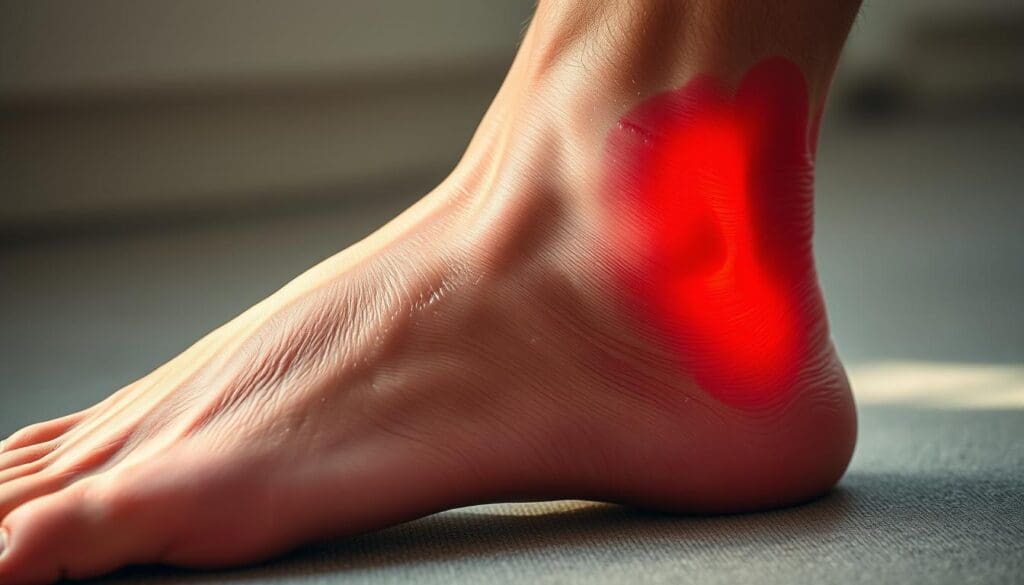
Leg pain can come from many sources, like muscle or nerve issues, or problems with blood flow. Knowing what causes leg pain is key to finding the right treatment.
Different Types of Leg Pain Sensations
Leg pain can feel sharp, dull, or like burning. Sharp pains usually mean an injury or nerve damage. Dull aches might point to long-term problems or too much use. Spotting the type of pain is the first step to figuring out why it happens.
Distinguishing Between Acute and Chronic Leg Pain
It’s important to tell acute from chronic leg pain. Acute pain comes on fast and is very strong, often from injury. Chronic pain lasts a long time and can really mess up your day-to-day life. Knowing how long pain lasts helps doctors find out what’s causing it.
How Location of Pain Helps Identify Causes
Where pain is in your leg can tell a lot about what’s wrong. For example, calf pain might mean a blood clot. Pain that spreads down the leg could be from sciatica or nerve problems. Finding where the pain is helps doctors find the right treatment.
Muscle-Related Causes of Leg Pain
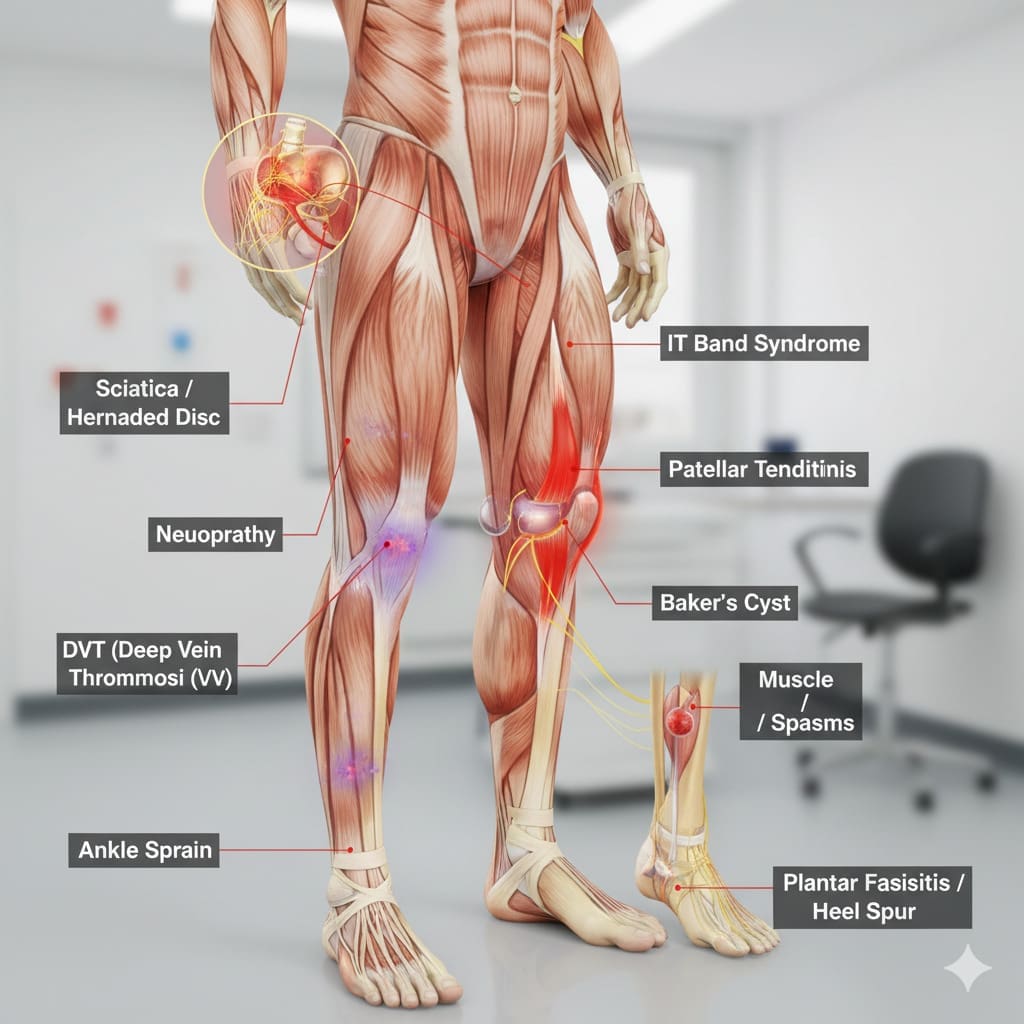
It’s important to know why muscle issues cause leg pain. This is key for finding and fixing the problem. Muscle problems are common in people who work out a lot, athletes, and even those who don’t move much.
Muscle Strains and Tears
Muscle strains happen when muscles get stretched or torn. This can be from sudden movements, too much effort, or direct hits to the muscle. Tears are worse, with the muscle either fully or partially breaking.
Both can lead to a lot of pain on the leg side, swelling, and trouble moving.
Overuse Injuries and Exercise-Related Pain
Overuse injuries come from muscles getting too much stress without enough rest. This is often seen in athletes or those who start working out too hard. Pain on the leg side can happen during or after exercise.
Delayed Onset Muscle Soreness (DOMS)
DOMS is when muscles get stiff and sore after new or hard exercise. It usually starts 24-48 hours after. It can affect the leg muscles, caused by tiny tears in the muscle fibers.
Nerve-Related Causes of Leg Pain
## Nerve-Related Causes of Leg Pain
It’s important to know about nerve-related leg pain. This knowledge helps doctors find and treat the problem. It can make a big difference in how you feel and move.
### Sciatica and Radiating Pain Patterns
Sciatica is a common problem. It causes pain that goes from the lower back down to the legs. This pain can be sharp or feel like electric shocks.
* Sciatica can be caused by many things, like herniated disks or tight muscles.
* Doctors might suggest physical therapy or surgery to help.
### Peripheral Neuropathy
Peripheral neuropathy is when nerves get damaged. This can cause pain, numbness, or weakness. It can happen for many reasons, like diabetes or toxins.
* Symptoms can be different for everyone, but often include numbness and pain in the legs.
* Doctors try to find and treat the cause, and help manage symptoms.
### Pinched Nerves
A pinched nerve happens when a nerve gets squeezed. This can happen anywhere along the nerve path. It can cause pain, numbness, and weakness.
* Symptoms include pain, numbness, and tingling along the nerve path.
* Doctors might suggest physical therapy or surgery to fix it.
Understanding these causes helps doctors treat leg pain better. This can lead to better health outcomes for patients.
Vascular and Circulatory Issues Causing Leg Pain
Vascular and circulatory problems often lead to leg pain. They can be serious and need quick medical help. Issues include Deep Vein Thrombosis (DVT), Peripheral Artery Disease (PAD), varicose veins, and venous insufficiency.
Deep Vein Thrombosis (DVT)
DVT is when a blood clot forms in a deep vein, usually in the legs. Symptoms are swelling, warmth, and pain in the leg. If the clot moves, it can reach the lungs and cause a life-threatening pulmonary embolism. Quick diagnosis and treatment are key to avoid serious problems.
Peripheral Artery Disease
PAD happens when arteries in the legs get narrowed or blocked. This reduces blood flow. It causes pain in the legs when walking, known as claudication. Risk factors include smoking, diabetes, high blood pressure, and high cholesterol. Treatment includes lifestyle changes, medications, and surgery.
Varicose Veins and Venous Insufficiency
Varicose veins are enlarged, twisted veins. They happen when vein valves get weak or damaged. This can lead to venous insufficiency, causing swelling, pain, and skin changes. Treatment includes compression stockings, sclerotherapy, or surgery.
It’s important to know the causes and symptoms of these issues. Early treatment can greatly improve outcomes and lower the risk of complications.
Bone and Joint Conditions That Cause Leg Pain
Many bone and joint issues can cause leg pain. Getting the right diagnosis and treatment is key. These problems can make simple tasks hard to do.
Stress Fractures and Their Impact
Stress fractures are tiny cracks in bones. They happen from too much stress or force. Athletes and those who suddenly start exercising more often get them.
Symptoms include pain that gets worse with activity and feels better when resting. If not treated, stress fractures can get worse.
Arthritis in Hip and Knee Joints
Arthritis, like osteoarthritis, can cause a lot of pain in the hips and knees. This pain spreads to the legs. It happens when cartilage breaks down, causing bones to rub together and get inflamed.
Managing arthritis means making lifestyle changes, doing physical therapy, and sometimes surgery.
Bursitis and Tendonitis
Bursitis and tendonitis are conditions that cause inflammation. Bursitis affects the bursae, which are fluid-filled sacs around joints. Tendonitis is when tendons, which connect muscles to bones, get inflamed.
Treatment usually includes rest, physical therapy, and anti-inflammatory drugs.
Specific Conditions Affecting the Leg
It’s important to know about the different leg conditions for effective pain management. Leg pain can come from many sources, like overuse or chronic issues. We’ll look at three main conditions: iliotibial band syndrome, piriformis syndrome, and hamstring injuries.
Iliotibial Band Syndrome
Iliotibial band syndrome is common in runners and cyclists. It causes pain on the outside of the knee or thigh. This happens when the iliotibial band, a ligament from the hip to the knee, gets inflamed or irritated.
Symptoms include sharp pain when running or climbing stairs. You might also see swelling or tenderness on the outside of the knee.
Treatment often includes rest, ice, and physical therapy. This helps strengthen muscles and improve flexibility. Sometimes, corticosteroid injections are used to reduce inflammation.
Piriformis Syndrome
Piriformis syndrome happens when the piriformis muscle in the buttock irritates the sciatic nerve. This can lead to pain, numbness, and tingling in the buttock and leg. The symptoms can be like those of sciatica, making it hard to diagnose.
Treatment options include physical therapy to stretch and strengthen the piriformis muscle. Anti-inflammatory medications and corticosteroid injections may also be used to reduce muscle inflammation.
Hamstring Injuries
Hamstring injuries, like strains and tears, are common in athletes who sprint or quickly change direction. The injury’s severity can range from mild strains to complete tears.
Treatment for hamstring injuries uses the RICE method: rest, ice, compression, and elevation. Physical therapy is key for recovery, focusing on strengthening the hamstring muscles and improving flexibility. In severe cases, surgery might be needed.
When to Seek Medical Attention
Knowing when to get medical help for leg pain is key. Leg pain can be a small issue or a sign of something serious. It’s important to know when to see a doctor to get the right care.
Warning Signs and Red Flags
Some symptoms with leg pain are red flags. They mean you might have a serious problem that needs quick medical help. These include:
- Severe pain that doesn’t get better with rest
- Swelling, redness, or warmth in the leg
- A cold or pale leg
- Weakness or numbness in the leg
- Difficulty walking or bearing weight on the leg
Doctors say recognizing these signs early is very important. Prompt action helps avoid long-term harm.
Emergency Symptoms That Require Immediate Attention
Leg pain can sometimes be a sign of a serious or even life-threatening issue. We need to know the emergency symptoms that need quick medical help. These include:
- Chest pain or trouble breathing, which could mean a pulmonary embolism
- Sudden severe leg pain, swelling, or color change, possibly a deep vein thrombosis (DVT)
- Trauma or injury causing severe leg pain or shape change
Quick action is needed if you have any of these emergency symptoms. Waiting too long can cause serious harm, even death.
“Time is of the essence when dealing with medical emergencies. Recognizing the signs and acting quickly can save lives.”
By staying informed and alert, we can get the right medical care on time. This improves our chances of a good recovery.
Diagnostic Approaches for Leg Pain
Healthcare experts use many methods to find out why someone has leg pain. They need to know the exact cause to treat it right.
Medical History and Physical Examination
Talking about your medical history is key. We want to know when the pain started, how long it lasts, and what makes it better or worse. We also check your muscle strength, reflexes, and how well you can move.
Imaging Studies and Their Uses
Imaging tests are very important for finding out what’s causing leg pain. X-rays, ultrasound, CT scans, and MRI scans show what’s inside your leg. They help find breaks, soft tissue injuries, and other problems.
An MRI scan shows soft tissues like muscles and tendons. It can spot tears or tendonitis. A CT scan is great for seeing bones and finding fractures or wear and tear.
By using your medical history, physical check-ups, and imaging tests, doctors can figure out what’s wrong. Then, they can make a treatment plan just for you.
Treatment Options for Pain on Side of Leg
Understanding the cause of leg pain is key to finding the right treatment. We’ll look at different ways to manage pain, from home remedies to medical treatments.
Home Remedies and Self-Care Strategies
For mild to moderate pain, home remedies and self-care can help. Here are some options:
- Rest and ice: Resting the area and using ice can lessen pain and swelling.
- Stretching exercises: Gentle stretching can make muscles more flexible and reduce tension.
- Over-the-counter pain relievers: Medications like ibuprofen or acetaminophen can help with pain.
Remember, these remedies might not work for long-term or severe pain. If pain persists, you should see a doctor.
Medical Interventions and Treatment Options
If home remedies don’t work, medical help might be needed. Here are some options:
| Treatment | Description |
|---|---|
| Physical Therapy | A personalized exercise program to improve strength and flexibility. |
| Corticosteroid Injections | Injections to reduce inflammation and relieve pain. |
| Surgery | In some cases, surgical intervention may be required to address underlying causes. |
We’ll help find the best treatment for your leg pain based on its cause.
Conclusion: Managing and Preventing Leg Pain
Understanding the causes of leg pain is key to managing it. We’ve looked at muscle, nerve, vascular, and bone issues that can cause pain. By knowing these, we can take steps to prevent it.
To keep your legs healthy, start with regular exercise. This includes stretching and strengthening. Also, keep a healthy weight, improve your posture, and wear the right shoes. These steps can help avoid leg pain.
If you have ongoing or severe pain, see a doctor. It’s important to get a proper diagnosis and treatment plan. Taking care of your leg health can help avoid chronic pain and improve your life.
Managing leg pain requires self-care, lifestyle changes, and sometimes medical help. Being informed and proactive can help keep your legs healthy and pain-free.
FAQ
What are the common causes of pain on the side of my leg?
Pain on the side of your leg can come from many sources. This includes muscle strains, nerve damage, or conditions like iliotibial band syndrome or peripheral artery disease. We can find out what’s causing your pain and create a treatment plan.
How can I distinguish between acute and chronic leg pain?
Acute leg pain is sharp and sudden, often from injury or trauma. Chronic leg pain lasts longer and can be from overuse or medical conditions. Knowing the type of pain you have helps us choose the right treatment.
What are the symptoms of sciatica and how is it treated?
Sciatica causes pain that spreads along the sciatic nerve. You might also feel numbness, tingling, or weakness in your legs. We offer treatments like physical therapy, pain management, and sometimes surgery to help you feel better.
Can varicose veins cause leg pain?
Yes, varicose veins can lead to leg pain, swelling, and discomfort. We can suggest lifestyle changes, compression stockings, or minimally invasive procedures to treat them.
How is deep vein thrombosis (DVT) diagnosed and treated?
Doctors use imaging studies like ultrasound or CT scans to diagnose DVT. Treatment usually involves medication to prevent the clot from growing. We can help you understand your diagnosis and treatment options.
What are the treatment options for leg pain caused by arthritis?
For arthritis-related leg pain, treatments include medication, physical therapy, and lifestyle changes. Sometimes, surgery is needed to repair or replace damaged joints. We can help you find a treatment plan that works for you.
How can I manage leg pain at home?
To manage leg pain at home, try rest, ice, compression, and elevation (RICE). You can also use over-the-counter pain medication and do stretching exercises. We can guide you on the best home treatments for your condition.
When should I seek medical attention for leg pain?
Seek medical help for severe leg pain, swelling, or trouble walking. If you have a history of deep vein thrombosis or other circulatory issues, watch for signs of complications. We’re here to help you understand your symptoms and find a treatment plan.
Can iliotibial band syndrome be treated without surgery?
Yes, iliotibial band syndrome can often be treated without surgery. We recommend physical therapy, stretching, and strengthening exercises, along with adjusting your training or activity level. We can create a personalized treatment plan for you.
How can I prevent leg pain from recurring?
To prevent leg pain, maintain a healthy weight, exercise regularly, and wear proper footwear. We can offer advice on how to keep your legs healthy and prevent pain.
References
Healthline: Lower Back and Leg Pain
Medical News Today: What to Know About Leg Pain
Healthdirect (Australian Government): Leg Pain