Last Updated on November 25, 2025 by
Drinking a lot of water before a CT scan is a common rule, mainly for the belly or pelvic area. It’s important for your safety and the scan’s quality.
Drinking 32 oz (about 946 mL) of water helps expand your belly area. This is key to getting clear images during the scan. It helps doctors make a more accurate diagnosis.

Following pre-exam rules can be tricky. But hydration is a simple yet critical step for your CT scan. Drinking the right amount of water helps your medical team get the best images. This is vital for your care and treatment plan.
Key Takeaways
- Drinking 32 oz of water before a CT scan is a standard requirement for abdominal or pelvic exams.
- Proper hydration helps to distend the gastrointestinal tract, improving image quality.
- Following pre-exam instructions, including hydration, is critical for a safe and effective CT scan.
- Hydration plays a key role in ensuring the clarity and accuracy of the scan results.
- Adequate water intake before the exam helps in obtaining the best possible images for diagnosis.
The Science Behind Pre-CT Scan Hydration
Drinking water before a CT scan is more than a simple request. It’s a key part of the imaging process. Patients are often asked to drink a lot of water, which is important for scans with contrast. This is because water affects the quality of the images and follows strict hydration protocols.
Understanding the 32 oz (946 mL) Requirement
The 32 oz (946 mL) of water is not chosen randomly. It’s based on science to make sure the GI tract is well-filled. This makes it easier to see the abdominal and pelvic areas during the scan. Drinking this amount helps doctors see the difference between organs and tissues, which is vital for correct diagnoses.

How Water Consumption Affects Imaging Results
Drinking water before a CT scan greatly improves the image quality. It makes the GI tract bigger, which helps doctors see better around it. This is even more important when a contrast agent is used. It makes the differences between tissues clearer, leading to more accurate diagnoses.
Medical Rationale for Hydration Protocols
There are two main reasons for hydration protocols. First, they aim to get the best possible images. Second, they help prevent kidney problems caused by contrast agents. By keeping patients well-hydrated, we lower the risk of kidney damage, protecting their kidneys.
Improved Gastrointestinal Visualization During CT Scans
Drinking 32 oz of water before a CT scan is key. It makes the GI tract bigger, leading to better diagnostic results. This simple step is vital for clear images during abdominal and pelvic CT scans.
How Water Safely Distends the GI Tract
Water before a CT scan fills and expands the GI tract. This is important because it lets radiologists see the tract’s inner lining and lumen clearly. They can then spot problems like ulcers, tumors, or inflammation more easily.
Enhanced Differentiation Between Organs and Tissues
Drinking water makes it easier to see the difference between organs and tissues in the belly. When the GI tract is full of water, it’s easier to tell it apart from other structures. This is really helpful during CT abdomen and pelvis with contrast scans, where the contrast agent shows specific areas.
Benefits for Abdominal and Pelvic Imaging
The benefits of drinking water before a CT scan are huge for belly and pelvic imaging. Some of the main benefits include:
- It helps find lesions and abnormalities in the GI tract better.
- It makes it easier to see the bowel walls and the tissues around them.
- It helps doctors understand how big a disease process is, like cancer or inflammation.
By drinking the recommended amount of water, patients help make their abdominal ct scan results more accurate. This helps doctors make better decisions about diagnosis and treatment.
Protection Against Contrast-Induced Nephropathy
Contrast-induced nephropathy is a big worry for those getting CT scans with contrast. It’s kidney damage from contrast agents used to make CT images clearer. Knowing how to stay hydrated is key to lowering these risks.
Understanding the Risks of Contrast Agents
Contrast agents help show body parts during a CT scan. But they can harm the kidneys, leading to nephropathy, more so in those with kidney problems. So, what is CT? CT, or Computed Tomography, gives detailed body images.
How Hydration Safeguards Kidney Function
Drinking enough water before, during, and after a CT scan with contrast helps. It helps get rid of the contrast agents, lowering nephropathy risk. Studies prove that staying hydrated is a big help.
Research on Nephropathy Prevention
Many studies have looked into how hydration prevents nephropathy. They all agree: staying hydrated is a simple yet powerful way to protect kidneys. Some important points are:
- Hydration lowers contrast agent levels in the kidneys.
- Right hydration can cut nephropathy risk by up to 50% in some groups.
- Big medical groups now say hydration is a must to prevent nephropathy.
By knowing the risks of contrast agents and following hydration advice, patients can greatly lower their risk of nephropathy during a CT scan with contrast.
Reduction in CT Scan Appointment Postponements
Drinking enough water before a CT scan can help avoid delays. When patients are well-hydrated, they are less likely to need their scans rescheduled.
Statistical Evidence on Rescheduling Rates
Research shows that hydration can cut down on CT scan delays. Studies found that hydrated patients are more likely to have their scans done on time. This means fewer reschedules are needed.
Impact of Proper Hydration on Workflow Efficiency
Hydration is good for both patients and healthcare facilities. It helps avoid delays in CT scans. This makes scheduling and resource use more efficient, improving workflow.
Benefits for Both Patients and Healthcare Providers
Pre-CT scan hydration has two main benefits. It makes patients happier and less stressed about delays. It also helps healthcare providers work better and see more patients. This shows how important hydration is in healthcare today.
Support for Patients with Compromised Kidney Function
We know patients with kidney issues need special care for CT scans. Drinking enough water is key, more so for CT scans of the abdomen or pelvis with contrast.
Special Considerations for eGFR Levels of 30-60 mL/min/1.73 m ²
Patients with eGFR levels between 30-60 mL/min/1.73 m ² need extra care. Hydration plans help protect their kidneys and lower the risk of kidney damage from contrast.
Hydration Protocols for At-Risk Populations
Patients with kidney problems get hydration plans to keep their kidneys safe. They are asked to drink 32 oz of water before the scan to stay hydrated.
These hydration plans offer many benefits:
- Less risk of kidney damage from contrast
- Better scan images because of good hydration
- Fewer delays in the scan
95% Reduction in Delayed Imaging Through Proper Hydration
Research shows that staying hydrated can cut the chance of delayed scans by 95% for those with kidney issues. This highlights the value of following hydration guidelines before a CT scan.
By drinking the recommended amount of water, patients can greatly lower the chance of their scan being delayed. This makes the scanning process more efficient and reduces stress for the patient.
What Happens During a CT Scan and Why Water Matters
A CT scan is a high-tech way to see inside the body. It helps doctors find and track many health issues. This includes injuries and serious diseases.
The CT Scan Process Explained
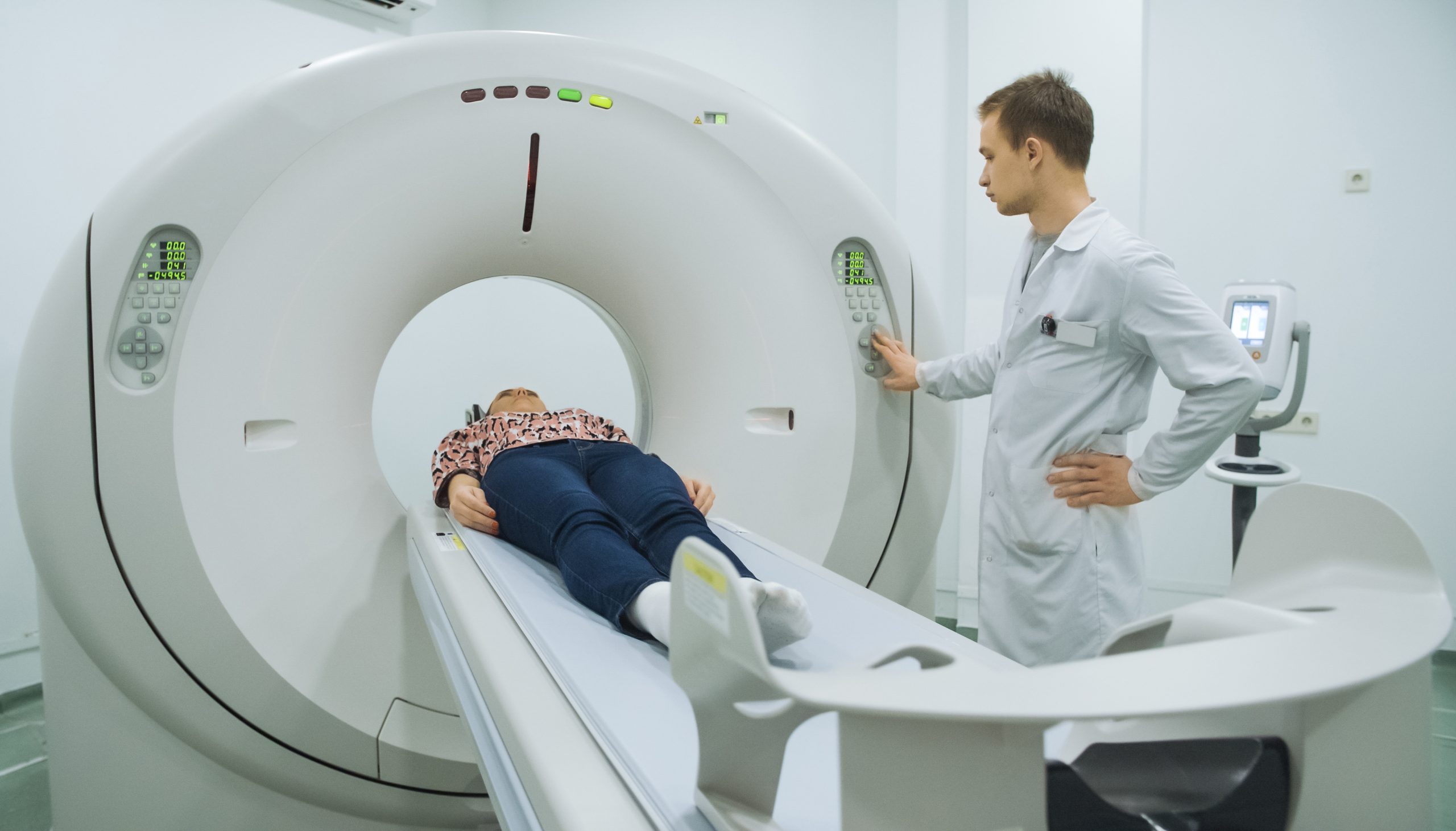
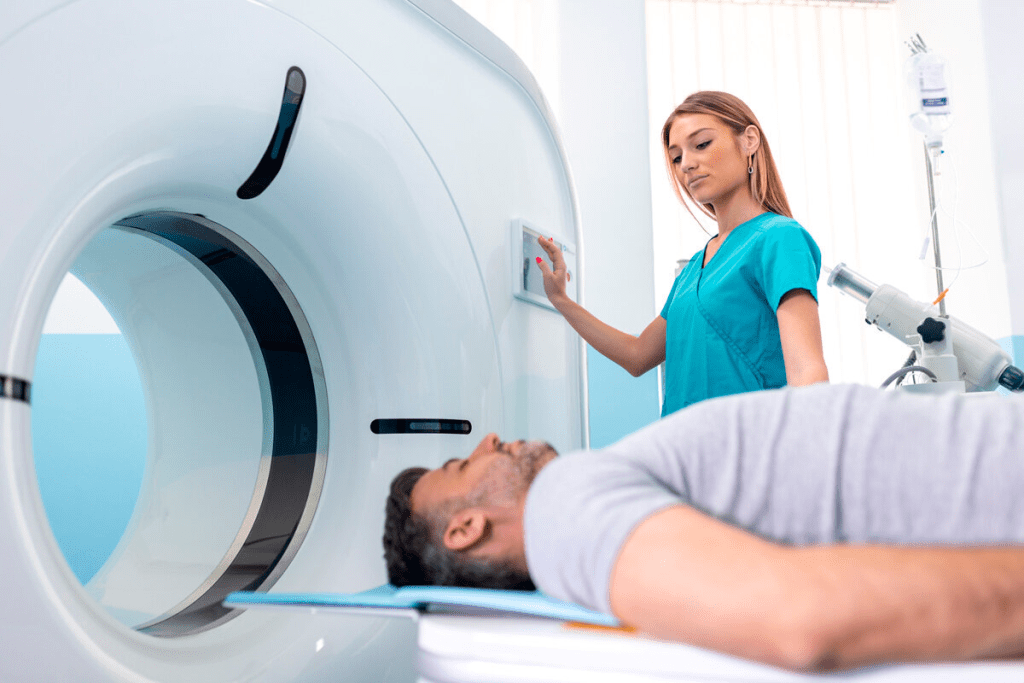
A CT scan takes X-rays from many angles. These X-rays are mixed to show a detailed body slice. This method lets doctors see inside without surgery. The scan happens in a big, ring-shaped machine that moves around the patient.
How Contrast Medium Works in Your Body
At times, a special dye is used to make certain body parts stand out. This dye makes it easier for doctors to see what they need to.
The Relationship Between Hydration and Image Quality
Drinking enough water is key to good CT scan pictures, even more so with dye. Drinking 32 oz of water before helps the dye spread right. This makes sure the images are clear and accurate, helping doctors plan treatments.
Some benefits of drinking water before a CT scan include:
- Images look better because the dye spreads well
- It’s easier to tell organs and tissues apart
- It lowers the chance of kidney problems from the dye
Knowing how a CT scan works and drinking enough water before it helps a lot. We stress the importance of these steps for the best results.
Recommendations from Major Medical Organizations
Big medical groups have set rules for drinking water before a CT scan. These rules help make sure the scan is of good quality and safe for patients.
National Cancer Institute Guidelines
The National Cancer Institute (NCI) has clear rules for CT scans. They say drinking enough water is key, especially if you get contrast agents. This helps lower the chance of kidney problems.
International Hydration Protocol Standards
Worldwide, medical groups follow the same rules for CT scans. They say drinking 32 oz of water before the scan is best. This helps get the best images.
Evidence-Based Practices at Leading Hospitals
Top hospitals use proven hydration rules for CT scans. These rules help see the gut better and avoid problems. Following these steps makes the scan better and safer.
Following the hydration rules from big medical groups helps get a better diagnosis. Drinking enough water is a simple but important step before a CT scan.
Optimizing Your CT Scan Experience Through Proper Hydration
Starting your CT scan experience with proper hydration is key. It’s important to drink enough water, even more so if you’re getting a scan with contrast. This helps get clear images and makes the process smoother.
Timing Your 32 oz Water Intake
Drinking 32 oz of water before a CT scan is often suggested. It’s better to drink water in small amounts over time. For example, drinking 8 oz every 30 minutes for 2 hours before the scan helps stay hydrated without discomfort.
Managing Comfort Before and During the Procedure
To stay comfortable during the CT scan, take a few steps. Make sure to empty your bladder right before the scan, which is very important for scans of the abdomen and pelvis. Wearing loose, comfy clothes can also help reduce stress and discomfort.
Key Tips for Managing Comfort:
- Empty your bladder immediately before the scan
- Wear loose, comfortable clothing
- Follow the recommended hydration guidelines to avoid needing to use the restroom during the scan
What to Expect After Following Hydration Guidelines
Following hydration guidelines makes the CT scan process more efficient. Proper hydration leads to clearer images, which is vital for scans with contrast. It also lowers the risk of kidney problems and supports kidney health.
Understanding the role of hydration and following guidelines can make your CT scan experience better. If you have questions or concerns, always talk to your healthcare provider for specific advice.
Reduction in Background Tissue Uptake for PET-CT Scans
Drinking enough water is key for PET-CT scans. It helps spread the contrast agent evenly in the body. This is important for getting clear images.
How Hydration Affects Nuclear Imaging
Drinking water helps nuclear imaging by removing the contrast agent from the body. This makes the images clearer, showing organs or tumors better. Well-hydrated patients usually get better images because of less background activity.
Clinical Significance of Reduced Background Interference
Less background tissue uptake is very important. It makes the target areas more visible. This is vital for diagnosing and staging diseases accurately. With less background, doctors can make more precise diagnoses.
Improvements in Diagnostic Accuracy
With less background tissue, PET-CT scans are more accurate. The images are clearer, helping spot and understand abnormalities better. We’ve seen that staying hydrated leads to more reliable results.
Conclusion: Why Following Pre-CT Scan Hydration Instructions Is Crucial for Your Health and Diagnosis
Following pre-CT scan hydration instructions is key for accurate diagnosis and your health. We’ve talked about how staying hydrated is vital for clear images and safety during CT scans. This includes scans of the abdomen and those with contrast.
Drinking enough water before a CT scan, like one with contrast, is important. It helps make sure the images are clear and accurate. This is essential for finding and treating health problems well. By drinking the right amount of water, patients help make the diagnostic process better and more effective.
We stress the need to follow hydration instructions before a CT scan. It’s important for your health and to get the best results from imaging tests.
FAQ
What is a CT scan, and why is hydration important before the procedure?
A CT scan is a test that makes detailed images of the body. Drinking water before it is key. It makes the images clearer, which is important for the belly and pelvic areas.
How does drinking water before a CT scan improve imaging quality?
Drinking water before a CT scan makes the GI tract bigger. This makes it easier to see different parts of the body. It helps doctors make more accurate diagnoses.
What is the recommended amount of water to drink before a CT scan?
Most doctors say to drink 32 oz of water before a CT scan. This ensures the images are the best they can be.
How does hydration help mitigate the risks associated with contrast agents?
Drinking water helps protect the kidneys from harm caused by contrast agents. It reduces the risk of kidney problems. This is very important for people with kidney issues.
What are the benefits of proper hydration for patients with compromised kidney function?
For those with kidney problems, drinking enough water is very important. It lowers the risk of kidney damage from contrast agents. It also helps avoid delays in imaging.
How does hydration affect the CT scan process and image quality?
Hydration affects how clear the images are. It makes the GI tract bigger and helps contrast agents spread better. This results in better images and more accurate diagnoses.
What are the guidelines from major medical organizations regarding hydration protocols for CT scans?
Groups like the National Cancer Institute have guidelines for staying hydrated before CT scans. They focus on using evidence-based practices. This ensures the best images and keeps patients safe.
How can patients optimize their CT scan experience through proper hydration?
Patients can improve their CT scan by drinking the right amount of water. They should also manage their comfort and know what to expect after drinking water.
How does hydration affect PET-CT scans, and what are the benefits?
Hydration is also key for PET-CT scans. It reduces background noise, making images clearer. Proper hydration leads to better PET-CT images.
What happens if I don’t follow the pre-CT scan hydration instructions?
If you don’t drink enough water before a CT scan, the images might not be as good. It could also increase the risk of kidney problems. It’s best to follow your doctor’s advice.
References
- Wee, N. K., et al. (2021). Safety of a rapid outpatient hydration protocol for patients with renal impairment requiring intravenous iodinated contrast media for computed tomography. PLoS ONE, 16(8), e0256248. https://pmc.ncbi.nlm.nih.gov/articles/PMC8804408/
- H. Liu, et al. (2021). Preprocedural fasting for contrast-enhanced CT. World Journal of Radiology, 13(11), 380-390. https://pmc.ncbi.nlm.nih.gov/articles/PMC8643287/