The Catholic Church opposes IVF because of its beliefs on human life and marriage. For almost 40 years, it has said IVF is wrong. This view comes from the 1987 document Donum Vitae. We will look at why the Church holds this view, showing its care for human dignity.A discussion of the ethical and moral arguments explaining why in vitro fertilization is wrong for certain religious groups.
The Church doesn’t like IVF because it separates making a baby from marriage. It also worries about the life of embryos and treating children as products. Knowing the Church’s moral views helps us understand its stand on IVF. This is important for Catholic couples wanting to have a family.
Key Takeaways
- The Catholic Church opposes IVF due to its separation of conception from the marital act.
- The Church’s teaching on IVF is rooted in its moral framework established in Donum Vitae.
- IVF is considered morally unacceptable due to its implications for human dignity.
- The Church’s stance on IVF is grounded in its teachings on the sanctity of human life.
- Catholic couples seeking IVF treatment may face a spiritual dilemma.
The Catholic Church’s Historical Position on Reproductive Technologies
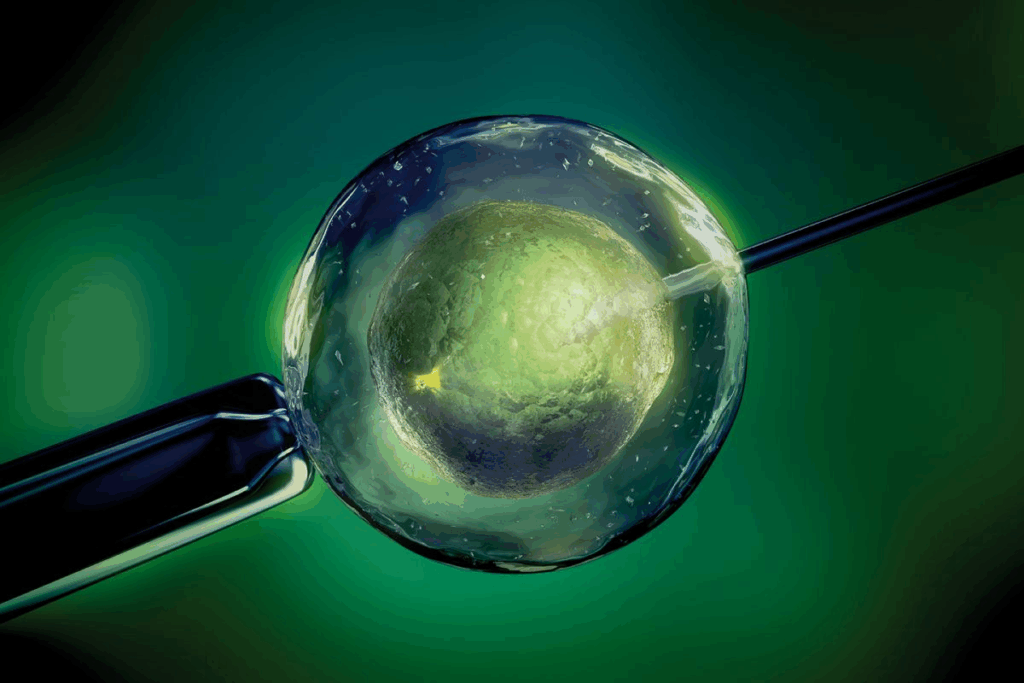
The Catholic Church has always looked at reproductive technologies with a moral and ethical lens. It views IVF and other assisted reproductive technologies through the lens of human dignity and the sanctity of life.
Development of Church Teaching on Procreation
The Church’s teachings on procreation have grown over the centuries. It always stresses the importance of linking procreation to marriage. This is because the marital act is seen as a spiritual union, mirroring the love between Christ and the Church.
“The Church’s teaching on marriage and procreation affirms the connection between the unitive and procreative dimensions of the marital act.”
Catechism of the Catholic Church
Changes in medical technology and societal norms have shaped the Church’s teachings. Yet, it has always stood firm in defending human life’s dignity.
The 1987 Donum Vitae Document
The 1987 document “Donum Vitae” marked a key moment for the Church’s stance on IVF. It laid out the moral framework for Catholic teachings on IVF and other reproductive technologies.
Key Principles | Description |
Link between Procreation and Marital Act | Procreation should be linked to the marital act, not separated through external interventions like IVF. |
Dignity of Human Life | Human life is sacred and should be treated with dignity from conception to natural death. |
Ethical Considerations | The use of reproductive technologies must be evaluated in light of ethical considerations that respect human dignity. |
“Donum Vitae” stated that IVF goes against the Church’s moral and ethical principles. This is because it separates procreation from the marital act.
Subsequent Vatican Statements on IVF
After “Donum Vitae,” the Vatican has reaffirmed its stance on IVF. These statements have continued to stress the importance of following the moral principles outlined in the document.
The Congregation for the Doctrine of the Faith has also clarified the Church’s teachings. It has highlighted the ethical concerns with IVF and other assisted reproductive technologies.
The Catholic Church’s stance on reproductive technologies is rooted in a deep respect for human life and dignity. It is committed to upholding the moral principles that guide human reproduction.
Understanding the Natural Law Foundation of Catholic Teaching
The Church’s views on IVF are rooted in a deep tradition. This tradition highlights the role of natural law in reproduction. It’s key to grasping the moral and ethical sides of reproductive tech.
The Concept of Natural Law in Catholic Moral Theology
Natural law in Catholic teaching is about moral principles found in human nature. It’s based on the idea that humans have a special dignity. And that some moral truths apply to everyone.
Key Principles of Natural Law:
- The inherent dignity of human persons
- The importance of reason in moral decision-making
- The pursuit of the common good
Application of Natural Law to Human Reproduction
Natural law in reproduction focuses on respecting the natural order of making babies. It sees procreation as more than just biology. It’s about the love and act of marriage between spouses.
The Catechism of the Catholic Church says, “The procreation of a human person should be the fruit of the mutual giving of the spouses” (CCC 2367). This shows how marriage’s love and making babies are connected.
The Inseparability of the Unitive and Procreative Dimensions
The Church believes that marriage’s love and making babies are one thing. IVF is seen as wrong because it splits these two parts. It treats making babies as a technical task, not as a loving act between spouses.
Aspect | Natural Law Perspective | IVF |
Procreation | Inseparable from the marital act | Separated from the marital act |
Unitive Dimension | Integral to the act of love | Not directly related to the act of love |
Moral Implication | Respects the natural order | Violates the natural order |
Understanding natural law helps us see why the Church is against IVF. It shows how it affects moral and ethical choices.
Why In Vitro Fertilization Is Wrong: The Catholic Perspective
The Catholic Church has big concerns about IVF. It involves making human life outside of natural intimacy. This is a key issue for the Church.
Separation of Procreation from the Marital Act
The Church believes the marital act is more than just for babies. It’s also about love between spouses. IVF breaks this bond by making making babies a technical task, not an act of love.
IVF changes how we see making human life. It turns it into a clinical process, not an act of love. This could make human life seem less valuable.
The Commodification of Human Life
IVF creates human embryos outside the womb. Sometimes, not all embryos are used. This leads to embryos being frozen or thrown away, seen as treating human life as a product.
This view of embryos as products is against what the Church teaches. Human life is a gift, not something to be made or thrown away.
Technological Domination Over Natural Processes
IVF uses a lot of technology in making babies. The Church worries that technology is taking over natural processes. This is a big concern for the Church.
The Church wants us to respect the natural way of making babies. Using too much technology could make us forget the sacredness of making life.
In summary, the Catholic Church opposes IVF for several reasons. These include the separation of making babies from love, treating life as a product, and too much technology. These points show the deep ethical questions around IVF and the need for careful thought.
The Sanctity of Human Life from Conception
The Catholic Church believes that human life is sacred from the start. This idea is key to their views on reproductive technologies. They think that life is sacred and cannot be harmed from the moment it starts.
Catholic Teaching on When Life Begins
The Church says life starts at conception. They believe that when a sperm meets an egg, a new human being begins. This moment is when life becomes worthy of respect and protection.
The Moral Status of Embryos
Embryos are seen as having inherent dignity and a right to life. This is a core belief in Catholic teaching. It explains why the Church opposes actions that harm or destroy human embryos.
Implications for IVF Procedures
IVF has big implications for this teaching. IVF often makes many embryos, but not all are used. The Church sees this as wrong because it involves destroying human beings.
Catholic Teaching | Implication for IVF |
Life begins at conception | Opposition to embryo destruction |
Embryos have inherent dignity | Objection to embryo selection and grading |
Human life is inviolable | Concerns about the commodification of human life |
In conclusion, the Catholic Church’s teachings on human life are key to their views on IVF. Understanding when life begins and the value of embryos helps us see the ethical issues with IVF.
The Problem of Embryo Creation, Selection, and Destruction
In vitro fertilization (IVF) raises many moral questions. These questions come from the creation, selection, and destruction of embryos. Looking into IVF, we see that how embryos are handled is a big ethical issue.
Standard IVF Protocols and Embryo Numbers
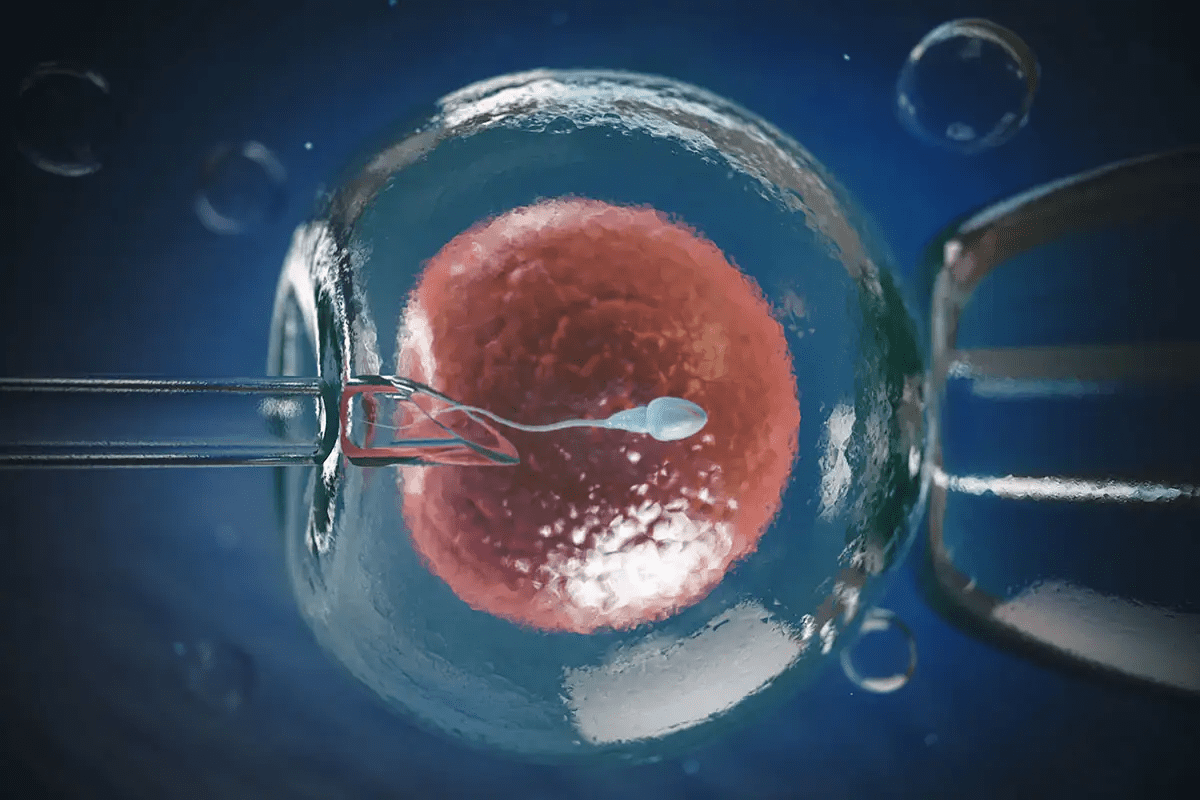
IVF starts by making many eggs grow in the ovaries. Then, these eggs are fertilized and grown in a lab. This makes many embryos, more than what can be implanted.
A study in the Journal of Assisted Reproduction and Genetics shows that 7-10 embryos are made per cycle. Below is a table showing how many embryos are made in IVF cycles.
IVF Cycle Outcome | Average Number | Percentage |
Embryos Created | 8 | 100% |
Embryos Transferred | 2 | 25% |
Embryos Frozen | 4 | 50% |
Embryos Discarded | 2 | 25% |
The Ethics of Embryo Selection and “Quality” Grading
Embryos are graded in IVF for their quality and health. This grading looks at growth rate, shape, and health signs. It means some embryos are chosen over others, raising questions about their value and dignity.
Pope Francis said, “The choice of embryos is not just scientific. It’s also a moral and ethical decision.”
“The acceptance or refusal of the embryos is a choice that is not merely scientific, but also involves a moral and ethical judgment.”
Pope Francis
The Fate of “Excess” Embryos
When many embryos are made, deciding what to do with them is hard. Some are frozen for later use, others are thrown away or used for research. The fate of these embryos is a big debate, with questions about freezing, discarding, or using them for science.
IVF is a complex and emotional journey for many. The Catholic Church opposes IVF because of the ethical issues with embryos. Yet, the desire to have children drives many to try IVF. As we deal with these issues, we must think about the moral and ethical sides of our choices.
The Dignity of Marriage and Procreation
The dignity of marriage is key in Catholic teachings, linked to procreation. The Church sees marriage as more than a legal contract. It’s a sacred bond between two people, vital for raising children.
The Sacred Bond Between Spouses
The Church believes the marital bond is unique and sacred. It provides a stable, loving space for children to grow. This bond is built on respect, trust, and love, forming a strong family foundation.
This bond also connects spouses and their children, giving them a sense of security and belonging.
Children as Gifts vs. Products
The Catholic Church sees children as gifts from God, not products. This view highlights their inherent dignity and worth. It shows children are born from the love of two spouses, not created through technical means like IVF.
The Right of Children to Be Born Within Marriage
The Church believes children should be born to married parents. This emphasizes the importance of a stable family environment. It shows marriage is the foundation of family life, providing children with the love and support of both parents.
Aspect | Catholic Teaching | Significance |
The Sacred Bond Between Spouses | Marriage is a sacred institution | Provides a stable environment for children |
Children as Gifts vs. Products | Children are gifts from God | Acknowledges the dignity and worth of children |
The Right of Children to Be Born Within Marriage | Children should be born within marriage | Ensures a stable family environment |
Medical and Ethical Concerns Beyond Religious Arguments
IVF raises big medical risks for women, can affect families’ mental health, and has big social impacts. These issues show IVF is complex and needs a detailed look.
Physical Risks to Women Undergoing IVF
IVF can harm women physically. The process can cause Ovarian Hyperstimulation Syndrome (OHSS), a serious condition. It also raises the risk of ectopic pregnancy, miscarriage, and problems during egg retrieval.
Risk | Description | Prevalence |
OHSS | Ovarian Hyperstimulation Syndrome | Up to 5% of IVF cycles |
Ectopic Pregnancy | Implantation outside the uterus | 2-5% of IVF pregnancies |
Miscarriage | Loss of pregnancy before 20 weeks | 15-25% of IVF pregnancies |
Psychological Impact on Couples and Children
IVF can also affect couples and kids mentally. The stress of IVF can strain relationships and mental health. Studies are looking into how IVF might affect kids’ mental health later on.
Broader Societal Implications
IVF touches on big social issues too. It raises questions about treating life as a commodity, choosing embryos, and who can afford it. It also challenges traditional family values and what it means to be a parent.
Dealing with these complex issues needs empathy and a deep understanding of IVF’s effects. This way, we can have a more thoughtful and informed talk about it.
Catholic Alternatives for Infertile Couples
The Catholic Church offers many options for infertile couples. It values human life and the marriage bond. These options are morally sound and respect the marriage and the procreative process.
Natural Procreative Technology (NaPro)
Natural Procreative Technology (NaPro) is a medical method that aligns with Catholic teachings. It helps restore fertility naturally. This approach respects the natural act of marriage, making it a morally acceptable choice for couples facing infertility.
“NaPro Technology is a significant advancement in reproductive health,” says Medical Expert, a NaPro expert. “It offers hope to couples who want to conceive while staying true to their faith.”
Adoption as a Loving Alternative
Adoption is another option the Church supports for infertile couples. It allows couples to give a loving home to a child in need. This act reflects Christian values of compassion and charity.
The Catechism of the Catholic Church highlights the value of adoption. It says, “The practice of adoption reflects the spirit of the Gospel” (CCC, 2379). This shows the Church’s backing for adoption as a noble choice for infertile couples.
Spiritual Approaches to Infertility
The Church also encourages spiritual approaches to infertility. Couples are encouraged to deepen their faith through prayer. The Church believes that suffering, including infertility, can be redemptive when linked to Christ’s suffering.
Through spiritual practices like prayer and sacraments, couples can find peace and meaning. Pope Francis reminds us, “The cross of Christ is the Christian’s hope and comfort.” It offers solace for those facing reproductive challenges.
Common Misconceptions About the Catholic Position
Many people think the Catholic Church is against IVF because it doesn’t care about infertile couples. But this isn’t true. The Church actually cares deeply and has rules to protect everyone involved.
Compassion for Infertile Couples
The Catholic Church wants to help couples who can’t have children. It does this by respecting the value of life. The Church knows how hard it is for couples to deal with infertility.
By setting ethical rules for reproductive tech, the Church shows it cares about everyone. It wants to protect the dignity of life from the start.
Scientific Progress vs. Ethical Boundaries
The Church values scientific progress but also ethical limits. It believes that new tech should respect human dignity. This is key to the Church’s teachings.
The Church isn’t against new science. But it worries about how it’s used. IVF, for example, can lead to issues like treating life as a product and choosing which embryos to keep.
Distinguishing Between Technologies and Their Applications
It’s important to see the difference between tech and how it’s used. IVF is a big step forward in science. But how it’s applied can be a problem for the Church.
The Church sees some medical help as okay. But it looks at the whole situation to decide if it’s right. The Church doesn’t like IVF because of its specific use and the issues it raises.
Pastoral Care for Catholics Who Have Used IVF
The Church offers a way to heal and find peace for Catholics who have used IVF. We understand that IVF is often chosen with good intentions. Yet, it can bring up tough moral and spiritual questions.
Reconciliation and Healing
The Church’s care aims to help Catholics align their actions with their faith. This healing process lets them understand the Church’s teachings in their own life stories.
We suggest that those who have used IVF talk to their parish priests or spiritual advisors. Through confession and guidance, they can find peace and be reconciled.
Ethical Considerations for Frozen Embryos
IVF raises important questions about frozen embryos. The Church believes that life is sacred from the start. So, we must think deeply about the morality of creating and keeping embryos frozen.
Catholics with frozen embryos should look for moral advice. Talking to a moral theologian or a priest can help them decide what is right to do.
Consideration | Church Teaching | Practical Application |
Frozen Embryos | Human life is sacred from conception. | Seek moral guidance on the disposition of embryos. |
Reconciliation | Available through confession and spiritual direction. | Engage with local parish priests or spiritual advisors. |
Supporting Families | The Church supports families created through IVF. | Participate in Church community activities and support groups. |
Supporting Families Created Through IVF
The Church knows the challenges faced by families made through IVF. We want to support them. We encourage these families to join Church activities and support groups.
By supporting families, the Church shows it cares for all its members. This includes those conceived through IVF.
Conclusion: Balancing Technological Progress with Human Dignity
The Catholic Church opposes IVF because it values human dignity and life’s sanctity. This exploration shows the Church’s teachings on IVF aim to balance tech progress with human life’s worth.
Understanding the Church’s views on IVF helps us see its ethical concerns. The Church’s stance on IVF is part of its effort to protect human dignity. It ensures that progress doesn’t harm human life’s value.
As we go forward, we must keep talking about IVF and other reproductive tech. We should aim to find a balance that respects human beings and fosters a culture of life.
FAQ
What is the Catholic Church’s stance on In Vitro Fertilization (IVF)?
The Catholic Church does not support IVF. It believes in the sanctity of human life and the dignity of marriage. The Church thinks conception should only happen within marriage.
Why does the Catholic Church consider IVF wrong?
IVF is seen as wrong because it separates making babies from marriage. It treats life as a product, not a gift. Also, it often leads to the creation and destruction of many embryos.
What is the Catholic Church’s teaching on the sanctity of human life?
The Church believes human life is sacred from the start. IVF, which involves creating and destroying embryos, goes against this belief.
What are the Catholic alternatives to IVF for infertile couples?
The Church suggests Natural Procreative Technology (NaPro) to help couples get pregnant naturally. It also supports adoption and spiritual ways to deal with infertility.
How does the Catholic Church view the creation and destruction of embryos in IVF?
The Church sees creating and destroying embryos as a big violation. It believes embryos are human persons with dignity.
Is the Catholic Church opposed to the welfare of infertile couples?
No, the Church cares deeply about infertile couples. Its stance on IVF is based on ethical boundaries, not opposition to their well-being.
What pastoral care does the Catholic Church offer to Catholics who have used IVF?
The Church provides care for those who have used IVF. It includes reconciliation, healing, and support for families created through IVF.
What is the Catholic view on the dignity of marriage and procreation?
The Church values marriage and procreation deeply. It sees children as gifts, not products of technology.
Are there medical and ethical concerns associated with IVF beyond religious arguments?
Yes, IVF has medical and ethical issues. These include risks to women, psychological effects on families, and broader societal impacts.
How does the Catholic Church balance technological progress with human dignity?
The Church advocates for balancing technology with ethics. It aims to protect human dignity and the sanctity of life.
What is the Catholic Church’s historical position on reproductive technologies like IVF?
The Church’s stance on IVF is rooted in its teachings on procreation and dignity. This is reflected in documents like the 1987 Donum Vitae.
References
Government Health Resource. Evidence-Based Medical Guidance. Retrieved from https://www.vatican.va/roman_curia/congregations/cfaith/documents/rc_con_cfaith_doc_19870222_respect-for-human-life_en.html>