Last Updated on November 27, 2025 by Bilal Hasdemir
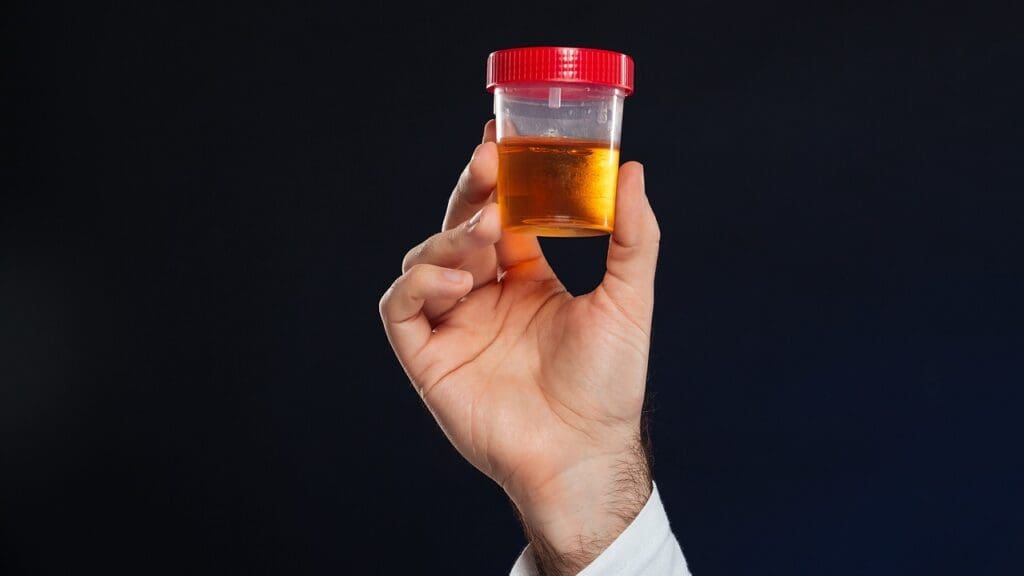
Seeing bloody urine after a prostatectomy can be scary. At Liv Hospital, we get it and are here to help. Blood in urine can happen for many reasons, like irritation during healing or infections.
Having a catheter after prostatectomy surgery is common. But, it doesn’t mean all urinary issues are gone. We aim to help patients through every recovery step, solving their problems with care.
Key Takeaways
- Post-prostatectomy hematuria can result from healing-related irritation or infections.
- Most cases of late hematuria resolve on their own, but persistent bleeding requires medical evaluation.
- Patients should monitor their symptoms closely after prostatectomy.
- Comprehensive care includes addressing both physical and emotional recovery.
- Liv Hospital is dedicated to supporting patients through their recovery journey.
Understanding Prostatectomy and Post-Surgical Recovery

It’s key for patients to know about prostatectomy procedures to smoothly go through recovery. This surgery removes the prostate gland, and the recovery can vary based on the method used.
Types of Prostatectomy Procedures
There are a few prostatectomy procedures, like open radical prostatectomy, laparoscopic radical prostatectomy, and robotic-assisted laparoscopic prostatectomy. Robotic prostatectomy is known for its precision and less invasion. This can lead to quicker recovery time and fewer complications.
Normal Recovery Timeline
The recovery time for robotic prostatectomy is usually shorter than other methods. Most patients can get back to their usual activities in a few weeks. But, it can take several months to fully recover.
Common Post-Surgical Expectations
After surgery, patients might feel some pain and may have a catheter after prostate surgery to help with healing. The catheter after prostate removal is usually taken out in a couple of weeks. Knowing this helps manage post-surgical expectations.
A medical expert notes, “Using a catheter is common to help the urethral anastomosis heal properly.” Good post-surgical care means watching for any issues and sticking to the recovery plan.
Understanding the different prostatectomy procedures and what recovery entails helps patients prepare for the journey ahead. It’s vital to listen to the healthcare provider’s advice for a smooth recovery.
Blood in Urine 8 Weeks After Prostatectomy: Causes and Concerns

Blood in urine 8 weeks after prostate surgery is a sign that needs careful thought. We’ll look at why it happens and how it affects recovery. We’ll also talk about the difference between normal and abnormal bleeding.
Prevalence of Late Hematuria
Late hematuria, or bleeding 8 weeks or more after surgery, is not common but serious. It can happen due to healing or complications. Some patients report sudden bleeding even 4 weeks after surgery, showing how different everyone’s experience can be https://community.prostatecanceruk.org/posts/t11545-Sudden-blood-in-urine–4-weeks-after-prostatectomy.
Differentiating Between Early and Late Post-Surgical Bleeding
It’s important to know when and why bleeding happens. Early bleeding is usually in the first few weeks and is part of healing. Late bleeding might be due to irritation, infections, or other issues. Knowing the difference helps in figuring out what to do next.
Normal vs. Abnormal Bleeding Patterns
Normal bleeding after surgery is usually light and goes away. Abnormal bleeding is heavy, lasts a long time, or comes back. Things like the surgery, how fast you heal, and aftercare can affect bleeding.
- Heavy or persistent bleeding
- Bleeding accompanied by pain or discomfort
- Recurring episodes of hematuria
- Bleeding that does not decrease over time
Knowing these signs is key to knowing when to see a doctor.
In summary, blood in urine 8 weeks after surgery can have many causes. Understanding the situation, knowing the difference between early and late bleeding, and recognizing normal versus abnormal bleeding is important for managing it well.
Common Causes of Post-Prostatectomy Hematuria
Hematuria after prostate surgery can stem from several factors. Knowing these causes is key for good care. We’ll look at the main reasons for post-prostatectomy hematuria. This helps patients and their caregivers spot issues and get help when needed.
Healing-Related Blood Vessel Irritation
Healing can sometimes irritate blood vessels, leading to bleeding in the urinary tract. This bleeding is usually temporary and may stop as the body heals.
Urinary Tract and Bladder Infections
Urinary tract infections (UTIs) and bladder infections are common after prostate surgery. These infections can cause bleeding. Symptoms include pain while urinating, needing to urinate often, and fever. It’s important to see a doctor quickly to treat these infections.
Bladder Neck Contracture
Bladder neck contracture is a narrowing of the bladder neck that can happen after prostate surgery. It can cause urine flow problems and sometimes bleeding. Treatment might involve widening the narrowed area.
Rare Causes Including Bladder Cancer
Bladder cancer is a rare but serious cause of hematuria. It’s important for patients with ongoing or frequent bleeding to get checked for cancer.
| Cause of Hematuria | Symptoms | Typical Treatment |
|---|---|---|
| Healing-Related Blood Vessel Irritation | Intermittent bleeding | Observation, conservative management |
| Urinary Tract/Bladder Infections | Painful urination, frequency, fever | Antibiotics, hydration |
| Bladder Neck Contracture | Obstructive urinary symptoms | Dilation procedures |
| Bladder Cancer | Persistent hematuria | Surgical intervention, chemotherapy, radiation |
Knowing the common causes of post-prostatectomy hematuria helps patients and caregivers. If you’re experiencing bleeding or other symptoms after prostate surgery, see your doctor. They can evaluate and treat you properly.
Catheterization After Prostate Surgery and Related Complications
Using a catheter after prostate surgery is common. It helps manage urine during recovery. This temporary solution keeps the urinary tract safe while it heals.
Purpose and Duration of Catheterization
Catheterization helps with urine drainage after surgery. How long you need a catheter depends on healing and surgery type. Usually, it’s a few days to weeks.
Catheter-Related Bleeding and Irritation
Bleeding or irritation can happen with catheters. Catheter-related bleeding might irritate the bladder or urethra. Watch for changes in bleeding, as big ones mean you need to see a doctor.
Common issues with catheters include:
- Discomfort or pain while the catheter is in place
- Irritation or bleeding around the catheter site
- Difficulty urinating after the catheter is removed
Managing Catheter Discomfort
It’s key to manage catheter discomfort. Here are some tips to help:
Practical Tips for Catheter Care
- Keep the catheter and area clean to avoid infection.
- Watch for infection signs like fever, chills, or unusual discharge.
- Drink plenty of water to flush your urinary system.
- Follow your doctor’s advice on catheter care and removal.
By following these tips, you can avoid complications and recover better. Always talk to your healthcare team about any issues with your catheter.
Pain Symptoms Following Prostatectomy
It’s important to know about pain after prostatectomy to manage recovery well. Pain can vary a lot among patients. Knowing the causes and when to see a doctor is key for a smooth recovery.
Buttock Pain After Prostatectomy
Buttock pain after prostatectomy can happen for many reasons. This includes nerve irritation or muscle strain during surgery. It’s vital to watch how long and how bad the pain is. If the pain doesn’t go away or gets worse, you should see a doctor.
Testicular Pain After Prostate Surgery
Testicular pain after prostate surgery is common. It might be from the surgery or the body’s healing. Keep an eye on any changes in testicular pain.
Abdominal Discomfort After Robotic Prostatectomy
Abdominal discomfort can happen after robotic prostatectomy. It might be from the surgery or the gas used to inflate the abdomen. Knowing why you have abdominal discomfort helps manage it better.
Telling normal pain from complications is important. Normal pain usually gets better with time. But, pain from complications might not go away or gets worse. See a doctor if your pain is severe, doesn’t go away, or gets worse.
Understanding pain symptoms after prostatectomy helps patients manage their recovery. It also tells them when to get medical help.
When to Seek Medical Attention for Post-Prostatectomy Symptoms
Knowing when to get medical help after prostate surgery is key for a smooth recovery. After a prostatectomy, it’s important to watch your health closely. You should know when to seek medical help.
Warning Signs Requiring Immediate Care
Certain symptoms after prostate surgery need immediate attention. These include:
- Heavy bleeding or clots in the urine
- Severe pain not managed with prescribed medication
- Fever above 101.5°F (38.6°C)
- Inability to urinate or severe difficulty urinating
- Signs of infection, such as redness, swelling, or discharge at the surgical site
If you notice any of these symptoms, call your healthcare provider right away.
Symptoms That Can Wait for Regular Follow-up
Some symptoms after prostate surgery can wait for a follow-up appointment. These include:
- Mild urinary incontinence
- Intermittent spotting or light bleeding
- Mild discomfort or pain managed with over-the-counter medication
But, it’s important to talk to your doctor about these symptoms. They can check for any complications.
Diagnostic Tests Your Doctor May Order
Your doctor might order different tests to check your condition. These can include:
| Test | Purpose |
|---|---|
| Urinalysis | Check for infection or blood in the urine |
| Imaging studies (e.g., ultrasound, CT scan) | Evaluate the urinary tract for complications |
| Cystoscopy | Examine the inside of the bladder and urethra |
Questions to Prepare for Your Doctor’s Appointment
To get the most from your doctor’s appointment, write down your questions and concerns. Consider asking:
- What is causing my symptoms?
- Are there any complications I should be aware of?
- What treatment options are available for my condition?
- How can I manage my symptoms effectively?
Being prepared will help you have a productive conversation with your healthcare provider.
Treatment Options for Post-Prostatectomy Bleeding
It’s important for patients to know about treatment options for post-prostatectomy bleeding. The right treatment depends on the cause, how bad the bleeding is, and the patient’s health.
Conservative Management Approaches
Often, bleeding after prostate surgery can be managed without surgery. This might mean close monitoring, staying hydrated, and treating any other health issues. Patients are usually told to avoid hard work and follow a special care plan.
“Conservative management is often the first line of treatment for post-prostatectomy bleeding, focusing on stabilizing the patient and addressing any underlying causes.”
Medical Interventions
If simple care doesn’t work, doctors might use medicines. They might give hemostatic agents to help blood clot, antibiotics for infections, and drugs for pain or trouble urinating.
Surgical Options for Persistent Bleeding
If bleeding keeps happening, surgery might be needed. The surgery can be small or big, depending on the bleeding’s cause and how bad it is.
Recovery Expectations After Treatment
Recovery time after treatment for post-prostatectomy bleeding varies. Patients are watched closely for any problems and given advice on care after treatment. Knowing what to expect can help patients feel better prepared and less worried.
Understanding the treatment options helps patients make good choices with their doctors. This way, they can get the best care for their situation.
Returning to Normal Activities After Prostatectomy
After prostatectomy, patients often wonder when they can go back to their usual routines. It’s important to start these activities safely to avoid any problems.
Driving a Car After Prostate Surgery
It’s best to avoid driving after prostate surgery until your doctor says it’s okay. Usually, patients can’t drive for one to two weeks. Or until they can drive without feeling pain or discomfort. Always follow your surgeon’s advice on driving.
Exercise Guidelines Following Prostatectomy
Starting to exercise is key in recovering from prostatectomy. Begin with light activities like walking. Then, slowly increase the intensity as you feel more comfortable. Avoid heavy lifting and strenuous activities for a few weeks to prevent issues.
Sexual Activity Considerations
When it comes to sex after prostatectomy, be cautious. It’s usually recommended to wait a few weeks before starting again. Always talk to your healthcare provider about any concerns or questions.
Monitoring Symptoms During Activity Resumption
It’s vital to watch how your body reacts when you start activities again. If you notice heavy bleeding, severe pain, or trouble urinating, get medical help right away. Keeping an eye on your symptoms helps your healthcare provider adjust your recovery plan.
Long-Term Recovery and Quality of Life After Prostatectomy
Men often ask about the recovery time and life quality after prostate surgery. Knowing the recovery process helps them plan and set realistic goals.
Expected Timeline for Complete Recovery
Recovery times vary, but most men get back to normal in a few months. A study on the National Center for Biotechnology Information shows big improvements in the first year.
Key milestones in the recovery timeline include:
- Returning to light physical activities within 4-6 weeks
- Gradually resuming more strenuous activities over the next 2-3 months
- Achieving full recovery, including regaining urinary and sexual function, potentially taking up to a year or more
Managing Persistent Symptoms
Some men face ongoing issues like incontinence or erectile dysfunction. It’s important to manage these symptoms well. Pelvic floor exercises, like Kegel exercises, can help strengthen the muscles and improve continence.
Support Resources for Prostatectomy Patients
Support is key during recovery.
“Support from family, friends, and healthcare professionals can significantly impact a patient’s ability to cope with the challenges of recovery.”
Joining support groups, online or in-person, helps connect with others who’ve gone through similar experiences.
Understanding the recovery timeline, managing symptoms, and using support resources can greatly improve life quality for prostatectomy patients.
Conclusion
As we wrap up our talk on prostatectomy and recovery, it’s key to know that recovery is a journey. It involves being aware of possible complications, like blood in urine 8 weeks after surgery.
We’ve looked at many parts of prostatectomy. This includes the types of surgeries, how long it takes to recover, and what to expect after surgery. It’s important to know the reasons for late bleeding and how to tell if it’s normal or not.
Prostate needle biopsy is a big deal in finding and treating prostate cancer. It shows how important a detailed medical check-up is. By knowing about symptoms after prostate surgery and when to get help, patients can feel more confident in their recovery.
In short, a good recovery from prostate surgery needs a deep understanding of the surgery, possible problems, and the importance of follow-up care. We stress the importance of watching for unusual symptoms after surgery. If you notice anything odd, don’t hesitate to get medical help.
FAQ
What are the possible reasons for blood in urine 8 weeks after prostatectomy?
Blood in urine can be due to irritated blood vessels during healing. It might also be caused by infections in the urinary tract or bladder. Other reasons include bladder neck contracture or even bladder cancer.
Is blood in urine normal after prostatectomy?
Some bleeding right after surgery is normal. But, if you see blood 8 weeks later, it could mean there’s a problem that needs a doctor’s attention.
How long does catheterization last after prostate surgery?
How long you’ll need a catheter varies. Usually, it’s removed a few weeks after surgery.
What are the symptoms that require immediate medical attention after prostatectomy?
If you experience heavy bleeding, severe pain, or trouble urinating, seek help right away. Also, watch for signs of infection.
Can I drive a car after prostate surgery?
It’s best to avoid driving for a few weeks. This depends on how well you’re recovering and any medicines you’re taking.
When can I resume exercise after prostatectomy?
You can start exercising again in a few weeks to months. This depends on your doctor’s advice and how you’re feeling.
What are the common causes of testicular pain after prostate surgery?
Testicular pain can come from nerve irritation, infection, or surgery complications.
How long does it take to fully recover from prostatectomy?
Recovery time varies. Most people see big improvements in a few months after surgery.
What support resources are available for prostatectomy patients?
Healthcare providers offer many resources. This includes counseling, support groups, and educational materials to help with recovery and quality of life.
What are the treatment options for post-prostatectomy bleeding?
Treatment options vary. They range from simple management to medical and surgical interventions, based on the bleeding’s cause and severity.
Can I experience abdominal pain after robotic prostatectomy?
Yes, abdominal discomfort is common after robotic prostatectomy. It’s usually managed with pain meds and supportive care.
How can I manage catheter discomfort?
To manage catheter discomfort, follow your doctor’s advice on care. Use pain management strategies and report any issues or complications.
References
- Prostate Advisor: https://prostateadvisor.com/blood-in-urine-one-year-after-prostate-surgery-prostatectomy/
- Prostate Cancer UK Community: https://community.prostatecanceruk.org/posts/t11545-Sudden-blood-in-urine–4-weeks-after-prostatectomy
- National Center for Biotechnology Information (NCBI) / PMC: https://pmc.ncbi.nlm.nih.gov/articles/PMC3619630/
- Cambridge University Hospitals (CUH) NHS Foundation Trust: https://www.cuh.nhs.uk/patient-information/robotic-radical-prostatectomy-frequently-asked-questions/
- QProstate: https://qprostate.com.au/robotic-prostatectomy/post-operative-care/