

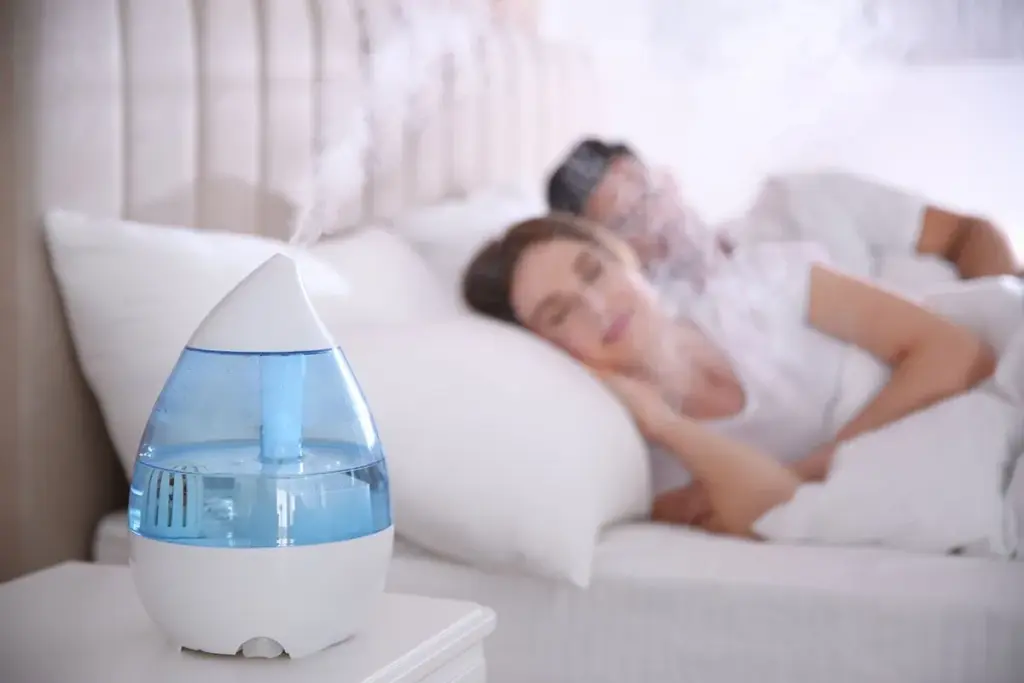
Snoring is a big problem worldwide. It affects 40% of adult men and 24% of adult women. Will a humidifier help with snoring? Dry air relief and breathing comfort benefits explained.
Dry air makes snoring worse. It blocks the nasal passages and throat, making it hard to breathe at night. Using a humidifier while sleeping can keep the air moist. This might help reduce snoring caused by dry air.
A humidifier can make sleep better for those who snore. It helps by getting rid of dry air congestion in the nose and throat.
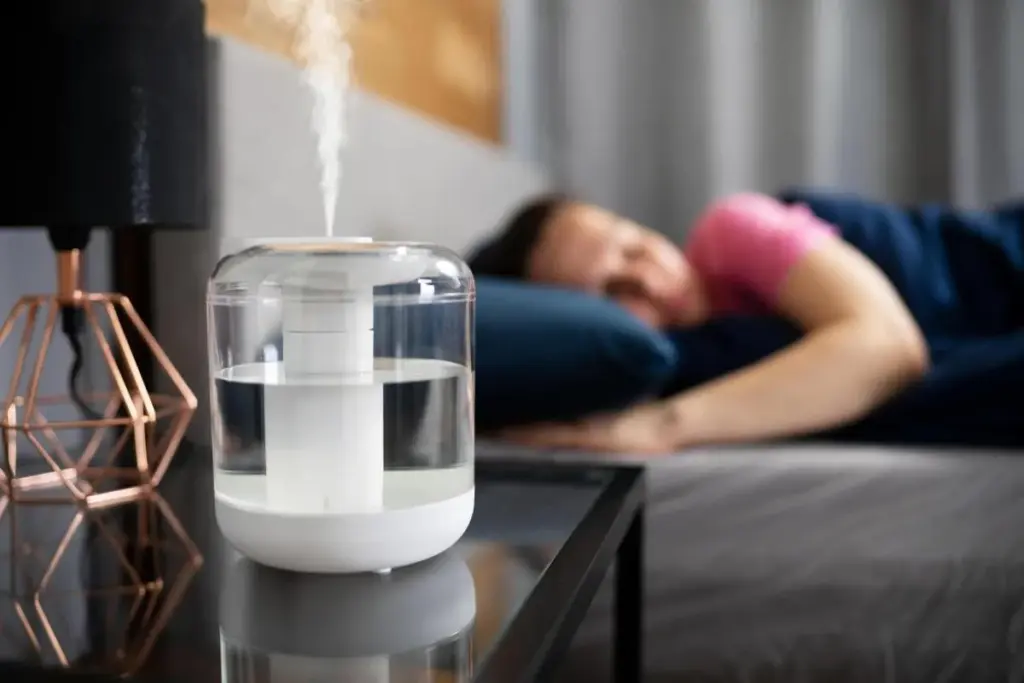
Dry air can dry out your nasal membranes and throat. This limits airflow and might cause snoring. When air is too dry, it irritates your throat and nasal passages. This can lead to more congestion and a higher chance of snoring.
Dry air can harm your airways. Without enough moisture, your nasal membranes and throat get dry and irritated. This can cause swelling and more mucus, narrowing your airways.
Using a humidifier for snoring can keep humidity levels right. This is usually between 30% and 50%. It can ease discomfort from dry air and cut down on snoring.
Snoring happens when airflow is blocked in your nasal passages and throat. Dry air makes throat tissues dry and more likely to vibrate. This vibration is what makes the snoring sound. Keeping the right humidity is key; too little causes dryness, while too much can lead to mold and dust mites.
Knowing how snoring causes and humidity affect it can help find solutions. Using a snoring humidifier can keep your indoor air quality just right.

Using a humidifier at night offers many benefits, from less snoring to better sleep. It keeps the bedroom’s humidity just right. This helps solve many sleep problems.
Dry air can make your nose and throat feel sore and disrupt sleep. Humidifiers add moisture to the air. This makes breathing easier, which is great when it’s dry outside or in air-conditioned rooms.
Irritated nasal passages can cause congestion and snoring. By soothing these passages with added moisture, humidifiers can cut down on snoring. This makes sleep better for you and your partner.
Congestion is a big reason for snoring. Humidifiers help reduce congestion by keeping your nose and throat moist. This can greatly reduce snoring, making sleep better for all.
|
Benefit |
Description |
|---|---|
|
Moisture Addition |
Adds moisture to dry air, reducing irritation |
|
Nasal Passage Soothing |
Soothes irritated nasal passages, reducing congestion |
|
Congestion Reduction |
Reduces congestion that leads to snoring |
It’s important to know the different types of humidifiers to find the best one for snoring relief. Each type has its own features and benefits.
Cool mist humidifiers are a top pick for snoring relief. They release cool vapor that soothes your nose and reduces congestion. They’re great for warm weather or those who like cooler sleep. Plus, they’re quieter and use less energy than warm mist ones.
Warm mist humidifiers release warm vapor, perfect for cold months or those who like warmth. They help loosen mucus, making breathing easier and might cut down on snoring. But, they use more energy and can be louder.
Ultrasonic humidifiers make a fine mist with sound waves. They’re quiet and save energy, ideal for bedrooms. They can cover large areas and often come with extra features like night lights or ionizers.
Evaporative humidifiers blow air through a wet wick or filter, adding moisture to the air. They’re cheaper and easier to care for. But, they can be louder and need filter changes more often.
|
Type of Humidifier |
Noise Level |
Energy Efficiency |
Effectiveness for Snoring |
|---|---|---|---|
|
Cool Mist |
Low |
High |
Effective |
|
Warm Mist |
Medium |
Medium |
Effective |
|
Ultrasonic |
Low |
High |
Very Effective |
|
Evaporative |
Medium |
Medium |
Effective |
Choosing the right humidifier is essential for reducing snoring, as it helps maintain optimal humidity levels in the room. This can make a big difference.
A humidifier with a built-in humidistat adjusts humidity automatically. It keeps levels healthy. Features like nightlights, multiple speeds, and timers make it more user-friendly.
The size and coverage area of a humidifier are very important. A small one might not humidify enough, while a big one could make too much moisture. It’s important to choose the right size for your room.
Humidifiers come in different prices, based on their features. Cheap ones work for small rooms or simple needs. But, more expensive ones have advanced features and better performance. Your choice depends on what you need and want.
|
Humidifier Type |
Coverage Area |
Price Range |
|---|---|---|
|
Compact |
100-200 sq. ft. |
$20-$50 |
|
Standard |
200-400 sq. ft. |
$50-$100 |
|
Large Capacity |
400-600 sq. ft. |
$100-$250 |
To get the most out of a humidifier for snoring, using it right is key. It keeps your bedroom’s humidity just right. This makes your airways stay moist and cuts down on congestion.
Where you put your humidifier matters a lot. It should be 5-6 feet away from your bed. This way, the mist spreads out well without making your bed wet. It also stops the room from getting too humid.
Keeping the right humidity is important for a good night’s sleep. The best humidity for sleeping is between 30% and 50%. This keeps your nose and throat moist, which helps prevent snoring.
For the best results, run your humidifier all night. But, turn it off during the day or when you’re awake. This stops the room from getting too humid, which can cause mold.
Keeping your humidifier clean is essential for it to work well. You should clean it often to stop bacteria and mineral buildup. Check your manual for how to clean it properly to keep it working well.
Can a humidifier really help with snoring? Research gives us some clues. Scientists have looked into if keeping the air moist can help with snoring.
Dry air can make the nasal passages and throat feel irritated, leading to more snoring. A study in the Journal of Sleep Research showed that the right humidity can improve sleep. Optimal humidity levels are between 30% and 50%. The Sleep Health Foundation journal also found that humidifiers help keep airways moist, which might reduce snoring.
|
Study |
Findings |
Relevance to Snoring |
|---|---|---|
|
Journal of Sleep Research |
Optimal humidity improves sleep quality |
Reduces snoring by keeping airways moist |
|
Sleep Health Foundation |
Humidifiers help maintain airway moisture |
Potential reduction in snoring frequency |
Experts in sleep medicine often suggest humidifiers for snoring caused by dry air.a sleep specialist, says, “Using a humidifier can be a simple yet effective way to alleviate snoring by ensuring the airways remain moist.” Most experts agree that humidifiers are not a complete solution for snoring. But they can be part of a bigger plan to manage snoring.
Understanding the science and expert views helps people decide if humidifiers can help with snoring.
The link between humidifiers and sleep apnea is complex. It involves both benefits and limitations. Sleep apnea is a serious condition where breathing stops or becomes shallow during sleep. Humidifiers may help with some symptoms but are not a cure.
Humidifiers can ease symptoms like dry mouth and congestion. They keep the bedroom air moist, making breathing easier. But, they don’t address the root causes of sleep apnea.
People with sleep apnea often use CPAP machines. Humidifiers can be used with CPAP machines. They add moisture, reducing dryness and irritation in the nasal passages and throat.
If you have symptoms like loud snoring, morning headaches, or daytime fatigue, see a doctor. While humidifiers can help, a doctor’s diagnosis and treatment plan are key to managing sleep apnea.
Humidifiers do more than just help with snoring. They can make your sleep better and improve your health. Using a humidifier can lead to many benefits for your comfort and well-being.
One big plus of using a humidifier is better skin hydration. Dry air can dry out your skin, causing irritation. Humidifiers keep the air moist, helping your skin stay hydrated and healthy.
Humidifiers can also lessen cold and flu symptoms. They add moisture to the air, easing congestion in your nose and throat. This makes breathing easier and helps you recover faster when you’re sick.
A humidifier can make your sleep better by making your environment more comfortable. It keeps your throat and nasal passages from getting too dry. This helps you sleep more soundly.
Dry air can make your throat dry and cause coughing. Humidifiers keep the air moist, which helps prevent these problems. This means you’re less likely to wake up with a sore throat or cough.
|
Benefit |
Description |
|---|---|
|
Improved Skin Hydration |
Maintains skin moisture, reducing dryness and irritation |
|
Reduced Cold and Flu Symptoms |
Soothes congested nasal passages and throats |
|
Better Overall Sleep Quality |
Creates a comfortable sleeping environment, reducing disruptions |
|
Alleviating Dry Throat and Coughing |
Maintains healthy air moisture, reducing sore throats and coughs |
Humidifiers help keep the air in your bedroom just right for sleep. They add moisture to dry air, making it easier to breathe. This can help soothe your nose and reduce congestion that causes snoring.
For those who snore, a humidifier can be a big help. It can make a huge difference in your sleep quality. By picking the right humidifier and using it right, you can wake up feeling better.
To get the most out of your humidifier, keep it clean and adjust the moisture levels. This way, it can make your bedroom a cozy place for sleep. A humidifier can truly improve your sleep, making it more restful and refreshing.
A humidifier can help with snoring. It adds moisture to the air. This soothes your nasal passages and reduces congestion.
A humidifier isn’t a cure for sleep apnea. But, it can ease symptoms. It keeps airways moist and reduces congestion. Using it with a CPAP machine can also make you more comfortable.
Many humidifiers can help with snoring. Cool mist, warm mist, ultrasonic, and evaporative humidifiers are good options. The best one for you depends on your needs and preferences.
Look for a humidifier with a humidistat and multiple speed settings. A built-in night light is also helpful. Consider the size, coverage area, and your budget when making your choice.
The best humidity for sleep is between 30-50%. This range helps reduce snoring and improves sleep quality.
Yes, a humidifier can ease cold and flu symptoms. It adds moisture, reduces congestion, and soothes your nasal passages.
Cleaning your humidifier regularly is key. It prevents bacterial growth and ensures it works well. Follow the instructions in your user manual for maintenance and cleaning.
Yes, a humidifier can improve skin hydration. It keeps your bedroom’s humidity healthy. This reduces dry skin and promotes skin health.
Using a humidifier with a CPAP machine has benefits. It adds moisture to the air. This reduces dryness and irritation in your nasal passages and throat.
If you think you or a loved one has sleep apnea, see a doctor. Look for symptoms like loud snoring, pauses in breathing, or excessive daytime fatigue.
https://bloomdentistry.ca/can-a-humidifier-help-with-snoring
