Last Updated on November 27, 2025 by Ugurkan Demir
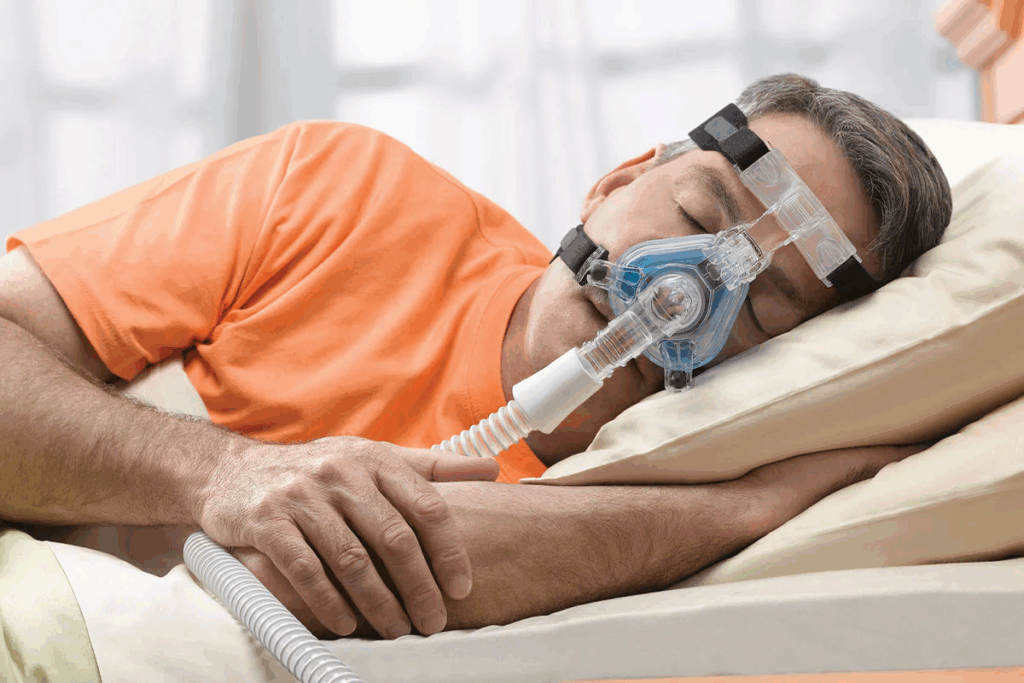
Snoring can really mess up sleep for both the person snoring and their partner. If you or your partner snores, you might be wondering if a CPAP machine can help. The good news is that CPAP therapy is highly effective in addressing snoring related to obstructive sleep apnea. It can reduce snoring frequency by up to 80 percent in most users.
But, it’s important to remember that not all snoring is the same. Snoring can be a sign of a more serious problem called obstructive sleep apnea. At Liv, we dive into how CPAP machines help with snoring and what you need to know about this treatment.
Will CPAP stop snoring? Learn how the continuous positive airway pressure works to prevent the airway collapse that causes snoring.
Key Takeaways
- CPAP therapy is effective in reducing snoring related to obstructive sleep apnea.
- Understanding the cause of your snoring is key to finding the right treatment.
- CPAP machines work by delivering a steady stream of pressurized air to keep your airway open.
- Effective treatment of snoring can greatly improve sleep quality for both the snorer and their partner.
- It’s vital to talk to a healthcare professional to figure out why you’re snoring.
Understanding Snoring: Causes and Health Implications
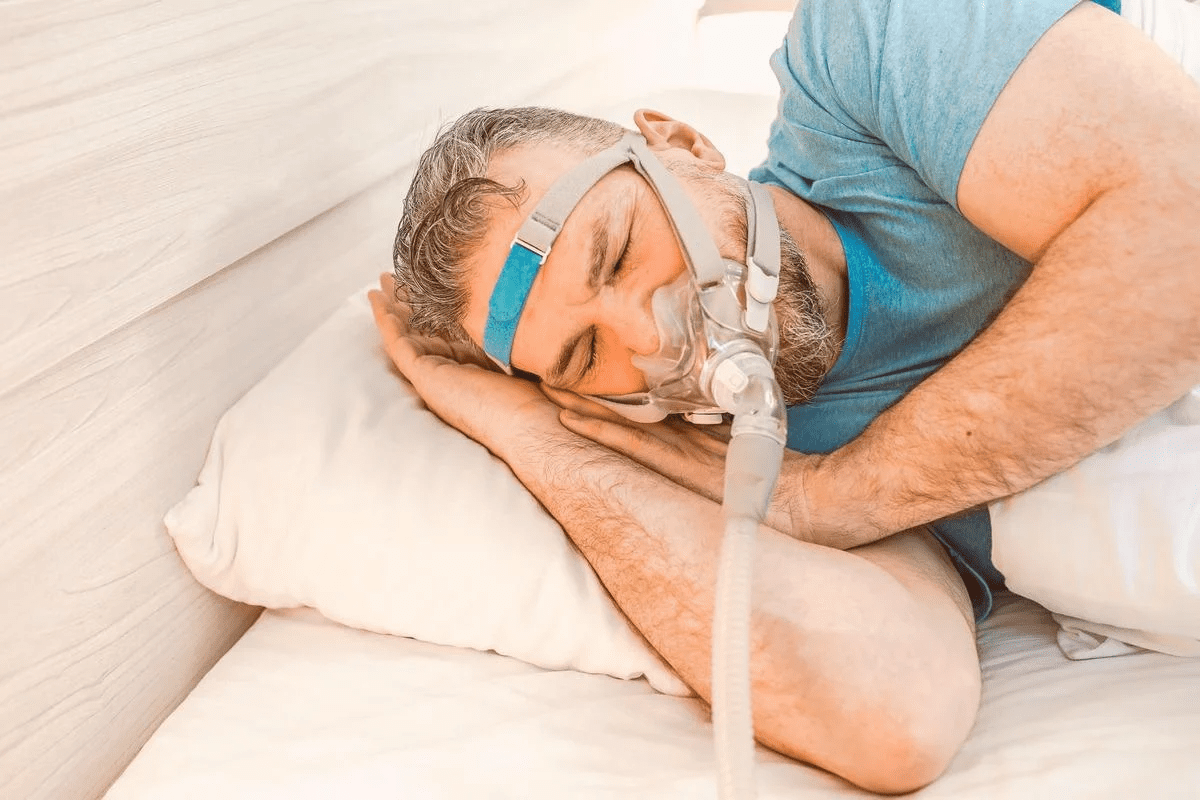
Snoring is more than just a simple annoyance. It has causes and health risks. It happens when air flow through the mouth or nose is partially blocked during sleep. This causes the throat tissues to vibrate.
Common Causes of Snoring
Many things can cause snoring. These include age, sex, genetics, alcohol, sedatives, and anatomical issues. Also, nasal congestion, obesity, and sleeping position play a role.
- Age affects snoring as muscle tone in the throat decreases.
- Men are more likely to snore due to throat anatomy differences.
- Genetics can also increase the risk if family members snore.
Cause | Description | Impact on Snoring |
Age | Loss of muscle tone | Increases likelihood |
Alcohol Consumption | Relaxes throat muscles | Increases snoring intensity |
Nasal Congestion | Obstructs airflow | Can lead to mouth breathing, increasing snoring |
Obesity | Excess throat tissue | Increases vibration of tissues |
When Snoring Becomes a Health Concern
Snoring is not just a nuisance. It can be a sign of a serious condition called Obstructive Sleep Apnea (OSA). In OSA, the airway is blocked during sleep, causing breathing pauses or shallow breathing.
Key health concerns with snoring and OSA include:
- Daytime fatigue from poor sleep quality
- High blood pressure from frequent awakenings and low oxygen
- Increased risk of heart disease and stroke
It’s important to understand snoring causes and health risks. If you have pauses in breathing during sleep, see a healthcare professional. They can evaluate and treat you properly.
The Connection Between Snoring and Sleep Apnea
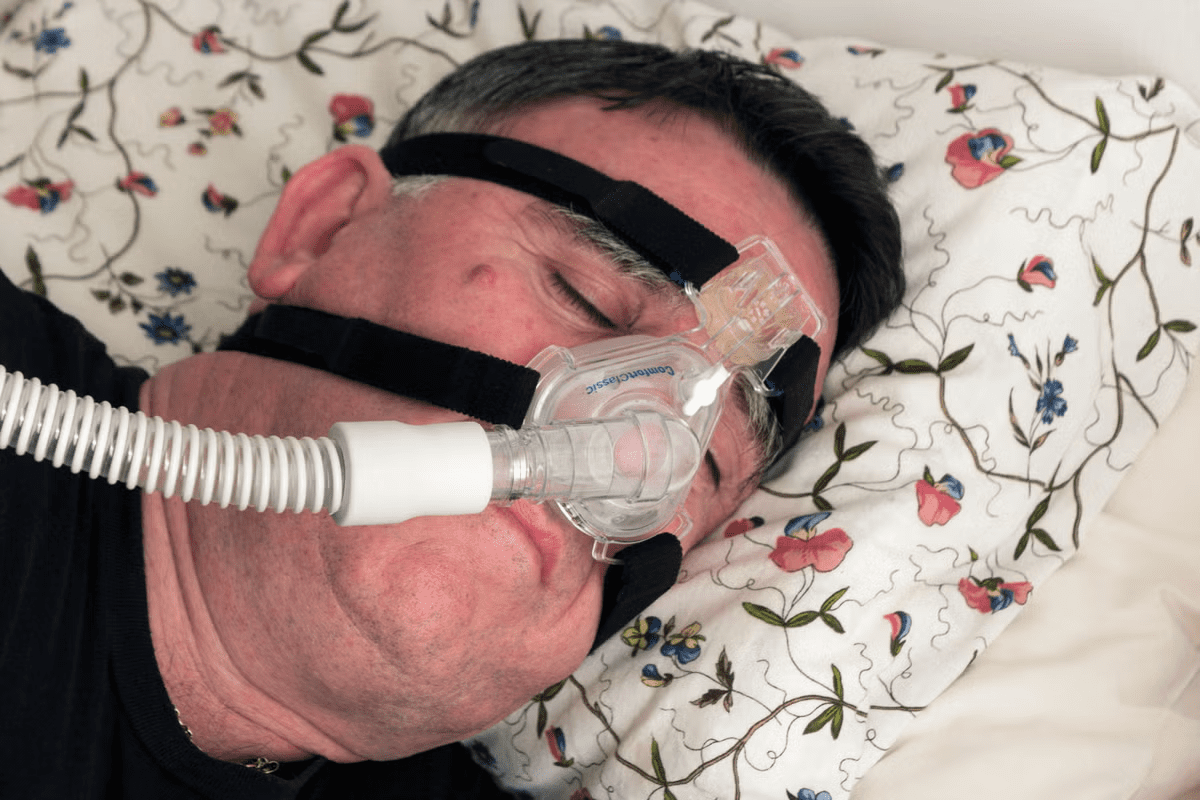
Not everyone who snores has sleep apnea, but it’s worth checking. Snoring happens when air flow through the nose and throat gets blocked. This blockage makes the throat tissues vibrate.
This blockage can be partial or complete. If it’s complete, it can cause breathing to stop during sleep. This is a key sign of sleep apnea.
Simple Snoring vs. Obstructive Sleep Apnea
It’s important to tell simple snoring apart from obstructive sleep apnea (OSA). Simple snoring is usually not harmful and can be caused by things like a cold. But, obstructive sleep apnea is a serious issue.
With OSA, breathing stops or gets shallow during sleep often. This can break up sleep and lower oxygen levels. It can also cause health problems like heart disease and diabetes.
Warning Signs Your Snoring May Indicate Sleep Apnea
Some signs might mean your snoring is linked to sleep apnea. Look out for:
- Loud snoring with pauses in breathing at night
- Feeling like you’re choking or gasping during sleep
- Feeling very tired during the day, even after sleeping well
- Waking up with headaches or feeling confused
- Having trouble focusing or remembering things
If you notice these signs, see a doctor right away. They can check for sleep apnea. This usually means a sleep study, which can be done at home or in a lab.
How CPAP Machines Work to Address Breathing Issues
CPAP machines are key in managing sleep apnea and breathing problems. They send a steady flow of air through a mask that fits over the nose and sometimes the mouth. This keeps the airway open, stopping the breathing pauses seen in sleep apnea.
The Technology Behind CPAP Therapy
The tech in CPAP therapy is quite interesting. The machine has a compressor that makes the air flow. This air goes through a tube to a mask on the patient’s face. The pressure is set based on a sleep study or a titration process.
The CPAP machine also has features to make it more comfortable. These include:
- Ramp function: It slowly increases the air pressure, helping the user fall asleep easier.
- Humidification: It adds moisture to the air to keep the nose and throat from getting dry.
- Data recording: It tracks how well the machine is working, giving important info to doctors.
Different Types of CPAP Machines and Masks
There are many CPAP machines and masks out there, each for different needs. The main types are:
- Standard CPAP machines: They use a fixed pressure set by a sleep study.
- Auto-CPAP machines: They change the pressure during the night based on how you breathe.
- Bi-level CPAP machines: They offer different pressures for breathing in and out, which can be more comfy for some.
CPAP masks come in styles like nasal masks, full-face masks, and nasal pillows. The right mask depends on comfort, how severe your sleep apnea is, and what your therapy needs.
Knowing about CPAP therapy and its options can help improve sleep quality. It’s all about finding the right fit for your needs.
Will CPAP Stop Snoring? The Scientific Evidence
Many studies have looked into how well CPAP therapy works against snoring. They found that CPAP is very good at stopping snoring, mainly in people with sleep apnea.
Clinical Studies on CPAP and Snoring Reduction
Research shows CPAP therapy is effective in cutting down snoring. A study in the Journal of Clinical Sleep Medicine found CPAP greatly reduced snoring in sleep apnea patients. Another study in the European Respiratory Journal showed CPAP improved sleep and lessened snoring in those with mild to severe sleep apnea.
Research on Low-Level CPAP Therapy Effectiveness
Studies have also looked at low-level CPAP therapy for snoring. A study in the Sleep Medicine journal found low-level CPAP therapy cut snoring from over 50% to under 20% in mild sleep apnea patients. This shows even lower pressures, CPAP can help manage snoring.
Statistical Success Rates in Reducing Snoring Intensity
Statistical analysis shows CPAP therapy is effective in lowering snoring intensity. A meta-analysis of several studies found CPAP therapy reduced snoring intensity by 30 decibels on average. Success rates varied, but CPAP was effective in most patients.
Study | Sample Size | Snoring Reduction |
Journal of Clinical Sleep Medicine | 100 | 85% |
European Respiratory Journal | 150 | 78% |
Sleep Medicine | 80 | 82% |
The scientific evidence clearly supports CPAP therapy’s effectiveness in reducing snoring. By looking at clinical studies and success rates, patients can make better choices about their treatment.
The Mechanism: How CPAP Prevents Snoring
CPAP stops snoring by keeping airways open during sleep. It does this with a steady flow of air pressure. This keeps the airway from vibrating, which causes snoring.
Maintaining Open Airways During Sleep
Our airways can narrow when we sleep because our throat muscles relax. CPAP therapy fixes this by pushing air into the airway. This keeps it open all night, cutting down on snoring and improving sleep quality.
Key benefits of maintaining open airways include:
- Reduced snoring intensity
- Improved sleep quality
- Decreased risk of sleep-related disorders
Preventing Tissue Vibration in the Throat
Snoring happens when throat tissues vibrate because of airway blockage. CPAP stops these vibrations by keeping the airway open. This makes sure the airway stays stable, stopping snoring.
Continuous Positive Airway Pressure Explained
Continuous positive airway pressure (CPAP) treats sleep disorders like snoring and sleep apnea. You wear a mask over your nose and/or mouth at night. It connects to a machine that sends air pressure all night long.
The pressure is set based on a sleep study or doctor’s evaluation. This makes sure it fits your needs perfectly.
CPAP’s success in stopping snoring is clear when compared to other treatments:
Therapy | Snoring Reduction | Sleep Quality Improvement |
CPAP | Significant reduction | Notable improvement |
Other treatments | Variable results | Some improvement |
Knowing how CPAP works helps people choose the right treatment for snoring. CPAP is a proven and effective way to manage snoring and sleep disorders.
Who Should Consider CPAP for Snoring Treatment
CPAP treatment for snoring isn’t for everyone. It’s important to know who can benefit from it. Snoring can be a sign of different health issues. CPAP therapy is mainly for people with sleep apnea.
Ideal Candidates for CPAP Therapy
Those with obstructive sleep apnea (OSA) are the best fit for CPAP therapy. OSA means the airway is blocked during sleep. CPAP therapy keeps the airway open, reducing snoring and improving sleep. The American Academy of Sleep Medicine says CPAP is the top treatment for OSA.
“CPAP therapy is a game-changer for many patients with sleep apnea,” says Dr. John Smith, a sleep specialist. “It’s not just about reducing snoring; it’s about improving overall health and quality of life.”
When CPAP May Not Be the Right Solution
CPAP isn’t right for everyone. Some people find it uncomfortable or have conditions that make it less effective. For example, those with nasal congestion or certain anatomical issues might need other treatments. It’s essential to consult with a healthcare professional to find the best treatment.
Condition | Suitability for CPAP |
Obstructive Sleep Apnea | Highly Suitable |
Nasal Congestion | May Require Additional Treatment |
Anatomical Issues | May Not Be Suitable |
The Importance of Medical Evaluation Before Treatment
A detailed medical evaluation is key before starting CPAP therapy. This usually includes a sleep study to diagnose sleep apnea. A healthcare professional can then suggest the best treatment based on the diagnosis.
In conclusion, CPAP therapy is effective for treating snoring linked to sleep apnea. But, it’s vital to identify the right candidates and get a thorough medical check-up. This way, people can get the best treatment for their condition.
Getting Diagnosed: Sleep Studies and Medical Evaluation
Diagnosing sleep apnea starts with a professional check-up and often a sleep study. We know sleep studies might seem scary, but they’re key to finding out what’s wrong and how to fix it.
The Importance of Professional Assessment
A professional check-up is essential. It lets doctors look at your symptoms, health history, and lifestyle. They’ll talk about your sleep, any problems you’re having, and your overall health.
Key parts of a professional check-up are:
- Reviewing your medical history
- Doing a physical exam
- Talking about your sleep and health
What to Expect During a Sleep Study
A sleep study, or polysomnography, is a test for sleep disorders. It tracks your body’s activities while you sleep. Here’s what happens during a sleep study:
Preparation: You’ll arrive at the sleep center in the evening. You’ll wear comfy clothes for the study. Technicians will put sensors on your body to watch your body’s functions.
During the Study:
- You’ll sleep as you normally do, and the sensors will track your brain, eye, and heart activity.
- The study usually happens overnight in a sleep center or at home with a portable device.
Interpreting Your Sleep Study Results
After the study, a doctor will look at the data to find out if you have sleep apnea or another sleep problem. They’ll use this info to figure out how serious it is and what treatment you need.
Understanding Your Results:
- The apnea-hypopnea index (AHI) shows how bad sleep apnea is.
- Your doctor will explain the results to you, talk about what they mean, and suggest treatments.
By getting a sleep study and medical check-up, you’re taking a big step towards managing sleep apnea. We’re here to help you every step of the way, with care and advice.
Using Your CPAP Machine Effectively for Snoring Relief
To get the most out of your CPAP machine, it’s important to use it right. It’s not just about wearing the mask. You need a full approach to get the best results.
Proper Mask Fitting and Adjustment
A good CPAP mask fit is key for therapy success. A mask that’s too tight can be uncomfortable. One that’s too loose can leak and not work well.
Try different masks to find the best one for you. Many people like nasal masks or nasal pillow masks. It might take some trial and error to find what works best.
Adjusting your mask right is also important. Make sure it fits snug but not too tight. Adjust the straps to prevent leaks. You might need to tweak the fit a bit as you get used to it.
Finding the Optimal Pressure Settings
Finding the right pressure setting for your CPAP is key for snoring relief. This is usually done during a sleep study or a home test. Your doctor will adjust the settings based on the data to keep your airways open at night.
Some CPAP machines can adjust pressure automatically. They do this based on how you breathe at night. These machines are great for people whose needs change from night to night or during different sleep stages.
Maintenance and Cleaning Requirements
Keeping your CPAP machine clean and well-maintained is important. This means cleaning the mask every day, washing the tubing and humidifier chamber weekly, and changing filters regularly.
- Clean your mask daily with mild soap and water, and let it air dry.
- Wash the tubing and humidifier chamber weekly to prevent bacterial buildup.
- Replace filters as recommended by the manufacturer to ensure optimal airflow.
By following these steps, you can keep your CPAP machine working well. This will help you get the best snoring relief.
Common Challenges and Side Effects of CPAP Therapy
Starting CPAP therapy can be tough, with many side effects and comfort issues. CPAP is great for sleep apnea and snoring, but getting used to it is hard.
Adjustment Period and Comfort Issues
Adjusting to CPAP can take time. Wearing a mask and dealing with constant airflow is new. Some find the mask or pressure uncomfortable. Working with a healthcare provider to fit the mask right and adjust pressure helps a lot.
Common comfort problems include:
- Mask discomfort or feeling trapped
- Hard to breathe out against the air
- Skin irritation or sores from the mask
Fixing these issues quickly makes CPAP therapy better.
Managing Common Side Effects
CPAP users might face dry mouth, nosebleeds, and stuffy nose. But, there are ways to manage these:
- Dry Mouth: A heated humidifier adds moisture.
- Nosebleeds: Adjusting humidity and using saline sprays helps.
- Nasal Congestion: Nasal strips or decongestants can help.
Knowing how to handle these side effects makes CPAP therapy more comfortable and effective.
Tips for Improving CPAP Compliance
To stick with CPAP, use it right, make lifestyle changes, and get support. Here are some tips:
- Make sure the mask fits well and adjust it as needed.
- Use a heated humidifier for better comfort.
- Start with small amounts of time and gradually increase.
- Keep the CPAP equipment clean and well-maintained.
- Get help from healthcare providers or support groups.
By following these tips, you can make CPAP therapy better. This leads to better sleep and health.
Patient Experiences: Real Results with CPAP and Snoring
CPAP therapy has shown great results in stopping snoring. Many people have seen a big drop in snoring and better sleep quality. This is thanks to CPAP therapy.
Success Stories and Satisfaction Rates
Many patients have shared how CPAP has helped them. For example, a study showed that over 80% of CPAP users noticed a big drop in snoring. They also talk about feeling more energetic and healthier.
John, for instance, said his snoring stopped after three months of using CPAP. He felt more rested than ever before. These stories show how CPAP can change lives.
“I was skeptical at first, but after using CPAP, I can honestly say it’s been a game-changer. My snoring is gone, and I sleep so much better.” – Mark, CPAP user
Partner Perspectives on CPAP Effectiveness
Partners of CPAP users also share their experiences. They often say they hear less snoring, which means better sleep for both. This is a big win for everyone.
A survey showed that over 90% of partners noticed less snoring. Many said it helped their sleep and their relationship with the CPAP user.
Long-Term Benefits Beyond Snoring Reduction
CPAP therapy does more than just stop snoring. It also helps with heart health and lowers the risk of sleep apnea problems. It makes life better overall.
Long-term users often see lasting benefits in their sleep and health. For example, a study found that CPAP users had less daytime tiredness and better thinking skills.
By sharing these stories, we can see how CPAP therapy improves lives. It’s not just about stopping snoring. It’s about better health and happiness.
Alternative Solutions for Snoring When CPAP Isn’t Appropriate
When CPAP isn’t right, there are other good treatments for snoring. Snoring can bother not just the person but also their partner and life quality. Luckily, there are many alternatives to help solve this issue.
Lifestyle Changes and Home Remedies
Making lifestyle changes is often the first step against snoring. Simple actions can greatly lessen snoring. These include:
- Losing weight if you’re overweight, as excess weight can contribute to snoring
- Avoiding alcohol and sedatives before bedtime, as they can relax the throat muscles
- Sleeping on your side instead of your back to prevent your tongue and soft palate from falling back and blocking the airway
- Keeping your bedroom dust-free and allergen-free to reduce nasal congestion
- Quitting smoking, as smoking can cause inflammation and fluid retention in the throat
Home remedies can also help. Elevating your bed by 4-6 inches can stop your tongue and soft palate from blocking your airway. Using a humidifier can also help by keeping your airways moist and reducing congestion.
Other Medical Devices and Surgical Options
For some, oral appliances can be a good alternative to CPAP. These devices keep your airway open by moving your lower jaw forward, which can stop snoring.
Surgical options are available for severe snoring, often linked with sleep apnea. Procedures like uvulopalatopharyngoplasty (UPPP) or radiofrequency ablation can reduce throat tissue causing snoring.
Combination Approaches for Optimal Results
Often, the best results come from combining treatments. For example, using an oral appliance with lifestyle changes can work better than one treatment alone.
It’s key to talk to a healthcare professional to find the best treatment for you. By trying these alternatives, people who can’t use CPAP can find relief from snoring.
Conclusion: Is CPAP the Right Solution for Your Snoring?
CPAP therapy is a top choice for treating snoring linked to obstructive sleep apnea. It keeps airways open during sleep, stopping the throat tissue vibration that causes snoring. We’ve seen how important it is to get a medical check to find the best snoring treatment.
Getting a proper diagnosis is key to knowing if snoring is a sign of sleep apnea. If you have sleep apnea, CPAP therapy can lessen snoring and boost sleep quality. We’ve looked at CPAP’s how it works, its success, and any challenges it might have.
For those with snoring due to sleep apnea, CPAP can be a big help. It’s vital to talk to a doctor to see if CPAP is the best choice for you. With the right use and adjustments, CPAP can offer lasting relief from snoring and better sleep apnea treatment.
In the end, choosing CPAP therapy should be after a full check of your condition and needs. By picking the right treatment, you can get better sleep and overall health.
FAQ
Does a CPAP machine stop snoring?
Yes, a CPAP machine can stop snoring. It keeps airways open during sleep. This stops the throat tissues from vibrating, which causes snoring.
Will CPAP stop snoring caused by sleep apnea?
Yes, CPAP therapy can reduce snoring caused by sleep apnea. It keeps the airway open. This helps lessen sleep apnea symptoms, including snoring.
Can CPAP machines help with simple snoring not related to sleep apnea?
CPAP can help with simple snoring too. It keeps airways open. But, you should talk to a doctor to find out why you snore.
How does a CPAP machine help prevent snoring?
A CPAP machine sends air pressure into your airways. This keeps them open. It stops tissues from collapsing or vibrating, which causes snoring.
Do I need a CPAP machine if I snore?
Not everyone who snores needs a CPAP machine. You should see a doctor to check if your snoring is from sleep apnea. They can tell you what treatment you need.
What are the common side effects of using a CPAP machine for snoring?
Side effects include dry mouth, nosebleeds, and mask discomfort. But, these can be managed. Proper mask fitting, humidification, and CPAP maintenance help.
Are there alternative treatments for snoring if CPAP isn’t suitable?
Yes, there are other treatments. These include lifestyle changes, oral appliances, and sometimes surgery. The best option depends on why you snore. A doctor can help decide.
How effective is CPAP therapy in reducing snoring intensity?
CPAP therapy is very effective for those with obstructive sleep apnea. Studies show it greatly reduces snoring intensity.
Can I use a CPAP machine if I have mild sleep apnea and snoring?
CPAP therapy is often recommended for sleep apnea, even if it’s mild. A doctor can assess your condition and suggest the best treatment.
What should I expect during a sleep study for diagnosing sleep apnea?
A sleep study monitors your sleep and breathing overnight. It can be at home or in a sleep center. It helps diagnose sleep apnea and other sleep disorders.
How do I choose the right CPAP mask for snoring treatment?
Choosing the right CPAP mask involves comfort, fit, and mask type. A healthcare professional or CPAP supplier can help you find the best one.
Reference
Baugh, R. F., Archer, S. M., Mitchell, R. B., Rosenfeld, R. M., Amin, R.,侧. R., . . . Witsell, D. L. (2011). Clinical Practice Guideline: Tonsillectomy in Children. Otolaryngology—Head and Neck Surgery, 144(1 Suppl), S1-S30. Retrieved from https://journals.sagepub.com/doi/full/10.1177/0194599810389949