
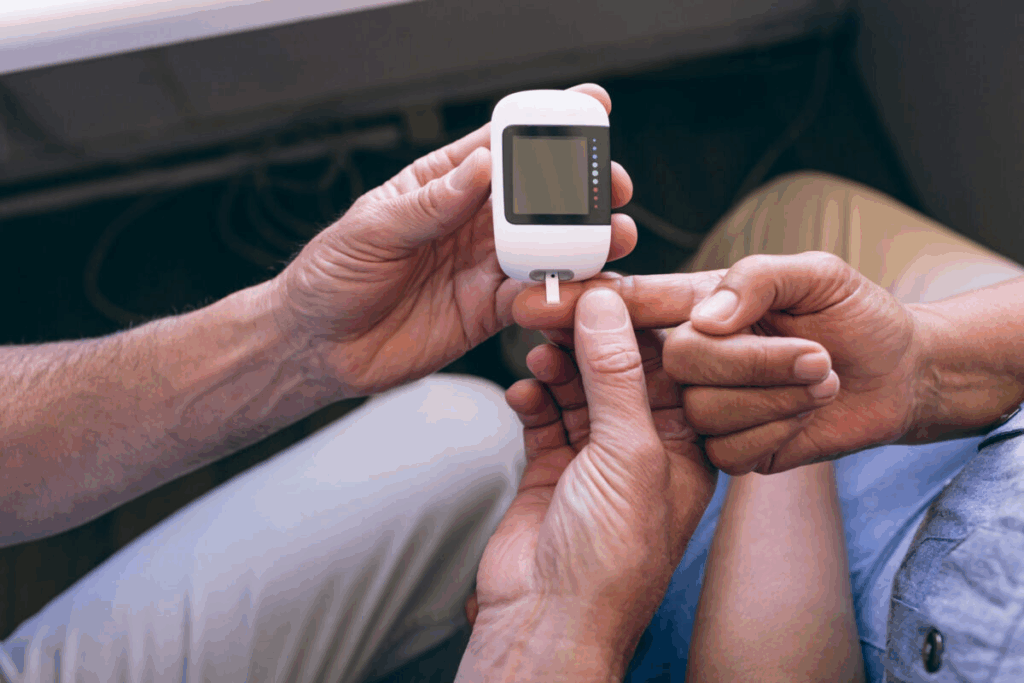
Millions of people worldwide take statins to keep their hearts healthy. But, there’s worry about statin-induced diabetes. Studies show that statins can slightly raise blood sugar and diabetes risk. But, stopping this important heart medicine is not usually the solution will stopping statins reverse diabetes.
We’ll look into how statins and diabetes are connected. We’ll see the true risks and benefits. Places like Liv Hospital carefully think about this issue.
Key Takeaways
- Statins can increase the risk of developing type 2 diabetes.
- The benefits of statins in reducing cardiovascular risk often outweigh the risks.
- Discontinuing statins is rarely recommended, even for patients at risk of diabetes.
- Careful consideration and monitoring are necessary for patients taking statins.
- Leading healthcare institutions provide guidance on managing statin-induced diabetes risk.
The Connection Between Statins and Diabetes

Exploring the link between statins and diabetes is key. Statins are drugs that lower cholesterol and help manage heart disease. But, they can also affect blood sugar levels and increase diabetes risk.
What Are Statins and How Do They Work?
Statins block an enzyme in the liver that makes cholesterol. This action lowers “bad” cholesterol in the blood. It’s a main way statins help prevent heart disease.
Key aspects of statin therapy include:
- Effective reduction of LDL cholesterol levels
- Primary and secondary prevention of cardiovascular events
- Potential impact on glucose metabolism
The Paradox: Cardiovascular Benefits vs. Metabolic Risks
Statins are a double-edged sword. They greatly lower heart disease risk but might raise diabetes risk.
The metabolic risks of statins include:
- Increased blood glucose levels
- Insulin resistance
- Potential impact on pancreatic beta-cell function
Prevalence of Statin-Associated Diabetes
Long-term statin use can raise diabetes risk, more so in some groups.
Population | Risk Increase |
General Population | 10-12% |
High-Risk Patients | Up to 30% |
Scientific Evidence: How Statins May Influence Blood Sugar

Statins are often used to help the heart. But, they might also affect how our body handles sugar. The link between statins and blood sugar is not simple.
Mechanisms Behind Statin-Induced Insulin Resistance
Statins could make it harder for our bodies to use insulin well. This might raise our blood sugar levels. They might affect how muscles take up glucose, which is important for controlling blood sugar.
Some statins can lower the amount of GLUT4 in muscles. This makes it harder for insulin to help take glucose into cells.
The JUPITER trial found that rosuvastatin increased the risk of diabetes by 27%. This shows that some statins might not be good for our blood sugar levels.
Impact on Pancreatic Beta Cell Function
Statins might also harm how our pancreas makes insulin. They could reduce how well our pancreas makes insulin. This could lead to higher blood sugar levels.
“Statins can hurt the function and survival of pancreatic beta cells. This could mean less insulin and higher blood sugar levels.”
Effects on Glucose Metabolism Pathways
Statins can affect how our body handles glucose in different ways. They can change how our liver makes glucose and how sensitive we are to insulin. The effects can depend on the type and amount of statin used.
- Some statins might make the liver produce more glucose.
- Others might make us less sensitive to insulin.
In short, statins can affect our blood sugar levels in several ways. They can make it harder for our bodies to use insulin, harm our pancreas, and change how we handle glucose. Knowing how statins work is key to helping patients.
Risk Factors for Developing Diabetes While on Statins
Statins help manage cholesterol but can raise the risk of diabetes in some people. It’s important for doctors to know these risks to decide on statin treatment.
Pre-existing Conditions That Increase Risk
Some health conditions make diabetes risk higher when taking statins. These include:
- Prediabetes: People with prediabetes are more likely to get diabetes on statins.
- Obesity: Being overweight or obese raises diabetes risk, and statins can make it worse.
- Family History: A family history of diabetes also increases the risk.
Dose-Dependent Relationships
The strength of statin therapy affects diabetes risk. High-intensity statins can raise diabetes risk by about 20% or more. We need to think about the dose when prescribing statins.
Statin Intensity | Diabetes Risk Increase |
Low-Moderate Intensity | Minimal Increase |
High Intensity | Approximately 20% or more |
Different Statin Types and Their Diabetogenic Potentials
Not all statins are the same in terms of diabetes risk. Some statins may be more likely to cause diabetes than others. For example:
- Atorvastatin and simvastatin have been linked to a higher risk.
- Pitavastatin and pravastatin might have a lower risk.
When choosing a statin, we should consider these differences, mainly for those at higher diabetes risk.
Key Research Findings on Statin-Diabetes Connection
Recent studies have uncovered the complex link between statins and diabetes. The relationship is influenced by genetics, diet, exercise, and lifestyle. This makes understanding the connection between statins and diabetes very important.
The JUPITER Trial Results
The JUPITER trial was a key study on statins and diabetes. This trial found that rosuvastatin, a common statin, increased diabetes risk. It showed the need to consider statins’ effects on diabetes, even in those at risk.
Meta-Analyses and Population Studies
Many meta-analyses and studies have explored statins and diabetes. They found that not all statins increase diabetes risk equally. The risk depends on the statin type, dosage, and patient characteristics.
Relative vs. Absolute Risk Increase
It’s important to understand the difference between relative and absolute risk. Studies show a significant relative risk increase, but the absolute risk is low for most. This helps healthcare providers and patients make informed choices about statins.
Deciding on statin therapy involves balancing heart benefits against metabolic risks. By looking at the latest research, we can make better decisions for our patients.
Will Stopping Statins Reverse Diabetes? What the Evidence Shows
Statins are key in preventing heart disease. But, how they affect blood sugar levels is important. Stopping statins might help with diabetes, but it depends on many things.
Case Studies and Clinical Observations
Studies have looked at what happens when people stop taking statins. Observational studies show early-stage type 2 diabetes or prediabetes might get better. This is because insulin sensitivity and blood sugar levels can improve.
A study in the Journal of Clinical Endocrinology and Metabolism found statin stoppage helped type 2 diabetes patients. But, it’s important to remember this doesn’t work for everyone.
Timeframe for Possible Blood Sugar Improvements
How fast blood sugar can get better after stopping statins varies. Some studies say changes can happen in weeks to months.
- Short-term improvements (within 1-3 months) may be seen in some individuals.
- Long-term benefits may take up to 6-12 months to become apparent.
- Individual responses can vary based on factors such as the type of statin used, dosage, and duration of therapy.
Factors That Influence Recovery
Several things can affect how well someone recovers from statin-induced diabetes or improves blood sugar levels after stopping statins:
- Pre-existing metabolic conditions: People with prediabetes or early-stage type 2 diabetes might recover better.
- Duration of statin therapy: How long someone has been on statins can affect the chance of reversing diabetes.
- Lifestyle factors: Diet, exercise, and managing weight are key for glucose metabolism and recovery.
In conclusion, stopping statins might help some people with diabetes or improve blood sugar levels. But, it’s not a solution for everyone. Each person’s situation is different. Decisions about statins should always be made with a healthcare provider.
Weighing the Benefits Against Risks
Deciding to start or keep taking statins is a big choice. It involves looking at how they protect the heart and the chance they might raise diabetes risk. It’s important to understand how statins help patients and the possible downsides.
Cardiovascular Protection vs. Diabetes Risk
Statins are often given to lower heart attack and stroke risk. They work by cutting down LDL cholesterol, which helps a lot. But, they might also up the chance of getting diabetes. It’s all about finding the right balance for each patient.
Here are the heart benefits and diabetes risks of statins:
- Heart benefits: Less chance of heart attacks, strokes, and death from heart disease.
- Diabetes risk: Might increase the risk of getting type 2 diabetes, more so in some people.
Individualized Risk Assessment
Not everyone faces the same diabetes risk with statins. Things like age, family diabetes history, BMI, and other health risks matter a lot. It’s vital to tailor the risk assessment to each person.
Healthcare providers should look at:
- The patient’s health history and current state.
- Diabetes risk factors they might have.
- The statin type and dose they’re on.
When Benefits Outweigh the Risks
For many, the heart benefits of statins are more important than the diabetes risks. In these cases, keeping on statins is the right choice. But, for those at high diabetes risk, other options might be better. Regular checks and monitoring are key for managing statin therapy well.
Here’s a table to help weigh the benefits and risks:
Patient Profile | Cardiovascular Risk | Diabetes Risk | Decision |
High cardiovascular risk, low diabetes risk | High | Low | Continue statin therapy |
High cardiovascular risk, high diabetes risk | High | High | Monitor closely, consider alternatives |
By looking at each patient’s situation carefully, doctors can make the best choices. This helps improve health outcomes for everyone.
Alternative Approaches for Patients Concerned About Diabetes Risk
Patients worried about statins and diabetes are looking at other ways to manage cholesterol. There are many options, from safer statins to lifestyle changes that can lower cholesterol.
Lower-Risk Statin Options
For those at risk of diabetes but need statins, there are safer choices. Pravastatin might be a better option than atorvastatin or simvastatin in some studies. This is because it could have a lower risk of causing diabetes.
- Pravastatin might be a good choice for those at high diabetes risk.
- It’s important to watch blood sugar when starting statins.
- Talk to your doctor about your specific risks.
Non-Statin Cholesterol-Lowering Medications
For those worried about statin side effects or diabetes risk, there are other options. These include:
- Bile acid sequestrants like cholestyramine to lower LDL cholesterol.
- Cholesterol absorption inhibitors such as ezetimibe, used alone or with statins.
- PCSK9 inhibitors, a new class that lowers LDL cholesterol a lot.
These alternatives can manage cholesterol without the diabetes risk of some statins.
Lifestyle Modifications for Cholesterol Management
Lifestyle changes are key in managing cholesterol. Dietary changes, more exercise, and weight control can greatly improve cholesterol and heart health.
“Lifestyle changes can be as effective as statins in reducing cardiovascular risk in some patients,” notes a recent clinical guideline. “A complete plan that includes diet, exercise, and weight control should be considered for all patients at risk of cardiovascular disease.”
We suggest patients work with their doctors to create a personalized plan. This plan should include these lifestyle changes.
By trying these alternative methods, patients can manage their cholesterol. This way, they can lower their diabetes risk without statins.
Making the Decision: When to Consider Stopping Statins
Deciding to stop statin therapy is a big decision. It involves weighing the heart health benefits against the risks of diabetes. This includes the chance of diabetes getting worse.
Consulting with Healthcare Providers
It’s important to talk to your doctor before stopping statins. They can give advice based on your health history and current condition.
Monitoring Blood Sugar While on Statins
Keeping an eye on blood sugar is key for statin users. Regular tests can spot problems early, helping to act fast.
Gradual Tapering vs. Abrupt Discontinuation
There are two ways to stop statins: tapering off or stopping cold turkey. Gradual tapering is usually better to avoid sudden side effects or spikes in cholesterol.
Warning Signs That Warrant Medication Reassessment
Some signs mean it’s time to rethink statin use. These include big changes in blood sugar, liver issues, or other metabolic problems.
Consideration | Factors to Evaluate | Action |
Cardiovascular Risk | History of heart disease, stroke, or high cholesterol | Continue statins if high risk |
Diabetes Risk | Family history, obesity, physical inactivity | Monitor blood sugar closely |
Side Effects | Muscle pain, liver enzyme changes | Consider alternative statins or non-statin therapies |
Conclusion: Balancing Cardiovascular Protection and Diabetes Risk
We’ve looked into how statin drugs affect diabetes, showing both risks and benefits. The big question is: can stopping statins help reverse diabetes? Some studies say yes, but only with a doctor’s advice.
Managing diabetes is more than just medicine. It’s about diet, exercise, and more. Finding the right balance between heart health and diabetes risk is key. We need to think about each person’s situation carefully.
Knowing how statins affect insulin and pancreatic cells helps us understand the risks. We might also look at lifestyle changes or other drugs to lower cholesterol. These options could be safer for those worried about diabetes.
In the end, the choice to keep or stop statins depends on many factors. It’s best to talk to a doctor to figure out what’s best for your health. They can help you manage both heart health and diabetes risk.
FAQ
Can statins cause diabetes?
Studies show statins might raise diabetes risk, mainly in those with risk factors. Yet, statins’ heart benefits often outweigh the diabetes risk.
Will stopping statins reverse diabetes?
Some research suggests stopping statins can help blood sugar levels in some. But, always talk to a doctor first, as it could affect heart health.
What are the risk factors for developing diabetes while on statins?
People with conditions like high blood sugar, obesity, or diabetes in their family are at higher risk. The risk also depends on the statin type and dose.
Are there alternative strategies for managing cholesterol and reducing diabetes risk?
Yes, you can try diet, exercise, or other cholesterol drugs. Some statins might be safer for diabetes risk.
How should I decide whether to stop taking statins?
Talk to your doctor about stopping statins. They’ll consider your heart and diabetes risks, and overall health.
Can statin diabetes be managed while continuing statin therapy?
Yes, managing diabetes risk is possible with statins. Monitor blood sugar and make lifestyle changes or add medications as needed.
What is the impact of statins on glucose metabolism?
Statins can change how your body handles sugar. They might make insulin resistance worse and affect pancreas function, leading to high blood sugar.
Are there any statins that are safer in terms of diabetes risk?
Some statins might be safer for diabetes risk than others. Research shows different statins have different effects on diabetes risk.
References
National Center for Biotechnology Information. Evidence-Based Medical Guidance. Retrieved from https://www.ncbi.nlm.nih.gov/pmc/articles/PMC9835812/