Last Updated on December 1, 2025 by Bilal Hasdemir

Did you know that kidney cancer in children often shows non-specific symptoms? This makes it hard to catch early. Wilms tumor, a type of kidney cancer, affects kids and can cause abdominal pain.
Understanding where Wilms tumor pain typically occurs (abdomen, flank) and its severity.
It’s important to know about the pain from Wilms tumor for early detection and treatment. The pain can feel like stomach discomfort or swelling. This shows why it’s key to be aware of pediatric cancer symptoms.
Key Takeaways
- Wilms tumor is a type of kidney cancer that affects children.
- Abdominal pain is a common symptom of Wilms tumor.
- Early detection is key for effective treatment.
- Knowing about pediatric cancer symptoms is vital.
- Understanding Wilms tumor pain helps in diagnosis.
Understanding Wilms Tumor: A Brief Overview

It’s important to know about Wilms tumor to catch it early. This rare kidney cancer in kids is a big deal in pediatric oncology.
What is Wilms Tumor?
Wilms tumor starts in the kidneys and mostly hits kids. It forms a big tumor in one or both kidneys. We don’t know the exact cause, but genetics play a role.
“The most common type of kidney cancer in children, Wilms tumor accounts for about 6% of all childhood cancers.” This shows why we need to know about it.
Prevalence and Demographics
Wilms tumor is rare, with about 650 new cases in the U.S. each year. It mostly affects kids aged 3 to 4, with girls slightly more at risk. Kids with certain genetic conditions are more likely to get it.
- Age: Typically diagnosed between 3 and 4 years old
- Gender: Slightly more common in girls
- Genetic predisposition: Certain conditions increase the risk
General Disease Progression
Wilms tumor grows differently in each child. At first, it grows in the kidney, causing swelling or pain. If it gets worse, it can spread to places like the lungs or liver.
Early detection is critical for good treatment and better chances. Keeping an eye out for signs and symptoms can really help.
Wilms Tumor Pain: Primary Locations and Characteristics

Understanding Wilms tumor pain is key for early detection and treatment. Children with this tumor often feel abdominal pain and swelling. These are early signs of the disease.
Abdominal Pain Patterns
Abdominal pain is a common symptom in kids with Wilms tumor. The pain can spread out or be focused on one side. It depends on the tumor’s size and where it is.
In some cases, the pain may also cause nausea or a loss of appetite.
Flank Pain Manifestations
Flank pain happens on the sides of the body, between the ribs and hips. It’s a common pain pattern with Wilms tumor. This pain can come from the tumor pressing on nerves or other structures.
Pain Intensity and Duration
The pain from Wilms tumor can vary a lot. Some kids might feel mild, occasional pain. Others might have severe, constant pain that makes daily life hard.
It’s important for parents and doctors to spot these pain patterns. This helps get a diagnosis and manage the pain quickly.
Abdominal Symptoms and Discomfort
Wilms tumor can cause various symptoms in the abdomen, like swelling and tenderness. These signs are important because they show how the disease is affecting the child’s health.
Abdominal Swelling and Distension
Abdominal swelling or distension is a key sign of Wilms tumor. The tumor grows, making the abdomen bigger. This swelling can be noticeable and may cause discomfort or pain.
Abdominal Mass Detection
An abdominal mass can be felt by parents or during a doctor’s check-up. This mass is usually hard and found in the abdomen. Finding one means it’s time to find out what’s causing it.
Tenderness and Sensitivity
The area around the tumor can feel tender and sensitive to the touch. This happens because the tumor is growing and affecting nearby tissues and organs. Children might say their belly hurts when it’s touched or pressed.
Knowing about these symptoms is key for catching Wilms tumor early. If a child shows any of these signs, it’s important to see a doctor right away.
Flank and Side Pain in Children with Wilms Tumor
Wilms tumor is a kidney cancer in kids that often shows up as flank pain. This pain is a key sign that needs to be looked at closely.
Distinguishing Features of Flank Pain
Flank pain from Wilms tumor feels like a dull ache or a heavy feeling in the side or back. It can stay the same or get worse as the tumor grows.
Key characteristics of flank pain in Wilms tumor include:
- Pain located in the flank or side area
- Dull, aching, or heavy feeling
- Possible variation in intensity over time
Unilateral vs. Bilateral Pain
Wilms tumor usually hits one kidney, causing pain on one side. But, if it affects both kidneys, the pain can be on both sides.
| Pain Characteristic | Unilateral Pain | Bilateral Pain |
| Typical Presentation | One-sided pain, corresponding to the affected kidney | Pain on both sides, indicating bilateral kidney involvement |
| Frequency in Wilms Tumor | More common, as Wilms tumor usually affects one kidney | Less common, but possible in cases of bilateral Wilms tumor |
Pain Triggers and Alleviating Factors
Knowing what makes flank pain better or worse in kids with Wilms tumor is key. Some activities or positions might make the pain worse, while others might help.
Factors that may influence flank pain include:
- Movement or physical activity
- Positioning, such as lying down or sitting
- Pressure on the abdomen or flank area
Parents and caregivers should watch for these factors and tell doctors about any changes or worries.
Understanding flank pain and its causes helps doctors diagnose and treat Wilms tumor in kids better.
Back Pain and Referred Pain Patterns
Wilms tumor can cause back pain. This happens because the tumor affects nearby structures and nerves. Knowing how this symptom works is key for the right diagnosis and treatment.
Mechanisms of Referred Pain
Referred pain is when you feel pain in a place that’s not where the pain is. For Wilms tumor, this means feeling back pain. This is because the tumor irritates the tissues and nerves around it.
Key factors influencing referred pain include:
- The size and location of the tumor
- The involvement of surrounding nerves and structures
- The individual’s pain perception thresholds
Back Pain Characteristics
Back pain from Wilms tumor can feel different for everyone. It might be constant or come and go. It can be mild or very severe.
| Characteristic | Description |
| Intensity | Mild to severe |
| Duration | Constant or intermittent |
| Location | Typically unilateral, corresponding to the tumor’s location |
Distinguishing Tumor Pain from Other Causes
It’s important to tell if back pain is from Wilms tumor or something else. Look for signs like where the pain is and if there are other symptoms like blood in the urine or a big belly. These can help figure out what’s causing the pain.
Clinical evaluation and diagnostic imaging play a big role in finding out why kids have back pain.
Pressure Symptoms from Tumor Growth
As a Wilms tumor grows, it can press on nearby organs. This causes various symptoms. These symptoms affect different parts of the body.
Effects on Surrounding Organs
The tumor can push against or move nearby organs like the intestines, stomach, and liver. This can make these organs uncomfortable and not work right. It adds to the overall symptoms.
Gastrointestinal Pressure Symptoms
The tumor’s pressure on the digestive tract can cause stomach issues. Symptoms include nausea, vomiting, and changes in bowel habits. Sometimes, it can block part of the intestines, causing belly swelling and pain.
Urinary System Pressure Symptoms
The tumor can also affect the urinary system. Symptoms include urinary frequency, urgency, or difficulty urinating. In serious cases, it can block the urinary tract, leading to hydronephrosis.
The pressure from the Wilms tumor on organs and systems is why quick diagnosis and treatment are key. Knowing these symptoms helps doctors give the right care.
Early Warning Signs: Beyond Pain
There are signs other than pain that can show Wilms tumor in kids. It’s key to spot these early for quick medical help.
Non-Pain Symptoms to Watch For
Look out for nausea, high blood pressure, and fever too. These signs come from the tumor affecting organs and health.
- Nausea and vomiting can cause dehydration if not treated.
- High blood pressure might happen because of the tumor’s impact on the kidneys.
- Fever could mean an infection or the body fighting the tumor.
Systemic Symptoms
Systemic symptoms affect the whole body. For Wilms tumor, these include:
- Weight loss from the tumor’s high energy needs.
- Fatigue from anemia and other changes caused by the tumor.
- Loss of appetite, which can lead to nutritional problems.
These symptoms can really hurt a child’s life and health.
When to Seek Immediate Medical Attention
Parents should get medical help right away if their child has:
- Severe belly pain or swelling.
- A high fever that won’t go away with medicine.
- Vomiting blood or really bad nausea.
- Blood in the urine, which needs quick doctor’s care.
Spotting Wilms tumor early and treating it fast can greatly help. So, knowing these signs and acting fast is very important.
Diagnostic Journey: From Pain to Diagnosis
Diagnosing Wilms tumor is a detailed process. It starts with checking the child’s symptoms and medical history. This first step is key to figuring out what to do next.
Initial Assessment of Symptoms
The journey starts with a detailed medical history and physical check-up. Doctors look for signs like abdominal pain, swelling, or a mass that can be felt. These signs suggest the need for more tests.
Doctors also look at the child’s overall health. They check for symptoms like fever or weight loss. These help decide the right tests to use.
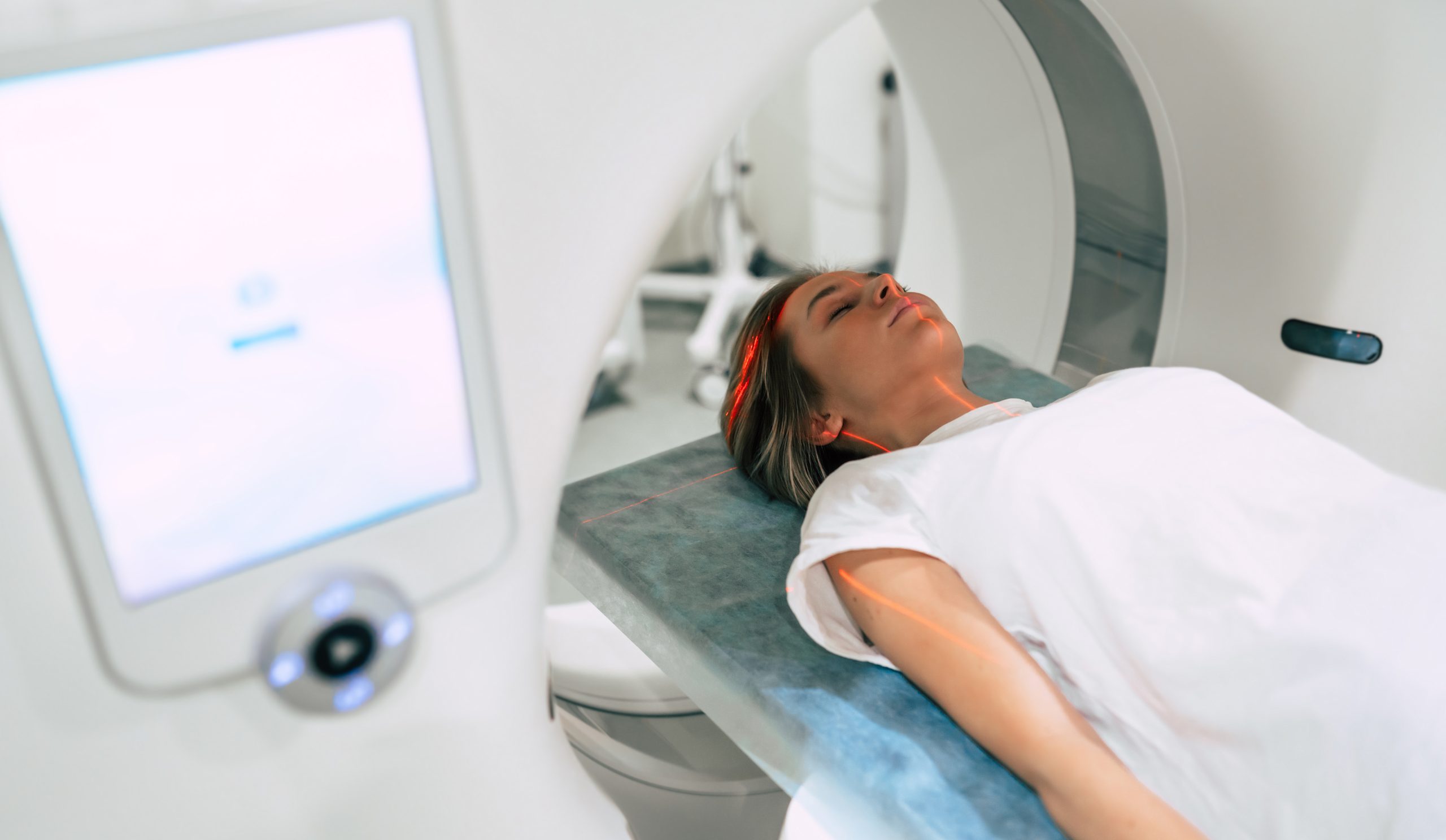
Imaging Studies for Renal Mass Detection
Imaging tests are key in finding Wilms tumor. The main tests are:
- Ultrasound: Often the first test, it spots a renal mass and its details.
- Computed Tomography (CT) Scan: Gives detailed views of the abdomen and the tumor’s size.
- Magnetic Resonance Imaging (MRI): Helps see how the tumor affects nearby areas and if it has spread.
Laboratory Tests
Laboratory tests help confirm the diagnosis and understand the tumor. Common tests include:
- Blood Tests: Check overall health and look for signs of tumor activity or spread.
- Urine Tests: Look for blood in the urine, a sign of Wilms tumor.
- Biopsy: The final test, where a tumor sample is checked to confirm Wilms tumor.
Doctors say, “A detailed diagnostic approach is key to accurately diagnosing Wilms tumor and creating a good treatment plan.”
“Imaging and lab tests give a full picture of the tumor. This helps doctors tailor treatment to each child’s needs.”
The journey from pain to diagnosis is complex but vital. It ensures kids with Wilms tumor get the right care on time.
Pain Differences by Tumor Stage and Size
The stage and size of a Wilms tumor greatly affect the pain in children. As the tumor grows, the pain changes. This change helps doctors understand how far the disease has spread.
Early Pain Patterns in Stage 1-2
In the early stages (Stage 1-2), pain is often mild or not there at all. When it does occur, it’s usually not too bad. It might feel like other common belly issues. The pain usually stays in the belly or side area.
Early-stage pain is often:
- Mild
- Stays in the belly or side
- Can come and go or stay the same
Advanced Disease Pain in Stage 3-4
When Wilms tumor gets to Stage 3 or 4, pain gets worse. The tumor grows, putting more pressure on nearby organs. This makes the pain even more intense.
Advanced pain can be:
- More intense
- Spread to the back or other places
- Can make you feel sick or tired
Correlation Between Tumor Size and Pain Intensity
Studies show that bigger Wilms tumors hurt more. This is because they press harder on the body’s tissues and organs.
This connection is key for:
- Right diagnosis
- Good pain control
- Custom treatment plans for each child
Differentiating Wilms Tumor Pain from Other Childhood Conditions
It’s hard to tell if a child has Wilms tumor just by looking at symptoms. Wilms tumor pain can look like other kidney and stomach problems in kids. This makes it tough to figure out what’s wrong.
Common Childhood Abdominal Conditions
Many stomach problems in kids can seem like Wilms tumor. These include:
- Appendicitis: Severe pain starts near the belly button and moves to the lower right.
- Gastroenteritis: It’s when the stomach and intestines get inflamed, causing pain, vomiting, and diarrhea.
- Intussusception: A part of the intestine slides into another, causing pain and possibly blocking the bowel.
These issues can cause belly pain and other symptoms that might be mistaken for Wilms tumor. A detailed check-up is needed to tell them apart.
Other Pediatric Kidney Conditions
Other kidney issues in kids can also seem like Wilms tumor. These include:
- Hydronephrosis: The kidney swells because urine can’t drain properly.
- Polycystic Kidney Disease (PKD): A genetic disorder that makes many cysts grow in the kidneys.
- Nephrotic Syndrome: A lot of protein is lost in the urine, causing swelling.
Tests like ultrasound and CT scans are key to telling these apart from Wilms tumor.
Red Flags for Cancer vs. Benign Conditions
Some signs point more to Wilms tumor or cancer than to harmless conditions. These include:
- Persistent and severe abdominal pain: Pain that doesn’t go away with usual treatments.
- Abdominal mass: A noticeable lump in the belly, often seen in Wilms tumor.
- Hematuria: Blood in the urine, which can mean Wilms tumor or other kidney issues.
Recent studies show certain signs can help tell Wilms tumor pain from other childhood problems (Source: Second source).
| Condition | Common Symptoms | Diagnostic Features |
| Wilms Tumor | Abdominal mass, abdominal pain, hematuria | Imaging studies (ultrasound, CT scan) showing a renal mass |
| Appendicitis | Severe abdominal pain, fever, loss of appetite | Imaging studies showing appendiceal inflammation or perforation |
| Hydronephrosis | Abdominal pain, urinary tract infections | Imaging studies showing kidney swelling due to urine retention |
Knowing these differences is key for the right diagnosis and treatment plan.
Treatment for Wilms Tumor and Pain Management
Treating Wilms tumor is complex. It often includes surgery, chemotherapy, and sometimes radiation therapy. A good treatment plan must tackle the tumor and manage pain well.
Surgical Approaches for Enlarged Kidney
Surgery is key in treating Wilms tumor. It usually means removing the affected kidney, called nephrectomy. The surgery type depends on the tumor’s size and spread.
For some, a partial nephrectomy might be an option. This helps keep some kidney function, which is important for patients with only one kidney or tumors in both kidneys.
Chemotherapy and Radiation Protocols
Chemotherapy is vital in treating Wilms tumor. It aims to shrink the tumor before surgery and kill any cancer cells left after.
The chemotherapy choice depends on the tumor’s stage and type. Common drugs include vincristine, dactinomycin, and doxorubicin.
Radiation therapy is used in high-risk cases or when cancer has spread.
Pain Control During Treatment
Managing pain is essential during treatment. Doctors use painkillers, like opioids, and other methods to reduce discomfort.
Managing Treatment Side Effects
Wilms tumor treatment can cause side effects like nausea, tiredness, and long-term kidney issues. Managing these side effects is part of the treatment plan.
This ensures patients have the best quality of life possible.
By using surgery, chemotherapy, and radiation, and focusing on pain management, doctors can provide full care for kids with Wilms tumor.
Wilms Tumor Survival Rate and Prognosis
The survival rate for Wilms tumor depends on the stage at diagnosis and the treatment’s success. Thanks to medical progress, kids with this condition now have a better chance of recovery.
Survival Statistics by Stage
Survival rates for Wilms tumor differ by stage. Kids diagnosed early tend to have a better outlook than those diagnosed later.
| Stage | Survival Rate |
| Stage I | 90-95% |
| Stage II | 85-90% |
| Stage III | 70-80% |
| Stage IV | 60-70% |
The table shows survival rates for different Wilms tumor stages. These numbers come from various sources and can change based on individual cases.
Factors Affecting Prognosis
Several factors can affect a child’s prognosis with Wilms tumor. These include the disease stage, the child’s age, the tumor’s type, and how well it responds to treatment.
- Stage of the disease: Earlier stages have a better prognosis.
- Age of the child: Children under 2 years old generally have a better prognosis.
- Tumor histology: Tumors with favorable histology have a better outlook.
- Response to treatment: A positive response to initial chemotherapy is a good prognostic sign.
Long-term Outlook and Quality of Life
Thanks to better treatments, the long-term outlook for Wilms tumor survivors has greatly improved. Yet, survivors might face late effects like kidney issues or higher cancer risks.
It’s important to know about possible long-term effects for Wilms tumor survivors. Regular check-ups help manage these effects and catch any problems early.
Guidance for Parents of Children with Suspected Wilms Tumor
When a child is suspected to have Wilms tumor, parents face a tough journey. They must deal with the diagnosis and treatment process. Being informed and proactive can greatly help your child’s care.
Recognizing Concerning Symptoms
Parents are key in spotting early signs of Wilms tumor. Recognizing concerning symptoms early can lead to quick medical help. Look out for signs like abdominal swelling, pain, and a lump in the belly.
It’s important to watch for any health changes in your child. If you see unusual signs, talk to a doctor right away. Keeping a symptom journal can also help track these changes.
Communicating with Healthcare Providers
Talking well with your child’s healthcare team is essential. Asking the right questions helps you understand your child’s situation. This includes what treatments are available and what to expect.
- Prepare a list of questions before appointments to ensure you don’t forget to ask anything important.
- Take notes during consultations to reference later.
- Don’t hesitate to seek a second opinion if you’re unsure about any aspect of your child’s care.
Supporting Your Child Through Diagnosis and Treatment
Supporting your child through diagnosis and treatment needs emotional strength and practical strategies. It’s important to talk openly with your child. Give them reassurance and answer their questions honestly.
Practical ways to support your child include being there during treatments and helping with side effects. Encourage them to stay positive. Also, don’t forget to get support for yourself. This can come from family, friends, or support groups.
By being informed, talking well with healthcare providers, and supporting your child emotionally, you can greatly help them through Wilms tumor diagnosis and treatment.
Conclusion
Understanding Wilms tumor pain is key to catching it early and treating it well. Knowing the signs, like belly pain and flank pain, helps get a diagnosis and treatment fast.
Pediatric cancer symptoms, like those of Wilms tumor, need quick doctor visits. Knowing the signs helps parents and doctors spot problems early.
From finding out you have it to starting treatment, there’s a lot to do. This includes surgery, chemo, and radiation. Managing pain is a big part of this, making life better for kids in treatment.
Learning about Wilms tumor pain helps families deal with it. There are many resources for those facing Wilms tumor, helping them through treatment and beyond.
FAQ
What are the common symptoms of Wilms tumor?
Symptoms of Wilms tumor include abdominal pain and swelling. Children may also feel flank pain and have a noticeable mass in their belly. Some kids might get fever, lose their appetite, or lose weight.
How is Wilms tumor pain typically characterized?
Pain from Wilms tumor feels like a dull ache. It can be in the belly or flank area. The pain might stay the same or change in how bad it feels.
What is the typical age range for Wilms tumor diagnosis?
Kids between 3 and 4 years old often get diagnosed with Wilms tumor. But it can happen in children up to 10 years old.
How is Wilms tumor diagnosed?
Doctors use ultrasound, CT scans, or MRI to find Wilms tumor. They also check the kidneys with lab tests to see if there are any problems.
What are the treatment options for Wilms tumor?
Treatment for Wilms tumor includes surgery, chemotherapy, and sometimes radiation. The choice depends on the tumor’s size and stage.
What is the survival rate for Wilms tumor?
About 90% of kids with Wilms tumor stages I-III survive. But survival rates can change based on the tumor’s stage and type.
How can parents recognize concerning symptoms in their child?
Watch for unusual belly swelling, pain, or discomfort in your child. Also, look out for fever or loss of appetite.
What are the possible long-term effects of Wilms tumor treatment?
Treatment for Wilms tumor can cause kidney damage or hearing loss. It might also increase the risk of getting other cancers later.
How can families support their child through Wilms tumor diagnosis and treatment?
Families can offer emotional support and go to doctor’s appointments with their child. They can also help manage side effects to support their child through treatment.
Are there any genetic factors associated with Wilms tumor?
Some Wilms tumors are linked to genetic mutations, like in the WT1 gene. Families with a history of Wilms tumor might want to talk to a genetic counselor.
What is the role of pain management in Wilms tumor treatment?
Pain management is key in treating Wilms tumor. It involves different methods to control pain and discomfort during treatment.
Can Wilms tumor be detected prenatally?
Yes, sometimes Wilms tumor can be found before birth during ultrasound checks. But this is not very common.
References
- Leslie, S. W., (2023). Wilms tumor. StatPearls. https://www.ncbi.nlm.nih.gov/books/NBK442004/
- Vujanić, G. M. (2024). Anaplasia in Wilms tumor: A critical review. Pediatric Blood & Cancer. https://onlinelibrary.wiley.com/doi/full/10.1002/pbc.31000
- Elgenidy, A., et al. (2024). Survival characteristics of Wilms Tumor: a reference analysis. Italian Journal of Pediatrics, 50, Article 16 698-7. https://ijponline.biomedcentral.com/articles/10.1186/s13052-024-01698-7