Last Updated on December 1, 2025 by Bilal Hasdemir

Childhood kidney cancer is a rare but serious condition that affects thousands of children worldwide each year. Wilms tumor, also known as nephroblastoma, is the most common type of kidney cancer in children. While it primarily occurs in children, Wilms tumor symptoms adults can also appear in rare cases. We have extensive experience in treating international patients with this condition, providing complete care and support throughout their treatment journey.
At our institution, we know how vital accurate diagnosis and effective treatment are for childhood kidney cancer. We aim to deliver top-notch healthcare with a personal touch. This ensures our patients get the best care possible.
Key Takeaways
- Wilms tumor is the most common type of kidney cancer in children.
- We have expertise in treating international patients with Wilms tumor.
- Comprehensive care and support are provided throughout the treatment journey.
- Accurate diagnosis and effective treatment are key for childhood kidney cancer.
- We are dedicated to delivering world-class healthcare with a personal touch.
Wilms Nephroblastoma: An Overview

Wilms tumor, also known as nephroblastoma, is a rare kidney cancer in kids. It’s a big deal in pediatric oncology. Knowing about it helps doctors find and treat it fast.
Definition and Medical Classification
Nephroblastoma is a cancer of the kidney that starts in immature cells. Doctors sort it into two types based on how it looks under a microscope. The National Wilms Tumor Study (NWTS) helps decide how to treat it.
How doctors classify Wilms tumor is key. It helps predict how well a child will do and what treatment they need. Tumors that look better under the microscope are easier to treat than those that look worse.
| Histological Classification | Description | Prognosis |
| Favorable Histology | Tumors with well-differentiated cells | Good prognosis with appropriate treatment |
| Unfavorable Histology | Tumors with anaplastic or sarcomatous features | Poor prognosis, requires aggressive treatment |
Historical Background and Terminology
The term “Wilms tumor” comes from Max Wilms, a German surgeon. He first talked about it in the late 1800s. Over time, doctors have gotten better at treating it, thanks to new surgery, chemo, and radiation methods.
When we talk about Wilms tumor, we use words like “nephroblastoma” and “histology.” These terms help us understand and manage the disease.
Significance in Pediatric Oncology
Wilms tumor is a big deal in kids’ cancer. It shows how important early detection and team care are. This helps kids with cancer live better lives.
It’s vital for doctors, researchers, and families to know about Wilms tumor. More research is needed to find better treatments and save more lives.
Anatomy and Pathophysiology

To understand Wilms tumor, we must first know about the kidney’s structure and function. The kidney filters waste, controls blood pressure, and keeps electrolyte balance. This is key to its role in our body.
Kidney Structure and Function
The kidney is a complex organ with a unique structure. It has the renal cortex, renal medulla, and renal pelvis. The nephrons in the cortex filter waste and excess fluids.
The renal medulla concentrates urine, and the renal pelvis collects and channels urine to the ureter. Knowing how the kidney works helps us understand Wilms tumor.
Embryological Development of the Kidney
Kidney development is complex and starts early in embryonic life. It involves the formation of nephrons and the renal collecting system. The metanephric mesenchyme forms nephrons, while the ureteric bud creates the collecting ducts and renal pelvis.
Any issues in this development can cause problems, like Wilms tumor. This process is tightly regulated by genetics and environment.
Pathological Changes in Wilms Tumor
Wilms tumor comes from the metanephric blastema, which should become nephrons. But in Wilms tumor, these cells don’t develop right. This leads to a tumor with various cell types.
The tumor’s cells show it comes from early kidney tissue. Knowing this helps doctors diagnose and treat Wilms tumor.
Epidemiology of Wilms Tumor
Understanding Wilms tumor’s epidemiology is key to spotting patterns and trends. It helps us see how this cancer impacts different groups around the world.
Incidence and Prevalence Worldwide
Wilms tumor is a rare cancer mainly found in kids. It happens in about 8 cases per million children under 15 each year. The rate of Wilms tumor varies by region, with some areas seeing more cases.
Age and Demographic Distribution
Wilms tumor mostly hits kids between 3 and 4 years old. Most cases are found before they turn 6. It’s also more common in certain ethnic groups.
Gender and Racial Differences
Studies show gender and racial differences in Wilms tumor cases. Some say girls get it more than boys. Also, African-American kids are more likely to have it than Caucasian kids.
Knowing these facts about Wilms tumor helps us understand its causes. It also guides us in creating better treatments.
Causes and Risk Factors
Wilms tumor is caused by a mix of genetic and environmental factors. Knowing these causes helps find and treat this kidney cancer in kids early.
Genetic Mutations and Inheritance Patterns
Genetic changes are key in Wilms tumor. Genes like WT1 and CTNNB1 are linked to a higher risk. The WT1 gene is important because it helps kidneys and gonads grow right. Most cases are not inherited but happen on their own.
Environmental Influences
Genetics aren’t the only thing. Environmental toxins and things mom is exposed to during pregnancy might also play a part. But, the science isn’t as clear as it is for genetics.
Associated Syndromes and Conditions
Some genetic syndromes raise the risk of Wilms tumor. These include:
- WAGR syndrome (Wilms tumor, Aniridia, Genitourinary anomalies, and mental Retardation)
- Denys-Drash syndrome
- Beckwith-Wiedemann syndrome
These conditions often have WT1 gene mutations or other genetic changes that make Wilms tumor more likely.
| Risk Factor | Description |
| Genetic Mutations | Mutations in genes like WT1 and CTNNB1 |
| Familial History | Family history of Wilms tumor |
| Associated Syndromes | WAGR, Denys-Drash, and Beckwith-Wiedemann syndromes |
In summary, Wilms tumor is a complex issue with both genetic and environmental roots. Knowing these factors is key to spotting and treating it early.
Types and Classification of Wilms Tumor
It’s important to know the different types and classifications of Wilms tumor for proper diagnosis and treatment. This tumor, also known as nephroblastoma, has various subtypes and presentations.
Histological Subtypes
Wilms tumor is mainly classified by its histological characteristics. There are favorable and unfavorable histologies, with the former having a better outlook. The subtypes are based on specific cellular features.
Favorable histology shows well-differentiated cells. On the other hand, unfavorable histology includes tumors with anaplastic cells, indicating a more aggressive disease.
Favorable vs. Unfavorable Histology
The difference between favorable and unfavorable histology is key in planning treatment and predicting outcomes. Tumors with favorable histology usually have a better prognosis, with higher survival rates than those with unfavorable histology.
| Histology Type | Characteristics | Prognosis |
| Favorable | Well-differentiated cells | Better prognosis |
| Unfavorable | Anaplastic cells | Poorer prognosis |
Bilateral vs. Unilateral Presentation
Wilms tumor can affect one kidney (unilateral) or both (bilateral). Bilateral cases are less common and often linked to genetic factors.
The type of presentation, whether bilateral or unilateral, affects treatment plans. Bilateral cases often need more complex and detailed approaches.
Signs and Symptoms
It’s important to know the signs of Wilms tumor for early treatment. Wilms tumor, or nephroblastoma, is a kidney cancer that mainly hits kids.
Common Clinical Presentations
The most obvious sign is a swelling in the belly, often found by parents while bathing. This swelling is usually painless and can grow big before it’s seen. Other signs include:
- Abdominal pain or discomfort
- Fever
- Hematuria (blood in the urine)
- Hypertension (high blood pressure)
- Loss of appetite
- Weight loss
These symptoms can also mean other things, so seeing a doctor is key for a right diagnosis.
Rare Manifestations
Some kids with Wilms tumor might show rare signs, like:
| Rare Manifestation | Description |
| Varicocele | Swelling of the veins in the scrotum due to obstruction of blood flow |
| Polycythemia | An increase in red blood cells, which can cause the blood to thicken |
| Hypercalcemia | Elevated calcium levels in the blood, potentially leading to symptoms like bone pain and kidney stones |
These rare signs can be the first hint of Wilms tumor, showing why a detailed medical check is vital.
When to Seek Medical Attention
If a child shows any signs of Wilms tumor, get medical help fast. Early treatment can greatly improve their chances. Parents should watch for any unusual health changes in their kids.
Early detection is key for managing Wilms tumor well. Knowing the signs helps parents and doctors act quickly.
“The earlier Wilms tumor is diagnosed, the better the chances for effective treatment and survival.” –
A leading pediatric oncology expert
Diagnostic Procedures
To accurately diagnose Wilms tumor, healthcare professionals use various tools. The process is key to finding the tumor and planning treatment.
Physical Examination
A physical exam is often the first step. A healthcare provider may feel for a mass in the abdomen. Symptoms like high blood pressure, fever, or blood in the urine are also checked.
Imaging Studies
Imaging studies are vital for diagnosing Wilms tumor. They help:
- Find the tumor and where it is
- See how big the tumor is and if it has spread
Common imaging methods include:
- Ultrasound: Often the first test, it shows the tumor’s details.
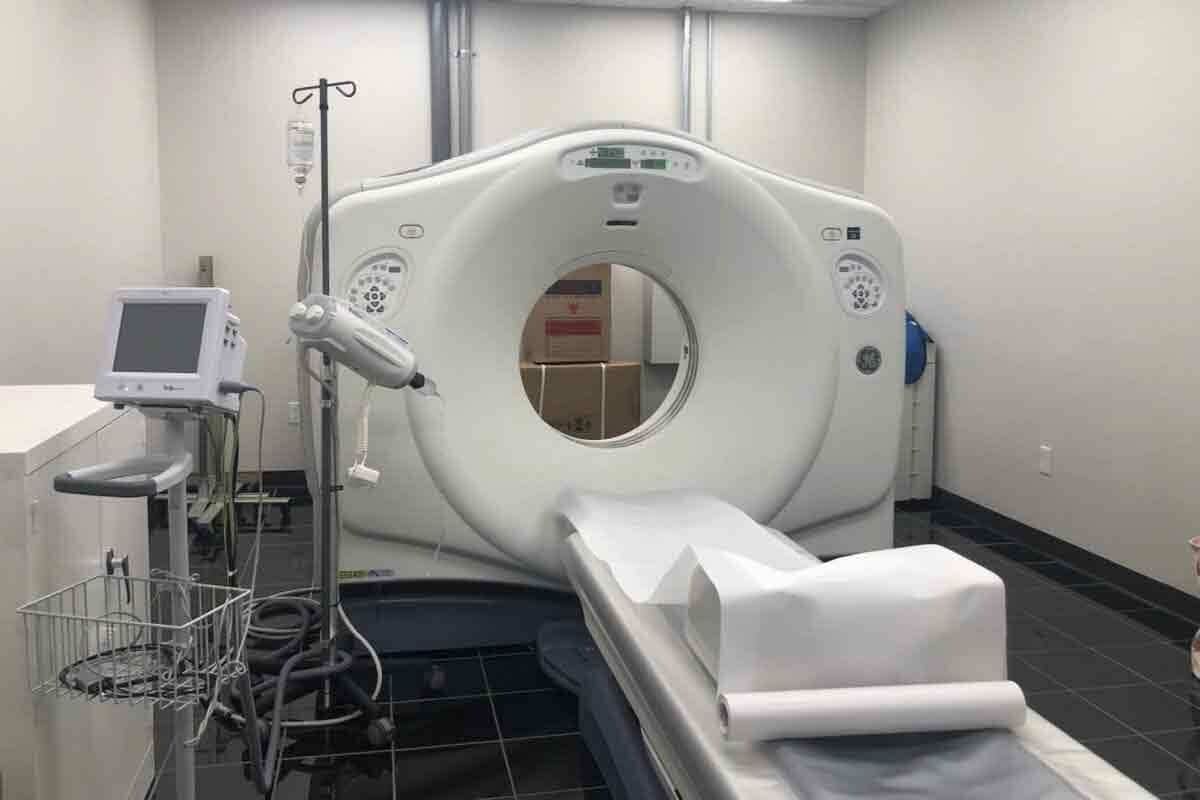
- Computed Tomography (CT) scan: Gives detailed images of the tumor and tissues around it.
- Magnetic Resonance Imaging (MRI): Useful for seeing how the tumor relates to nearby structures.
Laboratory Tests
Laboratory tests are key for diagnosing Wilms tumor and checking overall health. Tests may include:
- Complete Blood Count (CBC): Checks blood cell counts.
- Blood Chemistry Tests: Looks at kidney function and metabolism.
- Urinalysis: Finds blood or other issues in urine.
Biopsy and Pathological Examination
A biopsy removes a tumor sample for microscopic examination. This confirms Wilms tumor and its subtype. The pathological exam helps plan treatment.
| Diagnostic Procedure | Purpose |
| Physical Examination | To identify abdominal masses or other symptoms |
| Imaging Studies (Ultrasound, CT, MRI) | To visualize the tumor and assess its extent |
| Laboratory Tests (CBC, Blood Chemistry, Urinalysis) | To evaluate overall health and detect abnormalities |
| Biopsy and Pathological Examination | To confirm the diagnosis and determine the histological subtype |
Staging of Wilms Tumor
Knowing the stage of Wilms tumor is key to finding the right treatment. The staging system helps doctors see how far the disease has spread. This guides them in making treatment plans.
Wilms tumor staging looks at how big the tumor is and if it has spread. This info is vital for creating a good treatment plan.
The Five-Stage System
The Children’s Oncology Group (COG) created a five-stage system for Wilms tumor. It sorts tumors by how big they are and if they’ve spread.
- Stage I: The tumor is only in the kidney and is removed.
- Stage II: The tumor is bigger but is also removed.
- Stage III: The tumor can’t be fully removed or has spread to lymph nodes.
- Stage IV: The tumor has spread to distant places like the lungs, liver, or brain.
- Stage V: The tumor is in both kidneys.
A pediatric oncologist, says, “Accurate staging is key for the right treatment.” This shows how important it is to stage Wilms tumor correctly.
Importance of Accurate Staging for Treatment Planning
Accurate staging is critical because it affects treatment choices. Treatment plans are made based on the disease’s stage. This ensures patients get the best care.
“The goal of staging is to provide a framework for treatment that maximizes the chances of cure while minimizing the risk of long-term side effects.”
Understanding Wilms tumor’s stage helps doctors create a treatment plan that fits the patient. This improves outcomes and quality of life.
Treatment Approaches
Wilms tumor treatment uses surgery, chemotherapy, and sometimes radiation. The treatment plan depends on the disease stage, the child’s age, and health.
Surgical Interventions
Surgery is key in treating Wilms tumor. The goal is to remove the tumor fully. Nephrectomy, or removing the kidney, is common. Sometimes, partial nephrectomy is used to keep the kidney working.
The surgery method changes based on the tumor’s size and where it is. Minimally invasive surgery is used sometimes. It leads to less pain and faster recovery.
| Surgical Approach | Benefits | Considerations |
| Total Nephrectomy | Complete removal of the affected kidney | Loss of one kidney; possible long-term kidney function issues |
| Partial Nephrectomy | Keeps kidney function | Only for certain tumor sizes and locations |
Chemotherapy Protocols
Chemotherapy is a key part of Wilms tumor treatment. It’s used before surgery to shrink the tumor or after to kill any cancer cells left. The chemotherapy plan depends on the tumor and the patient’s health.
Common Chemotherapy Agents:
- Vincristine
- Dactinomycin
- Doxorubicin
Radiation Therapy
Radiation therapy is used for advanced disease or certain tumor types. It kills cancer cells in the abdomen or where cancer has spread.
Multidisciplinary Treatment Teams
Treating Wilms tumor benefits from a team effort. Pediatric oncologists, surgeons, radiologists, and others work together. They create a treatment plan tailored to the patient.
Benefits of a Multidisciplinary Team:
- Coordinated care
- Access to a wide range of expertise
- Improved treatment outcomes
Prognosis and Survival Rates
When it comes to Wilms tumor, several things affect how well a patient will do. These include the disease’s stage and the patient’s health. Knowing these factors helps patients and their families understand what to expect during treatment.
Factors Affecting Prognosis
Many things influence Wilms tumor prognosis. These include the tumor’s type, the disease’s stage, and the patient’s age. Favorable histology means a better chance of survival, with higher rates than unfavorable types. The disease’s stage is also key; earlier stages lead to better outcomes.
Younger patients and those in better health tend to do well. This is because their bodies are more likely to respond to treatment.
Long-term Survival Statistics
Thanks to better treatments, long-term survival for Wilms tumor has greatly improved. In developed countries, over 90% of children with Wilms tumor now survive. This success comes from better chemotherapy and surgery.
Recurrence Risks and Management
Even with high survival rates, Wilms tumor can come back. Risks include unfavorable histology and advanced stage at diagnosis. Close follow-up is vital for catching recurrence early, which helps with treatment.
Dealing with recurrence means more intense treatment. This might include chemotherapy and sometimes radiation. The chance of success after recurrence depends on several factors, like where the tumor came back and the first treatment.
Complications and Long-term Effects
Medical treatments for Wilms tumor are getting better. But, it’s key to know and tackle long-term issues. These can affect a survivor’s life and health for years.
Treatment-related Complications
Treatment for Wilms tumor can cause problems. Chemotherapy side effects might include hearing loss and kidney damage. It also raises the chance of getting another cancer.
Radiation therapy can lead to growth issues and organ problems. It also ups the risk of getting another cancer. Surgery can cause issues with the kidney or other tissues.
“The long-term effects of Wilms tumor treatment can be significant, and ongoing care is critical to manage these effects,” says a top pediatric oncologist.
“Survivors of Wilms tumor need lifelong monitoring to catch and handle late treatment effects. This ensures they live the best life possible.”
Long-term Health Monitoring
Keeping an eye on health is key for Wilms tumor survivors. Regular check-ups help spot and manage treatment issues. They also help with overall health and teach healthy living.
Quality of Life Considerations
Keeping a good quality of life is vital for Wilms tumor survivors. It’s not just about medical issues. It’s also about mental, social, and educational needs.
Support from doctors, family, and groups is essential. It helps survivors deal with life’s challenges.
Understanding Wilms tumor treatment’s long-term effects helps us support survivors better. This way, they can live a healthy and fulfilling life.
Support Resources and Coping Strategies
Families facing Wilms tumor find comfort in various support options. The journey with Wilms tumor can be tough. But, with the right help, families can get through it.
Resources for Families
Support for families with Wilms tumor is key. Groups like the National Wilms Tumor Study (NWTS) and the Children’s Oncology Group (COG) offer great help. Events like the 401 Bike Challenge show how communities support these families, raising money and awareness.
- Access to support groups and counseling services
- Online forums and communities for sharing experiences
- Educational materials about Wilms tumor and its treatment
Psychological Support
Psychological support is essential for families with Wilms tumor. Professional counseling helps kids and families cope with the emotional side of diagnosis and treatment. Coping strategies like mindfulness, therapy, and support groups offer emotional relief and strength.
Educational and Financial Assistance
Educational and financial aid are also important. Organizations provide scholarships and financial help for treatment costs. Educational resources help families understand Wilms tumor and make informed care decisions.
Key resources include:
- Financial assistance programs for treatment costs
- Scholarships for survivors and families
- Educational materials and workshops
By using these support resources and strategies, families can handle Wilms tumor better. They ensure they get the care and support they need.
Conclusion
Our journey into understanding Wilms tumor has shown its complexity. It covers its causes, genetics, and treatment options. Managing this pediatric cancer needs a whole approach, including treatment and support for patients and their families.
A summary of Wilms tumor care shows the key role of a team. This team includes surgeons, oncologists, and support staff. They work together to create a treatment plan that fits each patient’s needs.
We are dedicated to top-notch healthcare. We focus on accurate diagnosis, proper staging, and proven treatments. Our aim is to give international patients the best care and support during their treatment.
Looking back at Wilms tumor treatment, we see progress. Advances in medicine and a focus on patients are bringing hope and healing.
FAQ
What is Wilms tumor?
Wilms tumor, also known as nephroblastoma, is a cancer that mainly affects kids. It grows as a tumor in one or both kidneys.
What are the common signs and symptoms of Wilms tumor?
Signs include a noticeable belly mass, pain, fever, and blood in the urine. Kids might also lose appetite or weight.
How is Wilms tumor diagnosed?
Doctors use a physical check, imaging like ultrasound, CT scans, or MRI, and lab tests. A biopsy confirms the tumor type.
What are the stages of Wilms tumor?
It’s staged from I (limited to the kidney) to V (both kidneys). This helps plan treatment.
What are the treatment options for Wilms tumor?
Treatment includes surgery, chemotherapy, and sometimes radiation. A team of doctors creates a treatment plan.
What is the prognosis for Wilms tumor?
The outlook is good, with high survival rates for kids with certain types. The stage, age, and treatment response matter.
What are the long-term effects of Wilms tumor treatment?
Long-term effects can include kidney damage, hearing loss, or higher cancer risk. Regular health checks are key.
Are there any support resources available for families dealing with Wilms tumor?
Yes, there’s psychological support, education, and financial help. Organizations and groups offer guidance and aid.
Can Wilms tumor recur after treatment?
Yes, it can. The risk depends on the tumor’s stage and type, and treatment success. Regular check-ups are important.
How does the histology of Wilms tumor affect treatment and prognosis?
The tumor’s type (favorable or unfavorable) affects treatment and outlook. Favorable types have a better chance, while unfavorable types need stronger treatment.
Reference
- MedlinePlus – Wilms Tumor Information:https://medlineplus.gov/ency/article/001042.htm