Last Updated on December 1, 2025 by Bilal Hasdemir

Did you know that Wilms tumor, also known as nephroblastoma, is the most common type of kidney cancer in children? Effective treatment is key to better survival rates.
Getting a Wilms tumor diagnosis can feel scary. But, thanks to new medical discoveries, treating nephroblastoma has gotten much better. We create a detailed care plan for each child. This includes surgery, chemotherapy, and sometimes radiation, all based on their needs.
Key Takeaways
- Wilms tumor is a type of childhood kidney cancer that requires a full treatment plan.
- Good treatment mixes surgery, chemotherapy, and radiation therapy.
- New medical breakthroughs have greatly boosted survival chances for kids with Wilms tumor.
- Early detection by ultrasound is very important for successful treatment.
- Comprehensive care is vital for supporting kids and their families during treatment.
Understanding Wilms Tumor

It’s key to know about Wilms tumor for early spotting and handling. This serious condition starts in the kidneys and is common in kids.
Definition and Pathophysiology
Wilms tumor is a cancer that grows in the kidneys. It usually starts in the metanephric blastema, a group of cells that should turn into kidney tissue. The exact reason for Wilms tumor isn’t known, but it’s thought to come from genetic changes during fetal growth.
Pathophysiology means the abnormal growth of cells in the kidney, causing tumors. These tumors can grow big before symptoms show, making early detection very important.
Epidemiology and Incidence
Wilms tumor is the top kidney cancer in kids, making up about 90% of cases. It happens in different parts of the world, with around 8 cases per million kids under 15 each year.
| Age Group | Incidence Rate (per million) |
| 0-4 years | 12.1 |
| 5-9 years | 8.5 |
| 10-14 years | 2.3 |
The table shows Wilms tumor is less common as kids get older. This makes it even more critical to watch for it in the youngest children.
Risk Factors and Genetic Associations

Knowing the risk factors and genetic links of Wilms tumor is key for early detection and treatment. Studies have found that some genetic syndromes and environmental factors can raise the risk of this condition.
Genetic Syndromes Associated with Wilms Tumor
Several genetic syndromes are linked to a higher risk of Wilms tumor. These include:
- WAGR Syndrome: A rare genetic disorder with Wilms tumor, Aniridia, Genitourinary anomalies, and mental Retardation.
- Beckwith-Wiedemann Syndrome: A growth disorder that increases the risk of Wilms tumor and other cancers.
- Denys-Drash Syndrome: A rare disorder linked to Wilms tumor, kidney disease, and genital abnormalities.
Children with these syndromes need regular checks for Wilms tumor, often through ultrasound exams.
Environmental Risk Factors
Though the exact causes of Wilms tumor are not fully known, some environmental factors have been studied. These include:
- Parental Exposure to Certain Chemicals: Some research suggests a link between chemicals and Wilms tumor risk in children.
- Maternal Factors During Pregnancy: Maternal age, hypertension, and certain infections during pregnancy have been studied for their possible link to Wilms tumor.
The table below summarizes some key risk factors and genetic associations found in research.
| Risk Factor/Genetic Syndrome | Description | Association with Wilms Tumor |
| WAGR Syndrome | Rare genetic disorder with multiple congenital anomalies | High risk |
| Beckwith-Wiedemann Syndrome | Growth disorder with increased cancer risk | Increased risk |
| Parental Exposure to Chemicals | Exposure to certain chemicals before conception | Potential increased risk |
| Maternal Hypertension During Pregnancy | High blood pressure during pregnancy | Possible association |
Understanding these risk factors and genetic links helps healthcare providers spot children at higher risk. They can then start the right surveillance strategies.
Signs and Symptoms of Wilms Tumor
It’s key to spot Wilms tumor signs early for the best treatment. We’ll look at the usual and rare signs to help doctors and parents catch it fast.
Common Clinical Presentations
Wilms tumor often shows up as a swollen belly or a mass that can be felt. Abdominal pain and hematuria (blood in the urine) are common too. These signs can be mild or severe and not always easy to notice right away.
Some kids with Wilms tumor might also have fever, high blood pressure, or lose their appetite. These symptoms are not specific, making it hard to just guess if it’s Wilms tumor.
Less Common Manifestations
Some kids might show signs like genital or urinary tract problems. Rarely, Wilms tumor can lead to kidney failure or heart issues because of its impact on nearby areas and overall health.
It’s important to remember that how and how much these symptoms show can differ a lot. A full check-up, including scans and blood tests, is needed to be sure it’s Wilms tumor.
Spotting Wilms tumor symptoms early is vital for better treatment results. We stress the need for doctors and parents to be aware to get a quick diagnosis and start treatment right away.
Diagnostic Procedures for Wilms Tumor
Diagnosing Wilms tumor involves several steps. These include imaging, lab tests, and looking at tissue samples. Getting the diagnosis right is key to choosing the best treatment.
Imaging Studies
Imaging is a big part of diagnosing Wilms tumor. Ultrasound is often the first test used. It’s non-invasive and can show where and how big the tumor is. Computed Tomography (CT) scans are also used to get more details about the tumor and if it has spread.
In some cases, Magnetic Resonance Imaging (MRI) is used too. It helps check the tumor’s size and how it affects nearby tissues. These tests help doctors figure out the tumor’s stage, which is important for treatment planning.
Laboratory Tests
Blood tests are also important. They check your overall health and look for signs of Wilms tumor. Urine tests might be done to see if there’s blood in your urine, a sign of the tumor.
Biopsy and Histological Examination
A biopsy takes a small piece of tumor tissue for a microscope check. This step is key to confirming Wilms tumor and understanding its type. Knowing the tumor’s type helps doctors decide the best treatment.
To sum up, diagnosing Wilms tumor involves imaging, lab tests, and biopsies. Each step is vital for confirming the diagnosis, understanding the tumor, and planning treatment.
Staging of Wilms Tumor
Accurate staging is key for a good treatment plan for Wilms tumor. It shows how far the disease has spread. This is important for knowing the patient’s chances and choosing the right treatment.
The Five Stages of Wilms Tumor
The staging system for Wilms tumor looks at how big the tumor is and if it has spread. The five stages are:
- Stage I: The tumor is only in the kidney and is removed.
- Stage II: The tumor is bigger but is also removed.
- Stage III: The tumor can’t be fully removed or has spread to lymph nodes in the abdomen.
- Stage IV: The tumor has spread to distant places like the lungs, liver, or brain.
- Stage V: The tumor is in both kidneys.
Importance of Accurate Staging for Treatment Planning
Knowing the stage is very important for planning treatment. For example, stage III Wilms tumor might need more treatments like chemotherapy and radiation. This is to kill any cancer cells left behind.
Stage IV Wilms tumor treatment is even more aggressive. It includes strong chemotherapy and sometimes radiation to control the disease.
We use the stage to make a treatment plan that fits each patient. This way, we can improve their chances of getting better. Knowing the stage also helps families understand what to expect during treatment.
Understanding the stage of Wilms tumor helps doctors create a detailed treatment plan. This plan is tailored to each patient’s needs. It increases the chances of successful treatment.
Wilms Tumor Treatment: A Complete Approach
Wilms tumor treatment has changed a lot. Now, we focus on a complete and team-based treatment plan. This way, patients get the best care that fits their needs.
Developing Effective Treatment Protocols
Creating treatment plans for Wilms tumor needs a deep understanding of the disease. We look at the disease’s type, stage, and the patient’s health. We also consider the tumor’s details and the patient’s age to make a plan just for them.
The plan usually includes surgery, chemotherapy, and sometimes radiation. What treatment to use depends on the tumor’s stage and type, and how the patient responds to treatment.
| Treatment Modality | Purpose | Considerations |
| Surgery | To remove the tumor and affected kidney | Radical nephrectomy or partial nephrectomy, depending on the tumor’s extent and whether the disease is bilateral |
| Chemotherapy | To kill cancer cells that may have spread beyond the primary tumor | Regimens vary based on tumor stage and histology; may include drugs like vincristine and dactinomycin |
| Radiation Therapy | To target and kill cancer cells in specific areas | Used for patients with higher-stage disease or unfavorable histology; techniques include external beam radiation |
A Multidisciplinary Team Approach
A team of experts is key in treating Wilms tumor. This team includes doctors, surgeons, and radiologists. They work together to create and carry out a detailed treatment plan.
The benefits of a multidisciplinary team approach include:
- Coordinated care that addresses all aspects of the disease
- Expertise from various specialties to inform treatment decisions
- Support for patients and families throughout the treatment process
Treatment Goals and Expectations
The main goal of Wilms tumor treatment is to cure the disease and reduce long-term side effects. We aim to do this by using effective treatments and supportive care.
Knowing the treatment goals and what to expect helps patients and families. It’s important to talk about possible outcomes, side effects, and follow-up care with the healthcare team.
Surgical Management of Wilms Tumor
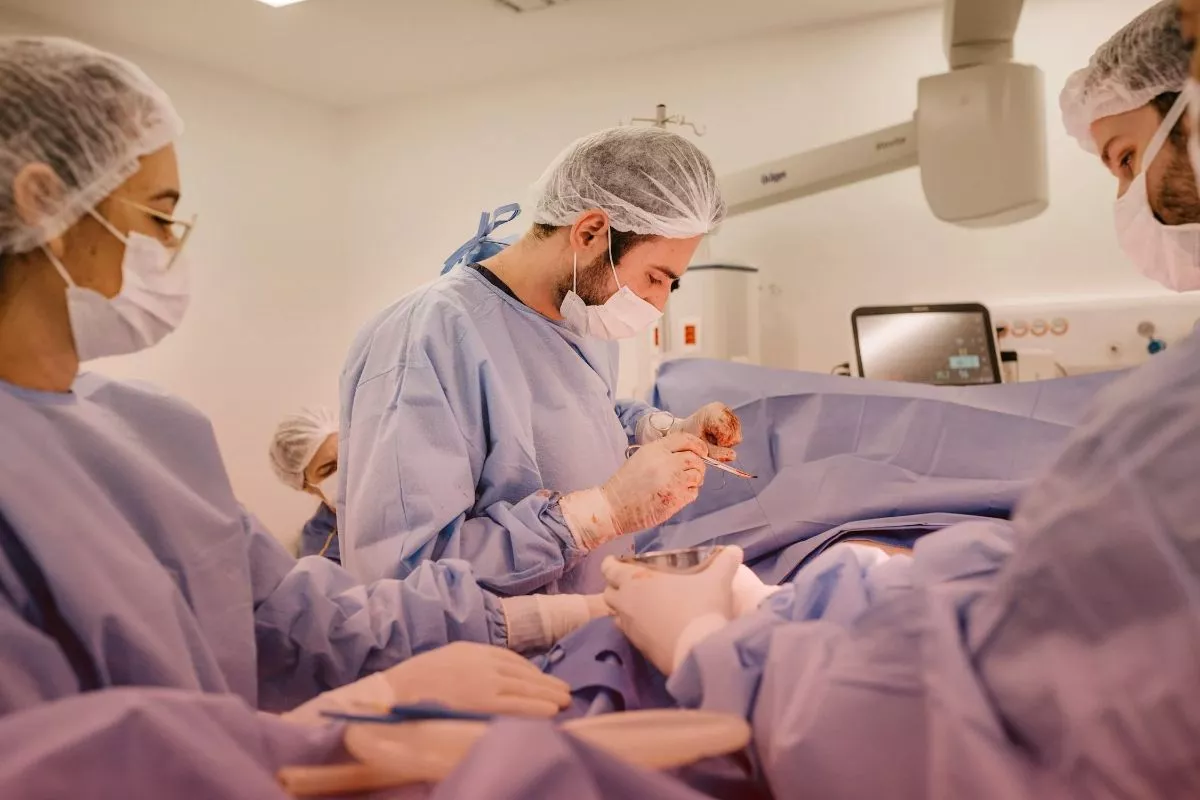
Surgery is key in treating Wilms tumor, giving patients hope for a long life. The main goal is to take out the tumor completely. This is done while trying to keep as much kidney function as possible.
Radical Nephrectomy Procedure
A radical nephrectomy is usually the best surgery for Wilms tumor. It means taking out the whole kidney and the tumor. This is done to make sure all cancer is removed.
Experts say radical nephrectomy works well, with many patients surviving. The surgery team must be careful not to damage the tumor. They also check the lymph nodes to see if the cancer has spread.
Partial Nephrectomy Options
In some cases, a partial nephrectomy is an option. This is for patients with tumors in both kidneys or those with only one kidney. It tries to save kidney function by removing just the tumor part.
Partial nephrectomy is a tricky surgery. It needs precise skills to remove the tumor and keep healthy kidney tissue. The choice to do this surgery depends on the tumor’s size, location, and the patient’s health.
Surgical Considerations for Bilateral Wilms Tumor
Dealing with bilateral Wilms tumor is hard. The goal is to remove the tumors and keep enough kidney function to avoid damage.
A multidisciplinary team approach is key. It involves surgeons, oncologists, and others to plan the treatment. They might use chemotherapy before surgery to make the tumors smaller.
“The management of bilateral Wilms tumor requires a nuanced approach, combining surgical expertise with careful planning and coordination among the healthcare team,” according to leading pediatric oncologists.
By tailoring surgery, doctors can better help patients with Wilms tumor. This includes those with tumors in both kidneys.
Chemotherapy Protocols for Wilms Tumor
Chemotherapy is key in treating Wilms tumor. Different plans are used based on the tumor’s stage and type. This approach has greatly improved treatment results for patients.
Standard Chemotherapy Agents
The main drugs used are vincristine, dactinomycin, and doxorubicin. These drugs help shrink the tumor and fight any hidden cancer cells.
- Vincristine is often the first choice for its strong effect on Wilms tumor cells.
- Dactinomycin has been a key treatment for decades, often paired with other drugs.
- Doxorubicin is used for higher-risk cases or more advanced disease to boost treatment success.
Treatment Regimens Based on Tumor Stage and Histology
The chemotherapy plan depends on the tumor’s stage and type. For example, early-stage tumors with certain types may get less intense treatment. But, more aggressive treatment is needed for advanced or high-risk tumors.
- Patients with Stage I and II tumors and favorable histology might get a less intense mix of vincristine and dactinomycin.
- Those with Stage III and IV tumors, or unfavorable histology, may get a stronger mix, possibly adding doxorubicin and other drugs.
Managing Chemotherapy Side Effects
It’s important to manage chemotherapy side effects to keep patients’ quality of life good. Common issues include nausea, hair loss, and a higher risk of infections. We use several methods to help:
- We give anti-emetic drugs to help with nausea and vomiting.
- We provide care to prevent infections and handle other problems.
- We also offer psychological support to patients and their families to deal with treatment challenges.
By tailoring chemotherapy plans and managing side effects, we aim to get the best results for kids with Wilms tumor.
Radiation Therapy in Wilms Tumor Management
Radiation therapy is key in treating Wilms tumor, mainly for those at high risk. It targets and kills cancer cells left after surgery or not fully treated by chemotherapy.
Indications for Radiation Therapy
Choosing radiation therapy depends on several factors. These include the tumor’s stage, its type, and how well it responds to first chemotherapy. Radiation therapy is often suggested for patients with:
- Stage III or IV disease
- Unfavorable tumor histology
- Tumors not fully removed
- Recurring tumors
We tailor treatments to each patient. This approach helps achieve better results and lowers the chance of long-term side effects.
Techniques and Delivery Methods
New radiation therapy methods have made treatments more precise and effective for Wilms tumor. We use several techniques, including:
| Technique | Description | Benefits |
| 3D Conformal Radiation Therapy | Shapes radiation beams to fit the tumor | Protects healthy tissues |
| Intensity-Modulated Radiation Therapy (IMRT) | Changes radiation beam intensity | Improves tumor targeting |
| Intensity-Modulated Proton Therapy (IMPT) | Uses proton beams for tumors | Best for sparing normal tissues |
These modern methods let us give more radiation to the tumor. This reduces harm to nearby tissues and lowers the risk of long-term problems.
By adding radiation therapy to Wilms tumor treatment plans, we can improve results. This also helps patients live better lives.
Treatment Approaches for Special Cases
Special cases of Wilms tumor, like bilateral and relapsed disease, need special treatment plans. These cases require a team effort to get the best results for patients.
Management of Bilateral Wilms Tumor
Bilateral Wilms tumor is a big challenge because it affects both kidneys. We aim to keep kidney function while fighting the cancer.
- Nephron-sparing surgery helps keep kidney function.
- Chemotherapy is used to shrink tumors before surgery.
- Radiation therapy may be used to control tumor growth.
Treatment for Relapsed or Refractory Disease
Relapsed or refractory Wilms tumor needs strong treatment. We look at several things when planning treatment.
- The initial treatment the patient received.
- The site and extent of the relapse.
- The patient’s overall health and response to previous treatments.
Second-line chemotherapy regimens are often used. In some cases, high-dose chemotherapy followed by stem cell rescue may be considered.
Anaplastic Wilms Tumor Treatment Considerations
Anaplastic Wilms tumor is a more aggressive form of the disease. It needs intense treatment.
- Aggressive chemotherapy is the main treatment.
- Radiation therapy is often used to control local disease.
- Surgical resection is hard because of the tumor’s aggressive nature.
We work closely with patients and their families. We create a detailed treatment plan that meets their unique needs.
Post-Treatment Follow-Up and Survivorship
The journey doesn’t end with treatment. Post-treatment follow-up is key for Wilms tumor survivors’ long-term health. We focus on monitoring for late effects, managing complications, and providing support during survivorship care.
Surveillance Protocols
Surveillance protocols help catch early signs of recurrence or late effects. Regular follow-up appointments with a healthcare provider are vital. The visit frequency often decreases over time.
We suggest a schedule that includes:
- Regular physical examinations to monitor overall health and detect any abnormalities.
- Imaging studies, such as ultrasounds or CT scans, to check for signs of recurrence or damage to other organs.
- Laboratory tests to assess kidney function and detect any other late effects.
Long-Term Health Monitoring
Long-term health monitoring is key for Wilms tumor patients. It involves watching for recurrence and managing late effects like kidney problems, hearing loss, or scoliosis. We create a personalized care plan for each patient to promote optimal health.
Our long-term health monitoring includes:
- Monitoring for late effects and managing them promptly.
- Guiding healthy lifestyle choices to reduce long-term complications.
- Coordinating care with specialists as needed for complex issues.
By focusing on post-treatment follow-up and survivorship care, we help Wilms tumor survivors live healthy, fulfilling lives.
Psychosocial Support and Quality of Life
Psychosocial support is key for kids with Wilms tumor. It helps with their emotional and social needs and those of their families. The journey of diagnosis and treatment is tough for everyone involved.
Supporting Children Through Treatment
Children with Wilms tumor need a lot of support to keep their quality of life good. This includes:
- Emotional support to deal with the diagnosis and treatment side effects
- Social support to keep in touch with family and friends
- Psychological support to handle anxiety, fear, and other feelings
We know every child is different. So, we tailor support to meet their needs. This way, they can do well during their treatment.
Family Support Resources
Families of kids with Wilms tumor also need help. Family support resources are very important. They provide:
- Access to counseling for family members
- Support groups for families going through similar things
- Info to understand the diagnosis, treatment options, and what to expect
By giving these resources, we want to improve the quality of life for kids and their families. We want them to feel supported during treatment.
Conclusion
Treating Wilms tumor needs a full approach. This includes surgery, chemotherapy, and radiation. We talked about the different treatment plans and the role of a team in making a good plan.
A summary of Wilms tumor treatment shows the importance of accurate staging and careful planning. It also highlights the need for ongoing care. This care helps not just the child but also their family.
Survivorship care is key in managing Wilms tumor. It helps doctors watch for late effects and manage chronic conditions. With the right care and support, we can make life better for kids with Wilms tumor.
FAQ
What is Wilms tumor?
Wilms tumor, also known as nephroblastoma, is a type of cancer that affects the kidneys, typically in children.
What are the common symptoms of Wilms tumor?
Common symptoms include a palpable abdominal mass, abdominal pain, fever, and hematuria (blood in the urine).
How is Wilms tumor diagnosed?
Diagnosis involves imaging studies like ultrasound, CT scans, and MRI. Laboratory tests and biopsy confirm the presence of cancer cells.
What are the stages of Wilms tumor?
Wilms tumor is staged based on the tumor’s extent and spread. Stages range from Stage I (limited to the kidney) to Stage V (bilateral disease).
What are the treatment options for Wilms tumor?
Treatment includes surgery, chemotherapy, and radiation therapy. The choice depends on the tumor’s stage and histology.
What is the role of surgery in Wilms tumor treatment?
Surgery is often the primary treatment. It aims to remove the tumor and affected kidney (radical nephrectomy) or preserve kidney function (partial nephrectomy).
What chemotherapy agents are used to treat Wilms tumor?
Standard chemotherapy agents include vincristine, dactinomycin, and doxorubicin. Regimens are tailored to the tumor stage and histology.
When is radiation therapy used in Wilms tumor treatment?
Radiation therapy is used in certain cases, like advanced-stage disease or when the tumor has spread. It helps control cancer cell growth.
How is bilateral Wilms tumor managed?
Bilateral Wilms tumor requires a specialized treatment approach. It often involves surgery, chemotherapy, and radiation therapy to preserve kidney function and manage the disease.
What is the prognosis for children with Wilms tumor?
The prognosis varies based on the tumor’s stage and histology. Overall survival rates range from 80% to 90% for those with favorable histology.
What follow-up care is needed after Wilms tumor treatment?
Children need regular follow-up care after treatment. This includes surveillance imaging and monitoring for late effects of treatment.
What support resources are available for families affected by Wilms tumor?
Families can access counseling, support groups, and online resources. These help cope with the emotional and practical challenges of treatment.
What is anaplastic Wilms tumor?
Anaplastic Wilms tumor is a subtype with anaplastic cells. It has a poorer prognosis and requires more aggressive treatment.
How does Wilms tumor affect quality of life?
Wilms tumor and its treatment can impact a child’s quality of life. It can affect physical function, emotional well-being, and social relationships. This highlights the need for support.
Reference
- MedlinePlus – Wilms Tumor Information:https://medlineplus.gov/ency/article/001042.htm