Last Updated on November 27, 2025 by Bilal Hasdemir

Robotic surgery has changed the medical world, making surgeries more precise and safer. At Liv Hospital, we use the latest technology to give our patients the best care. The da Vinci Surgical System is a key tool in robotic surgery, and the Xi robot is its latest version.
It’s important to know how the Xi robot and the Da Vinci System differ. The Xi robot has four arms and better imaging, making surgeries more precise.
By comparing these systems, we can see how they improve patient care. Liv Hospital is dedicated to innovative, trustworthy, and patient-focused care. This makes us a great place to explore the future of robotic surgery.
Key Takeaways
- The Xi robot is an advanced version of the da Vinci Surgical System.
- It offers four independent arms for enhanced surgical precision.
- Improved imaging capabilities are a key feature of the Xi robot.
- Liv Hospital is committed to providing innovative and trustworthy care.
- Understanding the differences between robotic surgery systems is key for better patient outcomes.
The Evolution of Robotic Surgery
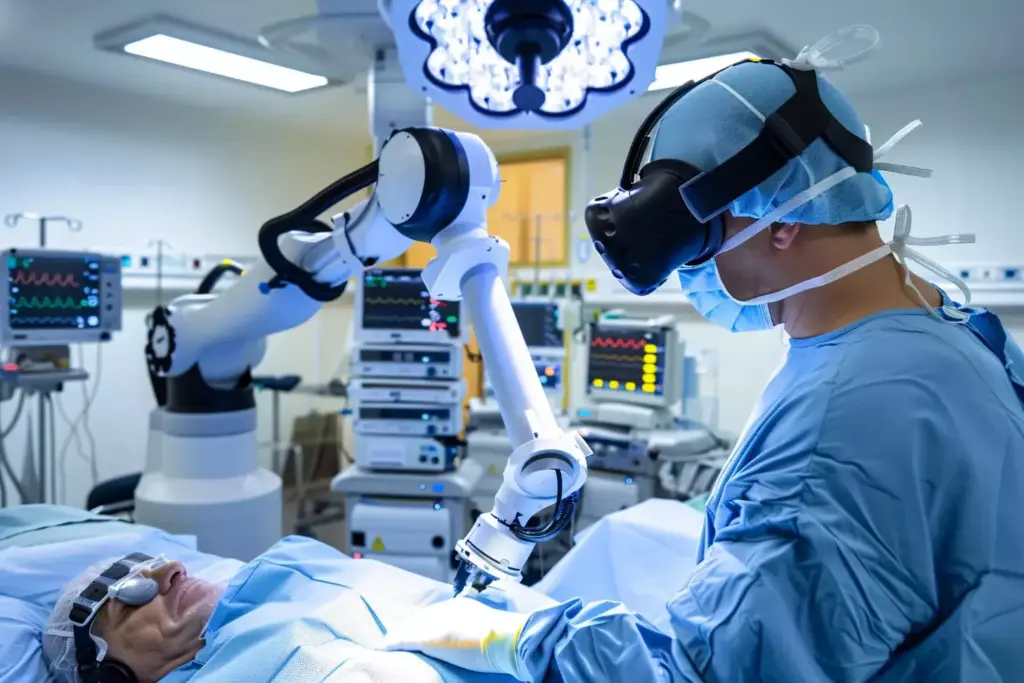
Robotic surgery has changed the way we do surgery, making it more precise. Over the last 20 years, it has grown a lot. This growth has made surgery more accurate and precise.
From Traditional to Minimally Invasive Surgery
Old surgery used big cuts, leading to long recovery times and more risks. Now, minimally invasive surgery is changing things. It’s less invasive and helps patients heal faster.
Robotic systems, like the da Vinci, make these surgeries easier. They help surgeons do complex tasks with more precision.
A study on Nature.com shows robotic surgery’s benefits. It improves patient results and shortens recovery times. This technology has greatly improved surgery.
The Intuitive Surgical Journey
Intuitive Surgical leads in robotic surgery. They started with the first da Vinci system. This led to more advanced systems like the Xi robot.
The da Vinci systems are for minimally invasive procedures. They let surgeons do complex surgeries with better control. As robotic surgery grows, we’ll see even better systems.
Understanding the Da Vinci Surgical System Family
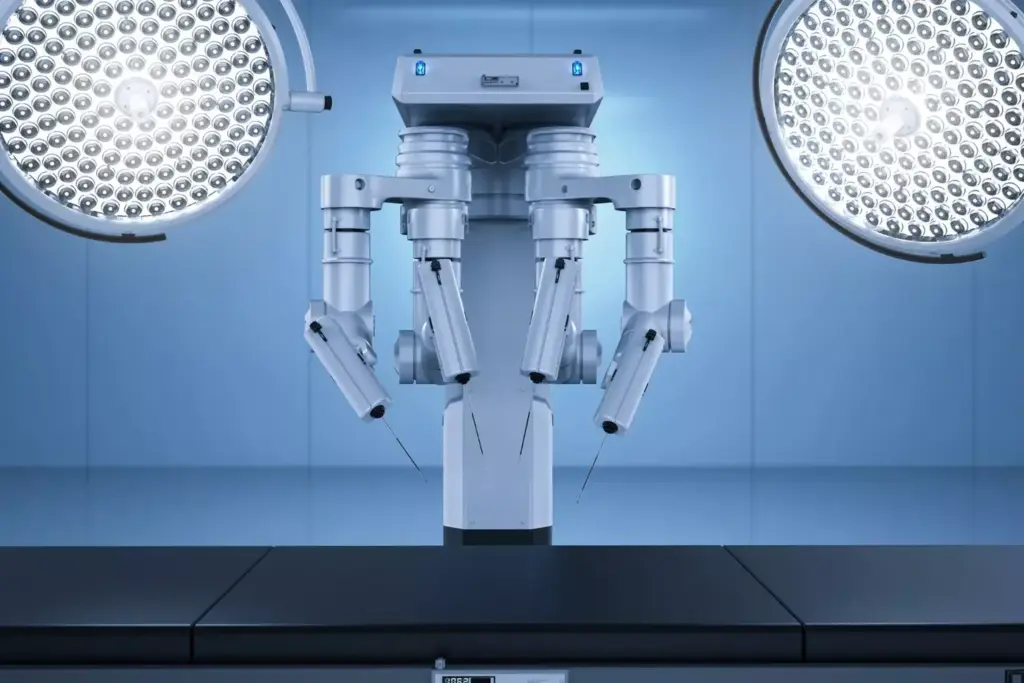
It’s important to know about the Da Vinci Surgical System family. This is because it shows how robotic surgery has improved. The system has changed a lot, making surgeries more precise and better for patients.
The Original Da Vinci System
The first Da Vinci System was a big step in robotic surgery. It brought 3D visualization and enhanced dexterity to the field. This made surgeries more precise and easier for doctors to do.
Da Vinci S and Si Models
The Da Vinci S and Si models were even better than the first one. They had improved visualization, enhanced ergonomics, and increased flexibility. The Da Vinci S was smaller, and the Si had even better imaging.
Some key features of the Da Vinci S and Si models include:
- Enhanced 3D visualization for better depth perception
- Improved surgeon ergonomics for reduced fatigue
- Increased range of motion for more complex procedures
These updates have made the Da Vinci System known for its precision and reliability in robotic surgery.
The Da Vinci Surgical System family shows how robotic surgery keeps getting better. By learning about the different models, we can see how important robotic systems are in healthcare today.
The Xi Robot: Advanced Evolution in the Da Vinci Series
The Xi robot is changing the game in robotic-assisted surgery. It’s the latest in the Da Vinci series, bringing better precision and flexibility to the table.
This robot has four independent da Vinci arms. This means it can do more complex surgeries with ease. It’s all about making surgery better and more efficient.
Development and Release of the Xi Platform
The Xi robot was made to be more versatile and capable. Intuitive Surgical worked hard to create a system that meets surgeons’ and patients’ needs.
The Xi platform’s release was a big deal. It brought new features and a redesigned boom for better access and flexibility.
Design Philosophy Behind the Xi Robot
The Xi robot was designed to improve surgical results. It has advanced imaging for clearer views and better precision.
The robot is also easy to use. Its interface helps surgeons focus on the surgery, not the tech. This is key in high-pressure situations.
The Xi robot is a big leap in robotic surgery. It shows how technology can improve patient care and surgical success. As it keeps getting better, we’ll see even more progress.
Difference 1: Arm Architecture and Mobility
The Da Vinci system and the Xi robot differ mainly in their arm design and how they move. The way the robotic arms are built affects how precise and complex surgeries can be.
Traditional Da Vinci Arm Configuration
The Da Vinci system has a well-known arm setup used in many surgeries. The arms work together, creating a stable space for surgery. But, this setup might not be as flexible, making it hard for complex surgeries.
Xi Robot’s Four Independent Arms
The Xi robot, on the other hand, has four arms that can move independently. This setup offers more flexibility and accuracy for surgeons. It allows for surgeries in different areas without needing to change the arms’ setup.
The Xi robot’s arms move better, making surgeries more precise. Surgeons can handle tough surgeries with more ease and precision. This makes the Xi robot a key tool in robotic surgery, helping improve patient results.
Difference 2: Overhead Boom Design and Surgical Access
The Da Vinci system and the Xi robot differ in their overhead boom designs. This design is key for getting to the surgical area and moving freely during surgery.
Da Vinci System’s Traditional Setup
The Da Vinci system has a boom design that works well but has some limits. It needs careful planning to get the best access to the surgery area.
The boom design of the Da Vinci system can sometimes limit the robotic arms’ movement. This might make it harder to do complex surgeries.
Xi Robot’s Redesigned Overhead Architecture
The Xi robot has a new overhead boom design that makes surgery easier and more flexible. This design lets the robotic arms move more smoothly and precisely. It helps with doing complex surgeries.
The Xi robot’s boom design is better than the old one. It’s more flexible and allows surgeons to do more surgeries with better results.
The Xi robot’s new boom design has many benefits. Some of these include:
- Enhanced surgical flexibility
- Improved access to the surgical site
- More intuitive control of robotic arms
- Increased precision during complex procedures
| Feature | Da Vinci System | Xi Robot |
|---|---|---|
| Boom Design | Traditional setup with limited flexibility | Redesigned overhead architecture for enhanced flexibility |
| Surgical Access | Restricted movement, requiring careful planning | Improved access, facilitating complex procedures |
| Robotic Arm Movement | Limited by traditional boom design | More intuitive and precise movement |
In conclusion, the Xi robot’s new overhead boom is a big step forward in robotic surgery. It offers better access and flexibility than the traditional Da Vinci system.
Difference 3: Imaging and Visualization Technologies
The Da Vinci Surgical System and the Xi Robot are big steps forward in robotic surgery. They have different ways of showing images and views. This is key for surgeons to do complex surgeries with great care.
Da Vinci’s 3D Visualization System
The Da Vinci Surgical System has a high-definition 3D view. This lets surgeons see the surgery area clearly and in detail. The 3D visualization is a big reason for its success in many surgeries.
Xi Robot’s Advanced Imaging Suite
The Xi Robot goes further with its advanced imaging suite. It offers high-definition 3D visualization and better precision. It also has fluorescence imaging to see blood vessels and important structures in real time.
A study on PubMed Central shows imaging tech has made surgeries better. The Xi Robot’s imaging helps surgeons make better choices during surgery. This can lead to better results for patients and shorter recovery times.
Difference 4: Console Surgery Experience
Surgeons using the Da Vinci and Xi robot systems get a lot of benefits. They work from an ergonomic console, which is key for both systems.
The Da Vinci console is a big deal in robotic surgery. It gives surgeons a comfy and easy-to-use interface. The ergonomic design helps surgeons work for a long time without getting tired.
Surgeon Experience at the Da Vinci Console
The Da Vinci console has a 3D system that shows the surgical area clearly. Surgeons like the controls that let them move precisely during tough surgeries.
Xi Robot’s Console Improvements
The Xi robot’s console improves on the Da Vinci system. It has improved 3D high-definition visualization and better controls. It’s made to make surgery more comfortable and efficient for surgeons.
Knowing how surgeons feel at the console is key for robotic surgery success. Both systems have their good points. The choice depends on what the surgery needs and what the surgeon prefers.
Difference 5: Integration with Operating Room Equipment
The Da Vinci system and Xi Robot differ in how they work with operating room equipment. This affects their use in surgery. It changes how flexible and efficient surgeries can be.
Da Vinci System’s Table Compatibility
The Da Vinci system needs to work with the operating table for precise surgery. It can work with many tables but needs specific setups.
Xi Robot’s Integrated Table Motion
The Xi Robot has a special feature: it moves the table with its arms. This makes surgery more flexible and precise. Surgeons can do complex surgeries more easily.
The Xi robot’s table motion is great for many surgeries. It’s good for both complex and delicate surgeries. This is a big step up from older robotic systems.
Da Vinci System’s Established Procedures
The Da Vinci system is known for its success in surgeries. It’s mainly used for urological, gynecological, and cardiothoracic surgeries. It works well with current equipment, making it popular.
Xi Robot’s Expanded Surgical Capabilities
The Xi Robot can do more surgeries than the Da Vinci system. Surgeons can now do more complex surgeries with better precision and flexibility. This could lead to better results for patients.
| Feature | Da Vinci System | Xi Robot |
|---|---|---|
| Table Integration | Limited compatibility with specific tables | Integrated table motion |
| Surgical Flexibility | Established procedures with some limitations | Enhanced flexibility and precision |
| Range of Procedures | Urological, gynecological, cardiothoracic | Expanded range including complex oncological and reconstructive surgeries |
How well robotic surgery systems work with operating room equipment is key. The comparison between the Da Vinci system and the Xi Robot shows how important this is. Advances in this area can greatly improve surgery and patient care.
Difference 7: Patient Outcomes and Recovery Benefits
Studies show that robotic surgery with the Da Vinci system and Xi robot leads to better results. It’s important to understand how these advancements affect patient recovery.
The Da Vinci system has been a leader in robotic surgery for years. It has proven to be safer and more effective than traditional surgery. A leading surgeon notes, “Robotic surgery has changed how we do complex surgeries, giving patients a better option.”
Clinical Results with Traditional Da Vinci Systems
Traditional Da Vinci systems have shown great improvements in patient care. These include less blood loss, less pain, and shorter hospital stays. The system’s precision and dexterity are key to these benefits.
Key benefits of the Da Vinci system include:
- Reduced risk of complications
- Faster recovery times
- Less postoperative pain
Xi Robot’s Impact on Patient Outcomes
The Xi robot is a big step forward in robotic surgery. It offers better imaging, more flexibility, and integrated table motion. These features make complex procedures easier and more precise.
A recent study found that the Xi robot leads to shorter recovery times and higher patient satisfaction. This shows the ongoing innovation in robotic surgery and its promise for better patient care.
The Xi robot’s benefits are wide-ranging, leading to enhanced recovery benefits thanks to its advanced capabilities. Its integration into surgery is shaping the future of robotic surgery.
The Xi robot’s advantages include:
- Improved surgical precision
- Enhanced patient recovery
- Better clinical outcomes
In conclusion, both the Da Vinci system and the Xi robot have greatly improved patient outcomes and recovery in robotic surgery. As technology advances, we can look forward to even more improvements in this field.
Conclusion: The Future of Robotic Surgery Systems
The Xi robot is a big step forward in robotic surgery. It brings better precision, flexibility, and results for patients. Looking ahead, technology will keep changing the way we do medicine.
Both the Xi robot and the Da Vinci System have their own strengths. The Xi robot has better imaging and arm design. The Da Vinci System, though, has a strong track record and many compatible tools.
Robotic surgery will keep getting better. We’ll see more tech advancements, leading to better care and results for patients. The Xi robot and Da Vinci System are leading this exciting change.
FAQ
What is the main difference between the Xi robot and the Da Vinci System?
The Xi robot is part of the Da Vinci series. It has four independent arms and better imaging. This makes surgeries more precise and improves patient results.
How has robotic surgery evolved over time?
Robotic surgery has changed a lot. It moved from open surgery to less invasive methods. New technology has cut down recovery times and made patients’ outcomes better.
What are the key features of the Xi robot’s design philosophy?
The Xi robot’s design aims to improve surgery. It has four arms and advanced imaging. This lets surgeons do more complex surgeries and get better results for patients.
How does the Xi robot’s arm architecture compare to the traditional Da Vinci system?
The Xi robot has four arms, giving it more flexibility than the Da Vinci system. This makes it better for complex surgeries.
What are the benefits of the Xi robot’s redesigned overhead boom design?
The Xi robot’s new design gives better access and flexibility. This makes surgeries more efficient and effective.
How does the Xi robot’s imaging and visualization technology compare to the Da Vinci system?
The Xi robot has better imaging and lighting. This improves how surgeons see and do their work, leading to better results for patients.
What are the benefits of the Xi robot’s console surgery experience?
The Xi robot’s console is designed better for surgeons. It has improved ergonomics and visualization. This reduces fatigue and improves patient care.
How does the Xi robot integrate with operating room equipment?
The Xi robot works well with other equipment in the OR. Its advanced table motion makes surgeries more efficient.
What are the clinical applications and procedure types for the Xi robot?
The Xi robot can do more procedures, including complex ones. It has been shown to make surgeries shorter.
How do the patient outcomes and recovery benefits of the Xi robot compare to the Da Vinci system?
The Xi robot’s advancements in surgery have improved patient care. It also reduces recovery times, making patients’ lives better.
What is the significance of the Xi robot in the field of robotic surgery?
The Xi robot is a big step forward in robotic surgery. It improves precision, patient outcomes, and shapes the future of surgery.
What is robotic automation in the context of robotic surgery?
Robotic automation in surgery means using advanced robots to do tasks. This makes surgery more precise and reduces recovery times.
How does the da Vinci robotic surgery system work?
The da Vinci system uses advanced technology for minimally invasive surgery. The surgeon’s inputs are translated into precise movements.