Last Updated on November 27, 2025 by Bilal Hasdemir
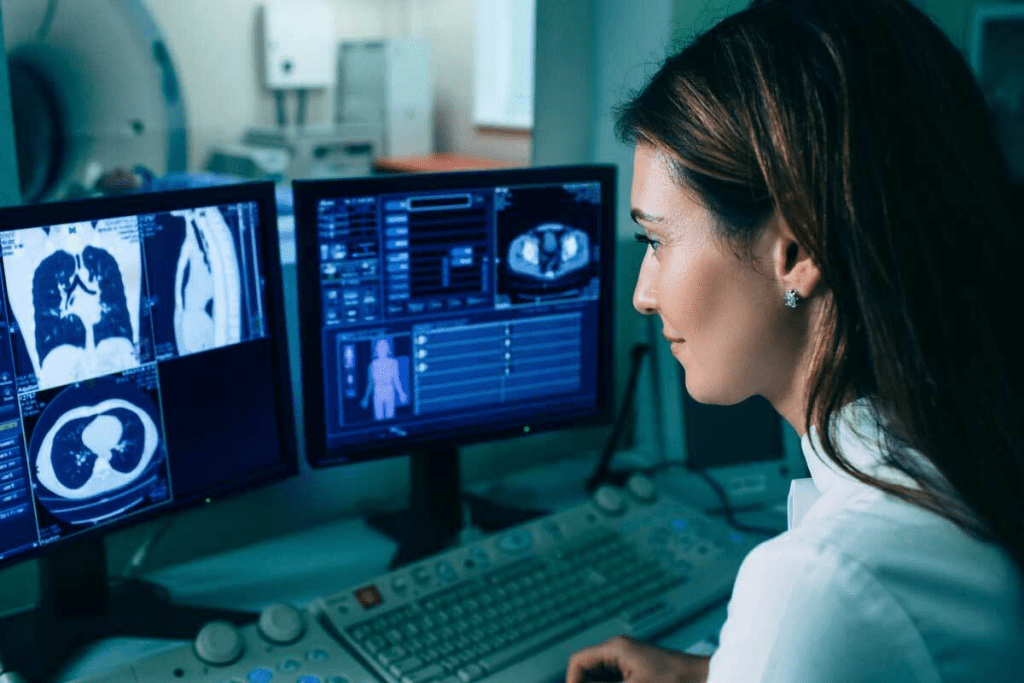
Medical imaging is key in today’s healthcare. It helps doctors find, track, and treat health problems. At Liv Hospital, we use top-notch imaging tech for precise diagnoses and treatment plans.
Choosing the right imaging modality is vital for accurate diagnoses. X-rays and CT scans both use ionizing radiation, but for different reasons. X-rays give quick, two-dimensional images of bones and dense tissues. On the other hand, CT scans make detailed, three-dimensional images by rotating X-ray beams and using computer algorithms.
It’s important to know the differences between X-rays, CT scans, and MRIs for tendon and ligament injuries. We’ll look into these differences and how they affect patient care. What is the Xray and CT scan difference? Find 7 crucial facts about image detail, technology, and radiation to understand the distinction.
Key Takeaways
- X-rays are best for bones and dense tissues.
- CT scans offer detailed, 3D images for complex diagnoses.
- MRIs are great for soft tissue injuries.
- The right imaging modality depends on the injury type.
- Liv Hospital provides advanced imaging for accurate diagnoses.
The Science Behind Medical Imaging Technologies

Diagnostic imaging has changed medicine a lot. It gives us new ways to see inside the body. This has made diagnosing and treating diseases much better.
How Diagnostic Imaging Has Revolutionized Medicine
Diagnostic imaging is key in today’s medicine. It lets doctors see inside the body. Diagnostic imaging technologies help make accurate diagnoses and guide treatments.
“Diagnostic imaging has greatly helped healthcare,” says a top medical expert. It lets us find diseases early and track treatment. This shows how important it is in today’s medicine.
Overview of X-ray, CT, MRI, and Ultrasound Technologies
There are many medical imaging technologies. Each has its own strengths and uses. X-ray technology uses electromagnetic waves to see inside the body. CT scan technology makes detailed images by combining X-rays.
MRI technology uses magnets and radio waves for soft tissue images. Ultrasound technology uses sound waves to see inside. Knowing how these work helps choose the right imaging for a patient.
- X-ray: Ideal for bone fractures and foreign object detection
- CT Scan: Suitable for detailed cross-sectional imaging and soft tissue assessment
- MRI: Excellent for soft tissue visualization and detecting tendon or ligament damage
- Ultrasound: Useful for dynamic imaging and assessing blood flow
Healthcare professionals can pick the best imaging by knowing each technology’s strengths and limits. This helps them make the best choices for their patients.
X-ray and CT Scan Difference: 7 Critical Distinctions
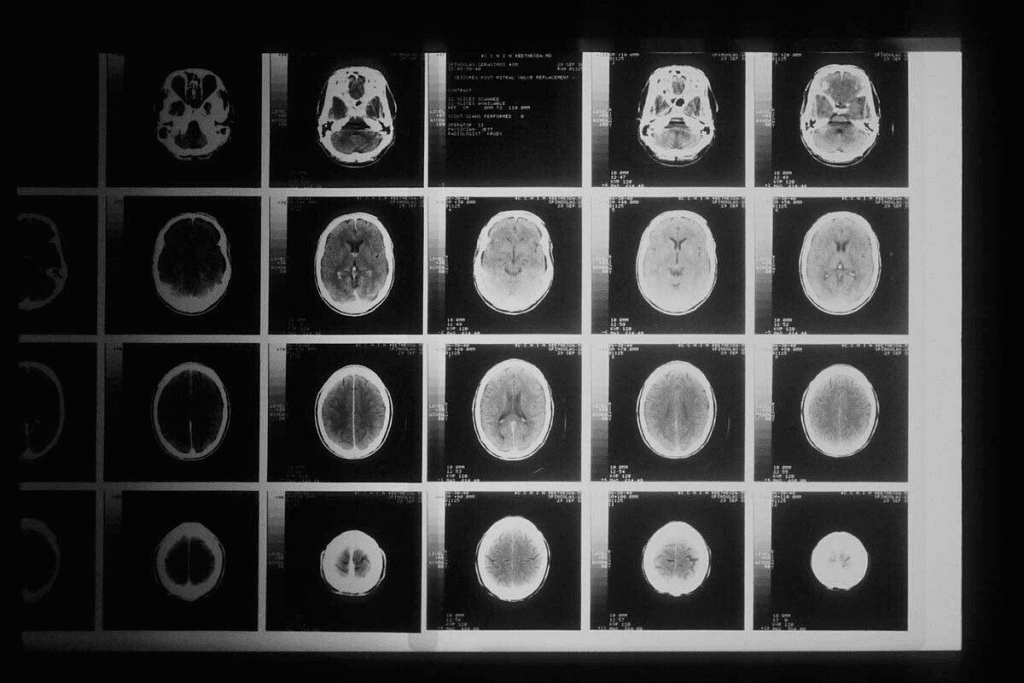
Knowing the differences between X-rays and CT scans is key to picking the right tool for diagnosis. We’ll look at the main differences that make these imaging methods unique.
Basic Technology: 2D vs 3D Imaging Capabilities
X-rays and CT scans differ mainly in their imaging abilities. X-rays give two-dimensional images, mainly for seeing bones, lungs, and some foreign objects. CT scans, on the other hand, create detailed three-dimensional images with X-ray beams and computer processing.
CT scans’ 3D imaging lets doctors see complex body parts better. They can show detailed images of organs, blood vessels, and soft tissues. This makes CT scans great for diagnosing many health issues.
Radiation Usage and Computer Processing
Both X-rays and CT scans use X-rays, but in different ways. X-rays use a simple, low-dose exposure for a single image. CT scans take multiple X-ray exposures from different angles, then use computer algorithms to make a 3D image.
CT scans usually use more radiation than X-rays. But the dose can change based on the CT scan type and the body part scanned.
Image Detail and Resolution Comparison
The detail and resolution of X-rays and CT scans are quite different. CT scans provide higher resolution images with more detail, mainly for soft tissues and complex structures. This is because CT scans can spot small differences in tissue density, helping in more accurate diagnoses.
- X-rays are better for:
- Seeing bone fractures
- Finding lung problems
- Guiding some medical procedures
- CT scans are best for:
- Imaging internal organs in detail
- Diagnosing complex injuries or conditions
- Planning surgeries
In summary, while both X-rays and CT scans are useful, they have different uses and benefits. Knowing these differences helps healthcare providers make better choices for patient care.
Radiation Exposure Comparison Between Imaging Methods
Medical imaging technologies are getting better, and it’s key to understand the radiation risks of X-rays and CT scans. We must look at the risks and benefits of each imaging method to make smart choices.
Ionizing Radiation Levels in X-rays vs CT Scans
X-rays and CT scans both use ionizing radiation to see inside the body. But they expose patients to different amounts of radiation. CT scans give patients more radiation than X-rays because they take many images from different angles.
A chest X-ray usually gives 0.1 millisieverts (mSv) of radiation. But a chest CT scan can give 7-8 mSv. This big difference is important when thinking about the risks of these imaging methods.
Cumulative Radiation Risks for Patients
Getting a lot of radiation from many imaging tests is a worry, mainly for those who have many CT scans. The risk of harm, like cancer, goes up with more radiation. So, we must only do imaging tests when they are really needed.
| Imaging Modality | Typical Radiation Dose (mSv) | Cumulative Risk Consideration |
|---|---|---|
| Chest X-ray | 0.1 | Low |
| CT Chest | 7-8 | Moderate to High |
| MRI | 0 | None |
| Ultrasound | 0 | None |
Radiation-Free Alternatives: When to Consider Them
For those who need many tests or are at high risk for radiation, MRI and ultrasound are great choices. These methods are safe and work well for many health issues without the radiation risks.
Healthcare providers need to think about the benefits of getting a clear picture against the risks of radiation. By picking the best imaging method for each patient, we can lower risks and get accurate diagnoses.
Can X-rays Show Tendon or Ligament Damage?
X-rays are not the best for seeing soft tissues like tendons and ligaments. They are great for bones and fractures, but not soft tissues.
X-ray Limitations for Soft Tissue Visualization
X-rays pass through the body, showing bones well but soft tissues not so much. Denser materials like bone block absorb more X-rays, showing up white. Soft tissues let more X-rays through, making them hard to see.
Some key limitations of X-rays for soft tissue include:
- Limited contrast resolution for soft tissues
- Inability to provide detailed images of tendons and ligaments
- Difficulty in detecting certain types of soft tissue injuries
Why Tendons Don’t Appear on Standard X-rays
Tendons and ligaments are dense but don’t show up well on X-rays. Their contrast with soft tissues is not enough for clear images.
Alternative imaging methods, like MRI or ultrasound, are better for soft tissues. They give clearer pictures, helping doctors diagnose better.
Knowing X-rays’ limits is key for healthcare and patients. It helps choose the right imaging for accurate diagnoses and treatment.
CT Scan Capabilities for Soft Tissue Injuries
CT scans give a clearer view of soft tissue injuries than X-rays. We’ll look at what CT scans can and can’t do for soft tissue injuries. This includes seeing tendons and ligaments.
Can You See Tendons on CT Scans?
CT scans can show details of soft tissue injuries, like tendon damage. They’re not as good as MRI scans, but they can help when an MRI isn’t an option.
Seeing tendons on CT scans depends on several things. This includes the tendon’s size, where it is, and what’s around it. For example, big tendons like the Achilles can sometimes be seen on CT scans, if there’s swelling or inflammation.
Limitations of CT for Specific Ligament Tears
CT scans have come a long way, but they’re not perfect for finding ligament tears. Ligaments are small and hard to see on CT scans because of their size and where they are.
For example, finding ACL tears or other small ligament tears in the knee is tough with CT scans alone. MRI is better for this because it shows soft tissues more clearly.
When CT Might Be Used for Soft Tissue Assessment
Even with their limits, CT scans can be useful in some situations. For example, in emergencies, they can quickly show soft tissue injuries, even with fractures or major trauma.
They’re also good for guiding injections or other procedures for soft tissue injuries.
| Imaging Modality | Soft Tissue Detail | Radiation Exposure | Typical Use Cases |
|---|---|---|---|
| CT Scan | Moderate | High | Trauma, complex fractures, when MRI is not available |
| X-ray | Low | Low to Moderate | Bone fractures, initial assessment |
| MRI | High | None | Soft tissue injuries, ligament tears, tendon damage |
In summary, CT scans have their limits in soft tissue injury assessment. Yet, they can offer important information in specific situations. Knowing their strengths and weaknesses is key to the best patient care.
MRI: The Gold Standard for Tendon and Ligament Imaging
MRI is the top choice for seeing tendons and ligaments. It’s great at showing soft tissue injuries. This is key for making accurate diagnoses.
X-ray vs MRI vs CT Scan for Soft Tissue Injuries
MRI is the best for soft tissue injuries because it shows details clearly. X-rays are better for bones, not soft tissues. CT scans can show details, but not as well as an MRI.
“MRI’s ability to visualize soft tissues makes it an indispensable tool in diagnosing tendon and ligament injuries.”
Why MRI Excels at Detecting Tendon Tears
MRI is great at finding tendon tears because it shows soft tissues well. It can spot even small tears. This helps doctors plan the right treatment.
MRI’s detailed images help doctors tell different types of tendon injuries apart. This means they can treat each injury in the best way.
Cost and Accessibility Considerations
Even though MRI is the best for tendons and ligaments, it can be pricey. It might not be available everywhere. But its benefits often make it worth it, even when it’s expensive.
Alternatives to MRI for Soft Tissue Visualization
Soft tissue injuries don’t always need an MRI. Other imaging methods can give valuable insights. MRI is great for seeing tendons and ligaments. But other methods are better in some cases because of cost, availability, or patient needs.
We’ll look at three main alternatives to MRI: ultrasound, X-ray with contrast, and new technologies. Each has its own benefits. They can be chosen based on the situation and what the patient needs.
Ultrasound: A Dynamic and Accessible Option
Ultrasound is a key tool for soft tissue imaging. It’s non-invasive and doesn’t use harmful radiation. It also shows how tendons and ligaments move in real-time.
Ultrasound has many advantages:
- It gives clear images of the surface structures.
- It can show how things move.
- It’s easy to take anywhere because it’s portable.
- It’s cheaper than an MRI.
Specialized X-ray Techniques with Contrast Media
Special X-ray methods can see soft tissues better. They use contrast media to make soft tissues stand out on X-ray images.
Examples include:
- Arthrography for looking at joints.
- Tenography for checking tendons.
These methods give detailed views of joints and tendons. But they are more invasive than other methods.
Emerging Technologies for Tendon and Ligament Assessment
New technologies are coming to improve medical imaging. Some of these include:
| Technology | Description | Potential Benefits |
|---|---|---|
| Contrast-Enhanced Ultrasound | Uses ultrasound with contrast agents to improve visualization | Better detection of inflammation and vascularity |
| Optical Coherence Tomography (OCT) | High-resolution imaging using light waves | Detailed imaging of superficial tissues |
| Photoacoustic Imaging | Combines light and sound to create images | Potential for assessing tissue oxygenation and inflammation |
These new technologies could help diagnose and treat tendon and ligament injuries better. They might offer more detailed or accessible options than MRI in the future.
Clinical Decision-Making: Choosing the Right Imaging Method
Choosing the right imaging method is key in healthcare. It depends on the injury, the patient’s health, and what we need to see. Each case is different, so we must pick wisely.
When X-rays Are the Appropriate First Choice
X-rays are often the first choice for bone injuries. They are fast, easy to get, and show bone fractures well. For example, if someone thinks they broke a limb, X-rays are usually the first step.
Key scenarios for X-rays include:
- Acute trauma with suspected fractures
- Assessing bone alignment and integrity
- Initial evaluation of joint dislocations
Scenarios That Warrant Immediate CT Scanning
CT scans are best in emergencies. They give detailed images of the body’s inside. For severe head injuries, CT scans quickly check for bleeding or damage.
| Scenario | Preferred Imaging | Rationale |
|---|---|---|
| Severe head trauma | CT Scan | Rapid assessment of intracranial injuries |
| Complex fractures | CT Scan | Detailed evaluation of bone fragments and alignment |
| Internal injuries | CT Scan | Assessment of soft tissue and organ damage |
When to Skip Directly to MRI for Suspected Tendon Injuries
MRI is the top for soft tissue like tendons. If we think a tendon is hurt, an MRI is best. It shows soft tissues very well.
“MRI provides unparalleled detail of soft tissue structures, making it the ideal choice for diagnosing tendon and ligament injuries.”
Knowing what each imaging method can do helps us make better choices. This way, we can give the best care and get accurate diagnoses.
Conclusion: Navigating Your Medical Imaging Options
It’s important to know the differences between medical imaging techniques. We’ve looked at X-rays, CT scans, MRIs, and more. Each has its own strengths and weaknesses.
Choosing the right imaging method is key. It depends on your health issue, how detailed you need the scan, and any risks. The right choice helps get a correct diagnosis and keeps you safe from too much radiation.
Medical technology keeps getting better. Staying updated on new imaging methods is vital. This way, we can work with doctors to make smart choices about our health. It leads to better care and outcomes.
FAQ
Can X-rays detect tendon or ligament damage?
Standard X-rays can’t directly see tendons or ligaments. But they might show signs of injury like bone spurs or joint narrowing.
What’s the difference between an X-ray and a CT scan?
X-rays give two-dimensional images of bones and some soft tissues using low-level radiation. CT scans, being three-dimensional, use computer-processed X-rays for detailed views of internal structures, including soft tissues.
Can a CT scan show tendon tears or ligament damage?
CT scans can see tendons and ligaments somewhat, but MRI is better for spotting tears or damage. CT scans are useful when an MRI isn’t available or not possible.
Is MRI the best imaging modality for soft tissue injuries?
Yes, MRI is top for soft tissue imaging, like tendons and ligaments, because it’s very sensitive and specific. It’s great for finding tears, sprains, and other injuries.
Are there alternatives to MRI for soft tissue visualization?
Yes, options include ultrasound, special X-rays with contrast, and new technologies. Ultrasound is good for checking tendons and ligaments, mainly in shallow areas.
How do I choose the right imaging method for my condition?
Choosing depends on the injury or condition, where it is, and your health. Always talk to a healthcare professional to find the best imaging for you.
What’s the radiation exposure associated with X-rays and CT scans?
Both X-rays and CT scans use ionizing radiation, but CT scans expose more. Yet, their benefits often outweigh the risks, which is important for diagnosis and treatment.
Can X-rays show ligament damage?
No, standard X-rays can’t directly show ligament damage. They might hint at injuries through signs like joint instability or bone fractures, but they’re not reliable for diagnosing ligament damage.
What’s the difference between X-ray, CT scan, and MRI in terms of radiation exposure?
X-rays and CT scans use ionizing radiation, but MRI doesn’t. MRI is a safe choice for soft tissue imaging, like tendons and ligaments, without radiation.
References
- Florkow, M. C. (2022). Magnetic Resonance Imaging Versus Computed Tomography: An Overview in Orthopedic Care. Orthopedic Imaging Journal, 33(1), 25“38. https://pmc.ncbi.nlm.nih.gov/articles/PMC9305220/