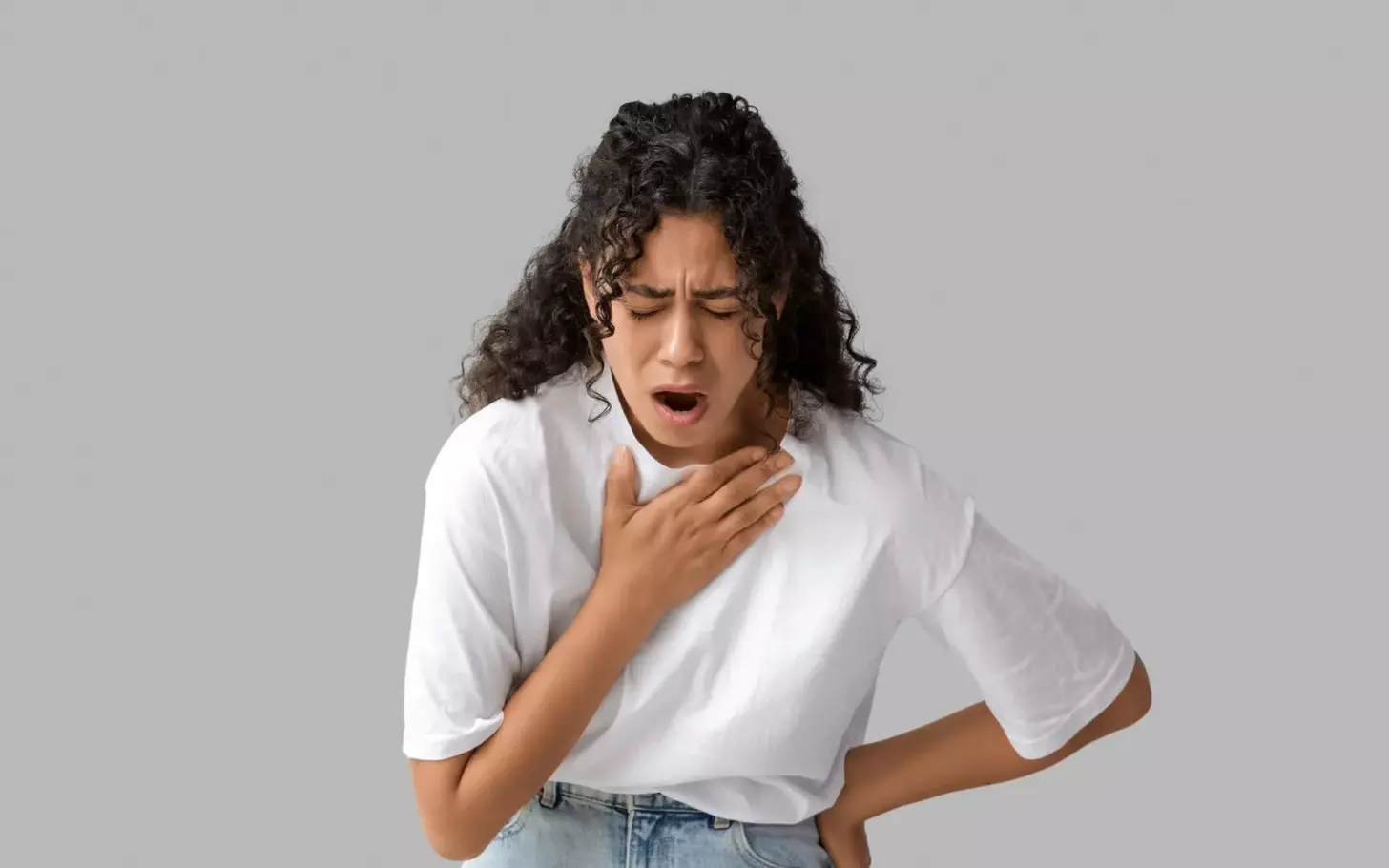
Heart attacks don’t always show up with the usual chest pain. At Liv Hospital, we mix kindness with top-notch learning. We know how vital it is to spot unusual signs that could save lives.
Up to half of women having a heart attack show signs that are often missed or misunderstood. This shows how important it is to know about these subtle warning signs.
We’re dedicated to teaching our patients about the overlooked warning signs. By knowing these signs, people can get help fast. This could stop serious problems from happening.
Key Takeaways
- Spotting unusual heart attack signs is key for quick medical help.
- Women are more likely to have non-typical heart attack signs.
- Knowing these signs can greatly improve health outcomes.
- Understanding the subtleties of heart attack symptoms can save lives.
- Early recognition is essential for effective treatment.
The Hidden Danger of Atypical Heart Attack Symptoms
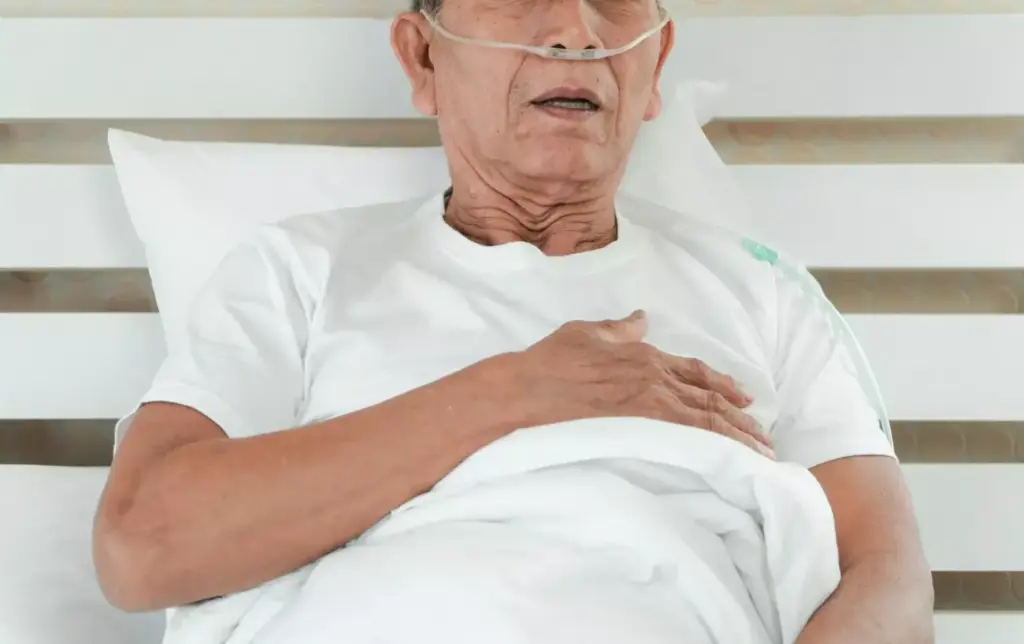
Atypical heart attack symptoms are a big risk to heart health. They often go unnoticed until it’s too late. Unlike the classic chest pain, these symptoms can be subtle and easy to miss.
Patients often have unusual symptoms before a heart attack. These can be fatigue, indigestion, dizziness, jaw or back pain, and shortness of breath. These signs can be tricky to spot, making it hard for both patients and doctors to know they’re a heart attack warning.
Why These Symptoms Often Go Unrecognized
Atypical heart attack symptoms are often missed because they don’t fit the usual heart attack picture. Not all heart attacks cause chest pain. Studies show women are more likely to have these symptoms, leading to delays in getting help.
There are many reasons why these symptoms are often overlooked. One reason is a lack of awareness among the public. Another is that doctors might not think of these symptoms as heart attack signs, even if the patient is young or doesn’t have heart disease history.
| Common Atypical Symptoms | Typical Characteristics |
|---|---|
| Fatigue | Unusual tiredness not relieved by rest |
| Shortness of Breath | Difficulty breathing without exertion |
| Jaw or Back Pain | Pain radiating to the upper body regions |
The Critical Importance of Timely Recognition
Spotting atypical heart attack symptoms early is key to good treatment and avoiding damage. Quick medical help can greatly improve a patient’s chances of recovery.
“Early recognition and treatment of heart attack symptoms can be the difference between life and death. It’s essential for both the public and healthcare professionals to be aware of the atypical signs.”
By knowing and spotting atypical heart attack symptoms, we can make a big difference in heart health. It’s vital to teach the public and doctors about these important warning signs.
Unusual Fatigue and Weakness

Feeling tired and weak can be a sign of a heart attack. It’s different from just feeling tired. Heart-related fatigue is a deep, unexplained tiredness that doesn’t go away with rest.
Distinguishing Heart-Related Fatigue from Normal Tiredness
Heart-related fatigue is a deep feeling of tiredness or weakness. It’s not like normal tiredness that gets better with rest. This kind of fatigue means your heart might not be working right, possibly because of a heart attack.
To tell normal tiredness from heart-related fatigue, look at a few things:
- Duration: How long have you been tired?
- Intensity: Is the tiredness so bad it stops you from doing things?
- Triggers: Does anything make the tiredness better or worse?
When Sudden Weakness Requires Immediate Attention
Sudden weakness, with chest pain or shortness of breath, needs quick medical help. This could mean a heart attack or another serious heart problem.
If you or someone else has sudden weakness and other bad symptoms, act fast.
| Symptom | Normal Tiredness | Heart-Related Fatigue |
|---|---|---|
| Duration | Temporary, resolves with rest | Prolonged, persists despite rest |
| Intensity | Mild to moderate | Severe, interferes with daily activities |
| Triggers | Often related to physical activity or lack of sleep | Not necessarily related to physical activity; can occur at rest |
It’s important to know the difference between normal tiredness and heart-related fatigue. If you’re feeling unusually tired or weak, and have other symptoms like chest pain or trouble breathing, get medical help right away.
Shortness of Breath Without Physical Exertion
Feeling short of breath without doing much is a sign that might point to heart problems. Many people notice dyspnea or shortness of breath without even trying hard. This can be a sign of a serious heart issue.
Shortness of breath, or dyspnea, can start suddenly or slowly. If you feel it without doing much, it might mean your heart is not working right. Our heart is key to getting oxygen into our blood. If it’s not pumping well, we can have trouble breathing.
The Cardiac Connection to Breathing Difficulties
The heart and lungs work together to get oxygen to our body. If the heart doesn’t pump well, fluid can build up in the lungs. This can make it hard to breathe, even when you’re not moving much.
Conditions like coronary artery disease, heart valve problems, and arrhythmias can also cause breathing trouble. These issues make it hard for the heart to pump blood and get oxygen to our body. This can lead to shortness of breath.
Warning Signs That Differentiate Heart-Related Dyspnea
Not all shortness of breath is from heart problems. It’s important to know the signs that might mean it’s related to the heart. Here are some key differences:
| Characteristic | Heart-Related Dyspnea | Non-Cardiac Dyspnea |
|---|---|---|
| Onset | Sudden or gradual, often worsening over time | May be sudden or related to specific triggers (e.g., allergens) |
| Associated Symptoms | Chest pain, fatigue, swelling in legs | Cough, wheezing, fever (in cases of respiratory infection) |
| Positional Influence | Often worse when lying flat (orthopnea) | May be influenced by position, but not consistently |
Knowing these differences is key to figuring out if shortness of breath is from a heart attack or something else. If you’re feeling short of breath without a reason, you should see a doctor. They can find out why you’re feeling this way.
Digestive Disturbances: Nausea, Indigestion, and Abdominal Pain
Digestive problems like nausea and stomach pain can signal a heart attack, not just a stomach issue. We often think of heart attacks as chest pain. But, many people have different symptoms that are just as serious. Knowing these signs is key for quick medical help.
Why Heart Attacks Can Present as Gastrointestinal Issues
The link between heart attacks and stomach symptoms might seem strange. But, it’s because of how our nervous system and heart work together. When the heart is stressed, it can send signals to other parts of the body, like the stomach. This can cause nausea, indigestion, and stomach pain, which people often think are just stomach problems.
The nerves that control the heart and stomach are connected. This is why heart problems can feel like stomach issues. This is called referred pain, where our brain gets the wrong message. So, someone having a heart attack might feel stomach pain instead of chest pain.
Distinguishing Features Between Heartburn and Heart Attack
Telling heartburn apart from a heart attack can be hard, as they share similar symptoms. But, there are important differences. Heartburn usually happens after eating, tastes sour, and antacids help. Heart attack pain doesn’t come from eating and antacids don’t fix it.
- Heartburn mainly affects the chest and throat.
- Heart attack pain can spread to arms, back, or jaw.
- Heartburn often includes bringing food back up.
- Heart attack symptoms might include breathing trouble, feeling dizzy, or sweating a lot.
Knowing these differences helps both people and doctors make better diagnoses and get treatment faster.
Jaw, Neck, and Throat Discomfort
Discomfort or pain in the jaw, neck, and throat can be a sign of a heart attack. This is not the usual chest pain we think of. Instead, it’s cardiac pain spreading to other parts of the upper body.
How Cardiac Pain Radiates to Upper Body Regions
Cardiac pain spreads because of the nerves that connect the heart to other parts of the upper body. When the heart doesn’t get enough blood, it sends pain signals. These signals can make the jaw, neck, and throat hurt.
Key factors that contribute to cardiac pain radiation include:
- The convergence of nerve signals from the heart and other upper body regions
- The brain’s interpretation of these signals, which can sometimes misattribute the source of pain
- The severity of the heart attack, with more severe attacks potentially causing more widespread pain
Key Characteristics of Heart Attack-Related Discomfort
It’s important to know how heart attack discomfort in the jaw, neck, and throat feels. This discomfort can be a dull ache or sharp pain.
| Characteristic | Description |
|---|---|
| Pain or discomfort | Can be a dull ache or a sharp, stabbing pain |
| Location | Typically affects the jaw, neck, or throat, but can also radiate to the arms or back |
| Triggers | May be triggered or worsened by physical activity, stress, or other factors that increase heart rate or blood pressure |
Medical experts say, “Knowing jaw, neck, and throat discomfort can be a heart attack warning sign is key to saving lives.”
“The key to surviving a heart attack is prompt medical attention. Being aware of the varied symptoms, including less typical ones like jaw pain, can make all the difference.”
If you or someone else has these symptoms, get medical help right away. This is true if the pain is severe or if you’re also having trouble breathing or chest pain.
Upper Back and Shoulder Pain
Upper back and shoulder pain can sometimes mean heart trouble. These symptoms are not the usual signs of a heart attack. But, they can be important signs to watch for.
The Mechanism Behind Referred Cardiac Pain
Referred cardiac pain happens when nerves that serve the heart also cover other parts like the upper back and shoulders. This is because of how complex our nervous system is. When the heart gets stressed, it can send pain signals to these areas.
Differentiating Musculoskeletal Pain from Heart Attack Symptoms
Telling musculoskeletal pain from heart attack pain is key. Musculoskeletal pain usually comes from injury or strain. It often feels sharp and local. On the other hand, referred cardiac pain spreads out and might come with other signs like shortness of breath or nausea.
To tell them apart, look at these points:
- Musculoskeletal pain gets worse with movement or touch.
- Cardiac pain stays the same and doesn’t change with movement.
- Feeling sweaty, dizzy, or tired might mean it’s heart-related.
Knowing these differences helps spot heart attack signs early. This ensures you get help fast if needed.
Cold Sweats and Clammy Skin
When a heart attack happens, the body reacts in unexpected ways. This includes cold sweats and clammy skin. It’s part of the ‘fight or flight’ response, triggered by the heart’s struggle to keep blood flowing.
Understanding the Body’s Stress Response During Heart Attacks
The body’s response to a heart attack involves stress hormones like adrenaline. These hormones get the body ready to react by increasing heart rate and blood pressure. But, this can also cause symptoms like cold sweats and clammy skin, as blood flow is diverted to the muscles.
Cold sweats during a heart attack are different from sweating due to heat or exercise. They are often accompanied by a feeling of being cold or clammy to the touch, despite possibly being in a warm environment. This symptom can occur even if the person is at rest.
When Unexplained Sweating Warrants Emergency Care
If you or someone else is experiencing cold sweats or clammy skin along with other heart attack symptoms, seek emergency care immediately. Other signs include chest pain, shortness of breath, or pain radiating to the arm, neck, or jaw.
- If the person is experiencing severe difficulty breathing or is unresponsive, call emergency services right away.
- If the cold sweats are accompanied by chest pain or pressure that lasts more than a few minutes, seek immediate medical attention.
- If there’s a sudden onset of cold sweats with dizziness or lightheadedness, do not delay in seeking help.
Recognizing these atypical heart attack symptoms can be lifesaving. If in doubt, it’s always better to err on the side of caution and seek medical help.
Dizziness, Lightheadedness, and Fainting
Heart attacks can cause dizziness, lightheadedness, and fainting. These happen because the heart’s pumping changes blood flow to the brain. When the heart doesn’t pump well, it can’t send enough blood to the brain.
Cerebral Perfusion Changes During Cardiac Events
During a heart attack, the heart can’t pump blood right. This reduces blood flow to the brain. This can make you feel dizzy, lightheaded, or even faint.
These symptoms aren’t just from ear problems or being dehydrated. They can also mean a serious heart issue. If you keep feeling dizzy, get medical help right away.
Recognizing Cardiac-Related Vertigo and Syncope
Vertigo and syncope can be heart-related. They might come with chest pain or trouble breathing. But sometimes, they happen alone.
| Symptom | Description | Possible Cardiac Cause |
|---|---|---|
| Dizziness | Feeling of being off balance | Reduced cerebral perfusion |
| Lightheadedness | Sensation of fainting | Insufficient blood flow |
| Fainting (Syncope) | Loss of consciousness | Severe reduction in cardiac output |
Knowing these symptoms can save lives. If you or someone you know has them, get medical help fast.
Anxiety and Sense of Impending Doom
Anxiety can be a subtle yet critical warning sign of a heart attack. Many people think heart attacks only cause chest pain or shortness of breath. But, some feel anxiety or a sense of impending doom first. This psychological warning sign is just as important as physical symptoms.
The Psychological Warning Signs of Heart Attacks
The body’s response to a heart attack can trigger a stress response. This leads to intense anxiety or fear. It can feel like something terrible is about to happen. It’s vital to understand that this anxiety is not just in your head but is a real physiological response.
In some cases, this anxiety can be so strong that it’s the only symptom. It’s important for both patients and healthcare providers to know about this unusual presentation.
When Sudden Anxiety May Indicate a Medical Emergency
Sudden, unexplained anxiety can be a sign of a heart attack. If it’s paired with chest discomfort, shortness of breath, or dizziness, get help right away. The mix of anxiety with these physical symptoms can mean a serious heart issue.
- Pay attention to when and how intense your anxiety is.
- Look out for any physical symptoms too.
- Get medical help if you’re not sure why you’re feeling anxious.
By knowing anxiety can be a heart attack warning sign, we can act fast. This saves lives. It shows heart attacks can show up in many ways. Being aware of these unusual symptoms is key for quick medical help.
Gender Differences in Atypical Heart Attack Symptoms in Females
Studies show that up to half of women with heart attacks have symptoms that are not typical. This highlights the need to understand how heart attacks affect women differently. It’s vital to recognize these differences to get medical help quickly and effectively.
Why Women Experience More Non-Traditional Symptoms
Research points to hormonal differences, like estrogen, as a factor in symptom variation. Women’s smaller coronary arteries and different pain processing also play a role. These factors lead to more atypical symptoms in women.
Key factors influencing symptom variation include:
- Hormonal influences on cardiovascular health
- Differences in coronary artery size and function
- Variations in pain perception and processing
Unique Warning Signs More Common in Female Patients
While chest pain is common in both genders, women often have other symptoms. These can include:
- Unusual fatigue or weakness
- Shortness of breath without exertion
- Nausea or dizziness
- Pain in the back, neck, or jaw
- Cold sweats or clammy skin
These symptoms can happen alone or together, and their intensity can vary. Spotting these signs early is key to saving lives. Quick medical action is essential in treating heart attacks.
Knowing these gender differences helps in early detection and treatment of heart attacks in women. This knowledge helps both doctors and patients to act faster in cardiac emergencies.
Conclusion: Responding to Possible Heart Attack Warning Signs
It’s key to spot atypical heart attack symptoms early. We’ve talked about signs like unusual fatigue, shortness of breath, and jaw or neck pain. These signs often get missed, leading to late treatment.
If you think you’re having a heart attack, get help right away. It’s important to know your body’s signals and call for emergency help if needed. Quick action can make a big difference in treatment success.
Knowing the unusual signs of a heart attack and acting fast can save lives. In a medical emergency, every second is critical. Quick action can be the difference between life and death.
What are atypical heart attack symptoms?
Atypical heart attack symptoms are not the usual chest pain. They can be unusual fatigue, shortness of breath, or digestive issues. You might also feel jaw or neck pain.
Why are atypical heart attack symptoms often missed?
These symptoms are often mistaken for other issues like indigestion or muscle pain. Some people don’t link them to heart attacks.
Are atypical heart attack symptoms more common in women?
Yes, women are more likely to have these symptoms. Up to half of women with heart attacks show non-traditional signs. It’s important to be aware of these symptoms.
What is the difference between typical and atypical chest pain?
Typical chest pain feels like pressure in the chest, often spreading to arms or jaws. Atypical chest pain can be sharp or burning, happening in different places like the back or belly.
Can digestive disturbances be a sign of a heart attack?
Yes, nausea, indigestion, or stomach pain can be heart attack symptoms. It’s key to know the difference between heartburn and heart attack signs.
How can I differentiate between musculoskeletal pain and heart attack symptoms?
Musculoskeletal pain moves with you, while heart attack symptoms stay the same. If unsure, always get medical help.
What should I do if I experience unusual fatigue or weakness?
Unusual fatigue or weakness, with symptoms like shortness of breath or chest pain, needs immediate medical help.
Can anxiety be a sign of a heart attack?
Yes, anxiety or feeling like something bad is going to happen can be heart attack symptoms. Sudden, severe anxiety needs medical attention.
What are the warning signs that differentiate heart-related dyspnea from other causes?
Heart-related shortness of breath comes with chest pain, fatigue, or dizziness. If you’re short of breath without trying, get medical help.
How can I recognize cardiac-related vertigo and syncope?
Vertigo or fainting with chest pain, shortness of breath, or fatigue is a sign. Dizziness or fainting needs medical check-up.
What should I do if I experience cold sweats or clammy skin?
Cold sweats or clammy skin, with chest pain or shortness of breath, needs immediate medical help.
References:
- Women’s Healthcare Associates. (2025). Silent heart attack symptoms in women: key signs you shouldn’t ignore. https://www.whallc.com/wellness/silent-heart-attack-symptoms-in-women-key-signs-you-shouldnt-ignore/
- Harvard Health. (2021). Women’s heart symptoms not so different after all. https://www.health.harvard.edu/womens-health/womens-heart-symptoms-not-so-different-after-all
- NIH. (2020). Impact of myocardial. https://pmc.ncbi.nlm.nih.gov/articles/PMC8569458