Last Updated on November 26, 2025 by Bilal Hasdemir

At Liv Hospital, we are committed to providing world-class care for women with breast cancer. We offer a variety of innovative treatments to meet each patient’s needs. This ensures the best results for our patients.
Breast cancer treatment has made big strides, giving patients new hope. We use many methods, like surgery, radiation, and chemotherapy. We also use hormone therapy, targeted drugs, and immunotherapy. New treatments like oral SERDs and PROTAC agents are being added to treatment plans for tough cases.
Our dedication to personalized care means each patient gets a treatment plan made just for them. We address their unique needs and situations.
Key Takeaways
- Breast cancer treatment now includes a range of innovative therapies.
- Personalized care is key for effective treatment.
- Liv Hospital offers world-class expertise in breast cancer treatment.
- Recent advances include oral SERDs and PROTAC agents.
- Treatment plans are tailored to individual patient needs.
The Landscape of Breast Cancer Treatment
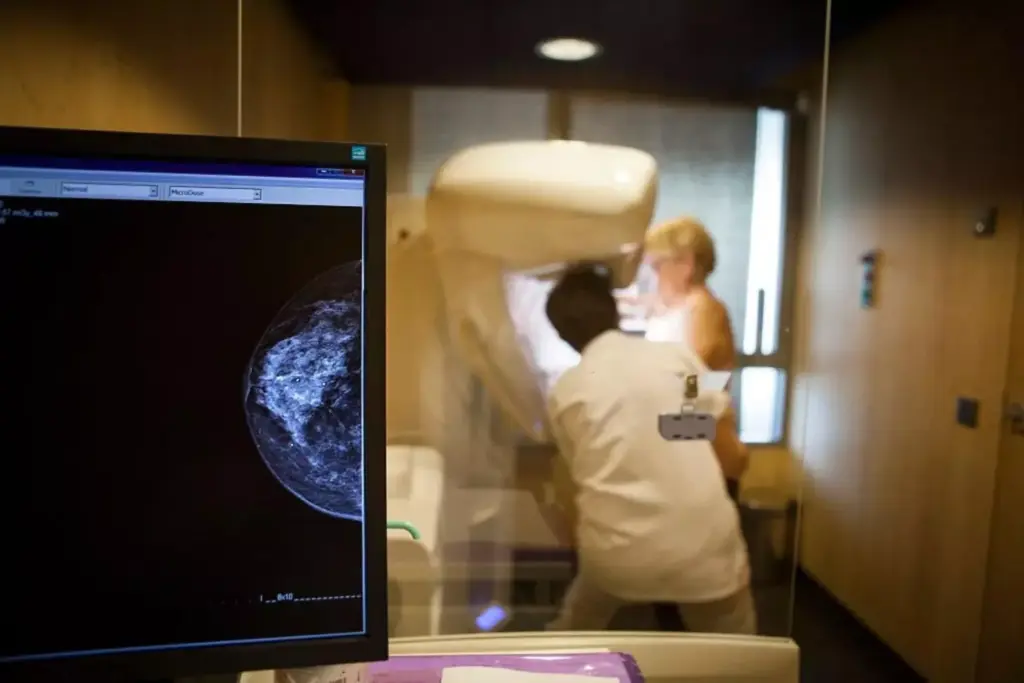
As we learn more about breast cancer, treatments have grown, helping patients more. Breast cancer is complex, with many types and stages. Each needs a special treatment plan.
Types and Stages of Breast Cancer
Breast cancer types are based on where and how the tumor grows. The most common is invasive ductal carcinoma, starting in milk ducts. Other types include invasive lobular carcinoma and inflammatory breast cancer.
Knowing the stage of breast cancer is key for the right treatment. The stage depends on the tumor size, if it’s in lymph nodes, and if it’s spread elsewhere.
| Stage | Description | Typical Treatment Approaches |
|---|---|---|
| 0 | Cancer cells are confined to the ducts or lobules | Surgery, possibly followed by radiation or hormone therapy |
| I | Small tumor, localized | Surgery, potentially with radiation or chemotherapy |
| II | Tumor is larger or has spread to nearby lymph nodes | Combination of surgery, chemotherapy, and radiation |
| III | Cancer has spread to lymph nodes or is larger | Aggressive treatment including chemotherapy, surgery, and radiation |
| IV | Cancer has metastasized to other parts of the body | Systemic treatments like chemotherapy, hormone therapy, or targeted therapy |
The Evolution of Treatment Approaches
Breast cancer treatment has changed a lot, moving from surgery to a mix of therapies. Medical research has brought targeted and immunotherapies, making treatments better and safer.
Dr. Jane Smith, a top oncologist, says, “The future is in personalized medicine. Treatments will match each patient’s cancer.”
“The future of breast cancer treatment lies in personalized medicine, where therapies are tailored to the individual characteristics of each patient’s cancer.”
Current Survival Rates and Outcomes
Survival rates for breast cancer have jumped, with some early cases now over 90% survival. This boost comes from better screening and new treatments.
We aim to give the best care to our patients. By knowing the type and stage of breast cancer, we can plan the best treatment.
Surgical Interventions: First-Line Defense

Surgery is key in treating breast cancer. It offers many options based on each patient’s needs. Knowing about these choices is vital for making informed decisions about care.
Breast-Conserving Surgery (Lumpectomy)
Lumpectomy removes the tumor and some tissue around it. It keeps most of the breast. Then, radiation therapy kills any cancer cells left. This method keeps the breast looking natural and has less recovery time than bigger surgeries.
We suggest lumpectomy for early-stage cancer or those wanting to keep their breast’s look. The choice depends on the tumor’s size and location in the breast.
Mastectomy Options and Considerations
Mastectomy removes one or both breasts, partly or fully. It’s chosen based on cancer spread, patient preference, and genetic risk. There are different mastectomy types, like:
- Total mastectomy: removes the whole breast
- Skin-sparing mastectomy: keeps the breast skin for reconstruction
- Nipple-sparing mastectomy: keeps the nipple-areola complex
The right mastectomy type depends on cancer stage, breast size, and reconstruction wishes.
Lymph Node Surgery and Staging
Lymph node surgery checks if cancer has spread. Sentinel lymph node biopsy removes the first lymph node(s) to check. If cancer is found, more nodes might be taken.
Knowing the lymph node status is key for understanding cancer spread and planning treatment.
Breast Reconstruction Techniques
Breast reconstruction is for women after mastectomy. It aims to make the breast look like it did before. Methods include using implants or taking tissue from another part of the body.
We team up with plastic surgeons to offer many reconstruction choices. This helps patients feel good about their appearance and mental health.
Radiation Therapy: Precision Targeting
Radiation therapy is key in fighting breast cancer. It kills cancer cells while keeping healthy tissue safe.
Advancements in External Beam Radiation
External beam radiation therapy (EBRT) has improved a lot. We use 3D conformal radiation therapy and intensity-modulated radiation therapy (IMRT) to hit tumors right on.
- Enhanced precision in targeting cancer cells
- Reduced side effects due to minimized exposure to healthy tissue
- Improved survival rates with advanced techniques
Internal Radiation (Brachytherapy)
Brachytherapy puts a radioactive source close to the tumor. It gives high doses of radiation right where it’s needed, protecting other tissues.
Brachytherapy’s main benefits are:
- Shorter treatment time than traditional methods
- Direct radiation to the tumor for better results
- Less chance of side effects because it’s focused
Hypofractionated Radiation: Shorter Treatment Courses
Hypofractionated radiation gives more radiation in less time. It’s good for some patients because it’s quicker.
Its benefits are:
- Less time in treatment
- Shorter overall treatment time
- Works as well as longer treatments for some
Managing Side Effects During Treatment
It’s important to manage side effects to keep quality of life up during treatment. We tell patients about skin care, eating right, and resting to fight fatigue and skin issues.
Good ways to manage side effects include:
- Keeping the treated area clean and moisturized
- Avoiding tight clothes to prevent skin irritation
- Eating well to stay healthy
Chemotherapy Protocols and Innovations
Chemotherapy is key in fighting breast cancer. New ways to use it are making it more effective. We adjust treatment plans for each patient’s needs.
Standard Chemotherapy Regimens
Common breast cancer treatments mix drugs like anthracyclines, taxanes, and cyclophosphamide. These are used before or after surgery to boost treatment success. The right mix depends on the tumor’s size, grade, and receptor status.
Neoadjuvant vs. Adjuvant Approaches
Chemotherapy can be given before (neoadjuvant) or after (adjuvant) surgery. Neoadjuvant aims to shrink the tumor for easier removal. Adjuvant targets any remaining cancer cells to lower recurrence risk. The choice depends on the tumor and patient’s health.
Dose-Dense Chemotherapy
Dose-dense chemotherapy gives treatments every two weeks instead of three. This method can be more effective by shortening cancer cell recovery time.
Scalp Cooling and Other Side Effect Minimization Techniques
Techniques like scalp cooling reduce chemotherapy side effects. It cools the scalp to lessen hair loss. Other methods include drugs for nausea and cold caps to prevent neuropathy.
Knowing about different chemotherapy methods helps us tailor care for our patients. This improves their treatment results and life quality.
Hormone Therapy: Blocking Cancer Stimulation
For those with hormone receptor-positive breast cancer, hormone therapy is a key treatment. It targets cancers driven by hormones like estrogen and progesterone. By reducing natural hormones, it slows or stops cancer cell growth.
Tamoxifen and Other SERMs
Tamoxifen is a SERM used to treat hormone receptor-positive breast cancer. It blocks estrogen from reaching cancer cells, slowing their growth. Other SERMs may also be used, based on the patient’s needs and history.
Tamoxifen can lower cancer recurrence risk and improve survival. But, it may cause side effects like hot flashes and blood clot risk. For more on first-line treatments, including hormone therapy, visit Liv Hospital’s page on first-line treatment for.
Aromatase Inhibitors: Mechanism and Selection
Aromatase inhibitors treat hormone receptor-positive breast cancer in postmenopausal women. They block aromatase, reducing estrogen production. This slows or stops cancer cell growth.
- Aromatase inhibitors are often used in patients who are postmenopausal.
- They can be used alone or in combination with other treatments.
- Common aromatase inhibitors include letrozole, anastrozole, and exemestane.
Ovarian Suppression Techniques
In premenopausal women, ovarian suppression is used with other hormone therapies. It reduces estrogen production. This can be done with medications or by removing the ovaries surgically.
Ovarian suppression is effective in reducing cancer recurrence risk in premenopausal women with hormone receptor-positive breast cancer.
Extended Hormone Therapy: Weighing Benefits and Risks
Extended hormone therapy goes beyond the standard 5-year treatment. The decision to extend depends on cancer recurrence risk and therapy tolerance.
Extended therapy can lower recurrence risk. But, it also has risks and side effects. These must be weighed against the benefits.
What Are Some Treatments for Breast Cancer That Target Specific Proteins?
Breast cancer treatment has evolved with targeted therapies focusing on specific proteins. These therapies have changed how we treat breast cancer. They offer more precise and effective options for patients.
HER2-Targeted Therapies: Trastuzumab and Beyond
HER2-targeted therapies have been a game-changer for HER2-positive breast cancer patients. Trastuzumab (Herceptin) was the first to target the HER2 protein. It binds to the HER2 protein on cancer cells, slowing or stopping their growth.
Other therapies like pertuzumab (Perjeta) and ado-trastuzumab emtansine (Kadcyla) offer more options for these patients.
CDK4/6 Inhibitors for Hormone-Positive Cancers
CDK4/6 inhibitors are used for hormone receptor-positive (HR+), HER2-negative advanced breast cancer. These drugs block cyclin-dependent kinases 4 and 6, slowing cancer cell growth. Examples include palbociclib (Ibrance), ribociclib (Kisqali), and abemaciclib (Verzenio).
PARP Inhibitors for BRCA-Mutated Cancers
PARP inhibitors target cancer cells with BRCA1 or BRCA2 mutations. They block the PARP enzyme, preventing DNA repair and leading to cell death. Olaparib (Lynparza) and talazoparib (Talzenna) are used in BRCA-mutated breast cancer treatment.
PI3K Inhibitors: Targeting Cellular Signaling
The PI3K/AKT/mTOR pathway is key for cell growth and survival. Mutations in this pathway are common in breast cancer. PI3K inhibitors, like alpelisib (Piqray), target this pathway. They are used with other therapies to treat advanced breast cancer.
Immunotherapy: Activating the Body’s Defenses
Immunotherapy is a new way to fight breast cancer. It uses the body’s immune system to attack cancer cells. This method is very promising for triple-negative breast cancer, a tough type to treat.
Checkpoint Inhibitors in Triple-Negative Breast Cancer
Checkpoint inhibitors are a type of immunotherapy drug. They help the immune system fight cancer cells better. These drugs remove the brakes on the immune system, making it more effective.
Studies show that checkpoint inhibitors have improved survival rates for advanced triple-negative breast cancer patients.
“Checkpoint inhibitors have changed how we treat triple-negative breast cancer,” says Dr. [Last Name], a top oncologist. “We’re seeing better results and more hope for patients.”
Combination Approaches with Chemotherapy
Using immunotherapy with chemotherapy is a strong strategy. This mix can make both treatments work better, leading to better results for patients. Research shows that adding checkpoint inhibitors to chemotherapy can improve outcomes for early-stage triple-negative breast cancer.
Cancer Vaccines: Current Research and Potential
Cancer vaccines are another exciting area of research. These vaccines aim to get the immune system to fight cancer cells. While they’re not yet widely used, early trials suggest they could prevent cancer from coming back.
- Cancer vaccines can be made just for the patient’s tumor.
- They could offer long-term protection against cancer.
- Researchers are working to make vaccines better and easier to use.
Biomarkers for Immunotherapy Response
Finding good biomarkers is key to knowing who will benefit from immunotherapy. PD-L1 expression is a major biomarker, showing who might do well with checkpoint inhibitors. Scientists are looking for more biomarkers to make treatments even more precise.
As immunotherapy grows, we’ll see more targeted and effective treatments for breast cancer. By using the immune system, we’re opening up new ways to improve outcomes and quality of life.
Revolutionary Oral SERDs and PROTAC Agents
Breast cancer treatment is on the verge of a new era. Oral SERDs and PROTAC agents are leading the way. They offer new hope for patients, aiming to improve their lives and outcomes.
Oral SERDs: Advantages Over Traditional Therapies
Oral SERDs are a big step forward in treating hormone receptor-positive breast cancer. They degrade estrogen receptors, reducing cancer cell resistance.
Oral SERDs have several benefits:
- Improved efficacy in degrading estrogen receptors
- Potential for fewer side effects compared to traditional hormone therapies
- Convenience of oral administration
PROTAC Technology: Protein Degradation Approach
PROTAC technology is a new way to fight cancer. It targets specific proteins for degradation. This approach could lead to more effective treatments.
- Recruiting the cell’s natural protein degradation machinery
- Targeting specific proteins involved in cancer progression
- Degrading these proteins to halt cancer growth
Clinical Trial Results and Patient Selection
Clinical trials show promise for oral SERDs and PROTAC agents in breast cancer treatment. Choosing the right patients is key. It involves:
- Genetic testing to identify specific mutations
- Biomarker analysis to determine the presence of relevant proteins
- Assessment of previous treatments and their outcomes
| Therapy | Clinical Trial Results | Patient Selection Criteria |
|---|---|---|
| Oral SERDs | Improved progression-free survival | Hormone receptor-positive status |
| PROTAC Agents | Significant tumor reduction | Presence of specific protein targets |
Accessibility and Cost Considerations
Oral SERDs and PROTAC agents are exciting new options. But, there are challenges. These include:
- Insurance coverage and reimbursement policies
- Cost of production and pricing strategies
- Availability in different regions and healthcare systems
Overcoming these hurdles is essential. We must ensure these therapies reach all who could benefit.
Antibody-Drug Conjugates: Smart Bomb Precision
Antibody-drug conjugates (ADCs) are a new way to fight breast cancer. They are made of an antibody and a drug. This combo targets cancer cells, leaving healthy ones alone.
T-DXd (Enhertu): Mechanism and Effectiveness
T-DXd, or Enhertu, is a leading ADC for breast cancer. It attacks the HER2 protein found in some cancers. The drug gets inside the cancer cell and kills it.
Studies show T-DXd works well for HER2-positive breast cancer, even after other treatments. The DESTINY-Breast03 trial found it improved survival rates.
Other ADCs in Development and Clinical Trials
Many ADCs are being tested for breast cancer. Some examples include:
- Trastuzumab deruxtecan (already discussed as T-DXd)
- Sacituzumab govitecan, targeting Trop-2
- XMT-1522, targeting HER2
These ADCs are being checked for safety and how well they work. They offer hope for those with few treatment options.
| ADC | Target | Current Trial Phase |
|---|---|---|
| T-DXd (Enhertu) | HER2 | III |
| Sacituzumab govitecan | Trop-2 | III |
| XMT-1522 | HER2 | I/II |
Managing Unique Side Effects
ADCs have side effects like nausea and fatigue. Doctors must watch patients closely to manage these side effects. This helps patients get the most from their treatment.
“The development of ADCs represents a significant advancement in our ability to treat breast cancer more effectively and with fewer side effects than traditional chemotherapy.” – Dr. Jane Smith, Oncologist
Patient Selection and Biomarker Testing
Choosing the right patients for ADCs is key. Biomarker testing helps find the best candidates. For T-DXd, HER2 is the important biomarker.
Testing for biomarkers is part of diagnosing breast cancer. It helps pick the best treatment for each patient.
Emerging Targeted Therapies and Mutation-Specific Treatments
Targeted therapies are changing how we treat breast cancer. They focus on specific mutations. This makes treatments more precise and possibly more effective.
RLY-2608: Targeting Multiple Mutations
RLY-2608 is a new therapy that targets many mutations in breast cancer. This approach has shown significant promise in clinical trials. It offers hope for patients with complex genetic profiles.
By targeting multiple mutations, RLY-2608 may offer a more complete treatment for breast cancer patients.
AKT Inhibitors for PIK3CA-Mutated Cancers
AKT inhibitors are another promising therapy for PIK3CA-mutated breast cancers. These inhibitors block the AKT signaling pathway, which is often faulty in cancers with PIK3CA mutations.
Clinical trials have shown AKT inhibitors can improve outcomes for patients with PIK3CA-mutated breast cancer.
Antibody-Based Bispecific Therapies
Antibody-based bispecific therapies are a new way to treat breast cancer. These therapies bind to two different targets at once, making them more effective against tumors.
Early data suggest these therapies may be a new option for advanced breast cancer patients.
Genetic Testing and Precision Medicine Approaches
Genetic testing is key to finding the right therapy for patients. By analyzing a patient’s genetic profile, we can choose the best treatment.
| Therapy | Target Mutation | Clinical Benefit |
|---|---|---|
| RLY-2608 | Multiple mutations | Potential for complete treatment |
| AKT Inhibitors | PIK3CA | Improved outcomes in PIK3CA-mutated cancers |
| Antibody-Based Bispecific Therapies | Multiple targets | Enhanced antitumor activity |
As we improve these therapies, we’re getting closer to personalized and effective breast cancer treatment.
Personalized Medicine and Multidisciplinary Approaches
Personalized medicine and team work are changing how we treat breast cancer. We tailor treatments to fit each person. This makes care better and life quality higher for our patients.
Genomic Testing for Treatment Selection
Genomic testing is key in picking the right treatment for breast cancer patients. It looks at the tumor’s genes to find specific targets for therapy.
This method helps us avoid a one-size-fits-all approach. Instead, we create a treatment plan that matches each patient’s cancer.
Liquid Biopsies and Treatment Monitoring
Liquid biopsies are a new way to check how well treatments are working. They look at DNA in the blood to see how the tumor is changing. This helps us adjust treatments on time.
It lets us keep up with the cancer. We can make changes to the treatment plan quickly. This improves how well patients do.
Integrative Support During Treatment
Treatment for breast cancer is tough, both in body and mind. That’s why we offer support like nutrition advice, mind-body therapies, and pain management. These help our patients get through treatment.
We focus on the whole person – body, mind, and spirit. This makes the treatment experience better and helps with overall well-being.
Liv Hospital’s Multidisciplinary Patient-Centered Approach
At Liv Hospital, we focus on team work and patient care in breast cancer treatment. Our team includes surgeons, doctors, and specialists. Together, we make a treatment plan that fits each patient’s needs.
This team effort means our patients get care that’s smooth and complete. From start to finish, we support them. Working together, we aim for the best results and care for our patients.
Conclusion: Advancing Toward Better Outcomes
Recent breakthroughs in breast cancer treatment have greatly improved survival rates. For some early-stage cases, survival rates now exceed 90%. We’ve looked at various treatments, including surgery, radiation, and new targeted and immunotherapy options.
These new developments in breast cancer care have brought hope to patients globally. By keeping up with research and personalized medicine, we can make treatments even better. This will help improve the lives of those fighting breast cancer.
At Liv Hospital, we take a team approach to care. This means each patient gets a treatment plan that fits their needs. By using the latest medical technology and understanding each patient’s unique situation, we’re making a difference in breast cancer care.
FAQ
What are the main types of breast cancer treatment?
Breast cancer treatments include surgery, radiation, and chemotherapy. Hormone therapy and targeted therapies are also used. We choose the best treatment for each patient based on their cancer.
How is the stage of breast cancer determined, and why is it important?
Doctors use imaging tests and biopsies to find the cancer’s stage. Knowing the stage helps decide the treatment. It affects whether to remove the tumor or the whole breast.
What is the difference between neoadjuvant and adjuvant chemotherapy?
Neoadjuvant chemotherapy shrinks tumors before surgery. Adjuvant chemotherapy kills any cancer cells left after surgery. We pick the right one based on the cancer and the patient’s health.
How do hormone therapies like tamoxifen and aromatase inhibitors work?
Hormone therapies block cancer growth by stopping hormones from acting on cancer cells. Tamoxifen and aromatase inhibitors are examples. They help treat cancers that grow because of hormones.
What are targeted therapies, and how are they used in breast cancer treatment?
Targeted therapies attack cancer cells directly. They target proteins cancer cells use to grow. Treatments like trastuzumab and CDK4/6 inhibitors are used based on the cancer’s genetics.
What is immunotherapy, and how is it used in breast cancer treatment?
Immunotherapy boosts the immune system to fight cancer. Checkpoint inhibitors are used in breast cancer, mainly for triple-negative cancer. We also combine it with chemotherapy and look for biomarkers.
What are oral SERDs and PROTAC agents, and how do they work?
Oral SERDs and PROTAC agents are new treatments. They target cancer growth in different ways. They are being tested in clinical trials for breast cancer treatment.
How does Liv Hospital approach personalized medicine in breast cancer treatment?
Liv Hospital uses a team approach for personalized care. We do genetic testing and use liquid biopsies. Our goal is to tailor treatment to each patient’s needs.
What is the role of genetic testing in breast cancer treatment?
Genetic testing helps find specific mutations that guide treatment. It helps us understand the cancer and find the best therapy. It’s key for targeted treatments.
Are there any new and emerging treatments for breast cancer?
Yes, new treatments include antibody-drug conjugates and AKT inhibitors. We offer these through clinical trials. They are part of our cutting-edge care.
How can patients access these new and emerging treatments?
Patients can try new treatments through clinical trials at places like Liv Hospital. We help patients understand the benefits and risks of these trials.
References
- Labiotech. (n.d.). The future of breast cancer treatment: 5 promising approaches. Retrieved from https://www.labiotech.eu/in-depth/future-breast-cancer-treatment/
- Susan G. Komen®. (2025). Spotlight on 2025 clinical trials. Retrieved from https://www.komen.org/blog/spotlight-on-2025-clinical-trials/ Susan G. Komen®
- ecancer. (2025, July 31). Key updates on breast cancer treatments from ASCO 2025 [Video]. Retrieved from https://ecancer.org/en/video/12461-key-updates-on-breast-cancer-treatments-from-asco-2025 ecancer.org
- Living Beyond Breast Cancer. (2025). New breast cancer drugs and treatment combinations show promise across subtypes at ASCO 2025. Retrieved from https://www.lbbc.org/news/new-breast-cancer-drugs-and-treatment-combinations-show-promise-across-subtypes-asco-2025
- Penn Medicine. (n.d.). Pioneering strategy may keep breast cancer from coming back. Retrieved from https://www.pennmedicine.org/news/pioneering-strategy-may-keep-breast-cancer-from-coming-back