
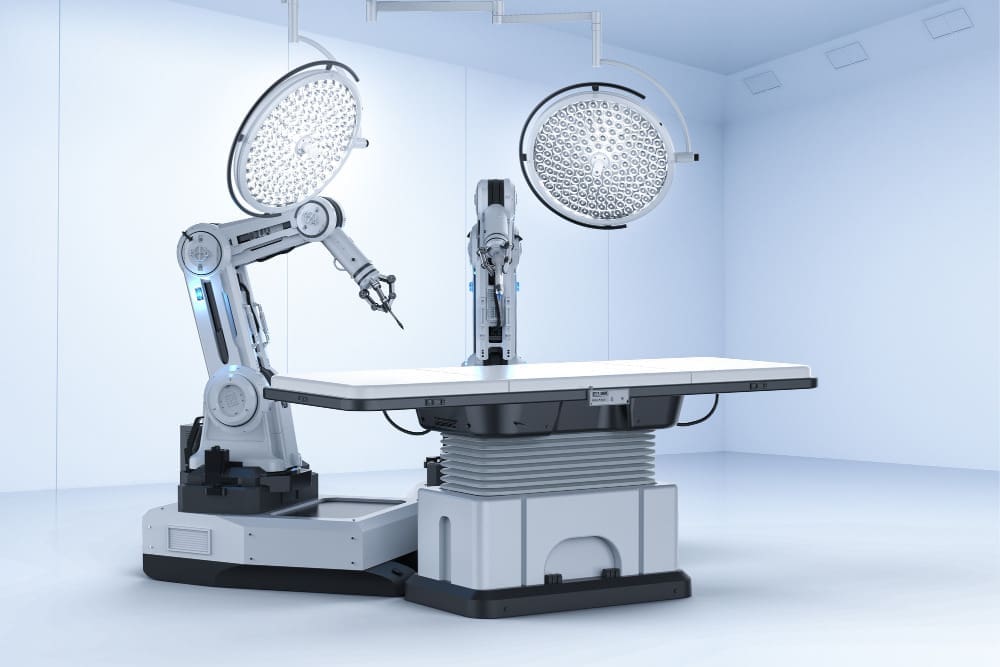
At Liv Hospital, we’re changing healthcare with robotic surgery. We use the latest tech and focus on the patient. This means safer, more precise surgeries and quicker recovery times.
Robotic surgery brings many benefits. It’s more precise, reduces blood loss, and makes incisions smaller. Plus, patients stay in the hospital for less time. We’re always looking to improve medical care for our patients.
Robotic surgery changes how we do complex surgeries. It uses enhanced precision and minimally invasive techniques. Our team works hard to use this tech to better care for our patients.
Key Takeaways
- Robotic surgery offers enhanced precision and accuracy.
- Minimally invasive techniques reduce blood loss and promote faster healing.
- Smaller incisions result in less scarring and trauma to the patient.
- Shorter hospital stays enable patients to return to their normal lives sooner.
- Improved patient outcomes are achieved through advanced technology and expertise.
The Evolution of Robotic Surgery in Modern Healthcare

Robotic surgery is changing the game in healthcare. It brings a new level of precision and care to surgery. This technology lets surgeons do complex tasks with better control and flexibility.
What Is Robotic Surgery and How It Works
Robotic surgery uses a robotic system controlled by a surgeon. It has a console, a cart with robotic arms, and a 3D vision system. The surgeon’s actions are turned into precise movements by the robotic arms.
The system’s 3D vision gives a clear view of the surgery area. This helps surgeons do detailed work. says, “Robotic surgery has changed how we do complex surgeries, giving us unmatched precision and control.”
“Robotic surgery can improve patient results by cutting blood loss, reducing scars, and speeding up recovery.” – Robotic Surgeon
The Development of Surgical Robotics Technology
The tech behind surgical robotics has grown a lot over time. Early systems were limited but today’s are much better. They offer more control, precision, and vision.
Advances in computer tech, robotics, and engineering have driven this progress. These changes have made robotic systems more advanced. They can now handle a variety of complex surgeries.
| Year | Milestone | Description |
|---|---|---|
| 1999 | First robotic surgery system approved | The FDA approves the first robotic surgery system, marking the beginning of a new era in surgical care. |
| 2003 | First robotic prostatectomy performed | The first robotic prostatectomy is performed, showing robotic surgery’s promise for complex urological procedures. |
| 2010 | Advancements in robotic technology | Significant advancements in robotic technology lead to improved precision, flexibility, and control. |
Current Applications in Medical Practice
Robotic surgery is used in many fields like urology, gynecology, and cardiothoracic surgery. It’s used for both simple and complex surgeries. This technology has improved patient care and outcomes.
Robotic surgery has been shown to reduce recovery times and complications. As it keeps improving, we’ll see more uses in medicine.
Key Benefits of Robotic Surgery:
- Enhanced precision and control
- Minimally invasive procedures
- Reduced blood loss and scarring
- Faster recovery times
Understanding the Key Benefits of Robotic Surgery
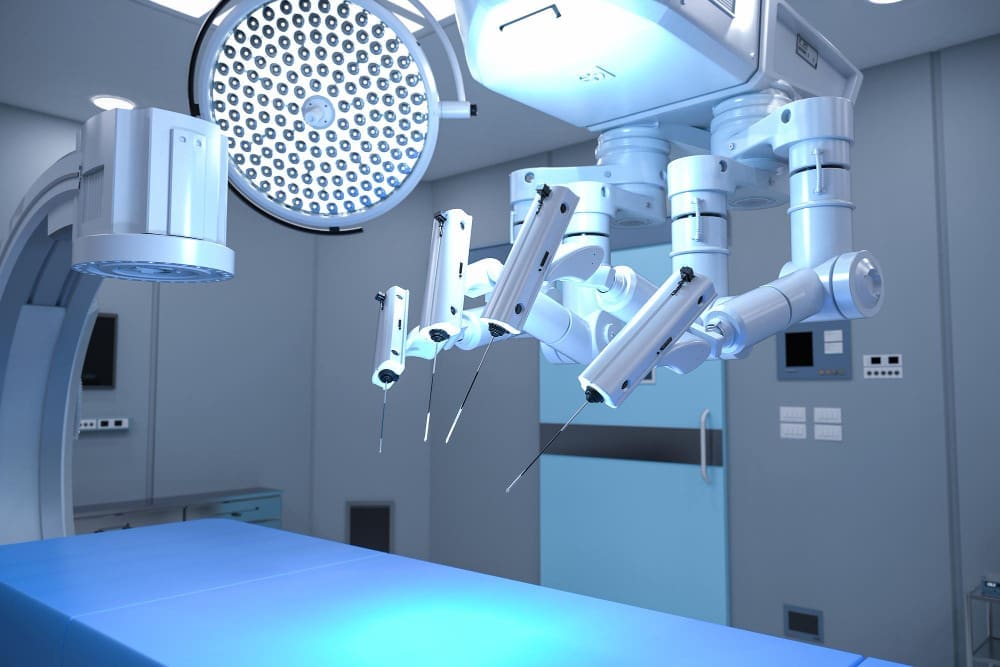
Medical technology is getting better, and robotic surgery is leading the way. It’s changing how we do surgeries, making them better for patients and more precise.
Overview of Advantages Compared to Traditional Surgery
Robotic surgery has big advantages over old ways of doing surgery. It’s more precise, less invasive, and patients recover faster. This is because of the advanced tech in robotic systems, giving surgeons better control and views.
Robotic surgery also means less blood loss, less pain after surgery, and shorter hospital stays. These benefits make patients happier and healthier.
Patient-Centered Outcomes
Robotic surgery focuses on what’s best for the patient. It makes surgeries less invasive, which means less pain and faster healing. Patients get back to their lives sooner.
Research shows robotic surgery leads to fewer problems and less blood loss than traditional surgery. This makes patients safer and healthier.
| Outcome | Robotic Surgery | Traditional Surgery |
|---|---|---|
| Recovery Time | Shorter | Longer |
| Blood Loss | Less | More |
| Postoperative Pain | Reduced | More |
Surgeon and Hospital Benefits
Robotic surgery is also good for surgeons and hospitals. It lets surgeons do complex surgeries more easily and accurately. This can make surgeries better and safer.
Hospitals get a boost in reputation by using robotic surgery. It can also save money by reducing hospital stays and complications.
Enhanced Surgical Precision: Millimeter-Perfect Operations
Robotic surgery has changed the medical world with its unmatched precision. Now, we can do surgeries that were once thought impossible. This is all thanks to the cutting-edge tech of robotic systems.
Improving Precision with Robotic Systems
Robotic systems bring several key features to improve surgery. Tremor filtration removes the natural tremors of a surgeon’s hand. This makes movements smoother and more precise.
Motion scaling lets surgeons make precise movements by scaling down their hand actions. This is super useful in delicate surgeries where every detail counts.
Tremor Filtration and Motion Scaling
The mix of tremor filtration and motion scaling boosts surgery precision a lot. These features give surgeons the control they need for complex operations. They make it easier to do these surgeries.
- Tremor filtration gets rid of unwanted hand movements.
- Motion scaling allows for precise control over surgical tools.
- Together, these features lead to more accurate surgery results.
Clinical Evidence Supporting Precision Improvements
Many studies show robotic surgery’s precision benefits. Clinical evidence proves that robotic systems lower complication risks and better patient outcomes.
- A study in the Journal of Robotic Surgery found robotic surgery had fewer complications than traditional surgery.
- Another study showed robotic systems’ precision in delicate surgeries.
By using robotic system tech, we can keep improving surgery precision. This leads to better results for patients.
Minimally Invasive Approach: Smaller Incisions, Better Results
Robotic surgery is a big step forward in surgery. It lets us do operations with smaller cuts. This means less damage to the body and faster healing.
Comparison with Traditional Open Surgery
Old-school surgery needs big cuts. This causes more harm, more pain, and a longer recovery. But, robotic surgery uses minimally invasive procedures with tiny cuts. It cuts down on problems and speeds up healing.
| Surgical Aspect | Traditional Open Surgery | Robotic Surgery |
|---|---|---|
| Incision Size | Large | Small |
| Tissue Trauma | High | Low |
| Recovery Time | Longer | Shorter |
Cosmetic and Functional Advantages
The small cuts in robotic surgery also mean less scarring. This makes patients happier with how they look after surgery.
Reduced Tissue Trauma
Robotic surgery really cuts down on tissue damage. It uses small cuts and precise tools. This means less pain and fewer complications.
Our patients get to heal faster thanks to robotic surgery. They can get back to their lives sooner. Robotic surgery is a top choice for those wanting the best in surgery.
Advanced 3D Visualization: Seeing Beyond Human Limitations
Advanced 3D visualization is key in robotic surgery. It gives surgeons a clear view that goes beyond what humans can see. This tech makes surgeries more precise and effective.
The Technology Behind Enhanced Visualization
The 3D system in robotic surgery offers a detailed, three-dimensional view. It uses high-resolution cameras and advanced algorithms. This gives surgeons a clear image to work with.
We use top-notch imaging tech for clear and accurate 3D views. Our software enhances image quality and gives real-time feedback during surgery.
Magnification Capabilities
3D visualization in robotic surgery also offers magnification. Surgeons can zoom in on areas they need to examine closely. This is great for delicate surgeries or those in tight spaces.
This magnification helps reduce risks and improves patient results. It gives surgeons a clear, enlarged view of the surgical site.
Clinical Advantages of Improved Visibility
Improved visibility from 3D visualization brings many benefits. It helps surgeons spot anatomical structures more easily. This is key in complex surgeries.
To show the benefits, let’s compare traditional surgery to robotic surgery with 3D visualization:
| Aspect | Traditional Surgery | Robotic Surgery with 3D Visualization |
|---|---|---|
| Visualization | 2D or limited 3D view | High-definition 3D view |
| Magnification | Limited magnification | Advanced zoom capabilities |
| Anatomical Identification | More challenging | Enhanced accuracy |
The table shows how 3D visualization improves robotic surgery. It offers better visualization, magnification, and anatomical accuracy.
Increased Surgical Dexterity and Range of Motion
Robotic surgery has changed the game in surgery. It gives surgeons better dexterity and more motion. This is key for doing complex surgeries with great precision.
Overcoming Human Hand Limitations
Our hands can only do so much, which limits us in surgery. Robotic surgery systems help by giving enhanced articulation and precision. This lets surgeons do things that were hard or impossible before.
Complex Maneuvers Made Possible
Robotic surgery makes complex surgeries easier and more accurate. The robotic arms can do fine movements. This is great for surgeries that need delicate tissue handling and reconstruction.
For example, in robotic surgery, the better dexterity helps surgeons work in tough spots. This leads to better results and fewer problems.
Access to Difficult Anatomical Areas
Robotic surgery is great for reaching hard-to-get spots with less invasion. The flexible robotic instruments fit into tight places. This makes surgeries that were hard or needed big cuts easier.
This also means less damage to tissues, less pain after surgery, and quicker recovery for patients. Robotic surgery opens up more options for surgeons to treat more conditions.
Reduced Blood Loss and Transfusion Requirements
Robotic surgery is great because it cuts down on blood loss, making patients safer. It uses advanced tech for precise cuts and less damage to tissues. This means less bleeding during the surgery.
Mechanisms for Blood Loss Reduction
The robotic system’s precision is key in cutting down blood loss. Advanced instrumentation and enhanced visualization help surgeons do complex tasks with more control. This reduces the chance of big bleeds.
The system also keeps the surgical area stable and precise. This makes it less likely to accidentally hurt blood vessels.
Statistical Evidence from Clinical Studies
Many studies show robotic surgery’s success in lowering blood loss. For example, a study on robotic prostatectomy found less blood loss and fewer transfusions needed. Here’s a table with some of the data:
| Surgical Approach | Average Blood Loss (ml) | Blood Transfusion Rate (%) |
|---|---|---|
| Robotic-Assisted | 150 | 5 |
| Traditional Open | 500 | 20 |
Impact on Patient Recovery
Less blood loss means better recovery for patients. It means fewer complications like anemia or the need for blood transfusions. These can be risky.
Patients who have robotic surgery usually recover faster. They have less pain, shorter hospital stays, and better outcomes overall. Robotic surgery makes patients safer and helps the healthcare system by cutting down on transfusions and complications.
Improved Patient Safety and Reduced Complication Rates
Robotic surgery brings advanced technology to the operating room. It improves patient safety and lowers the risk of complications. This is thanks to the precision and control robotic systems offer.
Keeping patients safe is a big deal in surgery. Robotic surgery tackles this by making several key improvements.
Lower Infection Risks
Robotic surgery cuts down on infection risks. It uses smaller incisions than traditional surgery. This means less tissue damage and less chance of germs getting in.
- Smaller incisions reduce the risk of infection
- Less tissue trauma minimizes post-operative complications
- Enhanced visualization allows for more precise dissection
Research shows robotic surgery has fewer infections than traditional surgery. For example, a study found a 50% reduction in surgical site infections for robotic surgery patients.
Decreased Surgical Errors
Robotic surgery’s precision is key to better patient safety. It has features like tremor filtration and motion scaling. These enhance the surgeon’s ability to perform complex maneuvers accurately.
“The integration of robotic technology in surgery has been a game-changer, significantly reducing the margin for error and improving overall patient outcomes.” – Renowned Surgeon
Thanks to these advanced features, surgeons can avoid more mistakes. This makes surgery safer for patients.
Evidence-Based Safety Improvements
Many studies back up the safety gains of robotic surgery. For instance, a review of clinical trials showed fewer post-operative complications and less need for blood transfusions.
| Surgical Outcome | Robotic Surgery | Traditional Surgery |
|---|---|---|
| Infection Rate | 2% | 5% |
| Complication Rate | 10% | 15% |
The evidence clearly shows robotic surgery’s benefits. It improves patient safety and lowers complication rates. This makes it a great choice for patients and healthcare providers.
Decreased Post-Operative Pain and Reduced Medication Needs
Robotic surgery greatly reduces postoperative pain, making recovery easier. This is key for better patient outcomes and satisfaction with surgery.
Pain Reduction Mechanisms
The ways robotic surgery cuts down on pain are complex. Minimally invasive techniques mean smaller cuts, which cause less damage and pain. The precision of robotic systems also leads to less blood loss and pain.
Opioid Reduction Benefits
Less postoperative pain means fewer opioids are needed. Opioid reduction is a big plus, as it fights opioid addiction and misuse. Robotic surgery helps keep patients safer and lowers the chance of long-term opioid use.
| Benefits | Robotic Surgery | Traditional Surgery |
|---|---|---|
| Postoperative Pain Level | Lower | Higher |
| Opioid Medication Needs | Reduced | Higher |
| Recovery Time | Faster | Longer |
Patient Experience Improvements
Less pain and opioid use make patients happier and recover faster. They are more likely to get back to their daily lives sooner. This shows how robotic surgery is changing healthcare for the better.
Every patient’s experience is different, but the data shows robotic surgery’s benefits. It offers a lot in terms of pain reduction and faster recovery.
Faster Recovery Times and Shorter Hospital Stays
Robotic surgery offers a big advantage: it helps patients recover faster and spend less time in the hospital. This is because it’s a minimally invasive method. It causes less damage to the body compared to traditional surgery.
Recovery Timeline Comparisons
Research shows that robotic surgery leads to quicker recovery times than traditional surgery. For example, robotic surgery patients often get back to normal in a few weeks. On the other hand, those who have traditional surgery may take months to fully recover.
| Surgery Type | Average Recovery Time | Hospital Stay |
|---|---|---|
| Robotic Surgery | 2-4 weeks | 1-2 days |
| Traditional Open Surgery | 6-12 weeks | 4-7 days |
Quicker Return to Daily Activities
Robotic surgery’s quick recovery time means patients can get back to their daily lives sooner. This is great for people with busy lives or those who need to get back to work or family duties quickly.
Quality of Life Benefits
The fast recovery and shorter hospital stays from robotic surgery greatly improve patients’ quality of life. It reduces downtime and lowers the chance of complications. This way, patients can enjoy a better life after surgery.
Key Quality of Life Benefits:
- Reduced post-operative pain
- Less scarring due to smaller incisions
- Quicker return to normal activities
- Shorter hospital stays reducing the risk of hospital-acquired infections
Cost-Effectiveness Through Improved Outcomes
Robotic surgery is now seen as a cost-effective option in healthcare. It leads to better patient results and lower costs. As we deal with healthcare’s complex economics, robotic surgery’s role in saving money is key.
Initial Investment vs. Long-Term Savings
The start-up costs for robotic surgery are high. This includes buying and keeping the tech, plus training for staff. But, the long-term savings from fewer complications, shorter hospital stays, and less readmission make up for these costs.
Hospitals using robotic surgery often see lower healthcare costs. This is because they need less post-op care and patients stay in the hospital less.
Reduced Readmission Rates
Robotic surgery also cuts down on hospital readmissions. It does this by reducing surgical complications and helping patients recover faster. This means patients are less likely to need more hospital time.
- Lower complication rates mean fewer readmissions.
- Improved recovery times reduce the need for long hospital stays.
- Better care leads to happier patients and better health.
Economic Benefits for Healthcare Systems
Robotic surgery’s benefits go beyond individual patients to help healthcare systems. It makes surgeries smoother and reduces the need for extra care. This helps ease the financial load on healthcare systems.
For more on how robotic surgery is changing healthcare, check out Liv Hospital’s Robotic Surgery Page.
Patient Financial Advantages
Patients who have robotic surgery often pay less out of pocket. This is because they stay in the hospital less and have fewer complications. This makes advanced medical care more affordable and improves the care experience.
- Lower costs for hospital stays.
- Less money spent on post-op care.
- Less money for managing complications.
Conclusion: The Future of Robotic Surgery in Advancing Patient Care
Robotic surgery has changed the medical world a lot. It brings many benefits that help patients a lot. These include better precision, less invasive procedures, faster healing, and fewer complications.
The future of surgery looks bright with robotic technology getting better. We’ll see even more advanced techniques and better results for patients. The good and bad sides of robotic surgery will keep changing as it gets more advanced.
We’re dedicated to top-notch healthcare using the latest in robotic surgery. Our goal is to make patient care even better. We want to make sure our patients get the best care and treatment.
Robotic surgery will play a bigger role in healthcare’s future. It will open up new ways to care for patients and improve surgery skills.
FAQ
What are the benefits of robotic surgery?
Robotic surgery brings many benefits. It offers better precision and less recovery time. Patients also experience less pain and better outcomes.
What are the benefits of robotic surgery?
Robotic surgery brings many benefits. It offers better precision and less recovery time. Patients also experience less pain and better outcomes.
FAQ
What are the benefits of robotic surgery?
Robotic surgery brings many benefits. It offers better precision and less recovery time. Patients also experience less pain and better outcomes.
What are the benefits of robotic surgery?
Robotic surgery brings many benefits. It offers better precision and less recovery time. Patients also experience less pain and better outcomes.
How does robotic surgery improve precision?
FAQ
What are the benefits of robotic surgery?
Robotic surgery brings many benefits. It offers better precision and less recovery time. Patients also experience less pain and better outcomes.
FAQ
What are the benefits of robotic surgery?
Robotic surgery brings many benefits. It offers better precision and less recovery time. Patients also experience less pain and better outcomes.
What are the benefits of robotic surgery?
Robotic surgery brings many benefits. It offers better precision and less recovery time. Patients also experience less pain and better outcomes.
What are the advantages of robotic surgery compared to traditional surgery?
FAQ
What are the benefits of robotic surgery?
Robotic surgery brings many benefits. It offers better precision and less recovery time. Patients also experience less pain and better outcomes.
FAQ
What are the benefits of robotic surgery?
Robotic surgery brings many benefits. It offers better precision and less recovery time. Patients also experience less pain and better outcomes.
FAQ
What are the benefits of robotic surgery?
Robotic surgery brings many benefits. It offers better precision and less recovery time. Patients also experience less pain and better outcomes.
What are the benefits of robotic surgery?
Robotic surgery brings many benefits. It offers better precision and less recovery time. Patients also experience less pain and better outcomes.
FAQ
What are the benefits of robotic surgery?
Robotic surgery brings many benefits. It offers better precision and less recovery time. Patients also experience less pain and better outcomes.
What are the benefits of robotic surgery?
Robotic surgery brings many benefits. It offers better precision and less recovery time. Patients also experience less pain and better outcomes.
Is robotic surgery safer than traditional surgery?
FAQ
What are the benefits of robotic surgery?
Robotic surgery brings many benefits. It offers better precision and less recovery time. Patients also experience less pain and better outcomes.
FAQ
What are the benefits of robotic surgery?
Robotic surgery brings many benefits. It offers better precision and less recovery time. Patients also experience less pain and better outcomes.
What are the benefits of robotic surgery?
Robotic surgery brings many benefits. It offers better precision and less recovery time. Patients also experience less pain and better outcomes.
How does robotic surgery reduce postoperative pain?
FAQ
What are the benefits of robotic surgery?
Robotic surgery brings many benefits. It offers better precision and less recovery time. Patients also experience less pain and better outcomes.
FAQ
What are the benefits of robotic surgery?
Robotic surgery brings many benefits. It offers better precision and less recovery time. Patients also experience less pain and better outcomes.
What are the benefits of robotic surgery?
Robotic surgery brings many benefits. It offers better precision and less recovery time. Patients also experience less pain and better outcomes.
What are the benefits of robotic surgery for patients?
FAQ
What are the benefits of robotic surgery?
Robotic surgery brings many benefits. It offers better precision and less recovery time. Patients also experience less pain and better outcomes.
FAQ
What are the benefits of robotic surgery?
Robotic surgery brings many benefits. It offers better precision and less recovery time. Patients also experience less pain and better outcomes.
What are the benefits of robotic surgery?
Robotic surgery brings many benefits. It offers better precision and less recovery time. Patients also experience less pain and better outcomes.
How does robotic surgery impact hospital stays and readmission rates?
FAQ
What are the benefits of robotic surgery?
Robotic surgery brings many benefits. It offers better precision and less recovery time. Patients also experience less pain and better outcomes.
FAQ
What are the benefits of robotic surgery?
Robotic surgery brings many benefits. It offers better precision and less recovery time. Patients also experience less pain and better outcomes.
What are the benefits of robotic surgery?
Robotic surgery brings many benefits. It offers better precision and less recovery time. Patients also experience less pain and better outcomes.
Is robotic surgery cost-effective?
FAQ
What are the benefits of robotic surgery?
Robotic surgery brings many benefits. It offers better precision and less recovery time. Patients also experience less pain and better outcomes.
FAQ
What are the benefits of robotic surgery?
Robotic surgery brings many benefits. It offers better precision and less recovery time. Patients also experience less pain and better outcomes.
What are the benefits of robotic surgery?
Robotic surgery brings many benefits. It offers better precision and less recovery time. Patients also experience less pain and better outcomes.
What is the future of robotic surgery in healthcare?
FAQ
What are the benefits of robotic surgery?
Robotic surgery brings many benefits. It offers better precision and less recovery time. Patients also experience less pain and better outcomes.
FAQ
What are the benefits of robotic surgery?
Robotic surgery brings many benefits. It offers better precision and less recovery time. Patients also experience less pain and better outcomes.
What are the benefits of robotic surgery?
Robotic surgery brings many benefits. It offers better precision and less recovery time. Patients also experience less pain and better outcomes.
What are the advantages of robotic surgery for surgeons?
FAQ
What are the benefits of robotic surgery?
Robotic surgery brings many benefits. It offers better precision and less recovery time. Patients also experience less pain and better outcomes.
FAQ
What are the benefits of robotic surgery?
Robotic surgery brings many benefits. It offers better precision and less recovery time. Patients also experience less pain and better outcomes.
What are the benefits of robotic surgery?
Robotic surgery brings many benefits. It offers better precision and less recovery time. Patients also experience less pain and better outcomes.
How does robotic surgery compare to traditional open surgery?
FAQ
What are the benefits of robotic surgery?
Robotic surgery brings many benefits. It offers better precision and less recovery time. Patients also experience less pain and better outcomes.
FAQ
What are the benefits of robotic surgery?
Robotic surgery brings many benefits. It offers better precision and less recovery time. Patients also experience less pain and better outcomes.
What are the benefits of robotic surgery?
Robotic surgery brings many benefits. It offers better precision and less recovery time. Patients also experience less pain and better outcomes.
References
PMC. Advancements in Robotic Surgery: A Comprehensive Overview of Current Utilizations and Upcoming Frontiers. https://pmc.ncbi.nlm.nih.gov/articles/PMC10784205/
Washington Health. Advantages of Robotic‑Assisted Surgery. https://www.washingtonhealth.com/news/2025/january/advantages-of-robotic-assisted-surgery/
PMC. Role of Robotic‑Assisted Surgery in Public Health: Its Advantages and Challenges. https://pmc.ncbi.nlm.nih.gov/articles/PMC11265954/
American College of Surgeons. Robotic Surgery Is Here to Stay — and So Are Surgeons. https://www.facs.org/for-medical-professionals/news-publications/news-and-articles/bulletin/2023/may-2023-volume-108-issue-5/robotic-surgery-is-here-to-stay-and-so-are-surgeons/