
At Liv Hospital, we know how complex ankle transplant replacement is. This surgery replaces a damaged ankle with a prosthetic one. It helps restore function and reduce pain. It’s great for those with advanced arthritis or serious injuries.
We’re trusted worldwide for our care in total ankle replacement. Our aim is to help you heal safely and well. We focus on supporting you fully during recovery, including concerns about scarring and other issues.
We’ll share important facts about ankle replacement surgery recovery time. You’ll learn what to expect while healing. Knowing the benefits and challenges of arthroplasty ankle helps you make better choices for your treatment.
Key Takeaways
- Ankle transplant replacement is a surgical procedure that replaces a damaged ankle joint with a prosthetic one.
- This procedure is beneficial for patients with advanced arthritis or extensive trauma.
- Liv Hospital’s specialists use advanced care pathways for safe healing and optimal outcomes.
- Recovery time and scarring are important considerations for patients undergoing total ankle replacement.
- Comprehensive support is provided throughout the recovery process.
What Is Ankle Transplant Replacement Surgery?
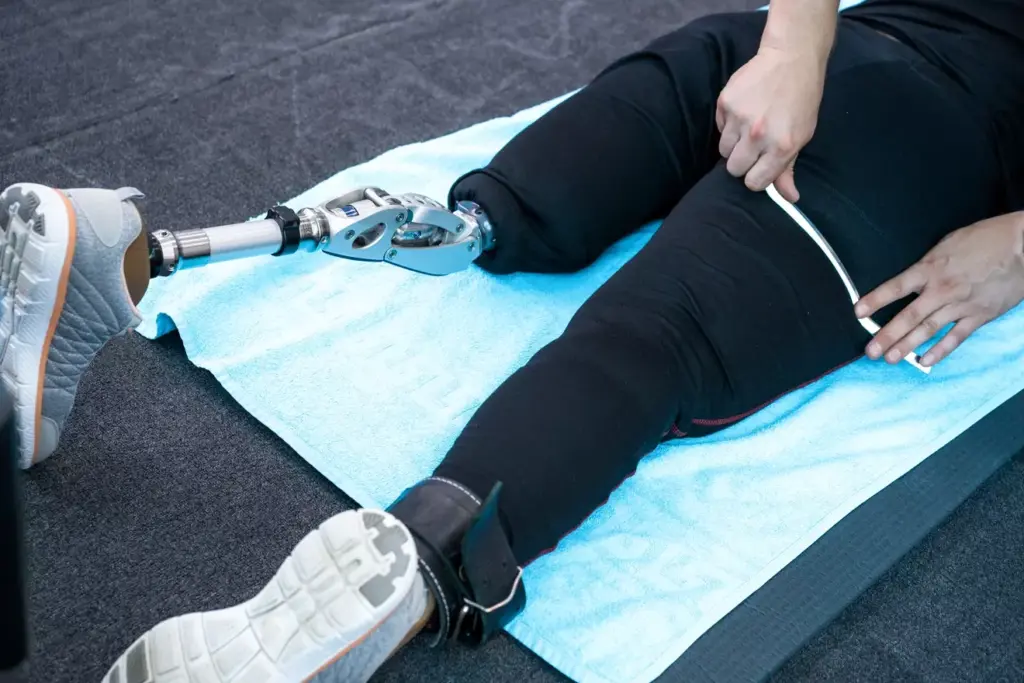
Total ankle replacement, or ankle arthroplasty, is a surgery to ease pain and improve movement. It’s for those with damaged ankle joints. This surgery is for advanced arthritis or trauma, helping patients move better.
Definition and Purpose of Total Ankle Replacement
This surgery replaces the damaged ankle with an artificial one. It aims to reduce pain, improve function, and enhance life quality. A renowned orthopedic surgeon, says it’s a game-changer for ankle arthritis, giving patients more natural movement than fusion surgery.
The artificial joint used in this surgery is made to move like a real ankle. This means patients can move more freely and widely. This is a big plus over fusion surgery, which can make the ankle stiff.
Candidates for Ankle Replacement Surgery
Not everyone can have ankle replacement surgery. The best candidates have severe ankle arthritis or joint damage that hasn’t gotten better with other treatments. We look at how damaged the joint is, the patient’s health, and how active they are. Patients with rheumatoid arthritis, post-traumatic arthritis, or osteoarthritis are often good candidates.
Advantages Over Traditional Ankle Fusion
Ankle replacement surgery has many benefits over fusion. One key advantage is keeping the ankle’s natural motion. Unlike fusion, which fuses bones together, replacement surgery keeps the ankle moving naturally. This can lead to better function and a more natural walk.
“Ankle replacement surgery has been a game-changer for many of our patients, allowing them to return to activities they enjoy with less pain and greater mobility,” says an orthopedic specialist.
Other benefits include possibly faster recovery and the chance to do more activities. But, it’s important for patients to talk to their doctor about the pros and cons. This helps decide if ankle replacement is right for them.
The Surgical Process of Ankle Transplant Replacement

The surgery to replace an ankle transplant is complex and detailed. It requires careful planning and execution. We know it can be scary for patients, but with the right preparation, the results can be great.
Pre-Surgical Preparation and Planning
Before the surgery, patients go through a detailed evaluation. This helps determine if they’re a good candidate for the procedure. The evaluation includes:
- Medical history review
- Physical examination
- Imaging studies (X-rays, CT scans, or MRI)
We also talk to patients about following the post-operative instructions closely. Patient compliance is key for the best results.
Types of Ankle Prostheses Available
There are many types of ankle prostheses, each with its own benefits. The right one depends on the patient’s needs and the surgeon’s choice. Some common ones are:
- Fixed-bearing prostheses
- Mobile-bearing prostheses
- Custom-made prostheses for complex cases
Step-by-Step Surgical Procedure
The surgery for ankle transplant replacement has several steps:
- Administration of anesthesia to ensure patient comfort
- A surgical incision to access the ankle joint
- Removal of the damaged or arthritic joint surfaces
- Implantation of the prosthetic components
- Closure of the incision and application of dressings
The recovery time for total ankle replacement is about 6 to 12 months. During this time, patients need to follow a structured rehabilitation program for the best results.
Knowing what to expect from the surgery helps patients prepare better. Our team is dedicated to giving full care and support during the recovery.
Immediate Post-Operative Recovery Period
The days and weeks after ankle transplant replacement surgery are key for a good recovery. Patients are watched closely for any signs of trouble. They also get help with the first steps of healing.
Hospital Stay Duration and Care
The time in the hospital after ankle replacement surgery varies. It depends on the patient’s needs and the surgery’s complexity. Usually, patients stay for 1-3 days under a team’s care. This team makes sure pain is managed and the patient is ready to go home.
In the hospital, patients get a lot of care. This includes:
- Pain management through medication
- Monitoring for any complications
- Starting physical therapy for mobility
- Wound care to help healing
Pain Management Protocols
Managing pain right after surgery is very important. We use multimodal analgesia, which is a mix of pain relief medicines. This method helps cut down on opioid use and lowers the chance of side effects.
Initial Mobility Restrictions
Patients have to follow certain rules about moving around. They might not be able to put weight on the ankle right away. The doctor will tell them how much weight they can put on it. Following these rules helps the ankle heal right and the implant stay stable.
Wound Care Basics
Good wound care is key to avoid scarring and help healing. Patients learn how to keep the surgery area clean and dry. They also learn to watch for signs of infection. It’s important to follow the doctor’s wound care instructions for the best recovery.
| Aspect of Care | Description | Importance |
|---|---|---|
| Pain Management | Multimodal analgesia | Reduces opioid use and side effects |
| Mobility Restrictions | Non-weight-bearing or partial weight-bearing | Ensures proper healing and implant stability |
| Wound Care | Keeping the site clean and dry | Minimizes risk of infection and promotes healing |
Complete Timeline for Ankle Replacement Recovery
Knowing the recovery timeline is key for those having ankle replacement surgery. The journey is split into stages, each with its own goals and expectations.
First 6 Weeks: Non-Weight Bearing Phase
The first six weeks are vital. Patients usually can’t put weight on the ankle to heal properly.
They use crutches or walkers to move around. Managing pain is also a big focus during this time.
6 Weeks to 3 Months: Partial Weight Bearing
After six weeks, patients start to bear some weight on their ankle. They slowly increase the weight they can handle.
Physical therapy gets more intense. It helps regain ankle mobility and strengthen muscles. Patients do exercises to improve their movement.
3 to 6 Months: Strengthening Phase
Between three to six months, the goal is to strengthen the ankle. Patients keep up with physical therapy, doing harder exercises.
By six months, most patients are about 75 percent recovered. But, full recovery can take up to 12 months, studies show.
“The majority of patients achieve significant improvement in their ankle function within the first six months, but it’s essential to continue rehabilitation efforts to maximize outcomes.”
6 to 12 Months: Return to Normal Activities
The last phase is about getting back to normal. Patients can usually do most daily activities and some sports by this time.
They should keep up with exercises at home. Regular check-ups with their healthcare provider are also important.
| Recovery Phase | Timeline | Key Activities |
|---|---|---|
| Non-Weight Bearing | 0-6 weeks | Use assistive devices, pain management |
| Partial Weight Bearing | 6 weeks-3 months | Gradually increase weight-bearing, physical therapy |
| Strengthening | 3-6 months | Progressive exercises, improve range of motion |
| Return to Normal Activities | 6-12 months | Resume daily activities, continue home exercises |
Physical Therapy’s Critical Role in Recovery Success
Physical therapy is key to success after ankle transplant surgery. It helps patients regain mobility and strength. This is essential for them to get back to their daily activities.
Essential Exercises for Ankle Mobility
Patients do exercises to improve ankle mobility. These are made by physical therapists. They help increase range of motion and reduce stiffness.
Progressive Strengthening Protocols
Strengthening muscles around the ankle is next. This is done with resistance bands or weights. It helps support the new ankle and improves stability.
Gait Training Importance
Gait training is also vital. It helps patients walk safely and naturally again. Physical therapists guide them to adjust their walking.
Home Exercise Program Compliance
Following a home exercise program is important. Regular exercises help achieve the best results. It’s essential for a smooth recovery.
| Aspect of Physical Therapy | Description | Benefit |
|---|---|---|
| Ankle Mobility Exercises | Gentle exercises to improve range of motion | Reduces stiffness, improves function |
| Progressive Strengthening | Resistance exercises to strengthen ankle muscles | Supports new ankle joint, improves stability |
| Gait Training | Relearning proper walking techniques | Reduces fall risk, improves mobility |
| Home Exercise Program | Regular performance of prescribed exercises at home | Enhances recovery, achieves optimal outcomes |
Understanding Ankle Replacement Surgery Scarring
Scarring after ankle replacement surgery is a common concern. Every surgery leaves scars, and their look can differ from person to person. The size and how visible these scars are can vary a lot.
Typical Incision Locations and Lengths
Where and how long incisions are made matters a lot for scar appearance. Surgeons usually cut at the front of the ankle. The exact spot and length depend on the surgery type and the patient’s body.
Doctors aim to hide scars in less seen areas. The incision length can be between 10 to 15 cm. This depends on the surgery’s complexity and the prosthesis type.
Normal Scar Appearance Timeline
Scars look different over time after ankle surgery. At first, they are red, raised, and stand out. As healing goes on, scars get flatter and lighter in color.
| Timeframe | Scar Appearance |
|---|---|
| 0-3 months | Red, raised, and noticeable |
| 3-6 months | Starts to flatten and fade |
| 6-12 months | Continues to improve in appearance |
Factors Affecting Scar Formation
Many things can change how scars look after ankle surgery. These include your genes, skin type, age, and health conditions.
“The way a scar heals can be influenced by a variety of factors, including genetics and overall health. Understanding these factors can help manage expectations regarding scar appearance.”
Good wound care and following up with your doctor also play big roles. Patients should stick to their surgeon’s advice to help scars heal better.
Effective Scar Management Techniques
Effective scar management is key to reducing scars after ankle surgery. Scarring is a worry for many after ankle replacement surgery.
Medical Interventions for Scar Reduction
There are many ways to lessen scar appearance. Silicone gel or sheeting helps flatten and soften scars. Steroid injections can also make raised scars smaller and less red.
Laser therapy is sometimes used. It helps scars look better by improving collagen and reducing color.
At-Home Scar Care Strategies
At-home care is vital for scar management. Keeping scars moisturized with creams or oils is important. Massage therapy can also help with scar tissue and flexibility.
It’s also key to protect scars from the sun. Using sunblock with high SPF helps prevent scars from darkening.
When to Consider Scar Revision
Not all scars can be managed with simple care. If scars are very bothersome, scar revision surgery might be needed. We look at each case to decide the best action.
Psychological Impact of Surgical Scars
The emotional impact of surgical scars is big. Visible scars can hurt a patient’s self-esteem and body image. We must talk about these feelings as part of care.
By using medical treatments, at-home care, and addressing emotional issues, we help patients manage scars. This improves their recovery and overall well-being.
Potential Complications During Recovery
Ankle replacement surgery is usually safe, but there are risks to watch out for during recovery. Knowing these risks helps patients spot problems early and get help fast.
Infection Risks and Prevention
Infection is a big risk after surgery, including ankle replacement. We use antibiotics and keep the surgery area clean to lower this risk.
Prevention Strategies:
- Take all antibiotics as directed
- Follow wound care instructions carefully
- Watch for signs of infection like redness or fever
Implant-Related Complications
Complications with the implant can include it coming loose, wearing down, or not aligning right. It’s important to see your surgeon regularly to check on the implant.
| Complication | Description | Typical Intervention |
|---|---|---|
| Implant Loosening | The implant becomes less secure over time. | Revision surgery may be required to secure the implant. |
| Wear and Tear | Normal wear on the implant surfaces. | Regular monitoring; replacement if wear is significant. |
| Misalignment | The implant is not properly aligned. | Revision surgery to correct alignment. |
Wound Healing Issues
Wound healing problems can happen for many reasons, like infection or poor nutrition. It’s key to take good care of the wound to avoid these issues.
When to Contact Your Surgeon
Knowing when to call your surgeon is important during recovery. Reach out if you have:
- Pain that’s not getting better with medicine
- Signs of infection like fever or swelling
- Unusual discharge or smell from the wound
- Trouble walking or putting weight on your ankle
Talking to your healthcare provider quickly can make a big difference in your recovery.
Long-Term Outcomes and Prosthesis Longevity
Knowing how long ankle prostheses last is key for setting the right expectations for patients. As ankle replacement surgery gets better, looking at long-term results helps us see how well it works.
Prosthesis Survival Rates
Recent studies show that ankle replacement prostheses are lasting longer. Up to 90 percent of them can last over ten years. The longevity of these prostheses depends on the type and the patient’s health.
| Prosthesis Type | 5-Year Survival Rate | 10-Year Survival Rate |
|---|---|---|
| Mobile-bearing | 95% | 85% |
| Fixed-bearing | 92% | 80% |
| Hybrid | 93% | 82% |
Even though different prostheses have different survival rates, the overall success of ankle replacement is good.
Functional Improvements Expected
People who get ankle replacement surgery can expect big improvements. They’ll move their ankles better, feel less pain, and do more things. Most patients see a big boost in their quality of life after surgery.
Key functional improvements include:
- Increased ankle range of motion
- Improved gait patterns
- Enhanced ability to perform daily activities
- Reduced pain during weight-bearing activities
Activity Limitations After Full Recovery
Even with the benefits of ankle replacement, there are some activities to avoid. Running or jumping might not be okay for everyone. But, many can do low-impact sports like cycling or swimming.
Talking to your doctor about what activities you want to do is very important. This helps plan the best recovery.
Factors Affecting Long-Term Success
Many things can affect how well ankle replacement works long-term. Following the recovery plan, staying healthy, and going to check-ups are all important. These steps help make sure the prosthesis works well for a long time.
By understanding these factors and working with your healthcare team, you can make your ankle prosthesis last longer and work better.
Patient Compliance Impact on Recovery Success
Following post-operative protocols is key to a successful ankle replacement surgery. Understanding the importance of patient compliance is vital for a smooth recovery.
Following Weight-Bearing Restrictions
Adhering to weight-bearing restrictions is critical in the early stages of recovery. This means not putting too much weight on your ankle. Following these restrictions closely is essential to avoid complications and ensure healing.
Using crutches or walkers can help manage weight-bearing. This can greatly reduce the risk of complications during recovery.
Physical Therapy Attendance and Participation
Regular physical therapy sessions are vital for regaining ankle mobility and strength. Physical therapy is customized to your needs, helping you through the recovery process.
Our physical therapists create a personalized exercise program for you. This ensures you feel comfortable and confident during rehabilitation.
Proper Wound and Scar Care
Effective wound and scar care is key to minimizing scar appearance and promoting healing. We give detailed instructions on wound dressing and scar management.
Proper wound care helps prevent infection and ensures proper healing. By following our guidelines, you can achieve the best results.
“Proper wound care is critical for preventing infection and promoting healing. By following the recommended care protocols, patients can significantly reduce the risk of complications.”
Long-Term Maintenance Activities
Long-term maintenance is essential for the longevity of your ankle replacement. This includes continuing exercises from physical therapy and maintaining a healthy lifestyle.
We suggest regular follow-up appointments to check on your ankle replacement. This helps address any concerns or issues promptly.
By following these guidelines and staying in touch with your healthcare team, you can have a successful recovery. This ensures the best outcomes from your ankle replacement surgery.
Lifestyle Adjustments After Ankle Transplant Replacement
After getting an ankle transplant replacement, it’s key to make lifestyle changes for the best results. The surgery’s success also depends on how well you adapt to these changes.
Recommended Activities and Sports
Doing the right physical activities is important for your new ankle’s health. Try swimming, cycling, and walking. These exercises are gentle on the ankle and help build muscle.
If you like sports, pick ones that are okay for your new ankle. Golf, doubles tennis, and easy hiking are good choices. Always talk to your doctor before starting any sport or hard activity.
| Activity | Recommended | Not Recommended |
|---|---|---|
| Swimming | Yes | |
| Cycling | Yes | |
| Walking | Yes | |
| Golf | Yes | |
| Contact Sports (e.g., Football, Rugby) | No | |
| High-Impact Aerobics | No |
Activities to Avoid or Modify
Some activities are not good for your new ankle. Avoid high-impact sports like running or jumping. They can wear out your prosthetic faster.
Stay away from contact sports that might hurt your ankle. Also, try to avoid putting too much strain on your ankle. For example, use a cart for shopping or carry bags carefully.
Footwear Considerations
Choosing the right shoes is important for your ankle’s comfort and function. Wear shoes that support your ankle well and feel comfortable. Avoid high heels because they can stress your ankle.
Your doctor might suggest special shoes or orthotics for better support. Always talk to your healthcare team about your shoe choices.
Long-Term Monitoring Requirements
Seeing your orthopedic surgeon regularly is important. These visits help check if your ankle is working right. They also catch any problems early.
Be quick to tell your doctor if you notice any pain or swelling. This can help avoid bigger problems and keep your prosthesis working well for a long time.
Conclusion: Making an Informed Decision About Ankle Replacement
As we wrap up our detailed look at ankle replacement surgery, it’s clear that knowing the facts is key. Patients need to understand the surgery’s benefits, the recovery process, and possible complications. This knowledge helps them make better choices about their treatment.
Choosing ankle replacement means looking at the good and the bad. If the surgery goes well, patients can see big improvements in their life. They can move better and feel less pain.
We stress the need for patients to follow their doctor’s advice after surgery. This includes doing physical therapy and taking care of their wound. By making an informed choice and sticking to the treatment plan, patients can get the best results. They can enjoy the long-term benefits of their surgery.
What is ankle transplant replacement surgery?
Ankle transplant replacement surgery, also known as total ankle replacement, is a procedure. It replaces a damaged ankle joint with a prosthetic one. This aims to restore function and alleviate pain.
Who is a candidate for ankle replacement surgery?
Patients with advanced arthritis or extensive trauma who haven’t responded to conservative treatments are candidates. They need ankle replacement surgery.
How long does it take to recover from ankle replacement surgery?
Recovery from ankle replacement surgery takes several months. It usually ranges from 3 to 6 months for significant improvement. Full recovery can take up to a year or more.
What are the benefits of ankle replacement surgery compared to traditional ankle fusion?
Ankle replacement surgery offers better mobility and reduced pain. It also allows for a more natural range of motion compared to traditional ankle fusion.
What types of ankle prostheses are available?
Various types of ankle prostheses are available. They differ in materials and designs. The choice depends on the patient’s needs and the surgeon’s preference.
How is pain managed after ankle replacement surgery?
Pain management involves a mix of medications. This includes opioids and non-opioids. Ice therapy and elevation are also used.
What are the typical incision locations and lengths for ankle replacement surgery?
The incision is usually on the front of the ankle. The length varies based on the procedure and the surgeon’s technique.
How can I manage scarring after ankle replacement surgery?
Scar management includes medical interventions like silicone gel or sheeting. At-home care, such as massage and topical creams, is also helpful.
What are the typical complications during recovery from ankle replacement surgery?
Complications can include infection, implant-related issues, and wound healing problems. These are common during recovery.
How long do ankle prostheses typically last?
Ankle prostheses can last 10 years or more. Studies show survival rates of over 90% at 10 years.
What lifestyle adjustments are necessary after ankle transplant replacement?
Patients need to avoid high-impact activities and wear supportive footwear. Regular exercise is also important to maintain strength and mobility.
Can I participate in sports after ankle replacement surgery?
Some sports may be possible after surgery. But, it’s best to avoid high-impact activities that stress the prosthesis.
How often should I follow up with my surgeon after ankle replacement surgery?
Follow-up appointments are scheduled at regular intervals. This includes 2 weeks, 6 weeks, 3 months, and 6 months after surgery. They help monitor healing and address concerns.
References
- Grand Prairie Orthopaedics & Associates (GPOA). Ankle Replacement Surgery vs Ankle Fusion Surgery: Choosing the Best Option. Retrieved from https://www.gpoa.com/blog/ankle-replacement-surgery-vs-ankle-fusion-surgery-choosing-the-best-option
- Massachusetts General Hospital (Mass General). Total Ankle Replacement – Foot & Ankle Conditions and Treatments. Retrieved from https://www.massgeneral.org/orthopaedics/foot-ankle-conditions-and-treatments/total-ankle-replacement
- Ortho‑SA. What Is the Recovery Timeline for Ankle Replacement Surgery? Retrieved from https://www.ortho-sa.com/blog/what-is-the-recovery-timeline-for-ankle-replacement-surgery
- Hospital for Special Surgery (HSS). Ankle Replacement / Ankle Arthroplasty. Retrieved from https://www.hss.edu/health-library/conditions-and-treatments/list/ankle-replacement-arthroplasty
- TSAOG Orthopaedics / Foot & Ankle. Ankle Replacement Recovery Timeline. Retrieved from https://www.tsaog.com/blog/ankle-replacement-recovery-timeline